Denmark
How to apply, step by step
From choosing programmes in autumn 2026 to accepting a place in August 2027.
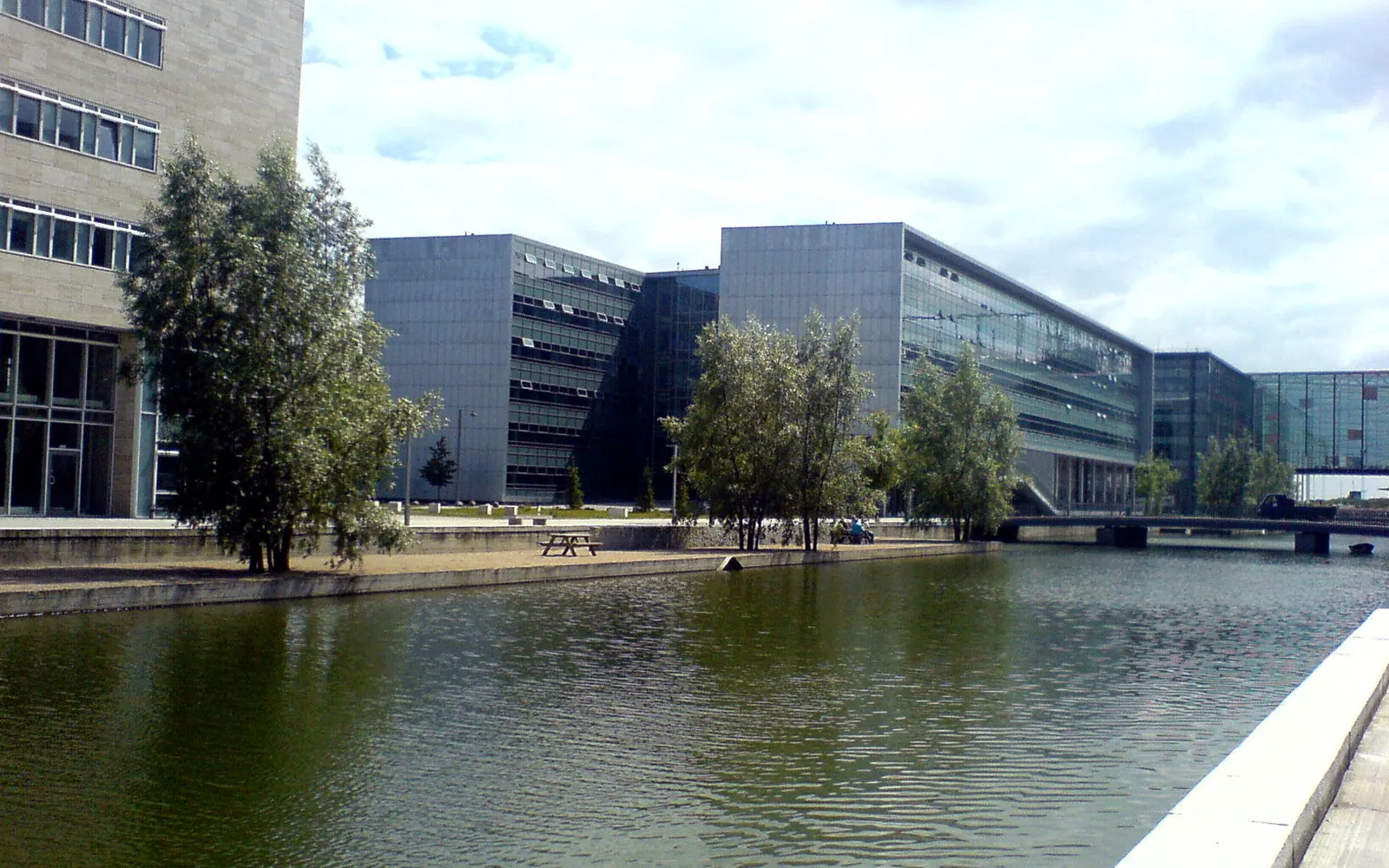
Christian Rasmussen from Copenhagen S, Denmark · CC BY-SA 2.0

-
Autumn 2026 Work out what you qualify for
Check your six subjects and levels against the programmes you want: autumn is when a missing subject can still be fixed. Check my subjects
Ask for a pre-assessment
Some universities will give you a written pre-assessment between September and December — ask.
-
January–February 2027 Log in and gather documents
Log in to optagelse.dk with MitID, or with your email address if you have no Danish CPR number.
Which documents
You will need your most recent transcript, documentation of anything you want counted in quota 2, and a passport copy if you are not an EU citizen.
-
Before 15 March Ask your IB coordinator for the results service
Your results come out on 6 July, after the deadline, so your coordinator sends them straight to up to six institutions.
Institution codes
Your coordinator registers you for the IB's own results service. Get a receipt. Institution codes: Copenhagen 002600, Aarhus 000150, Aalborg 000148, Southern Denmark 000157.
-
15 March 2027, 12:00 noon CET Submit up to eight programmes, and sign them
List them in order of priority and sign every application by the same deadline. You get at most one offer: your highest-ranked programme that admits you.
Signing, with or without MitID
Order matters; think about it properly rather than ranking by prestige.
With MitID you sign inside optagelse.dk. Without MitID you must print the signature page, sign it by hand and email or post it to every institution you apply to — it is never uploaded, and your application is not complete without it.
-
Spring to 5 July Top up your documentation
You can reorder your priorities until 12:00 on 5 July. Documentation deadlines are set by each institution.
Each institution’s deadline
Aarhus and Aalborg accept documents until 5 July, but Copenhagen wants them with the application on 15 March and some academies set 1 April. Check each one you list.
-
6 July Results day
If you registered for the results service, your results travel to the Danish institutions without you doing anything.
-
28 July Offers
Offers go out and every programme’s quota 1 cut-off is published. If you were not admitted anywhere, vacant places appear now.
-
Early August Accept within a few days
The deadline is the institution’s: in 2026, 2 August at Copenhagen, 3 August at Southern Denmark and 5 August at Aalborg.
Then housing, CPR and a bank
Then housing, CPR registration and a bank account — in that order, because each one depends on the last.
These dates beside any other country’s, on Deadlines
If you will pay tuition
The rules are harsher and differ by institution. At Aarhus you cannot apply in the year you take the IB, so check early: this can rule out the whole year.
Who this applies to
If you will pay tuition — you are not an EU, EEA or Swiss citizen and hold no permit that exempts you, such as permanent residence or a Special Act permit for displaced persons from Ukraine (see Money) — the rules are harsher and differ between institutions. Aarhus says that "if you are a paying applicant, then you cannot apply if you earn your IB exam in the year of application", because paying applicants must document everything by 15 March. Aalborg sets 1 May. Check your specific institution early, because this can rule out the whole year. If you do not pay tuition, these harsher rules do not apply to you.
If you are a subject short
Top up the missing level through GSK. It is taught in Danish, and only meets a specific subject requirement.
How GSK works
Denmark lets you top up through GSK (gymnasial supplering) — individual subjects taken at a VUC or GSK centre to reach a level you are missing. Two things to know: GSK subjects are taught in Danish, and GSK cannot be used to raise your overall qualification level, only to meet a specific subject requirement.
The separate rules about supplering — two successive level raises, at least one to A level — apply only if you hold DP Course Results rather than a full Diploma (what qualifies you).
Taking a sabbatår
A year out carries no penalty in quota 1, and relevant work can help in quota 2.
Why it costs nothing
Taking a year out after the IB is ordinary in Denmark and carries no penalty in quota 1 — your average is your average. The old bonus for applying within two years of finishing no longer exists. A year of relevant work can genuinely help in quota 2, where many institutions count documented work — Aalborg up to twelve months.