
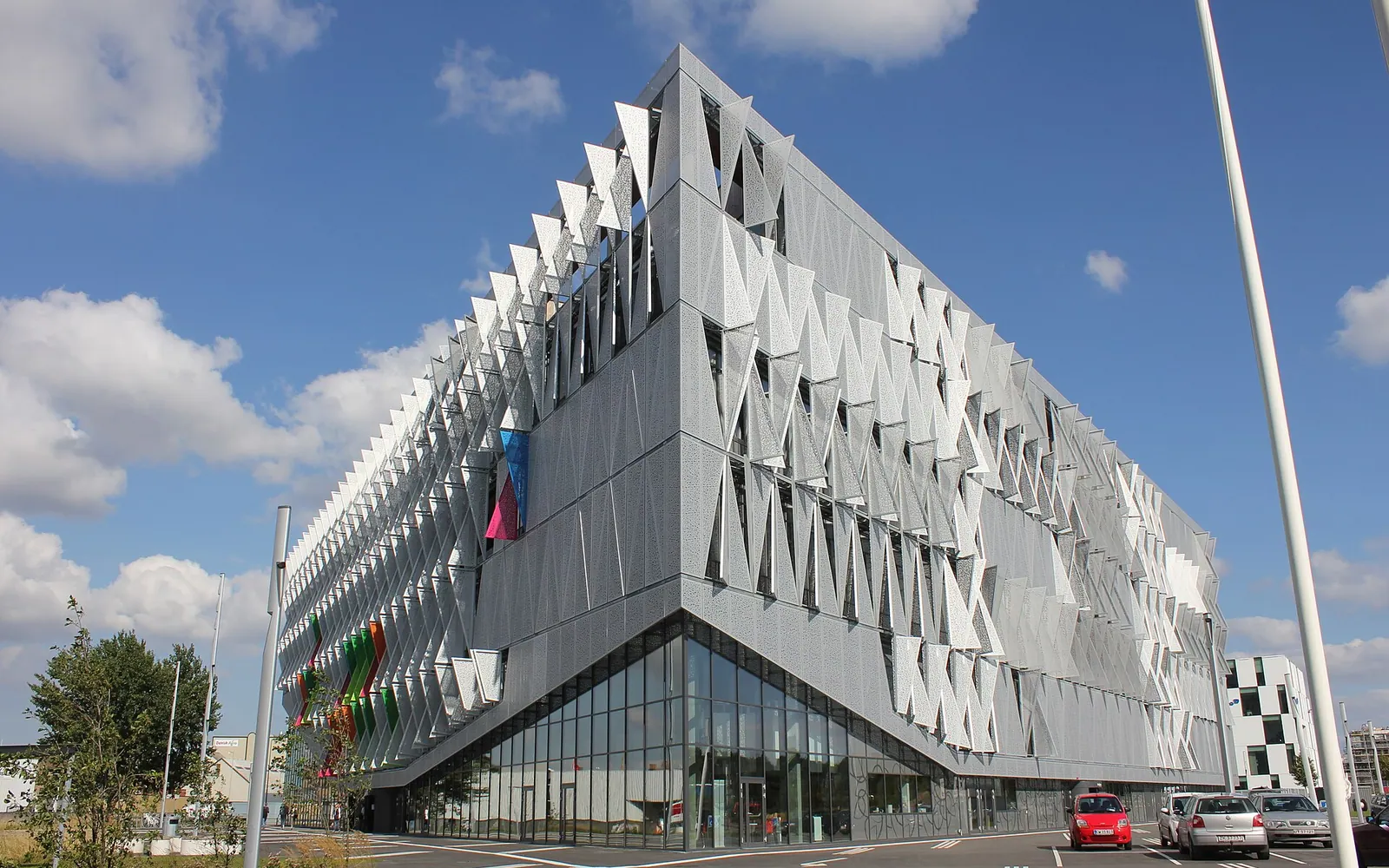
SDU — University of Southern Denmark
SDU is spread across seven towns in the south and west of Denmark, and…
Odense11 programmes
Nordics · May 2027 IB session · Autumn 2027 entry
51 programmes taught in English, at 7 universities and 7 colleges.
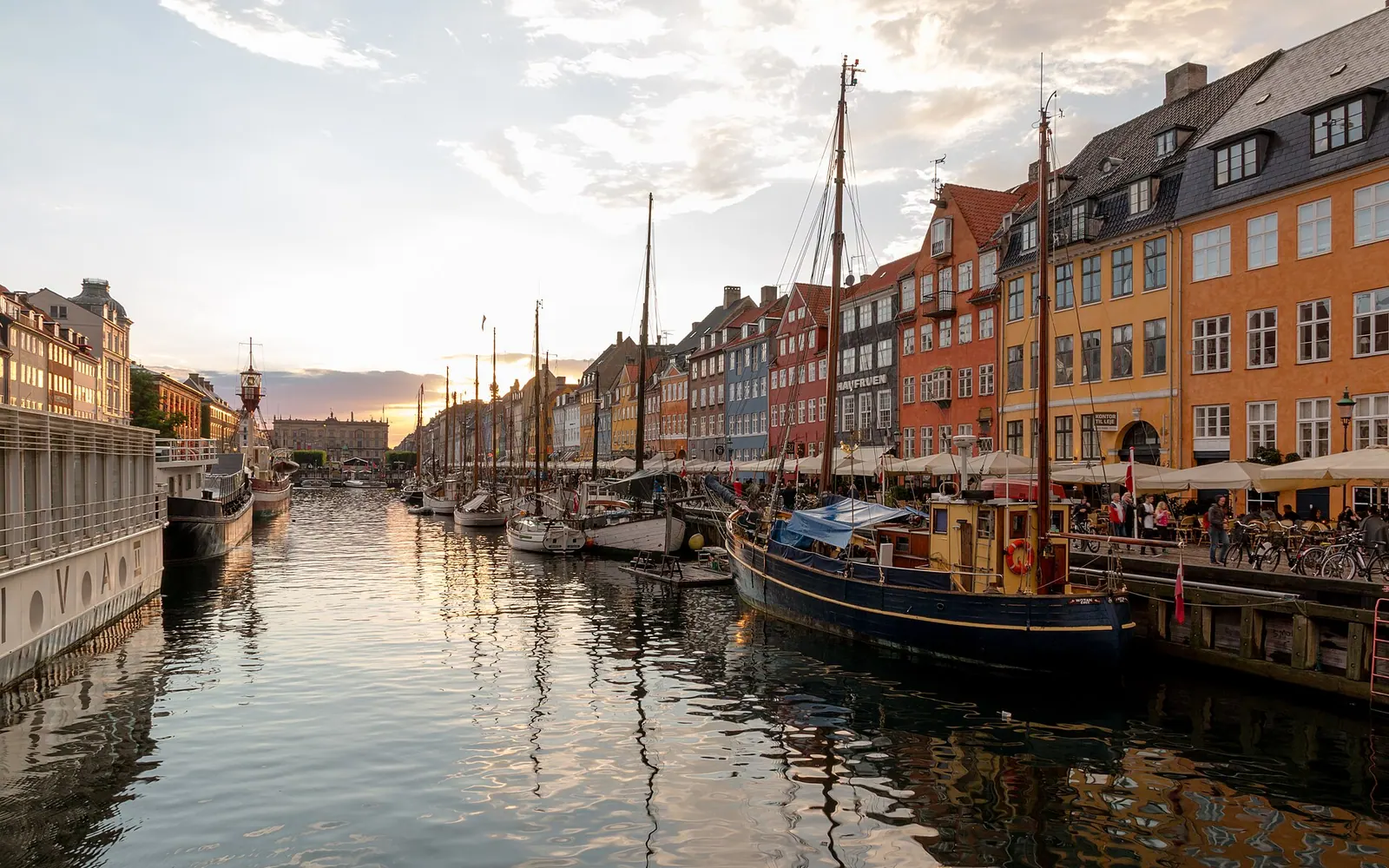
Nyhavn, Copenhagen
14 institutions
SDU is spread across seven towns in the south and west of Denmark, and…
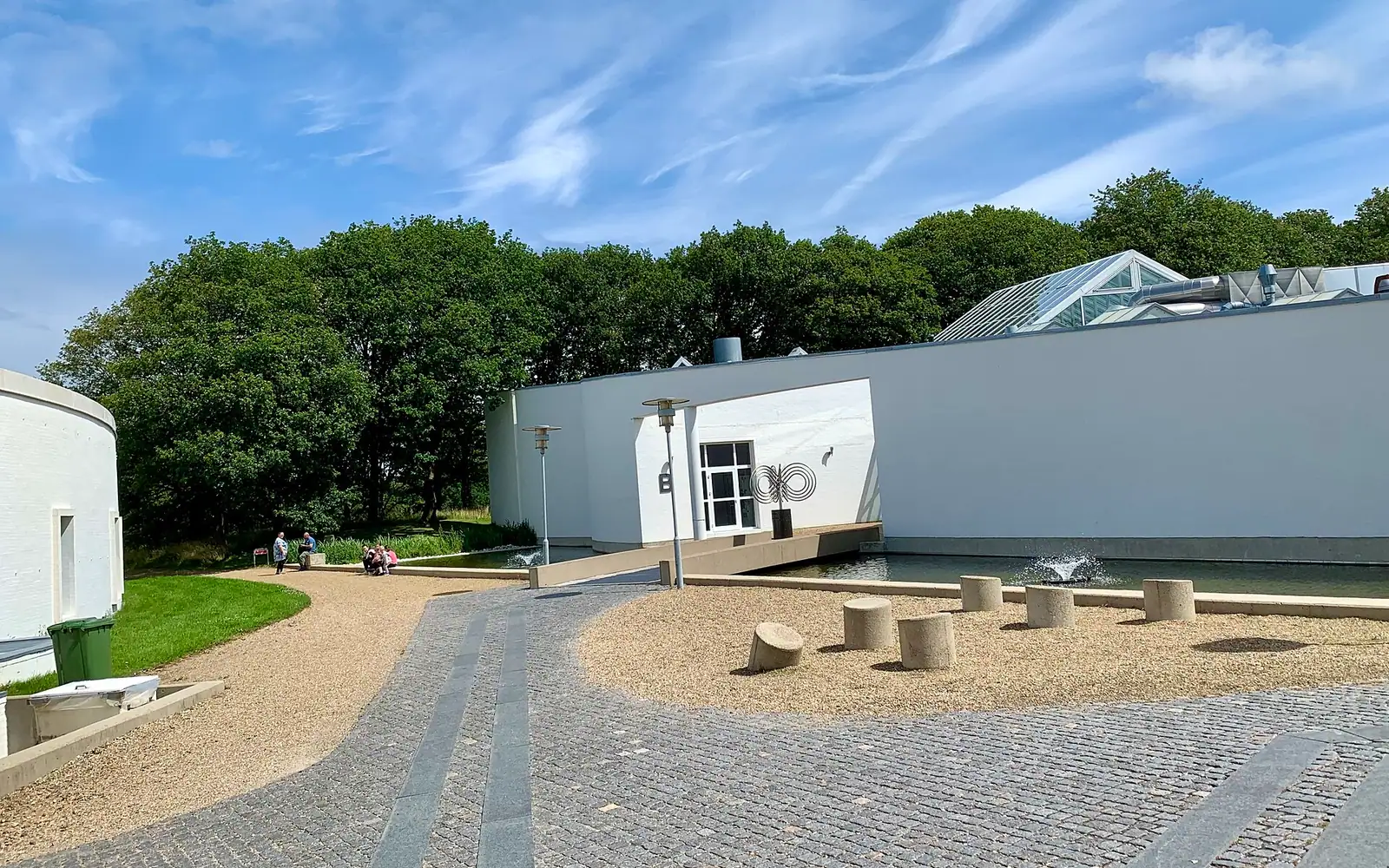
VIA is a university college (professionshøjskole) in central and western Jutland, and it teaches…
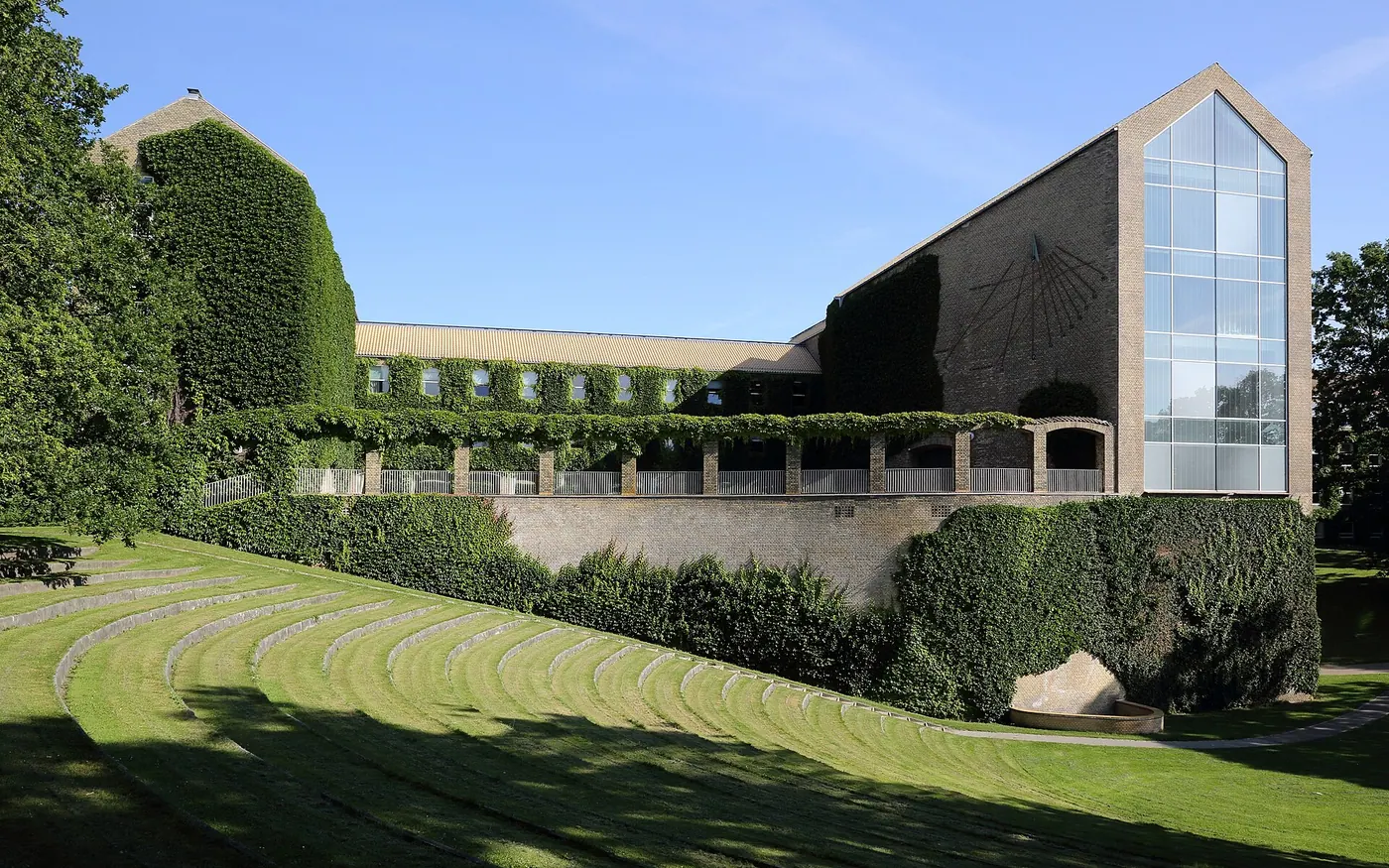
Aarhus University has roughly 38,000 students and a park campus of yellow-brick buildings that…
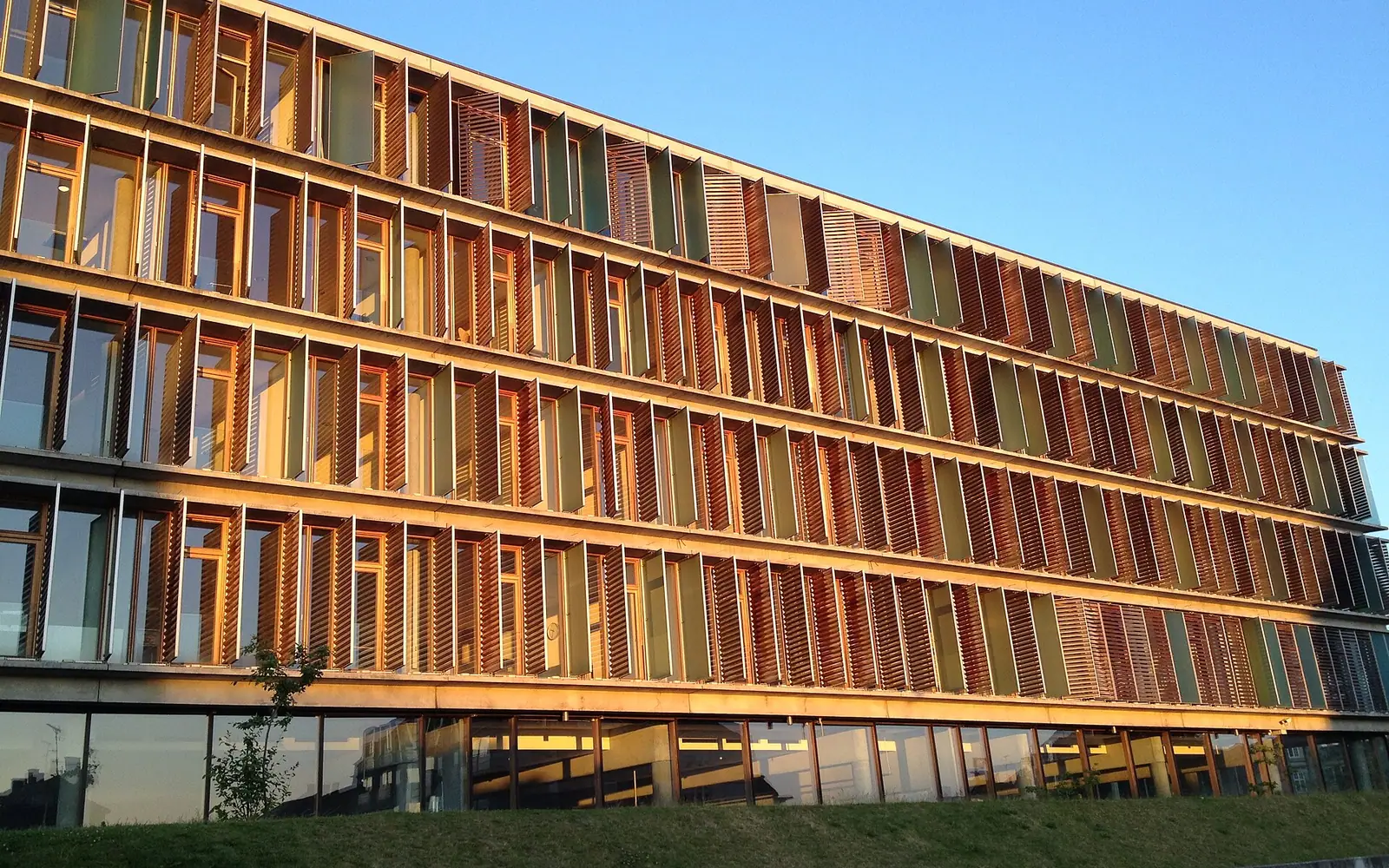
CBS is a single-subject university: everything it teaches is business, economics or something deliberately…

Aalborg University has about 17,700 students across three campuses — Aalborg, Esbjerg and Copenhagen…
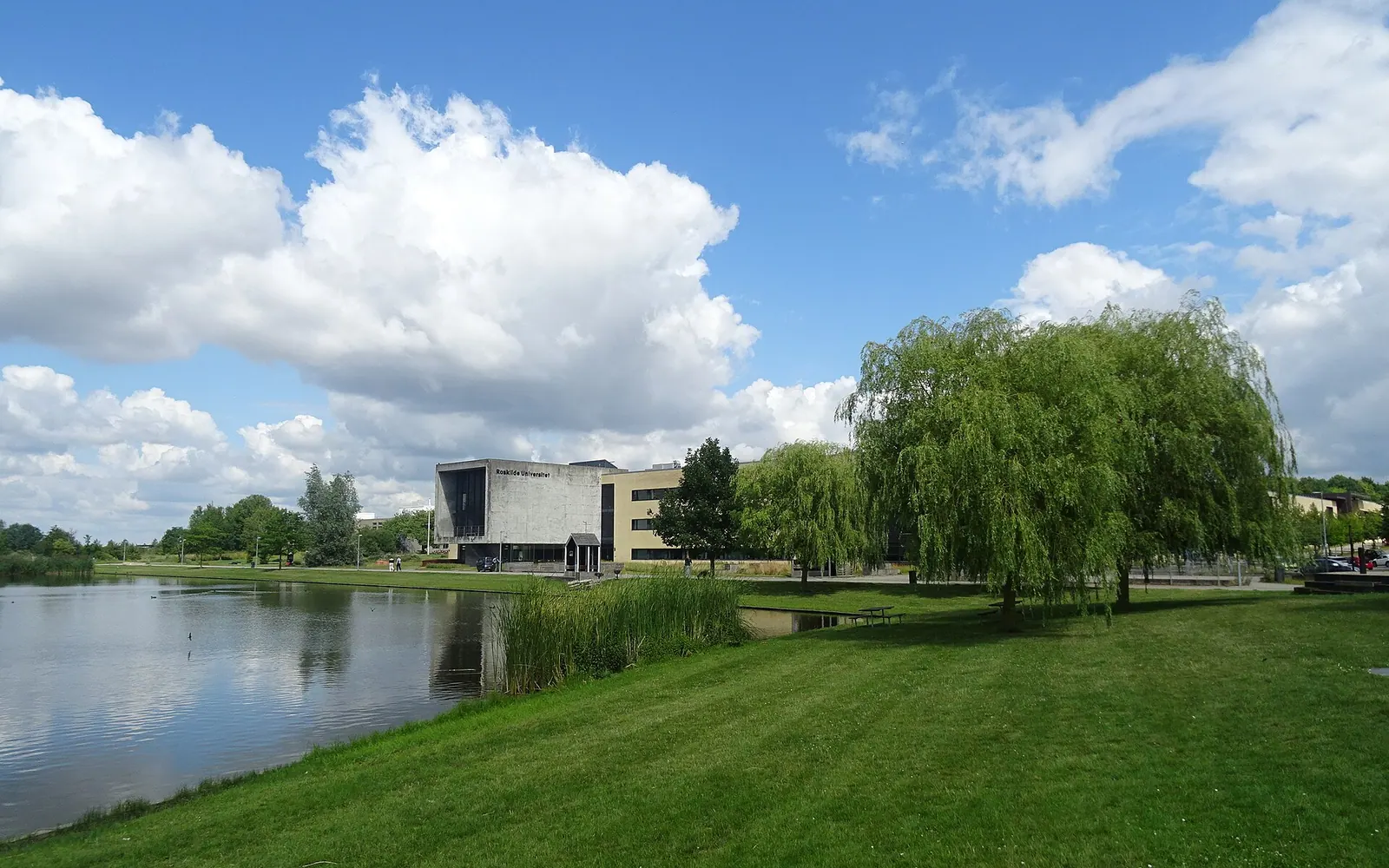
Roskilde University was set up in 1972 to experiment with how knowledge is taught…
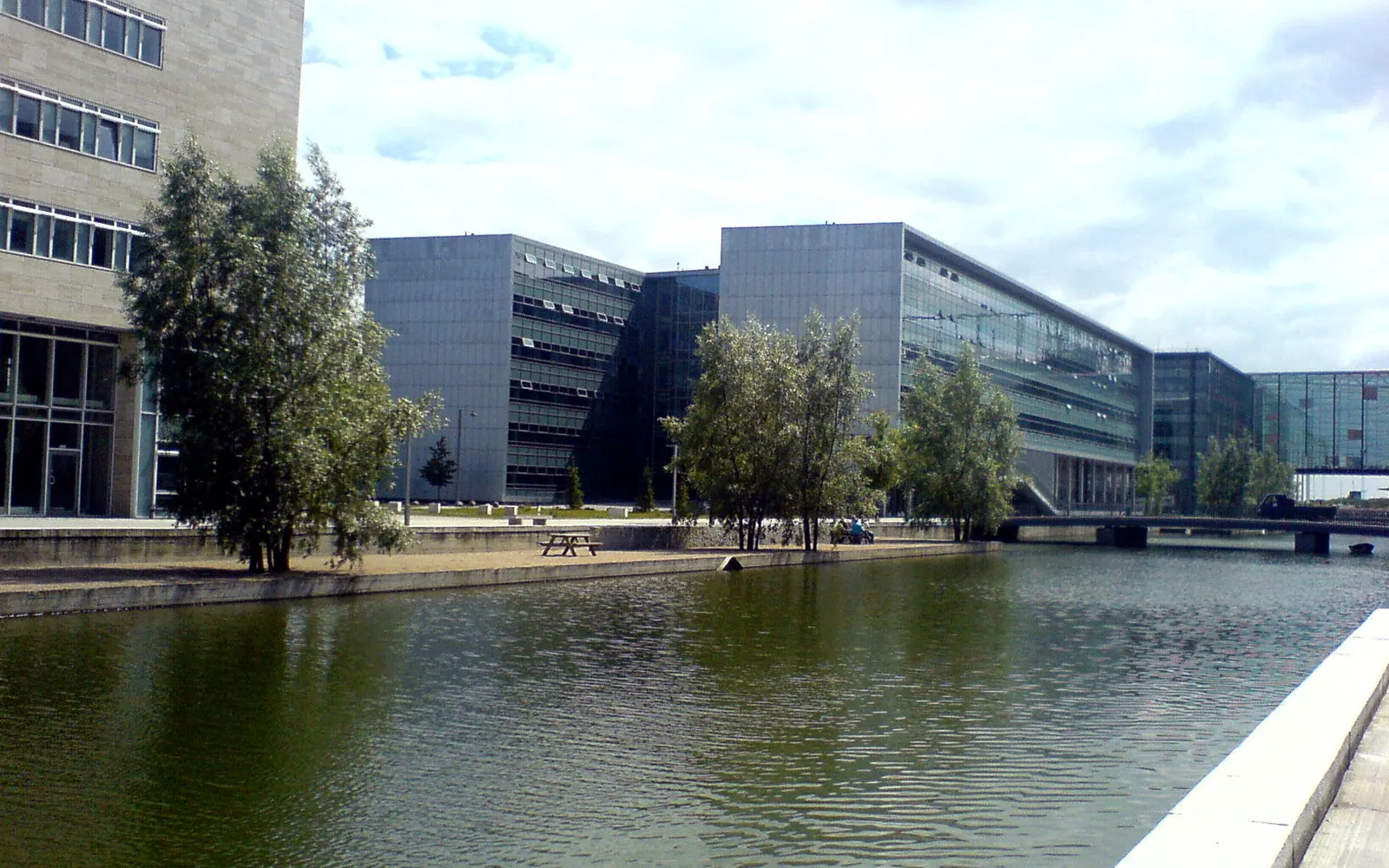
ITU was founded in 1999, has about 2,900 students, and is built around a…
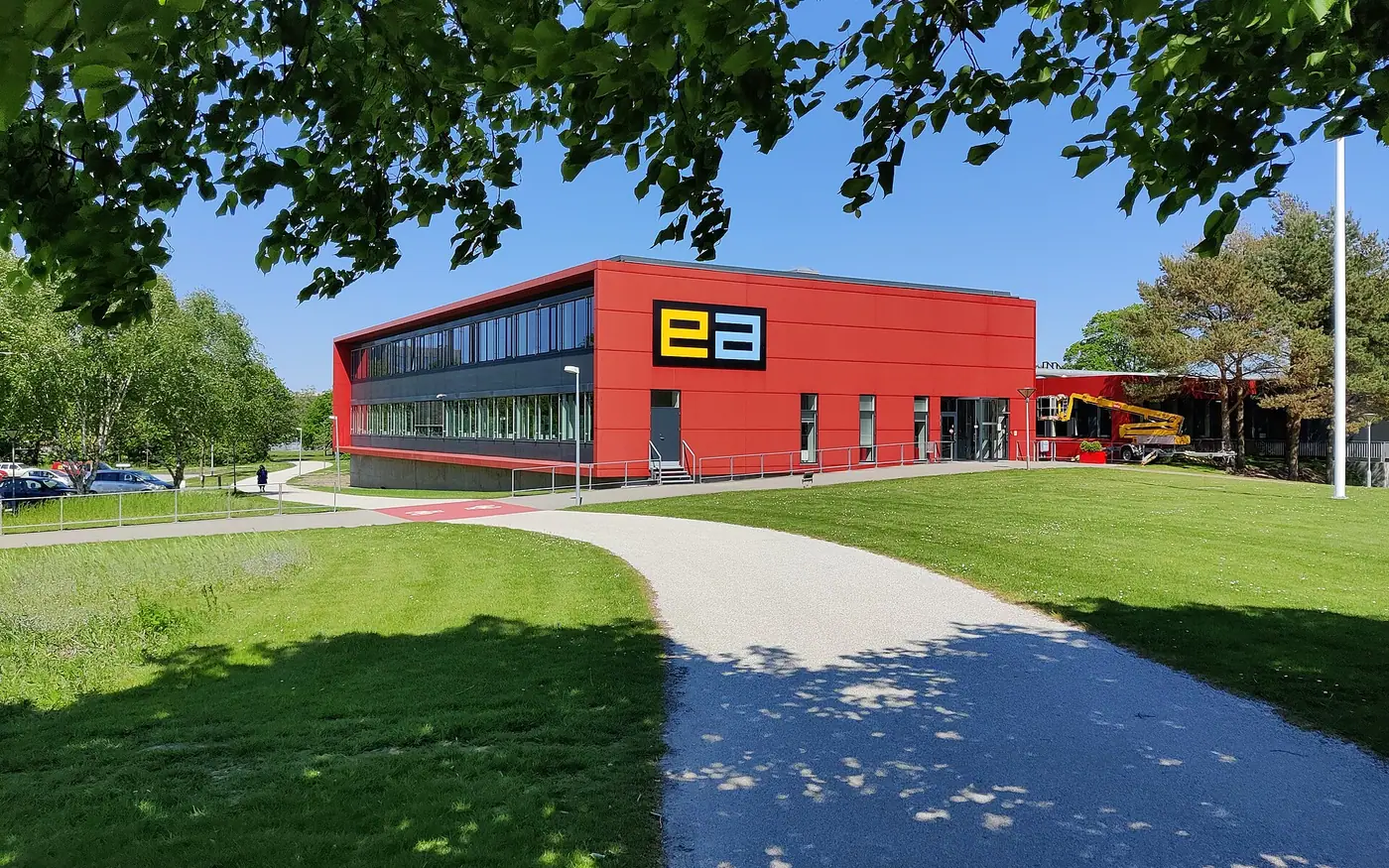
SEA is a business academy (erhvervsakademi) with campuses in Esbjerg and Sønderborg, formerly Erhvervsakademi…
Absalon is a university college (professionshøjskole) on Zealand.

Zealand is a business academy (erhvervsakademi) with several campuses on Zealand.
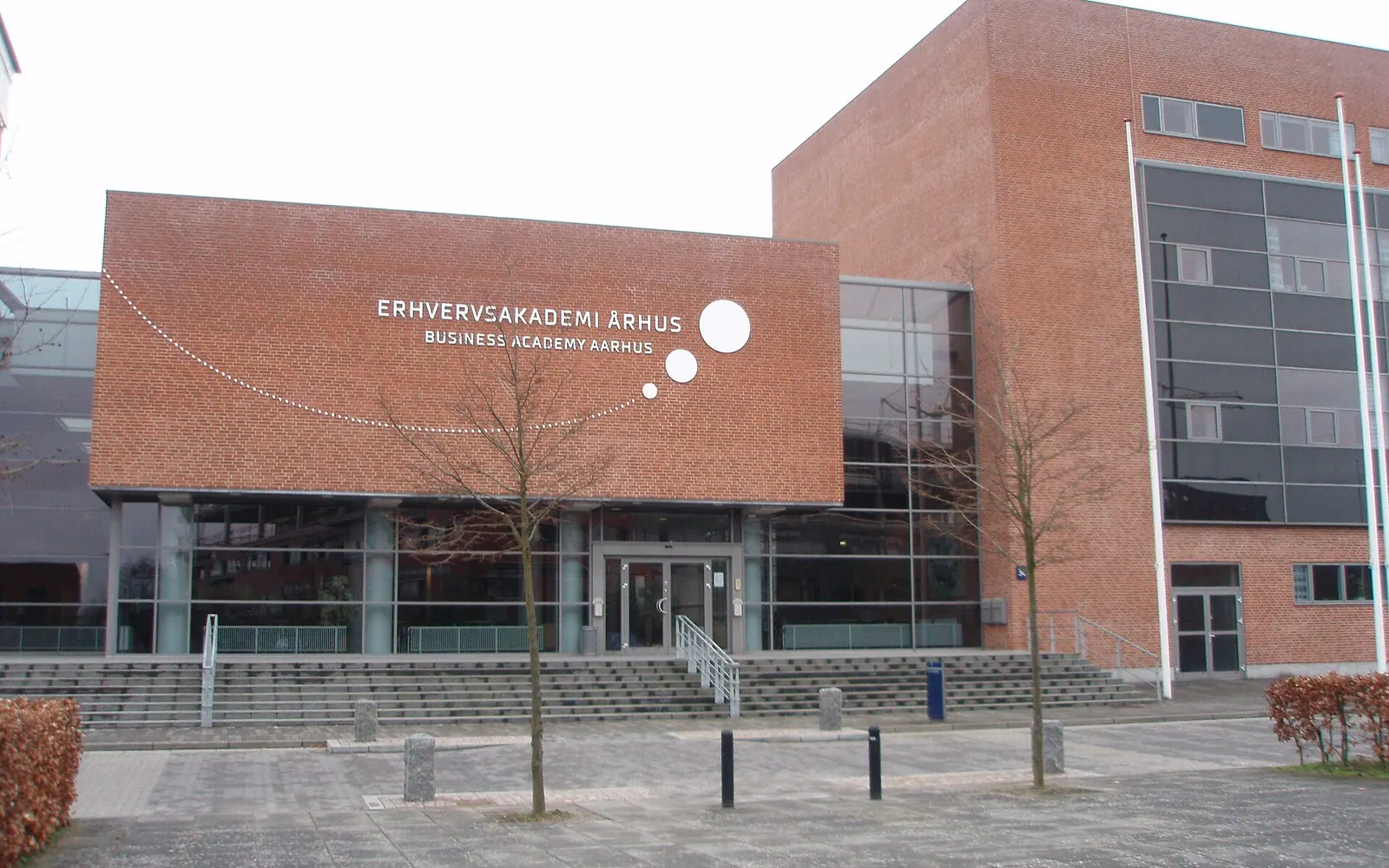
Business Academy Aarhus is a business academy (erhvervsakademi) in Viby, on the south side…
![Royal Danish Academy's campus (KADK Campus) at Holmen in Copenhagen, Denmark]]](/IB-Post-Secondary-Opportunities/assets/img/places/royal-danish-academy.webp)
The Royal Danish Academy is Denmark's national school of architecture, design and conservation, based…
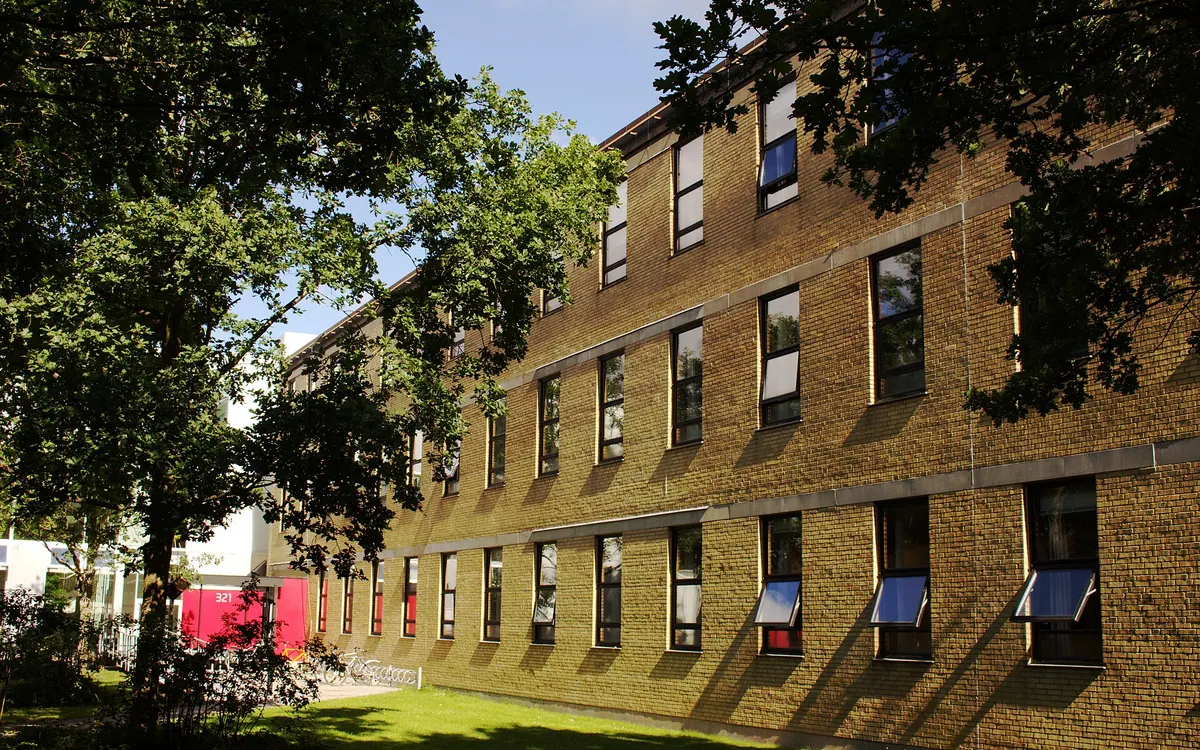
DTU is Denmark's main technical university, on a large purpose-built campus in Kongens Lyngby…
No bachelor's degrees in English at University of Copenhagen — every one is taught in Danish.
An IB Diploma with 24 points opens every programme in Denmark — if you also meet that programme's subject requirements.
No tuition at all for EU, EEA and Swiss citizens, and SU on top if you hold Danish citizenship or, as another EU/EEA citizen, gain equal status (in practice through part-time work).
The deadline is 12:00 noon on 15 March, not midnight, and it applies to every IB holder including those who took the IB in Denmark.
Denmark teaches many master's degrees in English. At bachelor's level it mostly does not.
The Agency converts your IB total to the Danish scale: 30 points is 6.9, 36 is 9.3, 40 is 10.7.
The Agency publishes a conversion table each year. That average is what you compete on in quota 1.
HL generally becomes A level and SL becomes B — but not always, and the exceptions matter.
Both mathematics courses — Analysis and Approaches and Applications and Interpretation — count the same way at each level. Global Politics has no fixed national equivalence; a few universities publish their own rule for it, and the programme pages show it.
Almost every programme names subjects and levels, and some name minimum grades too. Meeting the general entry requirement is not enough on its own.
Applications close at 12:00 noon CET on 15 March 2027 — not midnight. Results come out on 6 July.
That deadline applies to every applicant with an international qualification, including an IB taken at a Danish school, and whether you are aiming at quota 1 or quota 2. Your IB coordinator sends your results directly through the IB's results service — you do not wait and upload them yourself.
Quota 1 ranks on your converted average alone; quota 2 weighs other things. You are considered for both.
Programmes with more applicants than places split their intake into two quotas. Quota 1 takes most of the places. Quota 2 takes a smaller number and weighs whatever each institution publishes — typically grades in the required subjects, relevant work or study (Aalborg counts up to twelve months), and sometimes an admission test or an essay.
If you apply by 15 March and your average can be converted to the Danish scale, you are automatically considered in quota 1 as well as quota 2.
Aalborg's admissions office is unusually blunt about what does not count in its quota 2: motivational letters and recommendations are not considered relevant and are not required. Other institutions — Copenhagen Business School in particular — do want an essay. Check each one.
The English-taught set is much smaller.
This is the single biggest constraint on studying in Denmark with an IB. The University of Copenhagen puts it plainly on its own bachelor page: 78 programmes, all taught in Danish. Aalborg has historically taught four in English. Most of the English-taught provision sits at Copenhagen Business School, Southern Denmark, the IT University, Roskilde and the university colleges.
If you took Danish A1 or Danish A Literature — at either level — you are fine. If you did not, and the programme is taught in Danish, you will need the Studieprøven language test or an equivalent.
Denmark does not have one higher education sector but five, and they are genuinely different institutions rather than tiers of the same one. The Agency names them as universities, university colleges, business academies, institutions in architecture and art, and maritime educational institutions. Almost everything an IB student is told about Denmark concerns the first of those, which is a shame, because for some people the answer is one of the others. A reform is currently under way across the whole sector except maritime programmes, so structures that have been stable for years may not stay that way.
The eight research universities, and the route almost every IB student is shown. A three-year bachelor followed by a two-year kandidat (master’s), taught by people doing research in the subject. Academic in emphasis rather than vocational: you will read a great deal and write a great deal, and the first job comes after the master’s rather than after the bachelor.
The English-taught bachelor programmes listed on this site are almost all here. Most university bachelor programmes are still taught in Danish.
Where Denmark trains nurses, teachers, social workers, midwives and a good deal of its engineering. The qualification is a professionsbachelor, typically three and a half to four years including a substantial paid or assessed placement, and it is designed to put you into the profession rather than into a master’s. If you already know you want to do the job rather than study the subject, this is the route that does that, and it is the one nobody mentions.
The overwhelming majority of professionsbachelor programmes are taught in Danish, which is the practical barrier rather than the entry requirements.
Short, applied, two to two and a half years, leading to an erhvervsakademiuddannelse — an academy profession degree. Strongly vocational: multimedia design, computer science, marketing management, construction. Crucially it is not a dead end, because a one-to-one-and-a-half-year top-up converts it into a full professionsbachelor, so you can commit to two years rather than four and decide later.
Some business academies, particularly in Copenhagen, teach in English. This is the least-known route open to an IB student and the one worth checking if a four-year commitment at eighteen feels like too much.
The architecture schools, design schools, art academies, conservatoires and the film school. Admission runs on portfolio or audition, and grades matter far less than at a university — this is the one part of the Danish system where the usual logic of this site inverts. Preparation means a body of work built over months, not a supplementary course.
Entry is competitive in a different way from grade cut-offs, and each school publishes its own brief. A general portfolio satisfies none of them well.
Training for navigation, marine engineering and shipping, regulated separately from the rest of the sector and explicitly outside the current reform. A genuine route into a global industry that Denmark happens to be very good at, and one almost no IB student considers.
Not covered in detail on this site; the Agency names it as part of the sector. Ask the institutions directly.
Nothing for EU, EEA and Swiss citizens. Everyone else pays roughly €6,000–16,000 a year.
Non-EU students also pay an application fee of roughly €100–200 to each university, and DKK 3,060 (2026 rate) for the residence permit.
If you hold a residence permit under Denmark's Special Act for displaced persons from Ukraine (Act no. 324 of 16 March 2022), you pay neither tuition nor the application fee.
SU is DKK 7,426 a month before tax in 2026 if you live away from your parents. Danish citizens can claim it, and so can EU/EEA citizens with equal status — through a parent who works in Denmark, five years living in Denmark or your own job. If you cannot claim SU, look first at your own country's student finance: several EU/EEA systems fund a full degree in another country.
Danish universities have no tradition of campus accommodation.
EU and EEA citizens apply to SIRI for an EU registration certificate within three months of arriving, bringing a passport and letter of admission. Then a CPR number from your municipality, then a health card, then a bank account and NemKonto — each step depends on the one before it. If you already live in Denmark and hold a CPR number, you have done this already.
EU, EEA, Nordic and Swiss citizens can work without restriction. Others get a limited permit: 90 hours a month from September to May and full-time in June, July and August.
Danish universities have no tradition of campus accommodation. Most students live in kollegier, often some distance from campus, or rent privately. Start months before you arrive and contact your institution the moment you are accepted — August and September are the worst possible time to arrive without a room.
Once you have a CPR number you receive a health card automatically and healthcare is free. Choose insurance group 1, as 98% of residents do: an assigned GP, free consultations, referrals to specialists. Dental care and physiotherapy are not covered.
If you hold Danish citizenship, SU is yours without applying for equal status.
Your IB is converted to the Danish scale exactly as everyone else's is.