
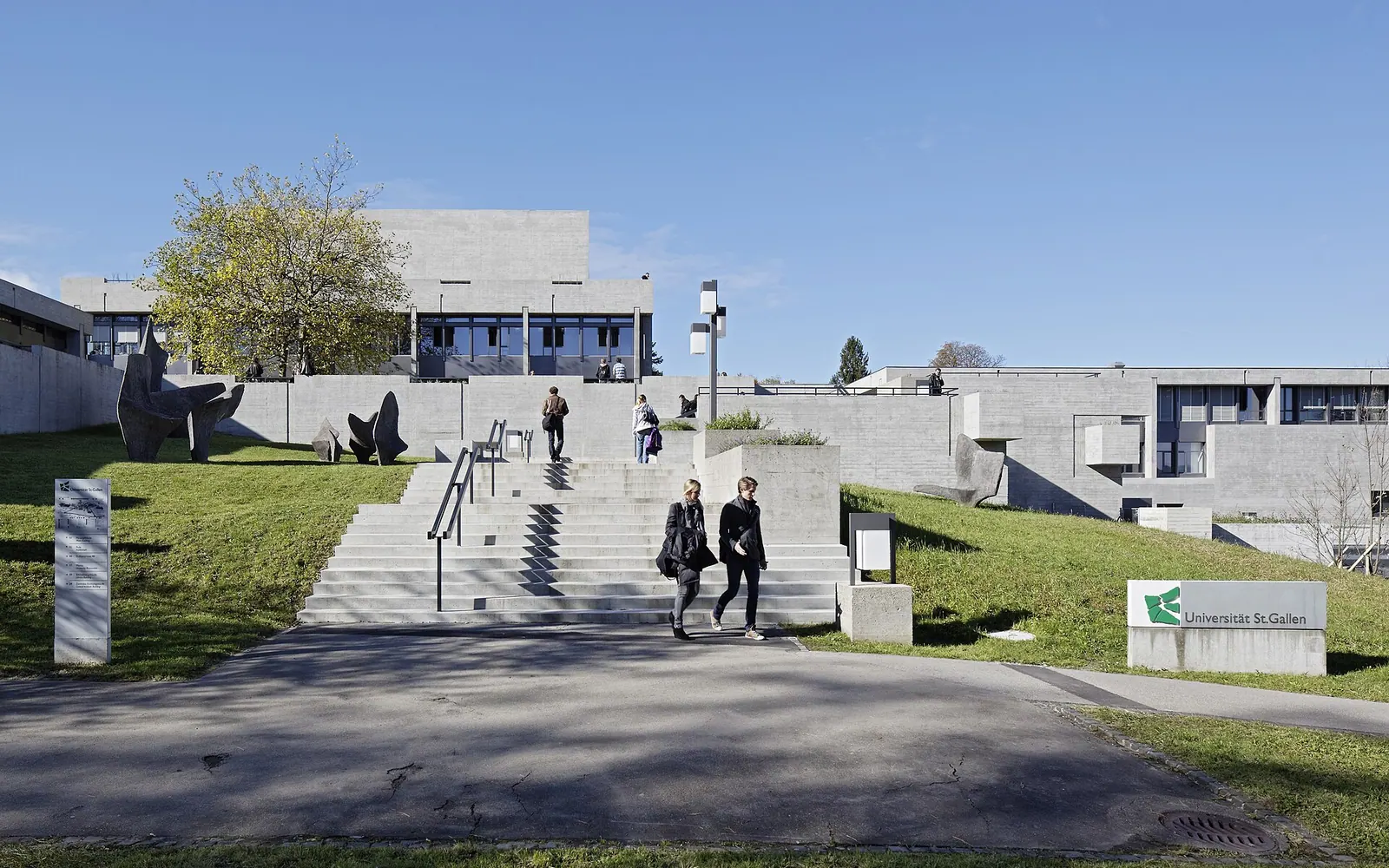
HSG — University of St. Gallen
Business, economics and law university in St. Gallen; the first year can be taken…
St. Gallen3 programmes
Central Europe · May 2027 IB session · Autumn 2027 entry
Cheap tuition, brutal living costs, and a very specific IB rule
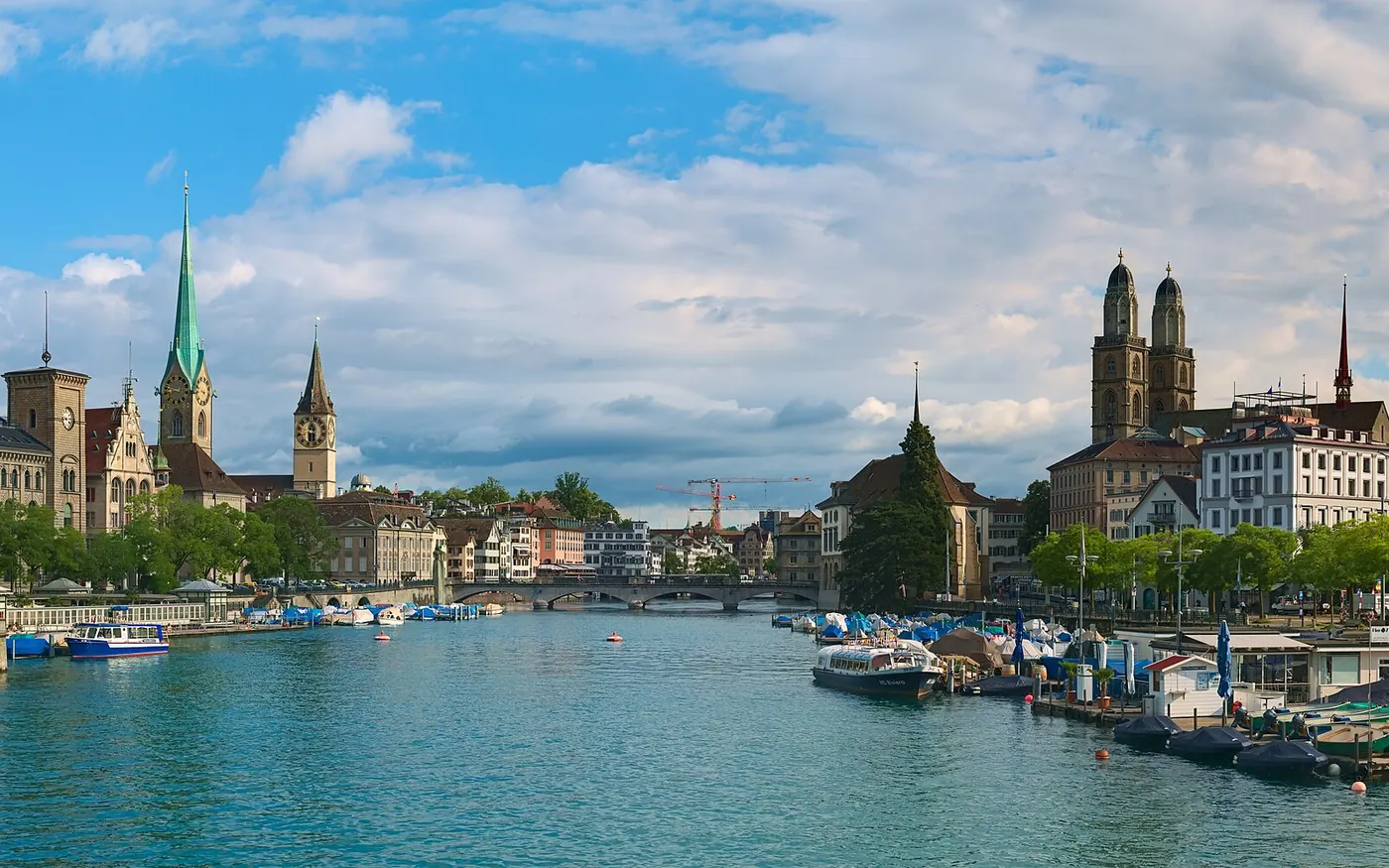
Zürich and the Limmat
6 institutions
Business, economics and law university in St. Gallen; the first year can be taken…
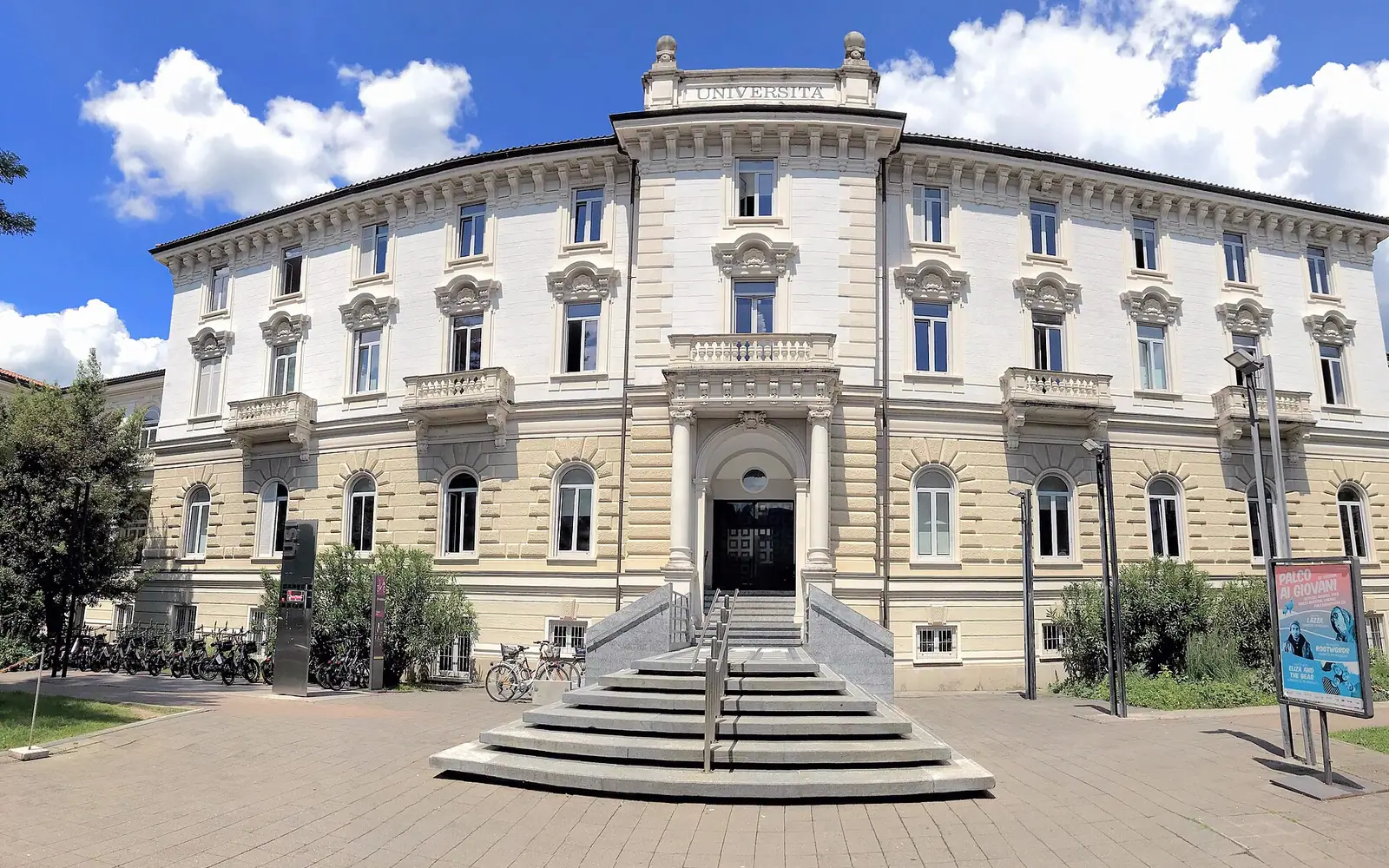
Italian-speaking university in Lugano; Informatics and Data Science are taught in English, and Economics…
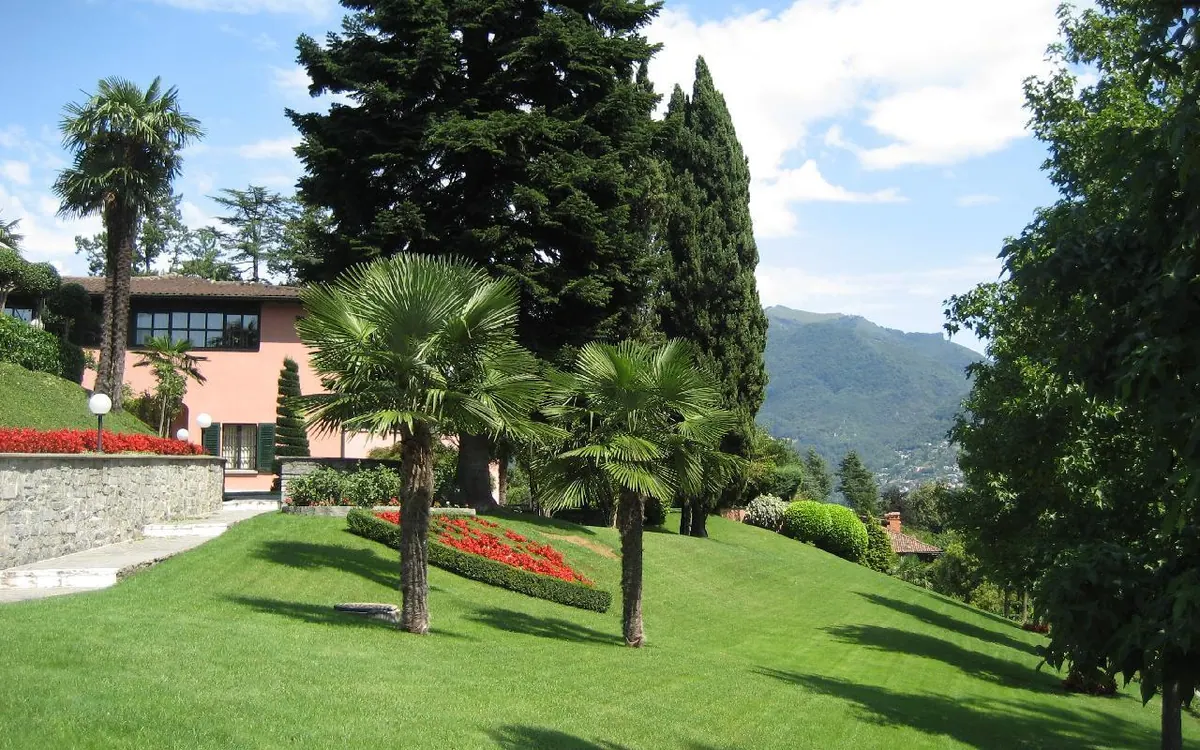
US-style liberal arts university in Lugano, teaching in English; you apply to its bachelor…
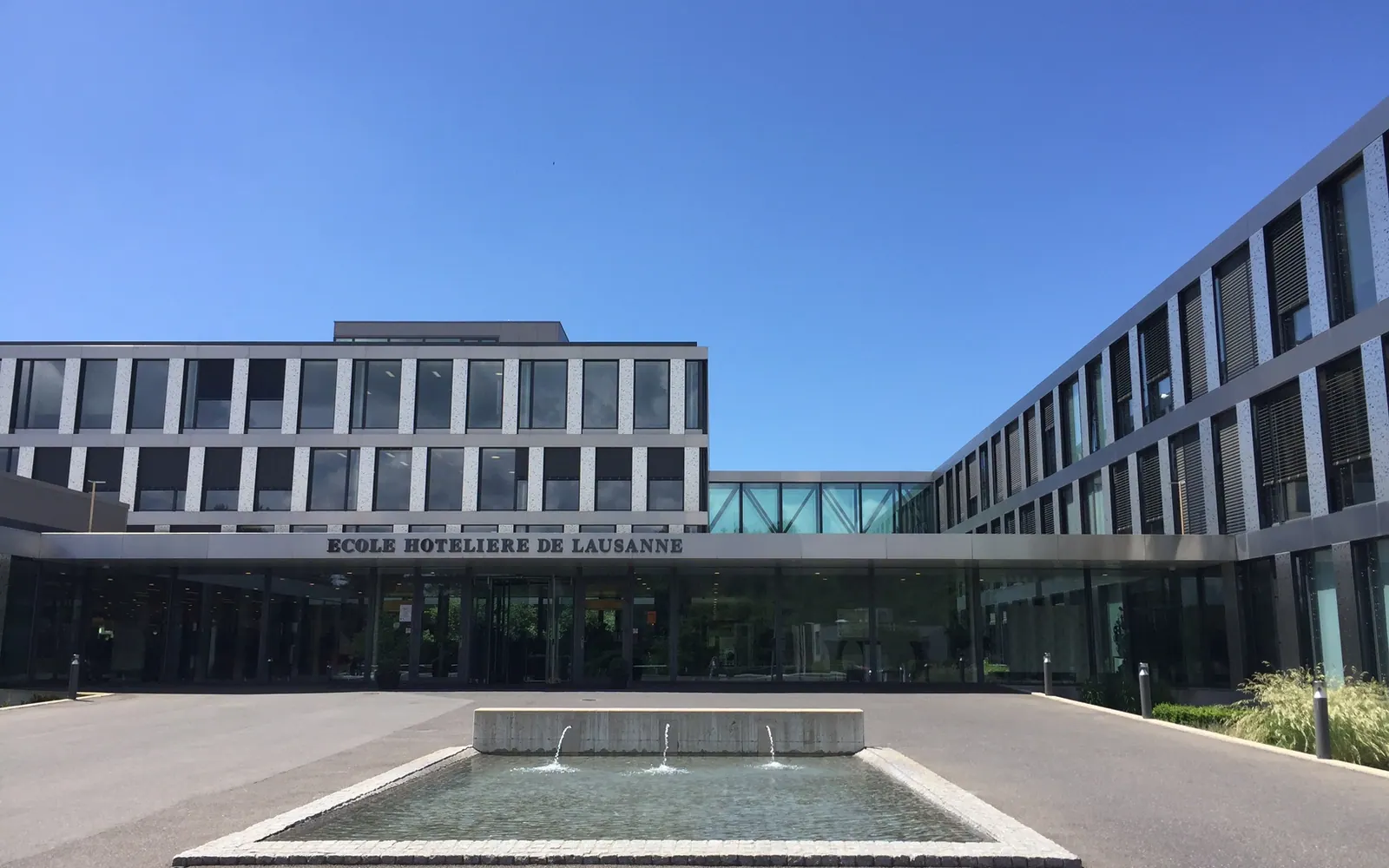
Private hospitality business school in Lausanne; one four-year bachelor, a BSc (HES-SO) in hospitality…
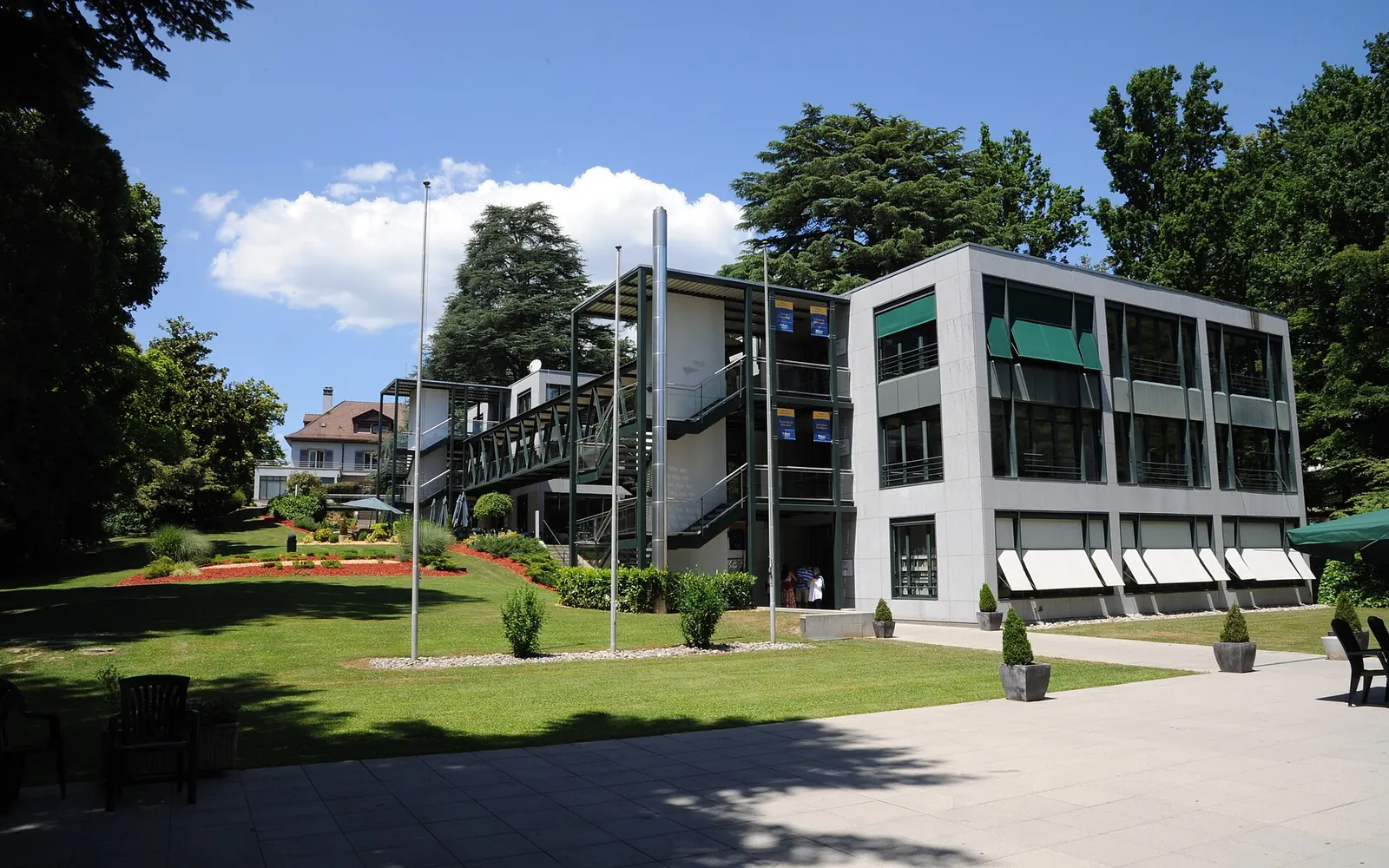
Geneva campus of the US-based Webster University, teaching in English; BA and BS majors…

Private business school with a campus in Geneva; seven three-year bachelor's taught in English…
This browser cannot draw the globe. Every place is in the list below.
Switzerland publishes a precise IB rule, and a strict one: swissuniversities sets a minimum of 32 out of 42 points and a fixed six-subject structure, and ETH Zurich and EPFL raise the bar to 38 points with set Higher Level…
Switzerland publishes a precise IB rule, and a strict one: swissuniversities sets a minimum of 32 out of 42 points and a fixed six-subject structure, and ETH Zurich and EPFL raise the bar to 38 points with set Higher Level subjects. Tuition is low, but living costs are high - ETH estimates CHF 22,100 a year in Zurich before tuition - and almost every public bachelor's degree is taught in German, French or Italian. The English-taught exceptions are a few programmes at USI Lugano and St Gallen, plus private schools.
ETH Zurich and EPFL are technical universities for science and engineering, and tuition is a fraction of what an equivalent place costs in the UK or the US.
ETH doubled down on international students: from autumn semester 2025 the tuition for foreign students is CHF 2,190 (about €2,330) per semester against CHF 730 (about €780) for Swiss residents.
Swiss higher education has three public pillars: the universities (the cantonal universities plus the two federal institutes of technology, ETH Zurich and EPFL), the Fachhochschulen / Hautes écoles spécialisées, and the Pädagogische Hochschulen for teacher training.
Swiss higher education has three public pillars: the universities (the cantonal universities plus the two federal institutes of technology, ETH Zurich and EPFL), the Fachhochschulen / Hautes écoles spécialisées, and the Pädagogische Hochschulen for teacher training. A small group of accredited private institutions sits alongside them.
The research universities and the two federal institutes of technology. Where the swissuniversities IB rule applies. Low tuition, but bachelor's teaching is in German, French or Italian.
Practice-oriented degrees in engineering, business, health, design and the arts, with close links to industry. Some programmes exist only here.
Admission of an IB applicant is not covered on this site; many programmes expect work experience.
Trains teachers for Swiss schools, taught in the local language.
Not covered on this site.
Small private institutions such as Franklin University Switzerland, Webster Geneva and EU Business School, and EHL, where most English-taught bachelor's are found. Only some are accredited by the Swiss state - swissuniversities publishes the list. Tuition is much higher than at public universities.
32 out of 42 points (bonus points not counted) at most Swiss universities.
Yes
32 out of 42 points (bonus points not counted) at most Swiss universities. ETH Zurich and EPFL require 38 out of 42.
swissuniversities requires six subjects, one from each of six categories: (1) first language; (2) second language (any recognised language); (3) mathematics, HL or SL; (4) natural sciences - biology, chemistry or physics; (5) humanities and social sciences - geography, history, or economics / business and management; (6) an elective from categories 2, 4 or 5, or computer science or philosophy. Computer science and philosophy may only be used as the sixth subject. At least three of the six must be Higher Level, and one of those Higher Level subjects must be mathematics or another natural science. ETH Zurich is stricter still: admission without an entrance examination requires 38/42 points; at Higher Level you must have (a) Mathematics: Analysis and Approaches or Mathematics: Applications and Interpretation, (b) physics, chemistry or biology, and (c) one Language A; at Standard Level you must have three further subjects from physics, chemistry, biology, geography, history, economics or business management, one further language only, or computer science. EPFL requires Mathematics, Physics and one of chemistry, biology or computer science at Higher Level; two modern languages and one of history, geography, economics or philosophy at SL or HL; 38/42 points; and grades of at least 6 out of 7 in mathematics and physics.
How Switzerland reads an IB Diploma.
These are the pages this section was written from. None has been signed off by a person yet, so confirm anything consequential at the source.
swissuniversities - International Baccalaureate (valid for 2026/27)
ETH Zurich - Admission requirements, academic year 2025/26 (PDF, international diplomas section)
ETH Zurich - admission prerequisites with a non-Swiss matriculation certificate
ETH Zurich - tuition fees (fee groups from autumn semester 2025)
Apply directly to each university.
In Y1, before your subject choices are locked, check your six subjects against the swissuniversities rule and, if you are aiming at ETH or EPFL, against their stricter rules.
Decide on the teaching language early. German at C1 or French at B2 is a year or more of work, and it is the requirement most IB students underestimate — unless German or French is already one of your languages.
By autumn 2026, take the application deadline from each university's own page - Swiss deadlines fall much earlier than German or Austrian ones. ETH closes 31 March, EPFL and Zurich 30 April, all before your results exist.
If ETH is the target and your combination does not meet the exam-free rule, apply in time for the entrance examination cycle, which starts more than a year ahead.
Submit the application with predicted grades and school documents, and send the final Diploma as soon as it arrives in early July 2027.
Once admitted, arrange the residence permit, compulsory Swiss health insurance and housing - all three take time and all three cost more than you expect.
Most Swiss universities admit on qualification rather than ranking: meet the points, the subject rule and the language requirement and you are in. The exceptions matter, though. Medicine is restricted nationally and uses an aptitude test. EPFL now caps first-year bachelor places and ranks non-Swiss applicants by academic performance. ETH funnels anyone outside its exact IB rule into a German-language entrance examination. The University of St Gallen's places for applicants with foreign school-leaving certificates are limited by law, so they go through a selection procedure of an online aptitude test and a video interview.
Franklin: by 1 December 2026.
Applies to: applicants whose IB subject combination does not meet the ETH exam-free rule
Hard deadline
After this the door closes.
ETH publishes one cycle at a time, and the cycle live on 23 September 2026 is this one: "You must apply by 31 March 2026 at the latest" in order to sit the examination of 18-28 January 2027 and begin in autumn semester 2027. If your IB subject combination does not meet the exam-free rule, you had to be in the system eighteen months ahead. That deadline has now passed, so a student reading this in autumn 2026 who needs the examination is realistically applying for autumn 2028 instead - ETH had not published that cycle's dates on 23 September 2026. The other two steps of this timetable have their own entries here.
Applies to: holders of a foreign certificate who do not need a visa, which includes EU/EEA citizens
Hard deadline
After this the door closes.
UZH publishes "1 January until 30 April" as the ordinary autumn-semester window, "1 May until 31 July" as an extended window available for Swiss qualifications only, and "1 January until 28 February" for applicants who need a visa. An EU/EEA citizen needs a residence permit rather than a visa, so 30 April is the deadline that applies - and the extended July window, which would have let you apply after results, is the one you cannot use. UZH also requires German at C1.
Hard deadline Via Swiss university
After this the door closes.
Published on ETH's "How to apply" page, not on its admission-prerequisites page: the application period runs "from 1 December to 31 March, 23:59 Central European Time". ETH gives no years; this site assumes the autumn 2027 intake. This closes more than three months before IB results, so you apply on predicted grades and upload the Diploma when it arrives. ETH can only decide whether you need an entrance examination once a complete application has been submitted through eApply, which is why applying early inside the window matters. An application fee is charged; the amount was not stated on the page.
Hard deadline Via Swiss university
After this the door closes.
Both publish 30 April with no year; read here for autumn 2027. EPFL opens in mid-November and the CHF 150 fee is due by the same day. The University of Zurich opens on 1 January and its later July window is for Swiss certificates only.
EPFL publishes it as "Applications can be submitted from mid-November to the 30th of April to start your studies at EPFL the following September", so the window opens in mid-November of the preceding year with no day given and there is no opening date here to count down to. 30 April is also the day the application fee must be paid - CHF 150 for a holder of a foreign certificate, CHF 50 for a Swiss one - and the fee is paid when the application is first submitted. Like ETH, EPFL closes before IB results exist.
Via Swiss university
Hard deadline
After this the door closes.
EPFL publishes 10 July as the deadline for uploading supporting documents, with "September 30th exceptionally for certificates/diplomas delivered after July 10". That is four days after IB results are released on 6 July. If your school cannot put the Diploma in your hands inside those four days, this is the exception you will be relying on - and the 30 September backstop is its own entry here, because missing that one cancels the admission.
Hard deadline
After this the door closes.
EPFL's wording: "The document attesting the successful completion of the title granting admission to EPFL ... must be submitted no later than September 30th. Admission is otherwise canceled." That is after term has started. An IB Diploma issued in July is comfortably inside it; a re-mark, a November retake or a certificate held up in the post is not.
Via Swiss university
No national portal and no national date. Each university sets its own; most fall in spring, before IB results.
Applies to: holders of an IB Diploma or an EU, EFTA or UK school-leaving certificate
A month, not a date: "Holders of an upper secondary school-leaving certificate from a country that is a member of EU, EFTA, or UK or of an International Baccalaureate (IB) will be accepted at the beginning of August within the places available." It is on the Bachelor/CMS admission criteria page, and the FAQ repeats "Decisions are communicated ... beginning of August" for the bachelor and "at the end of July" for the CMS preparatory year. "Within the places available" is the operative phrase: first-year places are capped at 3,000 from 2025 and selection for non-Swiss applicants is made "based on the general average of the school-leaving certificate".
There is no Swiss central admission system and no national application deadline: each university sets and publishes its own, and swissuniversities coordinates recommendations rather than applications. The University of Zurich's window is a separate entry above; Basel and the other cantonal universities publish windows of the same shape, typically closing 30 April, but only Zurich's is confirmed here. Take the rest from each university's own admission page in autumn 2026.
Only for applicants who applied to ETH by 31 March 2026. Applying now, from 1 December 2026, you cannot sit this examination.
Only for applicants who applied to ETH by 31 March 2026. Applying now, from 1 December 2026, you cannot sit this examination.
Rare. Swiss public universities teach bachelor's in German, French or Italian - ETH's bachelor programmes are in German, the University of Zurich requires German at C1 from foreign applicants, and EPFL requires French at B2 with C1 recommended.
Rare. Swiss public universities teach bachelor's in German, French or Italian - ETH's bachelor programmes are in German, the University of Zurich requires German at C1 from foreign applicants, and EPFL requires French at B2 with C1 recommended. The public exceptions are USI Lugano (Informatics and Data Science in English, and an English track in Economics) and St Gallen, whose Assessment Year in economic sciences can be taken entirely in English. Otherwise English-taught bachelor's are at private institutions such as Franklin University Switzerland, Webster Geneva, EHL and EU Business School.
Not a barrier on its own - IB English A is accepted where English proficiency is required. The binding requirement is usually the local teaching language, not English.
Yes, for most programmes
There is no EU/non-EU split in Switzerland - the split is between students with Swiss residence or citizenship and everyone else.
There is no EU/non-EU split in Switzerland - the split is between students with Swiss residence or citizenship and everyone else. A student moving from Denmark counts as a foreign student, whatever their EU/EEA passport. At ETH Zurich that means CHF 2,190 per semester (about €2,330 at the ECB rate of 24 September 2026) rather than CHF 730. (From autumn semester 2025)
ETH Zurich charges CHF 2,190 per semester (threefold tuition) to foreign students who were not resident in Switzerland or Liechtenstein when they obtained their entrance qualification; CHF 730 per semester applies to Swiss and Liechtenstein citizens and residents, and to certain EU/EFTA citizens with qualifying permits. Students already enrolled before autumn 2025 keep the old rate until they finish. Fees at other Swiss universities are not confirmed here; check with each university. (From autumn semester 2025)
Set by each university: EPFL CHF 150 for a foreign certificate; St Gallen CHF 268; ETH charges a non-refundable fee whose amount its page does not state. The University of Zurich lists no fee for the ordinary deadline. Private schools charge their own (EU Business School CHF 200).
About CHF 1,840 a month in Zurich: ETH puts rent, food, transport, health insurance and personal costs at CHF 22,100 a year, or CHF 28,100 including its foreign-student tuition and study costs. Lugano, St Gallen, Fribourg and Bern are cheaper. (ETH estimate, rents averaged for 2024)
Switzerland is not in the EU, but EU/EFTA citizens are covered by the free movement agreement and get a residence permit (permit B for students) rather than a visa.
Switzerland is not in the EU, but EU/EFTA citizens are covered by the free movement agreement and get a residence permit (permit B for students) rather than a visa. You register at the local commune within the period they specify after arriving, showing your admission letter, proof of financial means and health insurance. Non-EU students need a student visa arranged through a Swiss embassy well in advance.
EU/EFTA students may work up to 15 hours a week during the semester without a separate work permit and up to full time in the semester breaks; more than 15 hours in term needs a permit from the cantonal migration office. Taking a job also ends the EHIC-based health cover, so you must switch to Swiss health insurance first (ETH Zurich).
Zurich, Geneva and Lausanne have tight, expensive rental markets, and student halls do not come close to covering demand. Start as soon as you have an offer, use the university's own housing service, and expect a shared flat rather than a studio. Lugano, St Gallen, Fribourg and Bern are noticeably easier.
Swiss basic health insurance is compulsory for residents, but the federal health office says students from EU/EFTA countries do not have to take it out as long as they are not working: they are covered by their home system and treated on the European Health Insurance Card. If you start working you must take out Swiss insurance. Cantons handle the formalities, so register your EHIC cover with the cantonal authority in your first weeks as your university's international office directs.
If you hold Swiss citizenship, you pay the Swiss fee rather than the foreign one — at ETH Zurich CHF 730 a semester rather than CHF 2,190 — and the permit and registration steps for EU/EFTA students are not about you.
EPFL's lower threshold for "Swiss applicants" may cover you too: ask EPFL whether it means citizenship or a Swiss school certificate.