
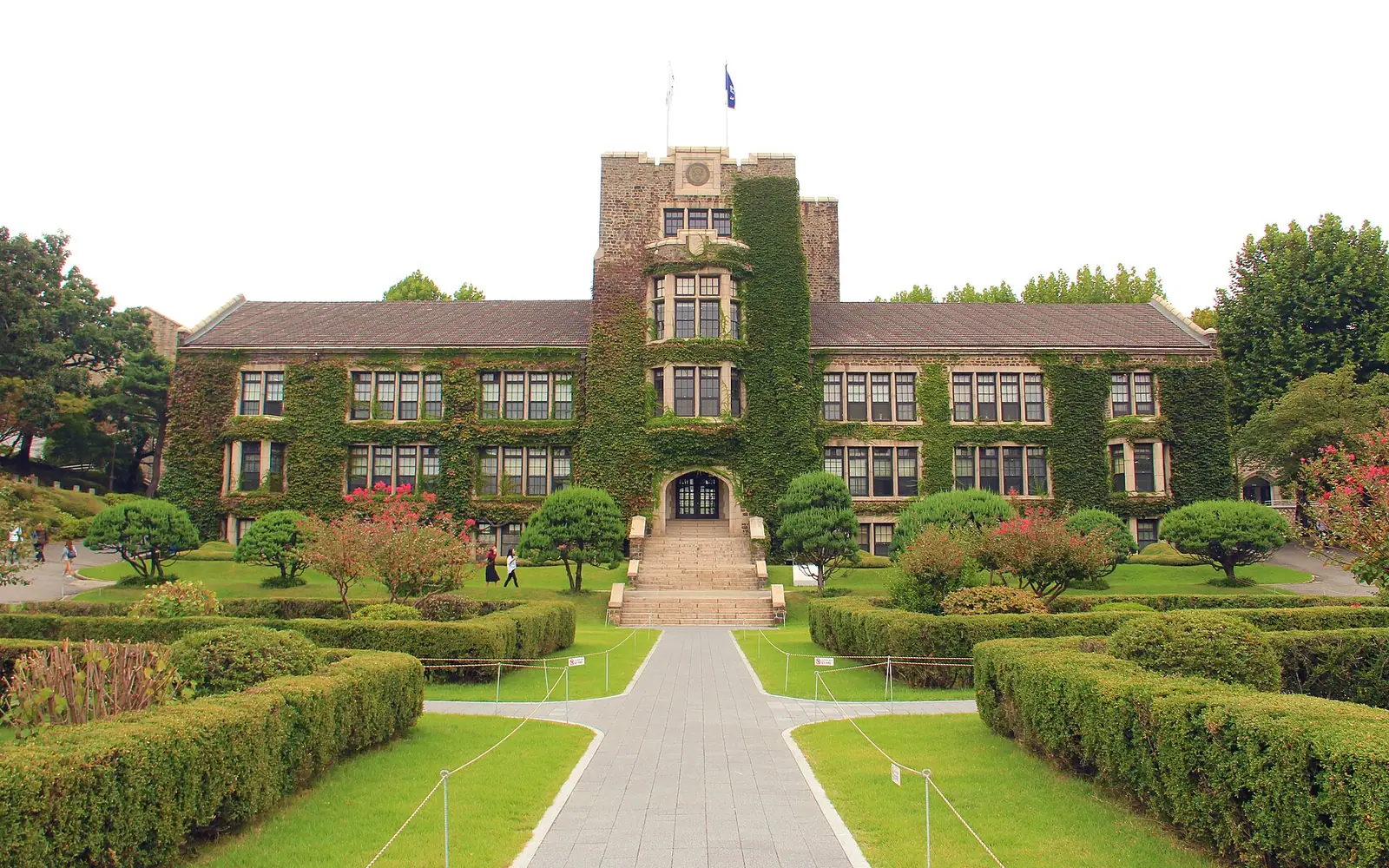
Yonsei UIC — Yonsei University — Underwood International College
Yonsei University's English-taught college in Seoul: 16 majors in three divisions, with a September…
Seoul and Incheon (Songdo)3 programmes
East Asia · May 2027 IB session · Autumn 2027 entry
A separate international track, and an academic year that starts in March
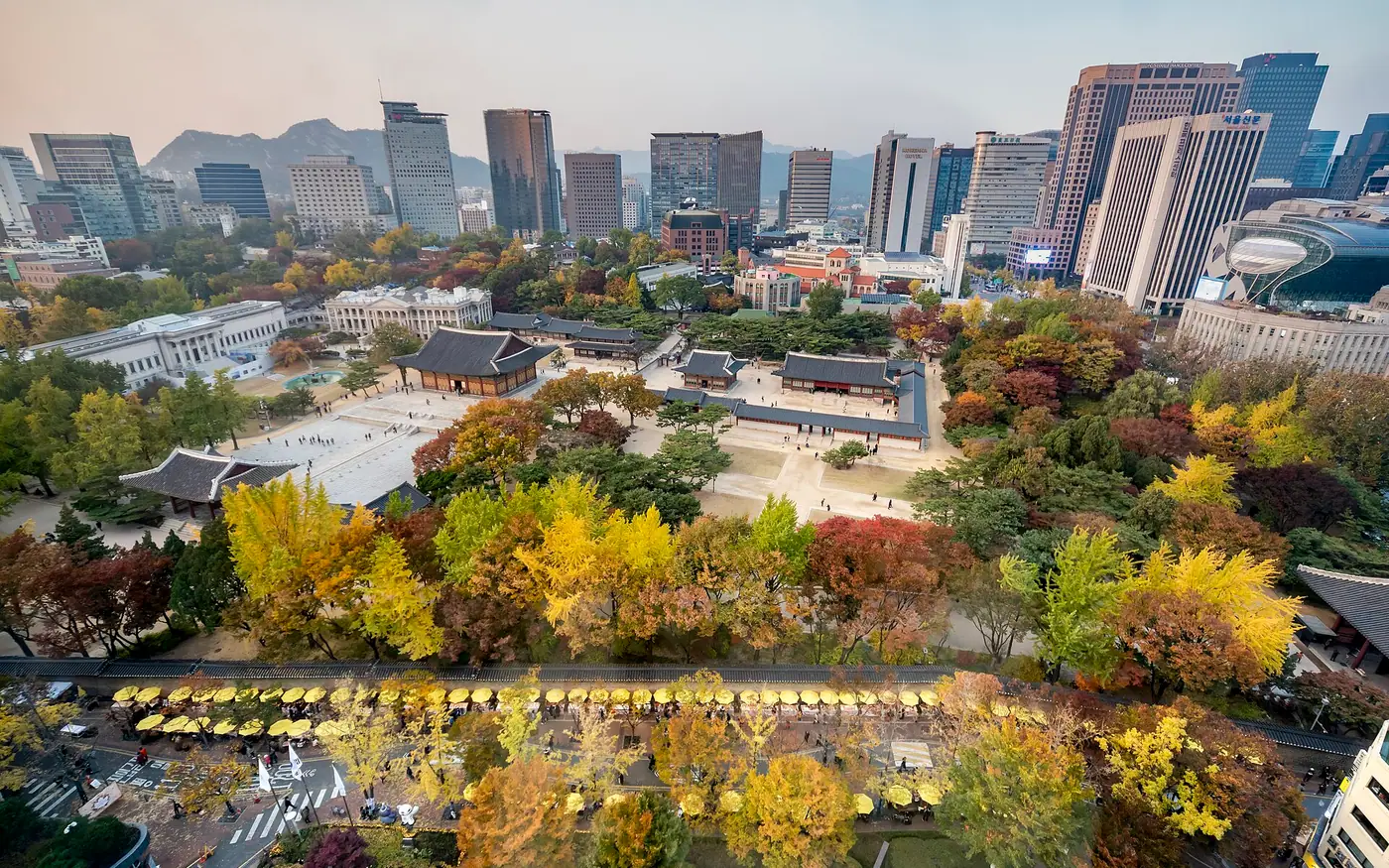
Deoksugung in autumn, Seoul
13 institutions
Yonsei University's English-taught college in Seoul: 16 majors in three divisions, with a September…
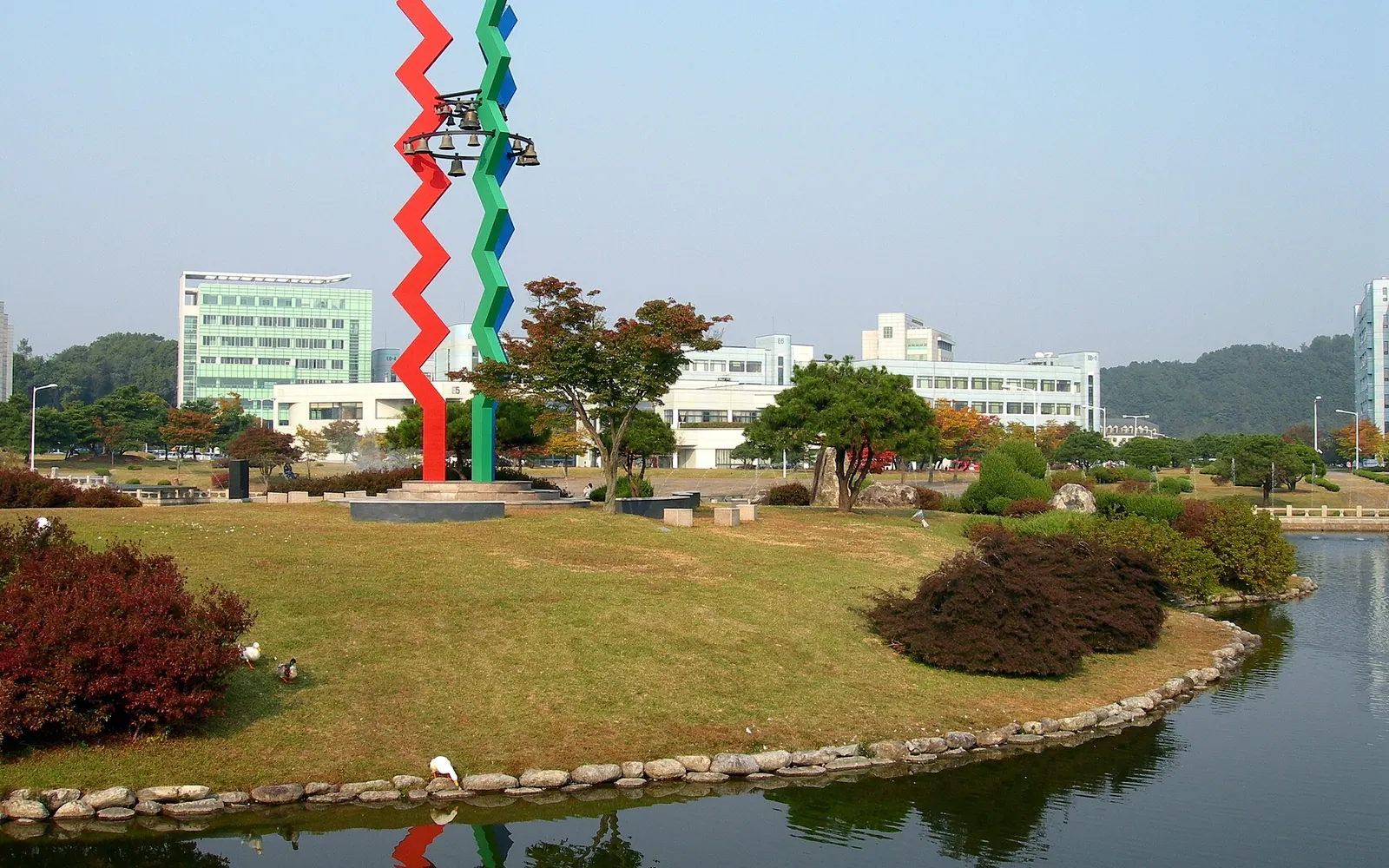
Daejeon science and engineering university where freshmen enter without a major and choose one…
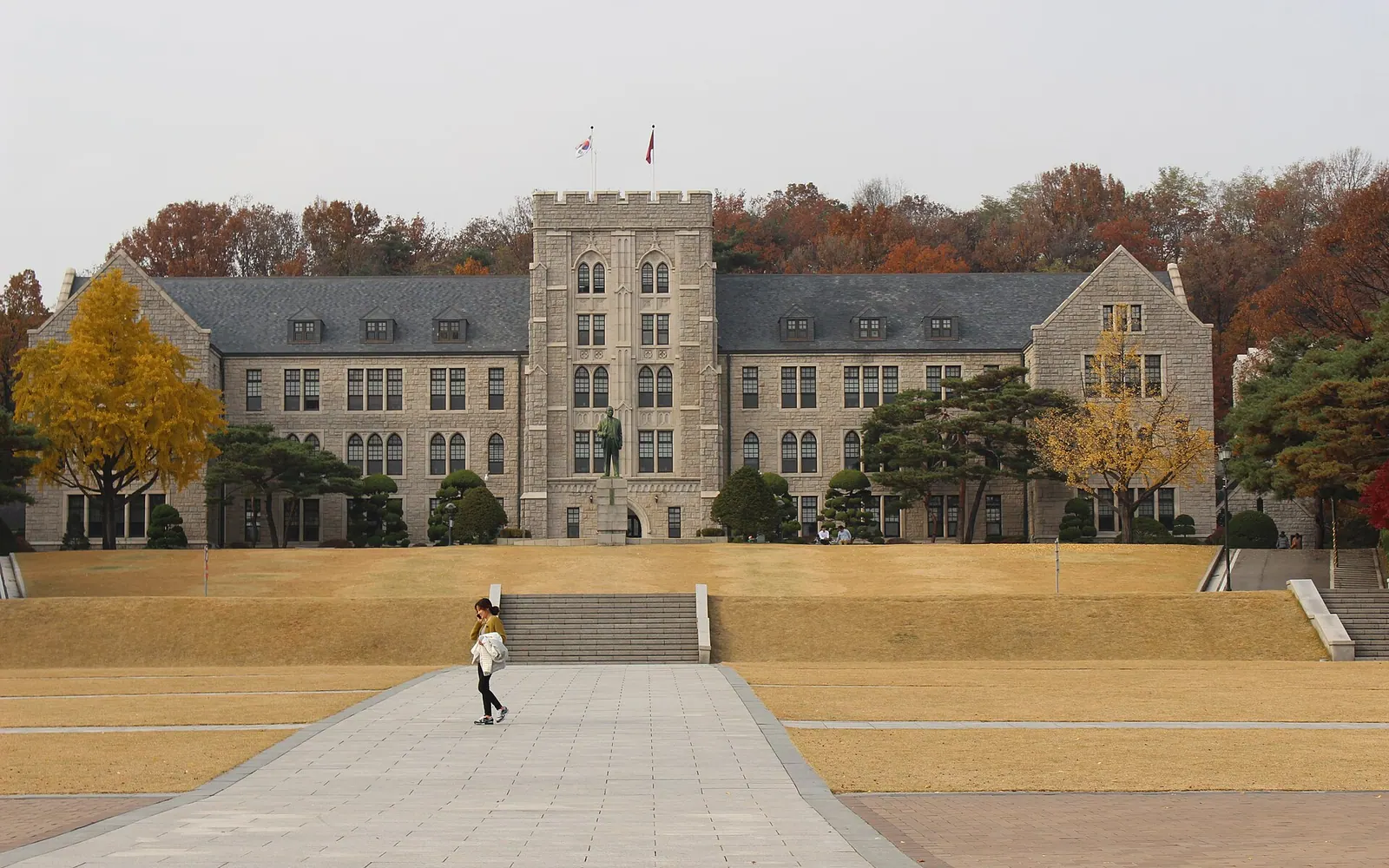
Seoul university with mostly Korean-taught degrees; its Division of International Studies runs an all-English…
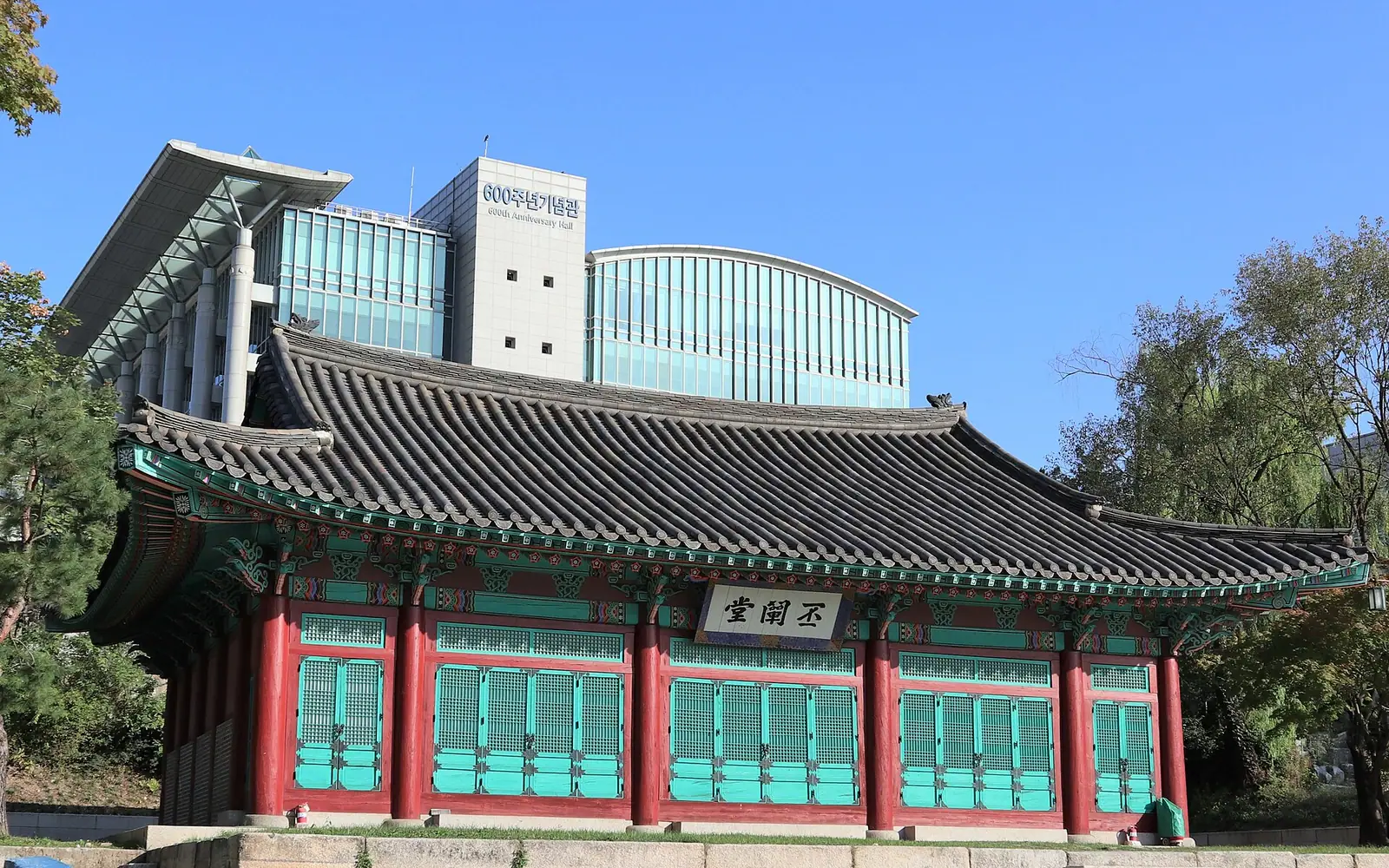
Seoul and Suwon university dating from 1398; six English-track degrees take international freshmen in…
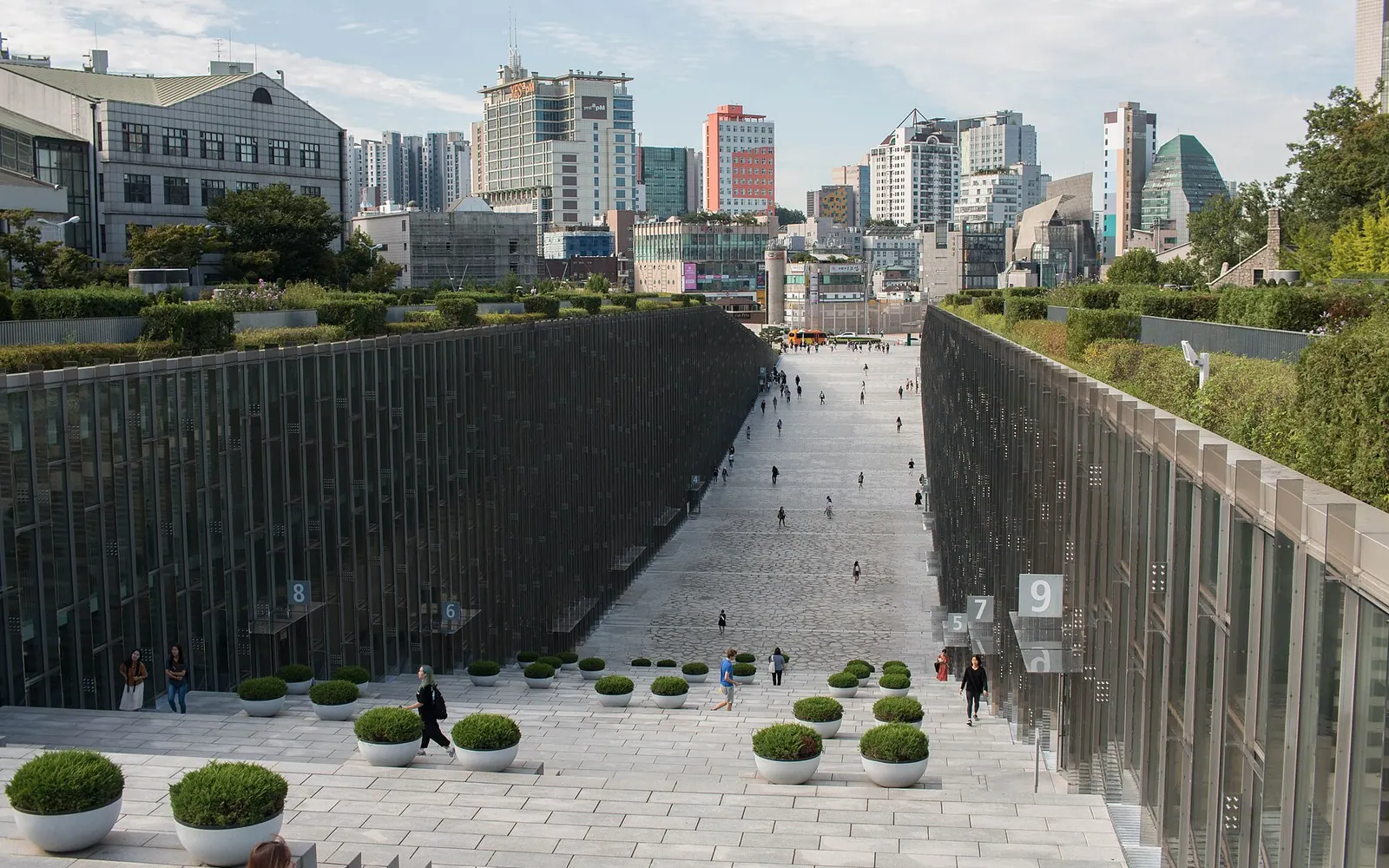
Women-only Seoul university; Scranton College's Division of International Studies teaches its major courses in…
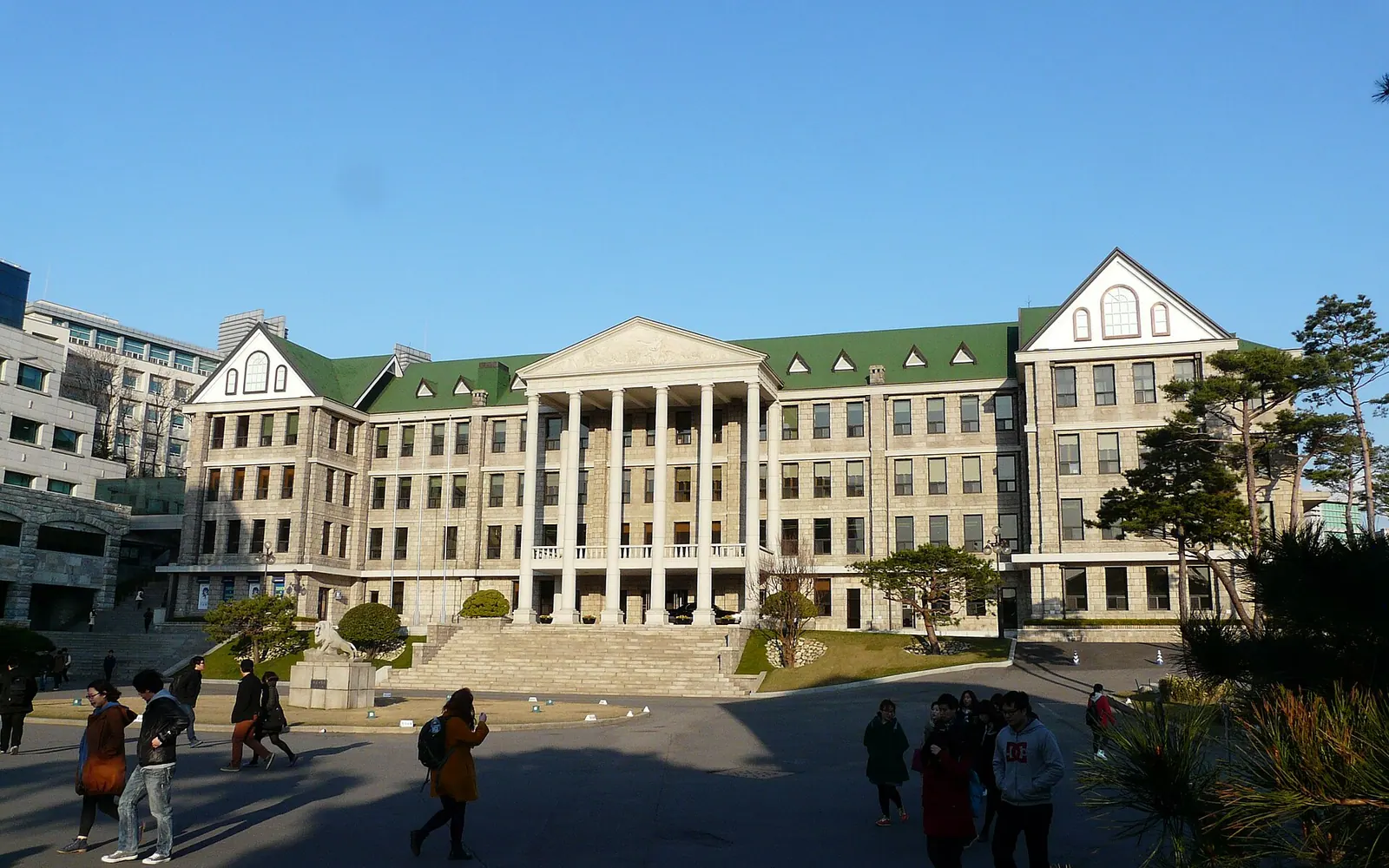
A private university known for engineering, with a strong start-up culture.
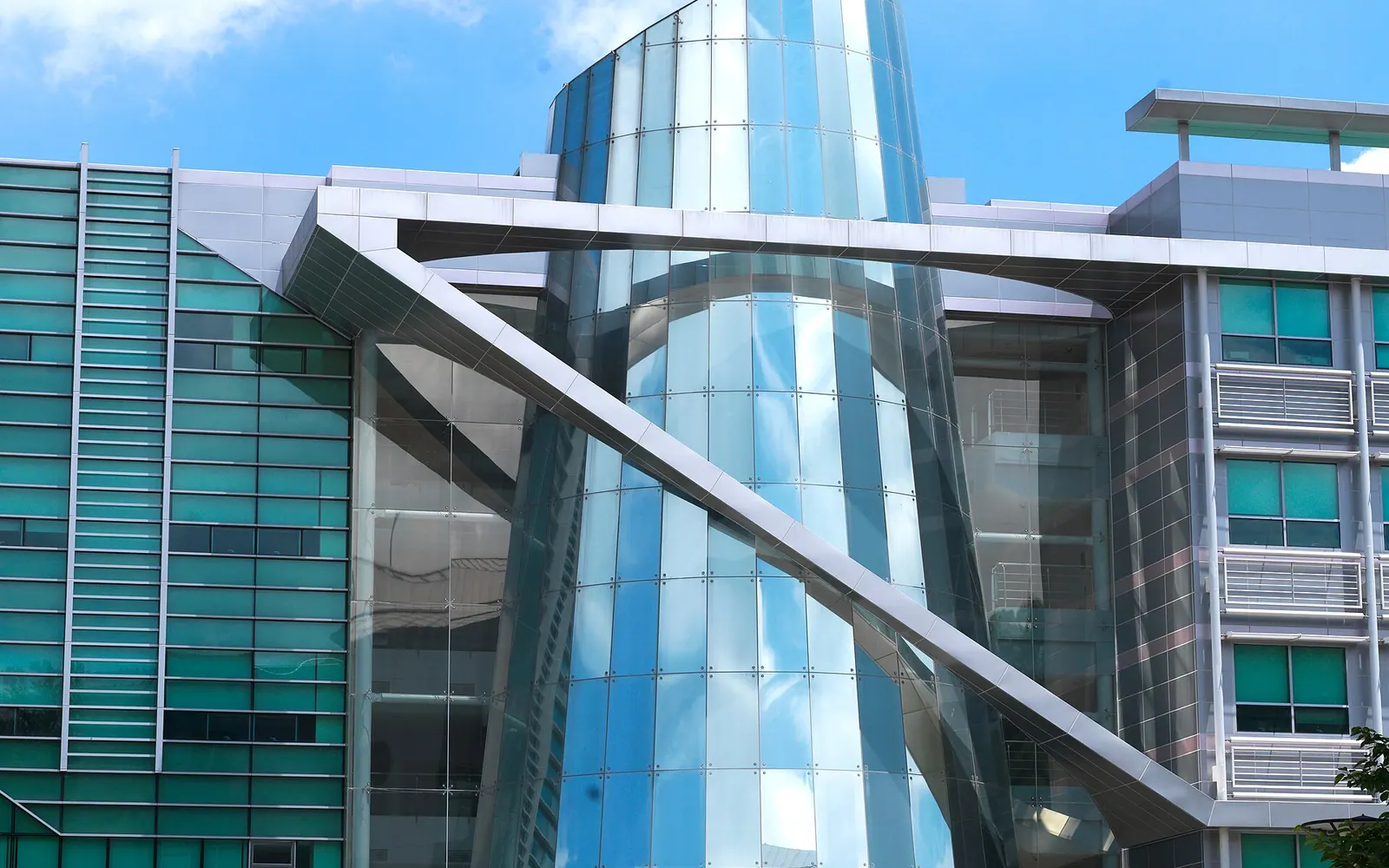
Pohang science and engineering university; international freshmen take a 100% English-taught curriculum and enter…
A small Jesuit university in Seoul. Some business, economics and international studies courses are…
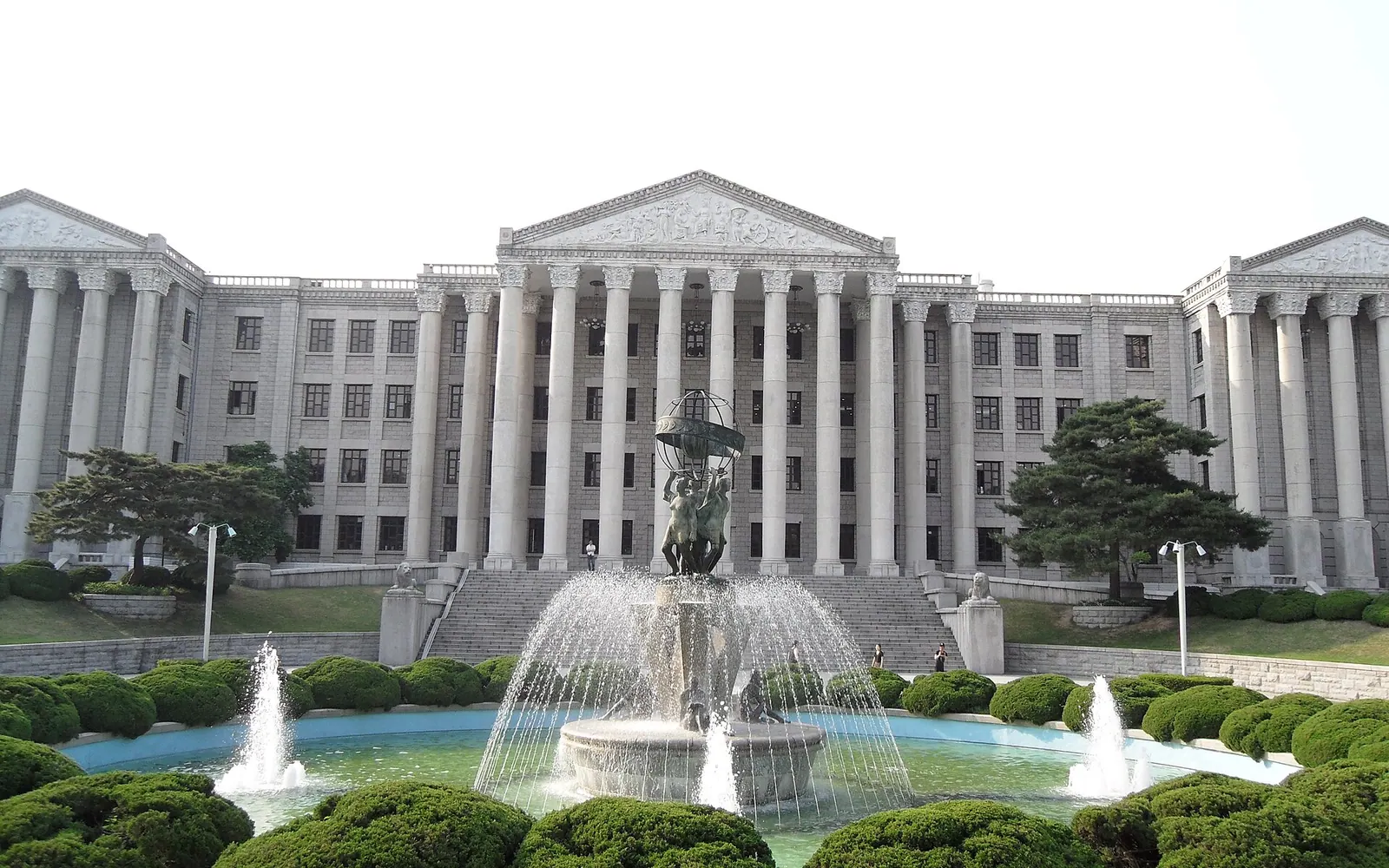
Large and internationally oriented, with many international students.
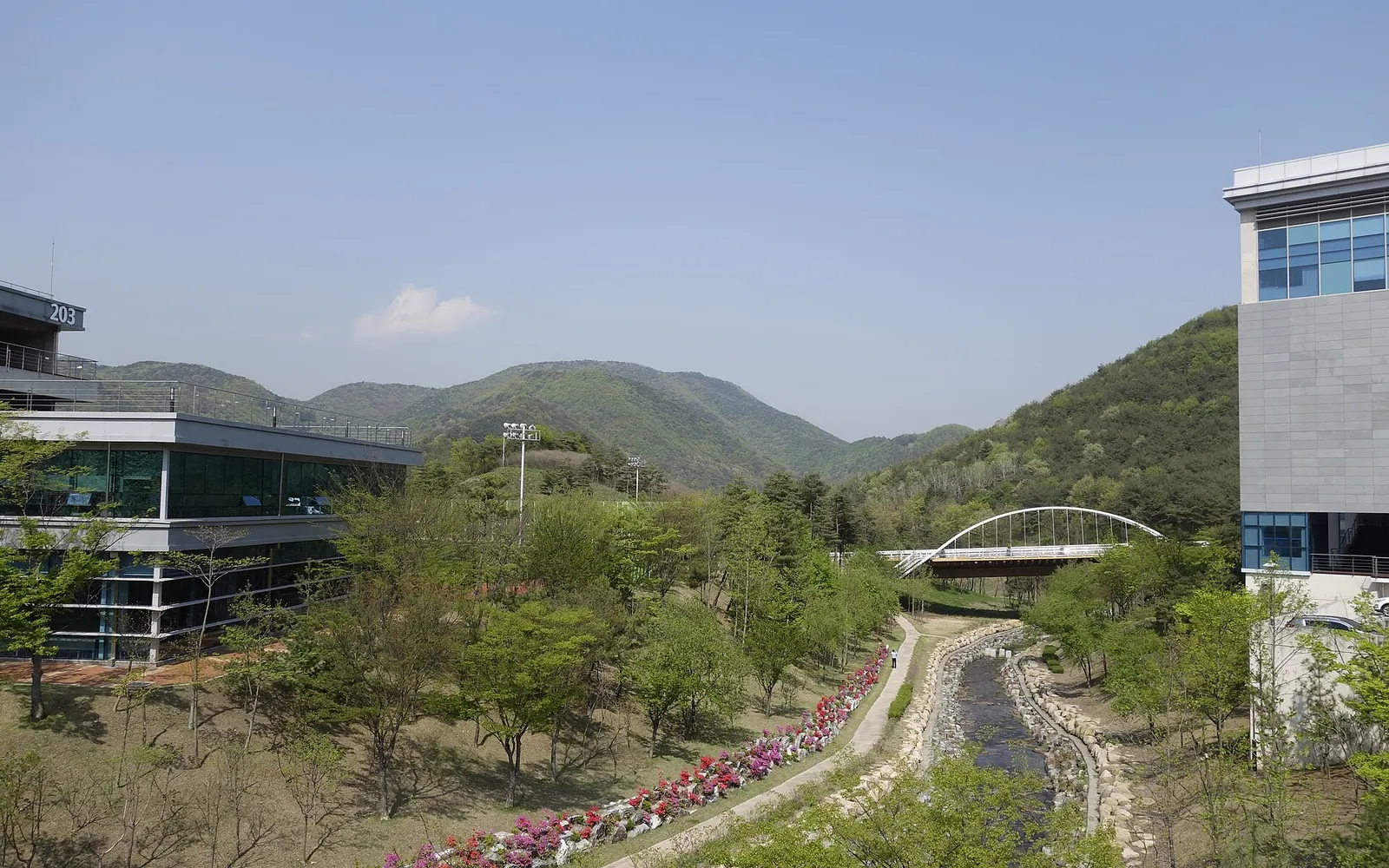
A science institute in Ulsan, Hyundai's industrial city, teaching its undergraduate programme in English.
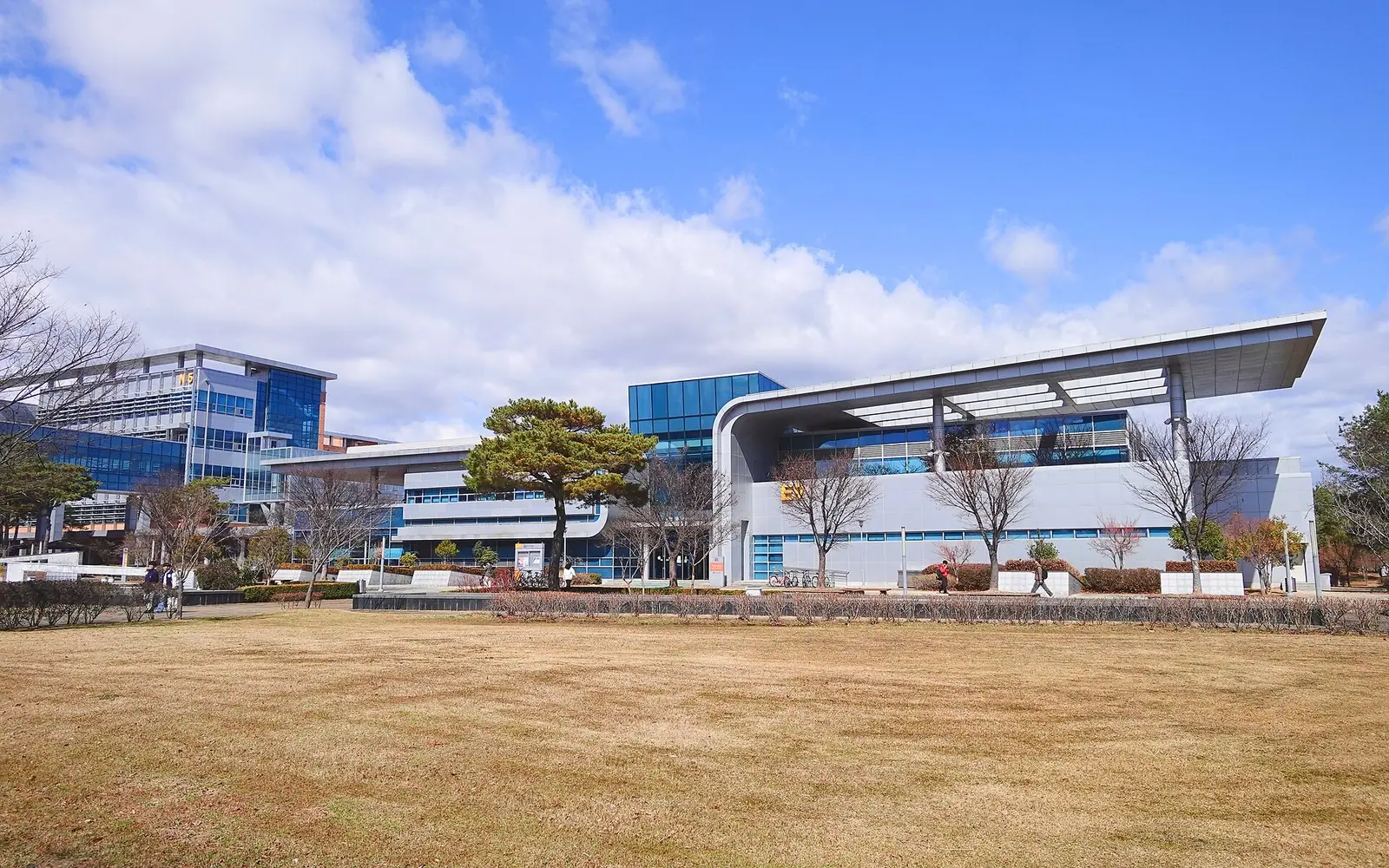
A small research institute in the south-west with a liberal-arts-inflected science curriculum: every undergraduate…
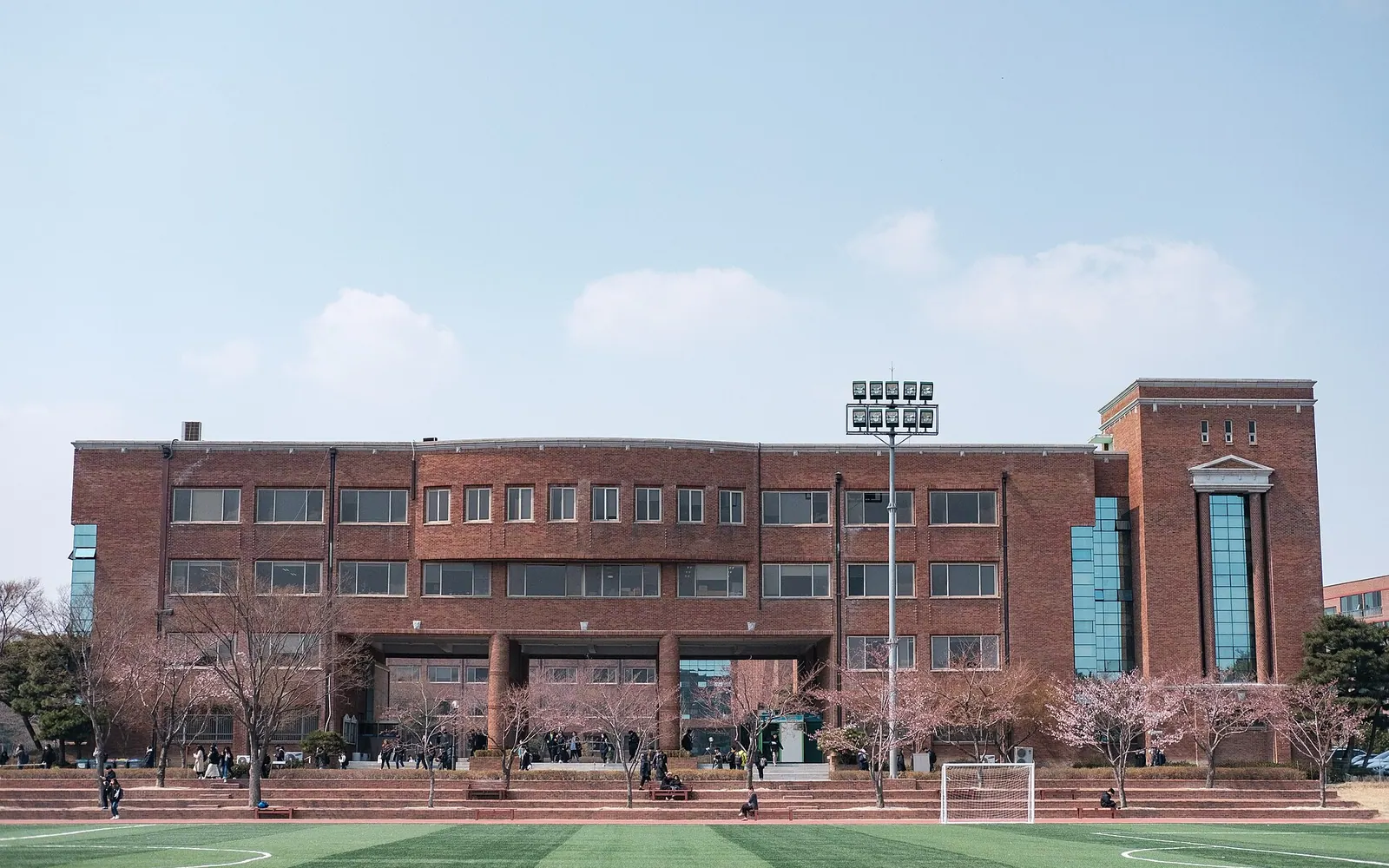
A Christian university with an explicitly international mission and an unusual undeclared-entry structure: students…
This browser cannot draw the globe. Every place is in the list below.
Korean universities run a separate admissions track for applicants who did all their schooling outside Korea, and an IB Diploma is a normal qualification inside it: no Suneung, a small international pool, and a decision made on transcript, essays and…
Korean universities run a separate admissions track for applicants who did all their schooling outside Korea, and an IB Diploma is a normal qualification inside it: no Suneung, a small international pool, and a decision made on transcript, essays and often an interview. The Korean year starts in March, so a May 2027 IB candidate can enter in September 2027, applying on predicted grades, or in March 2028 with results in hand. Fully English-taught degrees are concentrated at Yonsei's Underwood International College, KAIST, POSTECH, UNIST, GIST and specific divisions elsewhere.
Yonsei's Underwood International College is a genuine full-English liberal-arts college inside a major research university: 16 majors across three divisions, roughly 3,000 students from more than 70 countries.
The Korean academic year starts in March, and the March intake is the main one.
Korea's Ministry of Education divides higher education into more kinds than English-language guides usually show.
Korea's Ministry of Education divides higher education into more kinds than English-language guides usually show. Alongside the four-year 대학교 that every foreigner has heard of sit 전문대학 junior colleges, national 교육대학 for primary teachers, the special-law science and technology institutes, polytechnic colleges under the labour ministry rather than this one, and open and cyber universities. An IB Diploma opens the first three of those; the junior college is rarely mentioned to foreigners and is the nearest Korean relative of the Danish erhvervsakademi.
The route everything else is described against. Four years to a bachelor's degree, six for medicine, Korean medicine, dentistry, pharmacy and veterinary medicine. Admission for an applicant schooled entirely abroad runs through a separate international track with its own rounds, its own documents and no Suneung. This is where every English-taught undergraduate programme on this page sits.
Divided again into national, public and private, and the difference is money: the private Seoul universities charge considerably more than the national ones and are where most of the English-medium provision is.
Two or three years, practical, aimed at a named occupation, ending in a diploma or an associate degree rather than a bachelor's. Strong in nursing and allied health, hotel and culinary work, design, early-years teaching, automotive and mechatronics. Several run a 전공심화과정 top-up that converts the associate degree into a bachelor's.
Rarely mentioned to foreign applicants. Whether the international track exists here in practice, and in what language, is not known; a student who needs it will not find it in the ordinary listings.
KAIST, GIST, DGIST and UNIST: research institutes founded under their own statutes rather than the ordinary universities act, small, heavily funded, and the part of Korean higher education that teaches undergraduates in English as a matter of institutional policy. Undergraduates commonly enter without a declared major and choose after a common first year.
They do not behave like the rest of the system. KAIST runs two international rounds. The Early round (closes 22 October 2026) starts at the end of February 2027; only the Regular round (closes 14 January 2027, results 25 March) leads to the September intake, more than seven months after it closes.
Ten or so national institutions that exist to train primary school teachers, four years, tightly tied to the state teaching examination and to placement in Korean schools.
Not open to you: teaching in Korean primary schools is not a path an international applicant enters through.
Short, employment-focused technical training under the Ministry of Employment and Labour rather than the Ministry of Education. Welding, industrial automation, electrical work, machining — the trades side of post-secondary study.
Missing from most education-ministry material because it belongs to a different ministry. Not covered on this site.
Distance and online degree provision, including the Korea National Open University. Full bachelor's degrees, taught in Korean, designed for people already working.
Note that the Global Korea Scholarship explicitly excludes evening, short-term, online and distance programmes, so this route is outside any government funding a foreign student might reach.
Yes, an IB Diploma is accepted.
Yes
There is no national rule. Each university reads the IB transcript inside its own international admission track, and the category that matters is the one for applicants who completed the entire curriculum outside Korea — Seoul National University calls it 글로벌인재특별전형 II, 'those who completed the entire curriculum overseas'. None of the university pages linked from this page publishes a minimum IB point score.
No national conversion. Each university reads the IB transcript directly within its international admissions track. The Global Korea Scholarship publishes its own thresholds — 80 per cent on a 100-point scale, or the top 20 per cent of the class, or a CGPA at or above 2.64/4.0, 2.80/4.3, 2.91/4.5 or 3.23/5.0 — but says nothing about how an IB transcript is read against them.
How South Korea reads an IB Diploma.
These are the pages this section was written from. None has been signed off by a person yet, so confirm anything consequential at the source.
Apply directly to each university.
From September 2026, check each target university's 'Admission for International Students' or 'Overseas Korean and Foreigner Special Admission' page — this is a different page from the domestic admissions site, and often a different subdomain.
Confirm whether your intended major genuinely runs in English for all four years, in writing, from the department rather than the marketing page.
Decide between September 2027 and March 2028. March 2027 is not available to you: it is Korea's main intake, but its rounds closed in the summer and early autumn of 2026 and it starts before you have sat your exams.
Prepare the standard international pack: IB transcript and predicted grades, a self-introduction essay, a study plan, references, proof of your and your parents' nationality, and financial evidence.
If you want the Global Korea Scholarship, plan for the 2028 round: no May 2027 IB candidate can use 2027's. Read the invited-country list first — the Embassy Track depends on your nationality, while the University Track's UIC Program is open to every nationality but covers only science and engineering at thirteen named universities. Applying on more than one track voids the application.
Once admitted, the university issues a Certificate of Admission; you apply for a D-2 student visa at the Korean embassy and register for an Alien Registration Card within 90 days of arrival.
Selection in the international track is holistic: transcript, essays, references and usually an online interview. The international track is a separate pool from the domestic route. UIC, KAIST and SNU are selective.
KAIST: by 22 October 2026.
Hard deadline Via Korean university for the September 2027 intake
After this the door closes.
The live round for anyone finishing the IB Diploma in May 2027; KAIST says the academic year for this round begins at the end of August 2027. Decided on predicted grades and a recommendation letter before results exist. KAIST's Early Admissions round (22 September to 22 October 2026) leads to a start at the end of February 2027 and is not for this cohort.
KAIST's own timeline says this round's "Academic Year Begins: End of August, 2027". Opens 10 November 2026. The recommendation letter has a later deadline of its own, 21 January 2027. Decision 25 March 2027, before IB results on 6 July 2027. KAIST's other round, Early Admissions (22 September to 22 October 2026), leads to a start at the end of February 2027 and cannot be used by a May 2027 candidate.
Hard deadline Via Korean university for the September 2027 intake
After this the door closes.
A week after the application itself closes. Sending the application in on time does not finish the job, and this is the part most often missed — ask your referee in November, not in January.
Via Korean university for the September 2027 intake
KAIST states that interviews are conditional and that applicants are contacted individually if one is required.
Your own plan Via Korean university for the March 2028 intake, with results in hand
Not published by anyone — a date worth setting yourself.
Not a published date and not anyone's deadline. It is set here because the earliest 2027-cycle window opened in early July and Korean universities publish four to six months ahead, so a student who starts looking in the summer has already missed the first one.
Via Korean university for the September 2027 intake
Every Korean decision above is made before this date. What each university does with a conditional place once the diploma arrives is set institution by institution and is not established here — ask, in writing, at the point of accepting an offer.
Via Korean university for the March 2028 intake, with results in hand
The whole argument for this route. It is the only Korean intake a May 2027 IB candidate can apply to holding an actual diploma rather than a prediction, which changes both what can be submitted and how an offer is read.
Hard deadline Via Korean university for the September 2027 intake
After this the door closes.
UIC publishes this round only as "March, 2027" for application and documents, with the interview and admission notification in June 2027. No day has been set, so none is shown here. Application fee KRW 150,000 (USD 150 through the Common App). Check the UIC admission page from January 2027.
UIC states "International students can matriculate either in March or in September"; its 2nd Round is the Fall 2027 entry term and is published only as "March, 2027" for application and documents, with interview and notification in June 2027. The 1st Round (Spring 2027 entry) closed on 22 September 2026. Application fee KRW 150,000, or USD 150 through the Common App.
Via Korean university for the September 2027 intake
Published only as "March, 2027". The online application, the deadline and the document deadline are all given as that month and nothing more. UIC's 1st Round, for the March 2027 intake, ran 26 August to 22 September 2026 — an IB candidate sitting exams in May 2027 could not have used it.
Via Korean university for the September 2027 intake
Both given as "June, 2027". That lands after the IB examination session and before results, which is the ordinary shape of a Korean international offer: conditional on the diploma you have not yet received.
Hard deadline Via Korean university for the September 2027 intake
After this the door closes.
Marked TBA on Korea University's international admission guide in September 2026. Its Spring 2027 equivalent ran 3 to 31 August 2026, so the Fall round is expected to be announced in the spring of 2027. Applications are submitted through Uwayapply, not through the university's own site.
Korea University's international admission guide lists Spring 2027 and Fall 2027 side by side and gives every Fall 2027 row — online application, materials submission, result release, registration — as "(TBA)". Korea University admits internationals twice a year and announces the September round late: its Spring 2027 equivalent ran 3 to 31 August 2026, about seven months ahead of the March start. Submitted through Uwayapply, not the university's own site, which is where people lose the deadline. This was the position on 23 September 2026.
Your own plan Via Korean university for the September 2027 intake
Not published by anyone — a date worth setting yourself.
Not a published deadline. The university issues a Certificate of Admission after you register; you take it to the Korean embassy in Copenhagen. Allow for a criminal-record check and a tuberculosis test, and for an Alien Registration Card within 90 days of arrival — without which there is no bank account and no phone contract.
Hard deadline Via Korean university for the March 2028 intake, with results in hand
After this the door closes.
Not yet published anywhere. What the 2027 cycle looked like, for shape only: Seoul National University took applications 6 to 9 July 2026, Korea University 3 to 31 August 2026, and Yonsei UIC 26 August to 22 September 2026, all for a March 2027 start. A Korean round is set afresh each year, so do not plan on last year's dates.
The alternative to September 2027, and the only Korean intake a May 2027 IB candidate can apply to holding an actual diploma. Nothing is published yet: as of 23 September 2026 the only guideline on SNU's international admissions page is "Admissions for Undergraduate, Spring 2027", with no Spring 2028 document and no "to be announced" placeholder beside it. In the 2027 cycle the equivalent rounds ran 6–9 July 2026 at Seoul National, 3–31 August 2026 at Korea University and 26 August–22 September 2026 at Yonsei UIC; those dates are not a guide to 2028's. SNU's dates are in the guideline PDF linked from its page, which is in Korean apart from the cover.
The 2027 round needs a graduation certificate by 31 December 2026, which a May 2027 IB candidate cannot supply, whatever their passport.
The 2027 round needs a graduation certificate by 31 December 2026, which a May 2027 IB candidate cannot supply, whatever their passport.
Concentrated rather than widespread. Yonsei UIC (16 majors), KAIST, POSTECH (a fully English-taught curriculum for international undergraduates since Fall 2026), UNIST and GIST, and selected divisions at Korea University, Sungkyunkwan, Ewha and Kyung Hee.
Concentrated rather than widespread. Yonsei UIC (16 majors), KAIST, POSTECH (a fully English-taught curriculum for international undergraduates since Fall 2026), UNIST and GIST, and selected divisions at Korea University, Sungkyunkwan, Ewha and Kyung Hee. No national total is given here.
Set per university. Yonsei UIC requires proof of English from every applicant from the 2027 intake, and accepts an IB DP English A (Language and Literature, or Literature) result with no minimum score, a TOEFL, IELTS or CEFR certificate, or a Medium of Instruction certificate for a school curriculum taught entirely in English. UNIST asks for an English test report. Elsewhere, ask each admissions office.
Not for English-taught programmes
Korea does not differentiate by nationality — international students pay the same published tuition as Korean students at most universities.
Korea does not differentiate by nationality — international students pay the same published tuition as Korean students at most universities.
Charged by each university: Yonsei UIC KRW 150,000 (USD 150 through the Common App) and Seoul National University KRW 70,000 for the 2027 cycle. Check the others on each university's page.
EU citizenship gives no shortcut. You need a D-2 student visa, applied for at the Korean embassy in Copenhagen with the Certificate of Admission issued by your university, proof of funds, and a criminal-record and tuberculosis check.
EU citizenship gives no shortcut. You need a D-2 student visa, applied for at the Korean embassy in Copenhagen with the Certificate of Admission issued by your university, proof of funds, and a criminal-record and tuberculosis check. Within 90 days of arrival you register for an Alien Registration Card at the local immigration office — you cannot open a bank account or get a phone contract without it.
Students on a D-2 visa may work part-time only after obtaining permission from the immigration office, with hour limits that in recent years have been tied to Korean language proficiency (TOPIK level) and academic standing. Confirm the current limits with the Korea Immigration Service before relying on part-time earnings.
University dormitories are the standard and by far the easiest route for a first-year international student: cheap, on campus, and allocated with the admission. The private market in Seoul requires a large up-front deposit (jeonse or wolse) that is impractical to arrange from Denmark. Apply for the dormitory the moment your offer arrives — places at Yonsei and Korea University are oversubscribed.
International students staying more than six months are enrolled in Korea's National Health Insurance Service, with a monthly premium deducted or billed. It is compulsory and it is good — Korean healthcare is fast and inexpensive at the point of use. Your EHIC does not apply.