
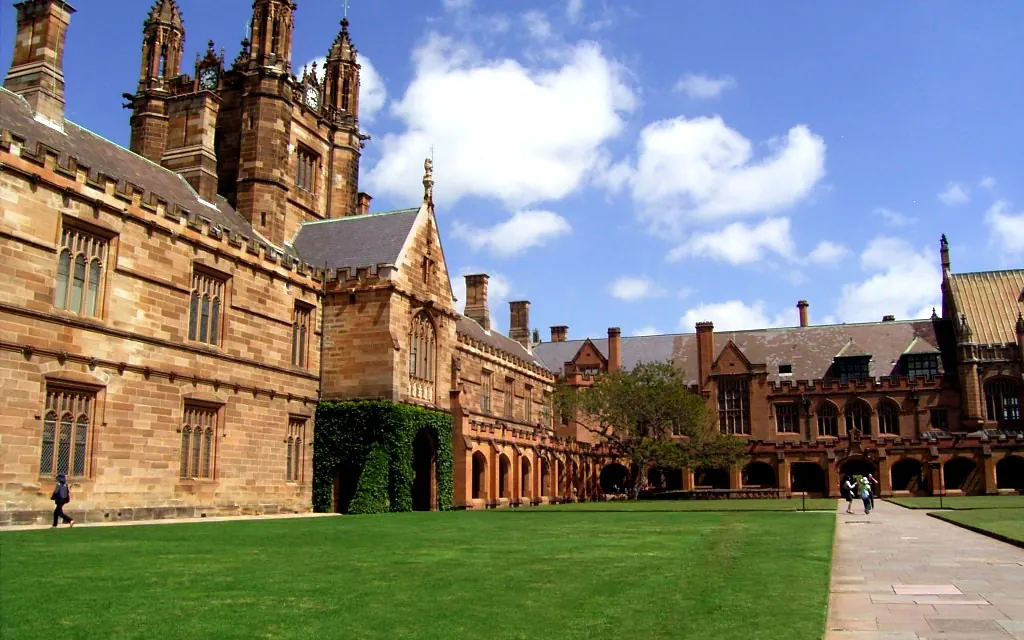
Sydney — University of Sydney
Camperdown/Darlington campus with residential colleges next to it; degrees from Arts and Commerce to…
Sydney, New South WalesNearly all in English
Oceania · May 2027 IB session · Autumn 2027 entry
Three-year degrees, published IB conversion, and a calendar that runs backwards
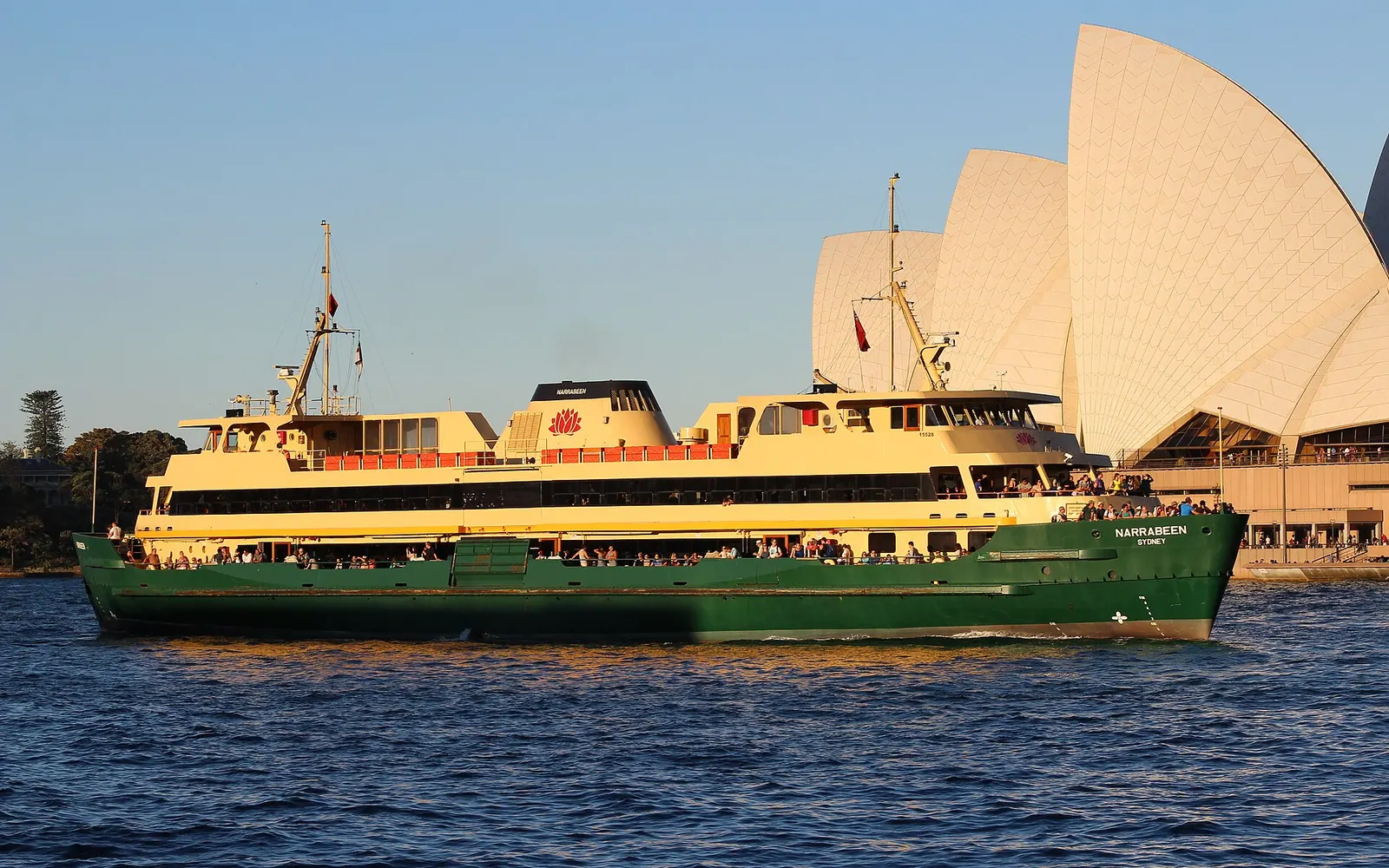
Sydney ferry and the Opera House
17 institutions
6 universities
6 institutions · apply via UAC
The one part of Australia where an IB candidate at a school in Denmark is confirmed to be inside a shared admissions system. UAC takes international applicants holding an International Baccalaureate Diploma, with no condition about where it was sat, and one application and one charge cover every participating institution preferenced. Applying directly to the university is also available here; UAC is an alternative rather than an obligation.
UAC, the Universities Admissions Centre (NSW & ACT). Open to you: the eligible-qualification list names the International Baccalaureate Diploma with no location condition attached, where the Australian Year 12 line beside it is explicitly qualified 'in or outside Australia'.
Conditional offer about 48 hours after submitting, usable for pre-visa assessment but not for enrolment; unconditional offer once results reach UAC, in rounds. UAC will not guarantee that IB results are assessed in time for a specific round.
Camperdown/Darlington campus with residential colleges next to it; degrees from Arts and Commerce to…
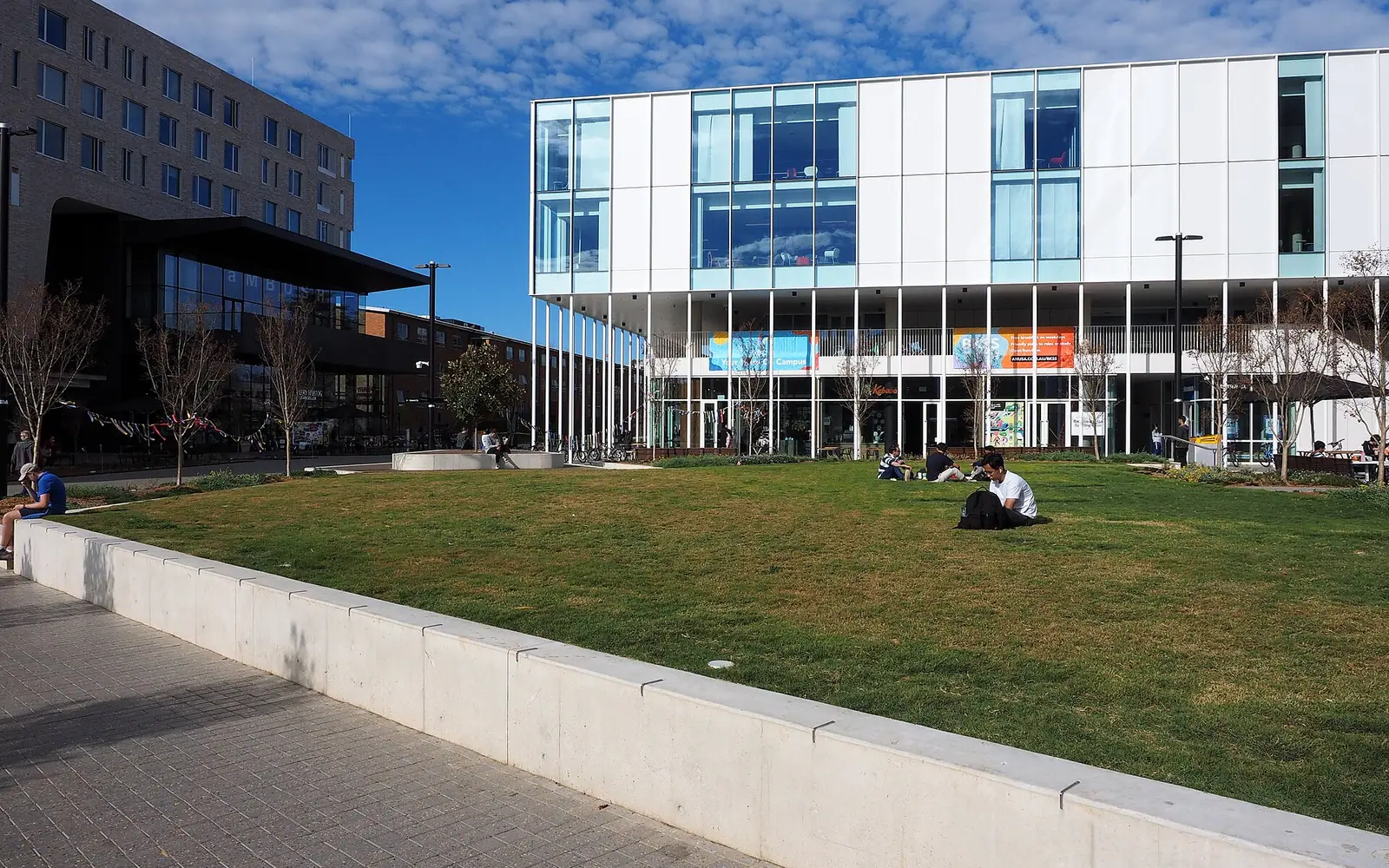
Canberra campus with 19 residences and an accommodation offer guaranteed to international first-years starting…
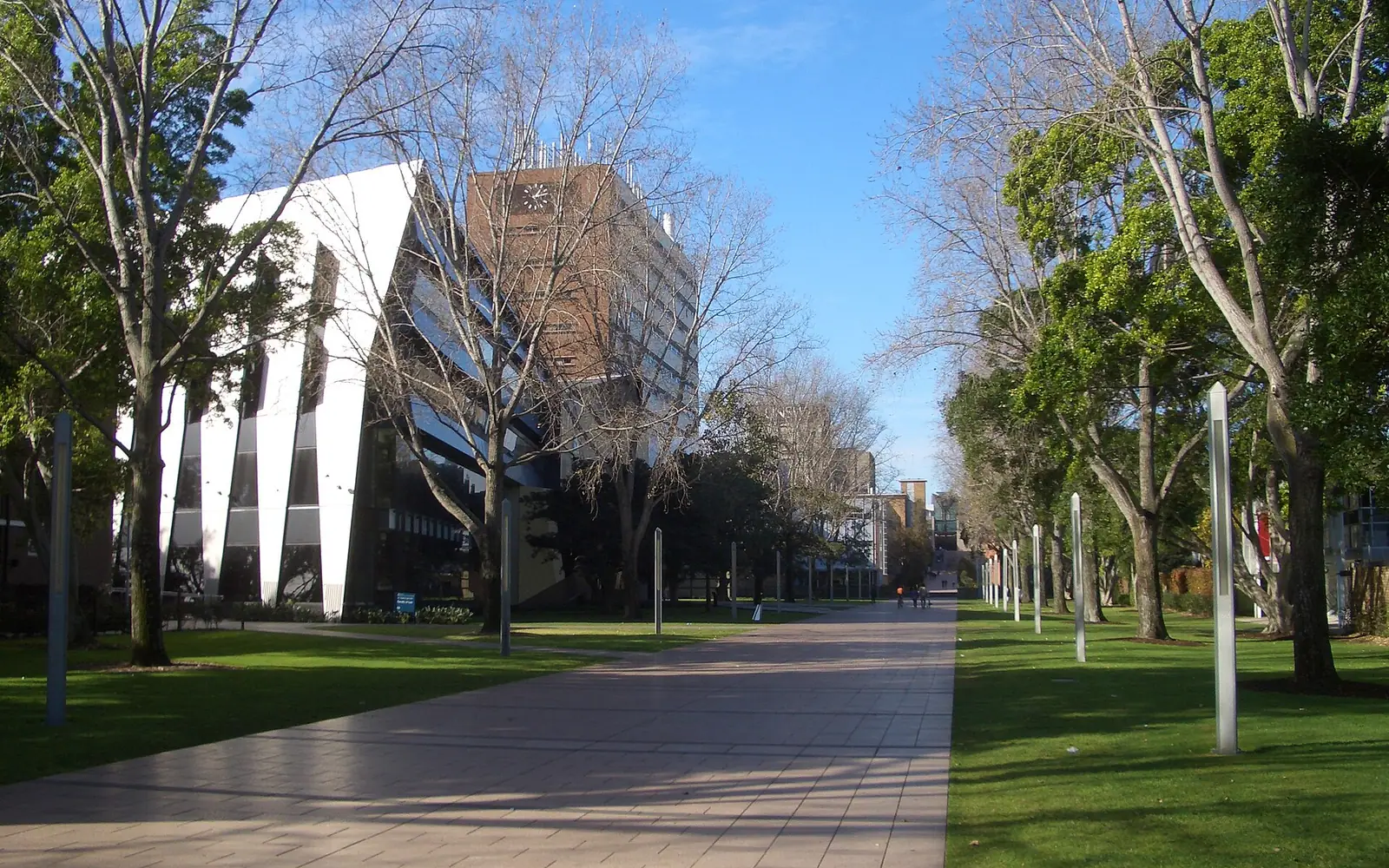
Sydney's Kensington campus; three terms a year, over 400 degree and double-degree options and…
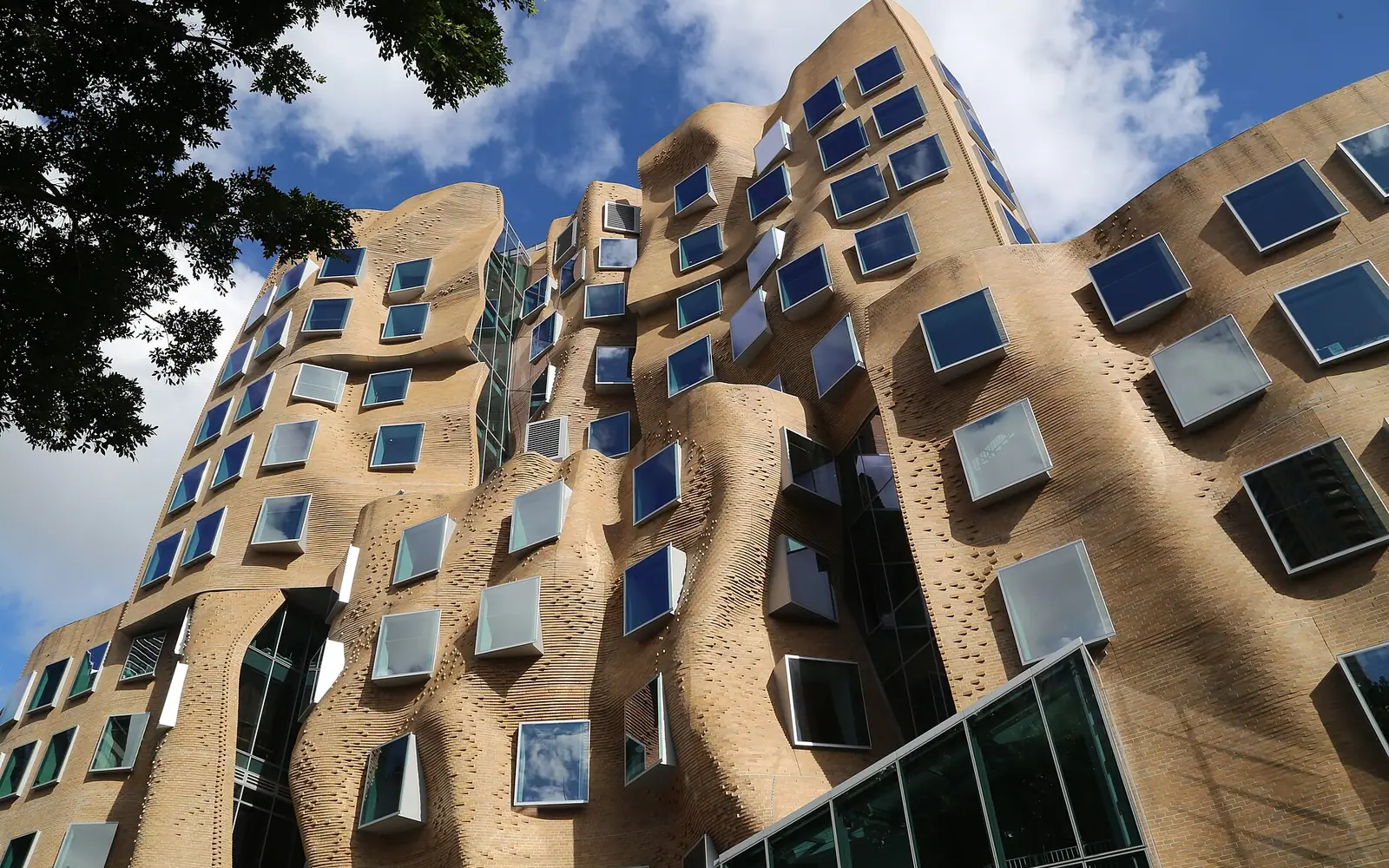
City campus at Ultimo, Sydney; Engineering, IT, Business, Design and Health degrees, starting in…
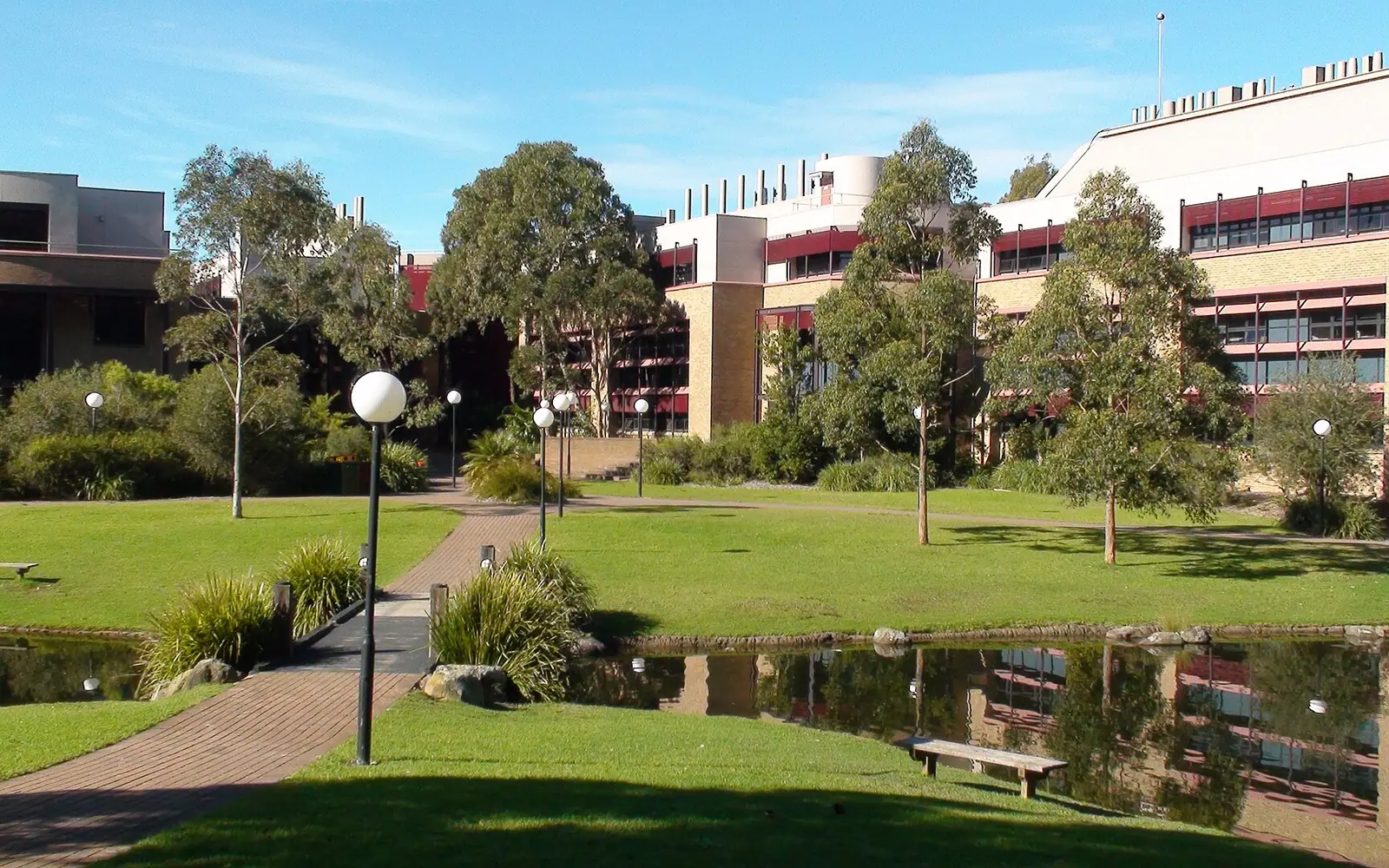
Wollongong university south of Sydney with more than 200 undergraduate degrees; sessions start in…
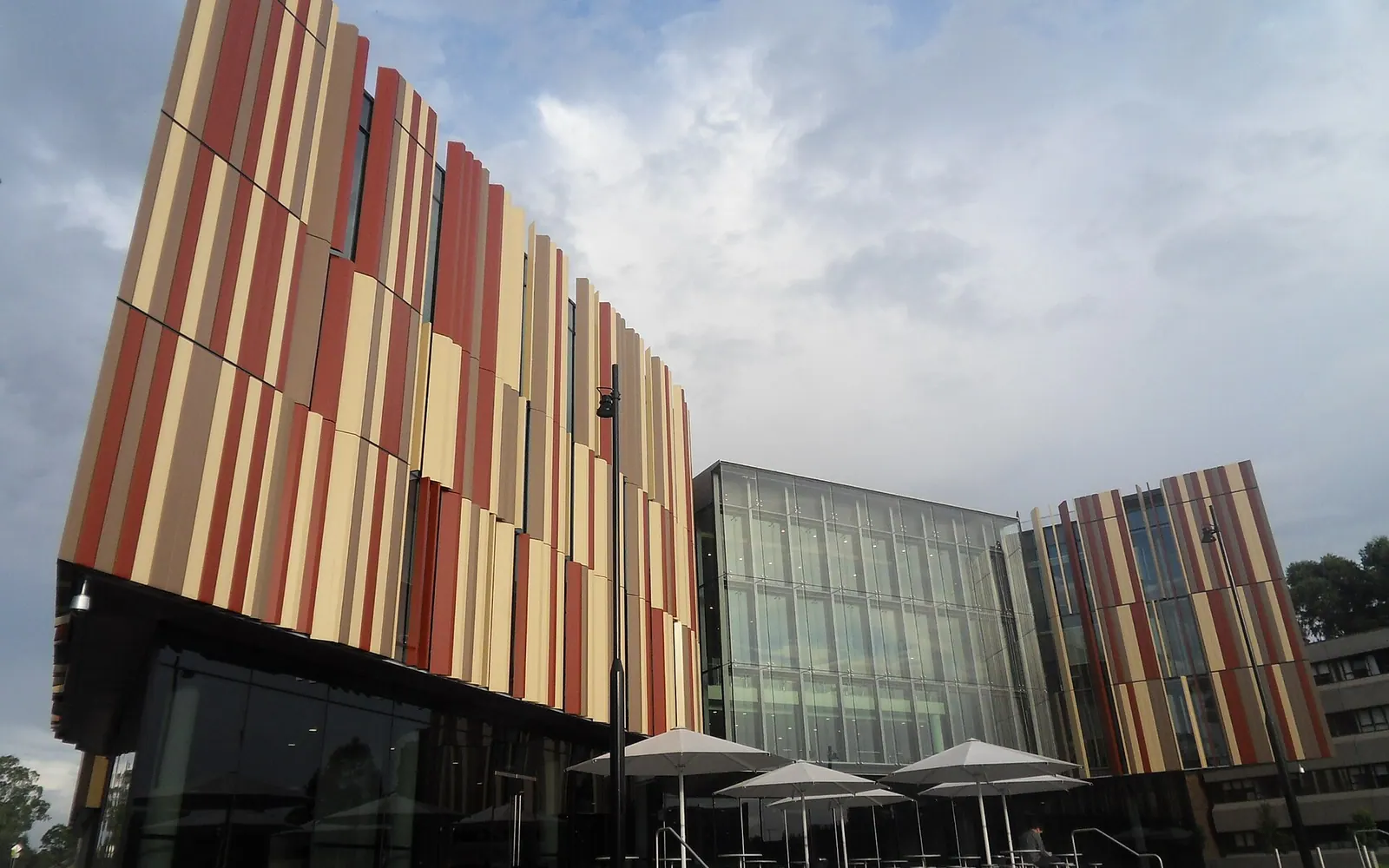
Sydney university in Macquarie Park with faculties of Arts, Business, Medicine and Health, and…
4 universities
4 institutions · apply to each directly
Melbourne, Monash, RMIT and Deakin. Victoria has an admissions centre and you cannot use it, so every application here is a separate direct application to the university's own international office.
VTAC, the Victorian Tertiary Admissions Centre. Closed to you: VTAC states that the only international students who can apply through it are international Australian Year 12 students, meaning VCE or the IB completed in Australia or New Zealand. Everyone else must apply directly to the institutions.
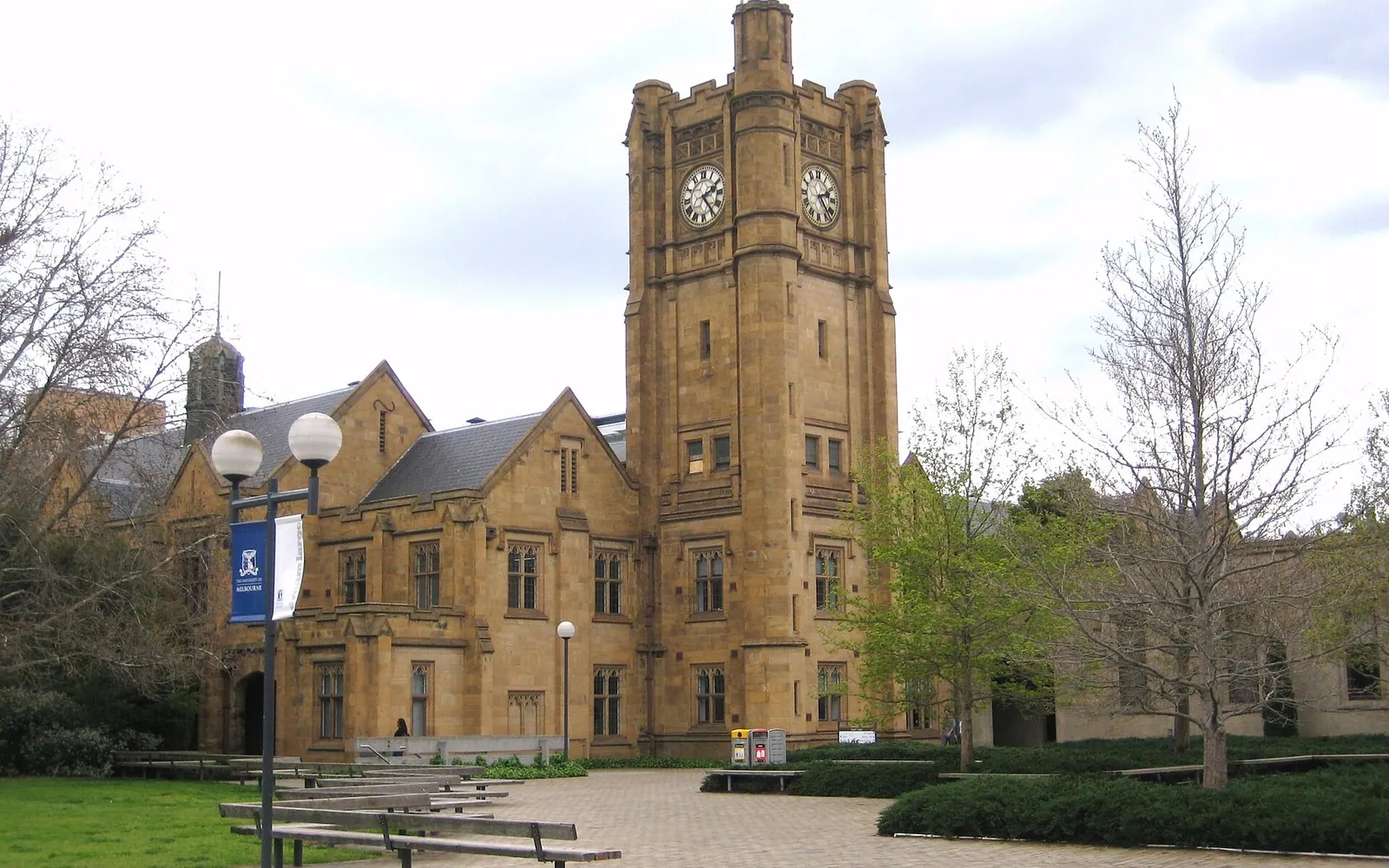
Parkville campus close to Melbourne's centre; a broad degree of Arts, Science, Commerce or…
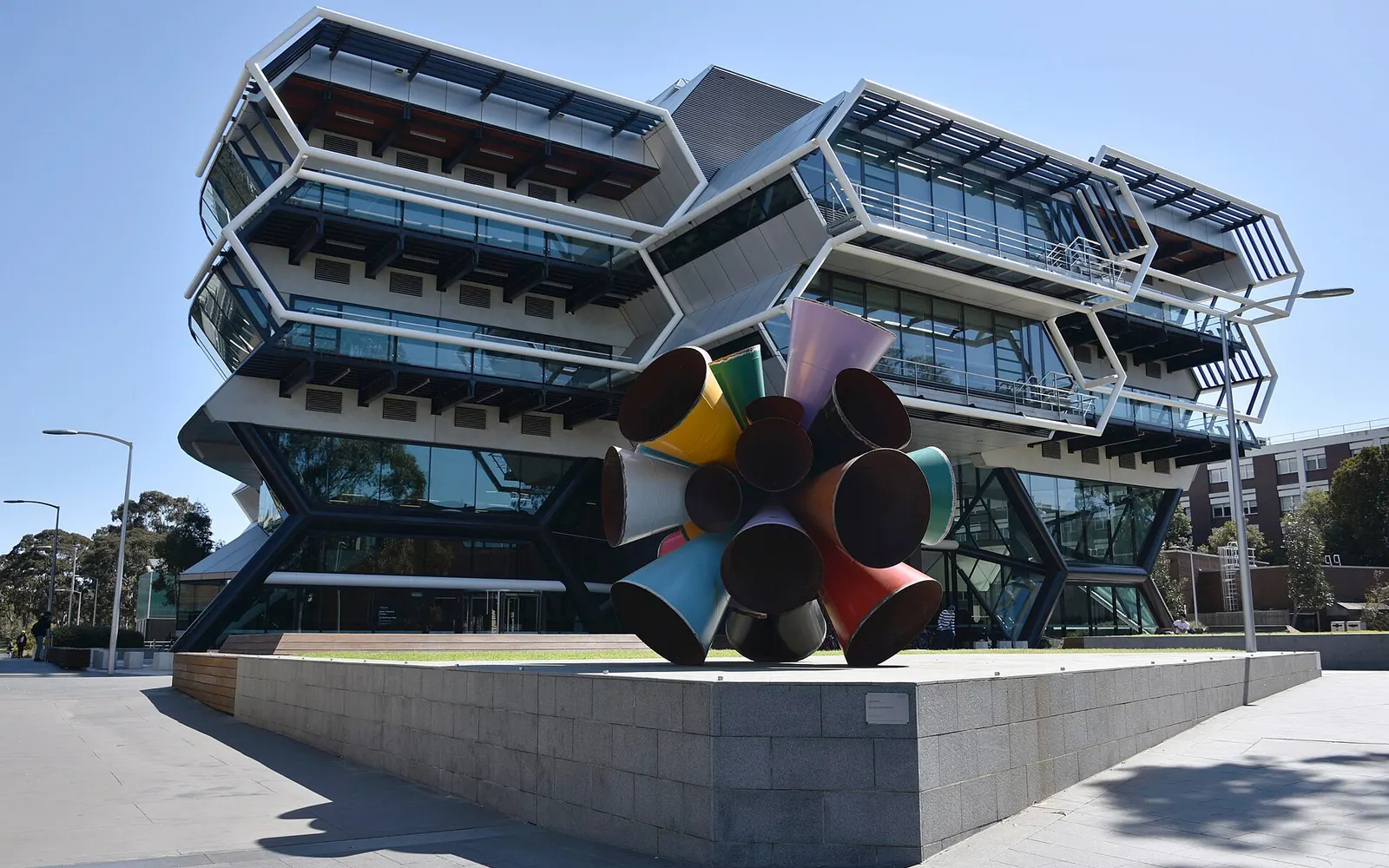
Melbourne university with Clayton and Caulfield campuses; Arts, Business, Science and Engineering degrees starting…
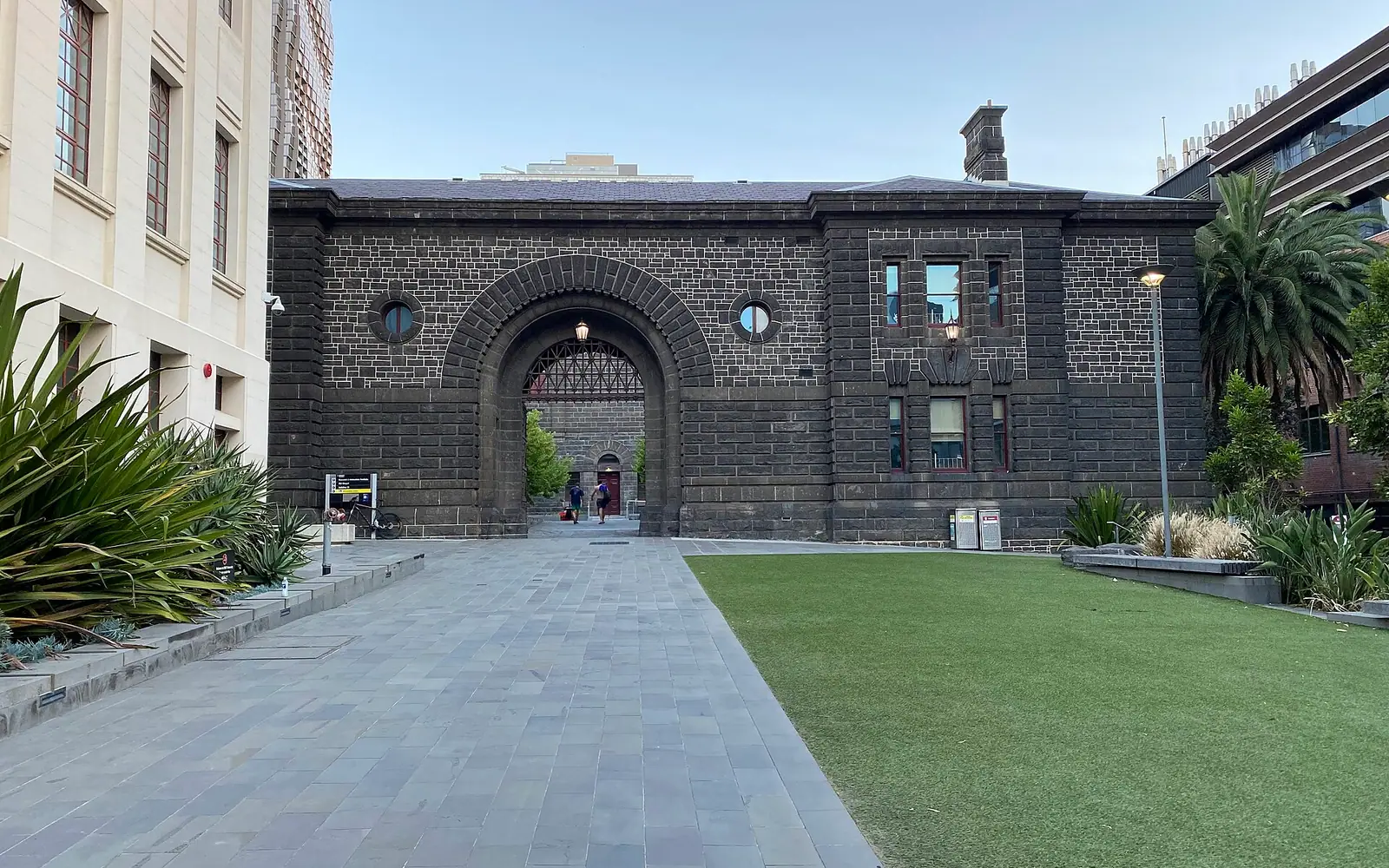
Melbourne City campus with design, business, computing and engineering degrees; most bachelor's start in…
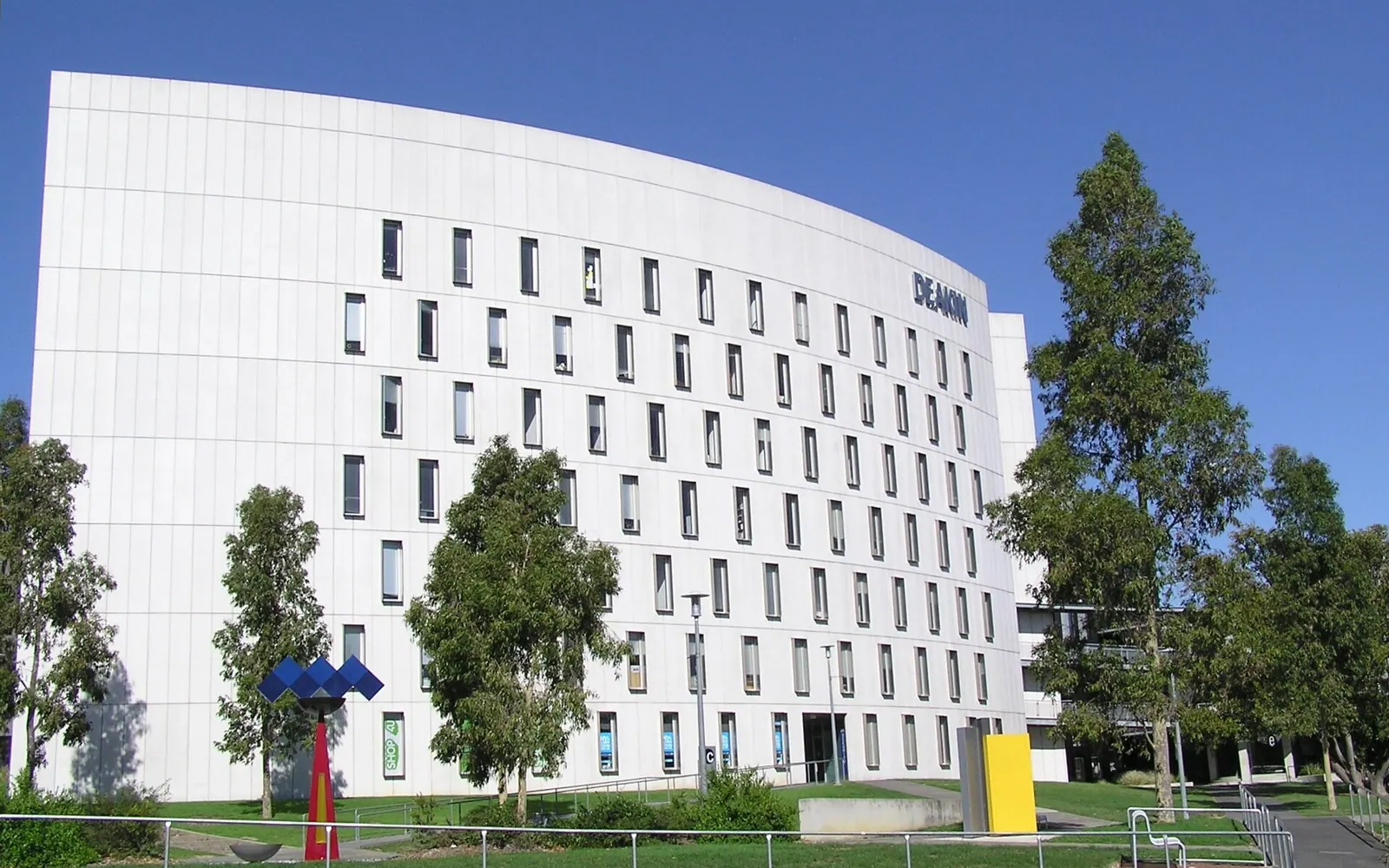
Victorian university with campuses in Melbourne, Geelong and Warrnambool; three trimesters a year, starting…
3 universities
3 institutions · apply to each directly
The University of Queensland, QUT and Griffith. Apply directly to each university's international admissions; whether Queensland's admissions centre would also take an offshore IB candidate is unresolved.
QTAC, the Queensland Tertiary Admissions Centre. Not established. QTAC's page on international Year 12 qualifications lists Cambridge A Levels, US senior schooling and New Zealand qualifications, and does not mention the International Baccalaureate at all; its how-to-apply page sends international applicants to the institution's own international office. An absence from a list is not an exclusion, and this has not been resolved. Ask QTAC, and apply direct in the meantime.
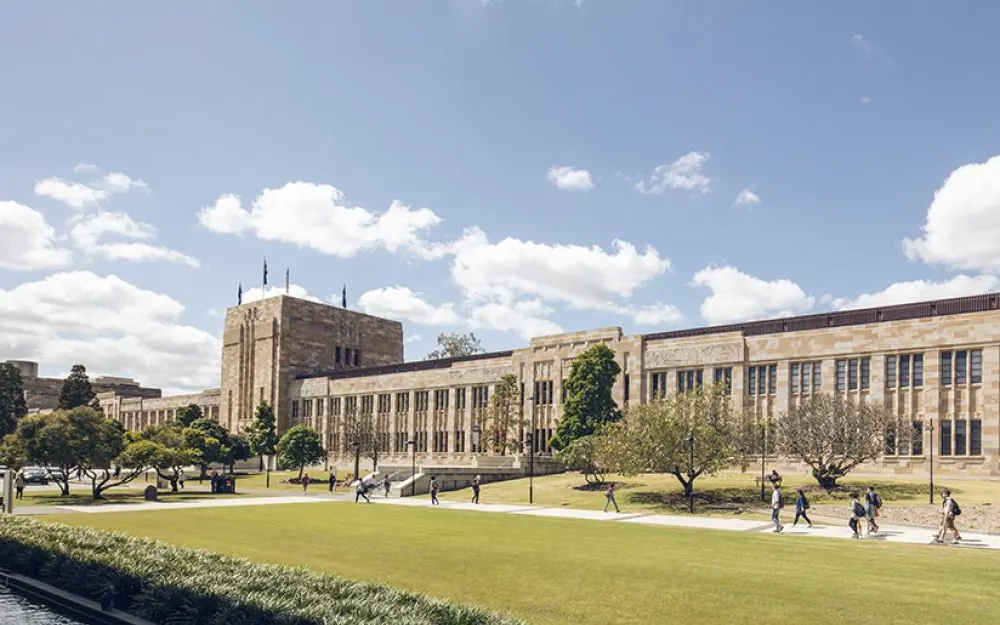
Brisbane's St Lucia campus; three-year science and commerce degrees and four-year engineering, with intakes…
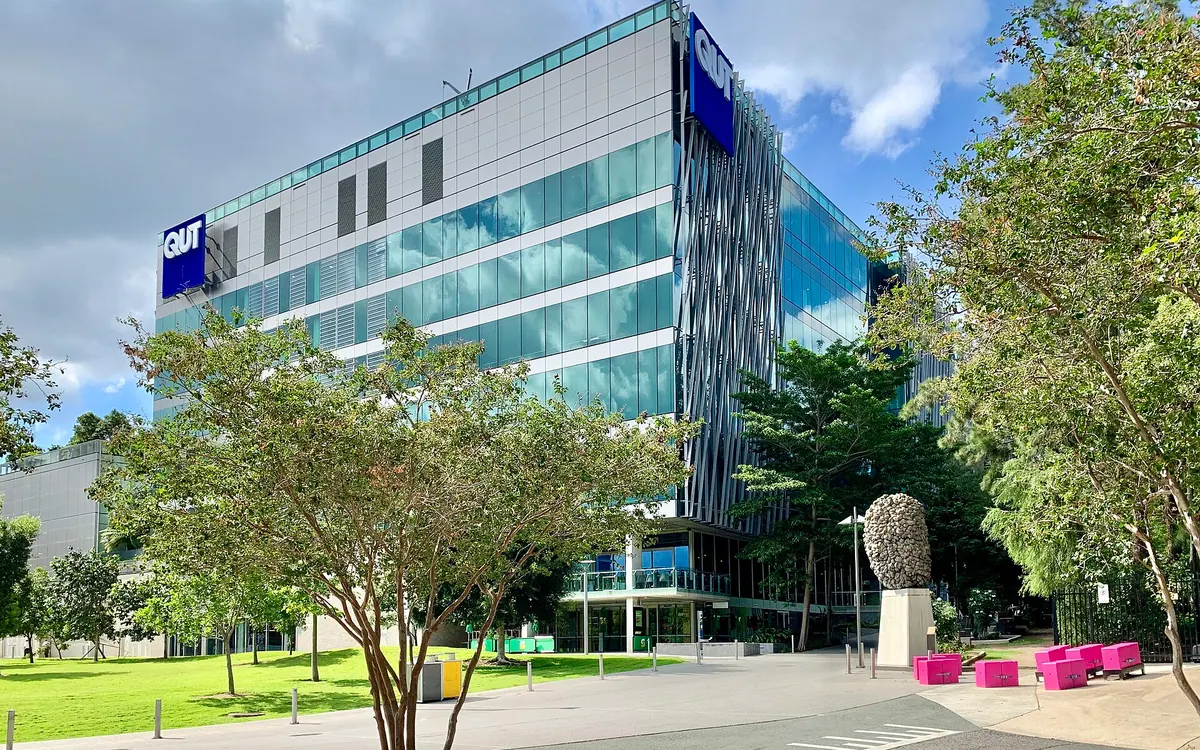
Brisbane university with Gardens Point and Kelvin Grove campuses; practical degrees in engineering, IT…
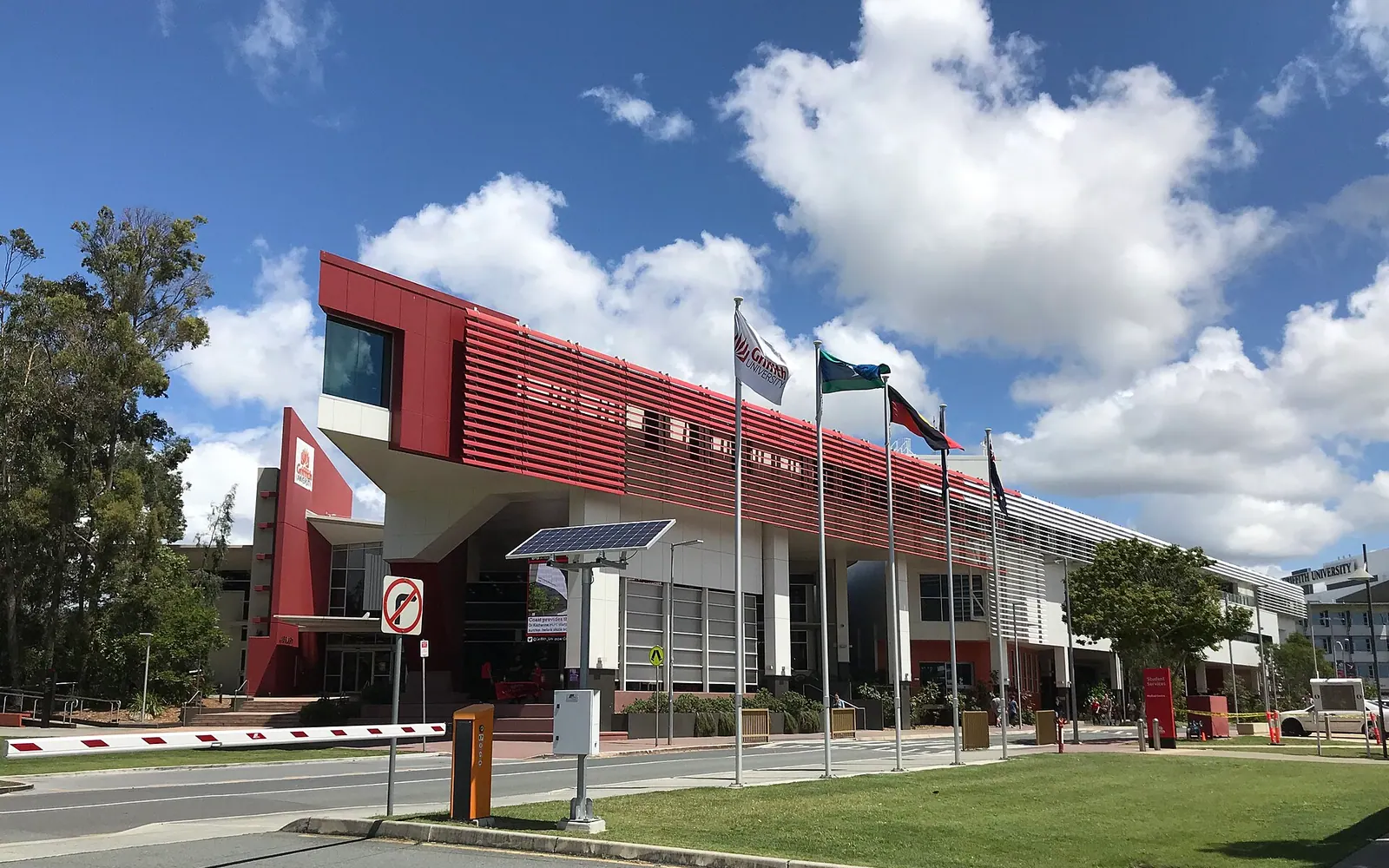
Queensland university across Brisbane and the Gold Coast, with three trimesters a year; international…
1 university
One institution · apply to each directly
Adelaide University, which replaced the University of Adelaide and UniSA in January 2026, and the Northern Territory's institutions, sit behind an admissions centre that accepts the IB only where it was studied in Australia. Apply directly.
SATAC, the South Australian Tertiary Admissions Centre, which also serves the Northern Territory. Closed to you: its list of accepted international Year 12 qualifications names the International Baccalaureate Diploma with the parenthesis 'in Australia only', and says all other international students must apply directly to the relevant institutions.
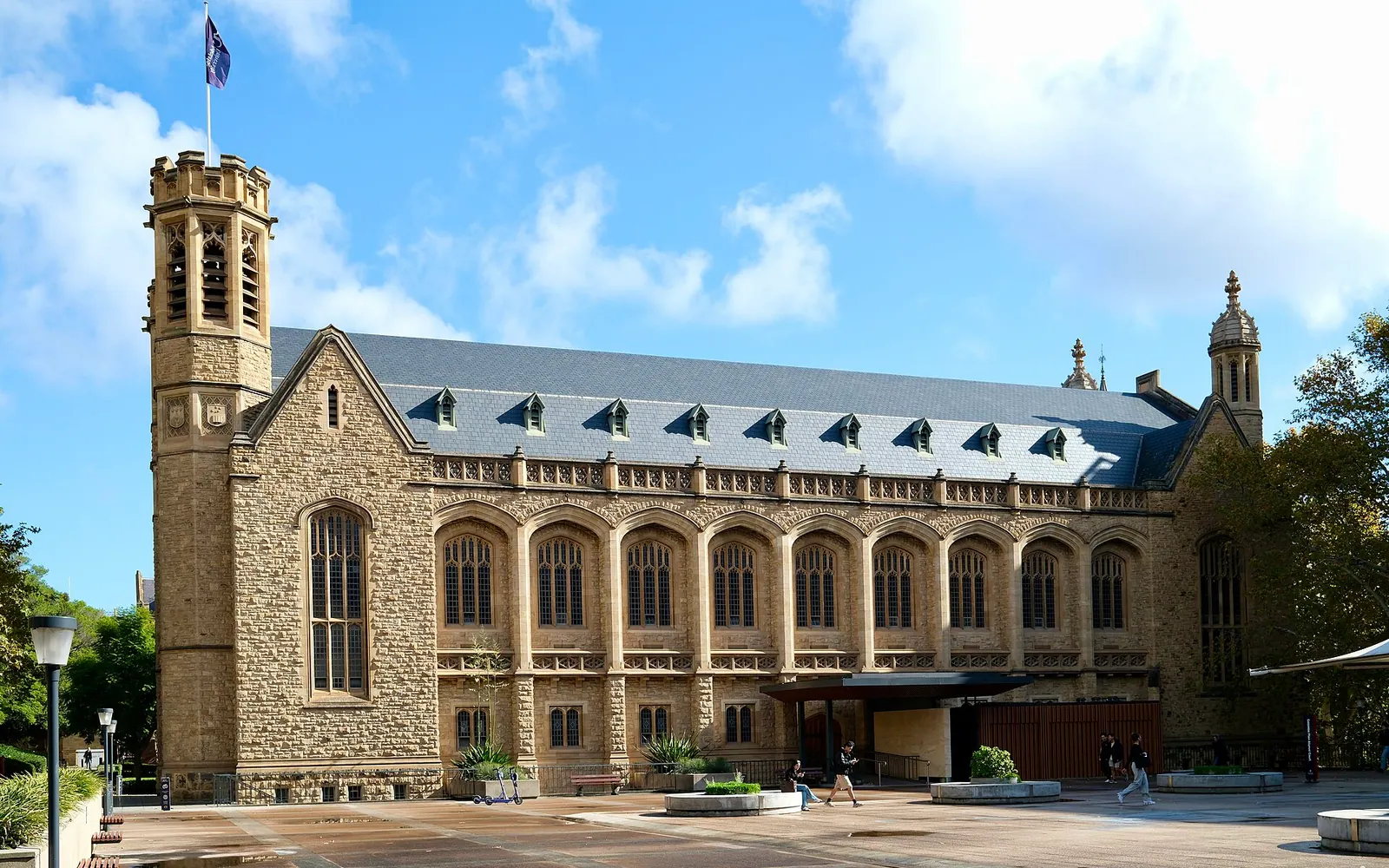
South Australia's Adelaide University: City, Mawson Lakes, Roseworthy and Waite campuses, with degrees that…
2 universities
2 institutions · apply to each directly
UWA, Curtin and the other Western Australian universities. The admissions centre here draws its line on citizenship rather than on where the exams were sat, which excludes an EU/EEA applicant however the IB was taken.
TISC, the Tertiary Institutions Service Centre. Closed to you: TISC states you can only apply through it if you are an Australian or New Zealand citizen or an Australian permanent resident. International students apply directly to each university's international office. TISC's own IB brochure is worth reading anyway - it warns that the default assumption is that IB results arrive in December, and that a May-session candidate must say so or results will not be collected until then.
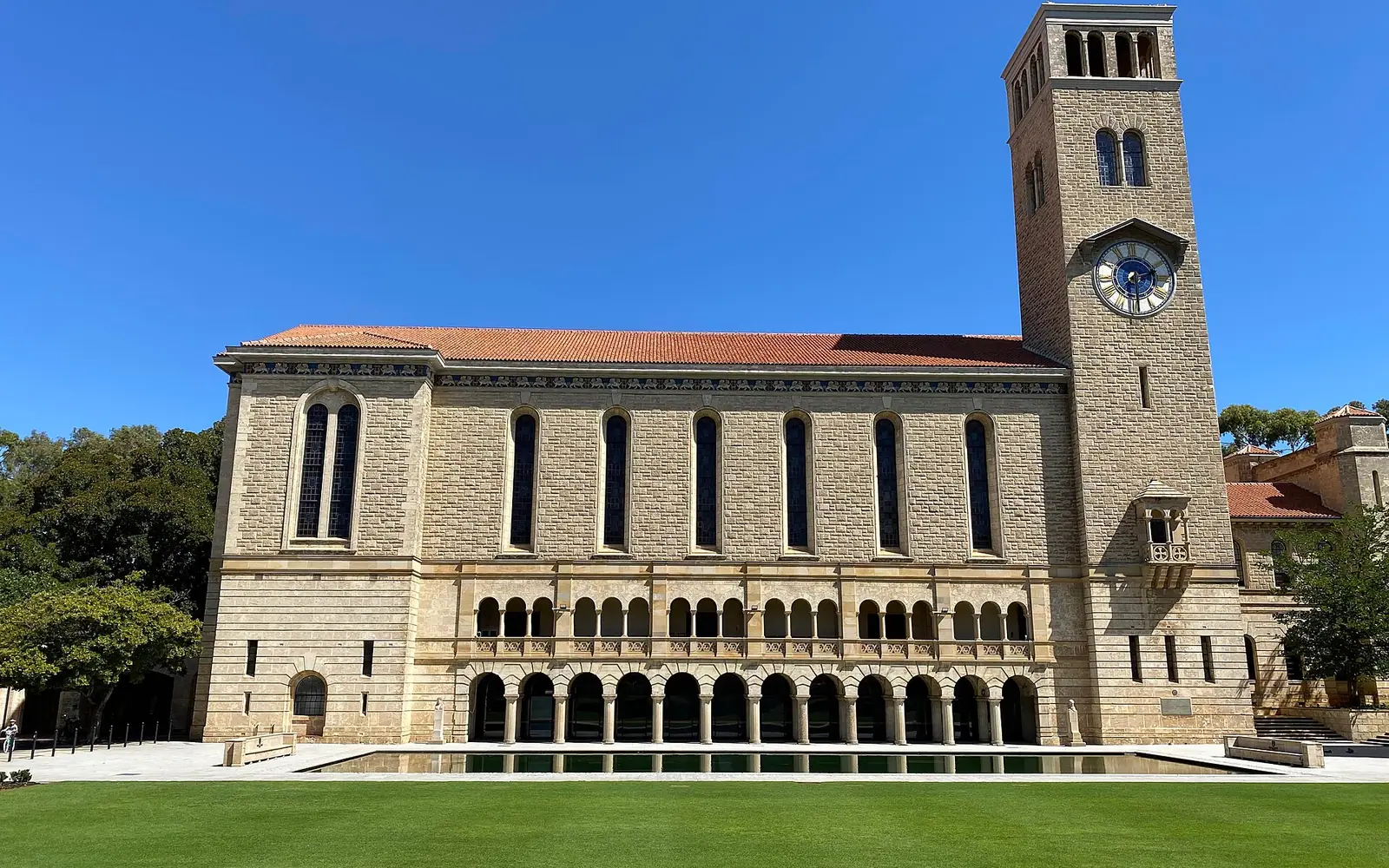
Perth university with Science, Commerce, Arts and Engineering degrees; Science and Biomedical Science start…
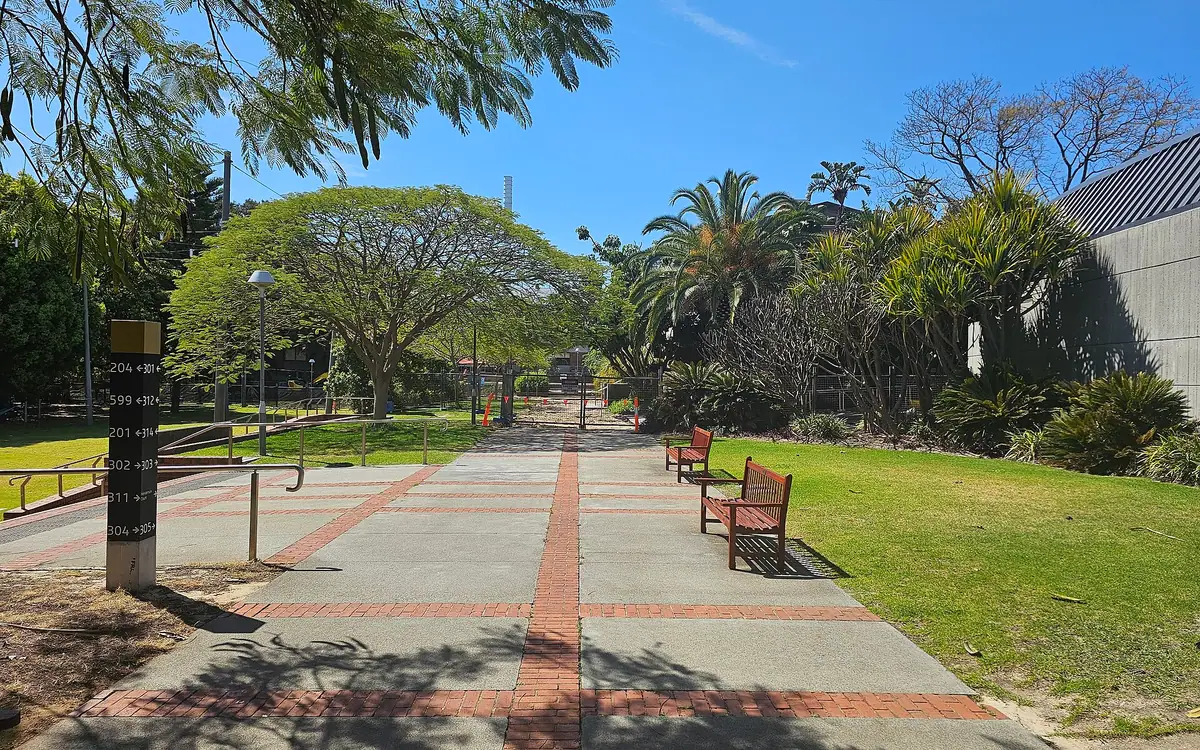
Perth university with four faculties; a full IB Diploma of 24 points opens most…
1 university
One institution · apply to each directly
The University of Tasmania, applied to directly. No shared admissions centre open to an offshore IB candidate has been identified here; check with the university before assuming one.
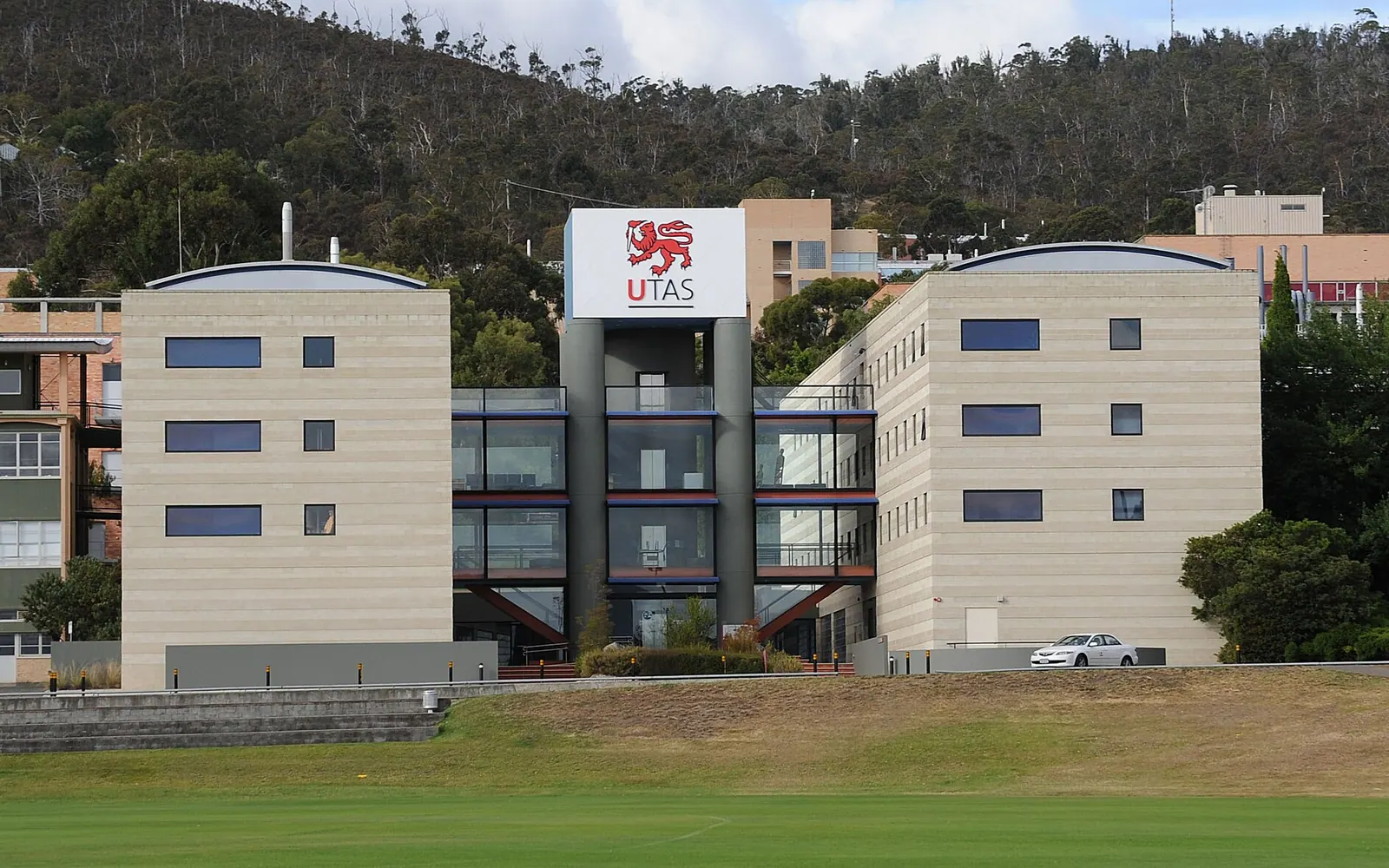
Tasmania's university, with marine and Antarctic science taught in Hobart; the IB Diploma counts…
This browser cannot draw the globe. Every place is in the list below.
Australia runs on the southern hemisphere academic year: the main intake, Semester 1, starts in late February or early March, and a smaller second intake starts in July.
That means finishing the IB in May 2027 does not lead to an 'autumn 2027' start - it leads either to a July 2027 start, if the university offers your degree mid-year, or to February 2028, which gives you roughly eight months between your IB exams and your first lecture. Most bachelor's degrees are three years, entry is decided almost entirely by a published score, and the Universities Admissions Centre publishes an official table that turns your IB result into an ATAR-equivalent 'Combined Rank'.
The entry rule is a number you can look up.
Hemisphere timing. If you start in February 2028 you are effectively taking a gap year.
Australia regulates higher education by provider category rather than by name, and the categories are not a ranking.
Australia regulates higher education by provider category rather than by name, and the categories are not a ranking. TEQSA registers every provider as an Australian University, a University College, an Institute of Higher Education or an Overseas University; all four award accredited degrees and the real difference is research intensity. Running alongside, and rarely mentioned to international undergraduates, is the vocational sector: TAFE institutes and private registered training organisations, whose Diplomas and Advanced Diplomas carry credit into a bachelor degree at partner universities. A separate and decisive test cuts across all of it - a course must be registered on CRICOS before it can carry a student visa at all.
The 40-odd research universities, including the Group of Eight, plus the technology universities that grew out of the institutes of technology. Three-year bachelor's degrees as standard, with a fourth honours year taken by choice or required for research entry. Admission is by Combined Rank against a published threshold. Two structural variants matter: Melbourne and UWA run broad undergraduate degrees with law, medicine and engineering as graduate entry afterwards, while Monash, Adelaide and most others admit to professional degrees directly at eighteen.
A provider category created in 2021 for institutions that meet the university standards in teaching and in research in some fields, but not across the full breadth a university needs. Degrees are accredited on the same framework. Small, and generally specialised.
You will meet the phrase. No University College is covered individually here, and whether any of them takes an offshore IB candidate is not known.
Registered private providers of accredited degrees, most of them specialised: music, design, theology, business, health. Not a diminished university - a different regulatory category with a lower research requirement. Entry ranks are often lower and fees are often higher, and quality varies far more than it does among the universities.
The category where the CRICOS check matters most. Some of these providers are registered to enrol international students and some are not.
The public vocational system, one per state, delivering nationally accredited training from Certificate I to Advanced Diploma and in places bachelor degrees too. Practical, cheaper than a university, and built around doing the work. A Diploma or Advanced Diploma can carry credit into a related bachelor degree at a partner university, sometimes a full year of it, and several TAFEs package the diploma and the degree into one offer and one student visa.
TAFE rarely appears in English-language advice for international undergraduates except as a consolation prize, which misreads it: for a student who wants to be employable in a trade or a technical field rather than to continue to a master's, it can be the better route. How much credit a given diploma earns is set by the receiving university and is not national.
Universities that are also registered training organisations and teach both sectors on the same campus - RMIT, Swinburne, Victoria University, CQUniversity, Federation. You can begin in a vocational Diploma and articulate into the degree inside one institution, which removes most of the friction of moving between providers.
Useful to know about if your predicted rank is short of the degree you want: the same institution can often admit you a level below and take you up.
One-year programmes run by or alongside a university - Trinity College at Melbourne, UNSW College, Monash College and others - designed for international students whose school qualification does not meet direct entry, and leading into first year. ELICOS, intensive English for overseas students, sits beside them.
Rarely needed by an IB Diploma holder, because the Diploma converts directly to a rank. It is what an agent will offer a student whose predicted score is short, and it costs a year.
There is no national minimum. Entry is decided by a rank, and UAC's published schedule is what turns your IB total into one: for offers made from August 2026, 24 points converts to a Combined Rank of 64.60, 30 to…
Yes
There is no national minimum. Entry is decided by a rank, and UAC's published schedule is what turns your IB total into one: for offers made from August 2026, 24 points converts to a Combined Rank of 64.60, 30 to 79.30, 35 to 90.75, 40 to 96.85 and 45 to 99.95. Degrees then state the rank they require, so a course asking for a rank of 90 is asking for roughly IB 34-35. Use the whole table on the destination record rather than these five rows.
Entry is on the overall converted rank, with named prerequisite subjects on top - typically Mathematics at a specified level for engineering, economics and science, and Chemistry or Biology for health degrees. Whether an SL subject satisfies a prerequisite is decided by the university.
UAC converts an IB Diploma into a Combined Rank, which it states is comparable with the ATAR for tertiary entrance in every Australian state and territory. There are two schedules on one page and they give different answers. Candidates who sat the IB in Australia from November 2022 are converted from a fine-grained IB Admissions Score in quarter-point steps; everyone else, including anyone sitting the May session in Denmark, is converted from the whole diploma score out of 45. The schedule underneath both is agreed nationally by the Australasian Conference of Tertiary Admissions Centres and re-determined every February.
How Australia reads an IB Diploma.
These are the pages this section was written from. None has been signed off by a person yet, so confirm anything consequential at the source.
UAC - Determining ATAR equivalents for International Baccalaureate students (PDF schedule)
Department of Home Affairs - Student visa (subclass 500): cost, financial capacity, work rights
Department of Home Affairs - Temporary Graduate visa (subclass 485)
UNSW Sydney - International tuition fees 2026 (per unit of credit, by faculty)
Study Australia (Australian Government) - Living and education costs
Apply directly to each university.
Decide first whether you want July 2027 or February 2028, then check whether the specific degree has a mid-year intake - this single choice changes your whole timeline, and engineering, health and most professional degrees are semester 1 only.
Convert your predicted IB total to a Combined Rank on UAC's current schedule, then look up the rank each degree requires. Some universities publish a guaranteed-entry rank, which turns the question into arithmetic.
Work out which route your state uses. For New South Wales and the ACT you may apply through UAC on one application and one fee; for Victoria, South Australia and Western Australia the state admissions centre will not take an IB candidate sitting the exams in Denmark, and Queensland's is unresolved, so you apply directly to each university.
Ask your school's IB Diploma coordinator to authorise the IB to release your results - to UAC if you are using it, and to each university if you are not. Your school does this, not you.
Submit predicted IB grades. Through UAC an international applicant receives a conditional offer about 48 hours later, which can be used for pre-visa assessment but not to enrol.
Accept the offer, pay the deposit, and take out Overseas Student Health Cover - it is a visa condition, not a university one.
Receive the Confirmation of Enrolment, then apply online for the Student visa subclass 500, paying from AUD 2,500 and showing AUD 29,710 of living costs, the first twelve months of tuition and about AUD 2,000 of travel.
Book accommodation - Australian universities house a much smaller share of students than British or American ones, and Sydney and Melbourne rentals are tight.
Entry is overwhelmingly rank-based against a published threshold, plus subject prerequisites. A few degrees add an interview, portfolio or admissions test - medicine and dentistry in particular. Some universities publish guaranteed-entry ranks, which means an offer is automatic if you meet the number. There is no personal statement culture and no essay for most degrees. Whether a conditional offer on predicted grades is normal for a direct application, as it is through UAC, is worth asking each university about.
Your own plan Via n Australian university
Not published by anyone — a date worth setting yourself.
Not a deadline anyone publishes, and the decision everything else hangs on. Australia's main intake starts in late February, so a May 2027 IB session leads either to a mid-year July 2027 start - if that degree admits mid-year, and many do not - or to February 2028, eight months later. The date here is a suggestion, set early enough to still change your mind.
Results reach the candidate on 6 July 2027, the IB's usual results day, not yet confirmed by the IB for 2027. An earlier date sometimes quoted is the IB's transcript-request cut-off, a separate IB deadline. UAC's IB applicants page (https://www.uac.edu.au/future-applicants/admission-criteria/ib-applicants) gives no May-session release date; its only date is for the November session, when UAC will notify NSW and ACT applicants of their IB Admissions Score "via email on Friday 18 December 2026". Denmark sits the May session, which is why a July 2027 start is tight and February 2028 is the realistic main option.
Via n Australian university
There is no national date and no national portal for a direct application. Each university publishes its own closing date for international applicants, per intake and sometimes per degree, and missing it closes that university for that intake. Take the date from the page of the university you are applying to.
Your own plan Via n Australian university
Not published by anyone — a date worth setting yourself.
Accepting is not the end of it. The university issues a Confirmation of Enrolment after you accept and pay, usually alongside Overseas Student Health Cover, and the CoE is what the visa application needs. It must still be valid on the day Home Affairs decides the visa.
Your own plan Via n Australian university
Not published by anyone — a date worth setting yourself.
AUD 29,710 of living costs for twelve months, plus the first twelve months of the actual course fee, plus about AUD 2,000 of travel from Europe - or, instead of savings, a parent's or partner's documented annual income of at least AUD 87,856, evidenced by official tax documents rather than bank statements. Gathering a parent's tax documents, from whichever country they are taxed in, takes longer than gathering a bank statement.
Via UAC
The cycle a May 2027 candidate needs had not been published as of September 2026. For shape only: the 2026-27 cycle opened on 8 April 2026. Treat that as the month to start checking, not as a date.
Your own plan Via UAC
Not published by anyone — a date worth setting yourself.
UAC asks for the International Baccalaureate to be authorised to send results directly. Your school does this, not you, and nothing in the application will prompt them. Ask in the term before you apply.
Via UAC
Missing this costs money rather than a place: AUD 82 becomes AUD 215. In the 2026-27 cycle the cut-off is 23:59 Sydney time on 30 September 2026. The 2027-28 date is not yet published.
Via UAC
Not a date so much as an interval. An international applicant gets a conditional offer roughly two days after submitting, on predicted grades. UAC says it may be used for pre-visa assessment and that it does not make you eligible to enrol - enrolment needs the unconditional offer, which needs results.
Hard deadline Via UAC
After this the door closes.
The door does close, and it closes early in the year the course starts. The 2026-27 cycle closes at 23:59 on 5 February 2027 for courses starting semester 1 2027, and individual courses set earlier dates of their own. The equivalent 2028 date is not yet published. Check uac.edu.au/key-dates from April 2027.
Via UAC
UAC states plainly that because International Baccalaureate results are released on their own schedule it cannot guarantee they will be assessed in time for any specific offer round. The whole UAC calendar is built around the November session, whose results arrive in December; a May-session candidate's arrive in July, and should expect to be handled between rounds rather than in one.
Your own plan Via UAC
Not published by anyone — a date worth setting yourself.
The Confirmation of Enrolment comes from the university, not from UAC, and nothing about the visa can begin until it exists. The subclass 500 application then has to be lodged early enough that the CoE is still valid when Home Affairs decides it. That sequence, not any published date, is what sets how early you have to move.
2028 teaching dates are set one university at a time; there is no national one. The Australian National University's published university calendar for 2028 gives "Semester 1 begins — 21 Feb" and "Semester 1 ends — 26 May", so expect late February. Other universities will differ by a week or two and you must check the one you are applying to. There is likewise no national application deadline: international applications generally open around a year ahead and many universities accept them until a few weeks before teaching starts, subject to visa processing time, which is the constraint that actually binds. This is the main Australian intake and the realistic one for a May 2027 IB candidate.
As with Semester 1 2028, the dates are published but only institution by institution. The Australian National University's 2027 calendar gives "Semester 2 begins — 26 Jul" and "Semester 2 ends — 29 Oct". That is the option that gets you started soonest after the May 2027 exams, and it is three weeks after IB results on 6 July 2027 — which is tight for an offer, a Confirmation of Enrolment and a subclass 500 visa in sequence, and is the reason February 2028 is the realistic choice rather than this one. Not every degree admits mid-year either; engineering, health and many professional degrees are Semester 1 only. Verify per degree and per university.
Your own plan
Not published by anyone — a date worth setting yourself.
After you receive a Confirmation of Enrolment. You cannot apply until you hold a CoE from the university, and you must hold a valid CoE when the visa is decided. Allow several months.
The whole system. Every bachelor's degree here is taught in English.
The whole system. Every bachelor's degree here is taught in English.
Universities accept the IB Diploma with English A as evidence of English for most courses, and the subclass 500 visa also has its own English requirement. Exact IELTS and TOEFL thresholds vary by university and by course - typical minimums are IELTS 6.5 overall with no band below 6.0.
Not for English-taught programmes
Not applicable - Australia has no EU/EEA fee category, and Commonwealth Supported Places are for Australian and New Zealand citizens only.
Not applicable - Australia has no EU/EEA fee category, and Commonwealth Supported Places are for Australian and New Zealand citizens only. You pay full international fees. (2026)
Roughly AUD 47,000-57,000 a year at a major research university for arts, design and business, with medicine, dentistry and veterinary science substantially higher. Example: UNSW Sydney's 2026 international rates are AUD 985 per unit of credit for Arts, AUD 1,000 for Design, AUD 1,090 for Architecture and AUD 1,180 for Accounting and Actuarial Studies, and a standard full-time year is 48 units of credit - so about AUD 47,300 for Arts and AUD 56,600 for Business. (2026)
Most Australian universities charge either no application fee or AUD 100-150 for international direct applications. State admissions centres (UAC, VTAC, QTAC, SATAC) charge their own processing fees. Check each university's own fee.
The Department of Home Affairs requires evidence of AUD 29,710 in living costs for twelve months for a single student - about AUD 2,476 a month. Home Affairs states plainly that this is the visa minimum and that actual living costs vary across Australia and may be much higher. (2026)
You need a Student visa, subclass 500. Apply online after the university issues a Confirmation of Enrolment, and you must still hold a valid CoE when the visa is decided.
You need a Student visa, subclass 500. Apply online after the university issues a Confirmation of Enrolment, and you must still hold a valid CoE when the visa is decided. Requirements include Overseas Student Health Cover, the genuine student criterion, health and character checks, and the financial evidence above. The visa allows a stay of up to six years in line with your enrolment, and the application charge is from AUD 2,500. Student visa applications lodged outside Australia are processed under a Ministerial Direction - Direction 115 for applications lodged on or after 14 November 2025 - which prioritises some applications over others, so processing time is not simply first-come-first-served. Source: https://immi.homeaffairs.gov.au/visas/getting-a-visa/visa-listing/student-500
On a Student visa subclass 500 you may work up to 48 hours per fortnight while your course of study or training is in session, and without limit during scheduled course breaks. After you graduate, the Temporary Graduate visa (subclass 485), Post-Higher Education Work stream, is for international students with a recent degree from an Australian institution and usually allows a stay of between two and three years depending on the qualification. You must be 35 or under when you apply, and you must have held a Student visa within the previous six months. Sources: https://immi.homeaffairs.gov.au/visas/getting-a-visa/visa-listing/student-500 and https://immi.homeaffairs.gov.au/visas/getting-a-visa/visa-listing/temporary-graduate-485
Australian universities house a much smaller share of students than American or British ones, so most international students rent privately or take a place in a purpose-built student accommodation block. Sydney and Melbourne are expensive and competitive; Adelaide, Hobart, Wollongong and Canberra are easier. Apply for university residential colleges as soon as you accept an offer, and budget well above the AUD 29,710 visa minimum if you want to live in inner Sydney.
Overseas Student Health Cover (OSHC) is a condition of the subclass 500 visa and must cover the whole length of the visa. You buy it from an approved Australian insurer, usually through the university at the point of accepting your offer. The EHIC is not valid in Australia. If you are a Norwegian or Swedish citizen covered by your own country's scheme, you may be exempt from OSHC under special arrangements: check with the Department of Home Affairs before you buy it. Denmark has no such arrangement.