
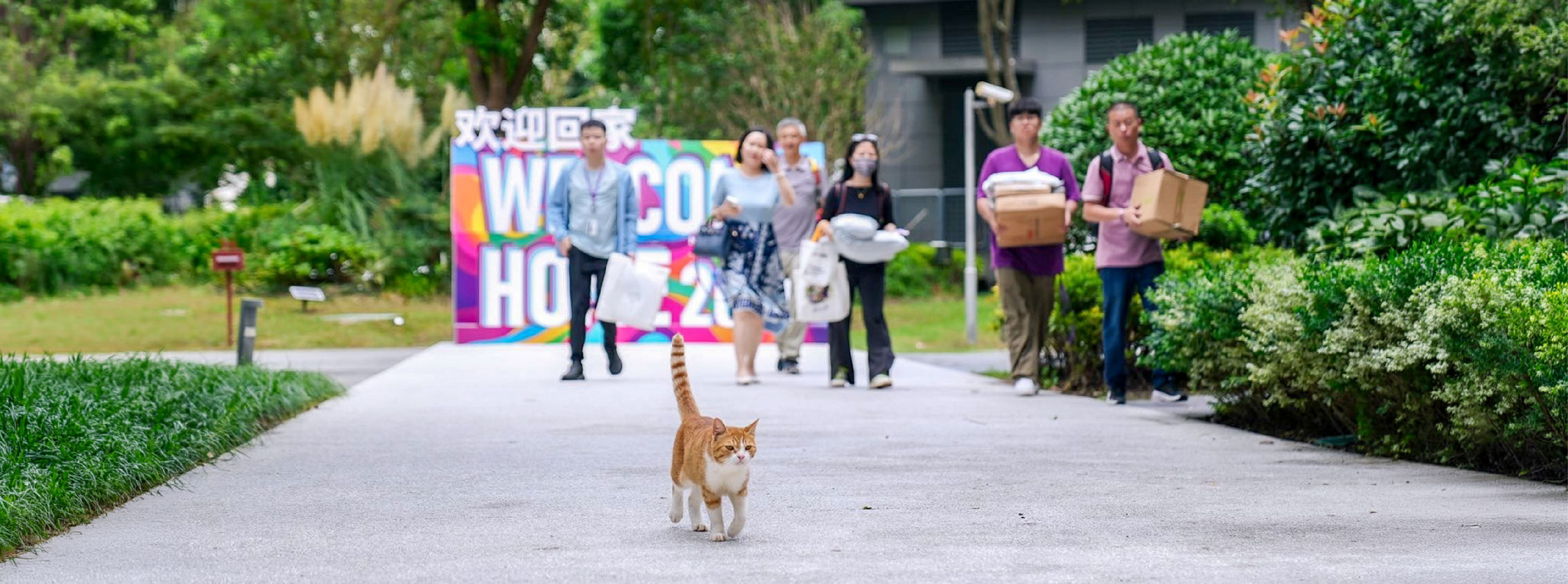
NYU Shanghai
A full NYU campus in Pudong, with students roughly half Chinese and half international…
Shanghai (Pudong)
East Asia · May 2027 IB session · Autumn 2027 entry
The joint-venture universities are the real English-taught route
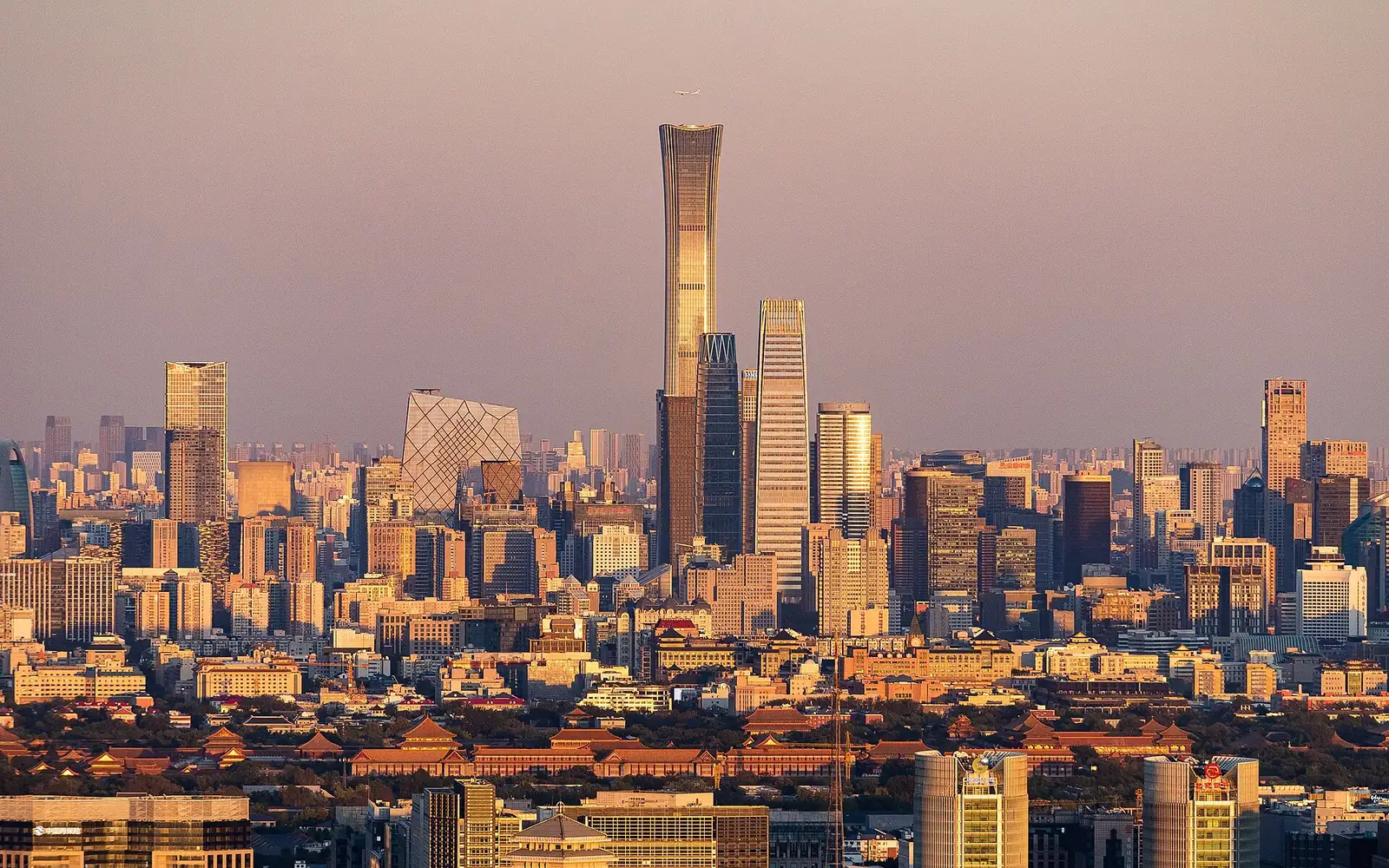
Beijing’s skyline
14 institutions
2 universities
2 institutions · apply via the Common App, on the American calendar, 2027
Joint universities that admit through the Common App on the American calendar, with binding Early Decision.
A full NYU campus in Pudong, with students roughly half Chinese and half international…
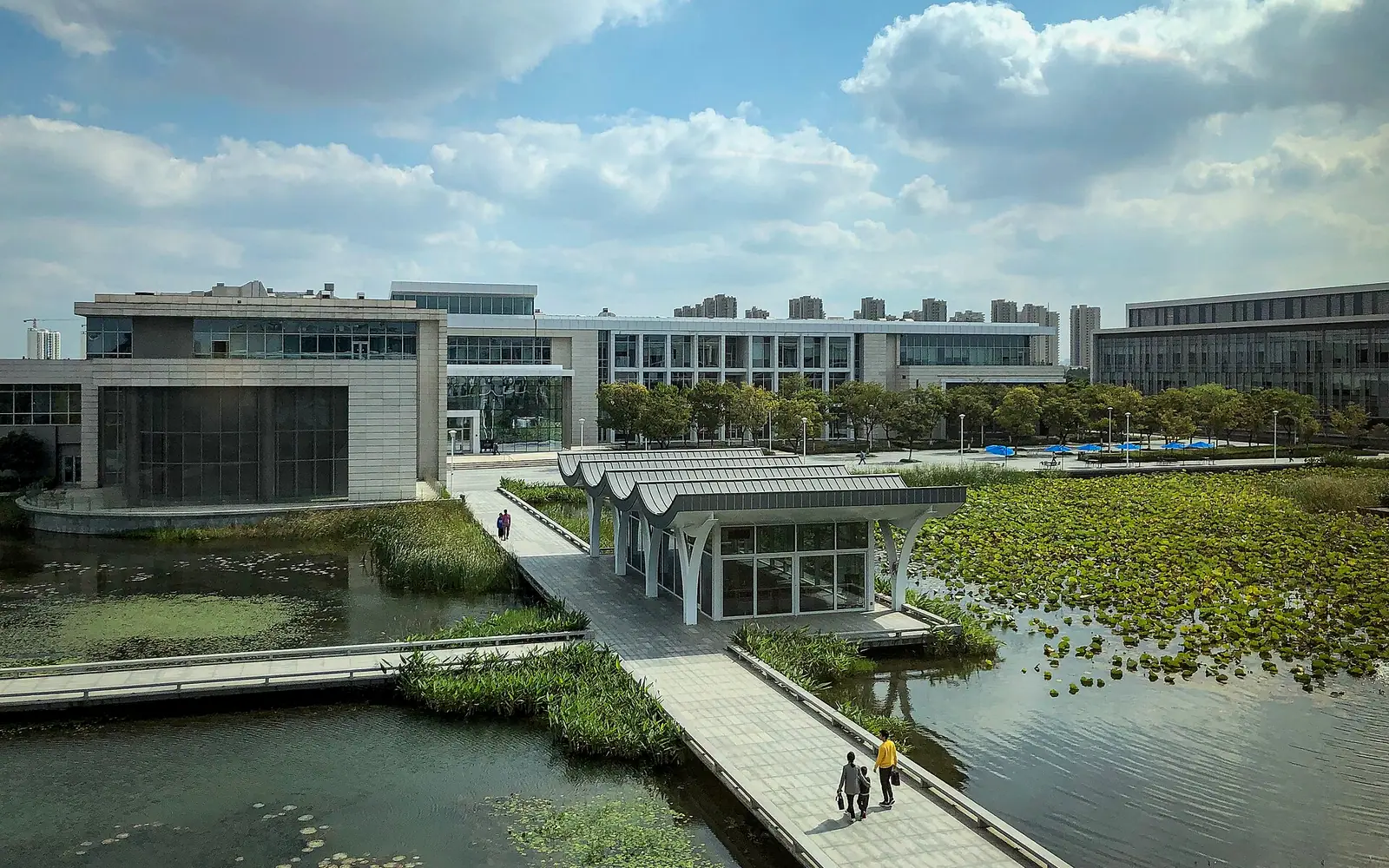
Early Decision closes 2 November 2026 and Regular Decision 4 January 2027, with acceptance…
5 universities
5 institutions · apply to each directly
XJTLU, Nottingham Ningbo, CUHK-Shenzhen, BNBU and Wenzhou-Kean. Apply on each university's own portal, with deadlines running into May.
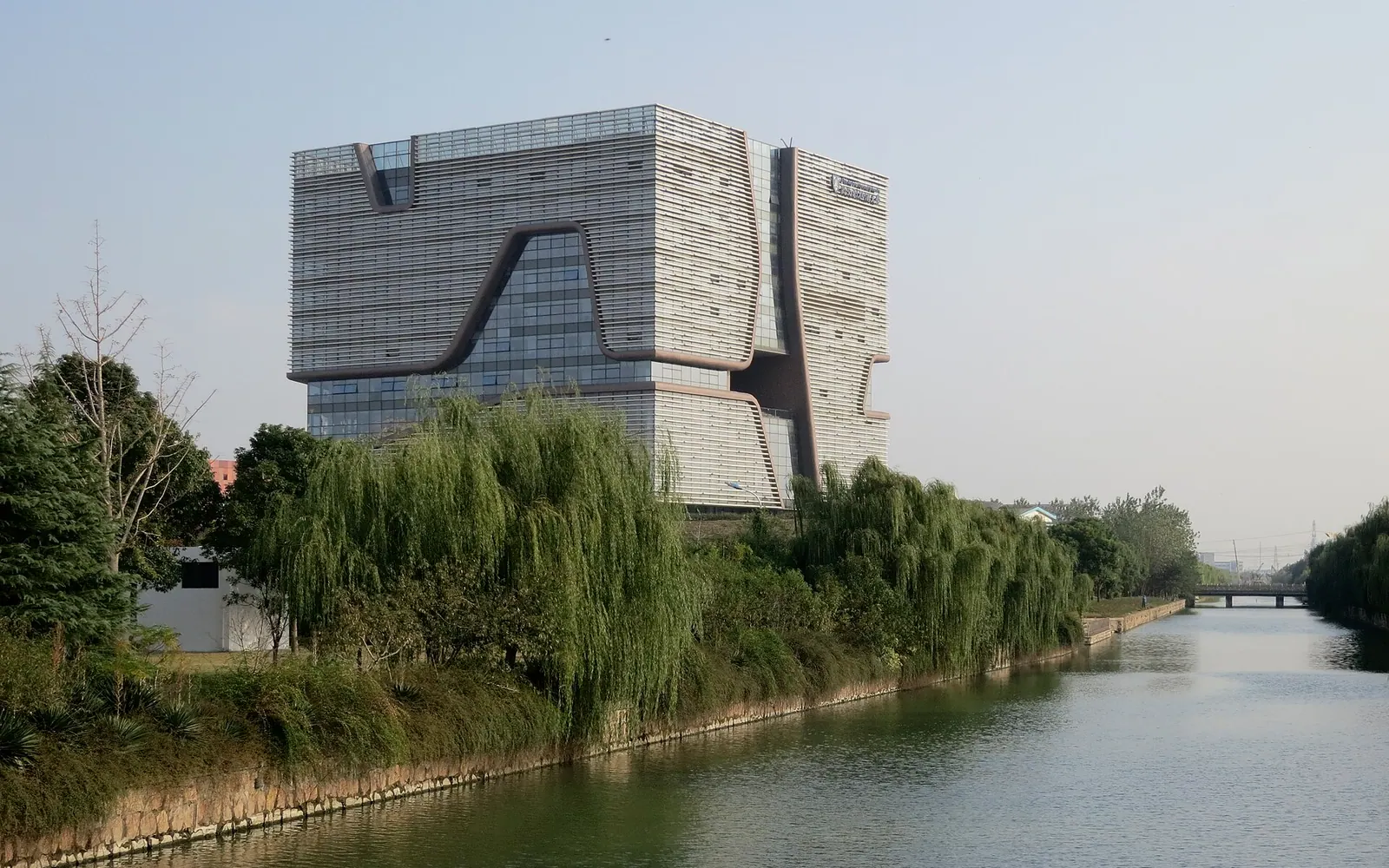
Over 60 English-taught programmes, with a dual XJTLU and Liverpool degree.
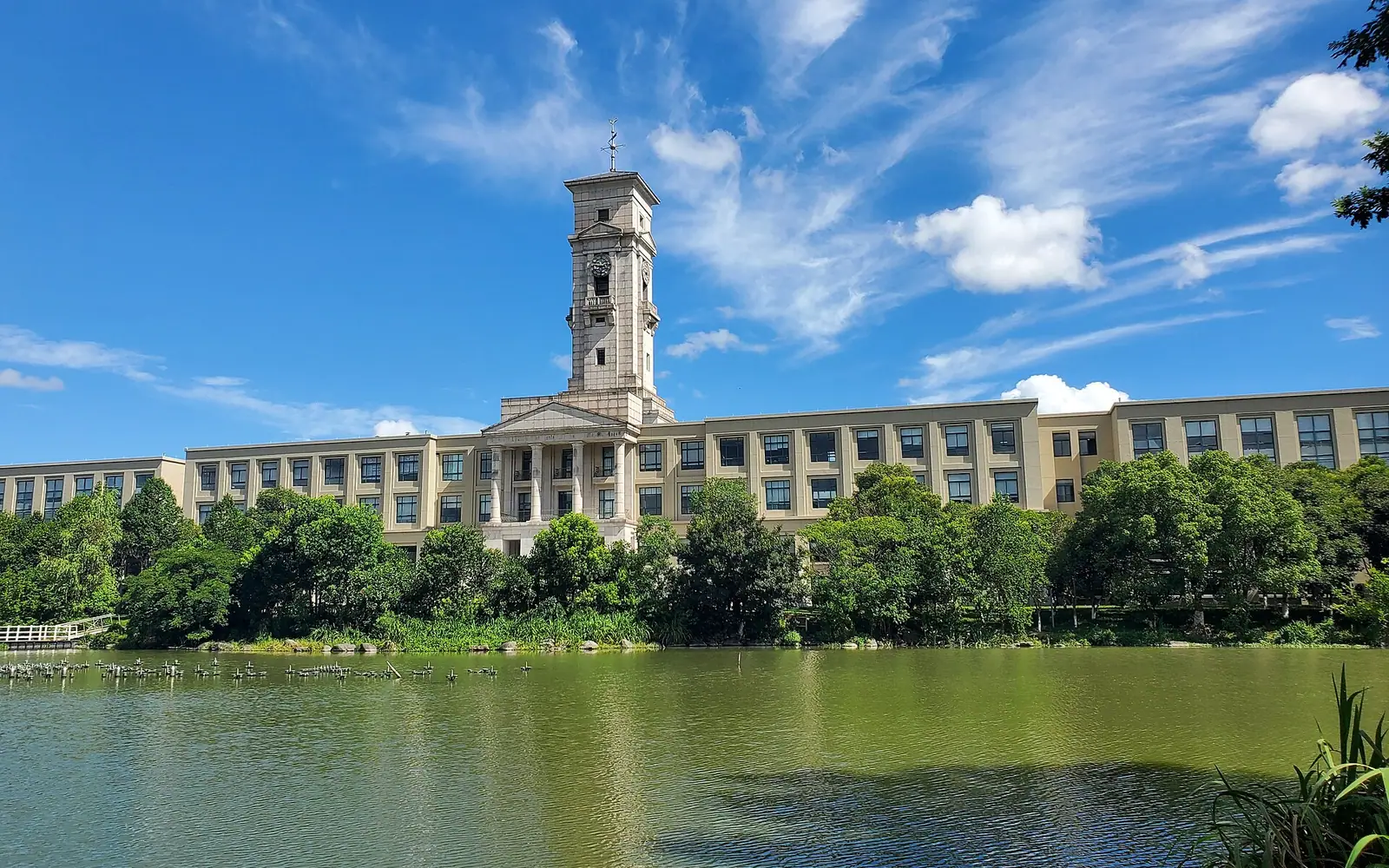
A Nottingham campus opened in 2004, awarding the same degree as in the UK.
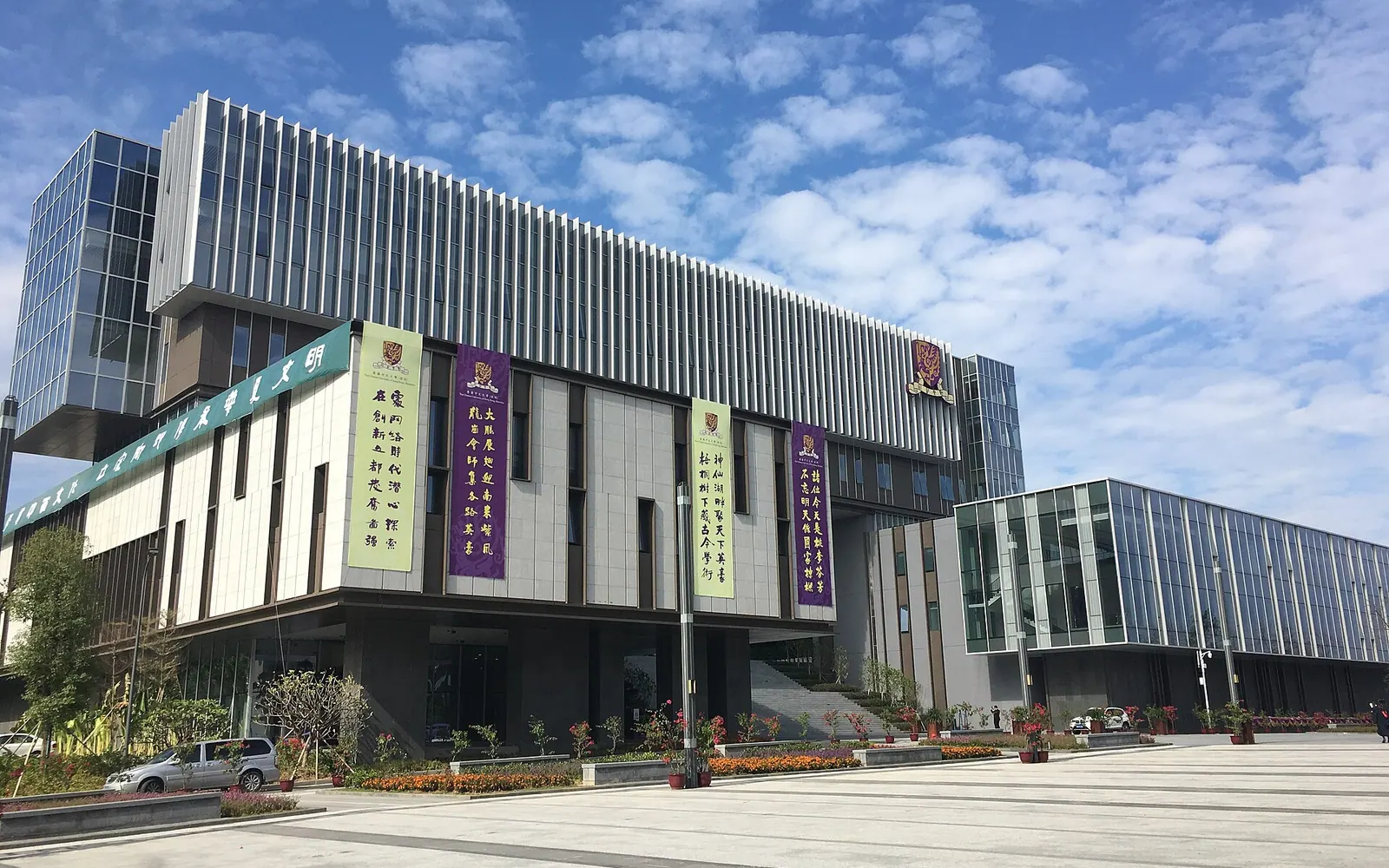
A full mainland campus of the Hong Kong university, awarding the CUHK degree, in…
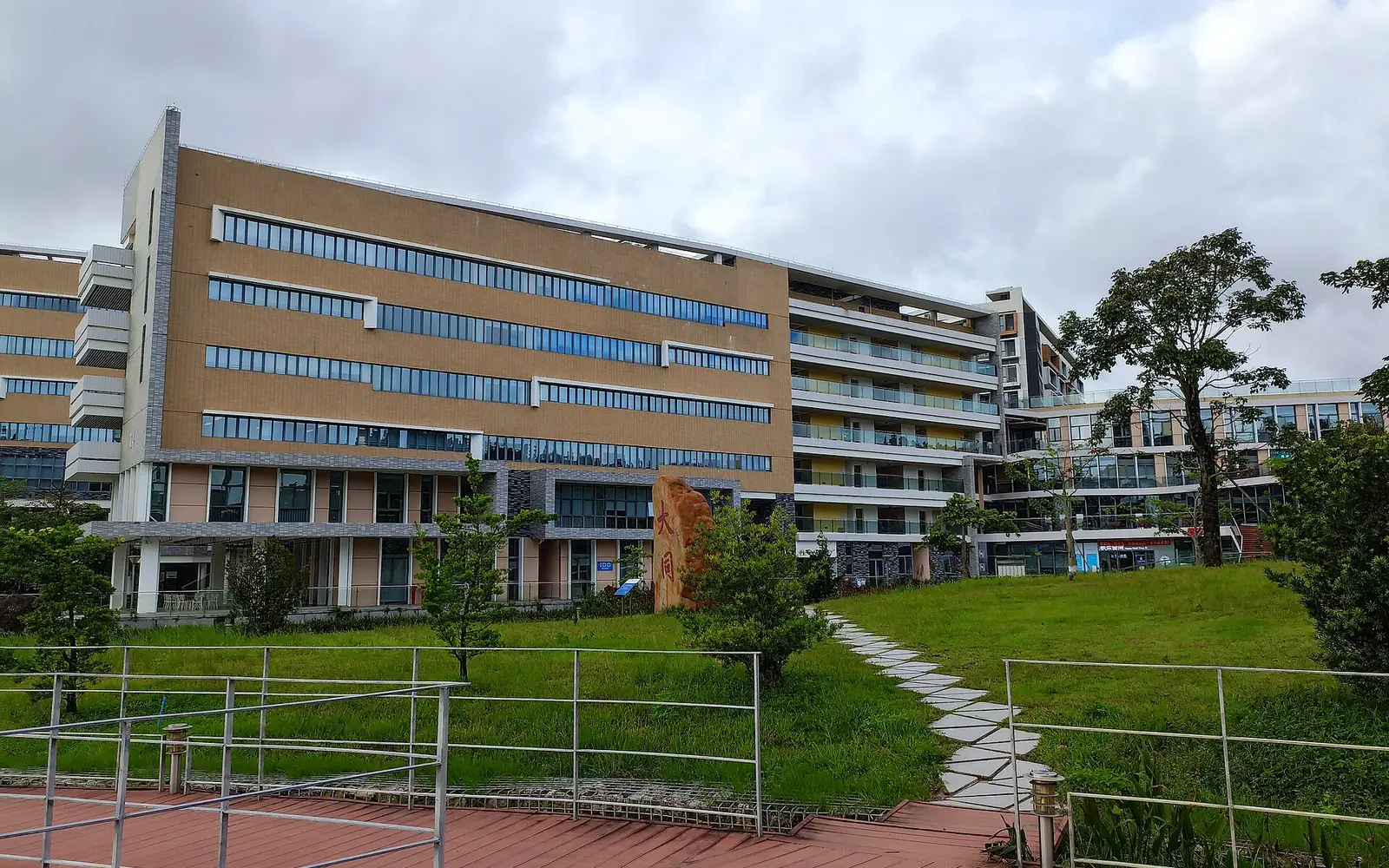
A joint liberal-arts college founded by Beijing Normal and Hong Kong Baptist universities.

An American public university's full Chinese campus, awarding the US degree, with small classes…
7 universities
7 institutions · apply to each directly
International undergraduate application and review, university by university. Requires the CSCA from 2026/2027.
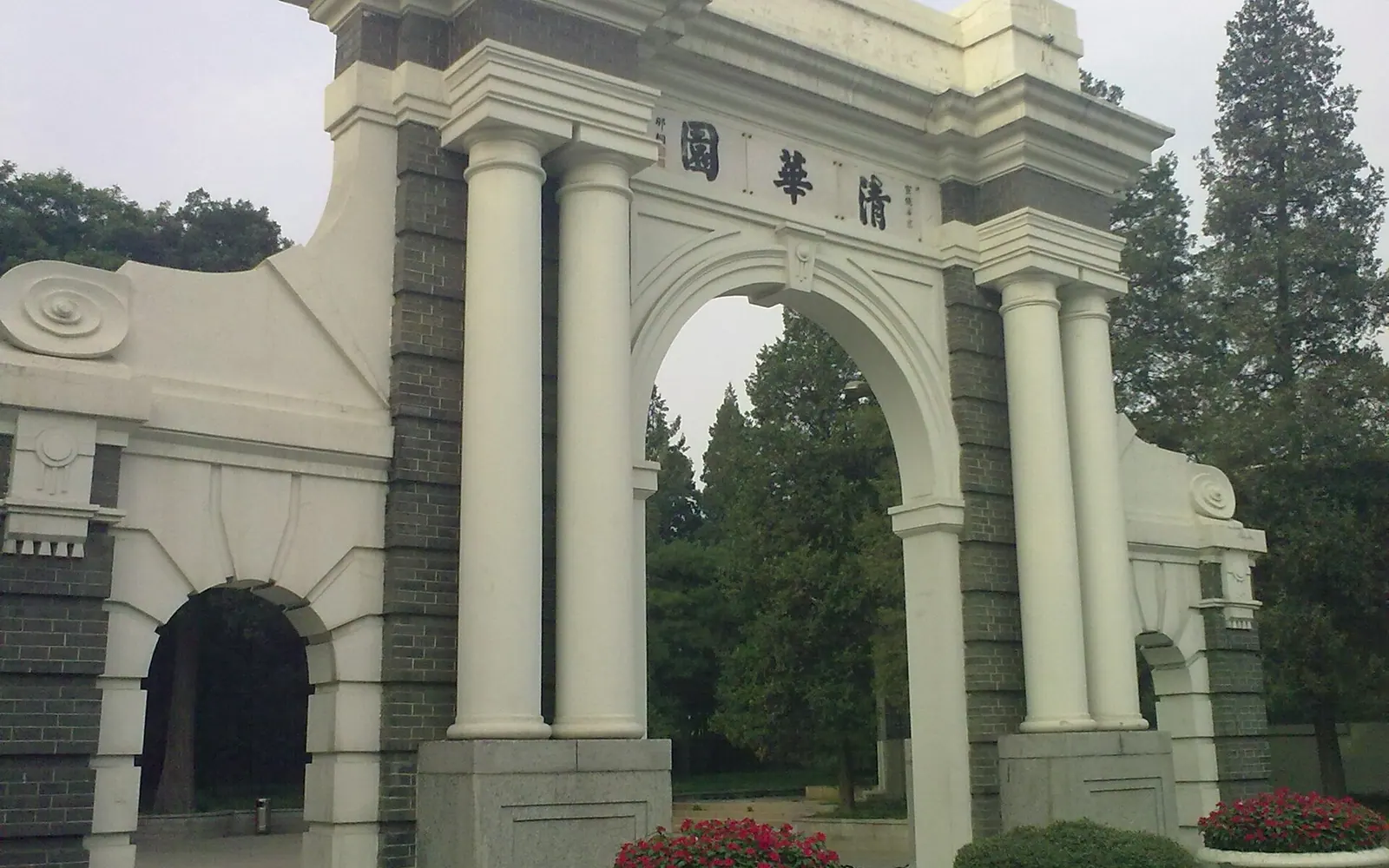
Admits international undergraduates through a separate process, but teaches mainly in Chinese.
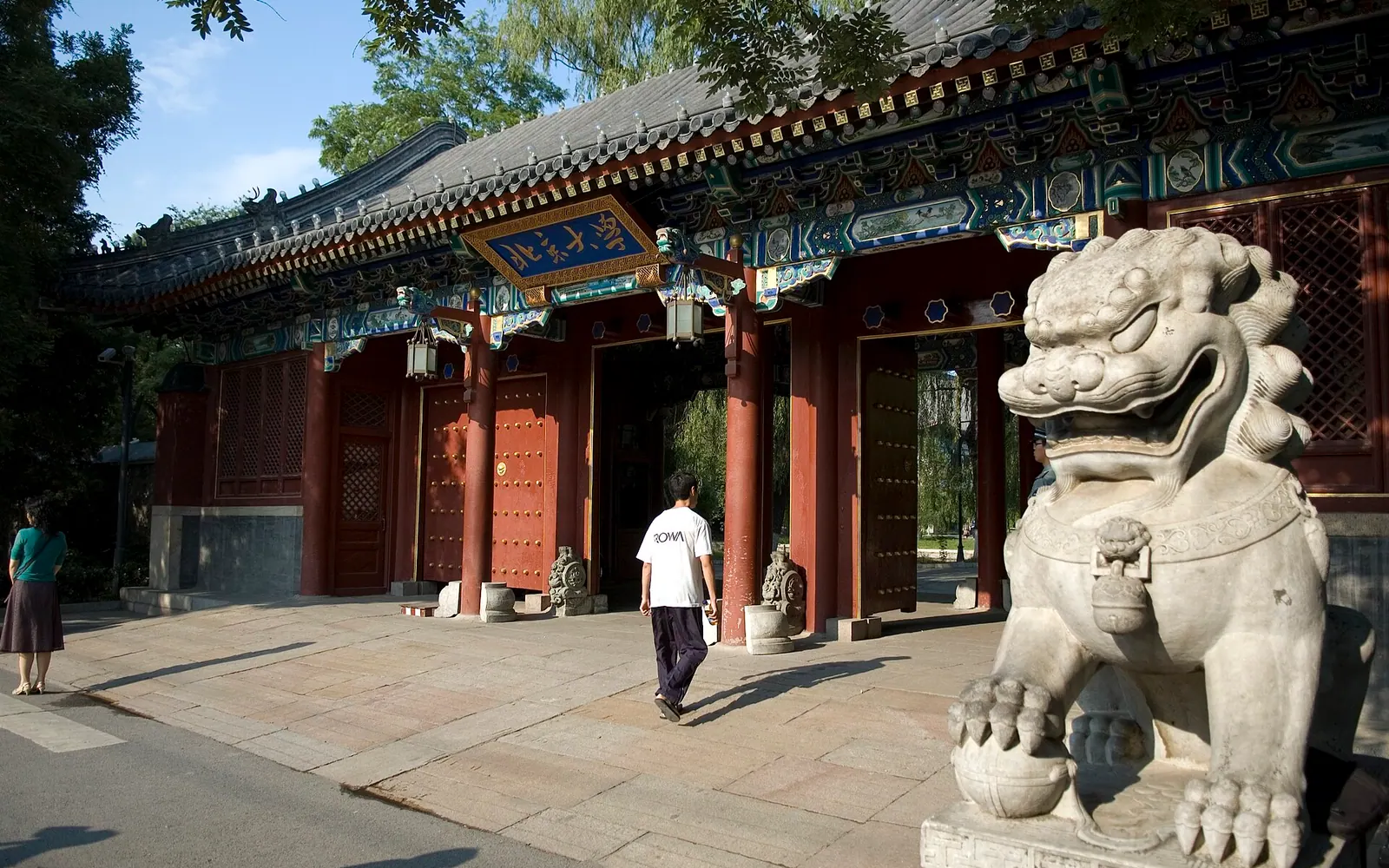

A comprehensive university in Shanghai, strong in the humanities and social sciences.
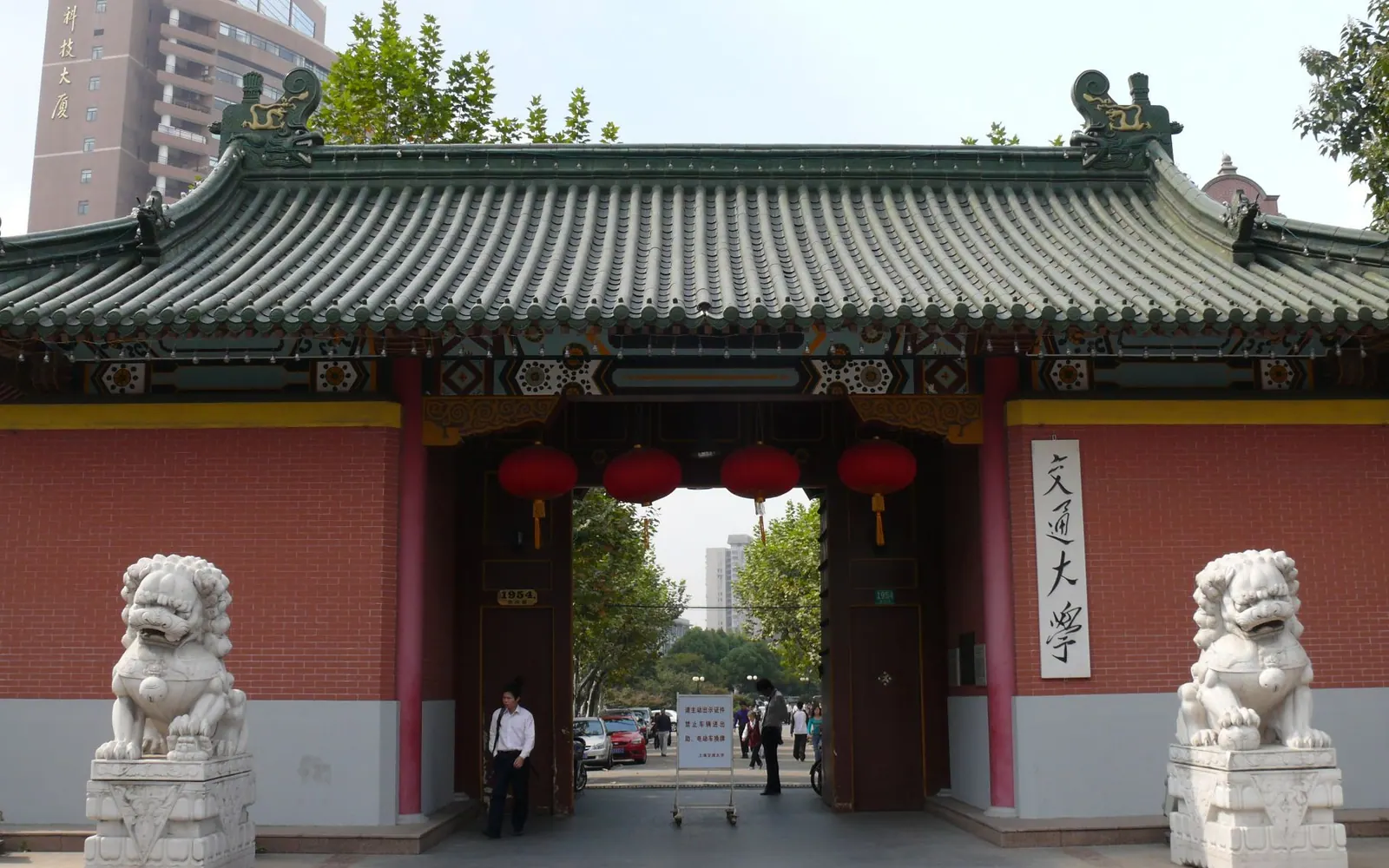
A large engineering-led university in Shanghai, and the institution that created the Academic Ranking…
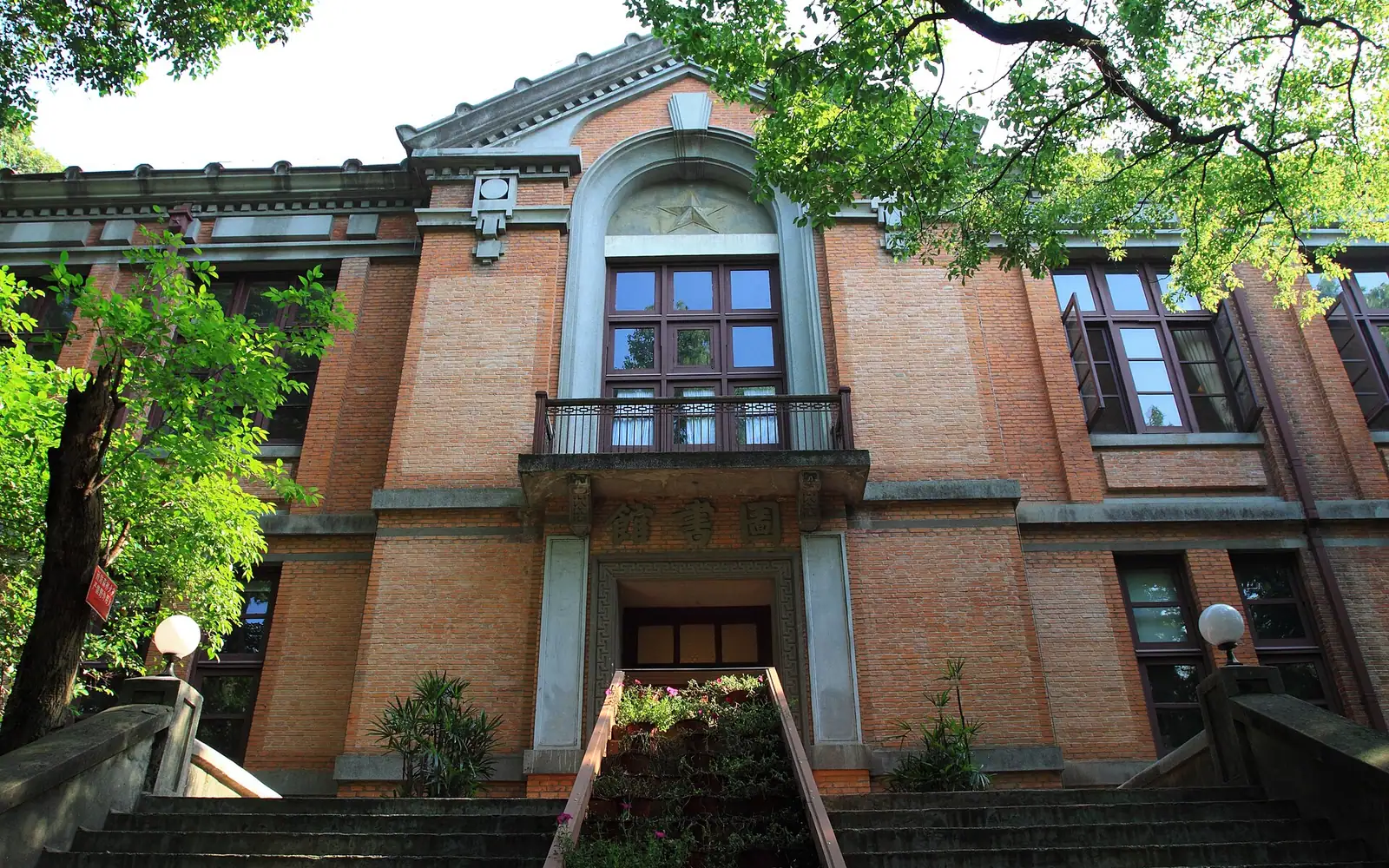
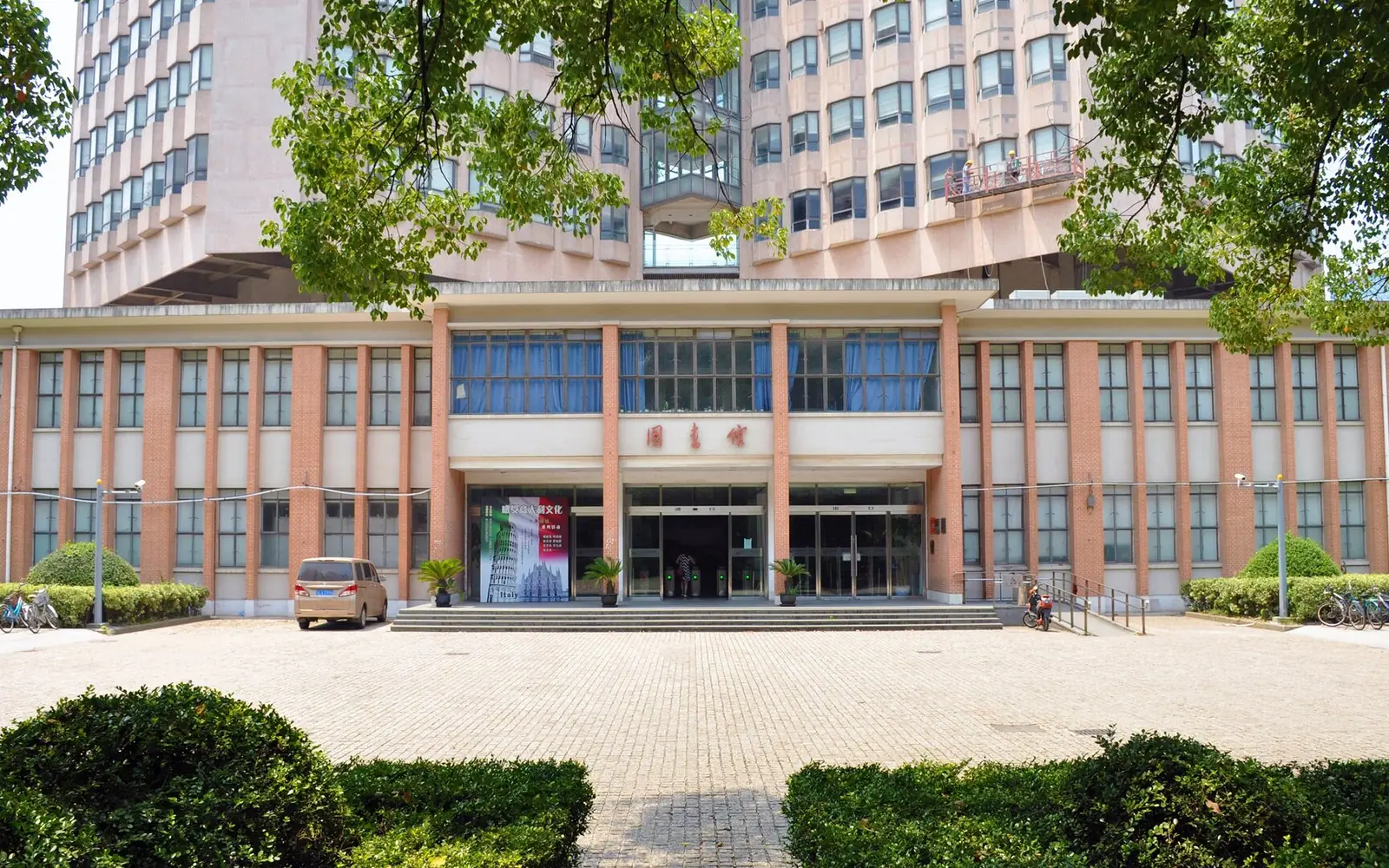
Founded as a German-Chinese medical school, with Sino-German institutes and exchange routes today.
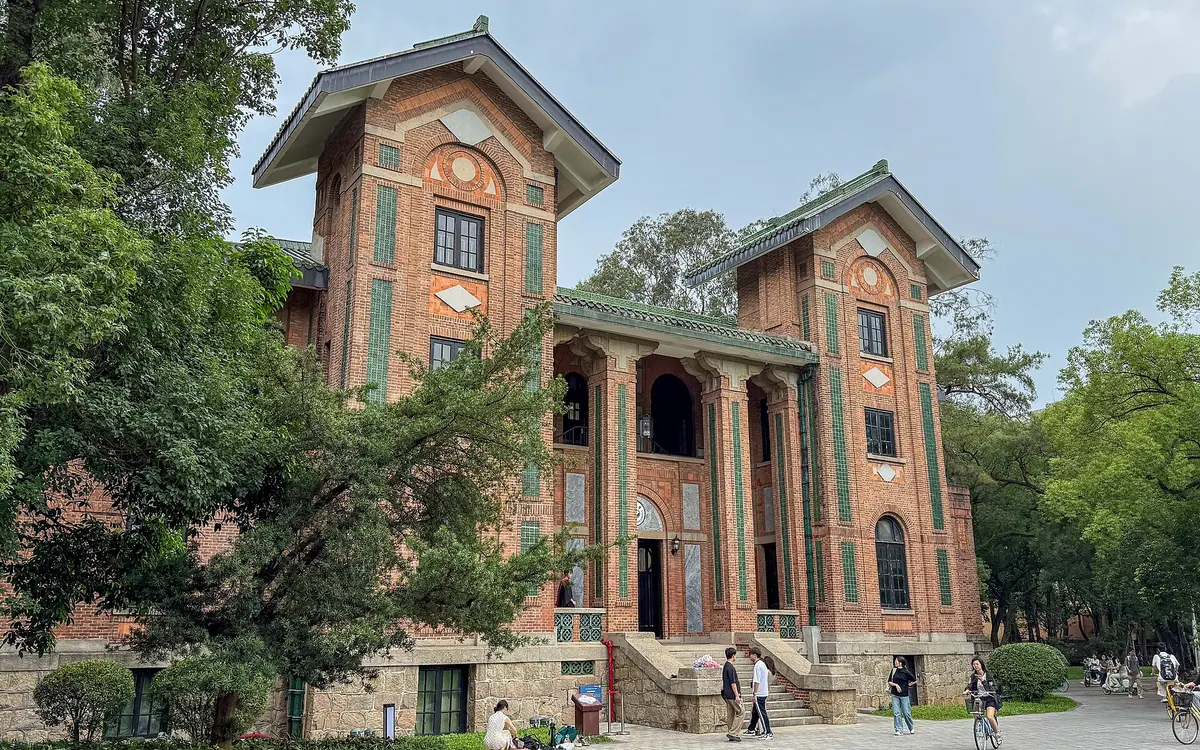
A comprehensive university across three Pearl River Delta cities, strong in medicine and marine…
This browser cannot draw the globe. Every place is in the list below.
China is two systems for an IB student applying from Denmark: English-taught joint universities, and Chinese universities that teach mostly in Chinese.
The Sino-foreign joint universities — NYU Shanghai, Duke Kunshan, XJTLU, Nottingham Ningbo, CUHK-Shenzhen, BNBU and Wenzhou-Kean — teach in English, award a foreign or joint degree and admit on their own or the American calendar. The Chinese universities, such as Tsinghua, Peking and Zhejiang, admit international students by application and review, teach mostly in Chinese, and from 2026/2027 require a new national test, the CSCA, before you apply.
The joint-venture universities give you a fully English-taught degree and, usually, two diplomas: a Chinese one and an American or British one.
No official Chinese tuition figure or scholarship amount is quoted here.
Chinese higher education is split between regular universities (大学, 学院) and higher vocational colleges (职业技术学院).
Chinese higher education is split between regular universities (大学, 学院) and higher vocational colleges (职业技术学院). A separate group of Sino-foreign cooperative universities (中外合作大学) is licensed by the Ministry of Education. International students do not sit the gaokao; they apply to each university directly.
Tsinghua, Peking, Fudan, Shanghai Jiao Tong, Zhejiang and the rest. They admit international students by application and review (申请-审核), mostly into Chinese-taught programmes. The CSCA is required from 2026/2027.
Licensed joint ventures with a foreign university: NYU Shanghai, Duke Kunshan, XJTLU, Nottingham Ningbo, CUHK-Shenzhen, Wenzhou-Kean and BNBU (formerly UIC). They teach in English and run Western-style admissions.
Three-year vocational programmes (专科), below the bachelor's degree. Foreign guides rarely mention them.
Whether they admit international students is not known.
Yes, an IB Diploma is accepted.
Yes
No national conversion. The joint-venture universities apply their Western parent's IB requirements; the domestic universities read the transcript within their own international admissions process.
How China reads an IB Diploma.
These are the pages this section was written from. None has been signed off by a person yet, so confirm anything consequential at the source.
Apply directly to each university.
Decide first whether you want a Mandarin-medium education with a preparatory language year, or an English-medium joint-venture degree. They are different projects with different calendars.
For the joint-venture universities, work to the American calendar: shortlist in September 2026, apply by early November for Early Decision or early January for Regular Decision.
For a domestic university, check the HSK Chinese requirement for your intended programme before anything else, and budget for a preparatory year if you do not have it.
If you want a Chinese Government Scholarship, decide early between the embassy route and the university route — you normally cannot use both, and the embassy route closes earlier.
Prepare the standard international pack: IB transcript and predicted grades, personal statement, references, passport copy, a physical examination record, and a non-criminal record certificate.
Once admitted, the university issues a JW201 or JW202 form and an admission notice; you apply for an X1 student visa at the Chinese embassy in Copenhagen.
Within 30 days of arrival, convert the X1 visa into a residence permit at the local Public Security Bureau and complete the medical examination.
NYU Shanghai and Duke Kunshan are selective on the American model — essays, references, interviews, holistic review — and both admit small cohorts split between Chinese and international students. XJTLU, Nottingham Ningbo and CUHK-Shenzhen apply their parent university's published requirements and are more predictable. Tsinghua and Peking are highly selective even in the international pool.
NYU Shanghai: by 1 November 2026.
Hard deadline Via the Common App, on the American calendar, 2027
After this the door closes.
NYU prints 1 November with no year.
NYU Shanghai publishes "November 1" and "11:59 p.m EST" with no calendar year, so 2026 is expected rather than confirmed. It is binding, and NYU's wording is more specific than most: if you are admitted to the campus you named as your primary interest, "you must accept the offer within 25 days", and "If accepted, you'll also need to withdraw applications from other schools, and cannot submit new applications" — so an NYU Shanghai Early Decision admission in December ends your application season, including applications you have already paid for elsewhere. One Common Application covers all three of NYU's degree-granting campuses, New York, Abu Dhabi and Shanghai, which is why an Early Decision here binds you against the others. The application fee is US$85, with waivers available.
Applies to: international applicants — DKU states these must be non-Chinese citizens
Hard deadline Via the Common App, on the American calendar, 2027
After this the door closes.
Published with its full calendar year on DKU's English international-admissions site as "Early decision application deadline: November 2, 2026 (11:59pm ET)", which is 05:59 on 3 November in Denmark. Applications are made through the Common App, which DKU began accepting for the 2027 entry term in August 2026, and Early Decision on the Common App is binding: you may hold one Early Decision application only, and if admitted you withdraw the rest and enrol. DKU's own How to Apply page does not restate those terms, so the binding force comes from the Common App agreement you sign rather than from anything DKU publishes — read it before you file. There is no application fee. The CSS Profile is required if you are seeking financial aid, and DKU is test-optional for the 2026-2027 cycle. A warning that matters more than any of this: DKU runs two entirely separate admissions tracks on the same domain. The Chinese-language site (admissions.dukekunshan.edu.cn, 中文 – 中国学生) publishes a 综合评价 comprehensive-evaluation route with rounds closing 3 January and 5 February, for Chinese students. Those are not your dates. An international applicant uses the English site marked "English – International Students", and DKU states that international applicants must be non-Chinese citizens.
Hard deadline Via the Common App, on the American calendar, 2027
After this the door closes.
Published as "January 1" with no calendar year, so 2027 is expected rather than confirmed. Same binding terms as Early Decision I, in the same window as Regular Decision, and it exists for a student whose first binding choice turned them down in December. The 25-day acceptance rule and the requirement to withdraw every other application apply here too.
Applies to: international applicants — DKU states these must be non-Chinese citizens
Hard deadline Via the Common App, on the American calendar, 2027
After this the door closes.
Published with its full calendar year as "Regular decision application deadline: January 4, 2027 (11:59pm ET)", which is 05:59 on 5 January in Denmark. Not binding: you keep every offer you hold and reply on 1 May 2027, which is its own entry below. The DKU application is the Common App plus two DKU-specific essays, and DKU also lets an applicant to Duke University in North Carolina share that application with DKU — but only the materials submitted at that moment are shared, and transcripts, school reports, recommendations and CSS Profile documents that arrive later must be sent to both universities separately. That is the detail most likely to cost somebody an assessed application.
Hard deadline Via the Common App, on the American calendar, 2027
Applies to: applicants holding a Duke Kunshan Regular Decision offer
Hard deadline
After this the door closes.
Published on DKU's international-admissions homepage with its year as "May 1, 2027 (11:59 PM ET) — Regular Decision Acceptance Deadline". It is the same day as the American national candidates' reply date, which is no coincidence: DKU recruits against American colleges through the Common App and keeps their calendar. It falls more than two months before IB results are released, so the offer you accept is conditional on predicted grades, and what DKU does if your final results fall short is not published. Ask before you accept. An Early Decision admission does not get this date; that choice was made in November.
Hard deadline Via apply on the university's own portal, 2027
After this the door closes.
XJTLU states "the closing date for September 2027 entry is 31 May 2027" for most undergraduate programmes. International students with the IB are considered for Year Two entry with 30 points; admitted students pay a non-refundable RMB 10,000 deposit towards tuition.
Via the Common App, on the American calendar, 2027
No Chinese university waits for this date. Every date on this page that has been established falls before it: Duke Kunshan closes Regular Decision in January and wants your acceptance on 1 May, and NYU Shanghai's binding early rounds are decided in December. So a Chinese joint-venture offer, like an American one, is made on predicted grades and accepted before you have real ones, and what happens if the results fall short is set by each university and is not established here. The Chinese universities' own timing is unknown for the same reason their deadlines are. The date is the IB's usual results day and is not yet confirmed by the IB for 2027.
Hard deadline Via apply on the university's own portal, 2027
After this the door closes.
For 2026 entry BNBU gave one deadline, 15 May. For 2025 entry it ran two periods, 1 September to 31 December and 10 February to 15 May. It has not published its dates for 2027 entry.
Via apply on the university's own portal, 2027
Each sets its own dates. CUHK-Shenzhen's international application system is open from September to April, with no closing day printed; check UNNC's and Wenzhou-Kean's on their own pages.
Hard deadline Via international undergraduate application and review, 2027
After this the door closes.
From 2026/2027, every applicant for a bachelor's degree in China must sit the CSCA before applying. Zhejiang's 2026 guide lists sittings in January, March, April, June and December.
Via international undergraduate application and review, 2027
Each university publishes its own guide (招生简章). For 2026, Zhejiang ran 1 December 2025 to 28 February 2026, so expect windows to close before IB results. Tsinghua's dates are behind its application system's login.
Your own plan
Not published by anyone — a date worth setting yourself.
China has no UCAS, no Common App and no ministry-run deadline for international undergraduates. The gaokao, which is the national examination the whole Chinese calendar bends around, is not a route an international IB candidate takes at all; international applicants are admitted by each university under its own 申请-审核 (application and review) procedure, on its own dates. Two things follow that the rest of this page depends on. First, every date below belongs to one institution and nothing generalises from it. Second, China runs two intakes — a September one, which is the main one and the one this page covers, and a separate February or March spring intake which a smaller number of programmes offer. "2027 entry" on this page means September 2027 unless an entry says otherwise, and a deadline you find on a Chinese university's site may belong to the spring intake and be eight months out of step with the one you want. Check which intake a date is for before you plan around it. Note also that China's joint-venture universities — Duke Kunshan, NYU Shanghai, Xi'an Jiaotong-Liverpool, Nottingham Ningbo, CUHK-Shenzhen, United International College, Wenzhou-Kean — run on an entirely different calendar from Tsinghua, Peking, Fudan and Shanghai Jiao Tong, and several run on the American one.
Applies to: international applicants — Tsinghua requires a foreign passport, and foreign permanent residency does not qualify
Hard deadline
After this the door closes.
Tsinghua admits international undergraduates under 申请-审核, application and review, in three application batches. The batches take the same form and the same documents but have different application periods, different interview dates and different result dates, and applicants to the Design (设计学类) and Fine Arts (美术学类) programmes must apply in the first batch — so for those two, the earliest batch is the only batch. The dates themselves are not published on any open page: they live inside the online application system at apply.join-tsinghua.edu.cn, which requires an account before anything can be seen, and one email address may be registered only once per year. That is why this entry has no date. Two facts from Tsinghua's own Chinese-language applicant FAQ matter more than any date: Tsinghua's undergraduate teaching is in Chinese (部分课程采用双语或英语教学 — some courses are bilingual or in English) with international students generally in the same classes as Chinese students, and the language requirement is HSK level 5 with at least 60 in every section, or HSK 4 on entry with HSK 5 to be reached within a year of enrolling or the place is withdrawn. Clinical Medicine does not take international undergraduates and Tsinghua accepts no transfer students. That FAQ is in Chinese only, has no English equivalent, and is dated to the 2017 cycle — so its structure is worth knowing and none of its numbers should be trusted for 2027. Confirm everything with admissions@tsinghua.edu.cn before building a plan on it.
Dates not confirmed here. Each of the three runs its own application-and-review procedure on its own calendar, and they will not agree. The shape to expect, from Tsinghua and from Zhejiang's 2026 guide (1 December 2025 to 28 February 2026, with some majors open until 31 May 2026): windows opening in the late autumn and closing between winter and early spring for a September intake, often published only inside a login-gated application system, and a CSCA score required before you apply from 2026/2027. Read each university's own international-student admissions page (留学生本科招生) in Chinese; the English pages are consistently thinner.
The Chinese Government Scholarship is applied for by one of three routes with three different calendars: Type A through the Chinese embassy in your country of citizenship, Type B directly to a CSC-designated Chinese university, and Type C through certain international organisations. Each embassy and each university sets its own closing date, so there is no single deadline. www.campuschina.org, the China Scholarship Council portal that embassy notices still name, did not resolve on 23 or 24 September 2026, and the Chinese Embassy in Denmark's English site (the Type A channel for Danish citizens) carried no scholarship notice on either day. From October 2026, watch the announcements of the Chinese embassy in your country of citizenship for the 2027/2028 notice and ask each university for its Type B date.
Concentrated in the joint-venture universities. XJTLU alone lists over 60 English-taught undergraduate programmes; NYU Shanghai, Duke Kunshan, Nottingham Ningbo, CUHK-Shenzhen and Wenzhou-Kean teach entirely in English.
Concentrated in the joint-venture universities. XJTLU alone lists over 60 English-taught undergraduate programmes; NYU Shanghai, Duke Kunshan, Nottingham Ningbo, CUHK-Shenzhen and Wenzhou-Kean teach entirely in English. The Chinese-run universities listed here offer only a handful, mostly in economics, international relations and Chinese studies.
Set per university. XJTLU wants IELTS 6.5 (5.5 in each section) or TOEFL iBT 90 for Year Two entry; NYU Shanghai requires an English test from non-native speakers unless the last three years of school were taught in English; Duke Kunshan encourages but does not require one. Ask whether IB English counts in place of a test.
Not for English-taught programmes
China does not differentiate by EU status. International students pay an international rate at domestic universities; joint-venture universities charge a single fee to everyone.
China does not differentiate by EU status. International students pay an international rate at domestic universities; joint-venture universities charge a single fee to everyone.
Charged by each university: Duke Kunshan none; NYU Shanghai US$85 (waivers available). XJTLU takes a non-refundable RMB 10,000 deposit towards tuition from admitted students.
EU citizenship gives no shortcut. Once admitted you receive an admission notice and a JW201 (scholarship students) or JW202 (self-funded) form, which you take to the Chinese embassy in Copenhagen for an X1 visa.
EU citizenship gives no shortcut. Once admitted you receive an admission notice and a JW201 (scholarship students) or JW202 (self-funded) form, which you take to the Chinese embassy in Copenhagen for an X1 visa. Within 30 days of arrival you must convert it into a residence permit at the local Public Security Bureau, which requires a medical examination at a designated Chinese facility — a foreign medical certificate is usually not accepted. The permit is renewed annually.
Students on a residence permit for study may take part-time work or internships only with the explicit endorsement of both the university and the exit-entry administration, recorded on the residence permit. The rules are restrictive; confirm them with the university. Do not plan to fund yourself by working.
Domestic universities house international students in designated international student dormitories on or near campus, which is the standard arrangement and is cheap. The joint-venture universities house undergraduates in modern residence halls — Duke Kunshan and NYU Shanghai both operate residential campuses. Renting privately as a foreign student is possible but involves police registration of your address within 24 hours of moving.
International students are normally required to buy a specified Chinese medical insurance policy as a condition of registration, and to pass a medical examination as part of the residence permit process. Public hospitals are inexpensive but crowded; international clinics in Beijing and Shanghai are good and expensive. Your EHIC does not apply.