
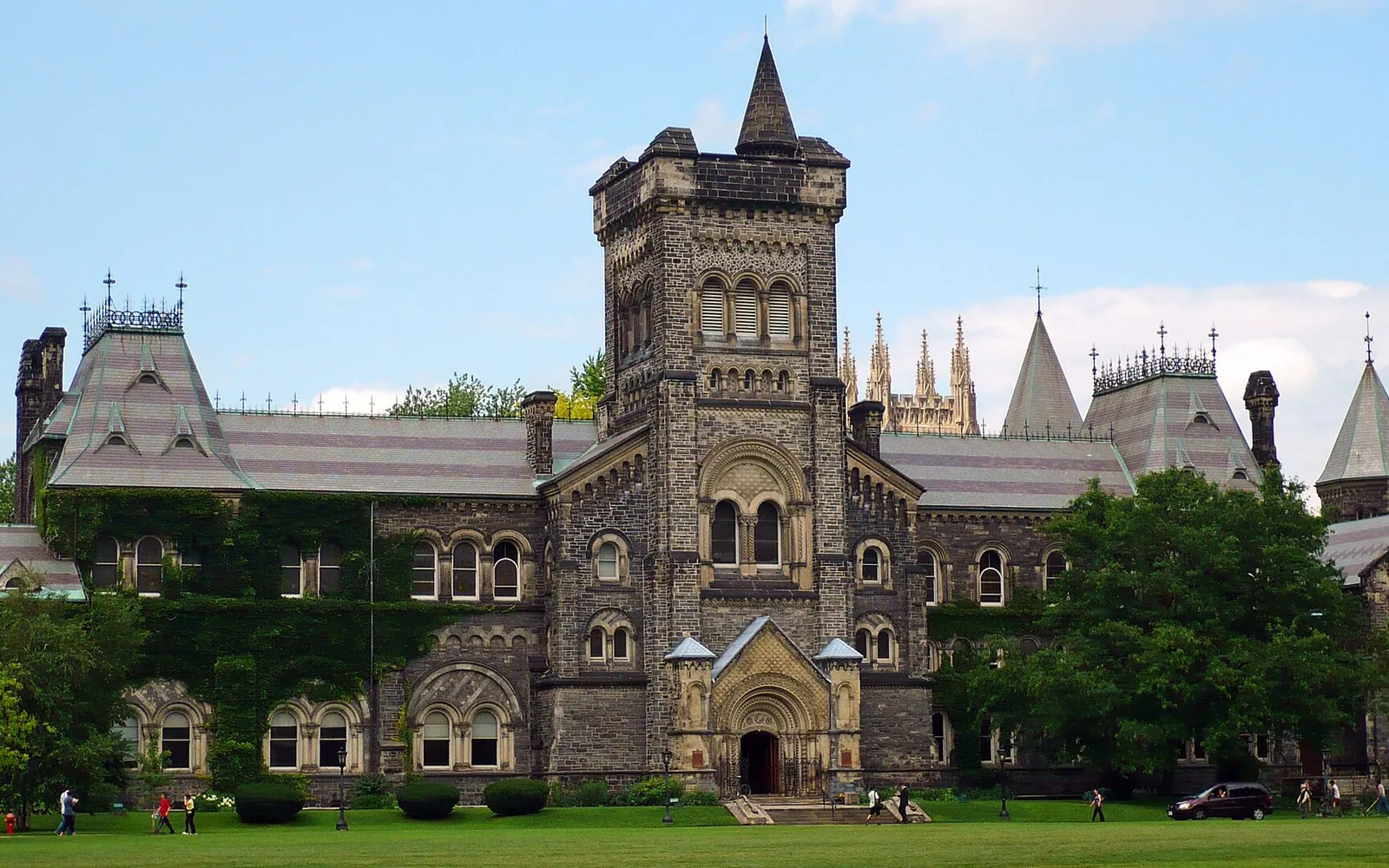
U of T — University of Toronto
Founded 1827, with about 81,000 undergraduates across three campuses in the Toronto area and…
Toronto, OntarioNearly all in English
North America · May 2027 IB session · Autumn 2027 entry
Transparent entry requirements, high fees, and a study permit queue
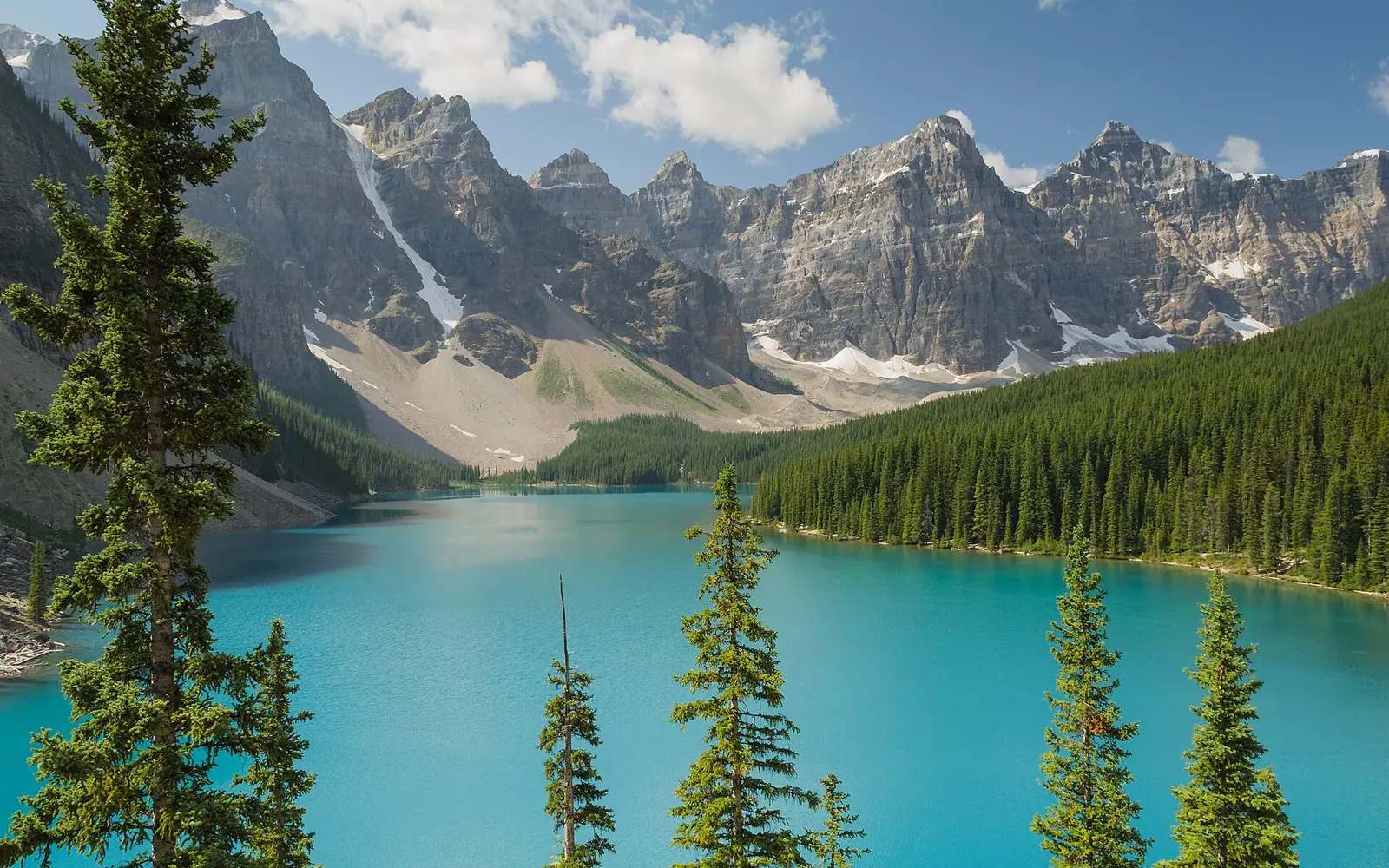
Moraine Lake, Banff National Park
20 institutions
10 universities
10 institutions · apply via n Ontario university
A system with its own central application service for universities. Applications go through the OUAC, which rations choices by charging for them, and which sets no deadline at all for an applicant from outside Ontario. Ontario also runs a second, separate central service for its 24 colleges.
The one province that excludes international students from the public plan for the whole degree. You are enrolled automatically in UHIP, a not-for-profit plan created by Ontario's universities, it is mandatory, and the premium is billed to your student account. Budget for it as a cost rather than a formality.
SourceCAD 159 to the OUAC for three programme choices and CAD 51 for each further one, plus a document evaluation fee charged once per university - CAD 98 at Toronto, CAD 125 at Western, CAD 95 at Queen's, Waterloo and McMaster, CAD 93 at Ottawa, CAD 90 at York and Toronto Metropolitan, CAD 85 at Carleton, CAD 95 at Guelph. A second programme at the same university is cheap; a fourth university is not.
SourceThe OUAC sets none for an international applicant and says so: deadlines belong to the university and sometimes to the programme. Toronto's is 15 January 2027, with documents by 1 February and an early round for applications in by 7 November 2026. The other Ontario universities set their own dates; read them on each university's page.
Source104,780 study permit application spaces in 2026, the largest provincial allocation in the country. The attestation letter comes from the institution whose offer you have accepted, and the province distributes its allocation among its own institutions.
Source
Founded 1827, with about 81,000 undergraduates across three campuses in the Toronto area and…
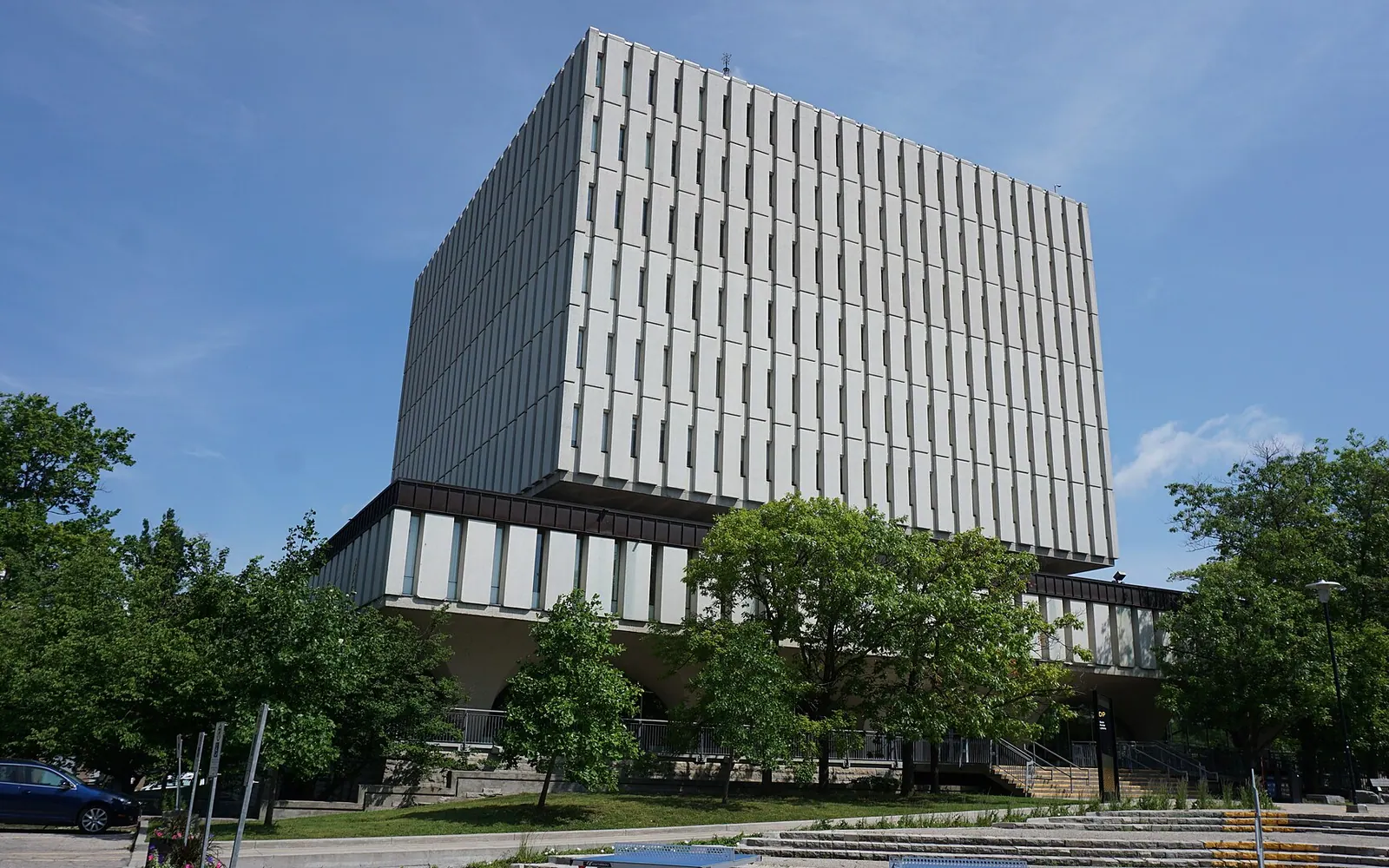
Opened in 1957 with co-op at its core: 77% of students do it, with…
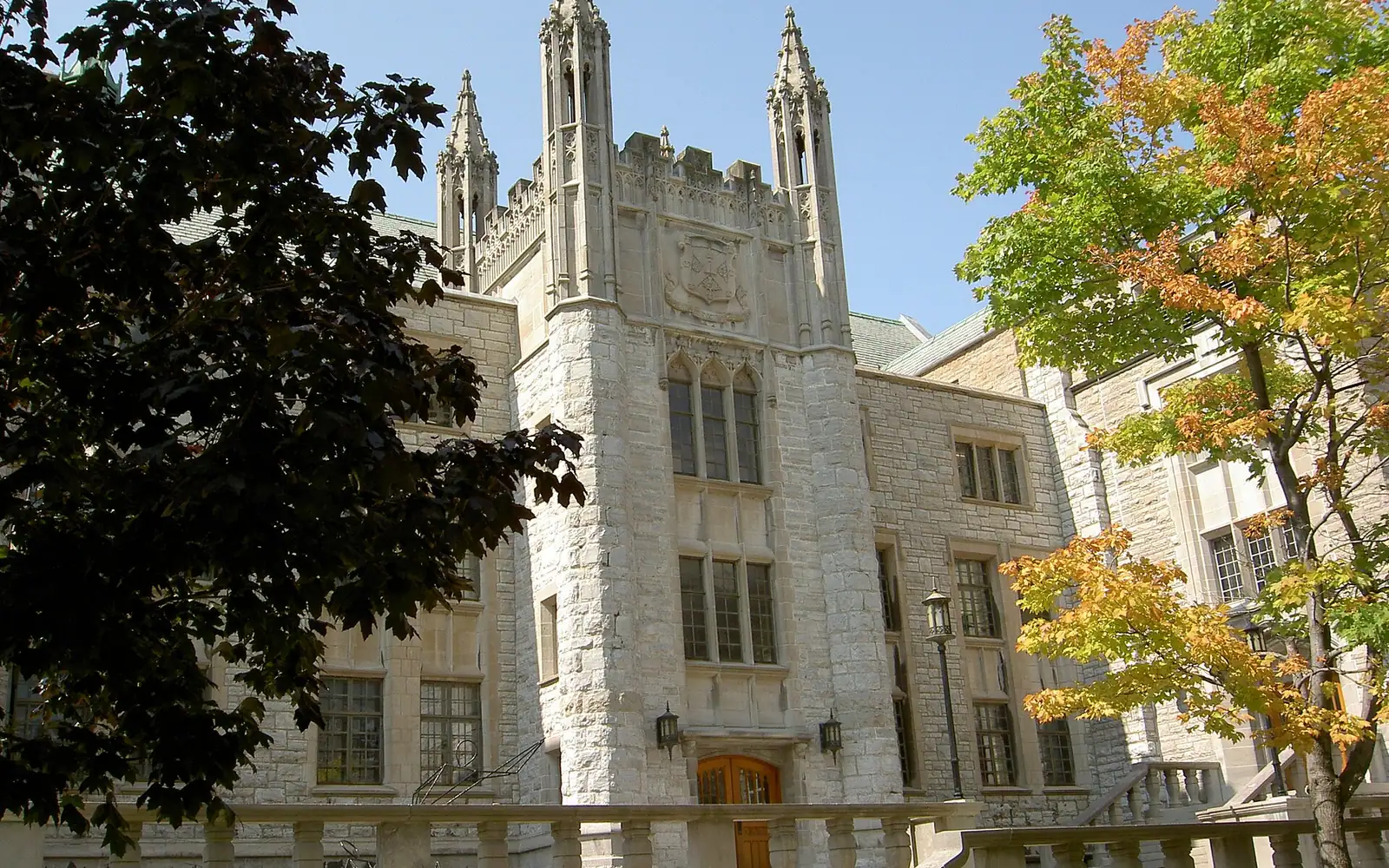
Royal Charter of 1841; a campus in Kingston, Ontario, with a first-year residence guarantee…
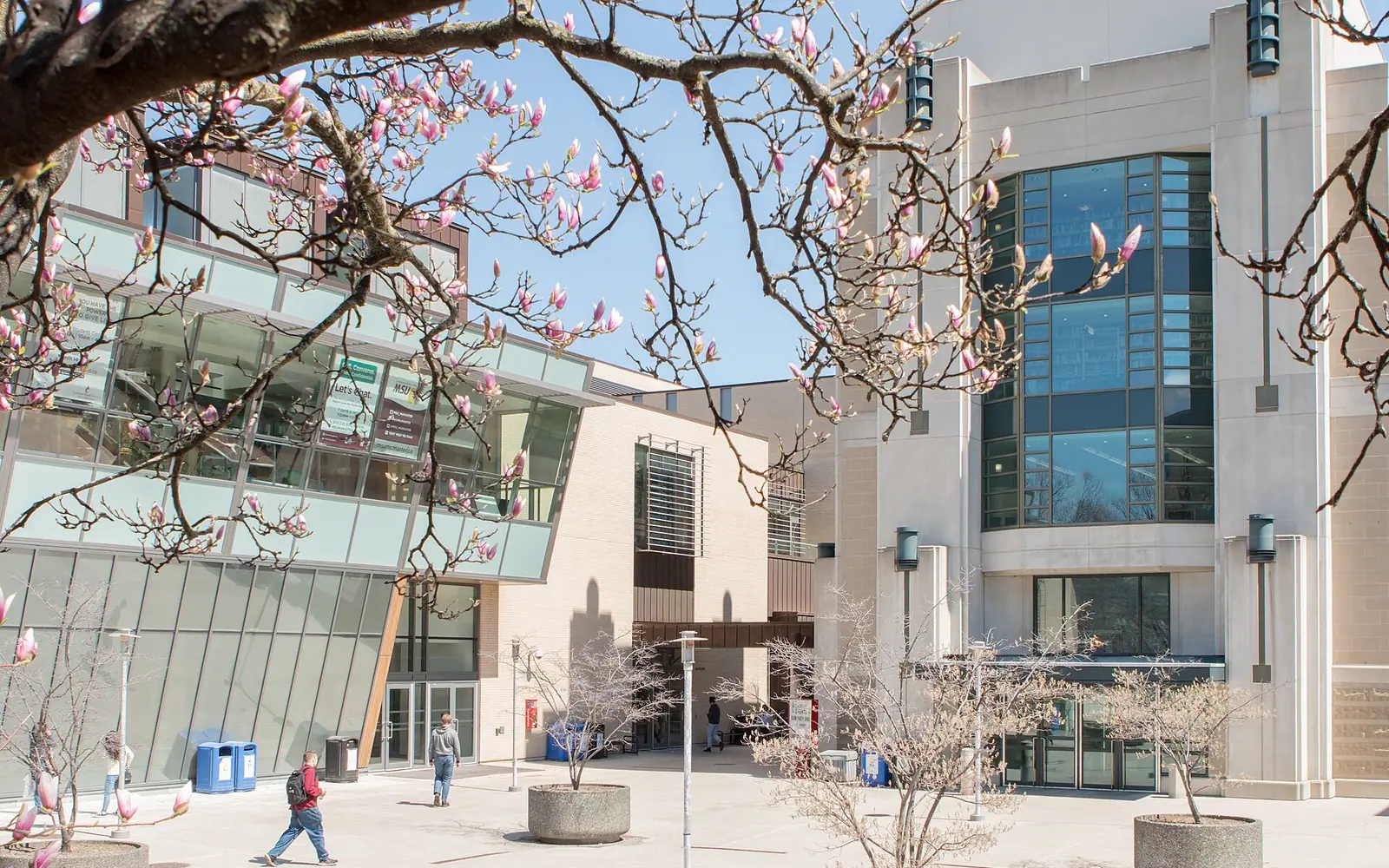
Hamilton, Ontario university with 45 direct-entry undergraduate programs, known for problem-based, self-directed learning in…
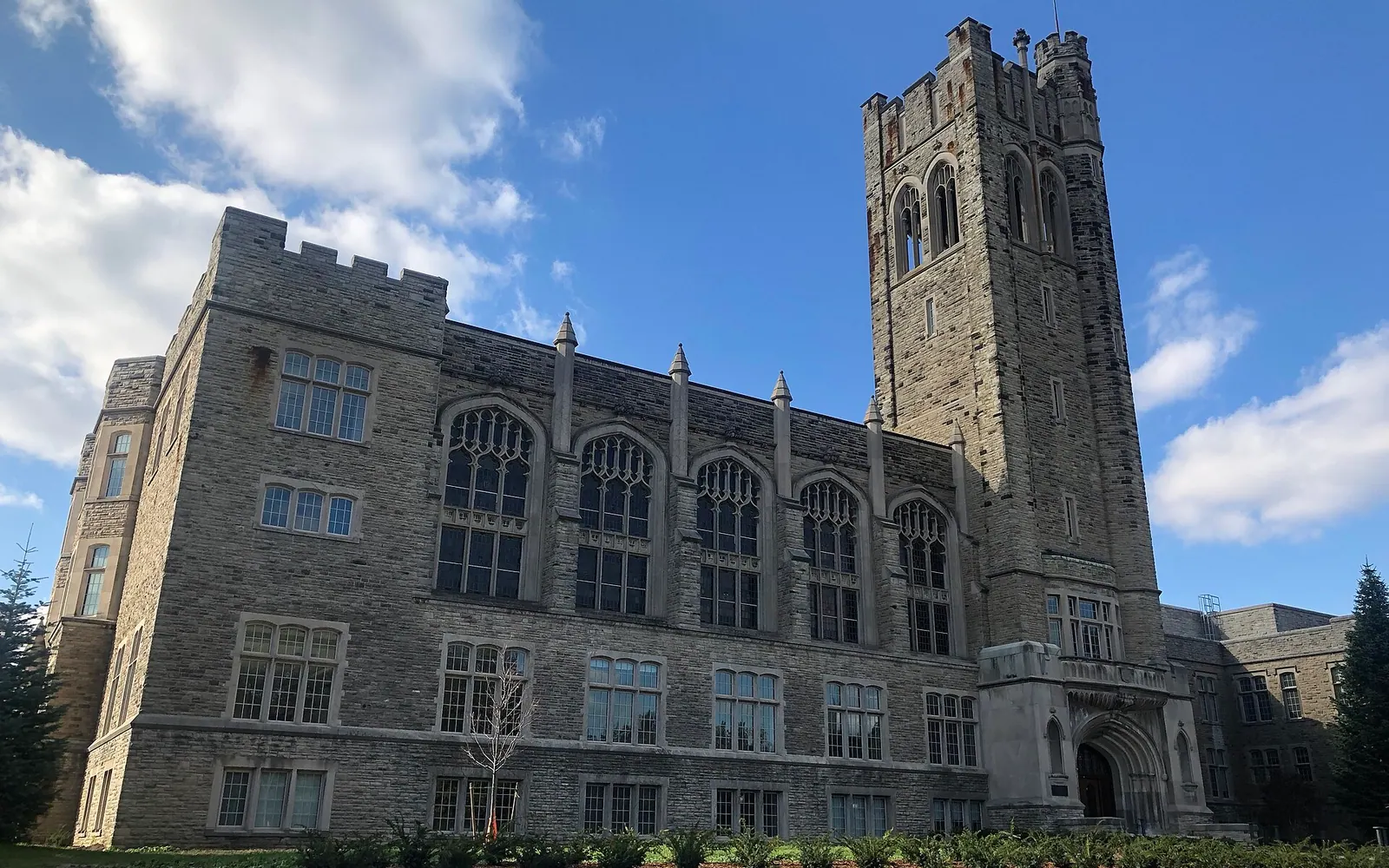
Gothic-style campus in London, Ontario, with 42,000+ students from 134 countries and 450 majors…
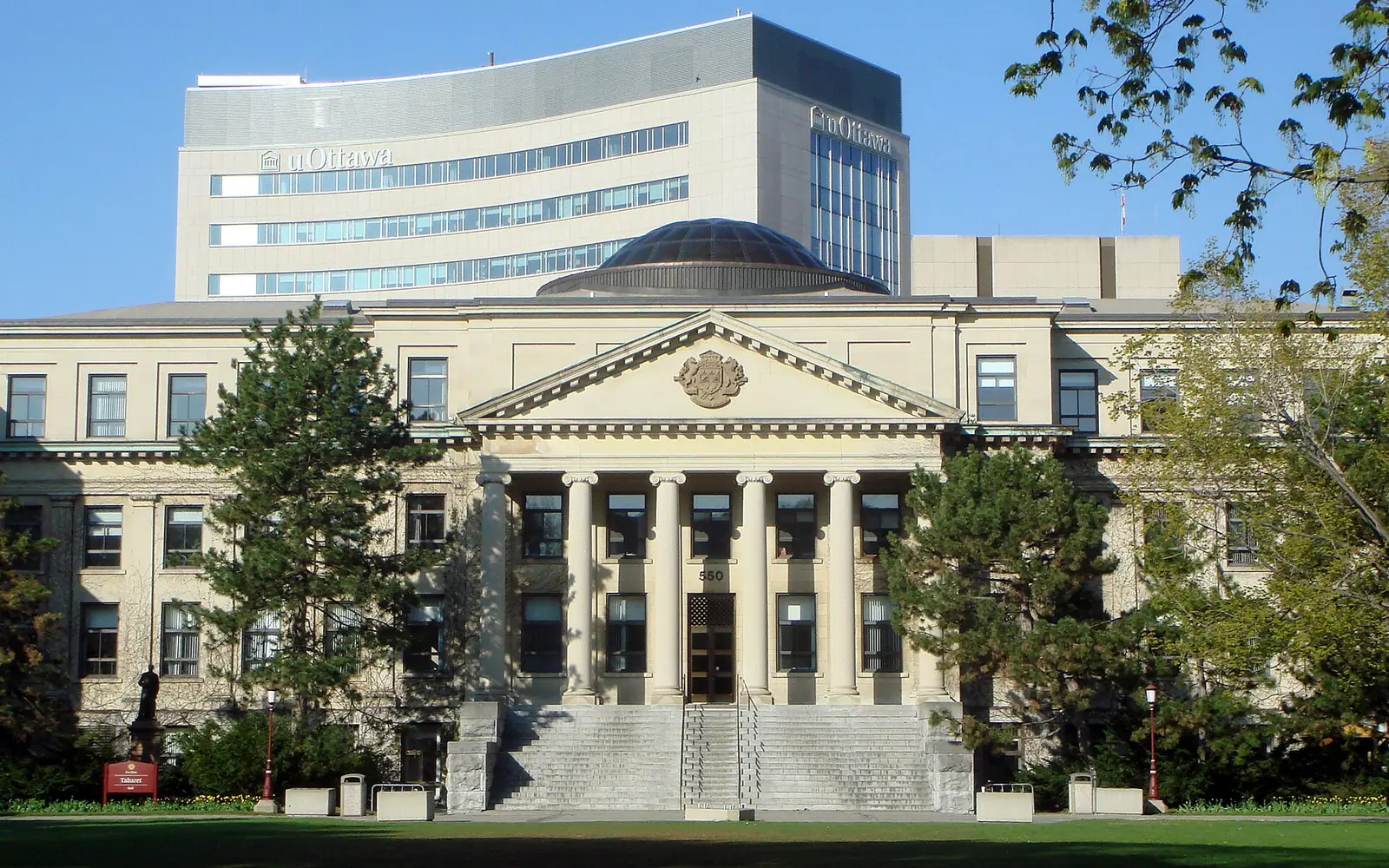
Bilingual university in Canada's capital: study in English, French or both, with more than…
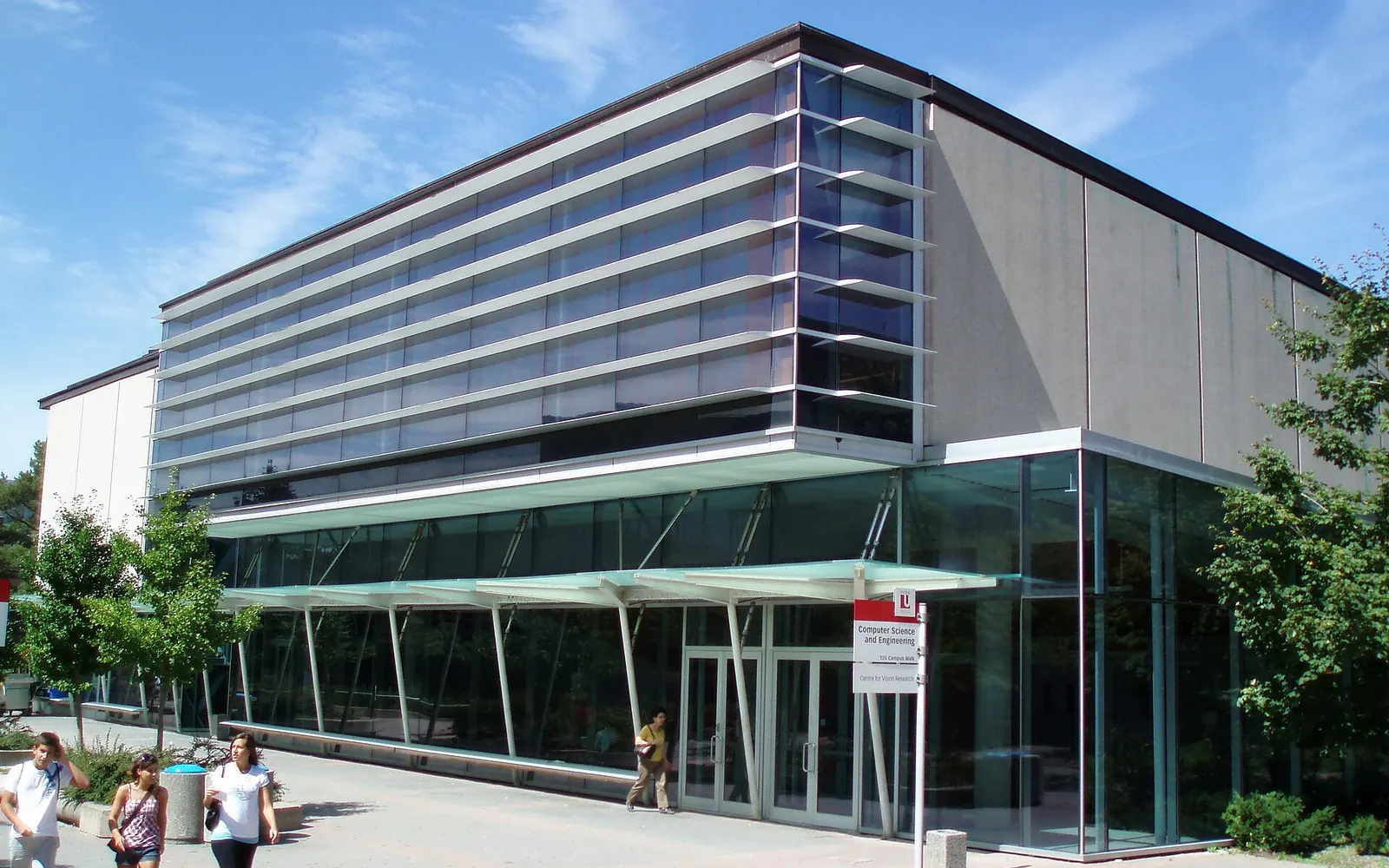
Toronto university on the Keele, Glendon and Markham campuses, with Lassonde engineering, Schulich business…
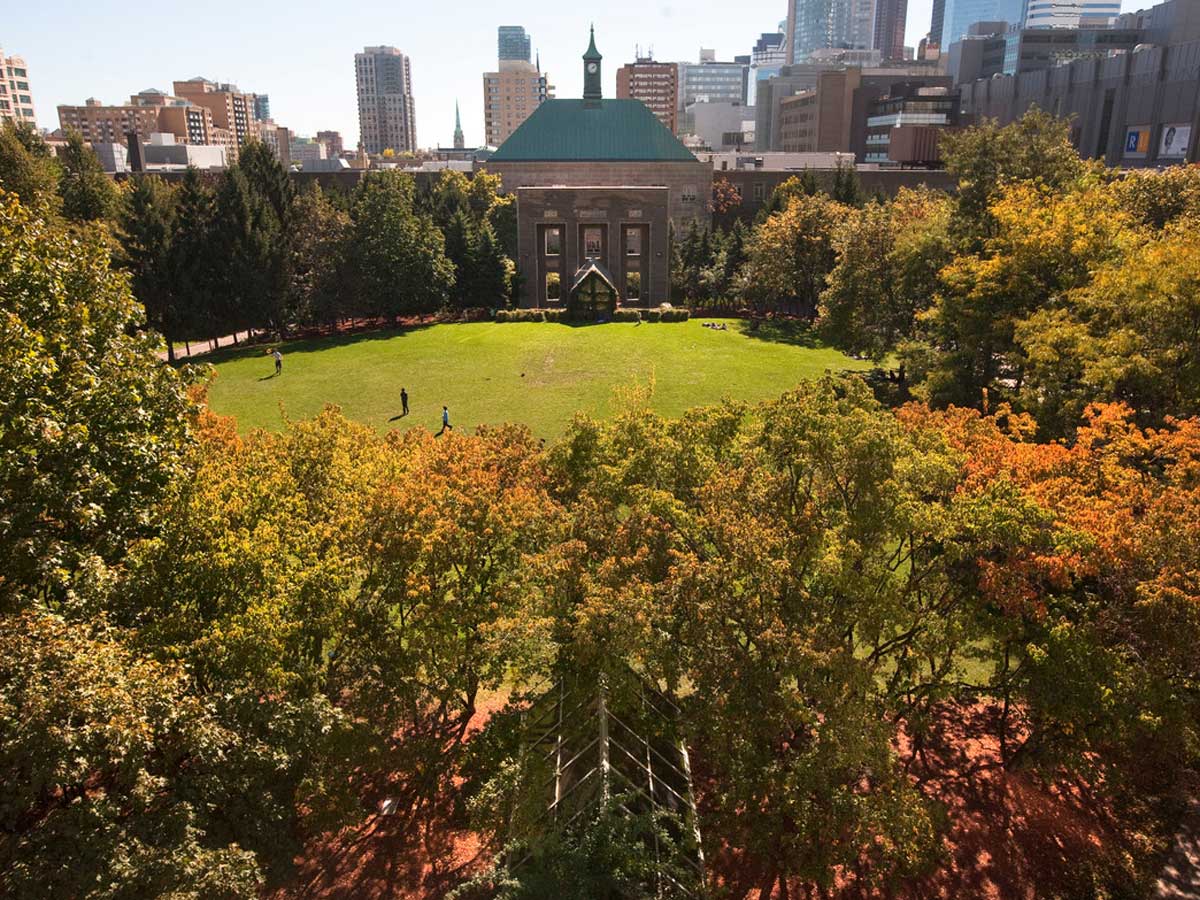
Downtown Toronto university with 60+ undergraduate programs, 4,450+ international students and co-op or internships…
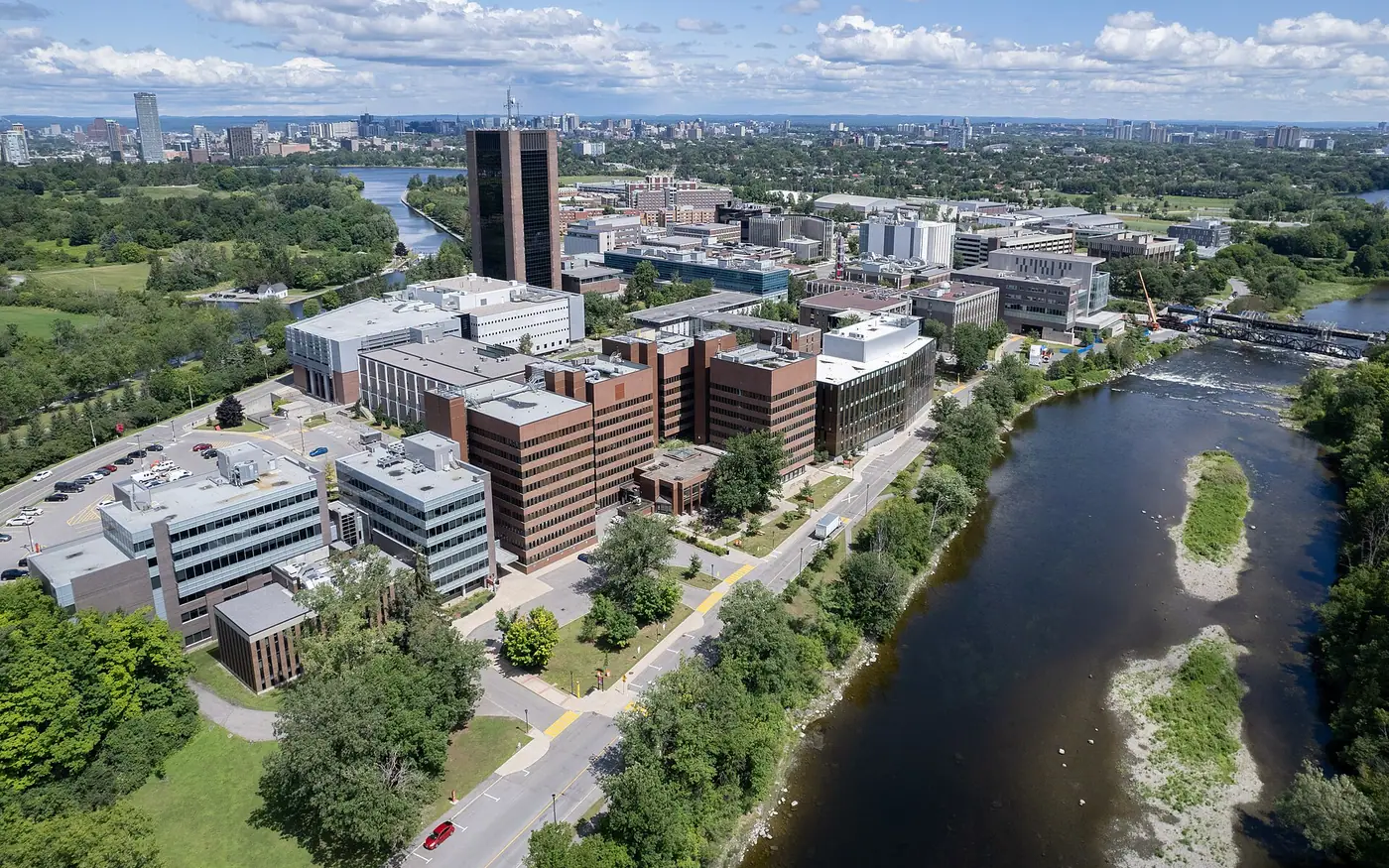
University in Canada's capital with engineering, journalism and public affairs degrees; apply directly or…
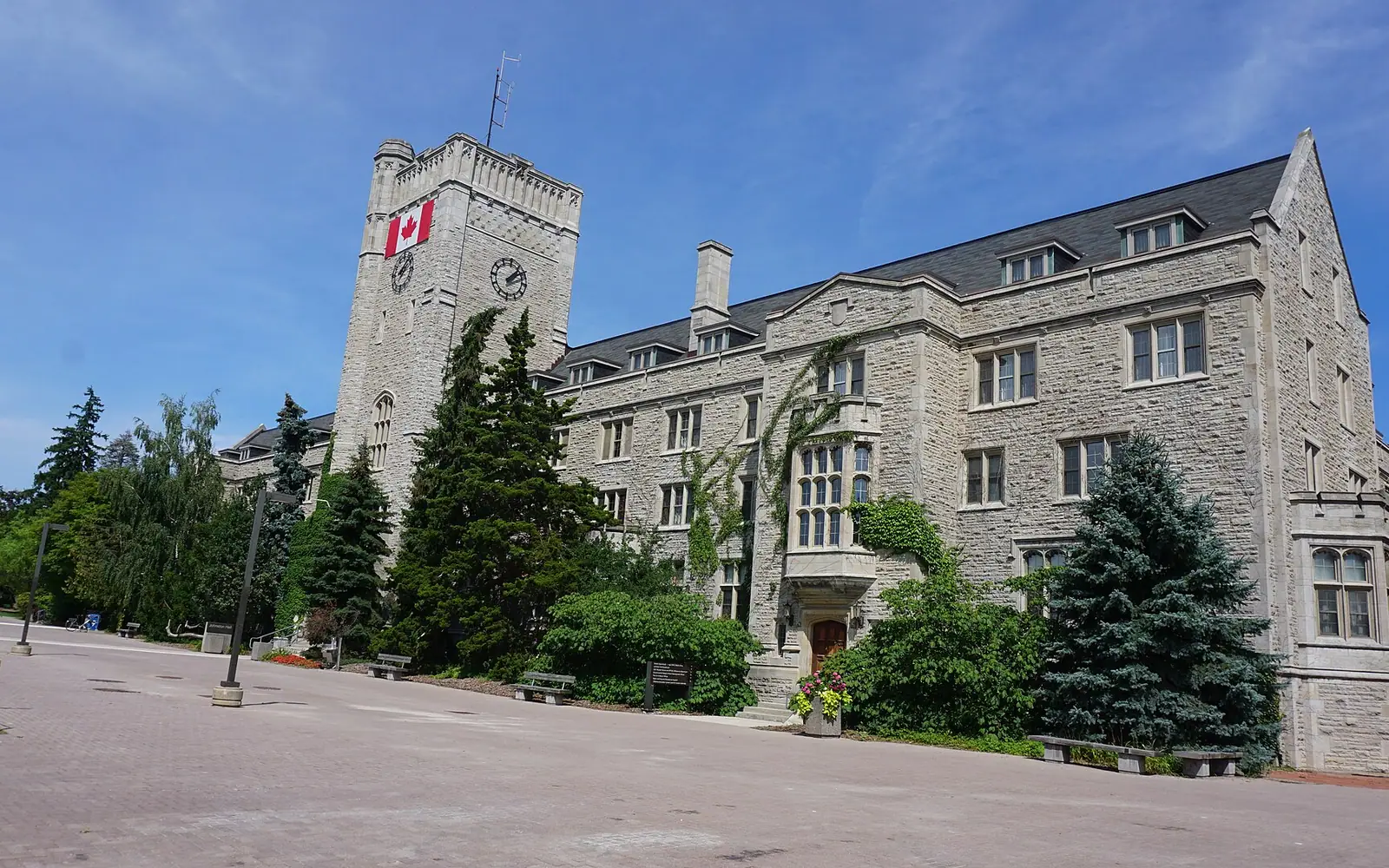
Founded 1964 on veterinary and agricultural roots; 75+ majors in eight colleges on a…
3 universities
3 institutions · apply via British Columbia university
One application account covering all 25 public institutions, universities and colleges together, with no limit on choices and nothing charged by the platform. What it does not give you is a shared deadline or a shared fee: both belong to the institution, and the three universities here disagree on both.
Compulsory enrolment in the provincial Medical Services Plan for a study permit of six months or more, with a health fee invoiced. Cover starts only after the balance of your arrival month plus two more, so arriving in late August means no provincial cover until 1 November and private insurance until then.
SourceNothing to EducationPlannerBC and the institution's own fee to the institution: CAD 130 at Simon Fraser for an international applicant, CAD 184.00 at Victoria where any transcript comes from outside Canada. CAD 173.25 at UBC for an applicant on a study permit. Adding another choice costs only that institution's fee.
SourceSet by each institution, and the platform states that plainly. UBC closes 15 January 2027 at 23:59 Pacific, Simon Fraser 31 January 2027, and Victoria publishes its dates on each programme page instead. UBC's International Scholars award closes on 15 November 2026, two months ahead of everything else.
SourcePublished ahead of time: UBC's 2026/27 international undergraduate rates run from CAD 51,530.40 for Arts to CAD 66,678.30 for Commerce, and UBC caps the annual rise at 3% for four years for a student starting in 2026/27.
Source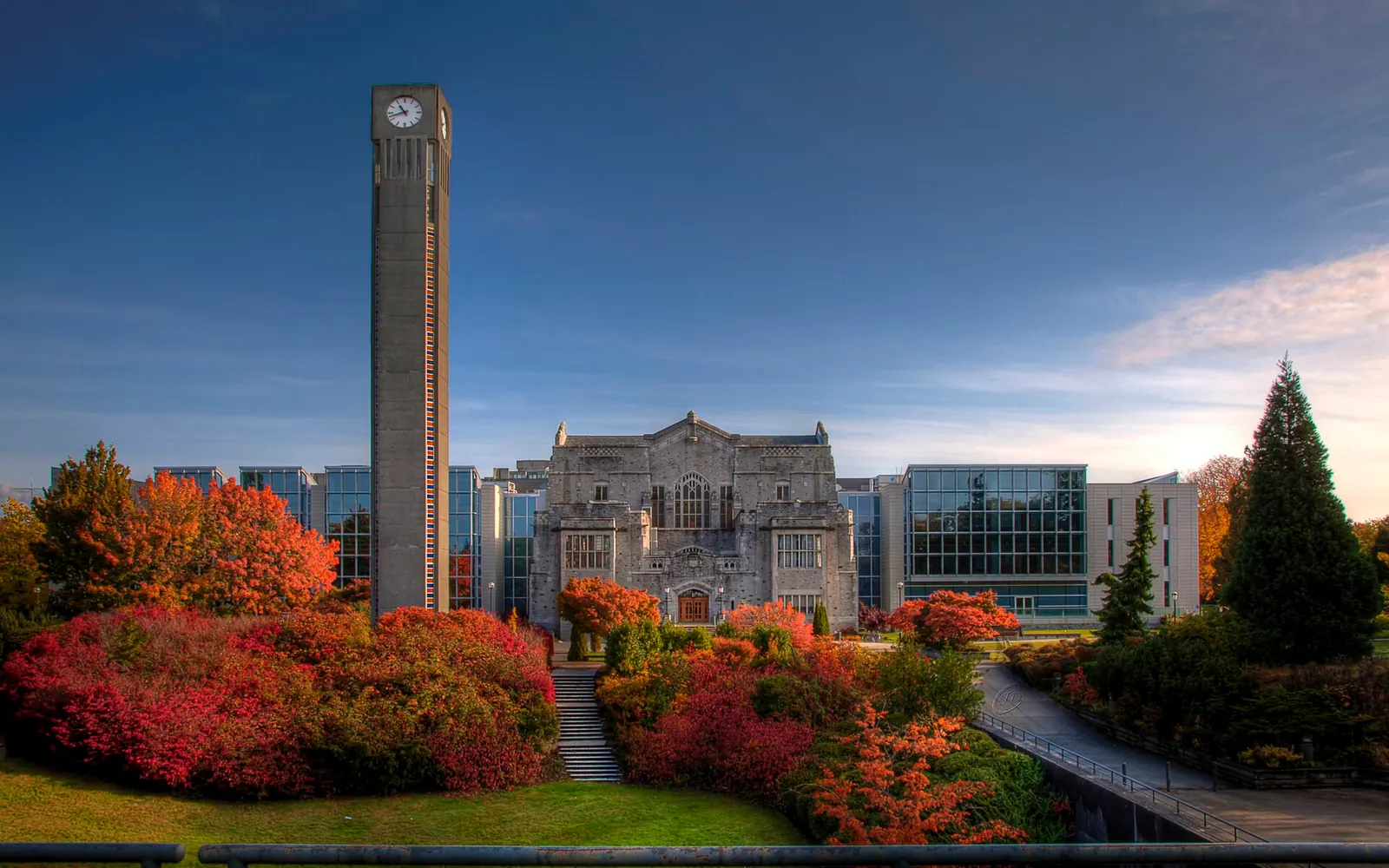
About 72,100 students on two campuses, Vancouver and Okanagan; Arts, Science, Applied Science, Commerce…
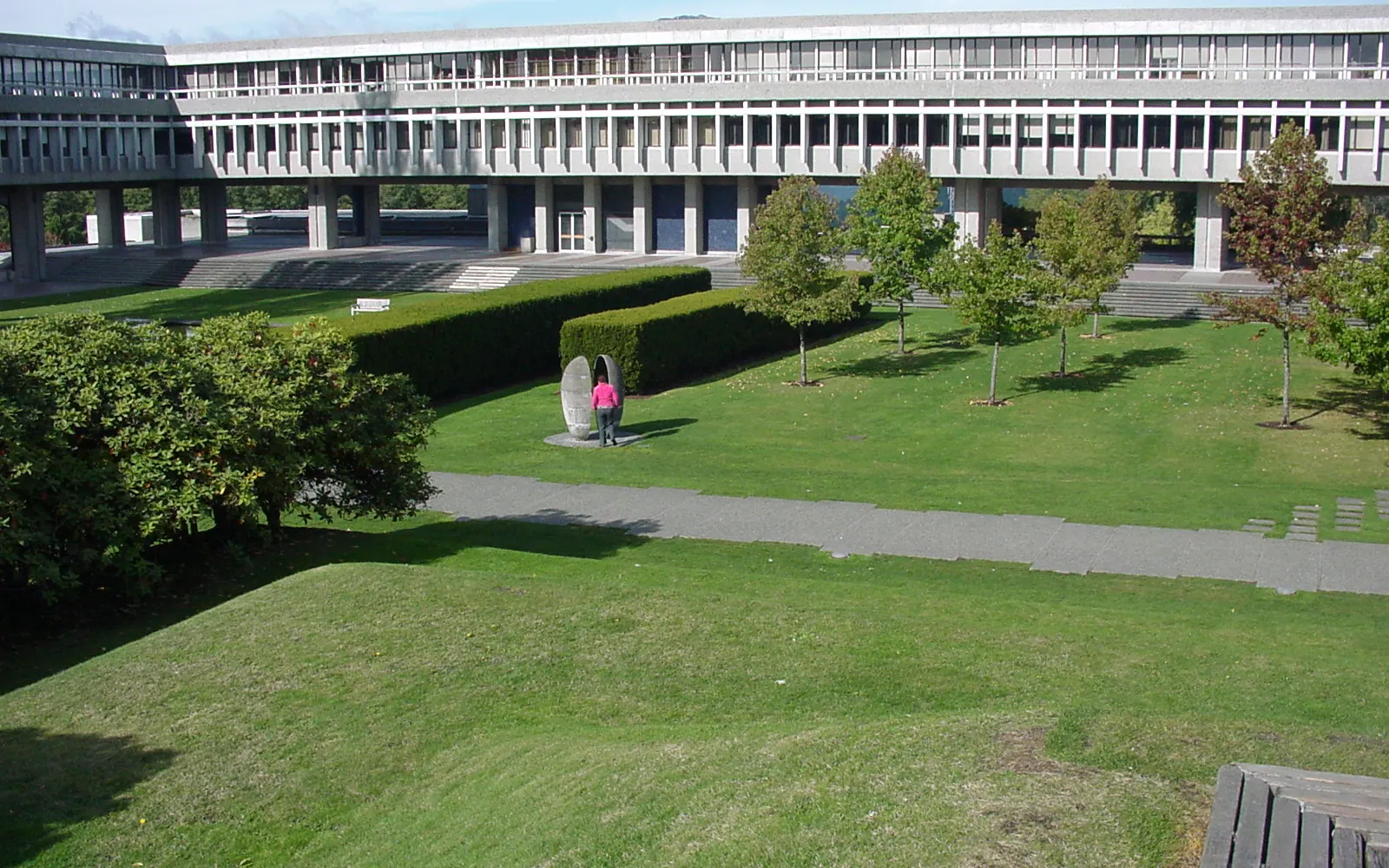
Opened in 1965; campuses in Burnaby, Surrey and downtown Vancouver, with optional co-op across…
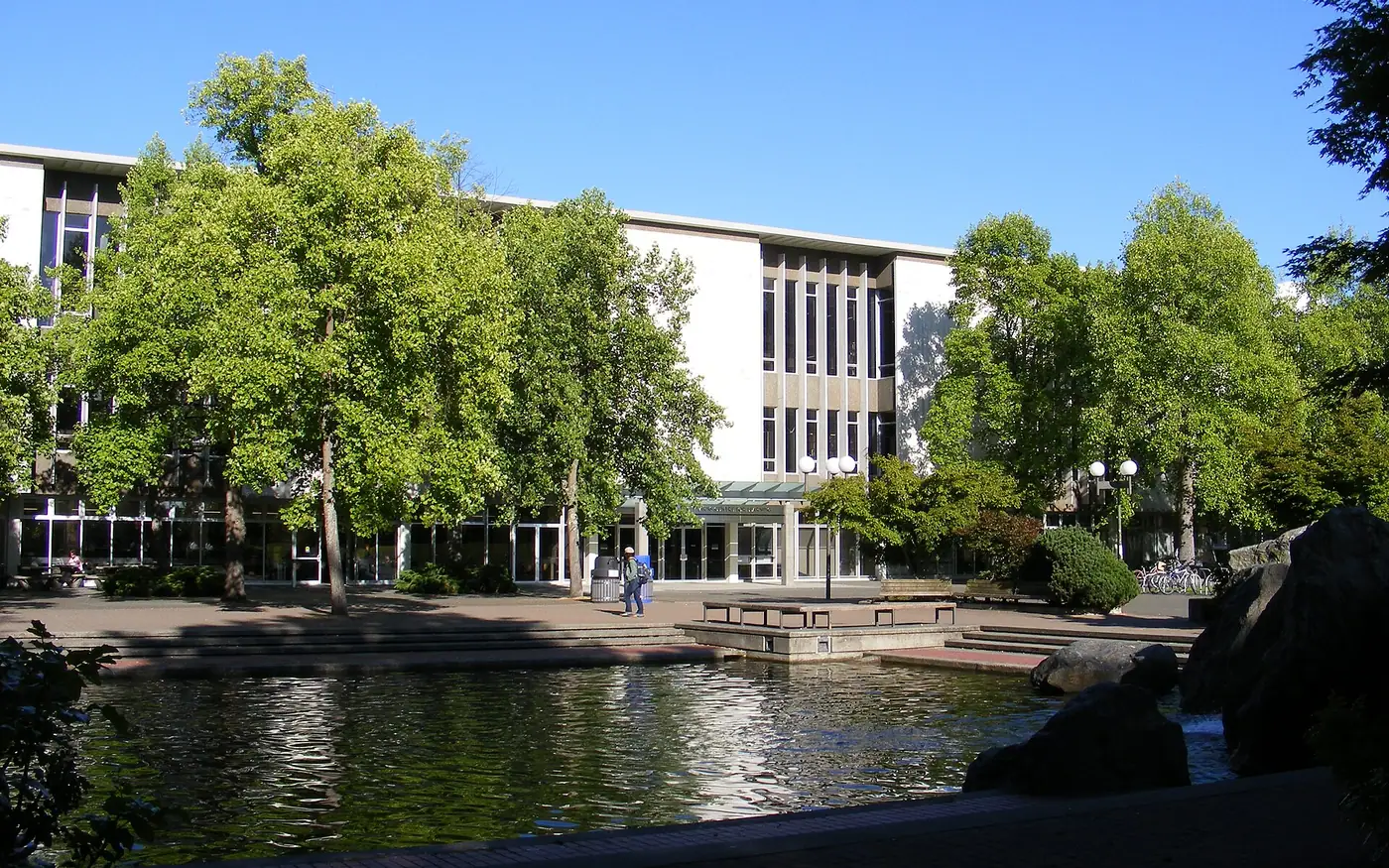
Victoria, BC campus with 22,000+ students and 280+ programs; engineering and other degrees offer…
2 universities
2 institutions · apply to each directly
No shared application service and a second immigration system. You apply to each university directly, and before the federal study permit you need a Certificat d'acceptation du Quebec with its own fee, its own financial test and its own processing time. Quebec is also the province with a whole extra level of education, the CEGEP, between school and university.
A Certificat d'acceptation du Quebec is required in addition to the federal study permit and has to be granted first. Quebec assesses your financial capacity itself rather than applying the federal CAD 23,448 figure. This is why Concordia asks international applicants to apply a month before its own deadline.
SourceContinuous health and hospitalisation insurance for the entire study stay is a condition of the CAQ, not merely a requirement on arrival. Whether you can instead join the Quebec public plan depends on any social security agreement between Quebec and the country where you are insured or hold citizenship, and is not confirmed here; ask the RAMQ or your university.
SourceMcGill closes on 15 January 2027 for anyone last studying at a high school outside Canada, with documents by 1 March and its Major Entrance Scholarship by 21 January. Concordia closes on 1 March and asks international applicants for 1 February. Two universities, two miles apart, six weeks apart.
Source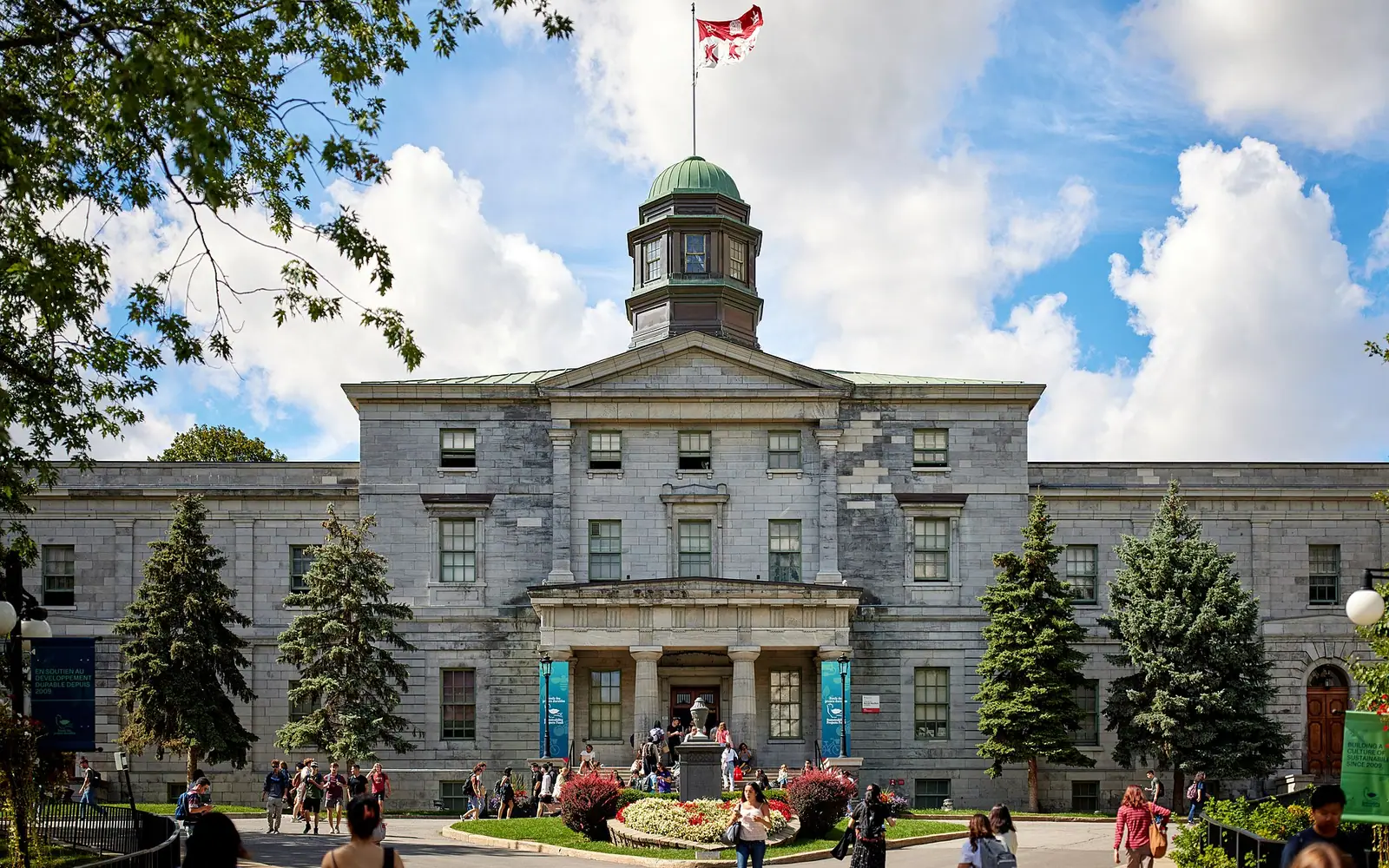
English-language university in Montreal, founded 1821: about 28,000 undergraduates, 11 faculties, downtown campus plus…
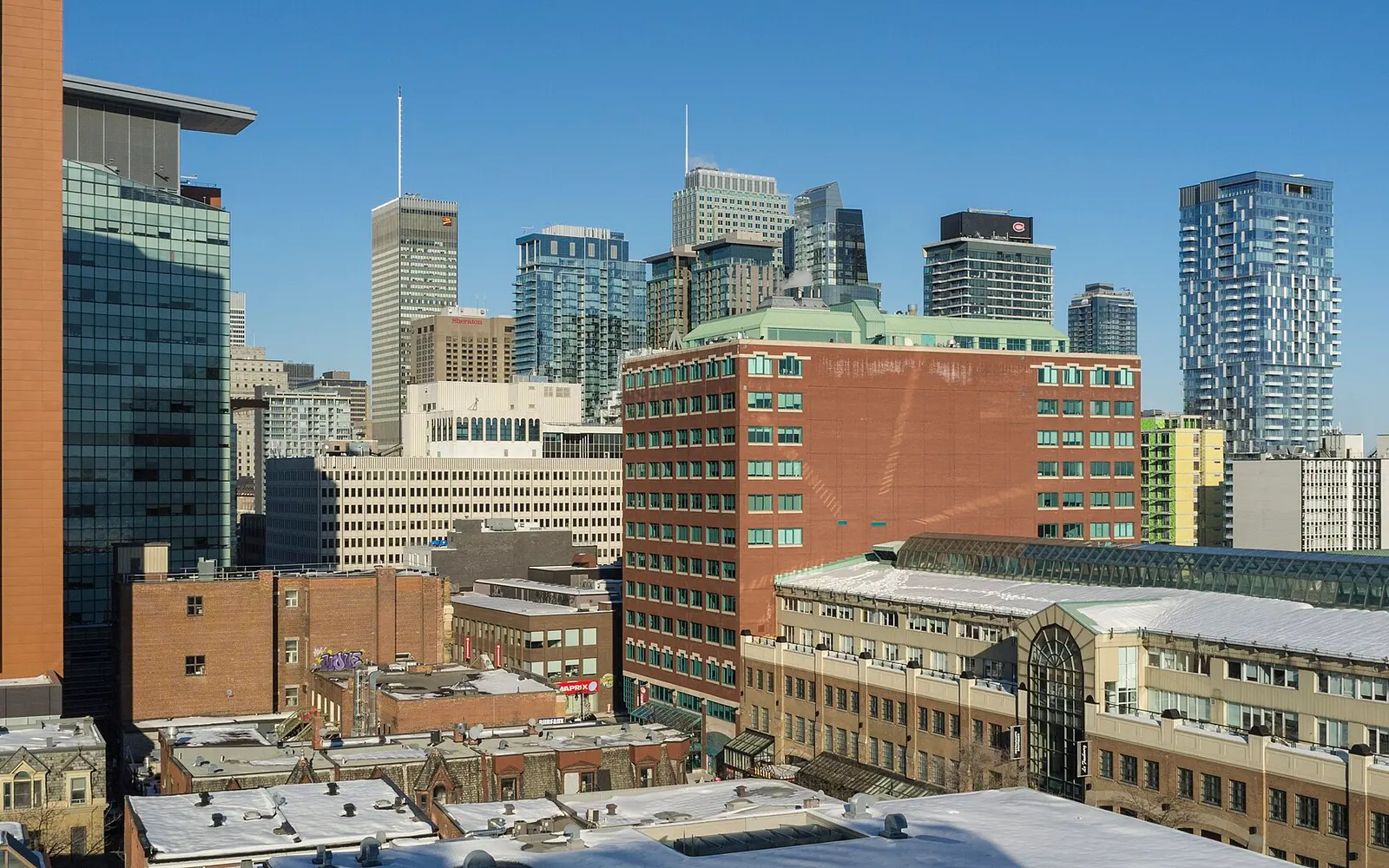
English-language university in Montreal, formed in 1974: about 35,600 undergraduates in four faculties on…
2 universities
2 institutions · apply to each directly
No shared application service. You apply to each university directly, and at the University of Alberta the deadline is set per programme rather than per institution, behind a faculty-and-term filter, so there is no one Alberta date to know.
An international student with a twelve-month study permit valid for an Alberta institution, intending to live in Alberta for twelve months or more, may apply for the Alberta Health Care Insurance Plan. Enrolment has to be reconfirmed every year by 30 November, and missing that interrupts cover.
SourcePublished per programme for Fall 2027 and not institution-wide. The minimum admission average also varies by faculty and changes every year, so there is no single number to aim at either. Read both off the programme you actually want.
SourceCAD 150 at the University of Alberta for a new applicant, paid to the university. The University of Calgary's fee was not established.
Source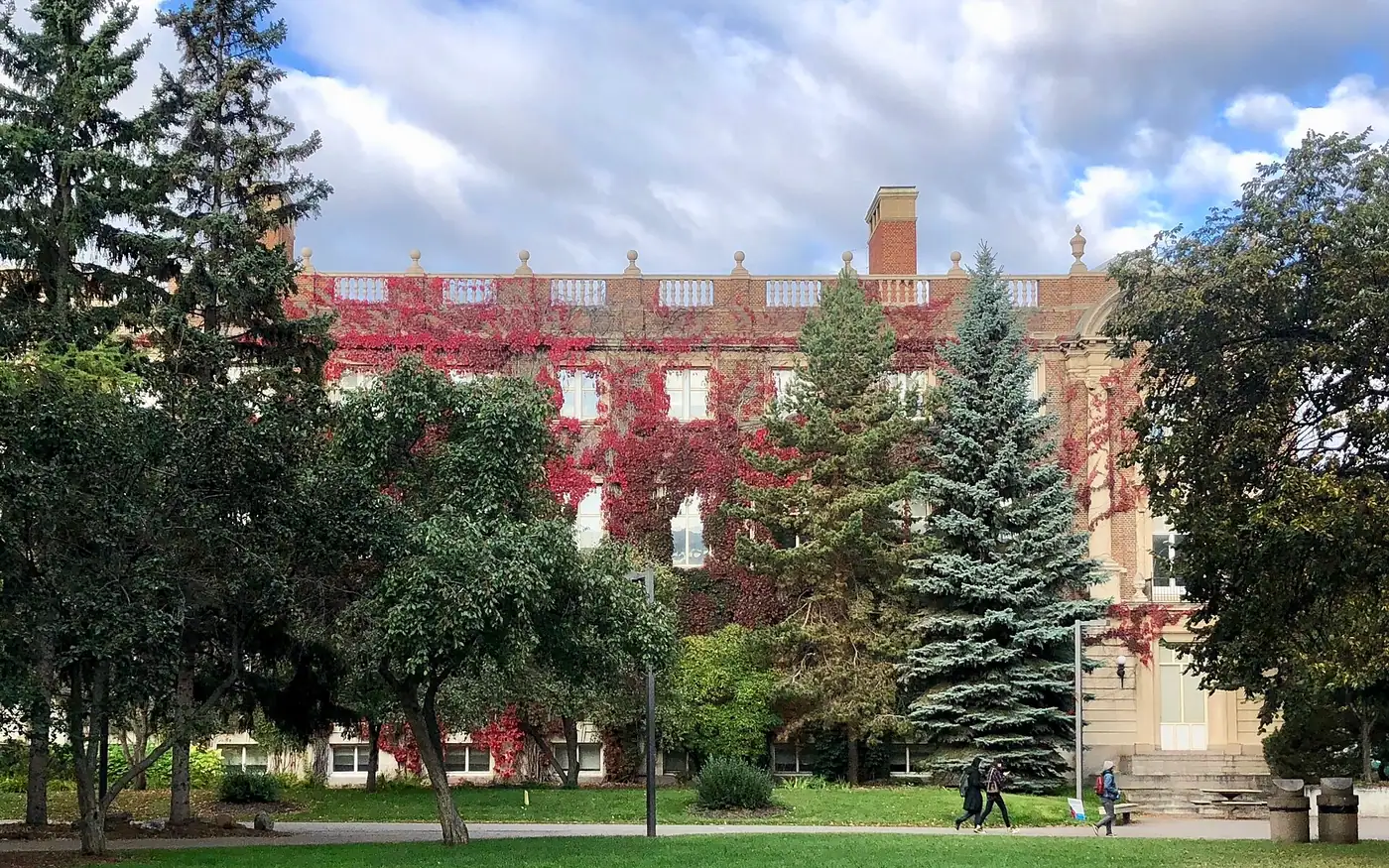
Edmonton university opened in 1908: 37,735 undergraduates, 17 faculties on five campuses and more…
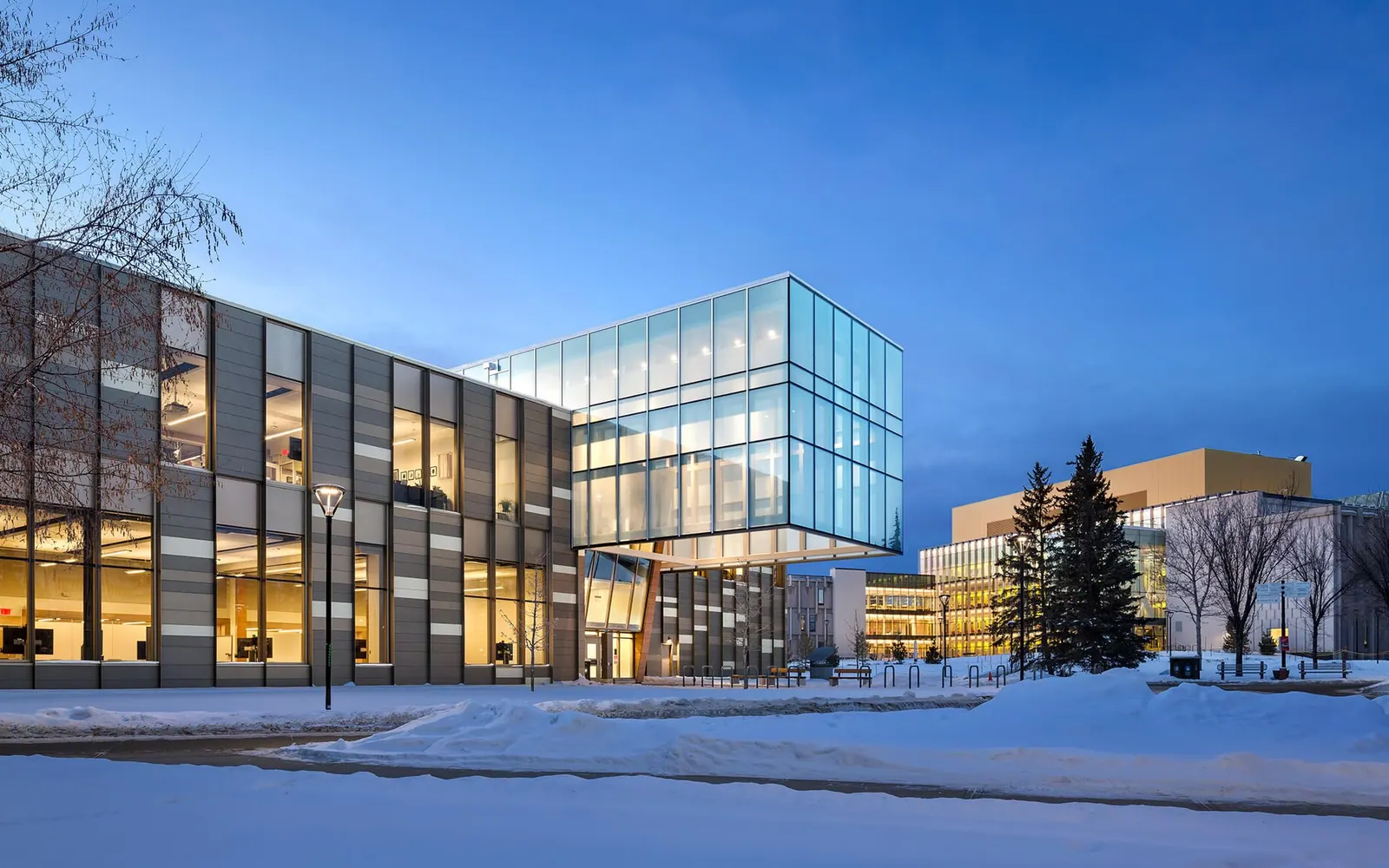
Founded 1966: about 38,000 students on four campuses in Calgary, with Schulich engineering, Haskayne…
1 university
One institution · apply to each directly
No shared application service. Dalhousie sets dated deadlines only for its competitive health programmes and considers applications to everything else up to the start of classes where space remains.
An international student holding a study permit valid for twelve months or more may be eligible for the provincial health insurance programme. A waiting period applies on arrival from outside the province and the page does not say how long it is, which is the number you would actually need.
SourceFor September 2027 entry Dalhousie closes Nursing, Health Sciences, Medical Sciences and Social Work on 15 February 2027 and Architecture on 1 March 2027, and considers everything else where space remains until classes start. The scholarship deadline is also 15 February 2027, and offers and awards must be accepted by 1 May 2027. Guaranteed residence needs an application by 15 May 2027.
Source8,480 study permit application spaces in 2026, against Ontario's 104,780. The queue is smaller because the province is, not because it is easier, and the allocation is divided among Nova Scotia's own institutions.
Source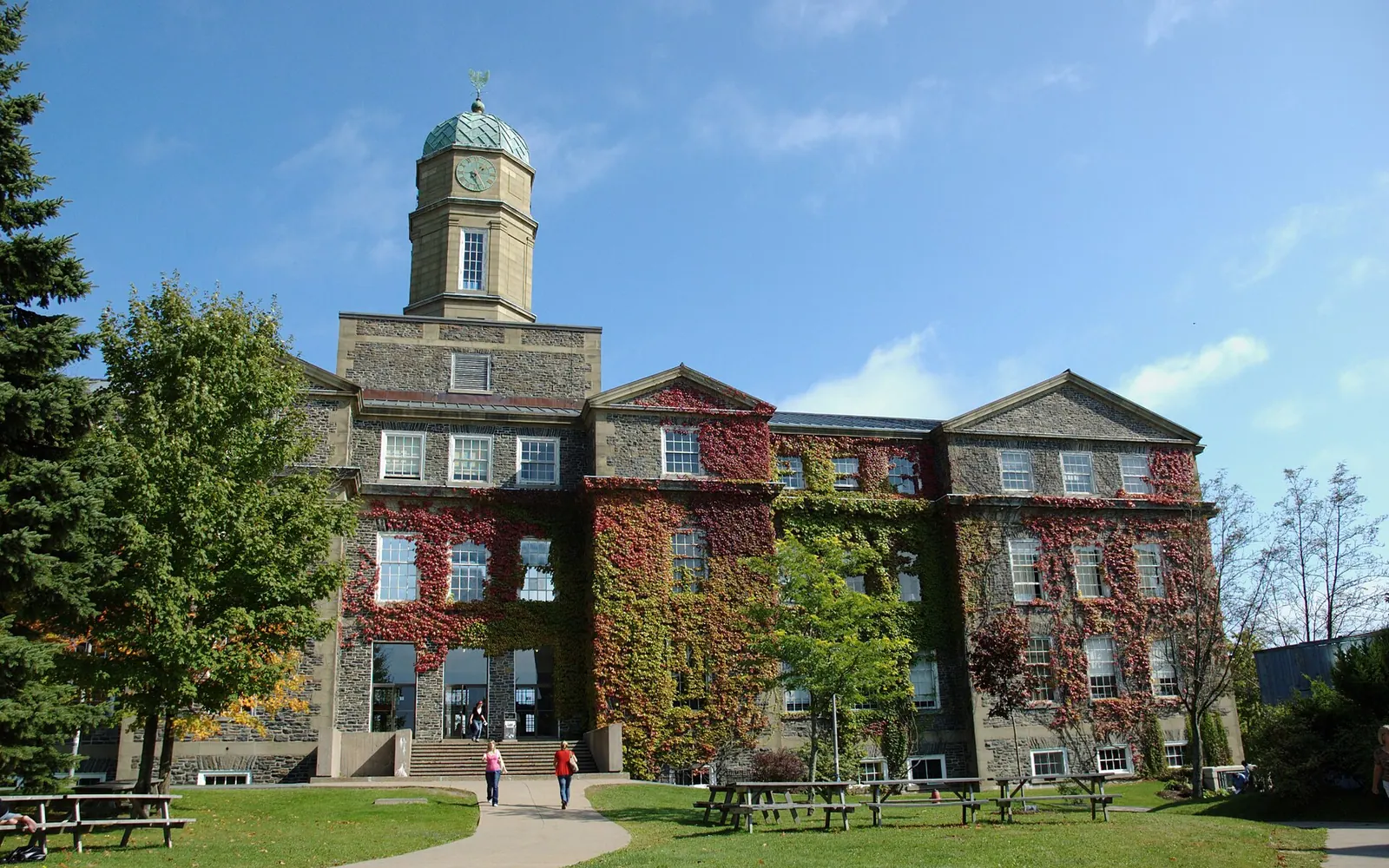
Halifax, Nova Scotia university with about 20,000 students from 120+ countries, 13 faculties and…
1 university
One institution · apply to each directly
No shared application service: you apply to the University of Manitoba on its own application. It asks for 24 IB points, and its average first-year international tuition and fees are about CAD 28,000.
11,196 study permit application spaces in 2026, divided among Manitoba's own institutions. The attestation letter comes from the institution whose offer you accept.
SourceThe University of Manitoba gives about CAD 28,000 as the average first-year tuition and fees for an international student, roughly half of UBC's lowest faculty rate.
Source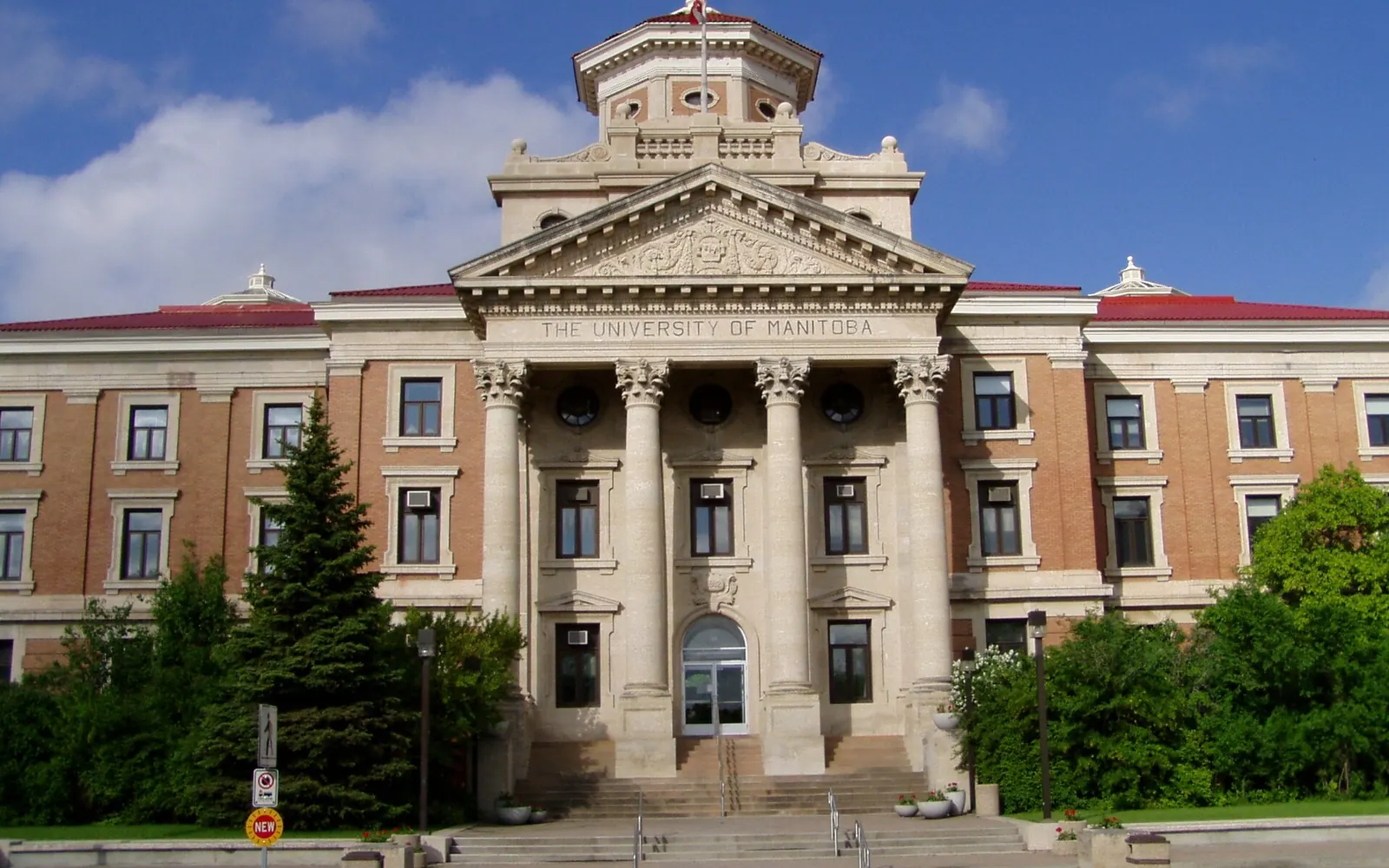
Winnipeg university founded in 1877 with 27,000+ undergraduates, 100+ undergraduate programs and co-op or…
1 university
One institution · apply to each directly
No shared application service: you apply to the University of Saskatchewan directly. It reads an IB total out of 45 and converts it to a percentage for its admission average.
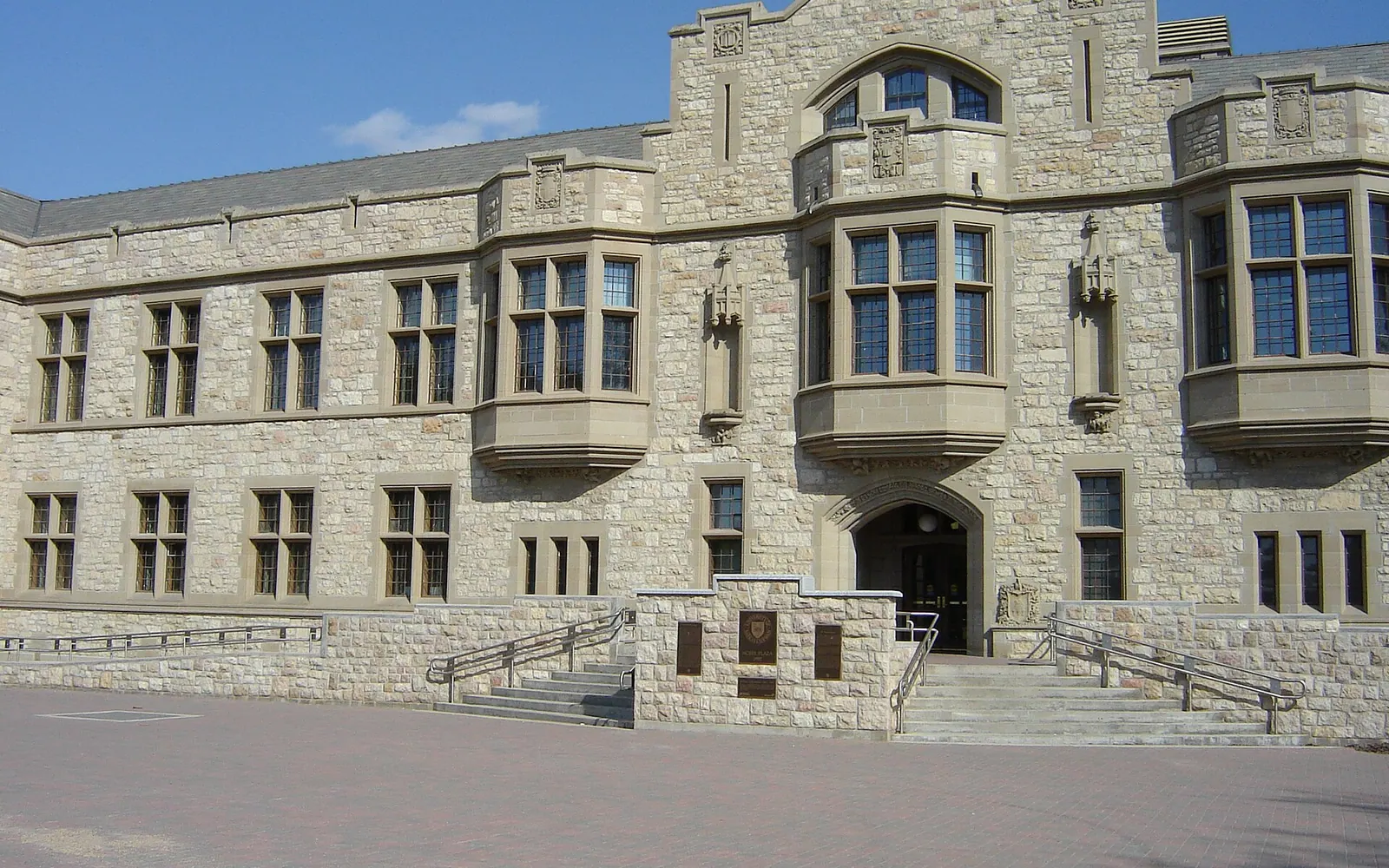
Saskatoon university with 120+ programs, a green campus of greystone buildings and a synchrotron…
This browser cannot draw the globe. Every place is in the list below.
In Canada you apply to a named programme, entry requirements are published as IB point thresholds, and admission is far more predictable than in the United States.
Education is run by the provinces, so Ontario has one central application system, British Columbia has another, and in Quebec and the other provinces you apply to each university directly. The two catches are money - international undergraduate tuition runs from about CAD 28,000 a year at Manitoba to CAD 66,678 for Commerce at UBC (2026/27) - and immigration, because since 2024 Canada has capped the number of study permit applications it will even look at, and undergraduates need a Provincial Attestation Letter to get into that queue.
Entry requirements are published. Universities state the IB points and HL subjects a programme needs, so you can tell in advance whether your predicted score is in range.
The study permit cap. For 2026 Canada set a ceiling of 309,670 study permit application spaces requiring a Provincial Attestation Letter, split by province.
Canada divides post-secondary education twice over, and English-language advice usually describes only one half of one division.
Canada divides post-secondary education twice over, and English-language advice usually describes only one half of one division. The first division is the university and the college: four-year degrees against one-to-three-year diplomas, applied through different services even inside the same province, and carrying different post-study work rights. The second is Quebec, which puts a whole extra level between school and university - the CEGEP, two years before a Quebec student even reaches a bachelor's, which is why Quebec degrees are often three years rather than four.
The four-year bachelor's degree, awarded by provincially chartered universities. This is what every English-language guide to Canada is describing and what all twenty institutions on this page are. Several build paid work terms into the degree as co-op, which is a Canadian speciality rather than a national rule. A degree also carries the Post-Graduation Work Permit without the field-of-study restriction that applies to shorter programmes, which is a major practical difference between this route and the next one.
In Quebec a bachelor's is often three years, because a Quebec student has already spent two years at CEGEP. An IB Diploma holder arriving from abroad takes the longer version. Confirm the length before accepting an offer.
Certificates, diplomas, apprenticeships and some degrees, taught for a named occupation rather than a discipline. Ontario alone has 24 of them, and they are applied for through ontariocolleges.ca rather than the OUAC - a different central service for a different sector in the same province. Admission is stated in terms of an Ontario high school diploma, and what that means for an IB Diploma holder from abroad is not published; Ontario's answer is to contact a college directly.
Easy to overlook. Two cautions: no college is covered institution by institution on this page, and the Post-Graduation Work Permit rules for non-degree programmes are tighter than for a degree, which is a consequence worth understanding before choosing this route.
A name rather than a category. Ontario's own list of its 24 public colleges includes Seneca Polytechnic and two institutions styled Institute of Technology and Advanced Learning alongside the colleges of applied arts and technology, which means a student reading a Canadian polytechnic's website is reading a college's. The name signals a stronger applied-technology and degree-granting emphasis, not a separate legal sector.
Whether they differ from the other colleges in anything a student would notice is not covered here.
Quebec's own level between school and university, with no equivalent anywhere else in Canada: 48 public CEGEPs, five of them English-language, plus about 70 private colleges. Two programmes lead to a Diploma of College Studies. The pre-university programme takes two years and is the normal Quebec route into a bachelor's degree. The technical programme takes three years, includes at least one workplace placement, and is built to end in a job rather than in a degree. The public network admits international students through the Federation des cegeps to around 125 programmes.
It is rarely mentioned to students from abroad, and it is the reason Quebec degrees look short. What it would mean for an IB Diploma holder is not known: whether a full Diploma is treated as over-qualification for a pre-university DEC, and whether a technical DEC would admit one, are open questions to put to the Fédération des cégeps.
No national minimum. Universities set their own and publish them: 24 points at UBC (bonus points included) and Manitoba, 26 at Dalhousie, 28 at York, Toronto Metropolitan, Carleton and Guelph, with competitive programmes asking for more.
Yes
No national minimum. Universities set their own and publish them: 24 points at UBC (bonus points included) and Manitoba, 26 at Dalhousie, 28 at York, Toronto Metropolitan, Carleton and Guelph, with competitive programmes asking for more. Toronto reads predicted or final results excluding bonus points. Read each university's IB requirements page.
Canadian universities normally require the full IB Diploma and then name specific Higher Level subjects for the programme - HL Mathematics for engineering, HL Chemistry and Biology for life sciences, and so on. Standard Level subjects usually satisfy prerequisites only where the university says so explicitly.
There is no single national conversion. Each university maps IB grades onto its own admission average, and Ontario universities also convert IB grades into percentage equivalents for comparison with Ontario's 4U courses.
How Canada reads an IB Diploma.
These are the pages this section was written from. None has been signed off by a person yet, so confirm anything consequential at the source.
Choose the province before you choose the university, because in Canada the province decides how you apply.
Choose the province before you choose the university, because in Canada the province decides how you apply. Ontario goes through the OUAC, British Columbia through EducationPlannerBC, and Quebec, Alberta and Nova Scotia direct to each university. The three routes have different deadlines, different fees and different numbers of choices.
Check the mathematics rule against your IB subject choices, in DP1 rather than in your final year. Toronto, UBC and McGill each refuse Mathematics: Applications and Interpretations SL for their science and business programmes; Dalhousie accepts it. Nothing later can repair that choice.
Read the published IB requirement for each programme you want, on the university’s own page. There is no national rule and the universities genuinely disagree — UBC admits at 24 points including bonus points, Dalhousie at 26 including bonus points, and Toronto reads your total out of 42 with bonus points excluded.
Create the right application account. In Ontario the OUAC charges CAD 159 for three choices and you also pay a document evaluation fee to every separate university. In British Columbia the platform charges nothing and the institution charges its own fee. Applying direct means an account, a fee and a deadline at each university.
Send predicted IB grades and your school transcript. Every Canadian route here decides on predicted results and confirms on final ones, so the offer arrives months before July and is conditional on it.
Accept an offer, pay the deposit, and ask the university to request a Provincial Attestation Letter for you — or, in Quebec, apply for a Certificat d’acceptation du Québec, which is a separate provincial immigration document with its own fee and its own financial test.
Apply for the study permit with the attestation letter or CAQ, your letter of acceptance, proof of CAD 23,448 in living funds outside Quebec plus tuition and travel, and biometrics.
Sort out health cover, which depends on the province and is a separate decision from everything above. Ontario leaves international students outside the public plan for the whole degree; British Columbia, Alberta and Nova Scotia let them in, each on its own terms and each after a wait.
Arrange housing early. Most universities guarantee first-year residence only to students who apply by a separate housing deadline — UBC’s is 1 May 2027.
Admission is mostly grade-based against published thresholds, with supplementary applications, essays or video interviews for a minority of programmes such as Waterloo engineering, Queen's commerce, McMaster health sciences and UBC's broader personal profile. There is no interview for most degrees and no national ranking. You apply to a specific programme and faculty, and switching faculties later is not automatic.
U of T: by 7 November 2026.
Via British Columbia university
Simon Fraser opens Fall 2027 high school applications on 1 October 2026. UBC says early October without naming a day.
Priority Via n Ontario university
Later applications are considered after these.
Not a deadline. Apply by this date and complete the next steps by 1 December and you are considered in the first admission round as well as later ones. For an applicant carrying predicted grades rather than final ones, an early round is worth more than the date suggests.
Toronto's 2027 admissions table gives this under the heading "Recommended early application date" for Applied Science & Engineering, Architecture, Arts & Science at St George, the iSchool, Kinesiology & Physical Education, Mississauga and Scarborough. Applying by this date and getting your documents in by 1 December 2026 — its own entry below — buys early consideration, which is an earlier decision rather than a better one. Music runs its own recommended date of 1 December, and Medical Radiation Sciences has none. Missing it costs you nothing except the earlier answer; the date that closes the door is 15 January 2027.
Applies to: international applicants who want an International Scholars award
Hard deadline Via British Columbia university
After this the door closes.
An expensive date to miss, and one that looks optional. UBC's largest awards for international students require the whole application two months before the ordinary deadline, in the first term of the final IB year. If you are not applying for the award, your date is 15 January. Award applicants also have to meet UBC's English standard and submit their documents by 31 January 2027.
Two months before UBC's general January deadline, and an easy date for an applicant in Denmark to miss: it is the date by which an international student must have applied to UBC and submitted the award application to be considered for the International Scholars Program. The scholarship is the reason the date exists, and the scholarship is the thing that is gone on 16 November — the general admission route stays open until 15 January. Published with a time and a time zone, 11:59 p.m. PST, which is 08:59 the following morning in Denmark; an applicant in Denmark working to a local midnight has until the morning of 16 November, but do not use that margin.
Applies to: applicants who applied by the 7 November early date
Priority
Later applications are considered after these.
Early consideration is conditional on both halves: the application by 7 November 2026 and the required documents by this date. Applying early and sending the documents in January puts you back in the ordinary queue. Your gymnasium supplies most of what is wanted, so ask for it in October rather than in the last week of November.
Applies to: applicants seeking an SFU entrance scholarship
Hard deadline
After this the door closes.
Six weeks before Simon Fraser's own application deadline, which is the trap: a student who applies in January, on time, has already missed the entrance scholarship by a month. The supporting documents for the scholarship are due separately on 31 January 2027, and the offers go out between mid-March and May.
Applies to: applicants studying at, or last studied at, an overseas or US high school
Hard deadline Via each university directly
After this the door closes.
Published as Friday, January 15, 2027, for anyone studying or last studying at a high school outside Canada, across Arts, Science, Engineering, Management, Education, Nursing, Architecture and Agricultural & Environmental Sciences.
McGill states it with the year and the weekday attached — "Friday, January 15, 2027" — as the "Application deadline for Fall 2027 admission to undergraduate programs by applicants studying or who last studied in an overseas or U.S. high school", which is the group an IB candidate at a school in Denmark is in. No closing time is published on that page. McGill assesses on predicted IB results or, if you have them, on final ones.
Hard deadline Via British Columbia university
After this the door closes.
Pacific time is nine hours behind Denmark, so this closes on the morning of 16 January Danish time. It is a deadline for the Winter Session beginning September 2027.
Published as "Deadline to apply for Winter Session (September 2027 to April 2028)", 11:59 p.m. PST. Submitted through EducationPlannerBC, not to UBC directly.
Hard deadline Via n Ontario university
After this the door closes.
The date for Applied Science & Engineering, Arts & Science at St. George, Mississauga, Scarborough and almost everything else. Medical Radiation Sciences closes on 1 February instead. If the OUAC forwards your application after the programme has closed, Toronto cancels it and does not refund the fee.
Published on Toronto's 2027 admissions deadlines table under "Deadline" for Applied Science & Engineering, Architecture, Arts & Science at St George including the International Foundation Program, the iSchool, Kinesiology & Physical Education, Music, Nursing, Physician Assistant, Mississauga and Scarborough. Medical Radiation Sciences is the exception at 1 February. This is the university's own date, not the OUAC's, and you apply through the OUAC — which warns that it needs processing time before a university's date, so treat the first week of January as the real one.
Via n Ontario university
It tells you when Ontario universities start deciding, and because it is the date most often quoted at international applicants who are not bound by it. You are Group B.
Via n Ontario university
Toronto releases decisions from January to late May. The OUAC's guarantee that every Group A applicant hears by 28 May does not extend to Group B, so a later answer is possible and is not a bad sign.
Hard deadline Via each university directly
After this the door closes.
McGill's IB requirements page publishes 21 January without a year. So 2027 is expected rather than confirmed. Six days after the application itself, so it is not something to start after applying.
Hard deadline Via British Columbia university
After this the door closes.
Sixteen days after UBC's, on the same platform, for the same intake. This is the clearest reason not to read one British Columbia deadline as the province's.
Published as "Deadline to apply for Fall 2027 on Education Planner BC", with applications opening 1 October 2026. Two weeks later than UBC, on the same platform, in the same city region — which is the argument against carrying one British Columbian date to another.
Applies to: US and international applicants
Priority Via each university directly
Later applications are considered after these.
Concordia publishes 1 February as advice rather than a rule, explicitly to leave time for immigration documents. The year is projected from a recurring date and is provisional. In Quebec the immigration document is the CAQ, which has to be granted before the federal study permit can be.
Concordia's wording is "U.S. and international applicants: Apply no later than February 1 to allow time for immigration document processing" — a month before its own general deadline, and the reason is the Certificat d'acceptation du Quebec, which has its own entry below and has to be granted before the federal study permit. Concordia gives a bare "February 1" with no year, as it does for every date in that section, so 2027 is expected rather than confirmed. Treat it as your deadline; 1 March is for applicants already in Canada.
Hard deadline Via n Ontario university
After this the door closes.
A separate date from the application, and the one more often missed. Engineering and Music want documents by 15 January instead, alongside the application. Toronto says documents arriving later are considered as space allows, which in a competitive programme means not.
Two weeks after the application itself, and invisible to a student who thinks submitting the application ended the job. Applied Science & Engineering and Music are the exceptions and want their documents on 15 January with the application. An application whose documents never arrive is not assessed.
Applies to: applicants to the Beedie School of Business or the School for the Contemporary Arts
Hard deadline
After this the door closes.
Beedie applicants must complete every item on their To-Do List by this date; School for the Contemporary Arts applicants — excluding Art, Performance and Cinema Studies and Performance Production & Design — must complete an audition, interview or portfolio by it. A portfolio or audition is weeks of work, not an afternoon, and the date is published nowhere a student sees before applying.
Hard deadline Via each university directly
After this the door closes.
Published for September 2027 entry. Other Dalhousie programmes are considered where space is available until classes start, but the scholarship deadline is the same day.
Dalhousie's September 2027 calendar gives 15 February 2027 for Nursing, Health Sciences, Medical Sciences and Social Work and 1 March 2027 for Environmental Design Studies (Architecture). Everything else is considered "where space is available" until classes start, but 15 February 2027 is also the scholarship deadline and 1 May 2027 the date to accept offers and awards, so mid-February is the date that matters. To be guaranteed a place in residence, apply for it by 15 May 2027.
Hard deadline
After this the door closes.
Published as the "Admission document submission deadline for all High School Applicants", four weeks after the application. Admission decisions are made on a rolling basis from January to late April, so documents that arrive in February are read against whatever places are left rather than against the whole field.
Hard deadline Via each university directly
After this the door closes.
Published as 1 March without a year on McGill's IB requirements page; read as the 2027 cycle. McGill wants the school transcript with first-semester results and the predicted IB grades.
Applies to: Canadian applicants (US and international applicants: 1 February)
Hard deadline Via each university directly
After this the door closes.
Six weeks after McGill's, two miles away, in the same province. The year is projected from a recurring date. Concordia takes three ranked programme choices on one application.
Published as "FALL ENTRY (September) Deadline: March 1", with no year, so 2027 is expected rather than confirmed. It is the date a student applying from Denmark sees first on Concordia's page, and it is the wrong one: the international date is 1 February, four weeks earlier.
Applies to: international applicants
Hard deadline Via British Columbia university
After this the door closes.
A separate date from the application. International Scholars applicants have to meet it seven weeks earlier, on 31 January.
Published as "High school applicants from outside Canada: Deadline to submit required documents to UBC." International Scholars applicants have an earlier date, 31 January 2027, for both their documents and the English Language Admission Standard, and UBC gives 15 February 2027 as the date for documents showing the standard is met. An IB Diploma taught in English usually satisfies the standard, but UBC states it without an automatic IB exemption, so establish in writing which of its routes applies to you before January.
Hard deadline Via British Columbia university
After this the door closes.
UBC assigns 1 May or 1 June in the admission letter itself, so the date is personal rather than published. Your letter gives your date.
Hard deadline Via British Columbia university
After this the door closes.
A separate application from admission, with its own deadline, and the guarantee is lost by missing it. Vancouver's private rental market is very expensive and is not a fallback.
Applies to: applicants holding an SFU offer
Hard deadline
After this the door closes.
Published as "Accept your offer — Deadline for most students to accept their offer of admission", and it is also the residence and housing application deadline, so a student who accepts on the last day is applying for a room on the last day too. "Most students" is SFU's own hedge; your offer letter governs. Note how far this is from Ontario's shape: the OUAC's 1 June protection does not exist in British Columbia, and 1 May here is a real date a month earlier.
Via each university directly
McGill decides on predicted results and confirms on final ones, and expects a student to maintain that performance through to the end of school. What each of the other universities on this route does with a result below the offer is not established here.
Via British Columbia university
UBC states that initial decisions are made on interim grades reported by the school and that final IB results are used to confirm the decision and any first-year credit. July therefore confirms rather than decides, and a result below the offer conditions costs a place already held.
Via n Ontario university
Every date above falls before this one. Toronto assesses on predicted or final results excluding bonus points and requires the final results to reach it electronically from the IBO, so July confirms a place already held rather than deciding one. How each Ontario university handles a result below the offer conditions is set by that university and is not established here.
Applies to: applicants holding a UBC offer
Hard deadline Via British Columbia university
After this the door closes.
The date that confirms a UBC offer for an IB candidate at a school in Denmark. Request the electronic transmission of your results from the IB in the spring.
Published as "Out-of-country applicants (except US and A-Level applicants): Deadline to submit your final transcript to confirm your offer of admission." That is the row for an IB candidate at a school in Denmark; the 30 June date on the same page is for US and Canadian applicants. UBC decides on interim grades reported by your school and uses the final IB results to confirm the offer and any first-year credit, so request the electronic transmission from the IB in the spring so that it goes the day results are released, about 6 July 2027.
Your own plan
Not published by anyone — a date worth setting yourself.
Not a date anyone publishes, and the earliest thing here that cannot be repaired later. Toronto accepts Mathematics: Applications and Interpretations SL for the Advanced Functions prerequisite only; UBC excludes it from its science programmes, the Faculty of Management, Sauder and the Vancouver School of Economics; McGill will not take it as a mathematics prerequisite at all. Dalhousie will. The choice is made in the first weeks of DP1, two years before any deadline on this page, and no Canadian university has an appeal route for it.
Applies to: international and out-of-province applicants (OUAC Group B)
Your own plan
Not published by anyone — a date worth setting yourself.
The OUAC's wording is exact and it is the whole of the answer: "There is no specific Undergraduate application deadline if you are a Group B applicant. Deadlines vary at each university and sometimes depend on the program." It adds the warning that costs people places: "You must ensure the OUAC has enough time to process your choices before the universities' program deadlines" — so the university's date is not the date you can submit on. Do not take the OUAC's own headline dates for yours. 15 January 2027 and 28 May 2027 are published on the same page under Group A, which is an applicant currently taking Ontario high school courses and under 21 — not an IB candidate at a school in Denmark. The University of Toronto's own dates are separate entries below; every other Ontario university sets its own, so read it on that university's page. The OUAC page was last updated on 14 September 2026, and its dates sit inside collapsed sections that open when clicked.
Set in each university's own offer letter, and there is no Ontario-wide date for you. The OUAC publishes 1 June 2027 as "the earliest date a Group A applicant may be required to respond to an Ontario university offer of admission and give a financial commitment" — registration deposit, residence deposit, the lot. Read the words: it protects Group A applicants specifically, an applicant currently in an Ontario high school and under 21. It is not a promise to you, and an Ontario university may lawfully ask a Group B applicant for money before June. Ask the university what your response date is at the moment the offer arrives; do not count to 1 June.
Your own plan
Not published by anyone — a date worth setting yourself.
Nothing can be submitted until the confirmation email has been acted on, so this is a task to finish in the week the applications open rather than the week they close. Use a personal address rather than a school one: the platform warns that school accounts are deactivated at graduation and the institutions correspond with the address on the account long afterwards.
UBC publishes this as "Early October 2026" — a month without a day — for the Winter Session running September 2027 to April 2028. There is no date here to count down to because UBC has not published one. Simon Fraser, on the same EducationPlannerBC platform, does give a day: 1 October 2026. Checking UBC's page in the last week of September 2026 is the only way to catch the opening.
UVic publishes its deadlines on each programme page rather than centrally, and says so, so there is no single Victoria date. UBC's 15 January 2027 and Simon Fraser's 31 January 2027 each have their own entries above; do not assume UVic matches either, and read the date off the programme page you are actually applying to.
Your own plan
Not published by anyone — a date worth setting yourself.
Compulsory for a study permit of six months or more, and cover begins only after the balance of the arrival month plus two more. Arrive in late August for a September start and you are outside the provincial plan until 1 November, so carry private insurance until then.
Your own plan
Not published by anyone — a date worth setting yourself.
The defining property of the direct route, which serves Quebec, Alberta and Nova Scotia. No portal, no shared account, no shared calendar, and no page anywhere that lists your universities together. McGill's and Concordia's dates have their own entries below and they are six weeks apart for two universities two miles apart in the same city; Alberta publishes per programme, and Dalhousie closes its health programmes on 15 February 2027 and takes the rest as space allows. Build the list yourself in the autumn of DP2 and put every date in your own calendar, because nothing will remind you.
Alberta publishes its Fall 2027 deadlines per programme behind a faculty-and-term filter rather than as one institutional date, so there is no single date. The page states that its deadlines "are valid for applications to the Fall 2027, Winter 2028, Spring 2028 and Summer 2028 terms", so the 2027 dates do exist — they are simply not reachable without choosing a programme first. Read yours off the programme. The minimum admission average also varies by faculty and changes every year, so last year's cut-off is not a target.
Your own plan
Not published by anyone — a date worth setting yourself.
A Quebec immigration document with its own fee and its own financial test, required in addition to the federal study permit and granted before it. There is no published deadline because it is gated on your offer, not on a date — which makes it a big practical difference between choosing Montreal and choosing Toronto, and why Concordia asks international applicants to apply on 1 February rather than 1 March. Start it the day the offer arrives.
Your own plan
Not published by anyone — a date worth setting yourself.
Requested by the university after you accept its offer, so there is no date you act on — but there is a quantity, and the quantity is the risk. In 2026 the allocations were Ontario 104,780, Quebec 93,069, British Columbia 32,596, Alberta 32,271 and Nova Scotia 8,480, out of 309,670 nationally: the maximum number of study permit applications Canada would accept for processing in the year. Master's and doctoral students at public institutions stopped needing a letter on 1 January 2026; a bachelor's student did not. No 2027 allocation had been published as of 23 September 2026, and the 2026 figures above are precedent, not next year's ceiling.
Your own plan
Not published by anyone — a date worth setting yourself.
As soon as you hold the offer and the attestation letter or CAQ — there is no published date and waiting for one is the mistake. A single applicant outside Quebec applying on or after 1 September 2026 must show CAD 23,448 for a year of living expenses, which excludes tuition and travel; the figure is updated each year, so check it rather than budgeting from this one. Quebec sets its own figure through its immigration ministry and it is not the federal one.
The entire English-speaking system - every province except Quebec teaches primarily in English, and Quebec has three large English-language universities (McGill, Concordia, Bishop's).
The entire English-speaking system - every province except Quebec teaches primarily in English, and Quebec has three large English-language universities (McGill, Concordia, Bishop's).
Universities generally waive English testing for students educated in English, and an IB Diploma with English A is normally accepted as proof. The exact waiver rule differs by university, so check each one; where a test is required, typical minimums are IELTS 6.5-7.0 or TOEFL iBT 90-100.
Not for English-taught programmes
Not applicable - Canada has no EU/EEA fee category.
Not applicable - Canada has no EU/EEA fee category. EU/EEA students pay international fees. (2026/27)
Set by each university and not comparable across provinces. At UBC, for 2026/27: Arts CAD 51,530.40 for a 30-credit year, Science and Computer Science CAD 53,082.00, Engineering CAD 66,199.66 for a 37-credit first year, Commerce (Sauder) CAD 66,678.30. UBC also caps the annual increase at 3% for four years for a student starting in 2026/27. No figure is recorded for Ontario: the University of Toronto states that its fees for an academic year are finalised in the spring of that year, so the price for 2027/28 does not exist yet. (2026/27)
Three different answers, one per route. Ontario: CAD 159 through the OUAC for three programme choices, CAD 51 for each further choice, plus a document evaluation fee to each separate university — CAD 98 at Toronto, CAD 125 at Western, CAD 95 at Queen’s, Waterloo and McMaster, CAD 93 at Ottawa, CAD 90 at York and Toronto Metropolitan, CAD 85 at Carleton, CAD 95 at Guelph. British Columbia: nothing to the platform, and the institution’s own fee — CAD 130 at Simon Fraser for an international applicant, CAD 173.25 at UBC for an applicant on a study permit, CAD 184.00 at Victoria where any transcript comes from outside Canada. Direct: one fee per university, CAD 150 at the University of Alberta for a new applicant.
Immigration, Refugees and Citizenship Canada requires a single study permit applicant outside Quebec to show 23,448 CAD for 12 months of living expenses for applications submitted on or after 1 September 2026 - about 1,954 CAD a month. That is the immigration minimum, not a realistic Vancouver or Toronto budget. (2026)
You need a study permit, not a visa-free stay.
You need a study permit, not a visa-free stay. Since 2024 Canada caps the number of study permit applications it will process: for 2026 the cap is 309,670 application spaces for people who need a Provincial or Territorial Attestation Letter, allocated by province (Ontario 104,780, Quebec 93,069, British Columbia 32,596, down to 1,376 in Prince Edward Island). Undergraduates do need a PAL; from 1 January 2026 master's and doctoral students at public institutions do not. Your university requests the PAL for you. No allocation beyond 2026 had been published as of September 2026, so treat the 2027 rules as likely-but-unconfirmed and apply as early as you can. Sources: https://www.canada.ca/en/immigration-refugees-citizenship/news/notices/2026-provincial-territorial-allocations-under-international-student-cap.html
Study permit holders may work while studying and after graduating under conditions set on the permit. After your degree, the Post-Graduation Work Permit (PGWP) is the main route: you must apply within 180 days of confirmation that you completed your studies, your study permit must have been valid during that window, and for a bachelor's, master's or doctoral degree there is no field-of-study restriction - the restriction to shortage occupations applies only to non-degree programmes. Degree graduates must show language ability at CLB 7 in English or NCLC 7 in French across all four skills. Source: https://www.canada.ca/en/immigration-refugees-citizenship/services/study-canada/work/after-graduation/eligibility.html
Most universities guarantee residence to first-year students who apply by a separate housing deadline, usually in spring. Take the guarantee - Vancouver and Toronto private rentals are very expensive and finding a room from Denmark is very hard. From second year most students share a house or flat, which is where the real cost appears.
Health cover depends on the province, and the difference is large. Ontario leaves international students outside the public plan altogether and enrols them in UHIP instead, which is a cost for the whole degree. British Columbia, Alberta and Nova Scotia all admit international students to their provincial plans, each on its own condition and each after a wait during which you need private insurance. Quebec requires continuous health and hospitalisation cover for the entire study stay as a condition of the CAQ. The EHIC and the Danish yellow card are not valid anywhere in Canada.