

UT — University of Tartu
Tartu research university with three English-taught first-level degrees: business administration, science and technology, and…
Tartu3 programmes
Baltics · May 2027 IB session · Autumn 2027 entry
A narrow menu — but two free engineering degrees on it
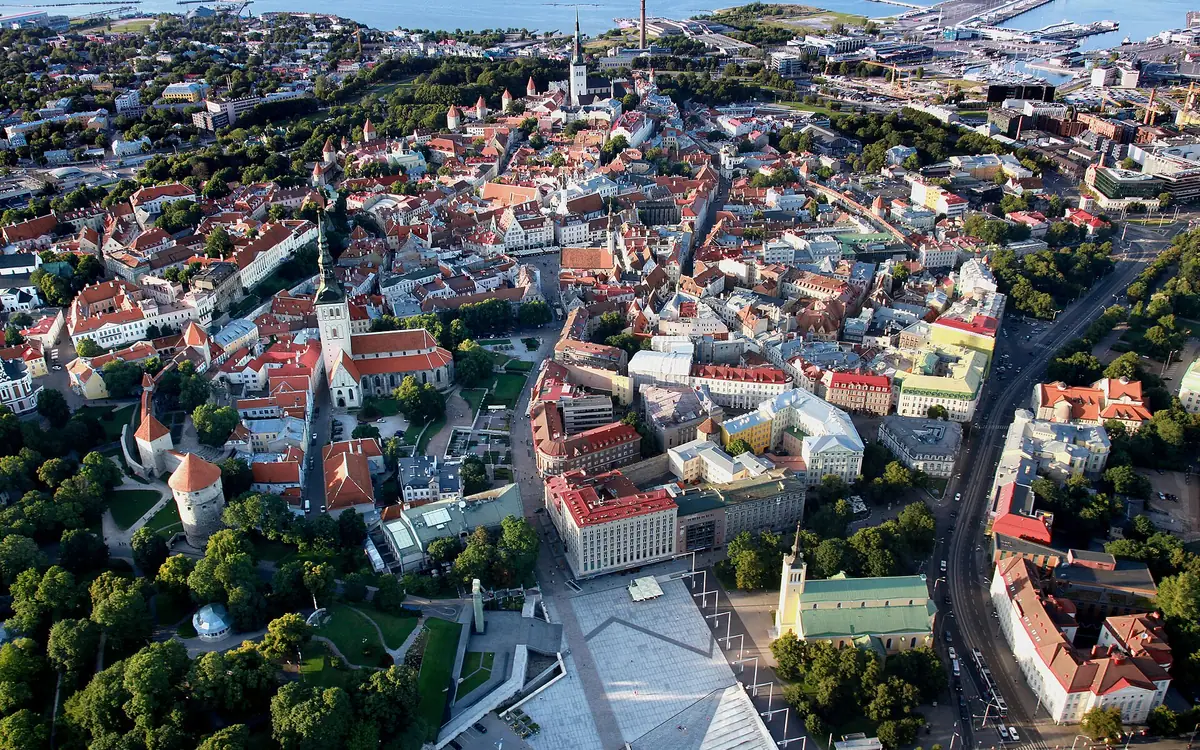
Tallinn Old Town
8 institutions
Tartu research university with three English-taught first-level degrees: business administration, science and technology, and…
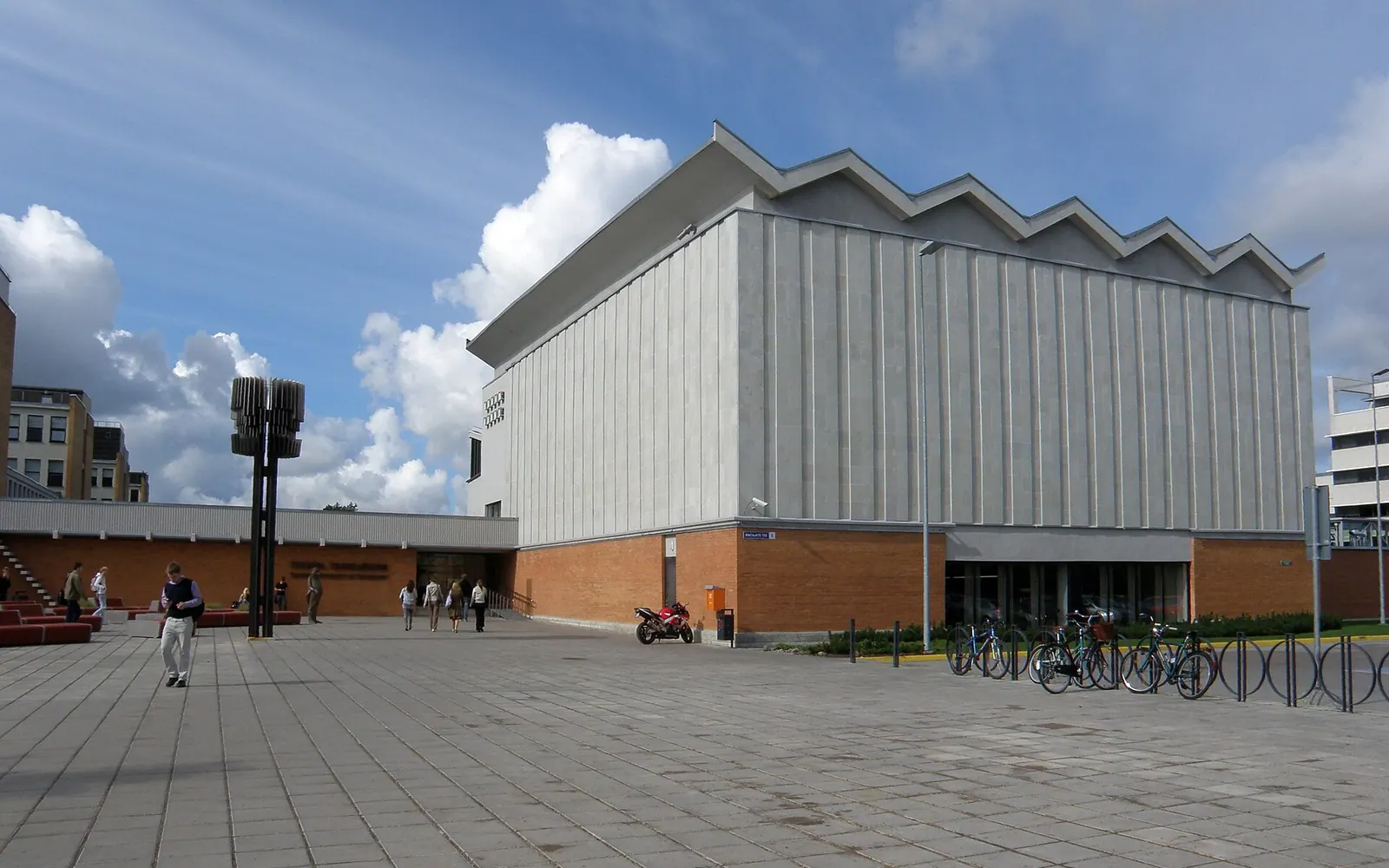
Technical university in Tallinn (founded 1918) with four English-taught bachelor's; the two engineering degrees…
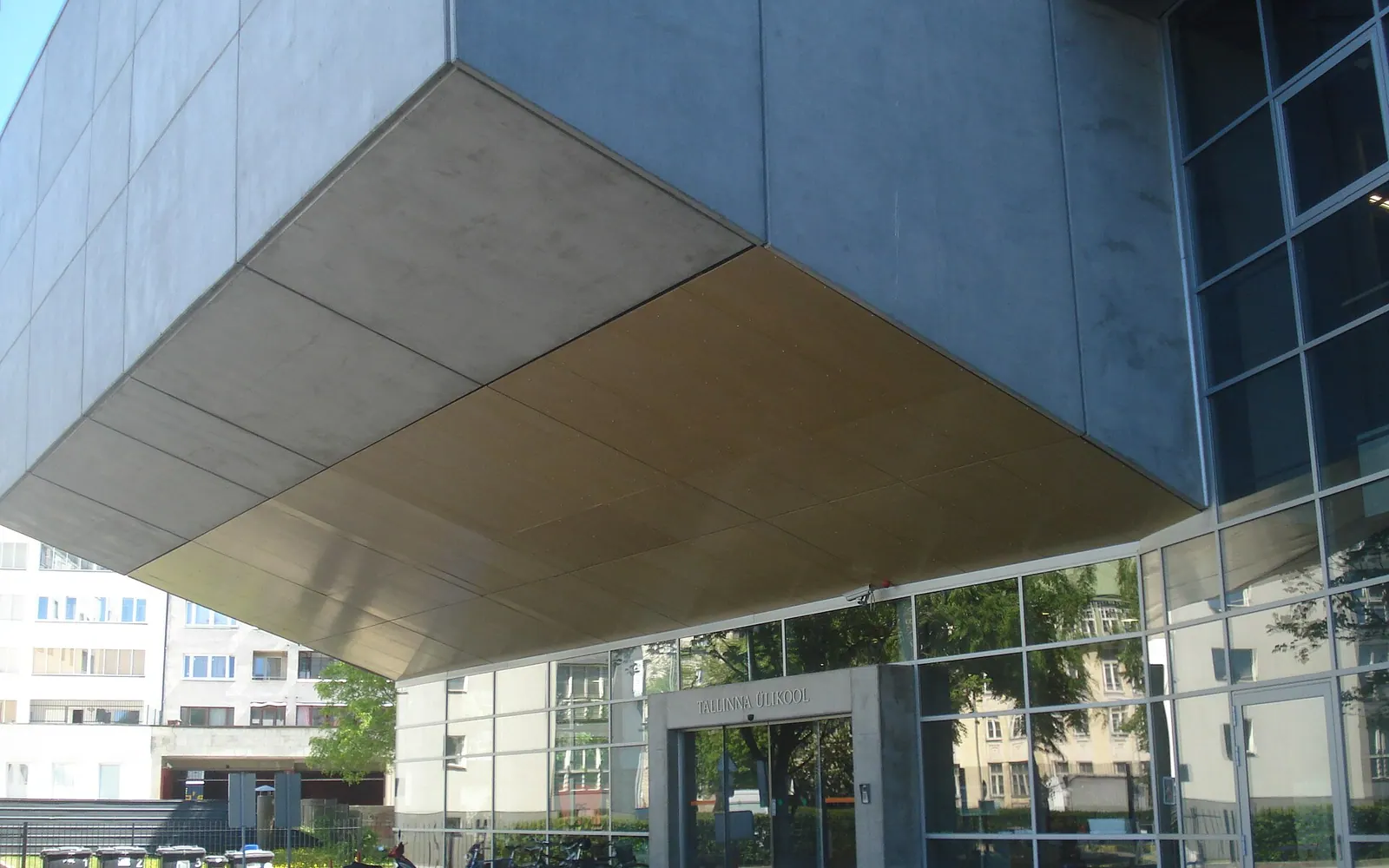
Tallinn humanities and social sciences university of about 7,000 students; six English-taught bachelor's in…
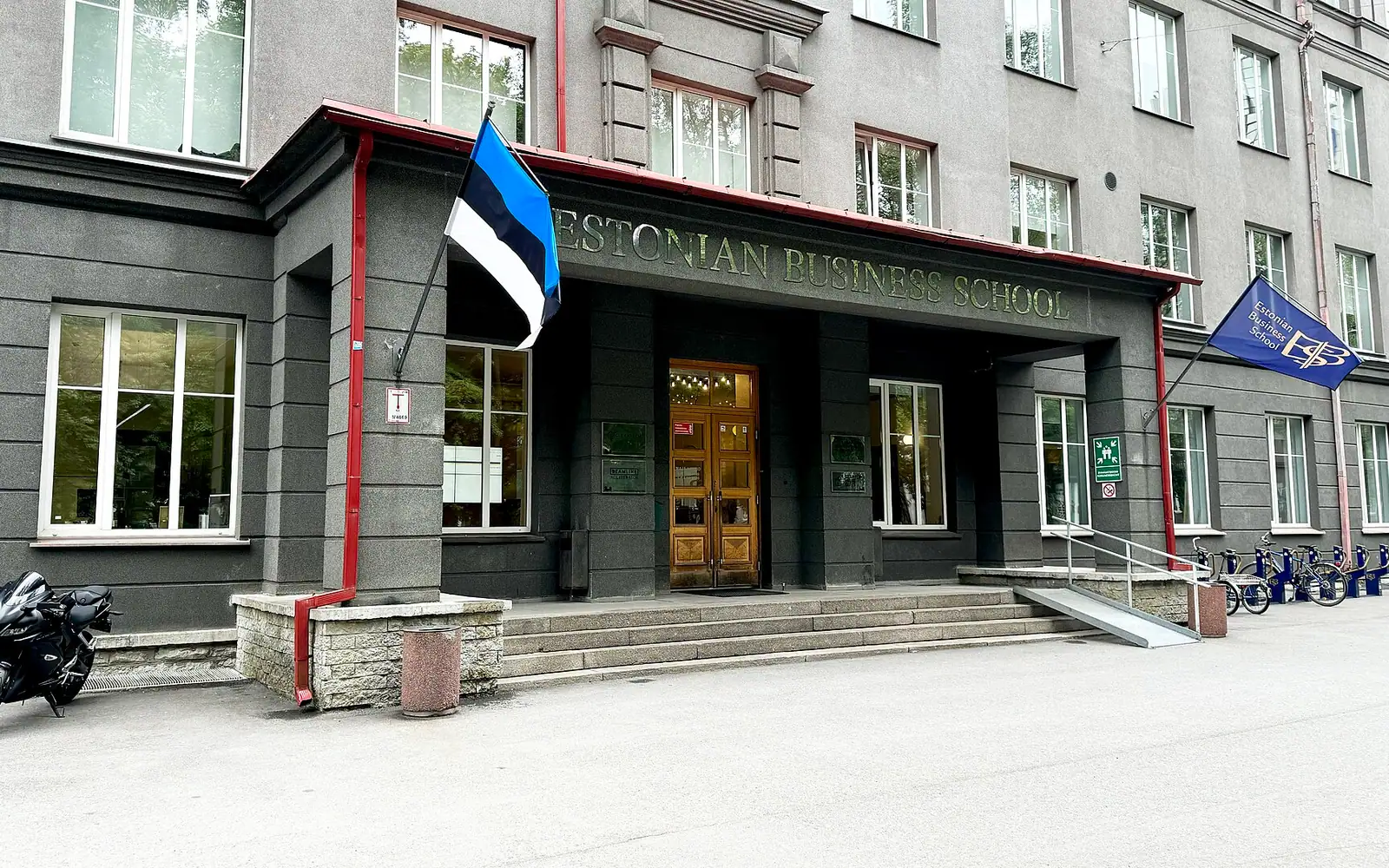
Business university in Tallinn with three English-taught bachelor's: international business, entrepreneurship, and product and…

Life sciences university in Tartu; its one English-taught degree is a 6-year integrated veterinary…

Tallinn music academy with four English-taught bachelor's (classical performance, composition, jazz, sound engineering); EU…
Tallinn applied-sciences university (EUAS Mainor) with English-taught bachelor's in business innovation, AI software and…
Methodist seminary in Tallinn; a 3-year Theology and Mission bachelor's with an English stream…
This browser cannot draw the globe. Every place is in the list below.
Estonia teaches many master's degrees in English; at bachelor's level the choice is small.
The official national listing names 27 English-taught bachelor's degrees in the entire country, one of them with no current intake, so your menu is short and you should treat it as a list to read end to end rather than a system to search. The one genuinely striking offer is at TalTech, where Cyber Security Engineering and Integrated Engineering are free for EU and EEA citizens — as an EU/EEA citizen you would pay nothing for either.
TalTech's Cyber Security Engineering and Integrated Engineering are free for EU/EEA citizens.
Only 27 English-taught bachelor's degrees are on the national list, at ten institutions.
Estonia has 18 higher education institutions in two kinds: the ülikool (university) and the rakenduskõrgkool (university of applied sciences, or professional higher education institution).
Estonia has 18 higher education institutions in two kinds: the ülikool (university) and the rakenduskõrgkool (university of applied sciences, or professional higher education institution). Both award a three-to-four-year first degree that leads on to a master's; the university's is the theory-based bakalaureus, the other the professional rakenduskõrgharidus diploma. Only ten of the 18 have an English-taught bachelor’s on the national list.
Research universities — Tartu, TalTech, Tallinn University, the University of Life Sciences, the arts and music academies, and Estonian Business School. Theory-based bachelor's of three to four years, plus six-year integrated Medicine and Veterinary Medicine.
Professional higher education: practical, three to four years, and a full first-cycle qualification that gives access to a master's. Aviation, health, entrepreneurship and game design are where the English-taught options sit.
Most teach only in Estonian. Tallinn Health's Assistant Pharmacist, EUAS's four programmes and the Aviation Academy are the English exceptions.
Yes, an IB Diploma is accepted.
Yes
How Estonia reads an IB Diploma.
These are the pages this section was written from. None has been signed off by a person yet, so confirm anything consequential at the source.
Read the national list of English-taught bachelor's degrees at studyinestonia.ee end to end. There are 27, and that is faster than searching.
Decide early whether the free TalTech engineering route is for you, because it changes the cost of the whole plan.
Create one DreamApply account at estonia.dreamapply.com — nine institutions share it, including Tartu, TalTech and Tallinn University.
Check each university's own deadline separately. They are not aligned. Tallinn University closes 1 March 2027; the others had not published 2027 dates by September 2026.
Submit your secondary school certificate, transcript, proof of English, passport ID page and any programme-specific documents. If you hold an IB Diploma, Tallinn University accepts your graduation documents as English proof with no test.
Pay the application fee where one applies — 100 euros at Tallinn University, covering up to two programmes. Other institutions' fees are not published.
Sit the admission exam if your programme has one. Tallinn University runs its exam several times during the application period.
Once admitted, apply for a dormitory place, then register your residence with the local government within three months of arriving and apply for an Estonian ID card within one month of getting your right of residence.
Admission is decentralised — you apply to the institution, not to a central body, even though nine of them share the DreamApply interface. Tallinn University is the only institution whose selection mechanics are fully published: a 60 percent secondary school result to be eligible, an admission exam, and a 65-out-of-100 enrolment threshold. What the University of Tartu and TalTech use for selection is not confirmed here; ask them.
Tallinn University: by 1 March 2027.
Hard deadline Via n Estonian institution
After this the door closes.
One university's date, and the only 2027 one published so far. Four months before IB results.
The only confirmed 2027-entry deadline anywhere in Estonia. Treat it as your anchor date and assume other universities will land in a similar window until they publish.
Via n Estonian institution
After Tallinn University's deadline. Ask each institution how it treats results that arrive after you apply.
Via n Estonian institution
The Academy says it will publish them in December 2026.
Via n Estonian institution
Sharing the DreamApply portal does not mean sharing a deadline. For 2026 entry EUAS kept EU applications open until 20 September; TalTech's 2025 bachelor round closed on 1 June. Check each programme page from late 2026.
Not published as of September 2026. For 2026 entry, Study in Estonia described bachelor's deadlines as typically April to May, and DreamApply's own overview says typically around 1 June. Check each university individually from late 2026.
Published as "June", with no day given. You get a link to the housing application form after official acceptance. For 2026/27 the first access day was 22 August.
27 on the official national list as of 24 September 2026 (one, Commercial Aviation Management, has no 2026/27 intake), at ten institutions.
27 on the official national list as of 24 September 2026 (one, Commercial Aviation Management, has no 2026/27 intake), at ten institutions. Study in Estonia's quotable national figure is 'more than 150 degree programmes fully taught in English', but that counts every level and is dominated by master's degrees. Tallinn University has the widest bachelor's choice with six.
Tallinn University states it most clearly: students who have completed International Baccalaureate studies can submit their graduation documents as proof of English proficiency, so no IELTS is needed. It also exempts anyone who completed previous education fully in English in an EU or EEA country, which covers a Danish IB school. If a test is required, it asks for IELTS Academic 6.0 with at least 5.5 in each component, Cambridge B2 First, C1 Advanced or C2 Proficiency at 169 overall, or PTE Academic 59. Estonian Business School asks for English at at least B2.
Not for English-taught programmes
Varies sharply by programme. Free for EU/EEA citizens on TalTech's Cyber Security Engineering and Integrated Engineering.
Varies sharply by programme. Free for EU/EEA citizens on TalTech's Cyber Security Engineering and Integrated Engineering. Otherwise: University of Tartu Business Administration 4,200 euros a year, Science and Technology 6,000, Medicine 13,200; TalTech International Business Administration and Law 5,000 each; Tallinn University 4,200 to 5,400 depending on programme; Estonian Business School 7,730 to 8,100; Estonian Academy of Music and Theatre 1,750; Estonian University of Life Sciences Veterinary Medicine 9,800; Baltic Methodist Theological Seminary 2,600. Nationally, Study in Estonia quotes a range of 1,500 to 15,000 euros. (2026/27 — 2027/28 fees were not published as of September 2026)
Higher where a distinction is made: TalTech Cyber Security Engineering 7,000 euros a year and Integrated Engineering 6,000 where EU students pay nothing; Estonian Academy of Music and Theatre 7,700 against 1,750 for EU students; Estonian Entrepreneurship UAS about 500 euros more than for EU students. Most other programmes charge the same to everyone. (2026/27)
100 euros at Tallinn University, non-refundable, covering up to two programmes. A student applying from Denmark pays it unless one of the waivers applies — the waivers are for people educated in Estonia, Estonian citizens, long-term residence holders and, for the 2026/27 intake, Ukrainian citizens. Other institutions' fees are not confirmed here; check each one.
Study in Estonia says around 300 to 500 euros a month, with dormitories at 150 to 350 and private flats at 350 to 750. Food comes to roughly 300 a month for comfortable living, and a university cafeteria lunch costs 5 to 8 euros. (2019 survey data, published on a current page)
As an EU citizen you register your place of residence with the local government of wherever you live, within three months of entering Estonia.
As an EU citizen you register your place of residence with the local government of wherever you live, within three months of entering Estonia. You then apply for an Estonian ID card within one month of obtaining the temporary right of residence. The ID card fee, its validity period and the personal identification code process are not confirmed here; check them with the Police and Border Guard Board. Registering is worth doing promptly for a practical reason: in Tallinn it makes public transport free.
You need no separate work permit and there is no limit on your hours. The one condition is academic: you must pass a full course load, roughly 30 ECTS a semester, and finish within the nominal duration. The minimum wage was 820 euros gross a month in 2024 and the average full-time salary 1,832 euros gross in 2023 — both figures are dated.
Tallinn University's dormitory at Karu 17 is on the main city-centre campus, double rooms only, at 215 to 230 euros a month for a 14 square metre room and 245 to 260 for a 17 square metre one. Rent includes communal costs, wireless internet, bed linen and laundry, and the deposit runs from 470 to 550 euros. Offers go out in June after acceptance. In Tartu, Tartu Student Village runs eight residences through campus.ee, but its prices are not published. Nationally, Study in Estonia puts the average dormitory cost including utilities at around 350 euros a month. Private rentals go through kv.ee and city24.ee.
This is the one thing students get wrong. Enrolling at an Estonian university does not give you Estonian health insurance — international students are not covered by the Health Insurance Fund unless they are employed or hold permanent or long-term residence. Bring your EHIC, the blue card, and understand that it covers public treatment at Estonian rates with the same patient co-payments Estonians pay, and nothing private. Supplementary cover is sensible. Emergency services on 112 are free and available around the clock, and specialists including psychiatrists, dentists and ophthalmologists can be seen without a referral. Taking a part-time job is one way into the state system.
If you hold Estonian citizenship, you do not register a right of residence or prove your fee status, and Estonia's own student grants and loans are open to you on their ordinary terms; check them, because some depend on where you have lived.
Your IB is still a foreign qualification here, so the IB entry rules still apply to you.