
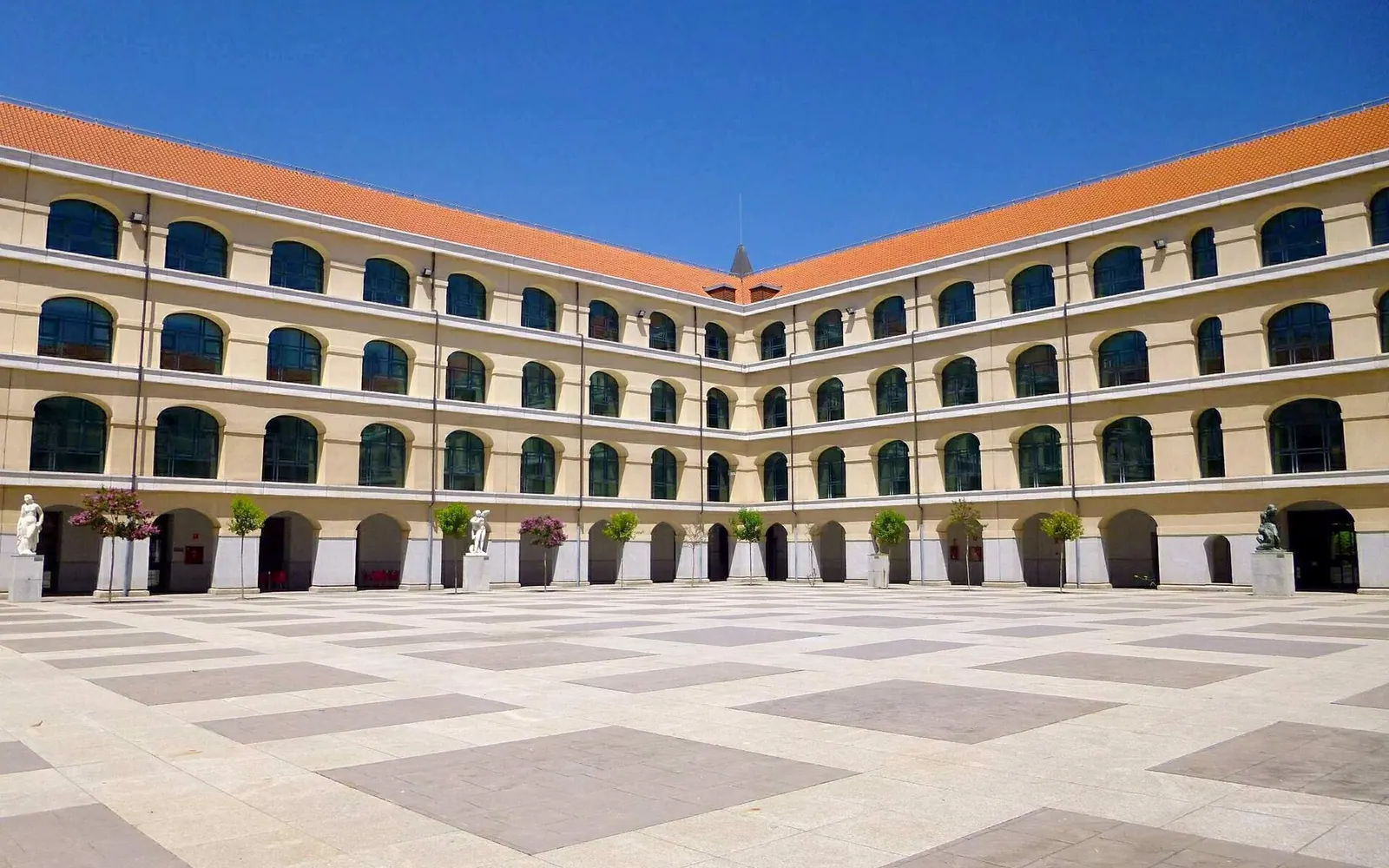
UC3M — Universidad Carlos III de Madrid
Public university on Madrid's Getafe and Leganés campuses; 20 bachelor's you can take fully…
Getafe and Leganés (Madrid)20 programmes
Southern Europe · May 2027 IB session · Autumn 2027 entry
One accreditation, UNEDasiss, unlocks almost every Spanish university
Madrid’s rooftops
11 institutions
6 universities
6 institutions · apply via UNEDasiss, then the region's preinscripción
UNEDasiss accreditation, then the preinscripción of the region or university. Ranked on the grade out of 14.
Catalonia runs one preinscripció for all its public universities. Elsewhere each university's preinscripción applies; most close in early July, some earlier.
Source
Public university on Madrid's Getafe and Leganés campuses; 20 bachelor's you can take fully…
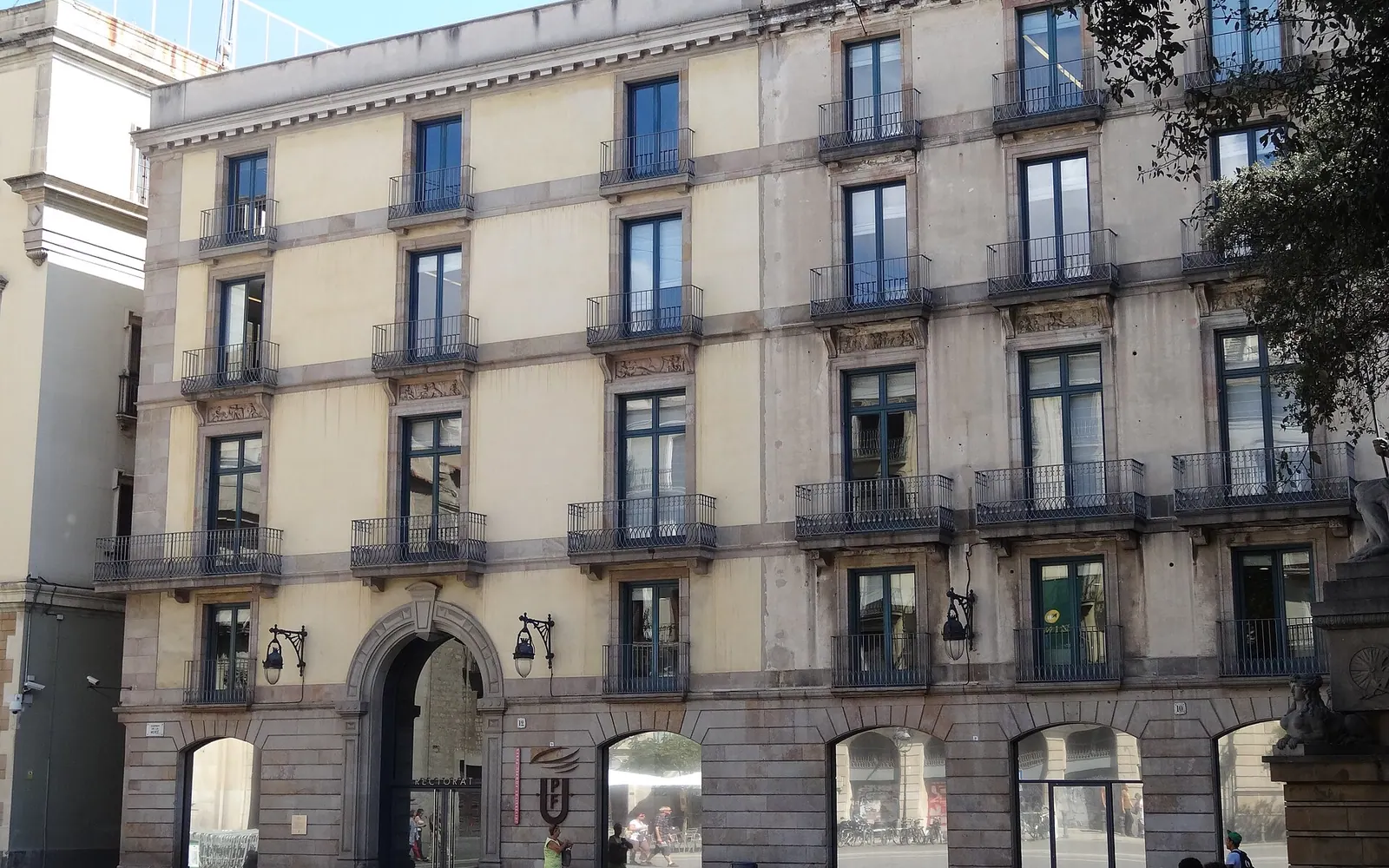
Public university in central Barcelona; eight bachelor's you can take in English, from International…
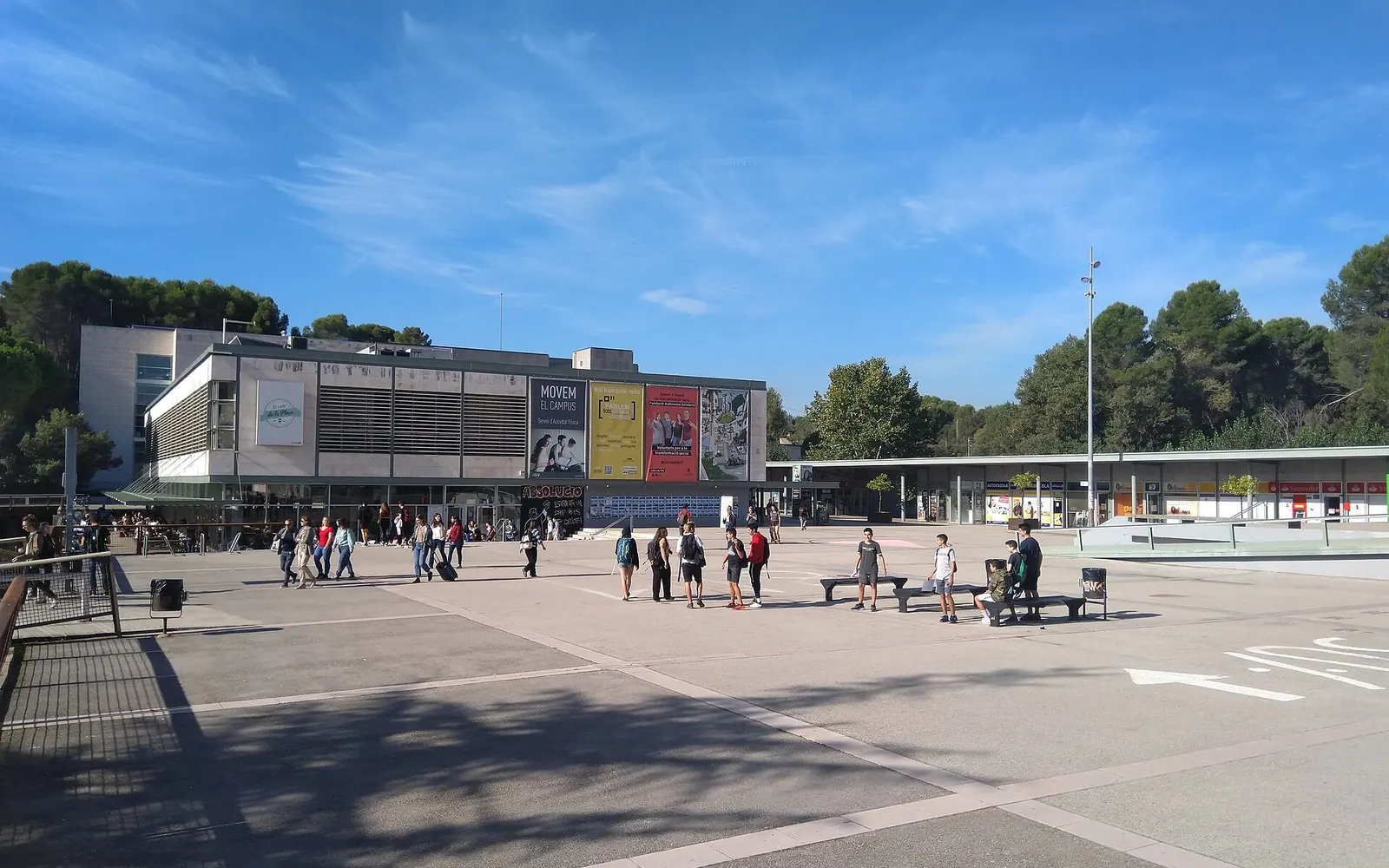
Public university on its own campus at Bellaterra, outside Barcelona; four bachelor's with complete…
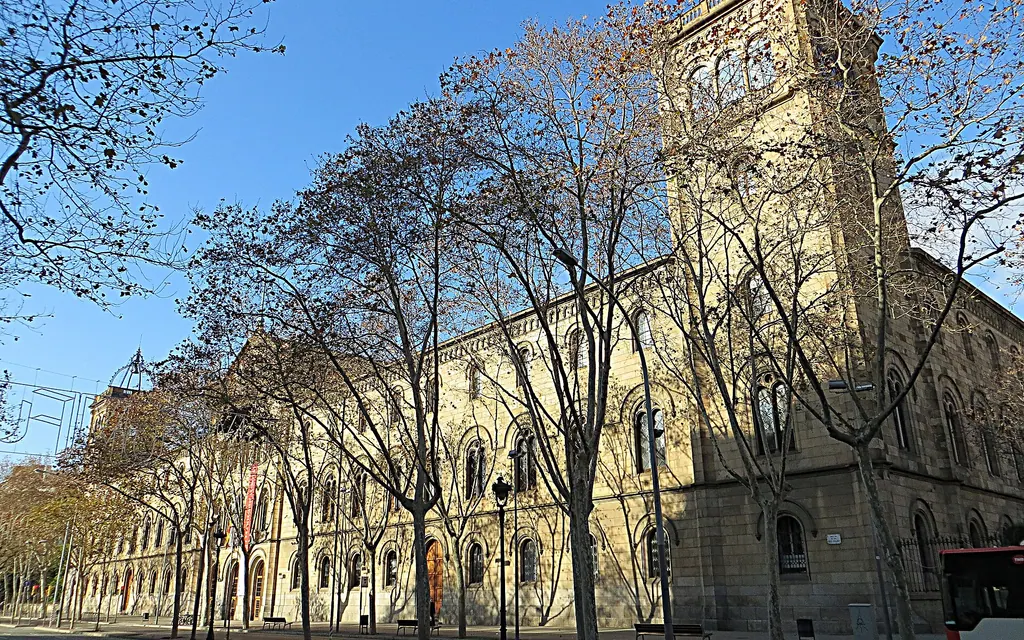
Public university across Barcelona's city campuses; English Studies is its fully English bachelor's option.
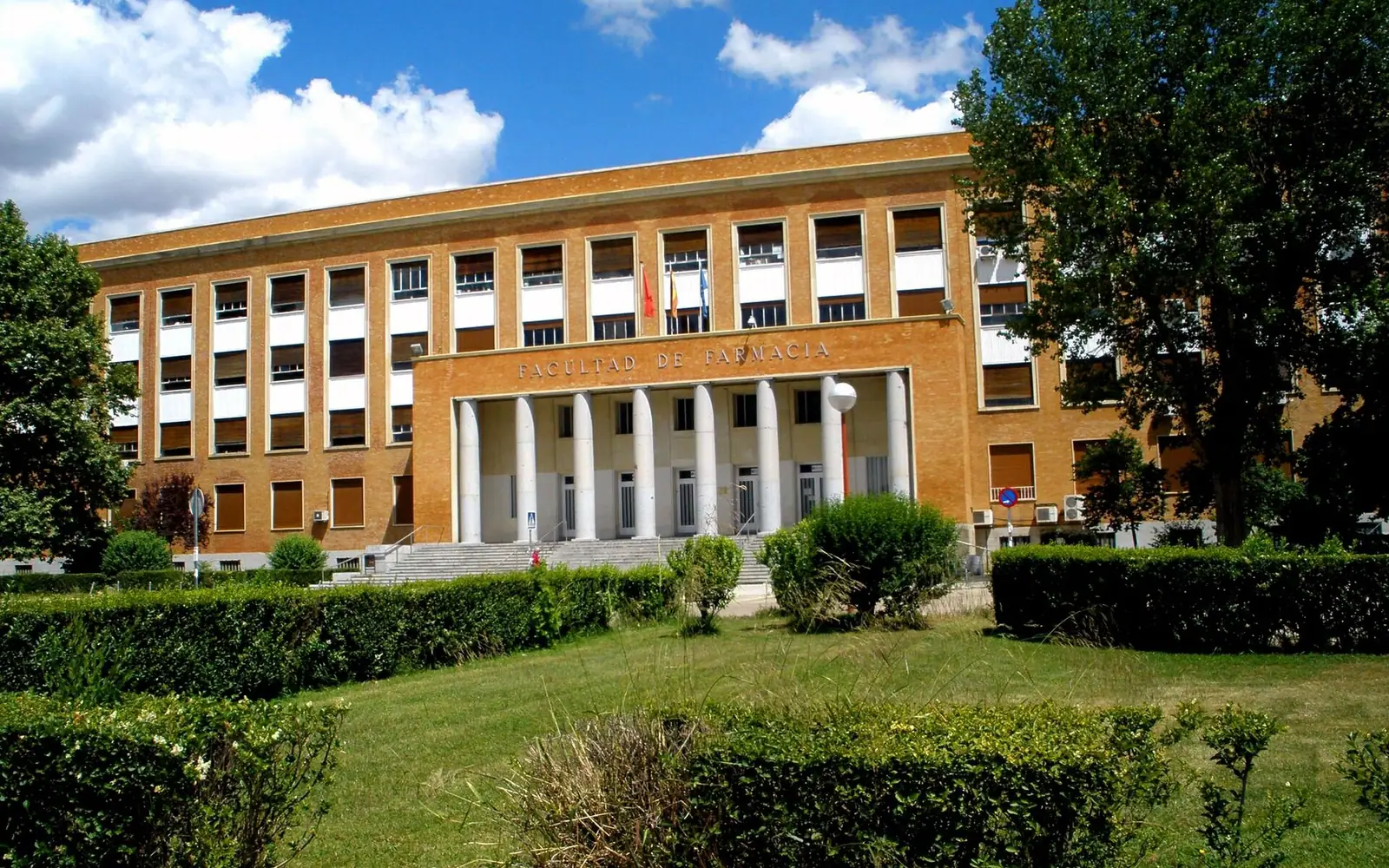
Public university in Madrid; Business Administration has a complete English route at the Somosaguas…
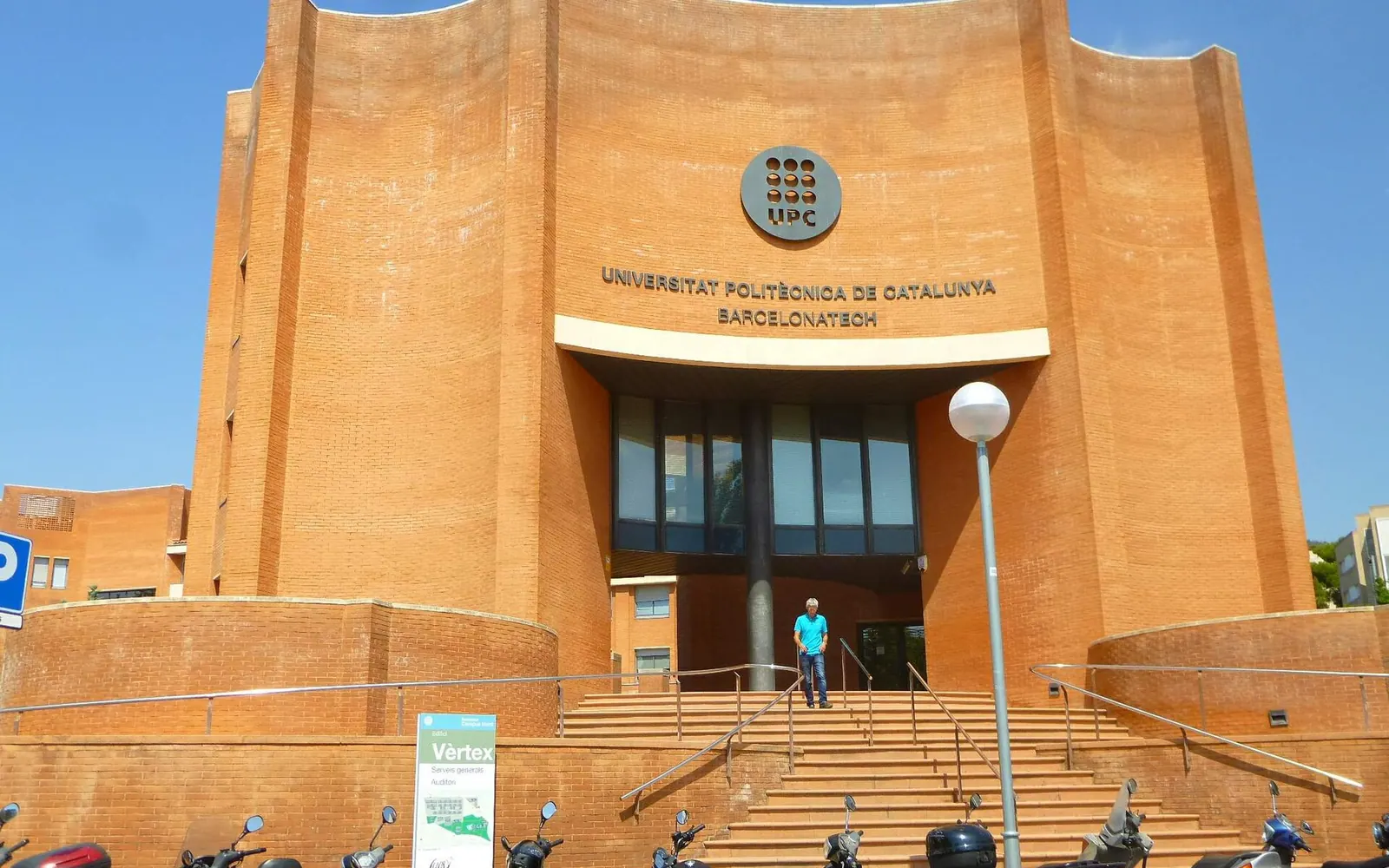
Public technical university in Barcelona; four bachelor's taught in English, from civil engineering and…
5 universities
5 institutions · apply to each directly
Applied to directly, in rounds from the autumn before entry, with a test and interview and a conditional offer on predicted grades.
Private university in Segovia and Madrid with English-taught bachelor's and five-year dual degrees, its…
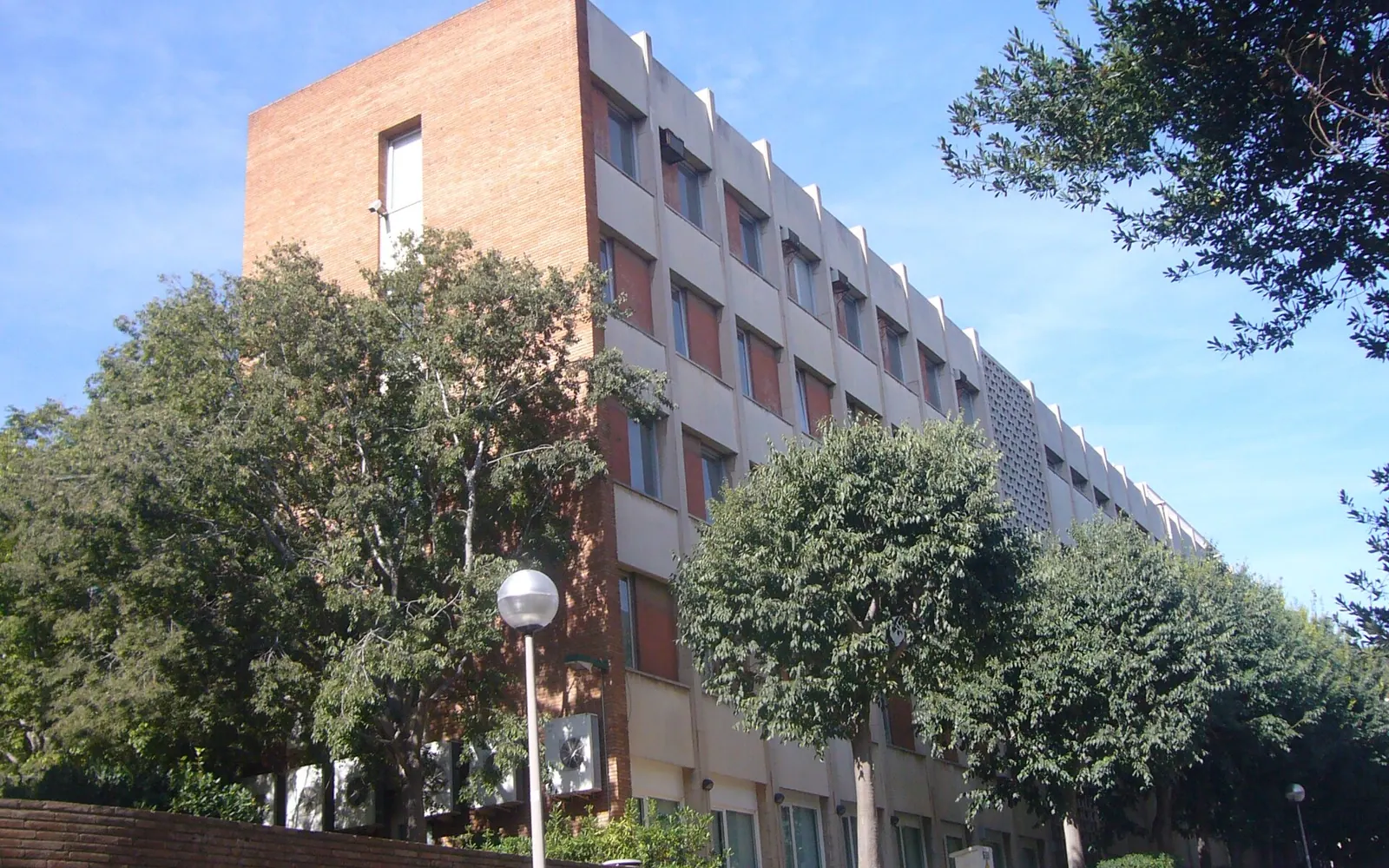
Private business and law school in Barcelona; four bachelor's and two double degrees taught…
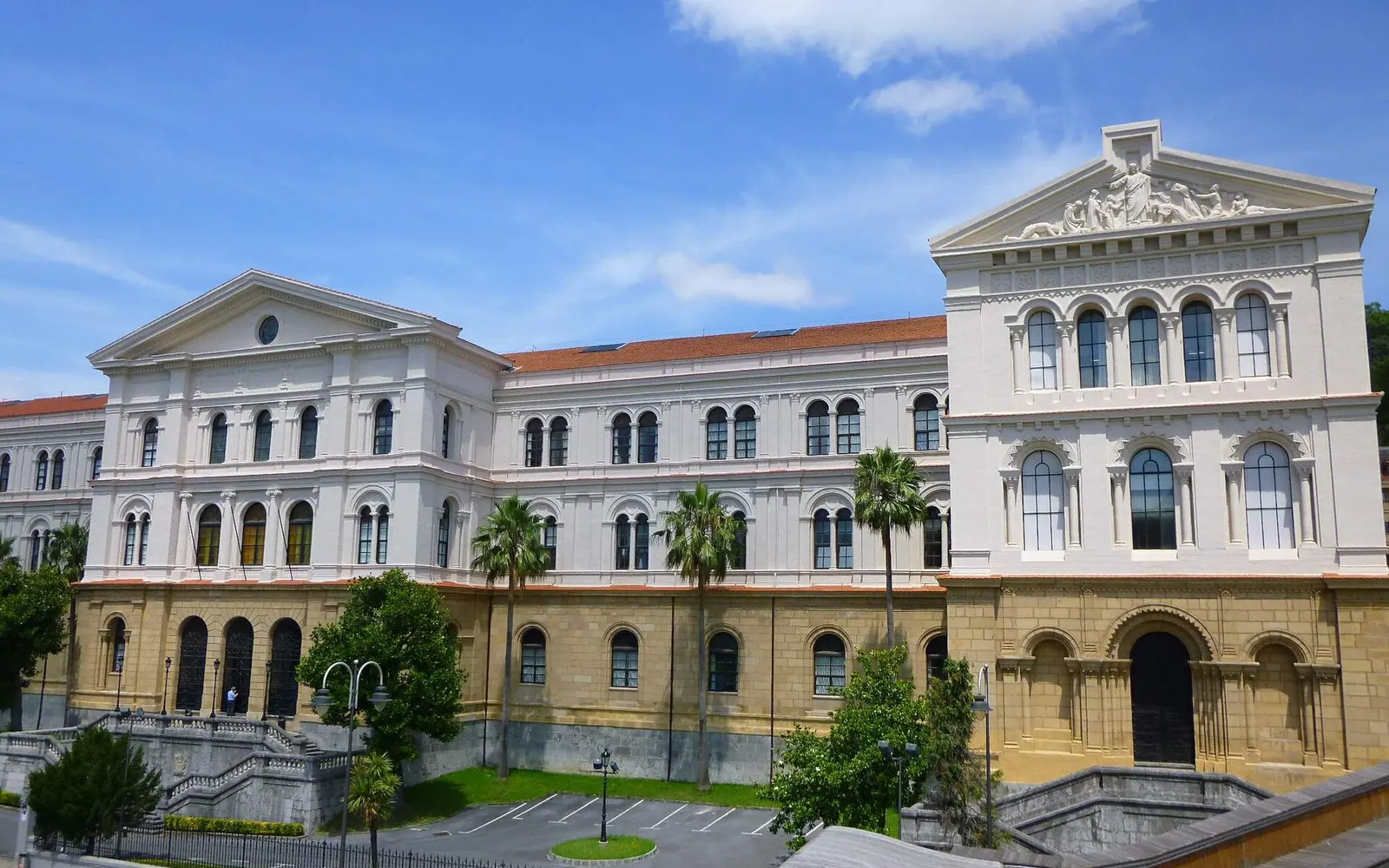
Private university in Bilbao and San Sebastián; its business degree, alone or with International…
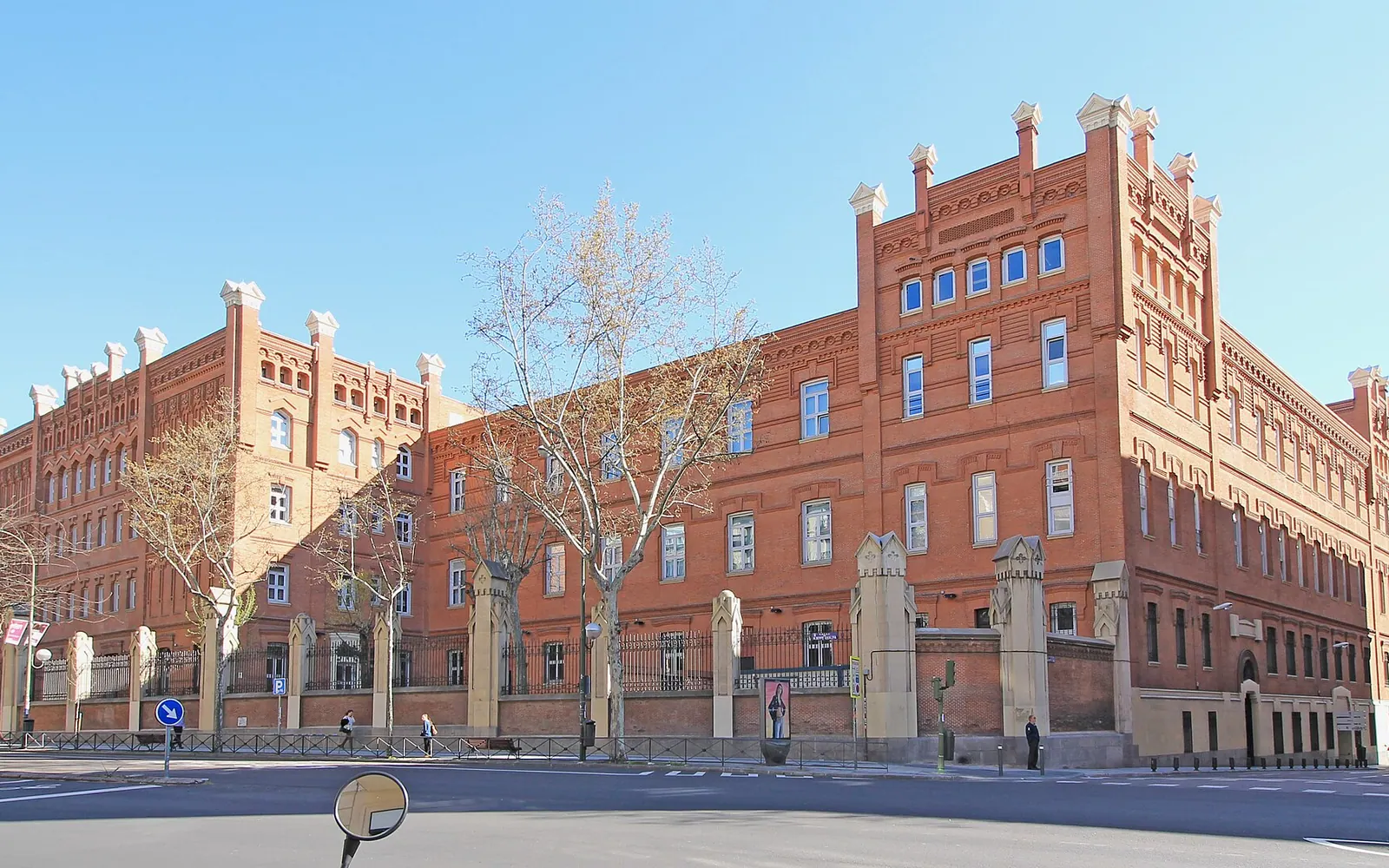
Private pontifical university in Madrid; four bachelor's taught entirely in English, in business (ICADE)…
Private university in Madrid; 15 bachelor's with a confirmed English route, from dentistry and…
This browser cannot draw the globe. Every place is in the list below.
Spain has a single gateway for IB students: an accreditation from UNED called UNEDasiss.
It turns your IB into a Spanish admission grade on a 14-point scale, and public universities then admit by rank on that number. You can raise the grade by sitting extra subject exams called PCE. Public university fees are low — roughly €1,000–€1,250 a year for an EU student at Carlos III — but English-taught bachelor's degrees are concentrated in a handful of universities, several of them private and much more expensive.
One digital accreditation (UNEDasiss) is accepted by most Spanish universities, so you do not repeat the paperwork for each one
The timetable is tight for an IB student: the ordinary PCE exams in Spain (25–29 May in 2026) fall in the week straight after the May IB exams end (20 May in 2026), so you revise for both at once
Degrees (grados) are taught at universidades, public or private.
Degrees (grados) are taught at universidades, public or private. Alongside them sit two-year Técnico Superior courses in vocational training (FP de grado superior) and in plastic arts and design, and the Enseñanzas Artísticas Superiores at conservatorios and schools of art and design.
Four-year grado. Admission by rank on the UNEDasiss grade in a regional preinscripción; low per-credit fees.
IE, Navarra, ESADE, Deusto, Comillas and others. Own tests, interviews and rolling rounds from the autumn before; much higher fees. Where most English-taught bachelors are.
Two-year practical courses with a work placement, and a recognised route on into a university degree. The Spanish route foreigners are rarely told about.
Not covered here; see the ministry's FP portal, todofp.es.
Music, dance, drama, design and conservation at conservatorios and escuelas superiores, with their own entrance tests.
Not covered here.
24 points (the full IB Diploma pass). The minimum for an equivalent Spanish grade to be issued.
Yes
24 points (the full IB Diploma pass). The minimum for an equivalent Spanish grade to be issued.
PCE subject exams, not HL/SL, are what Spanish universities use to check subject depth. Where a university does recognise IB subjects directly, HL subjects are the ones normally accepted for weighting — check this with the university.
UNEDasiss converts your IB record into a Spanish 'nota de acceso' between 5 and 10. That can be raised to a maximum 'nota de admisión' of 14 by adding up to 4 points from weighted subject exams (each weighted subject contributes up to 2 points, at a coefficient of 0.1 or 0.2 set by the destination university).
How Spain reads an IB Diploma.
These are the pages this section was written from. None has been signed off by a person yet, so confirm anything consequential at the source.
Before anything else, look up the admission criteria of the universities you want: which UNEDasiss services they demand, which subjects they weight for your degree, and - this is the one people skip - that university’s own preinscripción closing date, which can be earlier than the national one.
Create a UNEDasiss account and submit the accreditation request, selecting ‘Europa’ → ‘Programa del Diploma IB’ and ticking ‘Calificación para Admisión Universidad española’. UNED asks for this at least six weeks before the university round closes, and takes about three weeks to process it.
Send the documents: passport copy, compulsed copy of the IB Diploma, compulsed copy of your last two years’ grades. Posted from abroad they take more than 15 working days to reach UNED.
If you need more than 10 points, register for PCE exams in the subjects your target degree weights — normally four to six subjects. The May/June call comes the week straight after the IB exams end; the September call gives you the summer, but falls after the admission deadline.
Sit the PCE exams and let UNEDasiss compute your nota de admisión out of 14. Re-download your resguardo a week before each exam, because times and centres change.
Apply through the preinscripción system of the region you want (Madrid, Catalonia, Andalusia and the rest each run their own) or directly to a private university, quoting your UNEDasiss accreditation. Apply even if the accreditation has not arrived — UNED says to, and lets the paperwork follow.
Accept your place and enrol (matrícula), which at public universities means paying per credit.
Public universities admit strictly by rank on the nota de admisión against a published cut-off (nota de corte) for each degree, which moves each year with demand. Private universities (IE, Navarra, ESADE, Deusto, Comillas) run their own selection: own admission test, essays and interview, usually with rolling rounds from the autumn.
IE University: by 6 November 2026.
Hard deadline Via Spanish private university
After this the door closes.
A short window: Deusto takes undergraduate applications for 2027–2028 only from 2 to 30 November 2026.
Hard deadline Via Spanish private university
After this the door closes.
IE's other 2027-28 rounds: Early Round 18 September 2026 (passed), Round 1 6 November 2026, and Round 3, the last, 5 March 2027. From May 2027, only while places remain.
Applies to: EU, EEA and Swiss citizens
Hard deadline Via UNEDasiss, then the region's preinscripción
After this the door closes.
UNED states the window as an annual rule, 4 February to 1 December. Ignore the December end: the accreditation is needed for the early-July admission deadline, and processing takes about three weeks plus postage.
The one Spanish date that is safe to carry forward, because UNED states it as a standing annual rule rather than a calendar entry: "El plazo para solicitar la acreditación de UNEDasiss on line, se abre el 4 de febrero y se cierra el 1 de diciembre de cada año". The 1 December end is misleading on its own and UNED says so in the next sentence: the accreditation has to exist before the university admission round closes in early July, and UNED asks for the request "como mínimo, 6 semanas antes del cierre de inscripción universitaria". It has three months in law to process a request and says the usual turnaround is three weeks from receiving form, payment and documents together. Add postal time: UNED states that documents posted from abroad take more than 15 working days to arrive. And avoid the shutdowns - UNED is closed 29 March to 6 April 2026, 1 to 15 August 2026, and 24 December 2026 to 7 January 2027.
Via Spanish private university
Confirms a conditional offer. The university may still ask for UNEDasiss accreditation for enrolment.
Applies to: EU, EEA and Swiss citizens
Via UNEDasiss, then the region's preinscripción
Days before the preinscripción closes.
Via Spanish private university
IE, Navarra, ESADE, Deusto and Comillas run their own tests, interviews and rolling rounds from the autumn before entry, and make conditional offers on predicted grades. Earlier rounds have more places.
Applies to: EU, EEA and Swiss citizens
Hard deadline Via UNEDasiss, then the region's preinscripción
After this the door closes.
For 2026/27 UNED gave 7 July 2026 as the deadline for international students, with documents allowed until 31 July. Each region and university runs its own preinscripción and some close earlier: Catalonia has one for all its public universities; ask your university for its date.
Hard deadline
After this the door closes.
Precedent for the 2026 cycle, published in Spanish as "Convocatoria de mayo/junio de 2026: Puedes solicitar tus exámenes de PCE del 16 de marzo al 28 de abril de 2026 (puede sufrir pequeñas modificaciones)" - UNED itself flags that the window can shift slightly, so even the precedent is soft. The same date, 28 April, is also the last day to change which subjects you sit or which centre you sit them in. UNED's "Fechas clave 2026" page (https://unedasiss.uned.es/fechas_clave) covers only students starting in 2026/2027; the 2027/2028 dates had not been published on 23 September 2026. An earlier opening, 18 February 2026 at a UNED collaborating centre, is sometimes quoted, but it does not appear on UNED's site, so treat it as unconfirmed.
Hard deadline
After this the door closes.
Precedent for the 2026 cycle: "Convocatoria de mayo/junio de 2026. España, del 25 al 29 de mayo." The IB May 2026 exams ran from 24 April to 20 May, so the PCE came in the week straight after them and you revise for both at once. That is one of the hardest things about applying to Spain from an IB school, and the September call is the fallback. UNED does not publish a per-subject timetable in advance: "El resguardo ofrecerá las fechas exactas de realización de los exámenes de PCE/PAU una vez estén pagadas las correspondientes tasas", and it tells you to re-download that resguardo a week before the exams because times, dates and the address of the centre can change. Candidates sitting outside Spain are told only "Comprueba tu resguardo" - the overseas dates are not published on the page at all. UNED's "Fechas clave 2026" page (https://unedasiss.uned.es/fechas_clave) covers only students starting in 2026/2027; the 2027/2028 dates had not been published on 23 September 2026.
Hard deadline
After this the door closes.
Precedent for the 2026 cycle: "Convocatoria de septiembre 2026: Puedes solicitar examinarte de PCE del 1 de julio al 22 de julio de 2026", with 22 July also the last day to change subjects or exam centre. This is the realistic call for an IB student who will not sit PCE the week after the IB exams end - but read it against the public-university admission deadline, which for the 2026 cycle fell on 7 July, before this registration window had even closed. Sitting PCE in September means applying for admission in July on the strength of an accreditation that does not yet include a PCE mark. UNED's "Fechas clave 2026" page (https://unedasiss.uned.es/fechas_clave) covers only students starting in 2026/2027; the 2027/2028 dates had not been published on 23 September 2026.
Hard deadline
After this the door closes.
Precedent for the 2026 cycle: "Convocatoria de septiembre de 2026: Los exámenes se realizarán del 2 al 8 de septiembre." UNED's "Fechas clave 2026" page (https://unedasiss.uned.es/fechas_clave) covers only students starting in 2026/2027; the 2027/2028 dates had not been published on 23 September 2026. A results date of 20 September is sometimes quoted for the September call, but it does not appear on UNED's pages, so treat it as unconfirmed.
Applies to: international applicants with a foreign qualification
Hard deadline
After this the door closes.
The date most likely to be missed, because it is published by UNED rather than by the university you are applying to. For the 2026 cycle UNED put it plainly, in Spanish: "La fecha límite para solicitar la admisión en las universidades públicas por parte de los estudiantes internacionales que deseen iniciar estudios en el curso 2026/2027 es el 7 de julio de 2026." The surrounding sentence is the one to act on: "Si en esa fecha aún no dispones de tu acreditación, te recomendamos que presentes igualmente tu solicitud de admisión. Podrás aportar la documentación pendiente hasta el 31 de julio." So the application itself is the hard deadline and the paperwork can follow by roughly three weeks. UNED also warns that preinscripción is run by each university on its own calendar - "Las universidades públicas suelen cerrar su plazo de preinscripción en los primeros días del mes de julio, aunque algunas pueden tener plazos distintos" - so the regional system you actually apply through (Madrid, Catalunya, Andalucía and the rest each run their own) may close earlier than the national date. Ask the university for its own date rather than planning against this one. UNED's "Fechas clave 2026" page (https://unedasiss.uned.es/fechas_clave) covers only students starting in 2026/2027; the 2027/2028 dates had not been published on 23 September 2026.
Applies to: applicants whose documents are still being legalised
Hard deadline
After this the door closes.
The end of the line for anything still in the post. For the 2026 cycle: "Los estudiantes que remitan esta documentación pendiente o la credencial de homologación con fecha límite el 31 de octubre, podrán obtener una nueva acreditación con la calificación de admisión modificada si procede. La documentación recibida con posterioridad a esa fecha, no modificará la calificación de admisión en esa convocatoria." In practice: if a grade or a legalised document arrives after the end of October, your admission mark for that intake is whatever UNED already has. An IB Diploma is a Swiss document and needs no apostille, so this bites mainly on the school transcripts that go with it. UNED's "Fechas clave 2026" page (https://unedasiss.uned.es/fechas_clave) covers only students starting in 2026/2027; the 2027/2028 dates had not been published on 23 September 2026.
A real but concentrated offer. Most English-taught bachelors sit at a handful of universities — IE, Carlos III, Pompeu Fabra, Navarra, ESADE, Autònoma de Barcelona, Deusto, Comillas — rather than being spread across the system.
A real but concentrated offer. Most English-taught bachelors sit at a handful of universities — IE, Carlos III, Pompeu Fabra, Navarra, ESADE, Autònoma de Barcelona, Deusto, Comillas — rather than being spread across the system. No official national count is given here.
UNEDasiss offers a language-accreditation service, and universities generally accept IB English A or B; the accepted grade or IELTS/TOEFL alternative varies by university, so check each one.
Not for English-taught programmes
Public universities charge per credit and the price is set regionally.
Public universities charge per credit and the price is set regionally. Universidad Carlos III de Madrid 2026/27: €16.92 per credit for social sciences and law (€1,015.20 for a 60-credit year), €19.43 for engineering and maths (€1,165.80), €20.68 for biomedical engineering and neuroscience (€1,240.80), plus small administrative and insurance fees. Private universities are far higher and set their own fees. (2026/27)
Set by each region and university. Universidad Carlos III de Madrid 2026/27, for non-EU students without Spanish resident status: €113.71–€136.44 per credit, €6,822.60–€8,186.40 for a 60-credit year. A study permit does not count as residence for this purpose. (2026/27)
UNEDasiss charges per service. As published on its price page: access grade (Calificación de Acceso) €70; opening a file €30.30 and secretarial fee €15.15, never refunded; PCE exams €35 for one subject, rising to €140 for six; each Bachillerato 'modalidad' €25; language accreditation €25 per language. Fees are payable even if a service is refused. Private universities charge their own application fees.
As an EU/EEA citizen you travel on your passport or national ID card.
As an EU/EEA citizen you travel on your passport or national ID card. If you stay more than three months you register in the Registro Central de Extranjeros and receive a green EU registration certificate with a NIE number. You need the NIE for a bank account, a phone contract and usually for enrolment itself, so apply for an appointment as soon as you arrive. You will also normally register on the local padrón at the town hall.
EU/EEA citizens have full labour-market access in Spain with no permit. Non-EU students hold a study residence permit that allows limited part-time work, so check the current hour limit on the permit.
Spain relies heavily on the private rental market and shared flats (piso compartido). University halls (colegios mayores and residencias) exist and are mostly private, catered and expensive. Madrid and Barcelona are tight and pricey; Segovia, Pamplona and Bilbao are far easier. Start looking in June or July, and expect to be asked for a deposit plus one or two months in advance.
Bring a European Health Insurance Card, which covers you as a visiting EU citizen. Once you register as a resident you can normally be enrolled with a local health centre and assigned a doctor; private universities often bundle or require private insurance instead.
If you hold Spanish citizenship, you do not register a right of residence or prove your fee status, and Spain's own student grants and loans are open to you on their ordinary terms; check them, because some depend on where you have lived.
Your IB is still a foreign qualification here, so the IB entry rules still apply to you.