
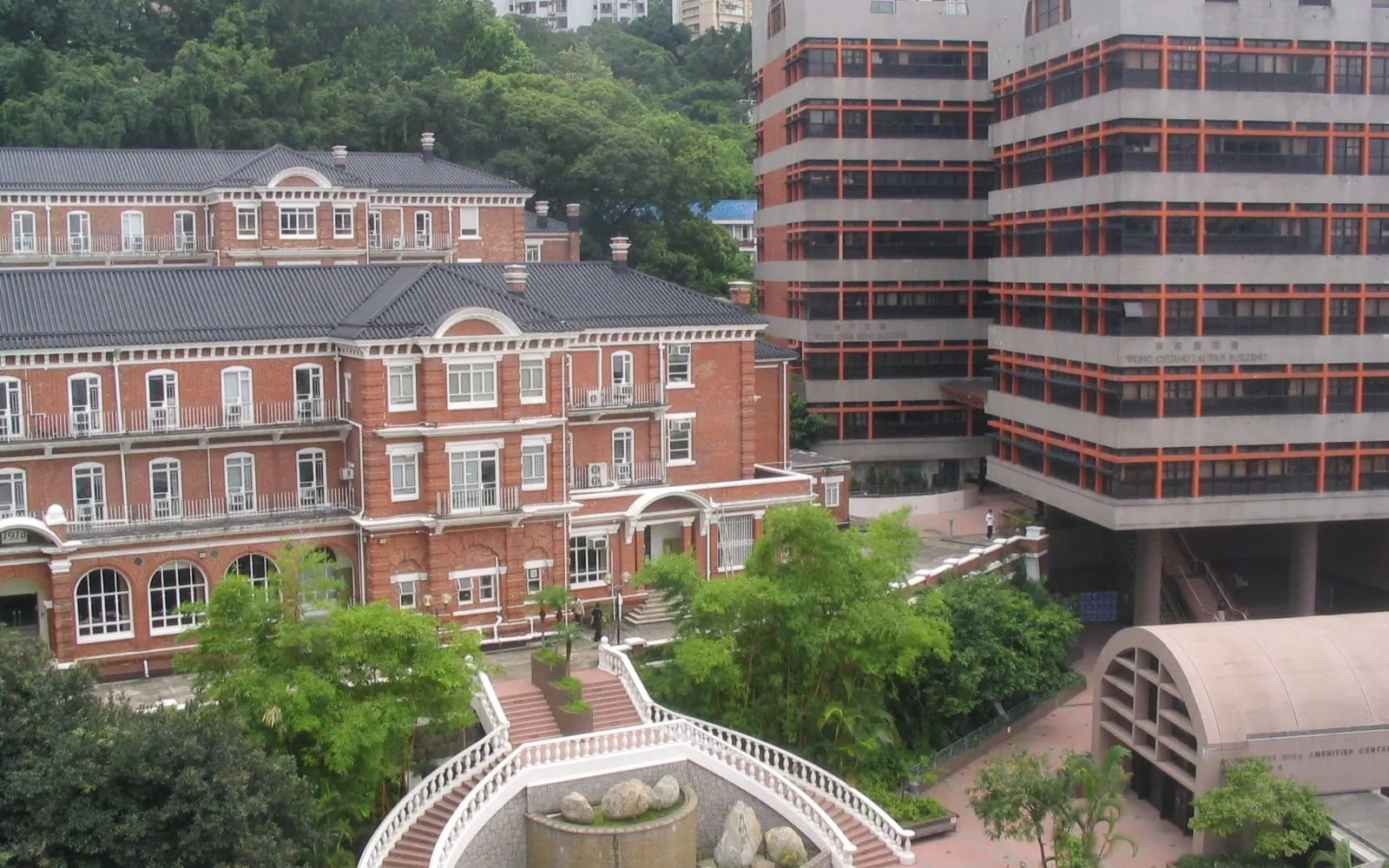
HKU — The University of Hong Kong
Pokfulam university incorporated in 1911 with 152 listed undergraduate programmes taught in English; 17…
Pokfulam, Hong Kong IslandNearly all in English

East Asia · May 2027 IB session · Autumn 2027 entry
British-style degrees, published IB requirements, and rising fees
Victoria Harbour
13 institutions
Pokfulam university incorporated in 1911 with 152 listed undergraduate programmes taught in English; 17…
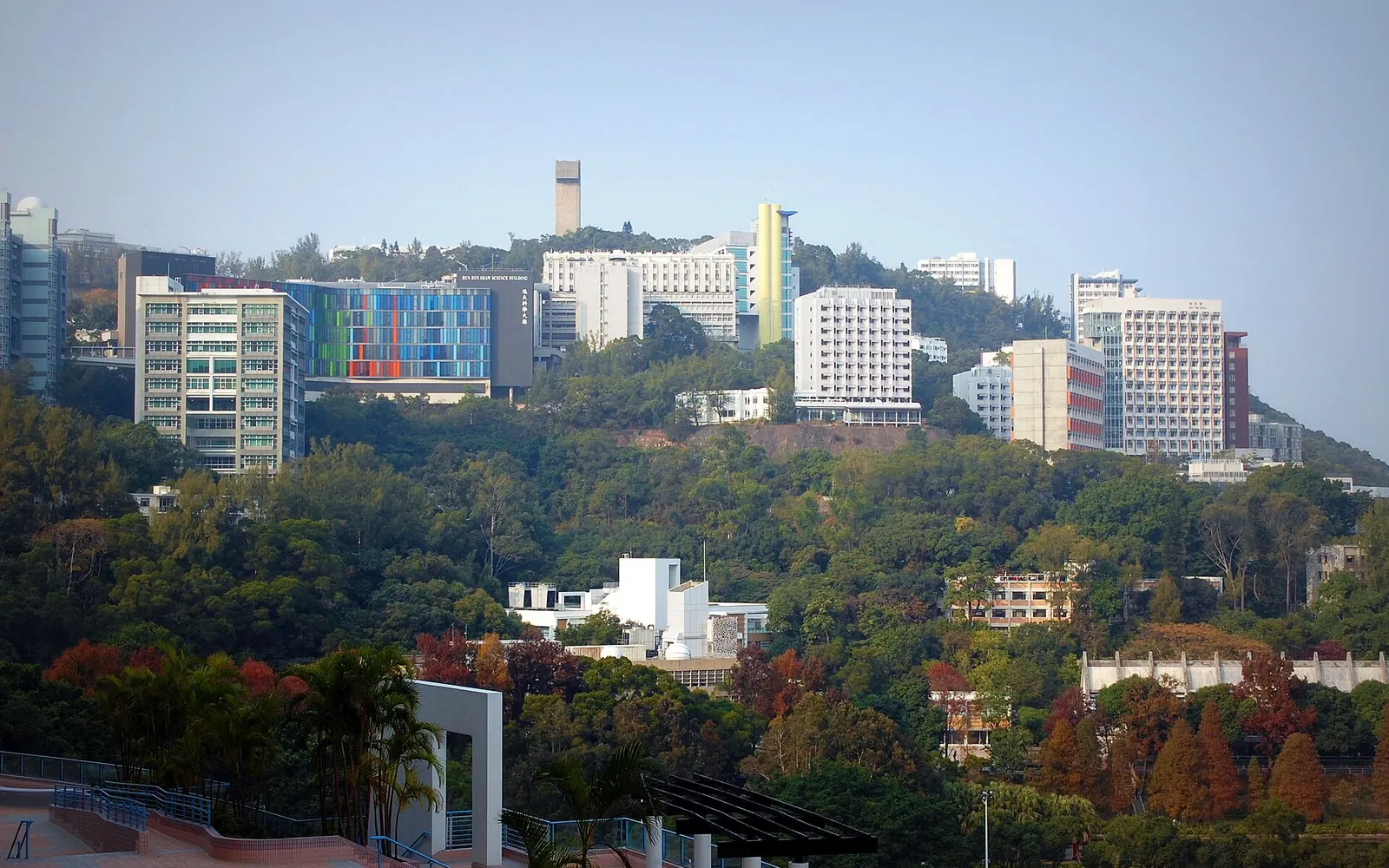
Sha Tin university with eight faculties and a collegiate system; the stated IB minimum…
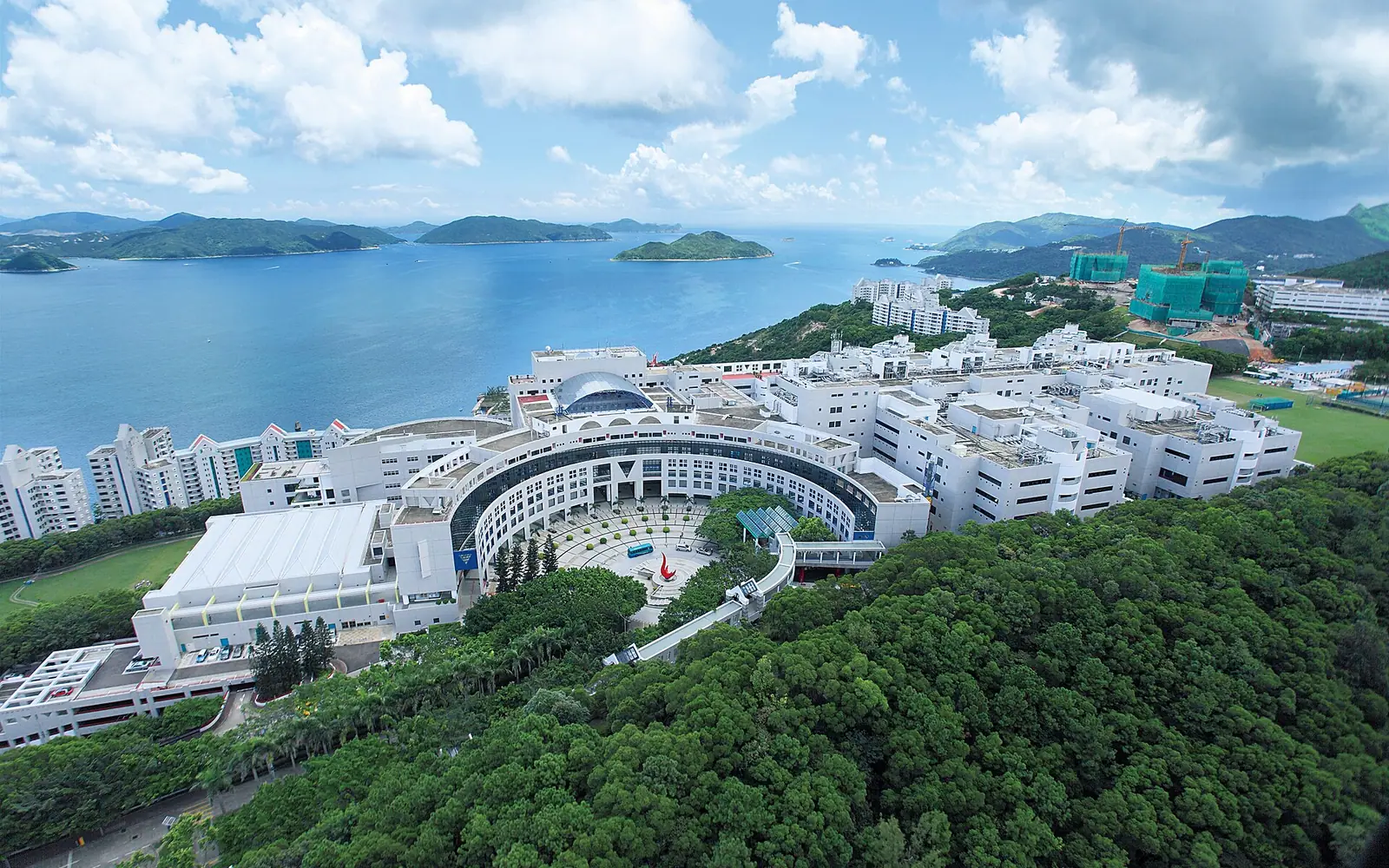
Clear Water Bay science, engineering and business university; the middle half of 2026 entrants…
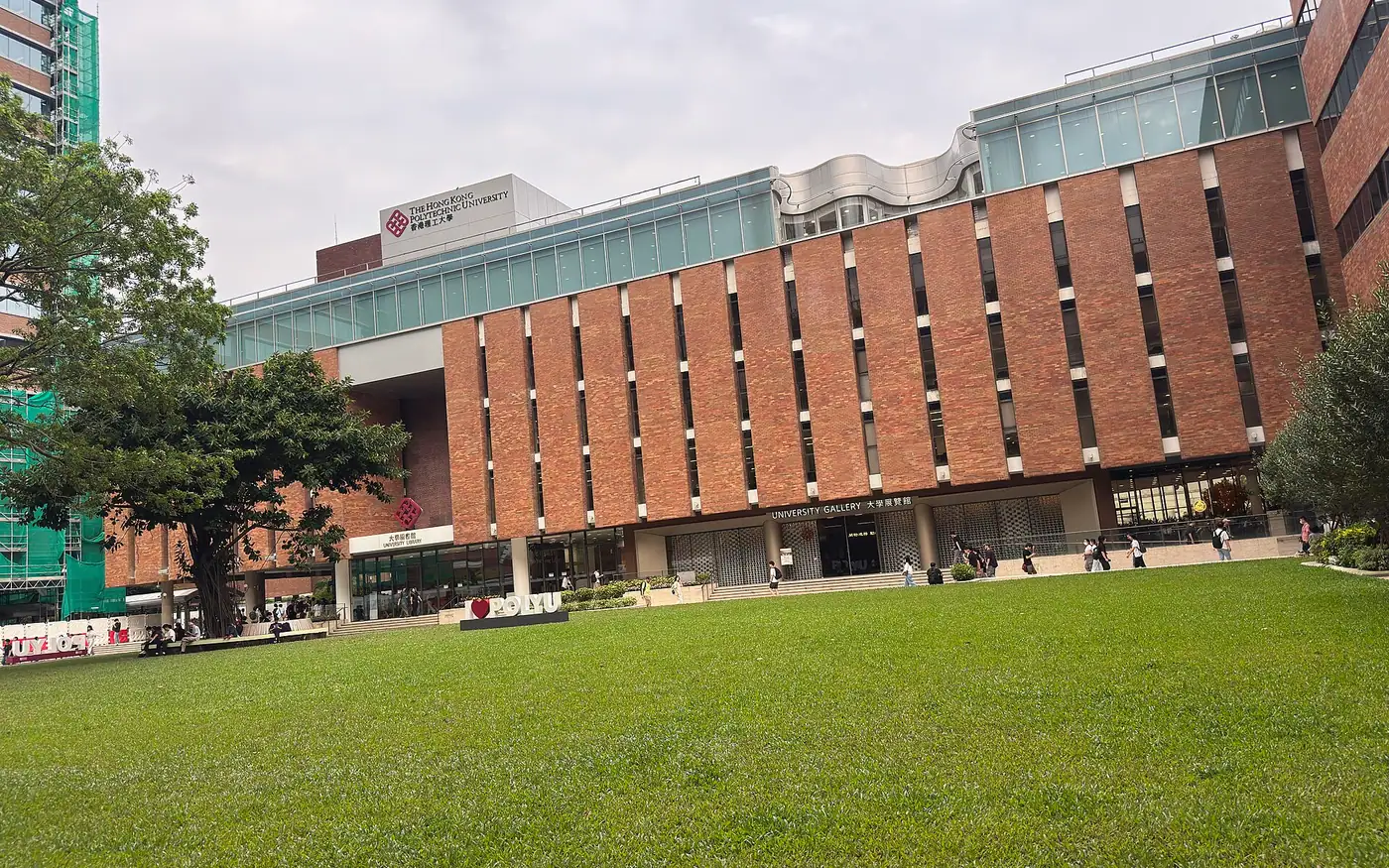
Hung Hom university strong in design, hotel and tourism, health and engineering; the middle…
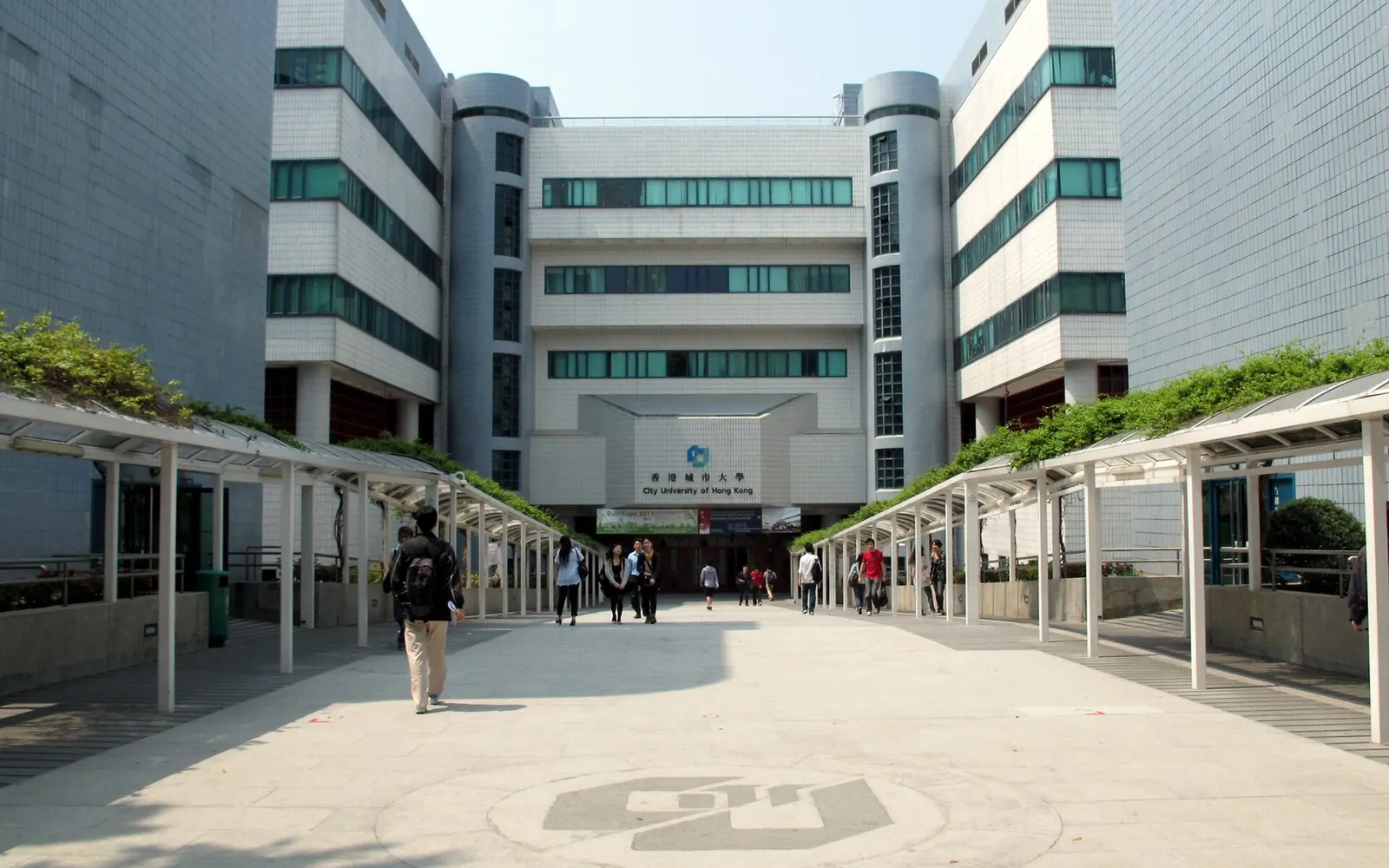
Hong Kong university taught in English, with ten colleges and schools, a Cornell-linked veterinary…
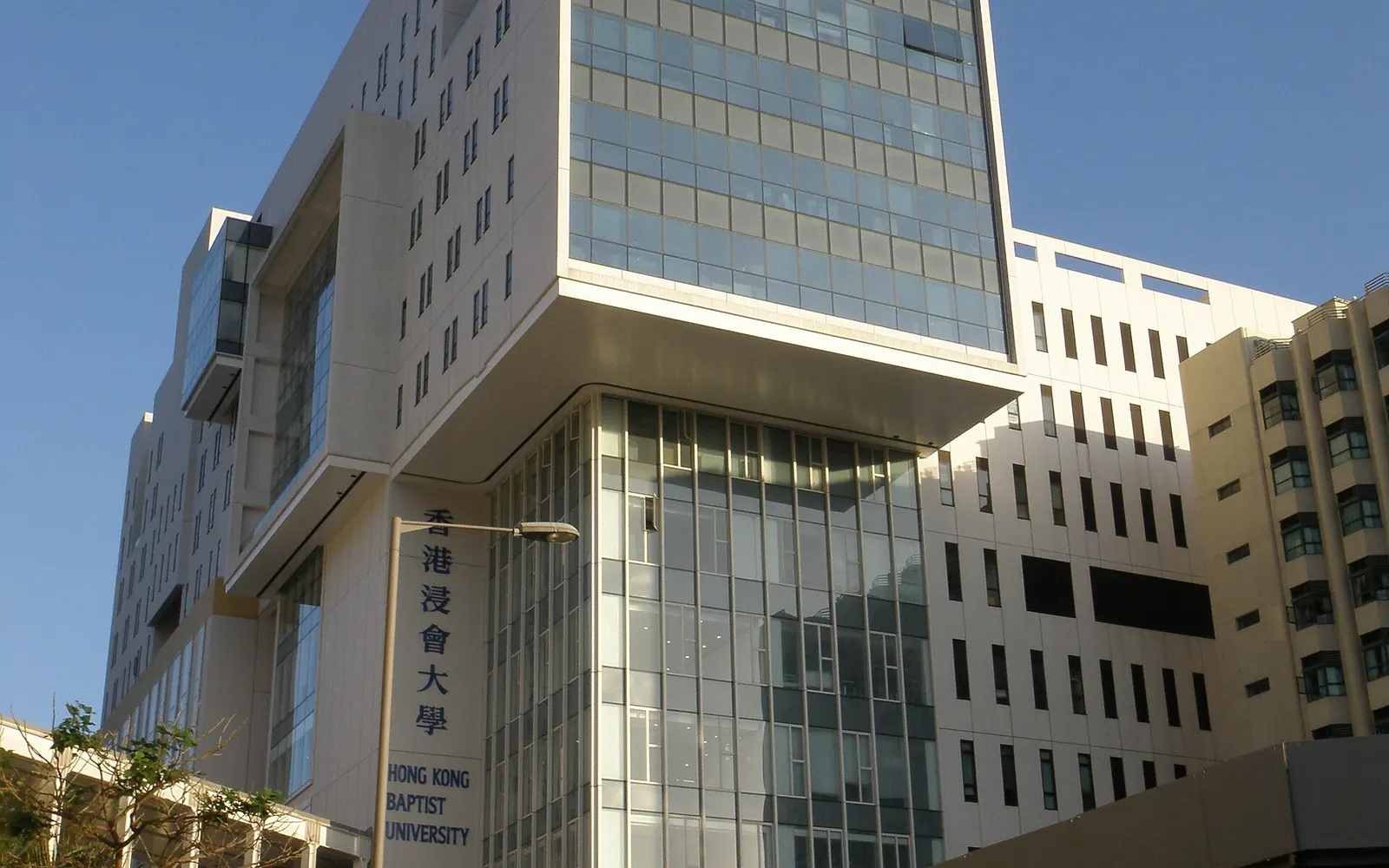
Kowloon Tong liberal arts university with 23 undergraduate programmes and over 40 majors; the…
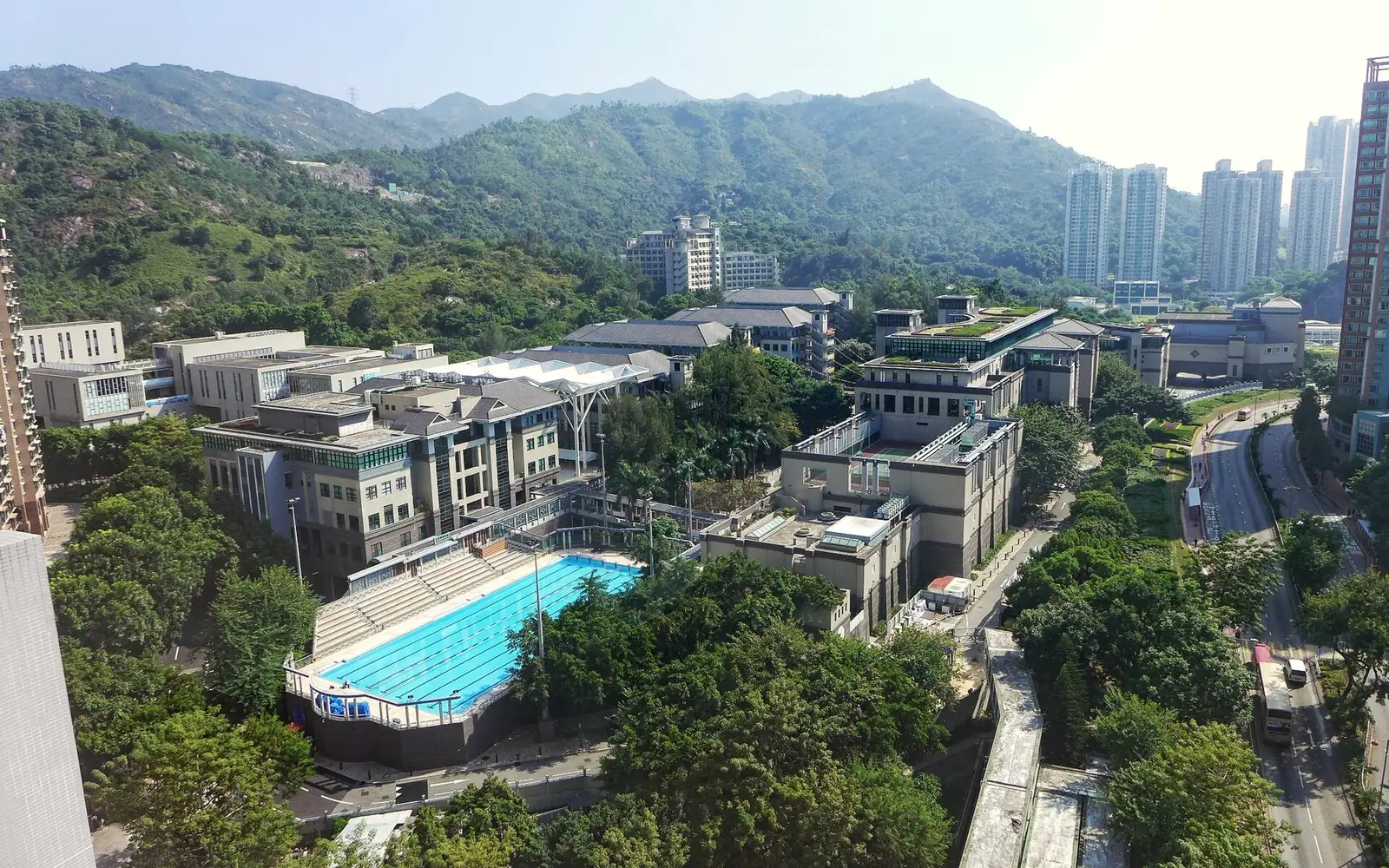
Tuen Mun liberal arts university with 34 programmes across arts, business, social sciences and…
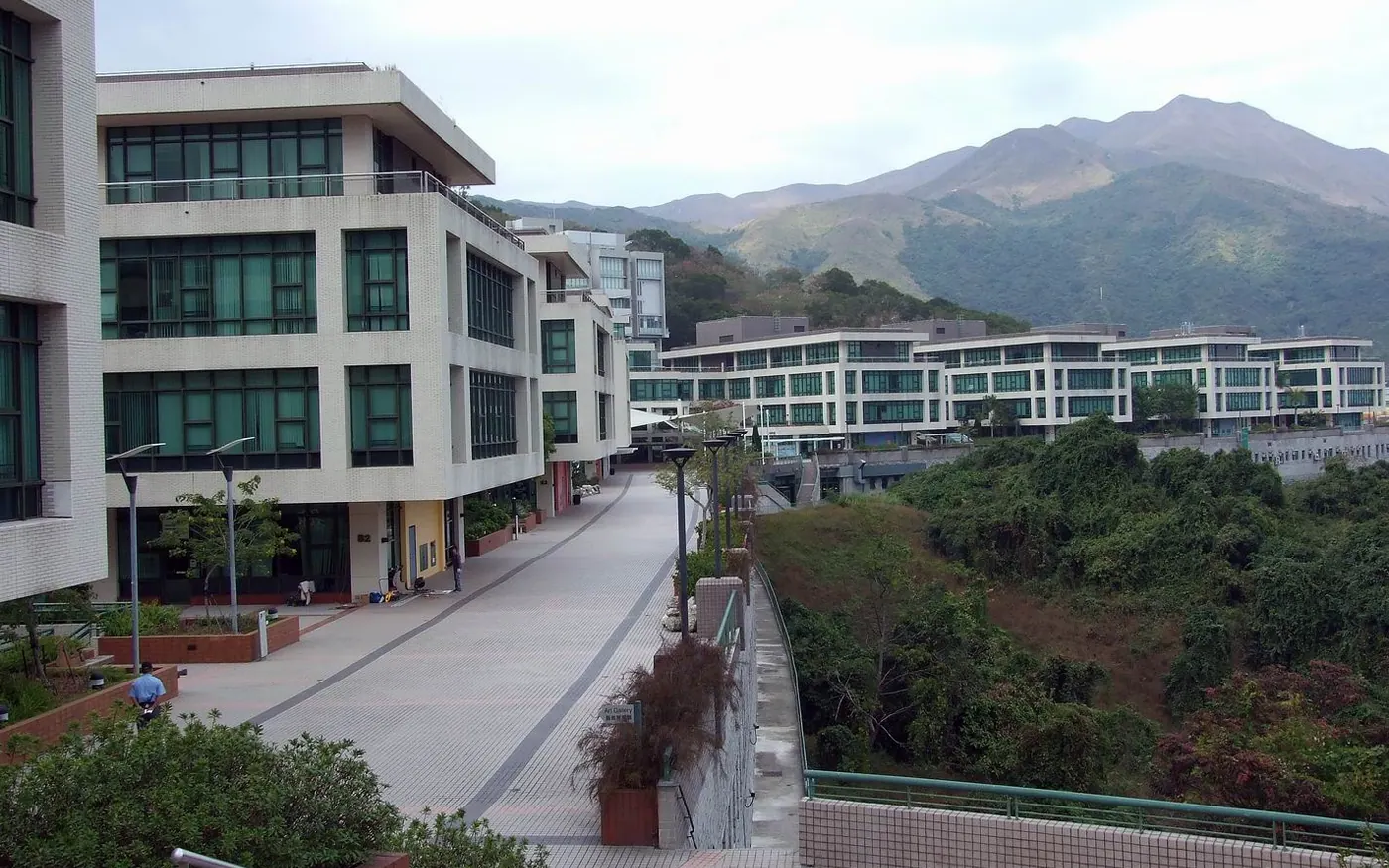
Tai Po university known for teacher education; five of its non-teaching degrees are taught…
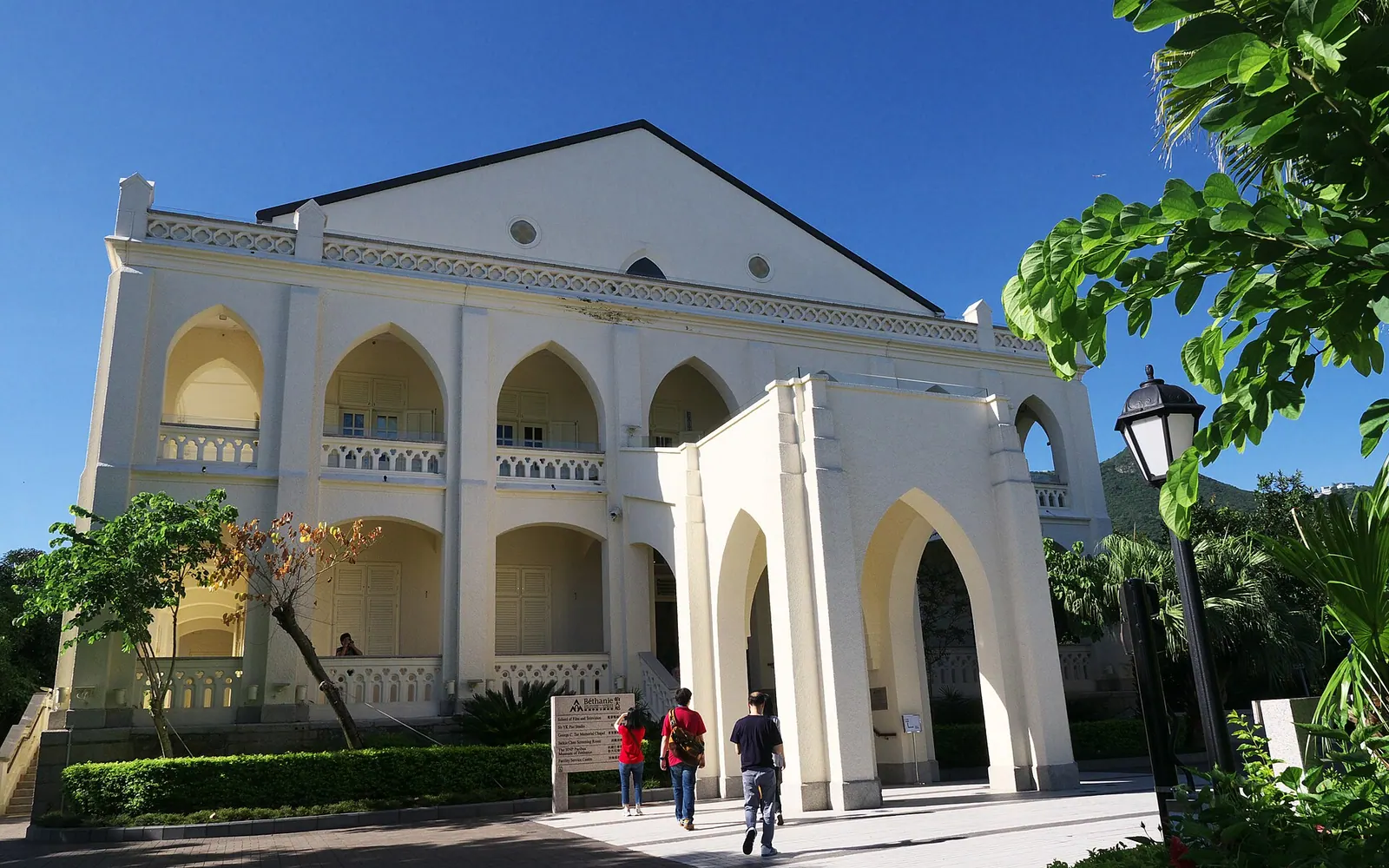
Wan Chai performing-arts academy with degrees in music, dance and theatre arts; entry is…
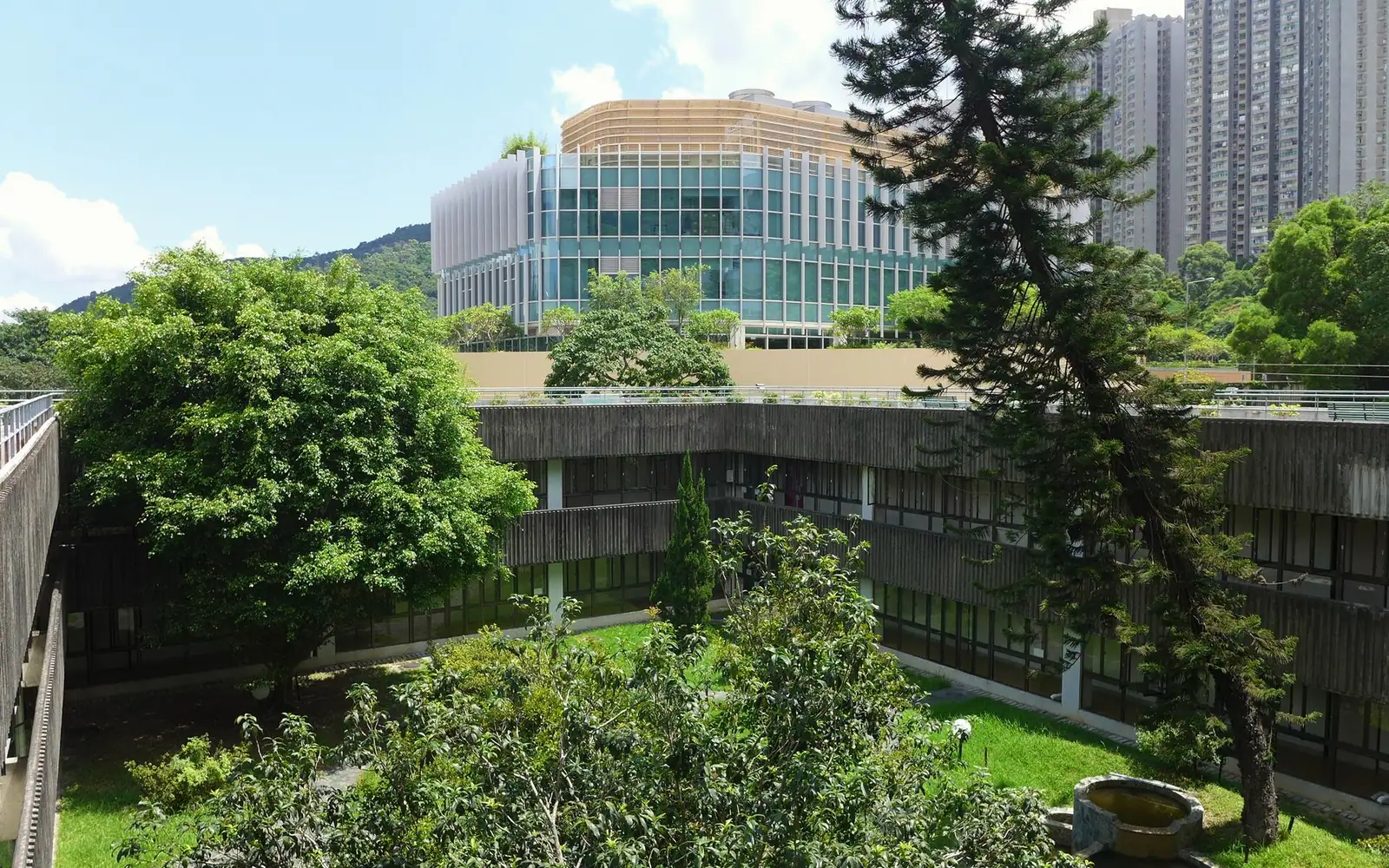
Sha Tin residential university of about 6,700 students; an IB Diploma of 24 points…
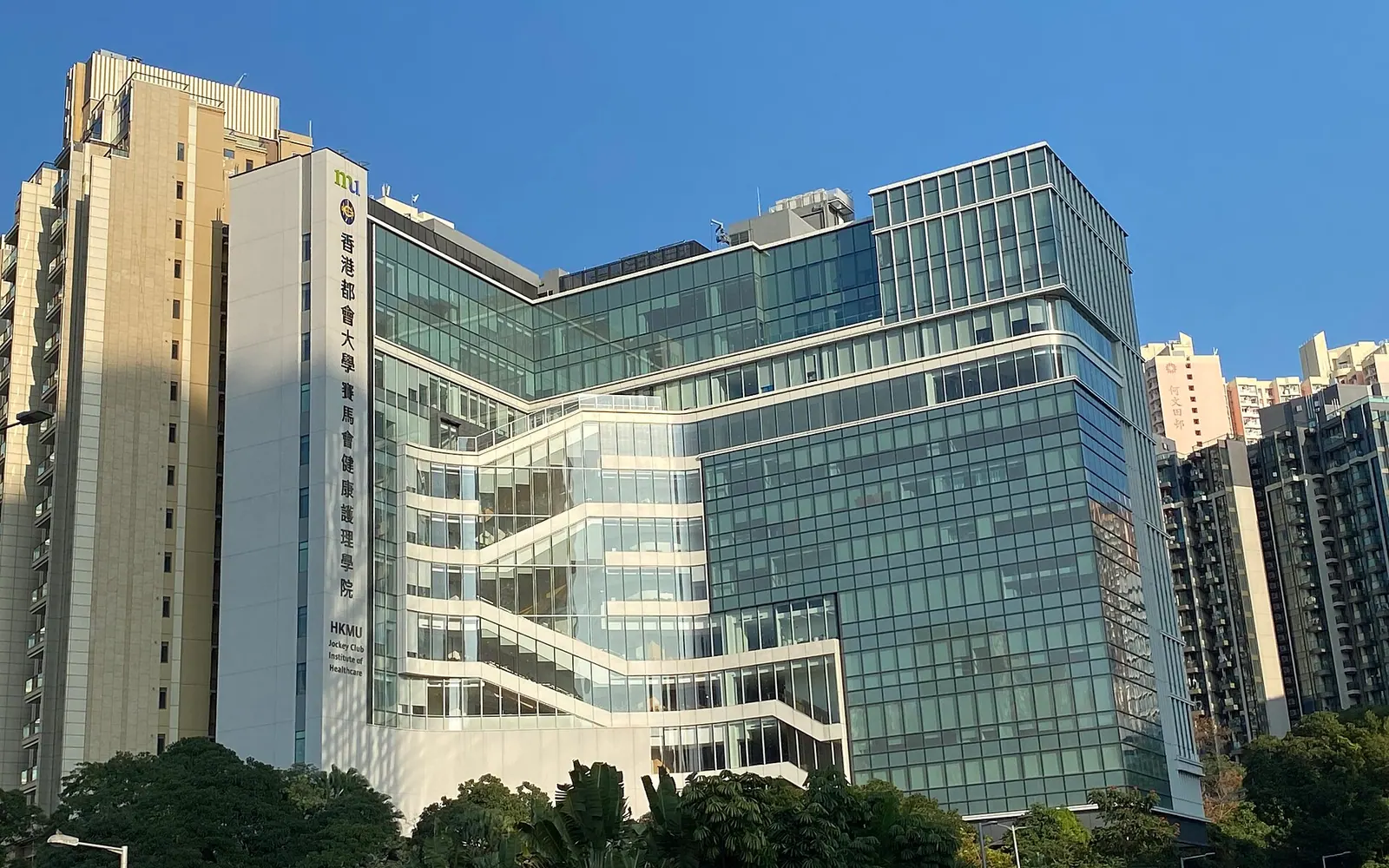
Ho Man Tin university with a direct route for non-local applicants; two science and…
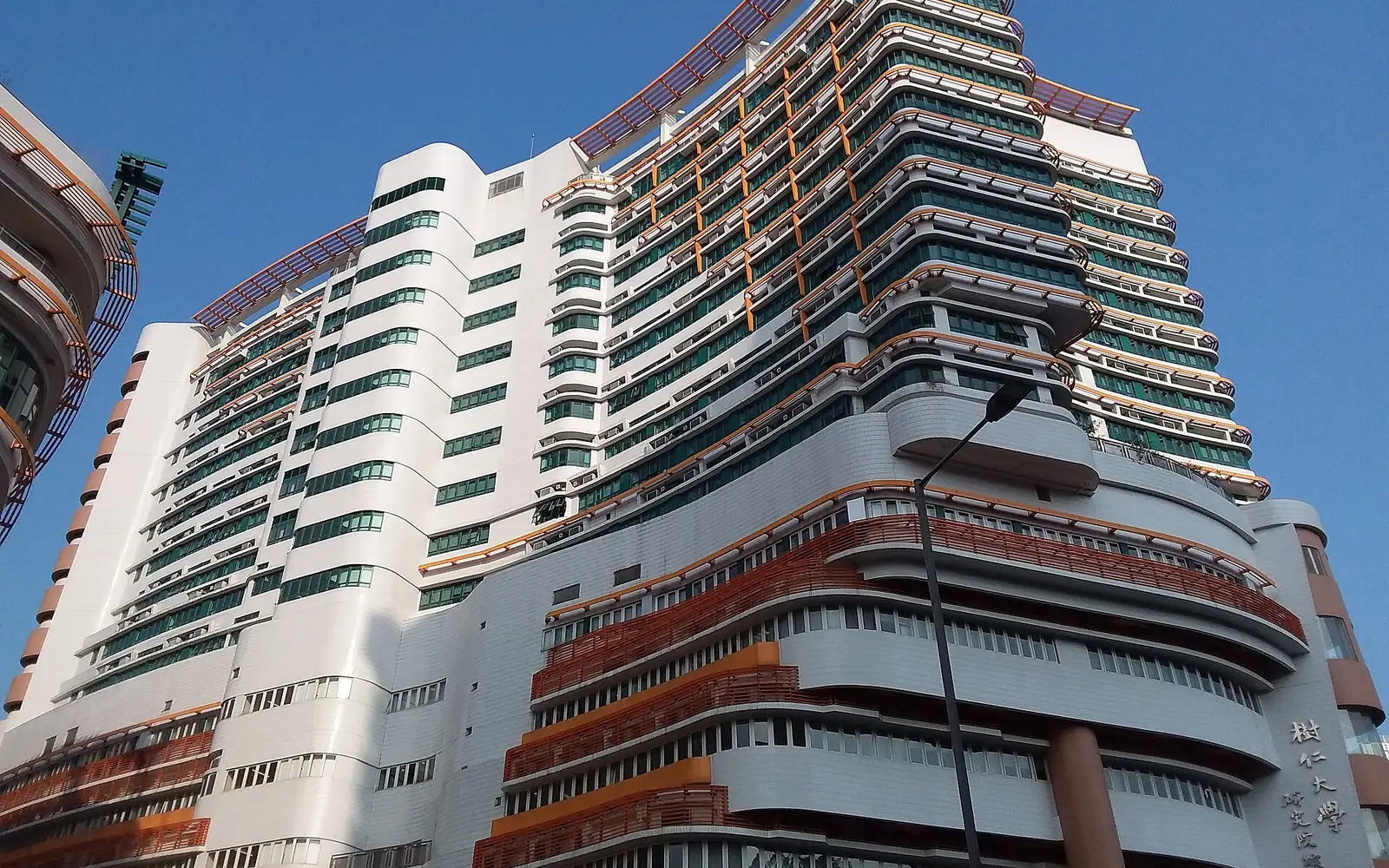
A small, teaching-focused private university, with journalism and communication, psychology, law and business taught…

Part of the Vocational Training Council, with unusually specific applied degrees you will not…
This browser cannot draw the globe. Every place is in the list below.
Hong Kong's universities teach in English, publish their entry requirements in IB points and run a separate non-JUPAS route for international qualifications.
Most places are decided in rounds closing between 12 November 2026 and mid-January 2027, on predicted grades; HKU alone keeps applications open past IB results. Degrees last four years, the first one broad. The problem is cost: 2027/28 non-local tuition runs from HK$230,000 a year at CUHK to HK$280,000 for STEM at HKU, so an entrance scholarship matters.
Deadlines work for IB students. HKU's first round closes 25 November 2026 and it then reviews on a rolling basis until 25 August 2027, after results; HKUST's priority round is also 25 November 2026, with applications open until 30 June…
Fees are the headline risk. 2027/28 non-local tuition: HKU HK$280,000 a year for STEM, HK$250,000 non-STEM, HK$590,000 medicine and dentistry; HKUST HK$260,000; PolyU HK$240,000; CUHK HK$230,000.
Eight universities are funded by the University Grants Committee (UGC).
Eight universities are funded by the University Grants Committee (UGC). Beside them are the Academy for Performing Arts, which is publicly funded outside the UGC, and a group of self-financing universities. Below degree level, associate degrees and higher diplomas are a large route of their own.
HKU, CUHK, HKUST, PolyU, CityU, HKBU, Lingnan and EdUHK. These are the universities most students mean by Hong Kong. Each admits non-local students directly, on its own dates.
Degrees in dance, drama, music, film and theatre production. Admission is by audition or portfolio.
Its admissions pages are not covered in detail here.
Hang Seng University, Metropolitan University, Shue Yan University and THEi. Degree-awarding, without recurrent government funding, and more career-focused than the UGC eight.
Their entry for non-local IB students is not covered here.
Two-year programmes at community colleges and institution-linked schools. Many Hong Kong students use them to top up into a degree later. Foreign guides rarely mention this route.
Not covered here.
CUHK: 30 points out of 45 for non-local applicants.
Yes
CUHK: 30 points out of 45 for non-local applicants. HKU and HKUST list the IB as an accepted qualification but publish requirements programme by programme rather than as a single minimum.
Programme-specific. Subject preferences vary and CUHK publishes an IB subject guide. Engineering and science programmes normally expect HL Mathematics and a relevant HL science; medicine expects HL Chemistry and Biology.
No conversion — IB points are read directly.
How Hong Kong reads an IB Diploma.
These are the pages this section was written from. None has been signed off by a person yet, so confirm anything consequential at the source.
Apply directly to each university.
In September or October 2026, shortlist programmes and note that Hong Kong applications are to specific programmes, not to a faculty.
Get predicted grades from your IB coordinator in good time for the first rounds, which close between 12 and 25 November 2026 — HKU also wants them typed into its system by 1 December. These rounds carry most offers and scholarships.
Apply direct through each university's own online system, paying a separate application fee to each.
Apply for scholarships where they need a separate application — HKUST's Beyond Academic Admissions Scholarship and Future Leaders Award are application-based rather than automatic.
Expect an interview, usually online, for the more selective programmes; HKU explicitly weighs interview performance.
Accept your offer and apply for a student visa through the university, which acts as your sponsor to the Immigration Department. Allow six to eight weeks.
Apply for hall accommodation as soon as you have an offer — it is allocated separately and is much cheaper than renting.
Holistic and competitive. HKU, CUHK and HKUST are highly selective; PolyU and CityU are strong in applied and professional fields and somewhat more accessible.
The Chinese University of Hong Kong: by 12 November 2026.
Priority Via Applying direct to a Hong Kong university as a non-local student (non-JUPAS), 2027
Later applications are considered after these.
If you miss it, the same application goes into the Regular Round.
CUHK's Important Dates page is headed "2027 Admissions Exercise" and reads "12 Nov 2026 — Application Deadline for Advance Offer Round". Missing it does not close the door: CUHK states that only one application is required and that "applicants who are not selected for an advance offer will automatically compete on equal footing with all other applicants in the Regular Round". Notifications to successful Advance Offer applicants run from December 2026. Applications open in October 2026 and CUHK holds an Information Day for Undergraduate Admissions on 17 October 2026.
Priority Via Applying direct to a Hong Kong university as a non-local student (non-JUPAS), 2027
Later applications are considered after these.
CityU's International Admission page lists "24 Sep 2026 — Application Opens", "15 Nov 2026 — Early Round Application Deadline" and Early Round results in December 2026. Application fee HK$600 for up to two programme choices.
Priority Via Applying direct to a Hong Kong university as a non-local student (non-JUPAS), 2027
Later applications are considered after these.
From PolyU's "Ug Admissions 2027/28 — International & Chinese Mainland Non-JEE Applicants" timeline: applications start 23 September 2026, the Early Round application deadline is 17 November 2026, and Early Round admission announcements run from late December 2026 onwards. PolyU states that "applicants without decisions will be considered in subsequent round in competition with other applicants", so this is a priority date rather than a closing one. PolyU publishes the timeline as an image on its key-dates page.
Priority Via Applying direct to a Hong Kong university as a non-local student (non-JUPAS), 2027
Later applications are considered after these.
Published as "25 Nov (noon) 2026 — Submit your application for first-round evaluation"; applications after that are reviewed on a rolling basis, so missing it costs the first round and not the application. The cycle opened on 23 September 2026. Shortlisted students may be interviewed between November and January. Application fee HK$780 (2027 intake).
Priority Via Applying direct to a Hong Kong university as a non-local student (non-JUPAS), 2027
Later applications are considered after these.
Rolling from 26 November.
HKUST's online application system opens on 2 October 2026. Its Important Dates list two consecutive rows: "25 Nov 2026 — Deadline for Priority Round Applications" and "26 Nov, 2026 onwards — Application on rolling basis", so there is no gap. The priority round is also the deadline for the application-based scholarships (Beyond Academic Admissions Scholarship, Future Leaders Award). Offers are announced from late December 2026. Application fee HKD 600.
Hard deadline Via Applying direct to a Hong Kong university as a non-local student (non-JUPAS), 2027
After this the door closes.
For first-round applicants. HKU wants results typed into its system, not only uploaded.
HKU's key dates add "1 Dec 2026 — Input predicted and/or actual grades and submit supporting documents" for first-round applicants. HKU wants the results typed into its application system, not only uploaded, so ask your coordinator for predicted grades before this date.
Hard deadline Via Applying direct to a Hong Kong university as a non-local student (non-JUPAS), 2027
After this the door closes.
Published as "7 Jan 2027 — Application Deadline for Regular Round". This is CUHK's last date; the first teaching term commences in early September 2027, and registration and course selection run August to September 2027. CUHK's page gives Regular Round notifications "From Feb 2026", which, between a January 2027 deadline and August 2027 registration, is probably a misprint for February 2027. A successful applicant must pay a first instalment of composition fees of HK$10,000 and complete acceptance by a specified date or the offer becomes void.
Hard deadline Via Applying direct to a Hong Kong university as a non-local student (non-JUPAS), 2027
After this the door closes.
Results February to May 2027.
"15 Jan 2027 — Main Round Application Deadline", with Main Round results from February to May 2027 and Semester A starting 30 August 2027 (provisional). CityU admits IB Diploma holders to first-year studies or with Advanced Standing I.
Priority Via Applying direct to a Hong Kong university as a non-local student (non-JUPAS), 2027
Later applications are considered after these.
Rolling until 14 May 2027 if places remain.
Published on the same image timeline as "Main Round Application Deadline — 11 Feb 2027", with admission announcements from late February 2027 onwards. The consequence is priority rather than hard because PolyU's own footnote says applications received after the main round deadline "will still be considered on a rolling basis till 14 May 2027, subject to the availability of study places" — so 14 May 2027 is the real end of the cycle, and it still falls before IB results on 6 July 2027. PolyU adds that "if there is no news by mid-July, you should assume that your application is unsuccessful".
Hard deadline Via Applying direct to a Hong Kong university as a non-local student (non-JUPAS), 2027
After this the door closes.
Closes before IB results day on 6 July 2027, so you must apply on predicted grades.
Via Applying direct to a Hong Kong university as a non-local student (non-JUPAS), 2027
Hard deadline Via Applying direct to a Hong Kong university as a non-local student (non-JUPAS), 2027
After this the door closes.
Well after IB results are published on 6 July 2027, so a late application is possible. HKU also warns non-local applicants to allow four to six weeks for assessment and eight to ten weeks for a visa after an offer, which is the real reason the August date is not as generous as it looks.
Via Applying direct to a Hong Kong university as a non-local student (non-JUPAS), 2027
HKBU, Lingnan, EdUHK, HKAPA and the self-financing universities each set their own dates. Check each one's own page.
Essentially all of them. English is the medium of instruction at HKU, HKUST, PolyU and CityU; CUHK is formally bilingual but teaches most programmes in English.
Essentially all of them. English is the medium of instruction at HKU, HKUST, PolyU and CityU; CUHK is formally bilingual but teaches most programmes in English.
Set per university. CUHK accepts an IB English grade of 4; HKUST lists the IB among accepted qualifications without saying whether IB English alone meets its English requirement; the others set IELTS or TOEFL alternatives.
Not for English-taught programmes
Hong Kong does not differentiate by EU status.
Hong Kong does not differentiate by EU status. The categories are 'local' and 'non-local'; any applicant from Denmark, whatever their citizenship, is non-local.
2027/28 non-local tuition: HKU HK$280,000 a year for STEM, HK$250,000 non-STEM, HK$590,000 for MBBS and BDS; HKUST HK$260,000; PolyU HK$240,000; CUHK HK$230,000 (later increases capped at 3%). CityU has not announced 2027/28; its 2026/27 figure was HK$190,000 (HK$392,000 for veterinary medicine), fixed for the whole degree once approved. (2027/28)
Per university: HKU HK$780 (2027 intake), HKUST HKD 600, CityU HK$600 for up to two programme choices. Check the others on each university's page.
Annual rather than monthly. HKU: residential halls and colleges HK$17,290–37,940 a year (285 days, excluding the summer semester), off-campus housing HK$30,000–50,000 a year, general living expenses up to HK$50,000 a year. HKUST: university accommodation about HK$21,000–51,000 a residential year, personal expenses about HK$60,000 a year. CUHK: on-campus accommodation about HK$17,000 and living expenses about HK$45,000 a year. CityU: student residence about HK$20,800 and living costs HK$50,000–60,000 a year. (2027/28)
EU citizenship gives no shortcut. Your university sponsors a student visa application to the Hong Kong Immigration Department once you accept an offer; allow six to eight weeks.
EU citizenship gives no shortcut. Your university sponsors a student visa application to the Hong Kong Immigration Department once you accept an offer; allow six to eight weeks. You must enter Hong Kong on that visa, not as a visitor. On arrival, apply for a Hong Kong Identity Card within 30 days.
Normally a non-local undergraduate may work on campus up to 20 hours a week in term and without limit from 1 June to 31 August. Since 1 November 2024 full-time non-local undergraduates have been temporarily exempted from those restrictions, with no end date published. Check it is still in force before relying on earnings.
Halls of residence are the standard first-year route and are much cheaper than renting — HK$17,000–38,000 a year at HKU against HK$30,000–50,000 off campus. Places are allocated separately from the admission and are not guaranteed for all four years at every university; some universities allocate later years on a points system tied to hall participation. Apply the day your offer arrives.
Non-local students are normally required to hold medical insurance, often arranged through the university as a compulsory charge. Public healthcare in Hong Kong is available to non-residents at a higher non-eligible-persons rate, which is substantial for anything serious. Your EHIC does not apply. Check what the university's scheme covers and top it up.