
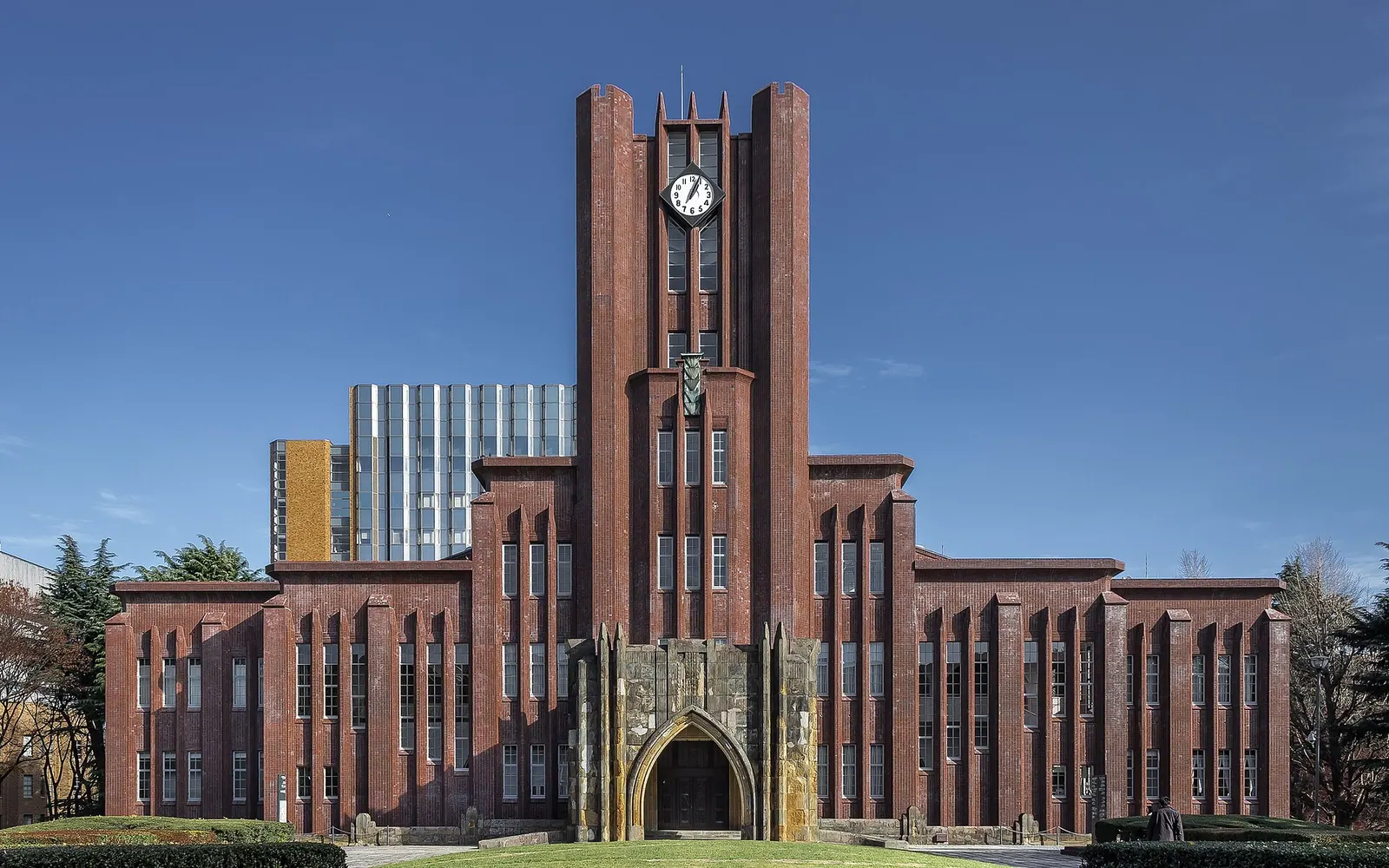
UTokyo — University of Tokyo
National university in Tokyo, founded 1877; its new English-taught College of Design opens in…
Tokyo1 programme
East Asia · May 2027 IB session · Autumn 2027 entry
A named minority route, on a calendar built for it
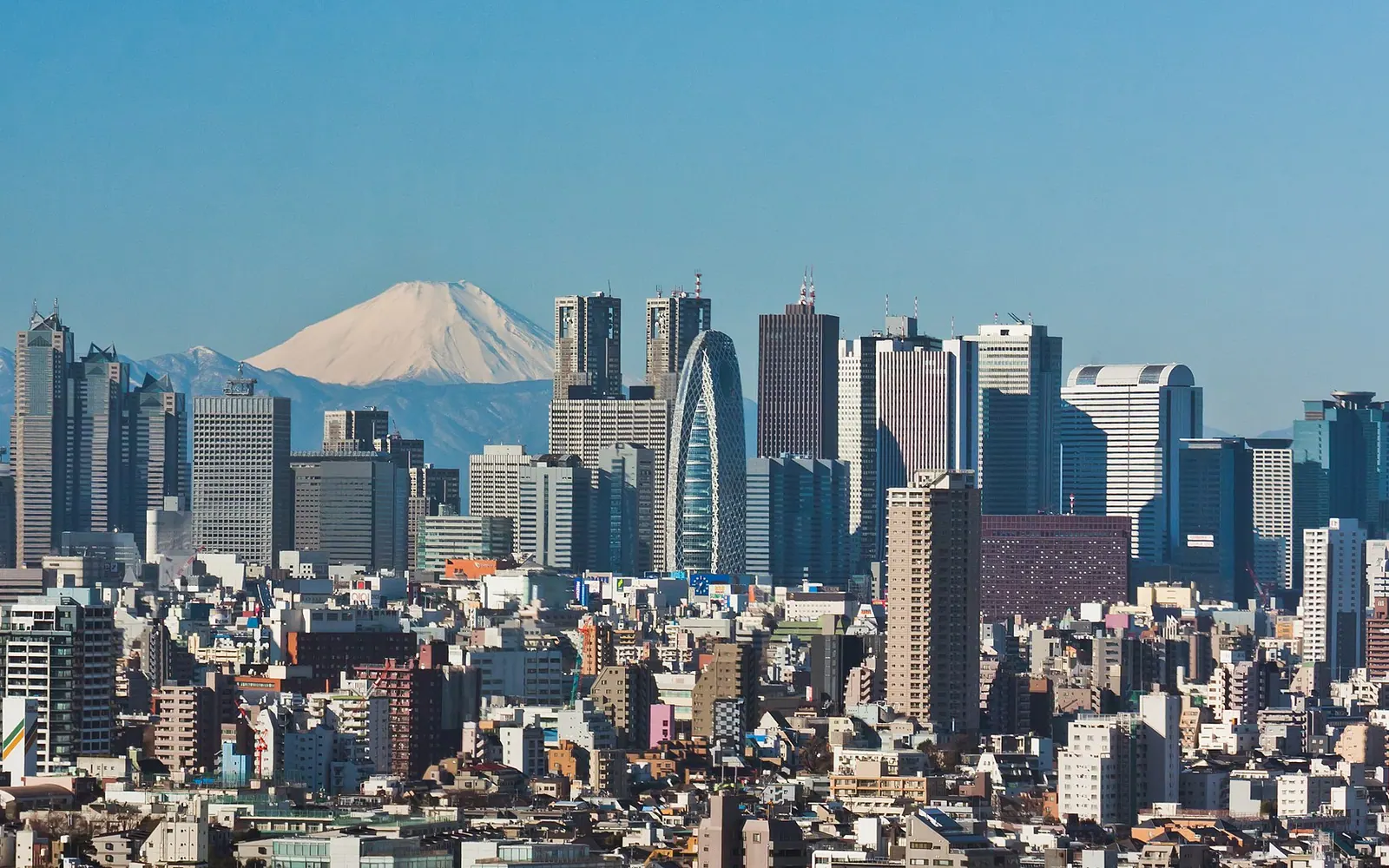
Tokyo with Mount Fuji
15 institutions
National university in Tokyo, founded 1877; its new English-taught College of Design opens in…
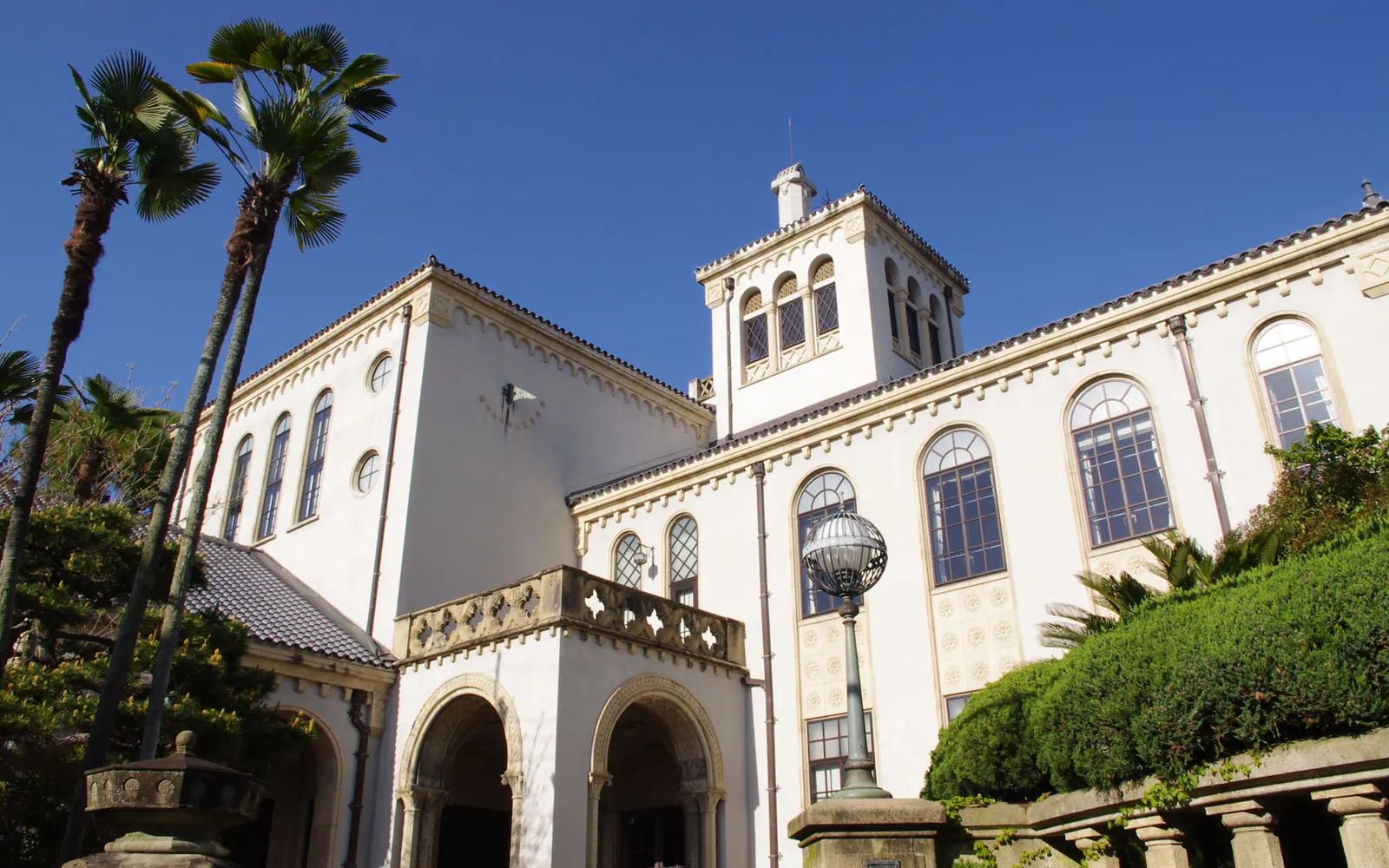
National university in Kyoto, founded 1897; its iUP takes you with no Japanese into…
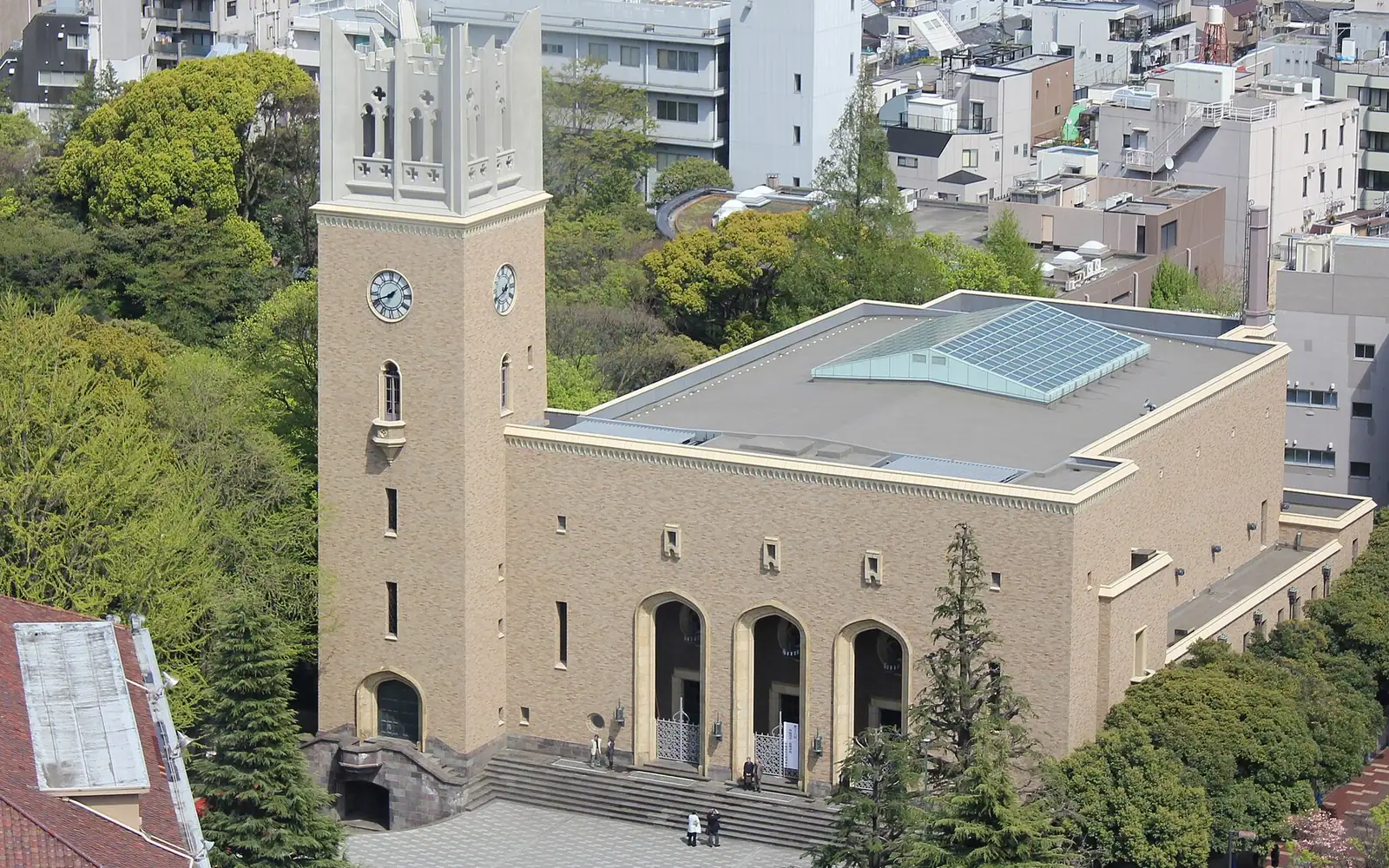
Private Tokyo university founded in 1882; six schools teach full English-based bachelor's degrees, with…
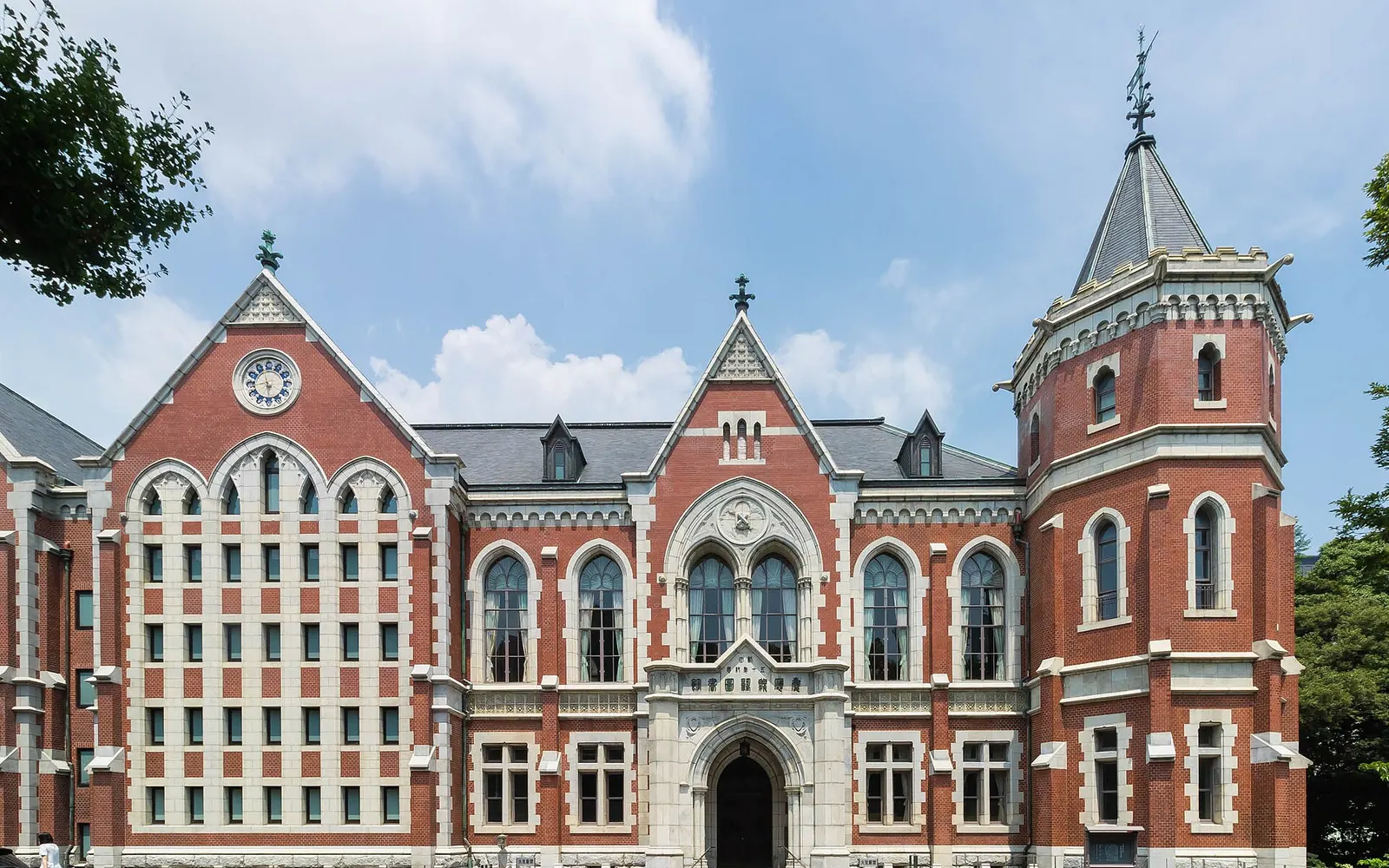
Private university founded in 1858 with two English-based bachelor's degrees: PEARL in economics (Tokyo)…
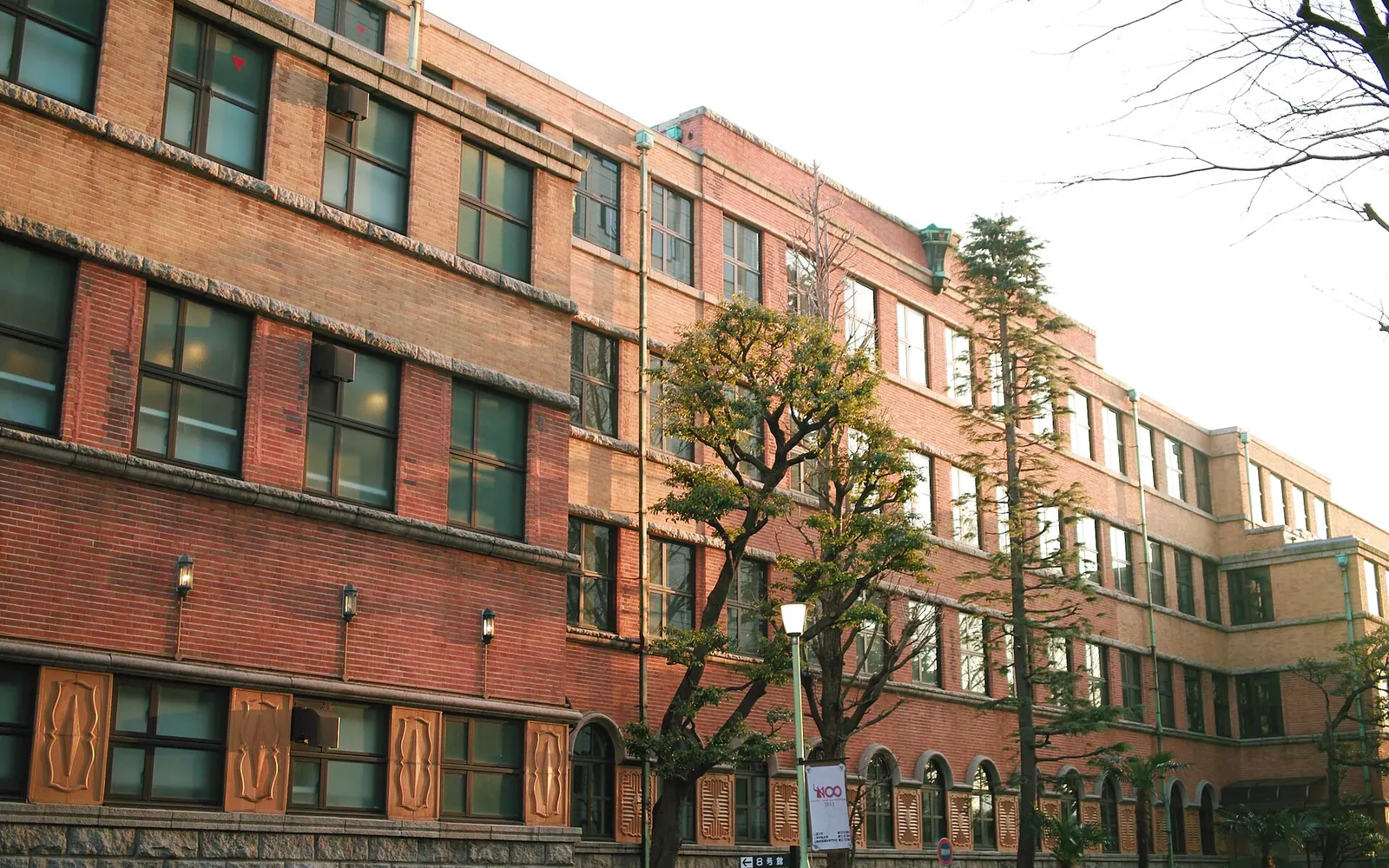
Jesuit university in central Tokyo with three English-taught bachelor's routes: Liberal Arts, Sustainable Futures…
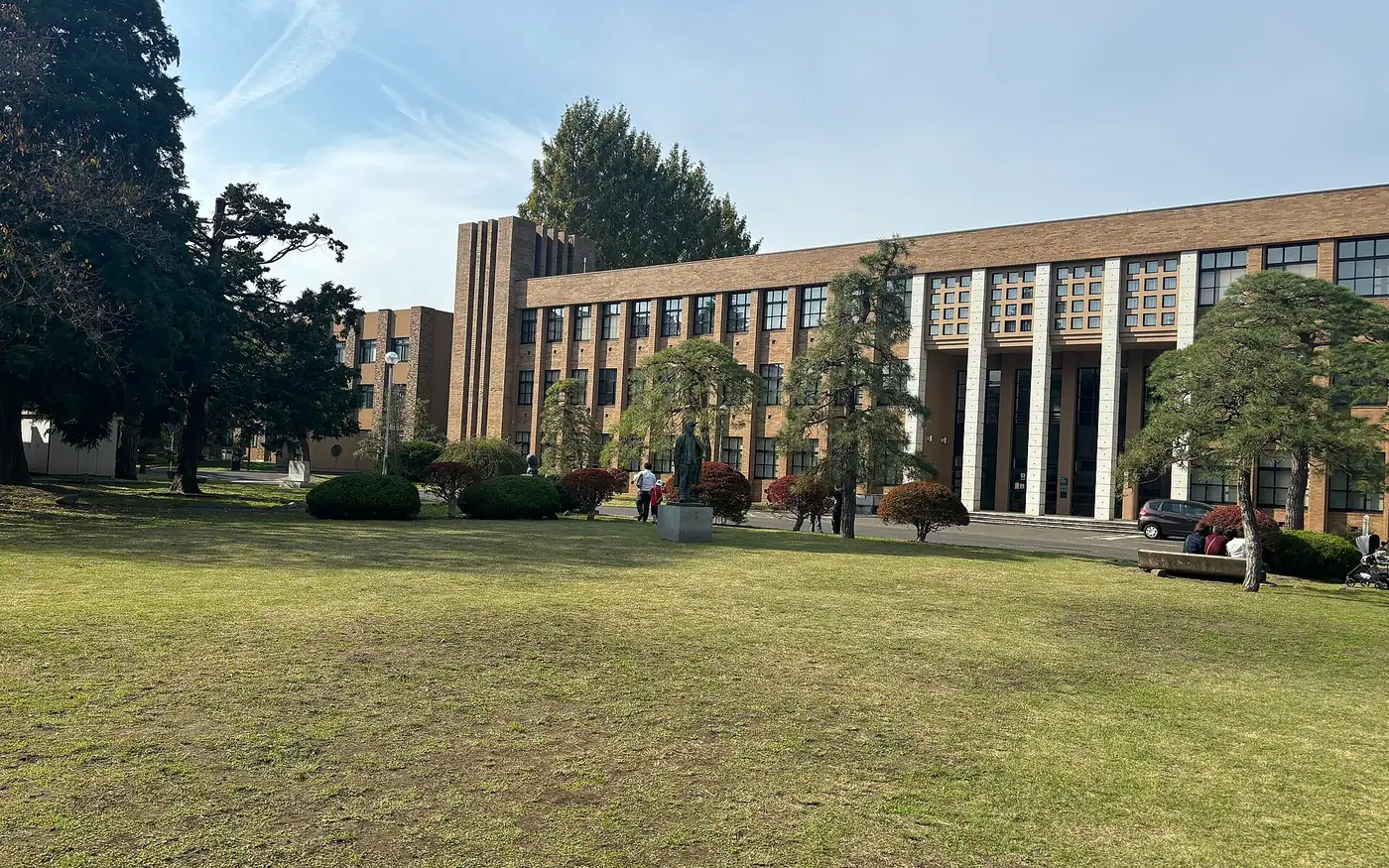
National university in Sendai, founded 1907; its new Gateway College teaches in English from…
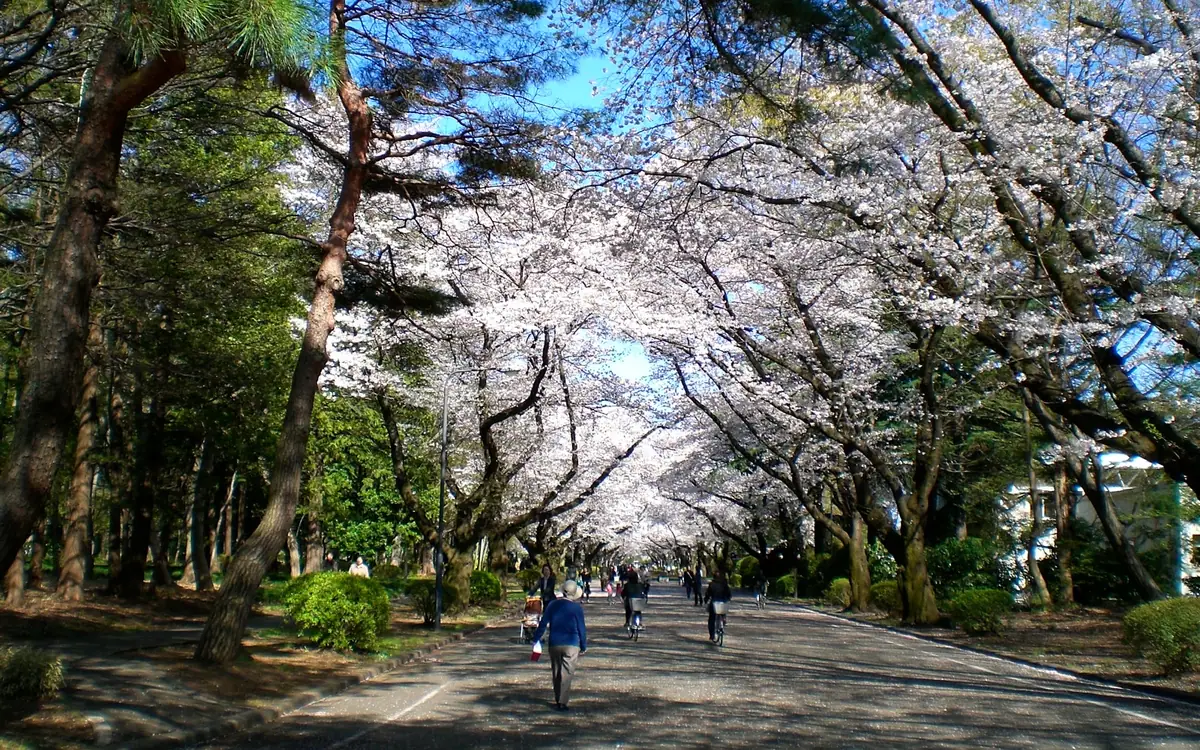
Liberal-arts university in Mitaka, Tokyo, founded in 1953: one bachelor's with 31 majors, entered…
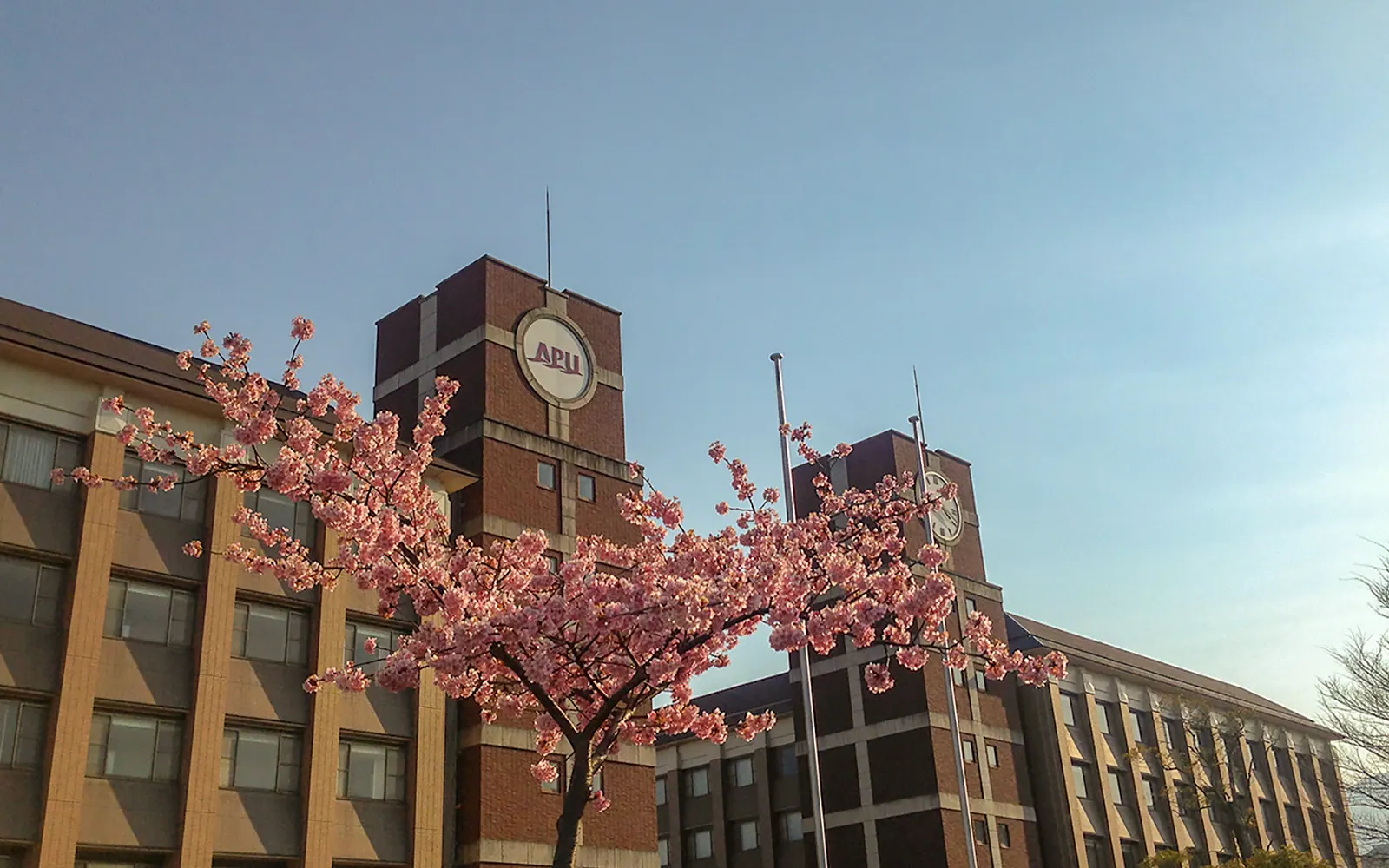
Bilingual university in Beppu, founded 2000: three colleges where you can enrol, study and…
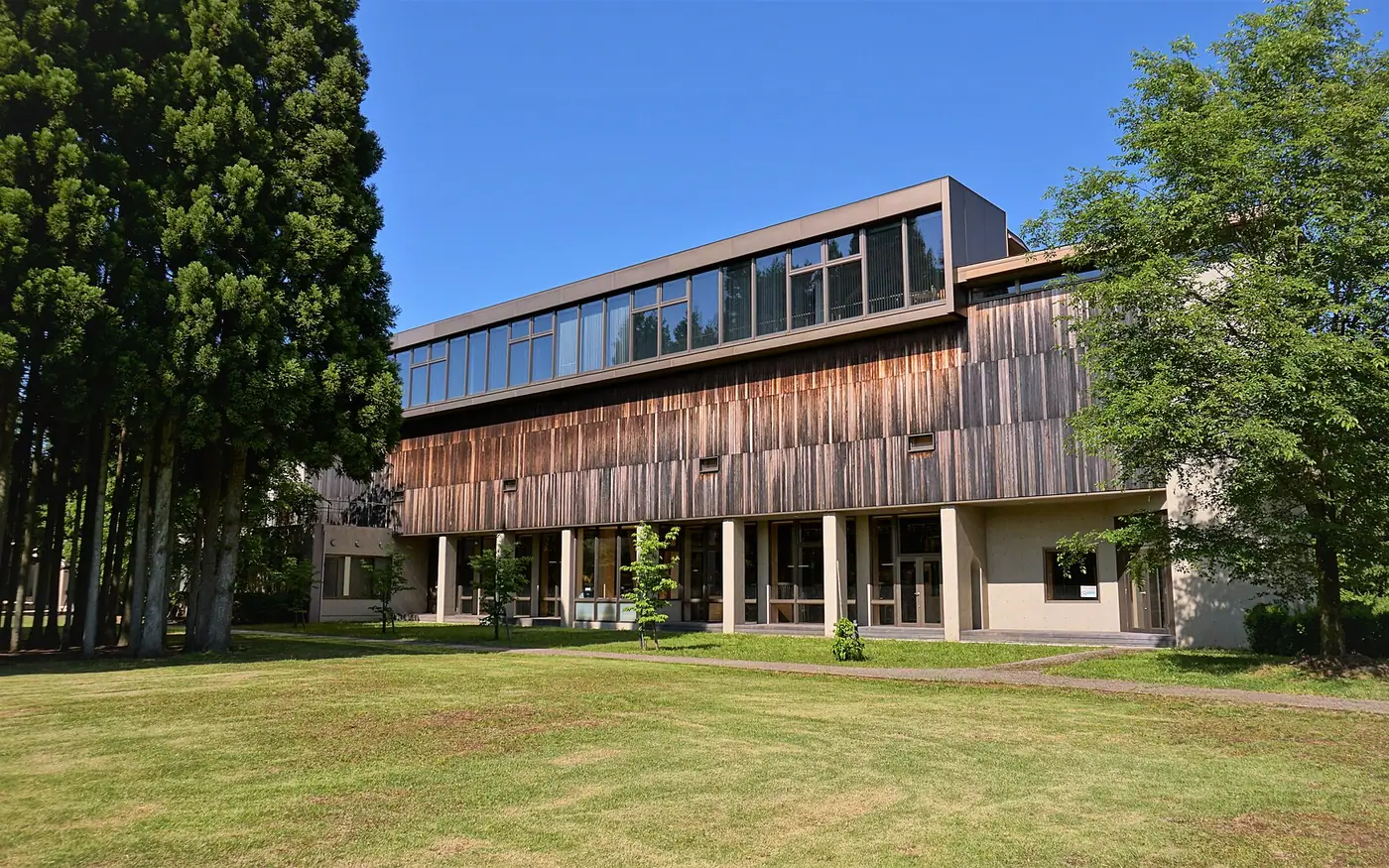
Public university in Akita, founded 2004, teaching wholly in English: one liberal-arts degree with…
National university in Fukuoka, founded 1911: English-taught engineering and agriculture programmes, plus a bilingual…
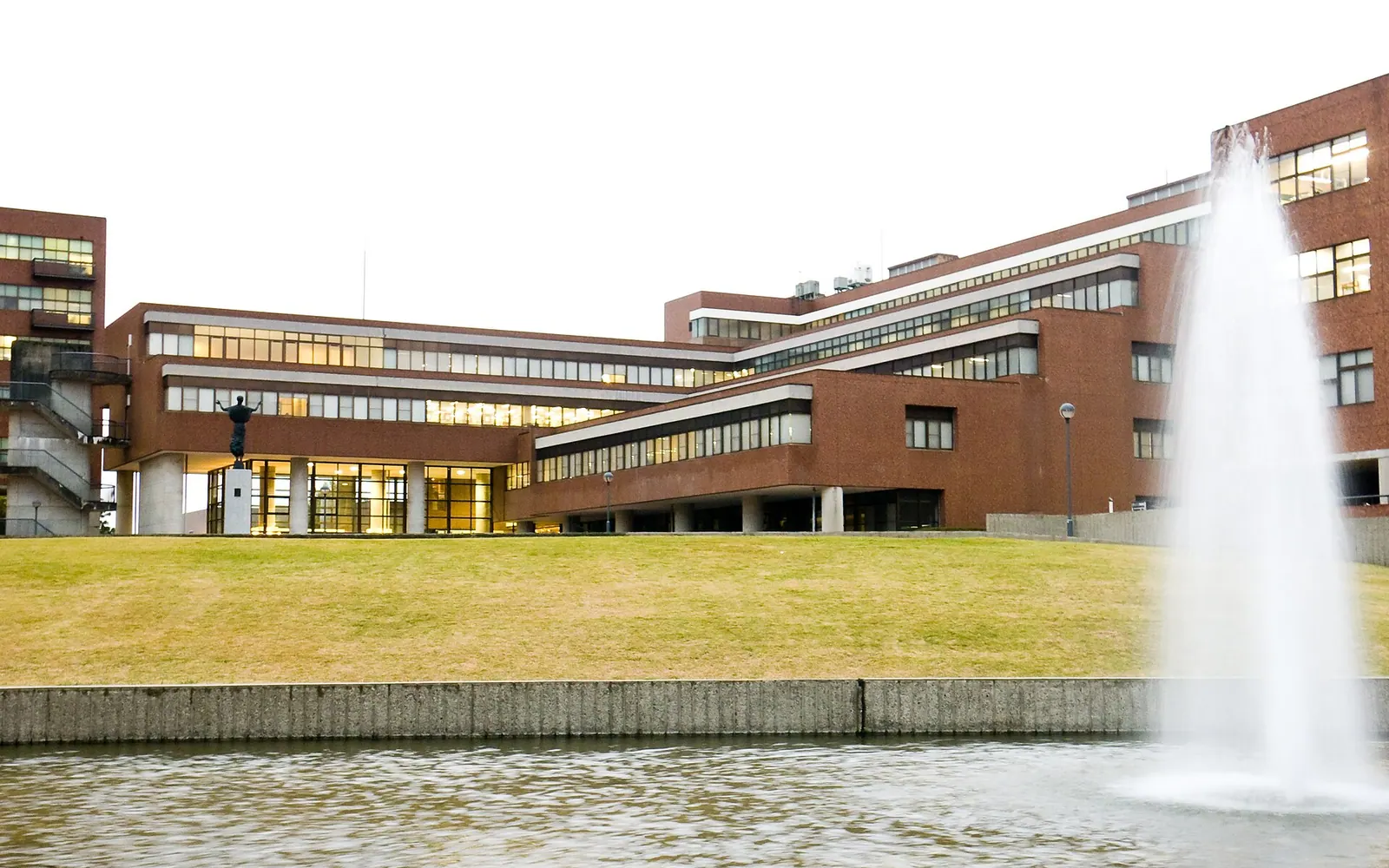
National university in Tsukuba science city, founded 1973: six English-taught bachelor's courses, from social…
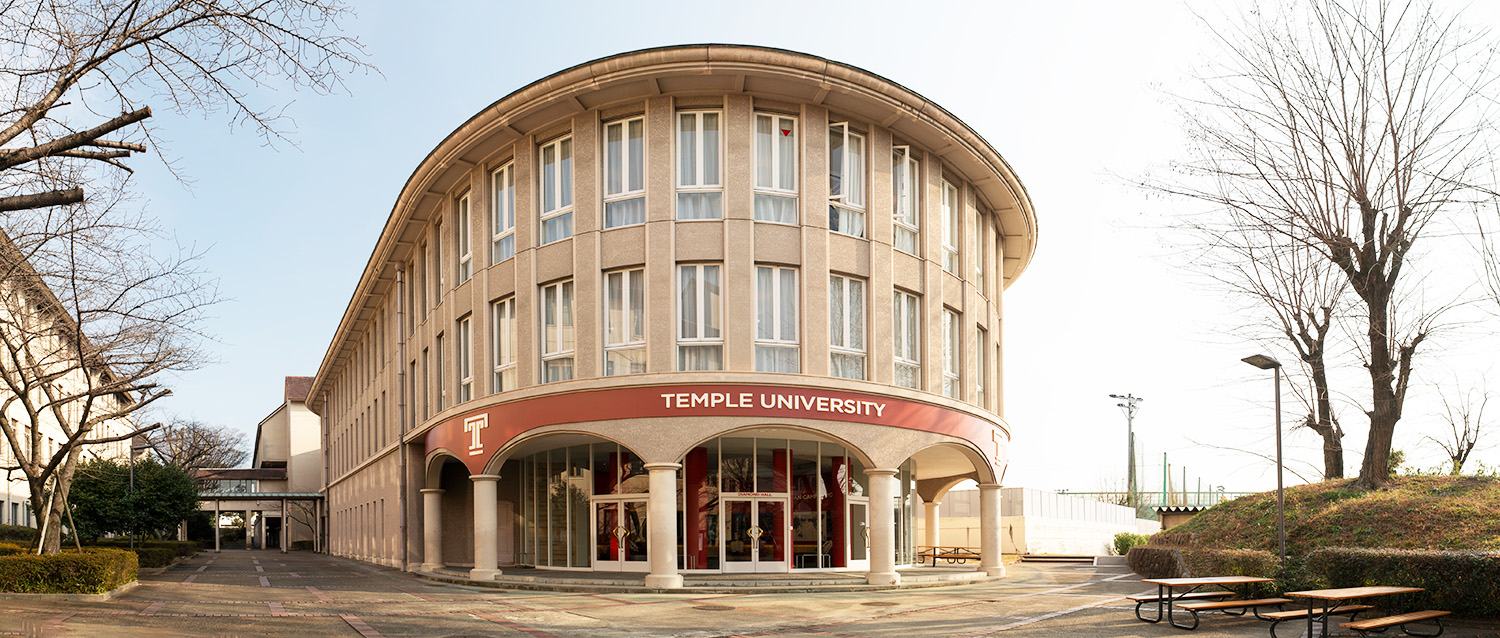
Tokyo campus of a US university, founded 1982: classes in English, Temple degrees, 14…
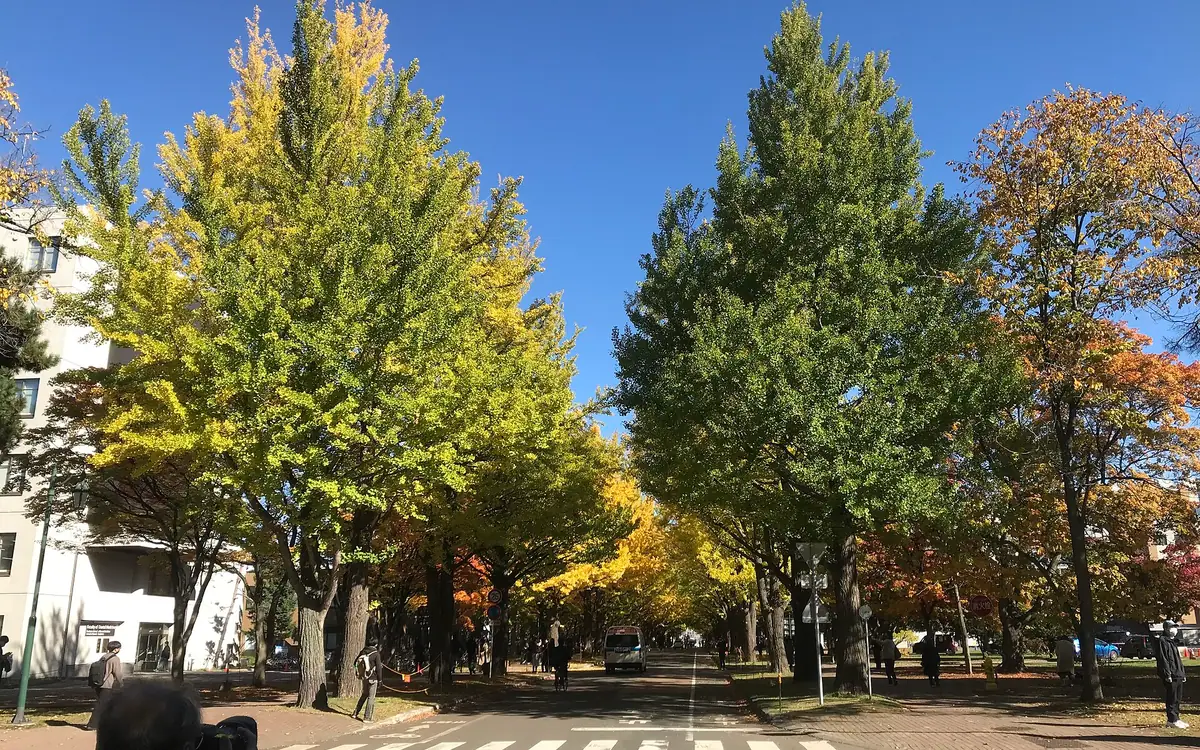
National university in Sapporo, founded 1876, with two English-taught bachelor's degrees: Integrated Science and…
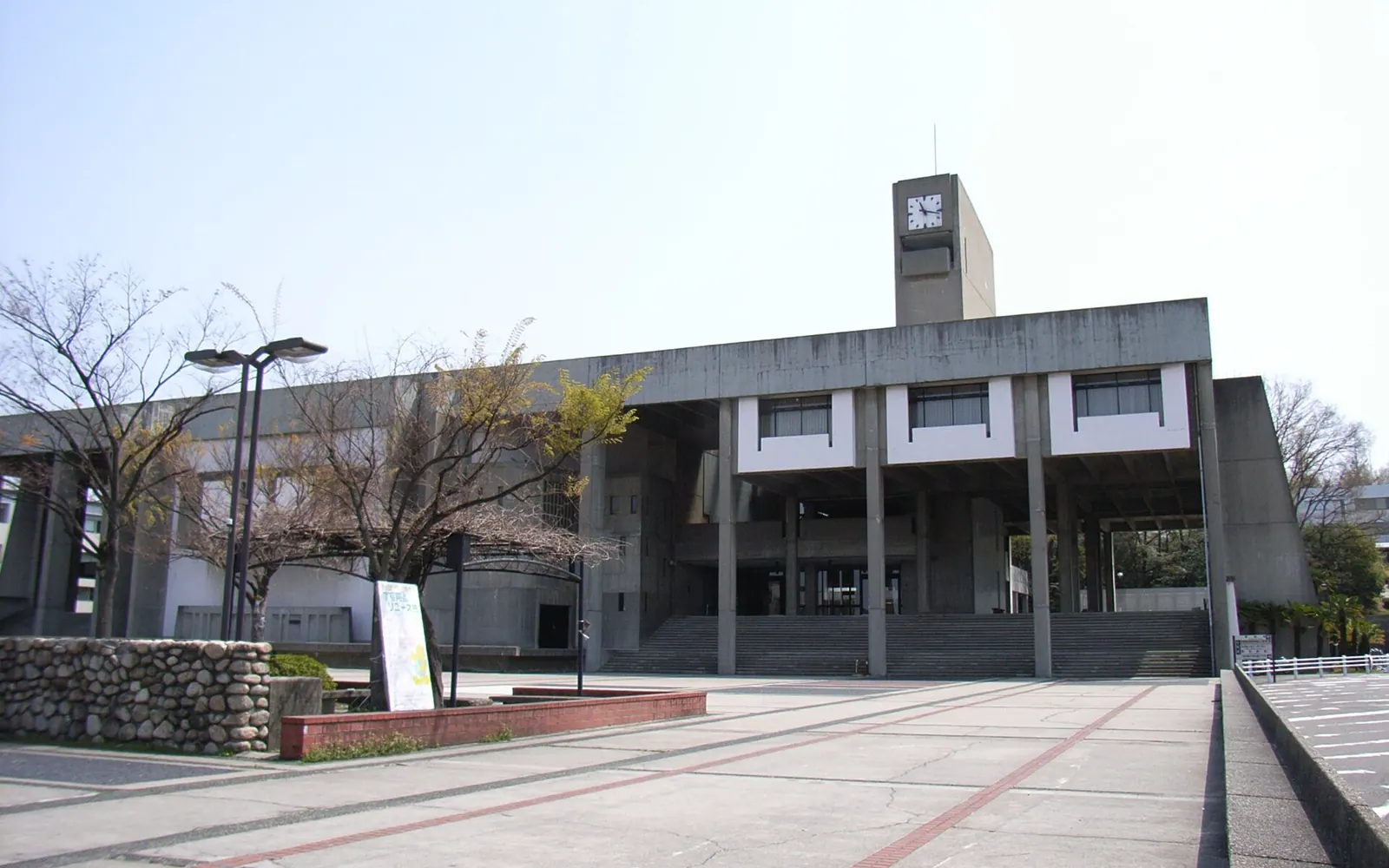
National university in Nagoya, founded 1939; its G30 programmes give ten English-taught bachelor's routes…
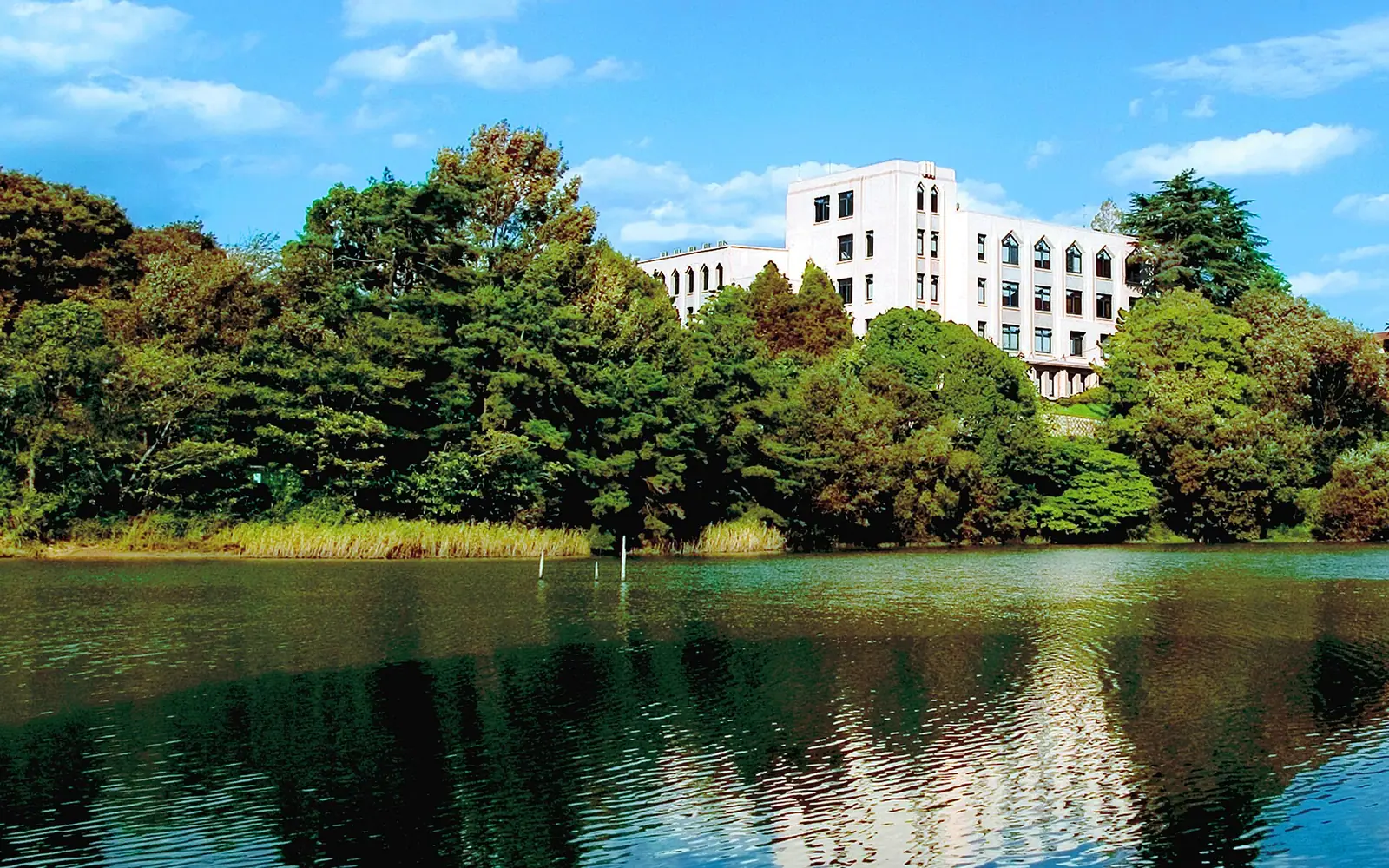
National university in Osaka, founded 1931; its Human Sciences international degree is taught in…
This browser cannot draw the globe. Every place is in the list below.
Japan has a small, deliberate set of fully English-taught bachelor's degrees, and the IB Diploma is one of the qualifications they were built to receive.
The University of Tokyo's PEAK has closed; its new English-taught College of Design opens in September 2027 and names the IB first. Around it sit Waseda's six English-based schools, Keio's PEARL, Sophia, ICU, Kyoto's iUP, Tohoku's new Gateway College, APU and Akita. The Japanese year starts in April, so the September and October intakes exist mainly for international applicants — which is why they fit a May 2027 IB session, and why every deadline falls between October 2026 and April 2027, before results.
The University of Tokyo opens a new English-taught faculty in September 2027 — its first new undergraduate faculty in about seventy years — with 50 of its 100 places on a route built for international qualifications and the IB named…
The University of Tokyo's PEAK has ended — its own site states that September 2026 was the final student recruitment — but Todai has not closed to English-speaking school-leavers.
Japan's official answer to what its higher education is made of names five kinds of institution international students may enter, and English-language guidance almost always stops at the first.
Japan's official answer to what its higher education is made of names five kinds of institution international students may enter, and English-language guidance almost always stops at the first. Beyond the 大学 sit 短期大学 junior colleges, 高等専門学校 kōsen that take students at fifteen for a five-year technical programme, 専門学校 professional training colleges, and since 2019 the 専門職大学 professional and vocational universities. The English-taught undergraduate sector is not one of these categories: it is a named set of programmes inside the first one, on a September or October intake that the rest of the system does not use.
Four years to a bachelor's degree, six for medicine, dentistry, veterinary medicine and pharmacy. National, local public and private, and the difference is largely money — the private universities charge considerably more and hold most of the English-taught provision. Every programme on this page sits here.
The English-taught programmes inside this category are a named minority, admitted through their own rounds, on their own calendar, often at a different time of year from the Japanese-medium cohort at the same university.
Two or three years ending in an associate degree rather than a bachelor's. Heavily weighted towards early-years and primary teaching, nursing and allied health, nutrition, home economics and design, and historically towards women students.
MEXT names it as one of the five routes open to international students. Whether any junior college admits an IB holder in practice, and in what language, is not known.
A five-year engineering and technology programme entered at fifteen, straight from lower secondary, with a two-year advanced course on top. Fifty-one national kōsen plus local public and private ones. Graduates are hired by Japanese manufacturers in numbers out of all proportion to the sector's size.
It is rarely mentioned in English-language advice. An IB Diploma holder is four years too late for the ordinary entry point; the advanced course and third-year transfer could in theory apply, so ask a kōsen directly.
Post-secondary specialised training: two-year diploma courses of 62 credits or more and four-year advanced diploma courses of 124 or more, in animation and game design, IT, hospitality and cookery, fashion, care work, automotive engineering and dozens of other named trades.
It is a large part of Japanese post-secondary education by student numbers, it enrols many international students, and it is rarely mentioned in English-language guidance for IB students. Only MEXT's own description of it is covered here.
Created in 2019 to sit between the university and the professional training college: four years to a bachelor's degree (professional), or two to three years to an associate degree (professional), with a substantial compulsory placement built into the curriculum.
A recent category in the Japanese system, with little documentation in English.
A foreign university operating in Japan and awarding its own home degree. Temple University, Japan Campus teaches entirely in English in Tokyo and allows transfer to Philadelphia.
Useful if you want an American-style degree with a Japanese life around it, and priced accordingly — it charges American tuition, not Japanese.
Yes, an IB Diploma is accepted.
Yes
There is no national rule. Each English-taught programme treats the full IB Diploma as meeting the twelve-year schooling condition and sets its own standard on top. The UTokyo College of Design is the one that publishes a number: it expects 38 of 42 points across the six subjects plus at least 2 for TOK and the Extended Essay, and says expectations 'are not cut off scores'. Keio's PEARL and Tohoku's Gateway College accept an IB Diploma or predicted grades.
No national conversion table. Each university reads IB points directly.
How Japan reads an IB Diploma.
These are the pages this section was written from. None has been signed off by a person yet, so confirm anything consequential at the source.
Apply directly to each university.
In September 2026, build a spreadsheet of every English-taught programme you are interested in, with its intake month and its own deadline. There is no central portal and no shared calendar.
Decide April or September. For an IB student finishing in May 2027, September or October 2027 is the only realistic entry.
Ask your IB coordinator for predicted grades early — most Japanese applications are decided on predictions, an essay, a transcript and references.
Check whether each programme wants SAT/ACT or the EJU on top of the IB. If it does, book the test by autumn 2026.
Submit direct to each university through its own online portal, paying a separate application fee each time.
Do not build a MEXT application into the plan without checking first. If you hold Danish citizenship: the Embassy of Japan in Copenhagen offers Danish nationals only the Japanese Studies and Research Student types, both of which require you to be at university already, and ran no undergraduate call in 2026. Ask info@ch.mofa.go.jp directly. If you hold another citizenship, check the MEXT call of the Japanese embassy in your country of citizenship. The route that is open to a school-leaver is university-recommendation MEXT, which the university nominates you for after admitting you — so ask each admissions office whether it holds quota places.
Once you hold an offer, the university applies for your Certificate of Eligibility. You then take that to the Japanese embassy for the student visa. Allow three months.
Selection is document-based and often interview-based rather than exam-based for English-taught programmes: transcript, predicted grades, personal statement, references and sometimes an online interview. This suits IB students who write well. The competitive bar at Kyoto, Waseda's Political Science and Economics, and Keio is high; APU, Akita and several regional programmes are more accessible.
Ritsumeikan Asia Pacific University: by 28 October 2026.
Hard deadline Via Japanese university for the September or October 2027 intake
After this the door closes.
Route B is the international-qualifications route and lists the IB, with an expected level of 38/42 plus 2 core points that the university says is not a cut-off. 50 of the 100 places. First screening result 22 December 2026, final decision 20 February 2027. Closes 17:00 JST.
Opens 15 October 2026 at 09:00 JST. Route B is the international-qualifications route (50 of the 100 places) and lists the IB. A separate video assignment is due 13–16 November 2026, first screening result 22 December 2026, final decision 20 February 2027. With predicted grades the offer is conditional and final results are due by 16 August 2027.
Hard deadline Via Japanese university for the September or October 2027 intake
After this the door closes.
A separate submission after the application closes, inside a four-day window. Both routes require it, alongside essays, supporting materials and an English proficiency test result.
Hard deadline Via Japanese university for the September or October 2027 intake
After this the door closes.
Closes 15:00 JST. The three periods share one quota of about 100 places, so an early period competes for a fuller pool.
Hard deadline Via Japanese university for the September or October 2027 intake
After this the door closes.
Closes 17:00 JST. Kyoto's Apply page gives the period as 2 November to 3 December 2026. Screening stages and result dates are in Kyoto's guidelines PDF.
Applications open 2 November 2026. Kyoto's own Apply page gives the period as "November 2 until December 3, 2026 (5 p.m. Japan Standard Time)". Screening stages and result dates are in Kyoto's guidelines PDF.
Hard deadline Via Japanese university for the September or October 2027 intake
After this the door closes.
A five-day window: the online system is open only from 7 to 11 December, so do not plan to start the form on the 11th. Documents also go by post. For the English-taught engineering programmes and Bioresource and Bioenvironment. No closing time is stated.
A five-day window: the online application system is open only from 7 to 11 December 2026, so do not plan to start the form on the 11th. Kyushu then wants "all the necessary documents by post" as well. For the English-taught engineering programmes and Bioresource and Bioenvironment. No closing time is stated.
Via Japanese university for the September or October 2027 intake
Hard deadline Via Japanese university for the September or October 2027 intake
After this the door closes.
First-stage result 5 February, second stage 21–22 February 2027, successful applicants announced 24 March. Predicted IB scores are accepted. About 90 places for October entry.
Application period 15 December 2026 to 14 January 2027; first-stage result 5 February, second stage 21–22 February, successful applicants announced 24 March 2027. Predicted IB scores are accepted. No closing time is stated.
Hard deadline Via Japanese university for the September or October 2027 intake
After this the door closes.
Only if: Depends on your nationality: you apply through the Japanese embassy in your country of citizenship, and each decides what it offers.
Your own plan Via MEXT scholarship, Embassy Recommendation, for arrival in April 2028
Not published by anyone — a date worth setting yourself.
Not a published deadline and not anyone's rule. The Embassy of Japan in Denmark lists only the Japanese Studies and Research Student types for Danish nationals. If you hold another nationality, ask the Japanese embassy in your country of citizenship whether it offers the undergraduate type; either way, ask in February, because the window itself would fall in April and May 2027, on top of the IB examinations.
Hard deadline Via Japanese university for the September or October 2027 intake
After this the door closes.
The latest closing date of any Japanese route on this page, and the one that fits a Danish school year: predicted grades are settled by then and the result arrives on 24 May, after the examination session. Keio accepts predicted IB grades in as many words.
The last of three periods sharing about 100 places; Periods I and II close 2 December 2026 and 27 January 2027. Result 24 May 2027 — after the examination session, before results. Keio accepts predicted IB grades explicitly. Application fee JPY 35,000.
Only if: Depends on your nationality: you apply through the Japanese embassy in your country of citizenship, and each decides what it offers.
Your own plan Via MEXT scholarship, Embassy Recommendation, for arrival in April 2028
Not published by anyone — a date worth setting yourself.
Worth putting on a calendar as a warning rather than as a task. The application needs a health certificate signed by a physician and a recommendation letter, neither of which can be produced in a week, and it falls in the same eight weeks as the examinations.
Via Japanese university for the September or October 2027 intake
Every Japanese decision in this route is made before this date — the earliest by four and a half months. What each university does with a place held against a predicted grade once the diploma arrives is set institution by institution and is not established here.
Hard deadline Via Japanese university for the September or October 2027 intake
After this the door closes.
An offer made on predicted grades is conditional, and final scores must reach the university by 16 August 2027.
Hard deadline Via Japanese university for the September or October 2027 intake
After this the door closes.
Not announced. As of 23 September 2026 Waseda's page carries only the window for September 2026 entry, 8 January to 10 February 2026. One application covers all six English-based schools. Check Waseda's page for the 2027 dates.
One application window covering the School of Political Science and Economics, School of Social Sciences, SILS, School of Culture Media and Society, and the two Science and Engineering schools. As of 23 September 2026 the only window published is 8 January to 10 February 2026, labelled for September 2026 entry. Check Waseda's page for the 2027 dates.
Your own plan Via Japanese university for the September or October 2027 intake
Not published by anyone — a date worth setting yourself.
Not a published deadline. The university applies for the Certificate of Eligibility on your behalf once you accept; you take it to the Embassy of Japan in Copenhagen for the visa. Allow three months, and expect documents to need an apostille and sometimes notarisation.
Only if: Depends on your nationality: you apply through the Japanese embassy in your country of citizenship, and each decides what it offers.
Hard deadline Via MEXT scholarship, Embassy Recommendation, for arrival in April 2028
After this the door closes.
MEXT's rule is relative, not a published day: "Recruitment for those arriving in Japan next April is made between April and May of the previous year." For an April 2028 arrival that is April and May 2027. The Embassy of Japan in Denmark, which sets the local dates, does not offer the undergraduate type to Danish nationals, so no day is shown. Other nationalities get their dates from the Japanese embassy in their own country.
Only if: Depends on your nationality: you apply through the Japanese embassy in your country of citizenship, and each decides what it offers.
Hard deadline Via MEXT scholarship, Embassy Recommendation, for arrival in April 2028
After this the door closes.
Conducted between May and August by the Japanese embassy or consulate general. A written examination and normally an interview.
Only if: Depends on your nationality: you apply through the Japanese embassy in your country of citizenship, and each decides what it offers.
Hard deadline Via MEXT scholarship, Embassy Recommendation, for arrival in April 2028
After this the door closes.
The 2027 round required arrival between 1 and 7 April 2027, a seven-day window, with the scholarship withdrawn from anyone who could not make it. The 2028 equivalent has not been published.
Closed permanently. PEAK's announcement page states: "The Admission for September 2026 Enrollment will be the last student recruitment for the PEAK." PEAK's front page puts it in the past tense — "the applications for September 2026 enrollment are now closed", "this was the final student recruitment for PEAK, and no further applications will be accepted". Its successor is not a replacement PEAK but the UTokyo College of Design, which is listed above.
Only if: Depends on your nationality: you apply through the Japanese embassy in your country of citizenship, and each decides what it offers.
Hard deadline
After this the door closes.
No undergraduate MEXT call appears on the Embassy of Japan in Denmark’s site: its news list for the whole of 2026 carries exactly one MEXT call, for Research Students, with an application deadline of 15 June 2026. MEXT’s national rule — recruitment in April and May of the year before arrival — therefore describes a window a Danish national cannot use through this embassy. If you hold another citizenship, the embassy track runs through the Embassy of Japan in your country of citizenship — check its own call for that window. Because this rests on what the embassy's site does not list, write to the embassy at info@ch.mofa.go.jp before relying on it either way. The route that plausibly remains open to a school-leaver is university-recommendation MEXT, after admission.
Limited but real: a few dozen fully English-taught bachelor's programmes nationally, concentrated at Waseda (six schools), Keio, Sophia, ICU, Kyoto, Tohoku, Kyushu, Nagoya, Tsukuba, Hokkaido, APU and Akita.
Limited but real: a few dozen fully English-taught bachelor's programmes nationally, concentrated at Waseda (six schools), Keio, Sophia, ICU, Kyoto, Tohoku, Kyushu, Nagoya, Tsukuba, Hokkaido, APU and Akita. The UTokyo College of Design opens in September 2027; PEAK, Tohoku's FGL and Sophia's Green Science and Engineering courses have closed. No national total is given here.
Set per programme, usually as a test. The UTokyo College of Design and Tohoku's Gateway College both want TOEFL iBT 80, IELTS 6.0, Duolingo 110 or Cambridge 169 or more; Keio PEARL wants TOEFL iBT or IELTS Academic. Whether an IB English A or B result replaces the test is not confirmed at any of them, so ask.
Not for English-taught programmes
Japan charges the same tuition to all nationalities — there is no EU/non-EU split.
Japan charges the same tuition to all nationalities — there is no EU/non-EU split.
Charged separately by each university. Keio PEARL: JPY 35,000 for September 2027 entry. Check the others on each university's page.
Non-visa-waiver process regardless of EU citizenship. The university applies for a Certificate of Eligibility on your behalf once you accept an offer; you then take it to the Embassy of Japan in Copenhagen for a Student visa.
Non-visa-waiver process regardless of EU citizenship. The university applies for a Certificate of Eligibility on your behalf once you accept an offer; you then take it to the Embassy of Japan in Copenhagen for a Student visa. On arrival you receive a residence card and must register at the local municipal office within 14 days and enrol in National Health Insurance.
Students with College Student (留学) status may work up to 28 hours a week once they hold a blanket Permission to Engage in Activity Other Than That Permitted (Immigration Services Agency). Check the rules for longer hours in the official long vacations with your university.
Most English-taught programmes guarantee or strongly prioritise first-year places in a university dormitory or international house, which is by far the easiest route and usually cheaper than the private market. APU houses all first-year international students in AP House. Private renting in Japan involves key money, guarantor requirements and agency fees that are difficult to navigate from abroad — take the dormitory.
Enrolment in Japan's National Health Insurance is compulsory for anyone staying more than three months and is arranged at the municipal office when you register. It covers roughly 70% of medical costs; students typically add the university's own supplementary cover. Your EHIC does not apply in Japan.