
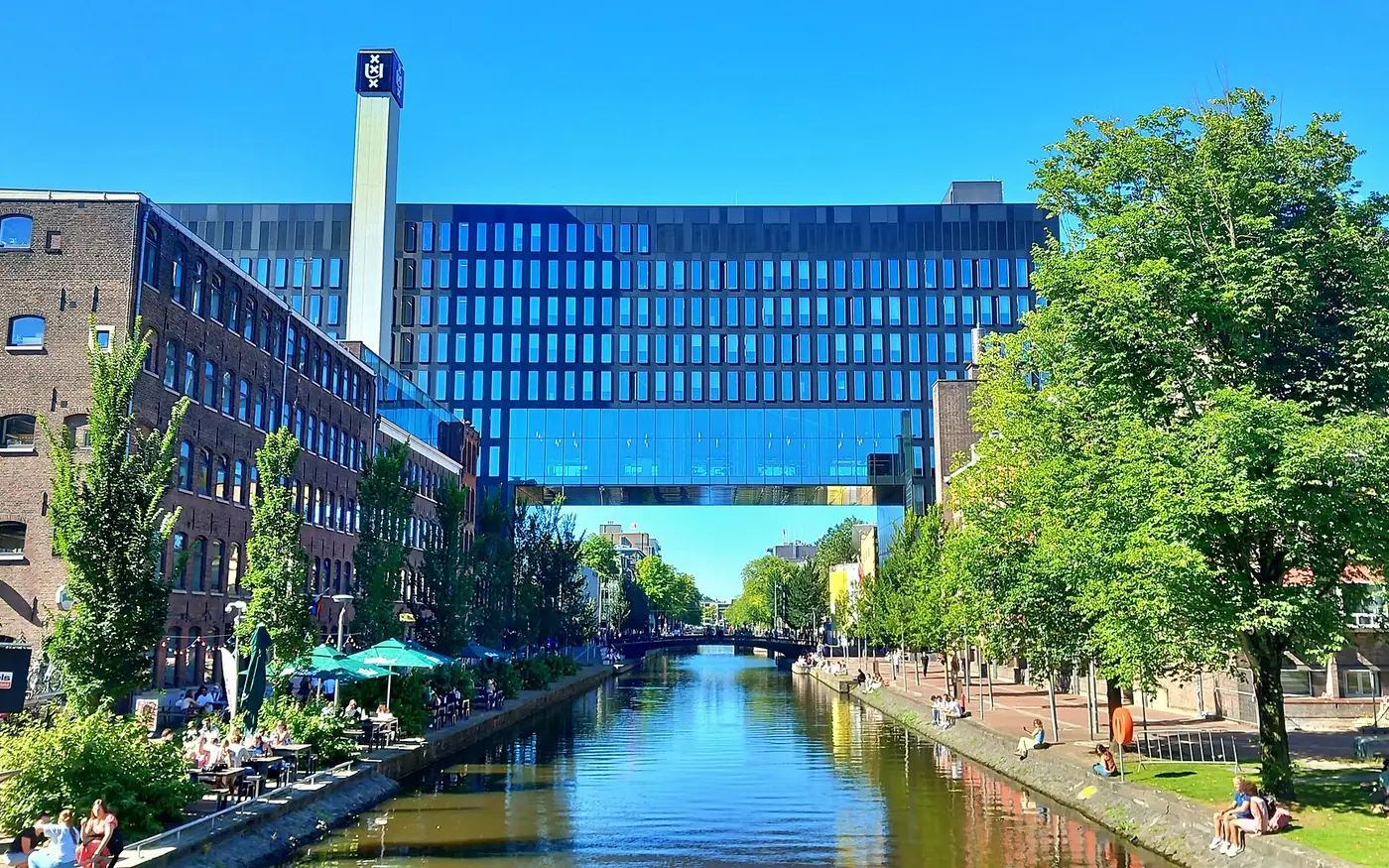
UvA — University of Amsterdam
Research university in central Amsterdam; 23 English-taught bachelor's from psychology and economics to linguistics…
Amsterdam23 programmes
Western Europe · May 2027 IB session · Autumn 2027 entry
Hundreds of English-taught degrees, and the number is shrinking
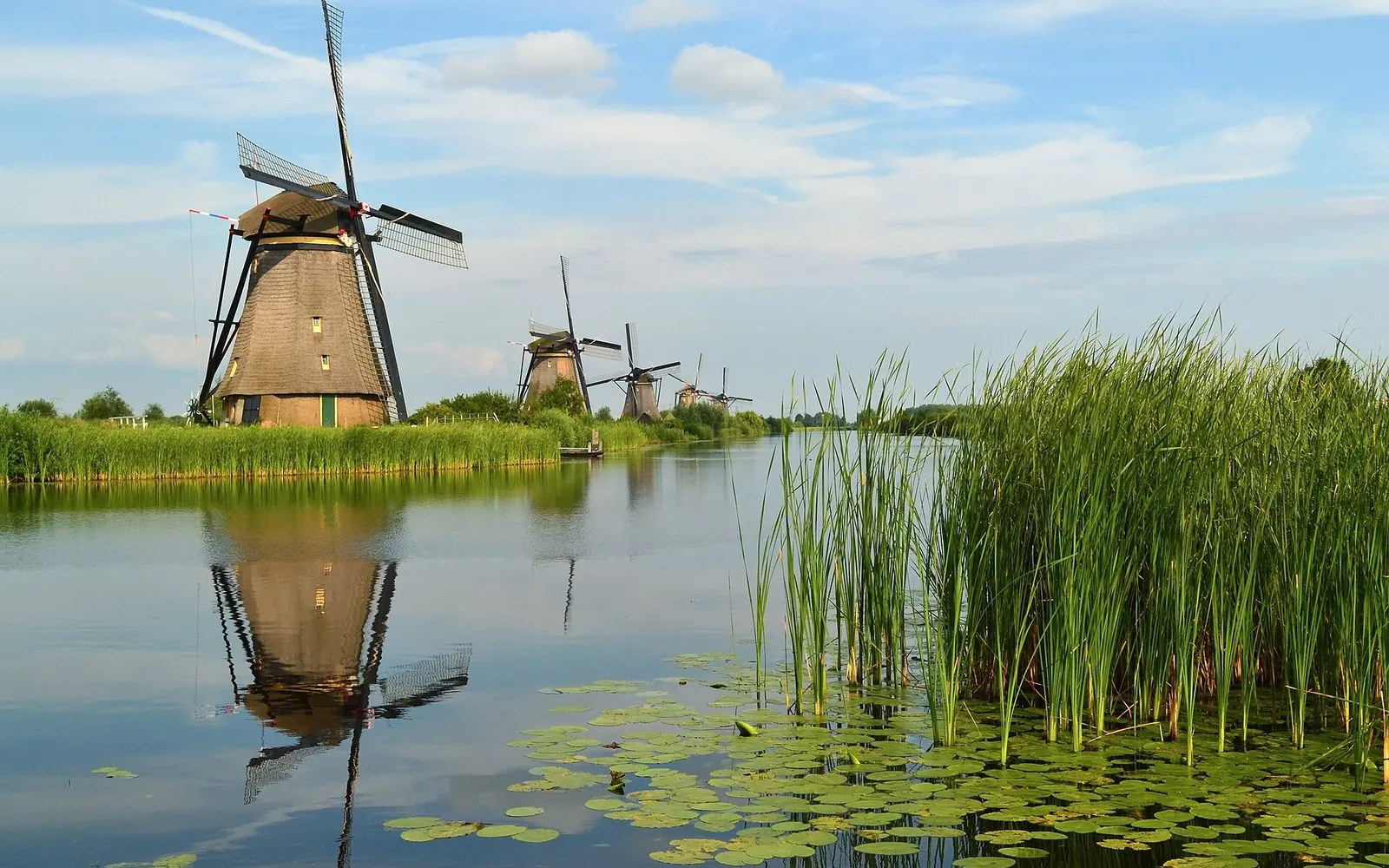
Kinderdijk windmills
22 institutions
Research university in central Amsterdam; 23 English-taught bachelor's from psychology and economics to linguistics…
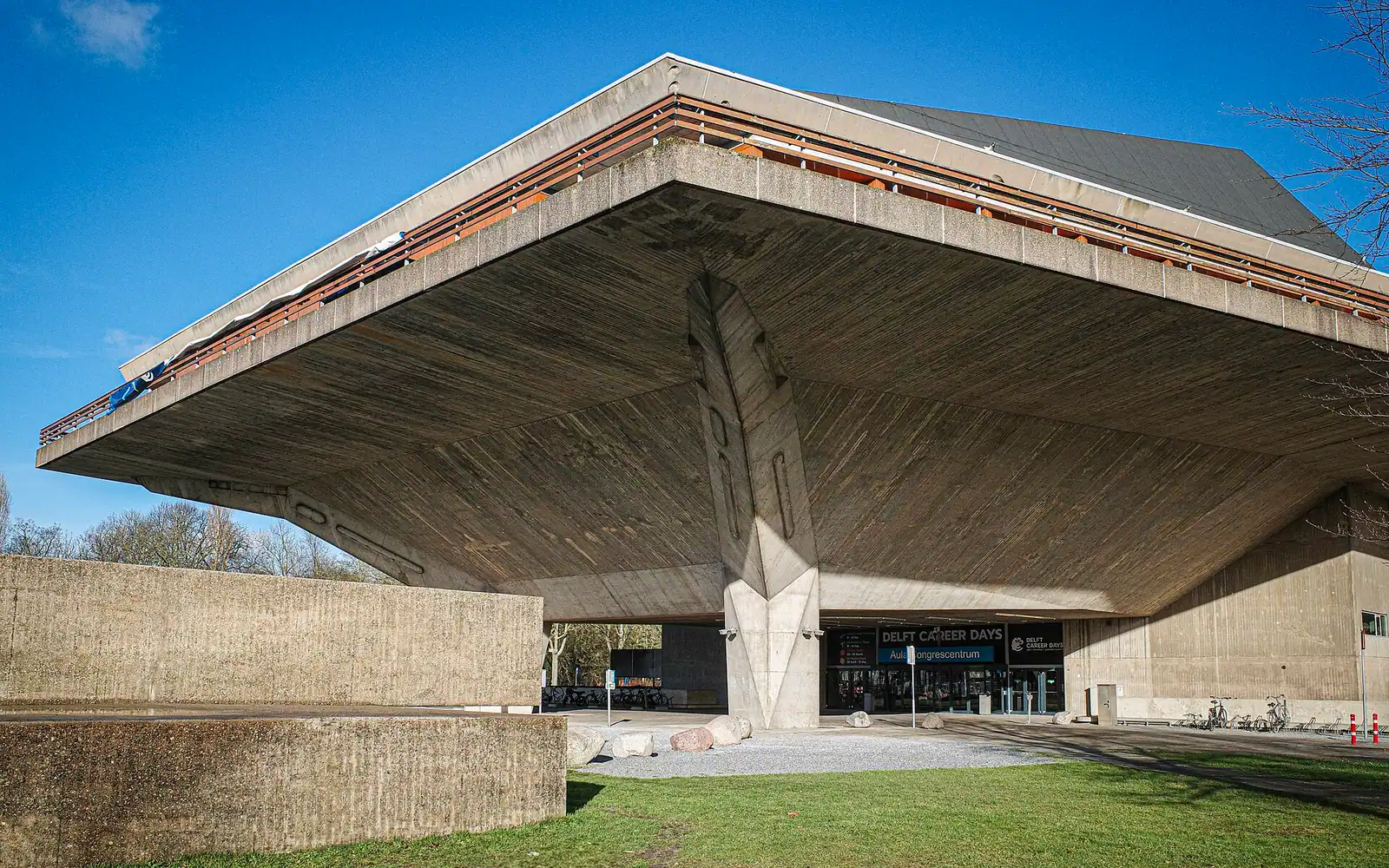
A technical university whose English-taught bachelor's expect HL Mathematics and HL Physics and several…
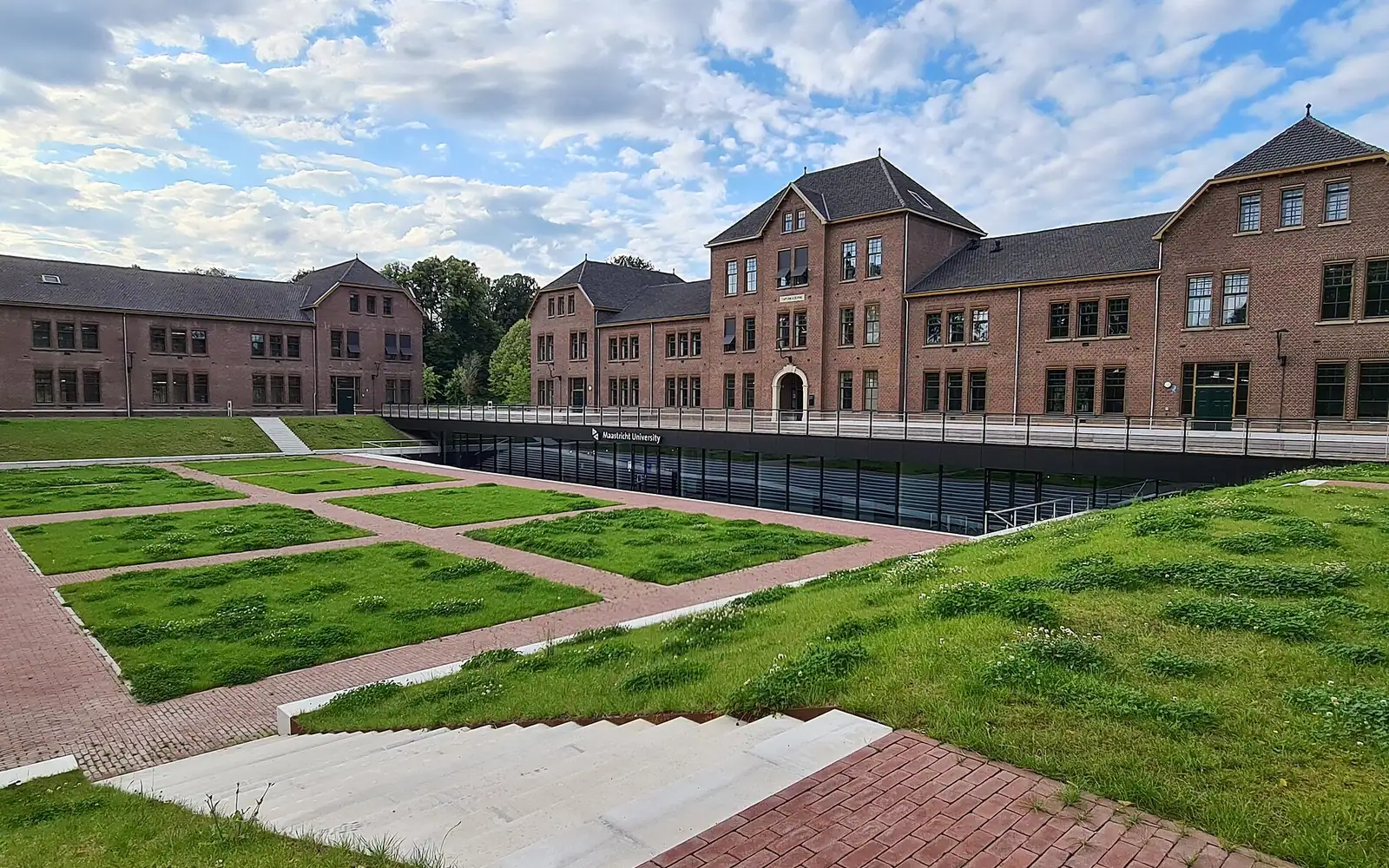
Built entirely on problem-based learning in small tutorial groups, which suits students coming out…
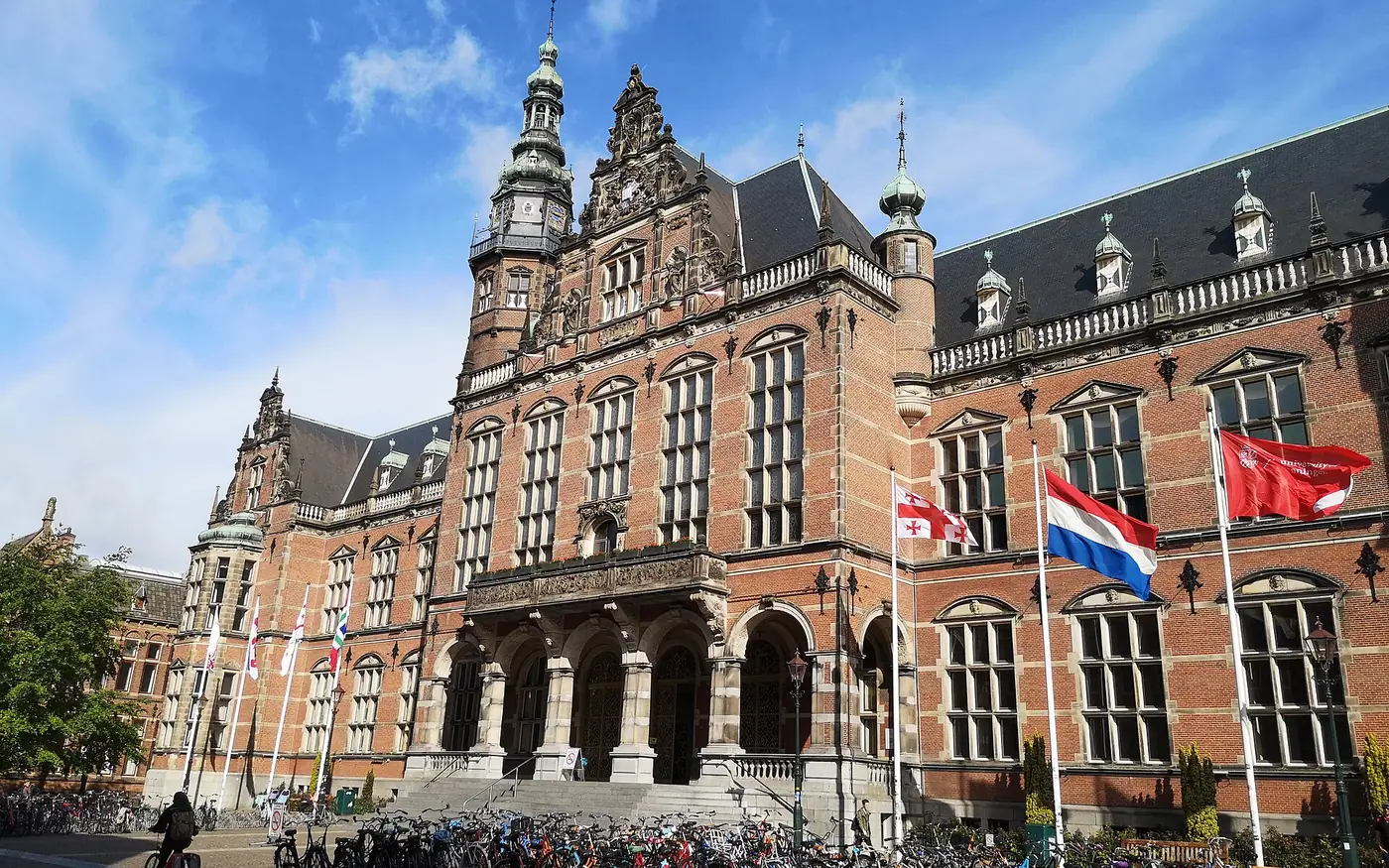
Founded in 1614, a large research university (32,500 students, 26% international) in the student…
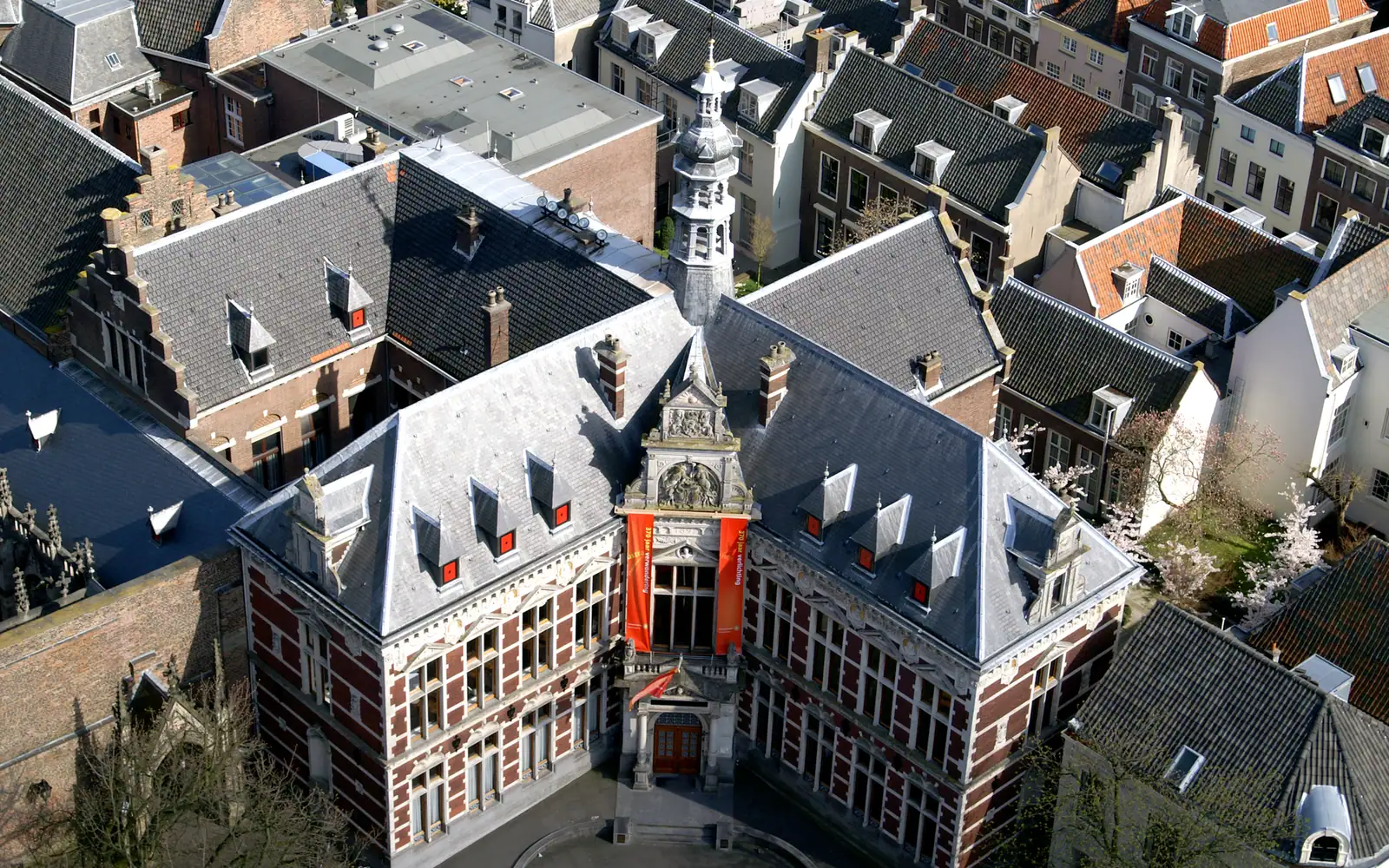
Research university in Utrecht with 10 English-taught bachelor's, from History and Media to PPE…
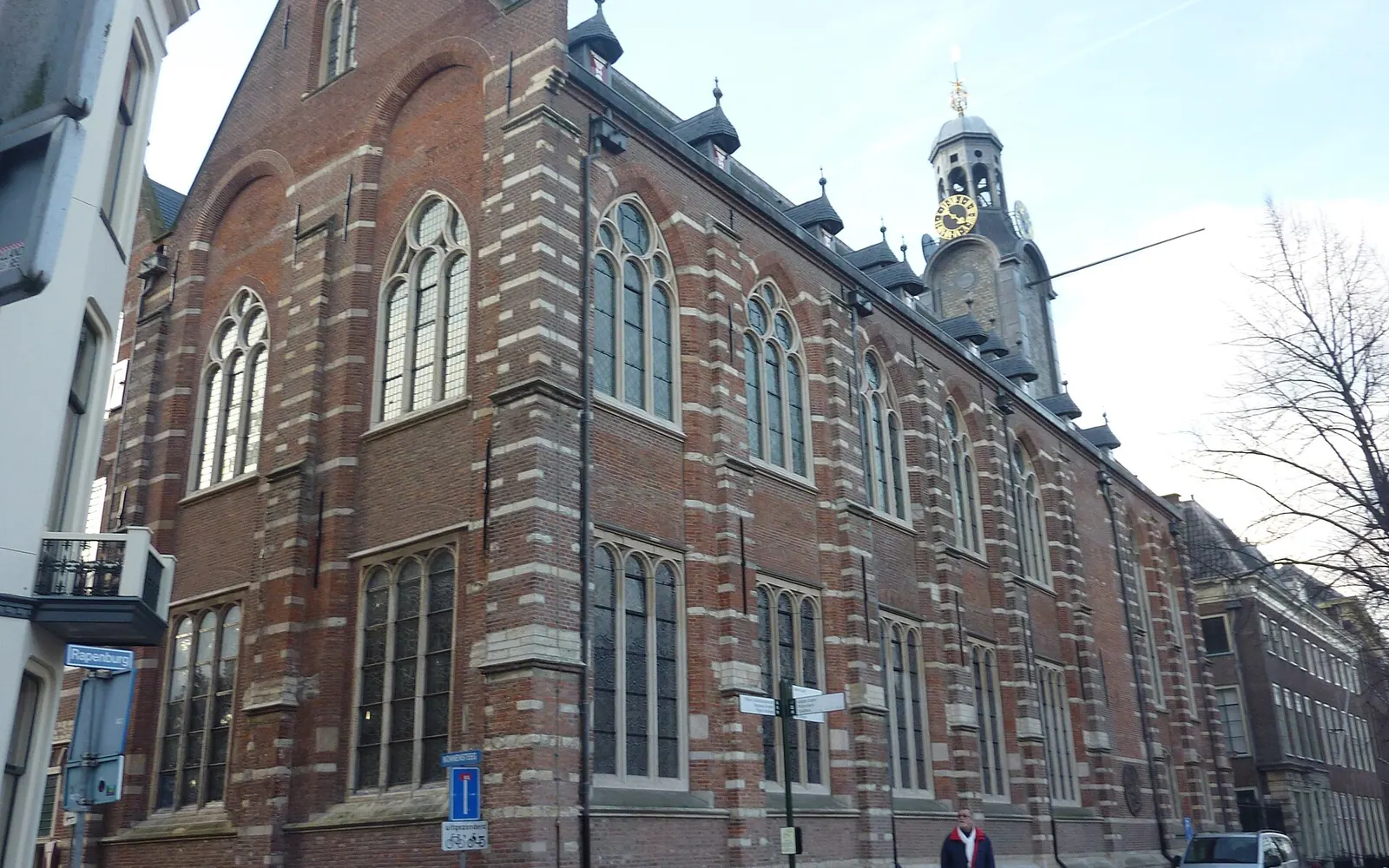
Research university in Leiden with a second campus in The Hague; 17 English-taught bachelor's…
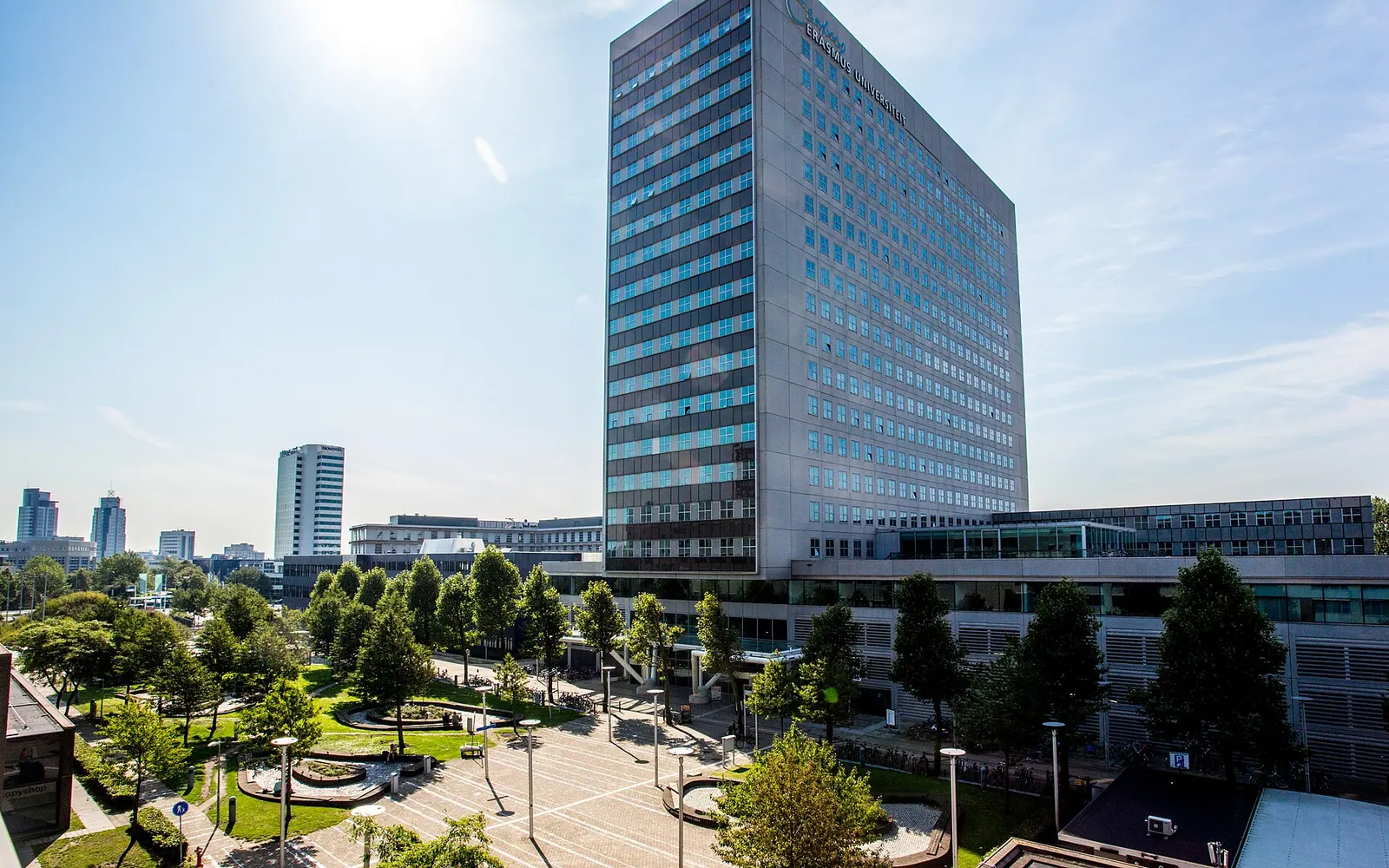
Business and economics at its core: Rotterdam School of Management's International Business Administration takes…
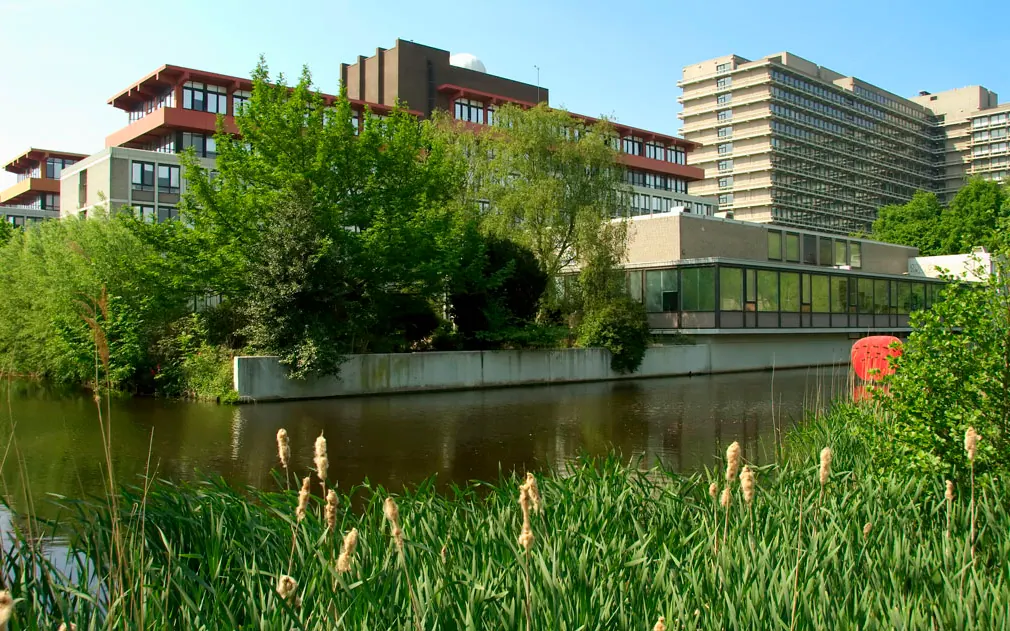
Amsterdam research university with 19 English-taught bachelor's, from AI, econometrics and maths to PPE…
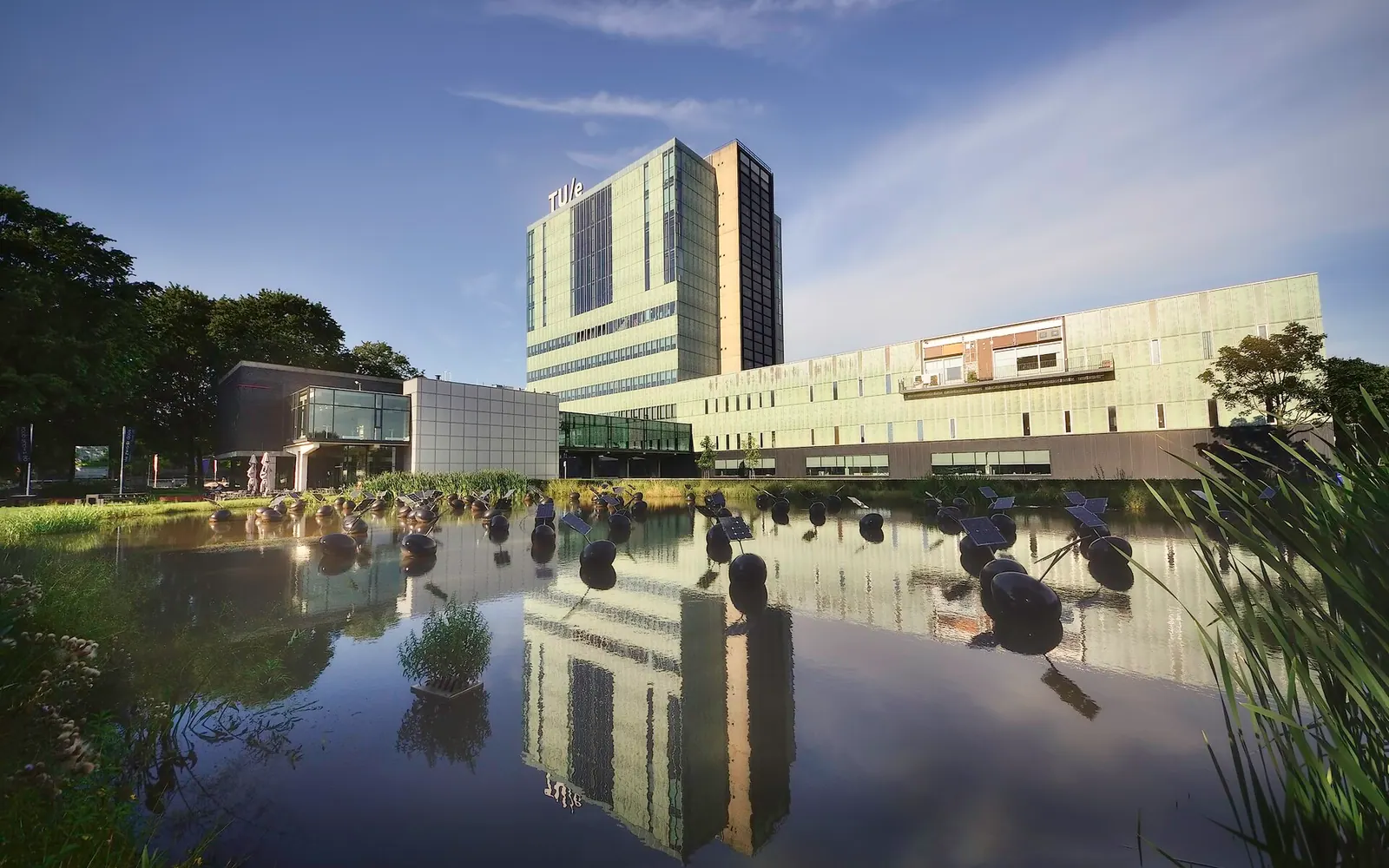
Technical university in Eindhoven; 13 English-taught BSc programmes, from applied physics to industrial design…
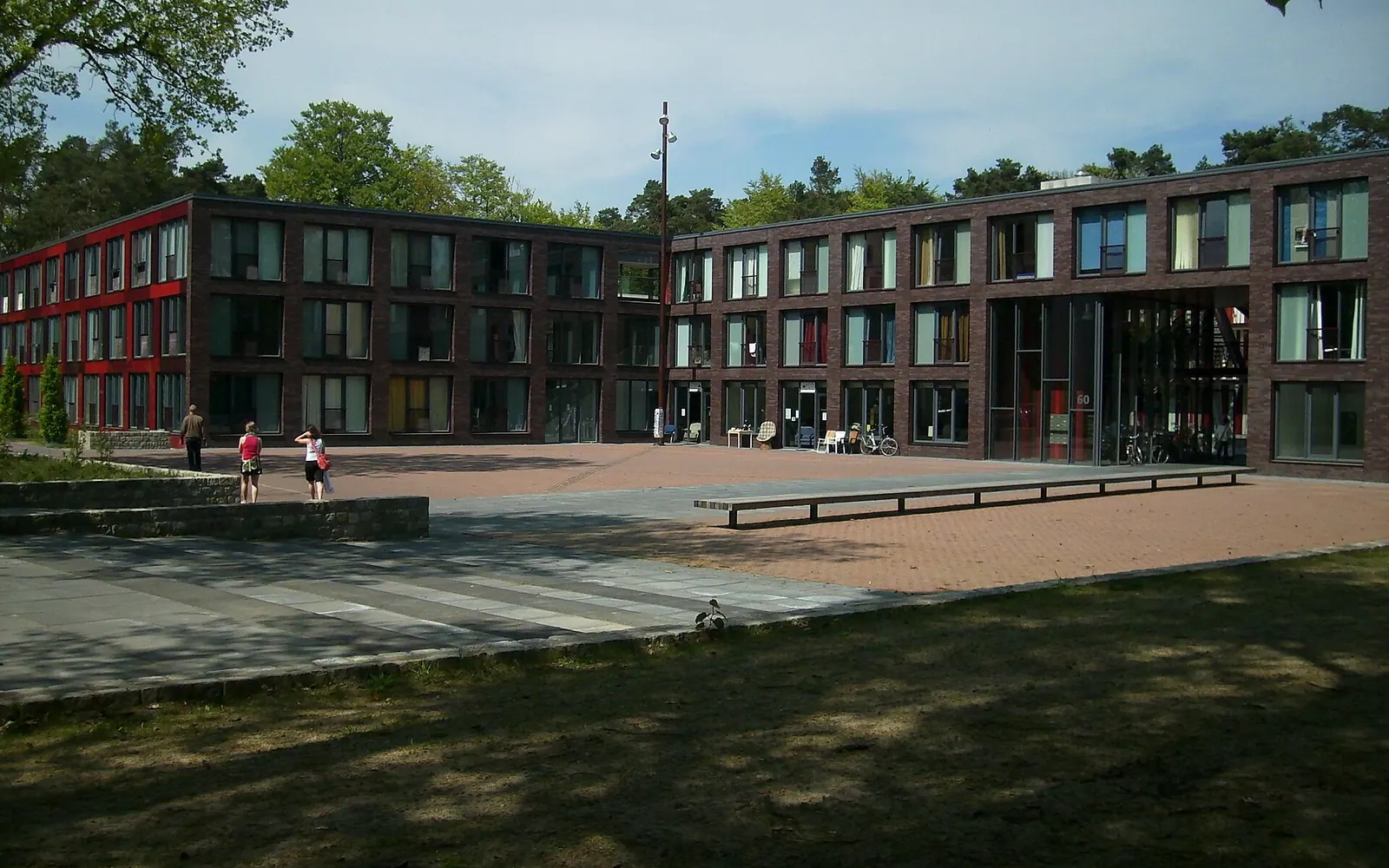
A campus university with more than 3,000 student rooms on site - which matters…
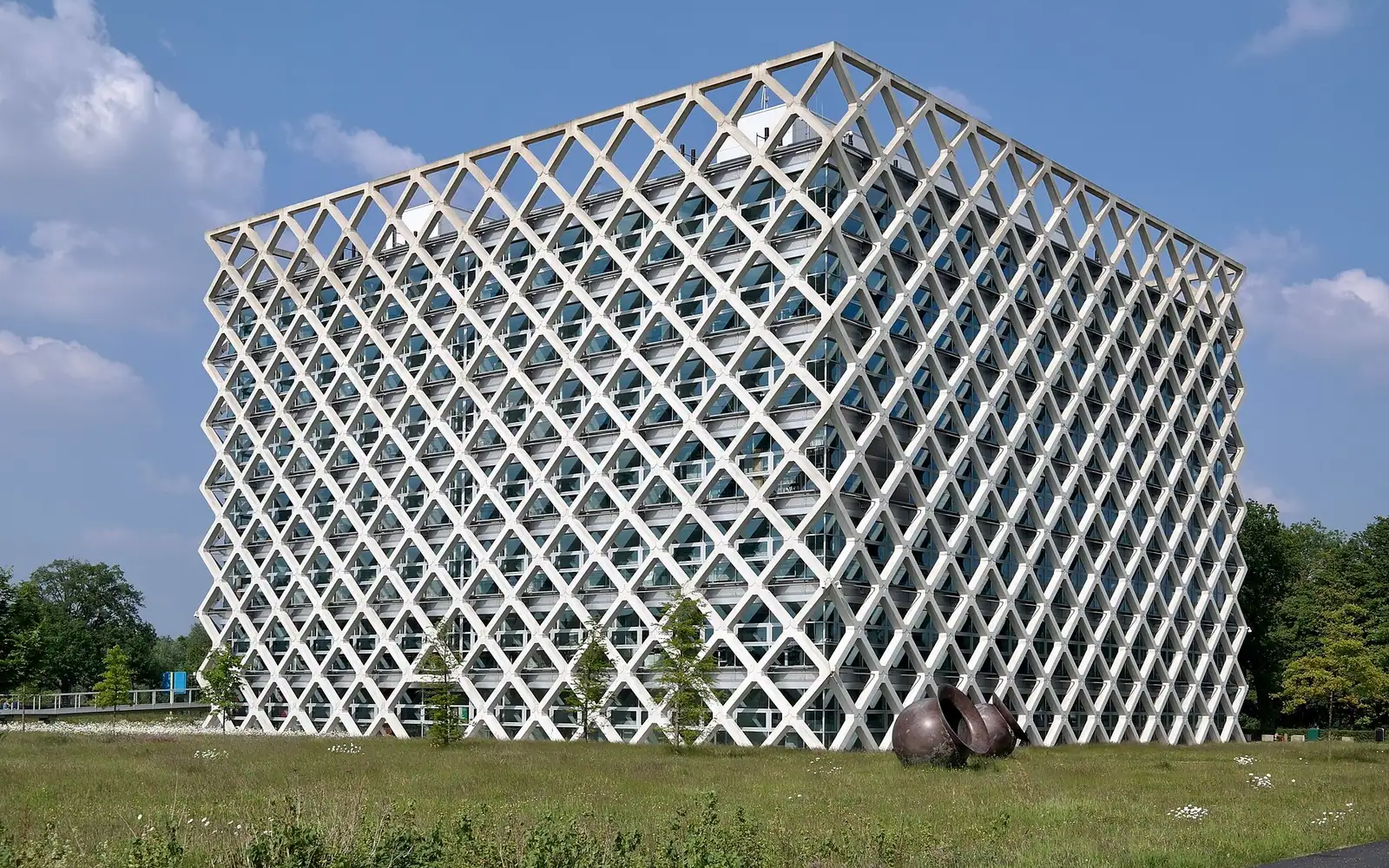
Life-sciences university in the small town of Wageningen; 8 English-taught BSc programmes in food…
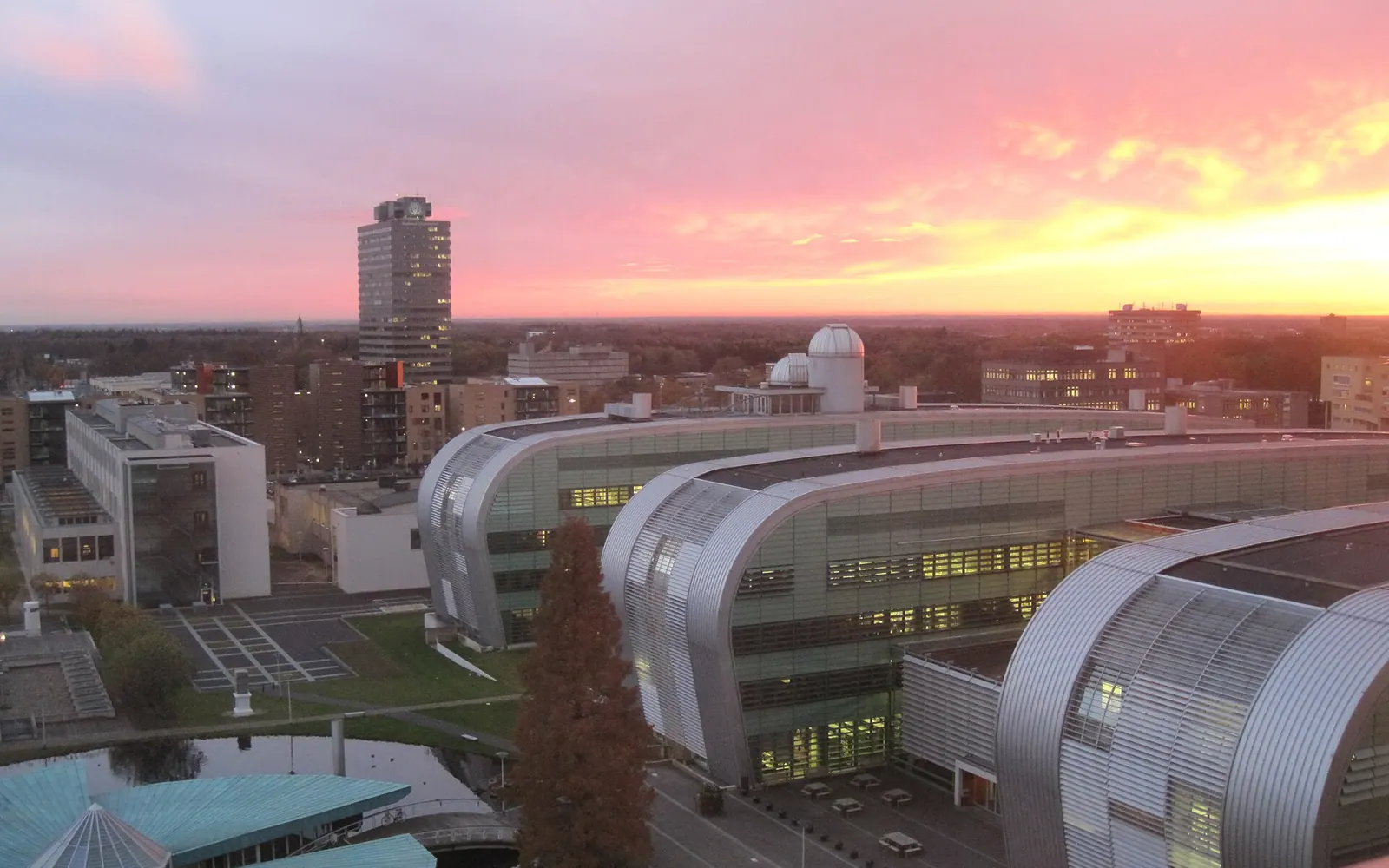
Campus university in Nijmegen with 14 English-taught bachelor's, from AI and Molecular Life Sciences…
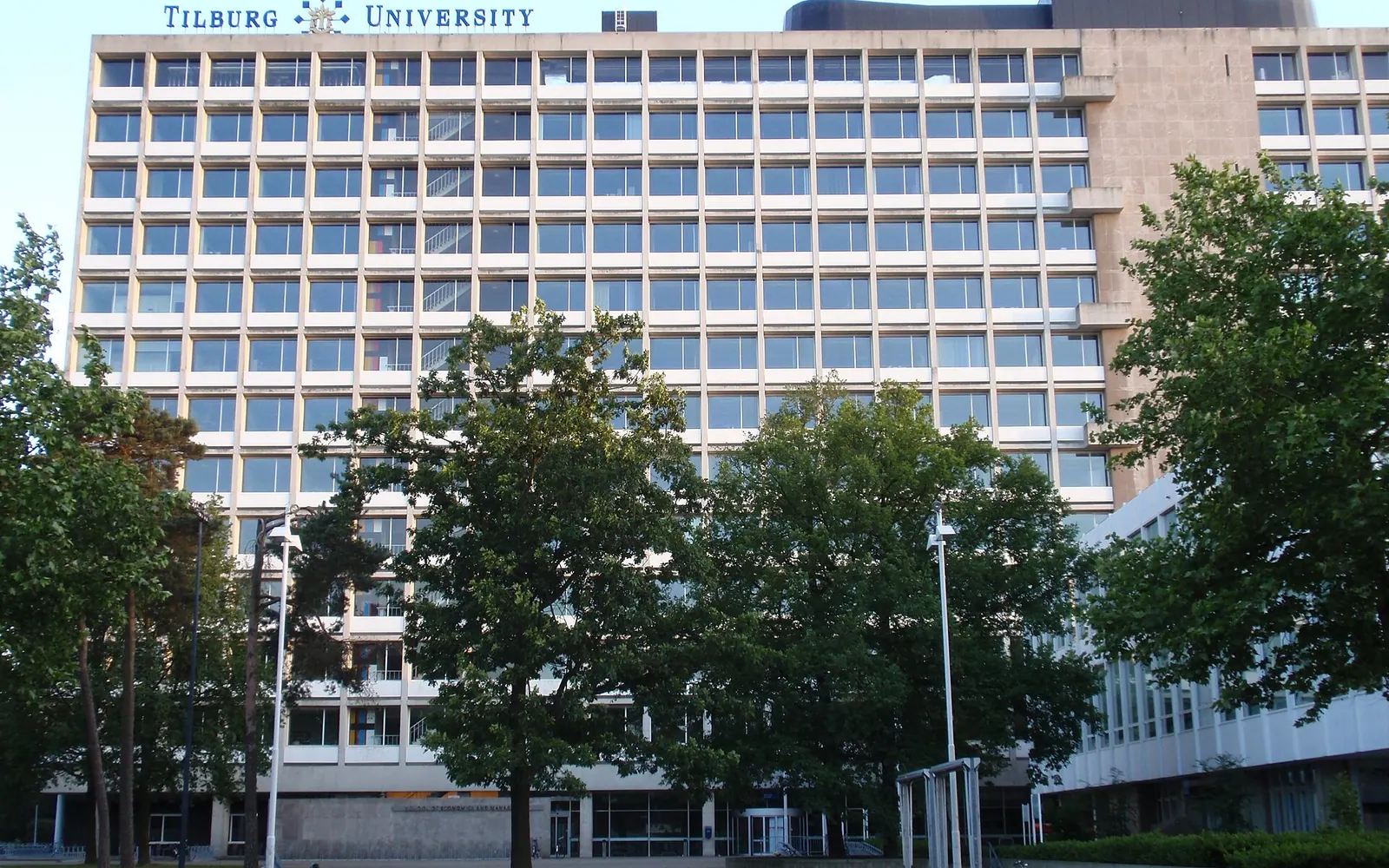
Campus university in Tilburg for economics, business, law and social sciences; 14 English-taught bachelor's…
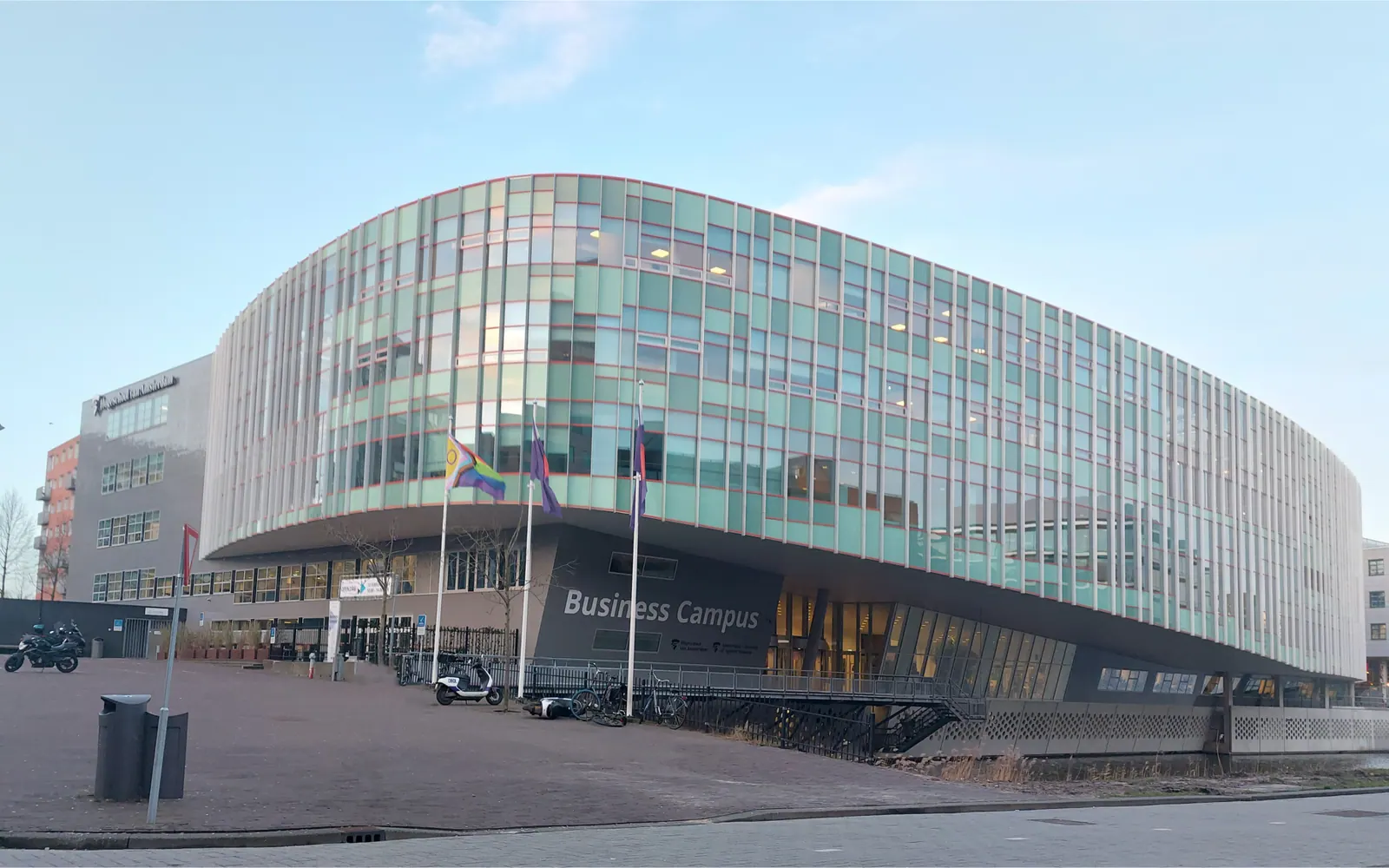
Amsterdam hogeschool with four English bachelor's: International Business (with a 3-year fast track), fashion…
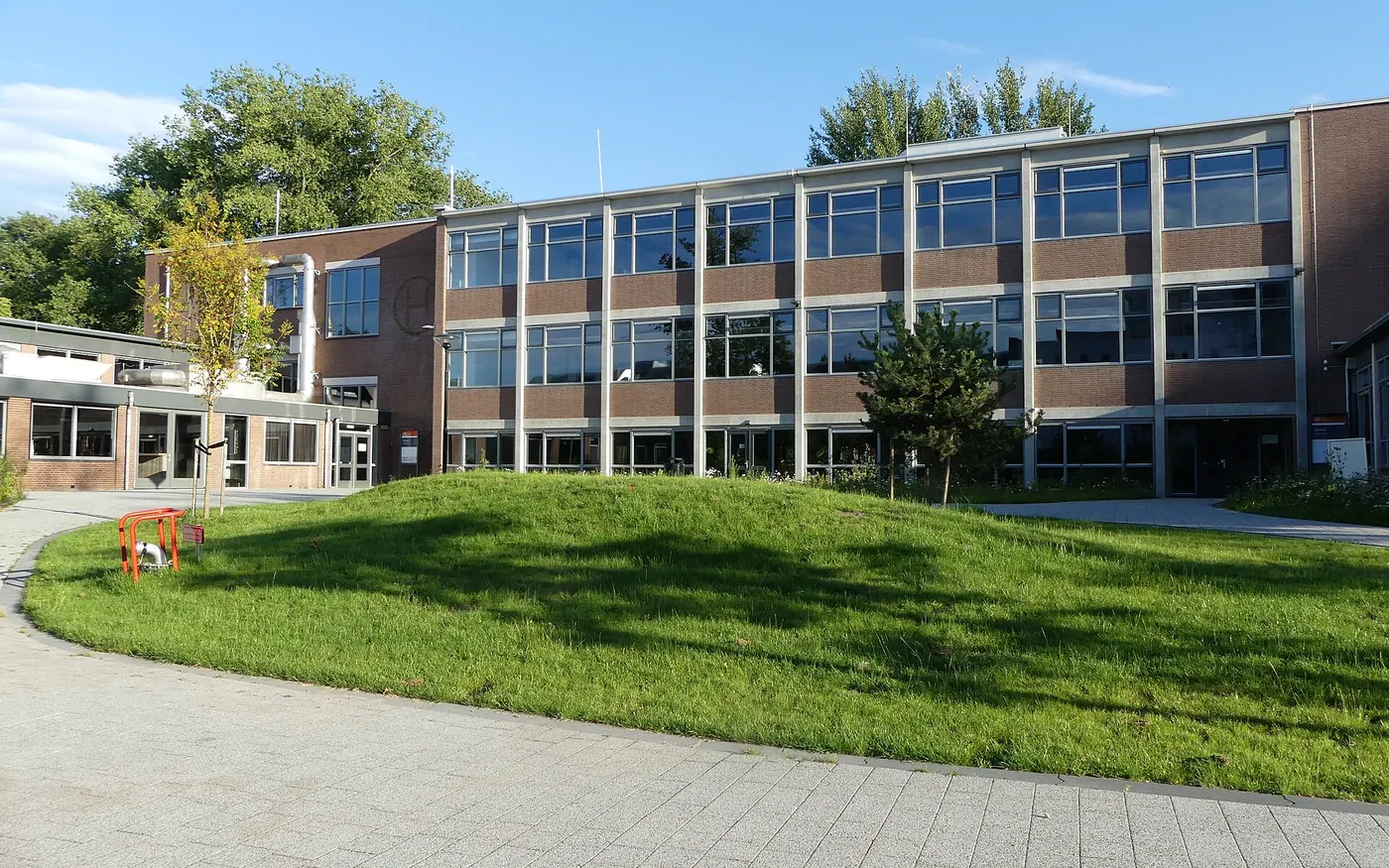
Small and specialised, with English-taught bachelor's in games, creative media, data science and AI…

Applied-sciences university in Groningen with project-based degrees for clients, from business and engineering to…
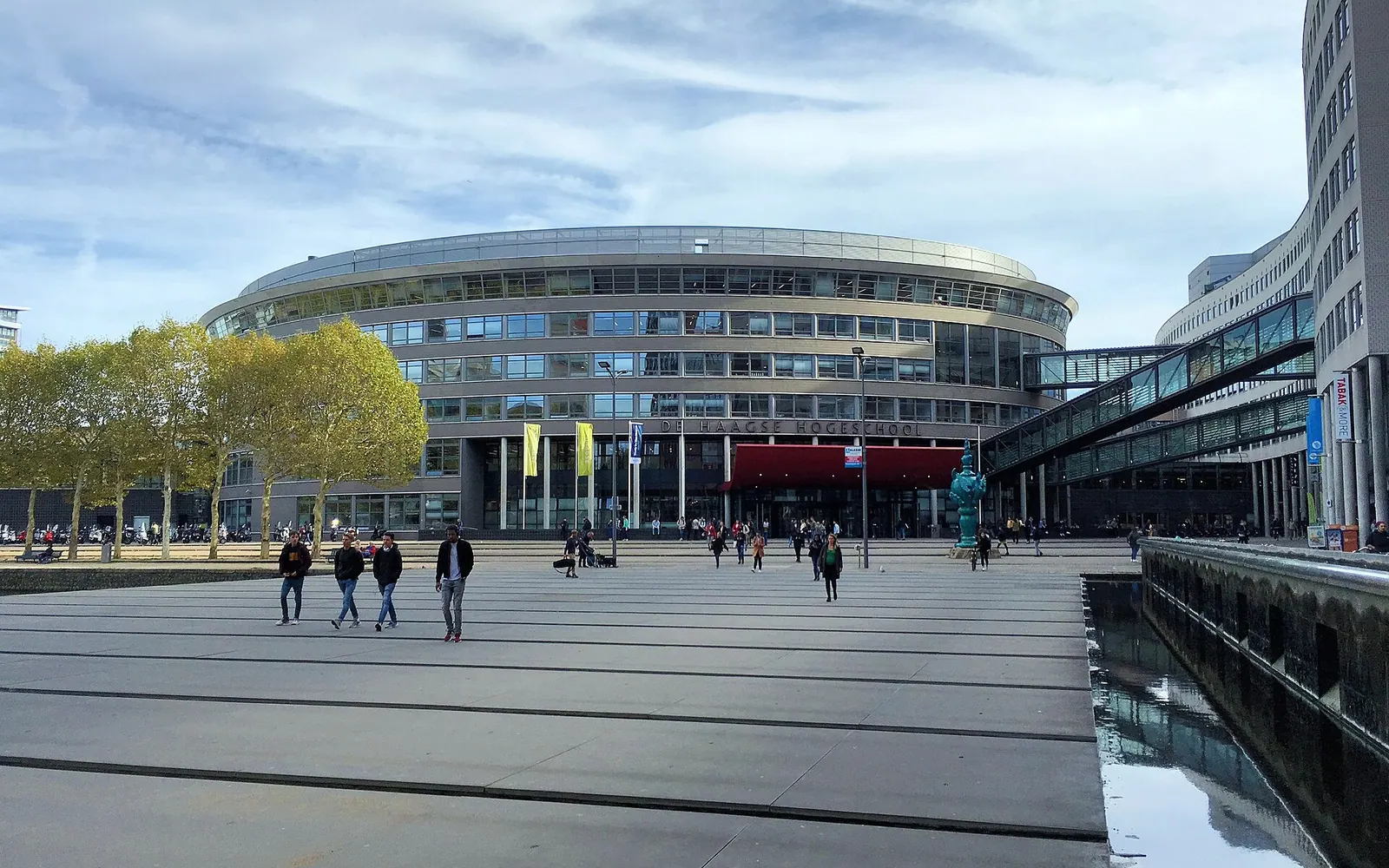
Hogeschool in The Hague with 13 English bachelor's, from law and European studies to…
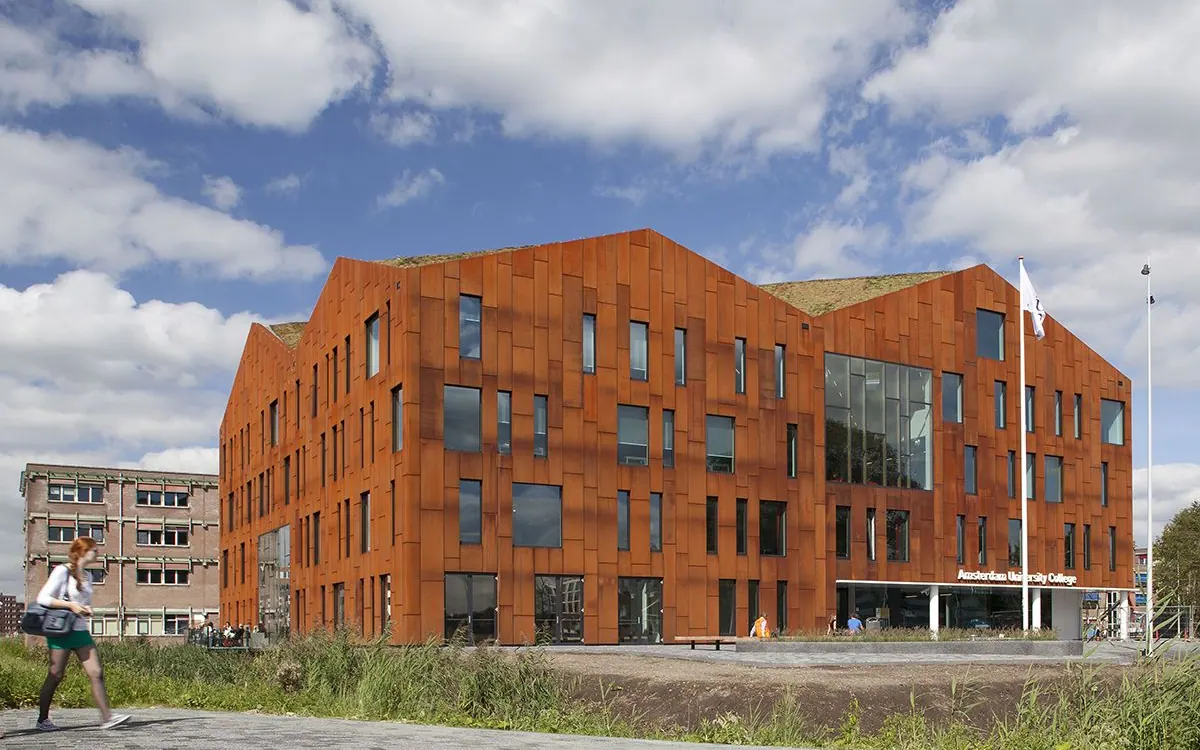
UvA and VU's joint liberal arts college at Amsterdam Science Park: one English BA/BSc…
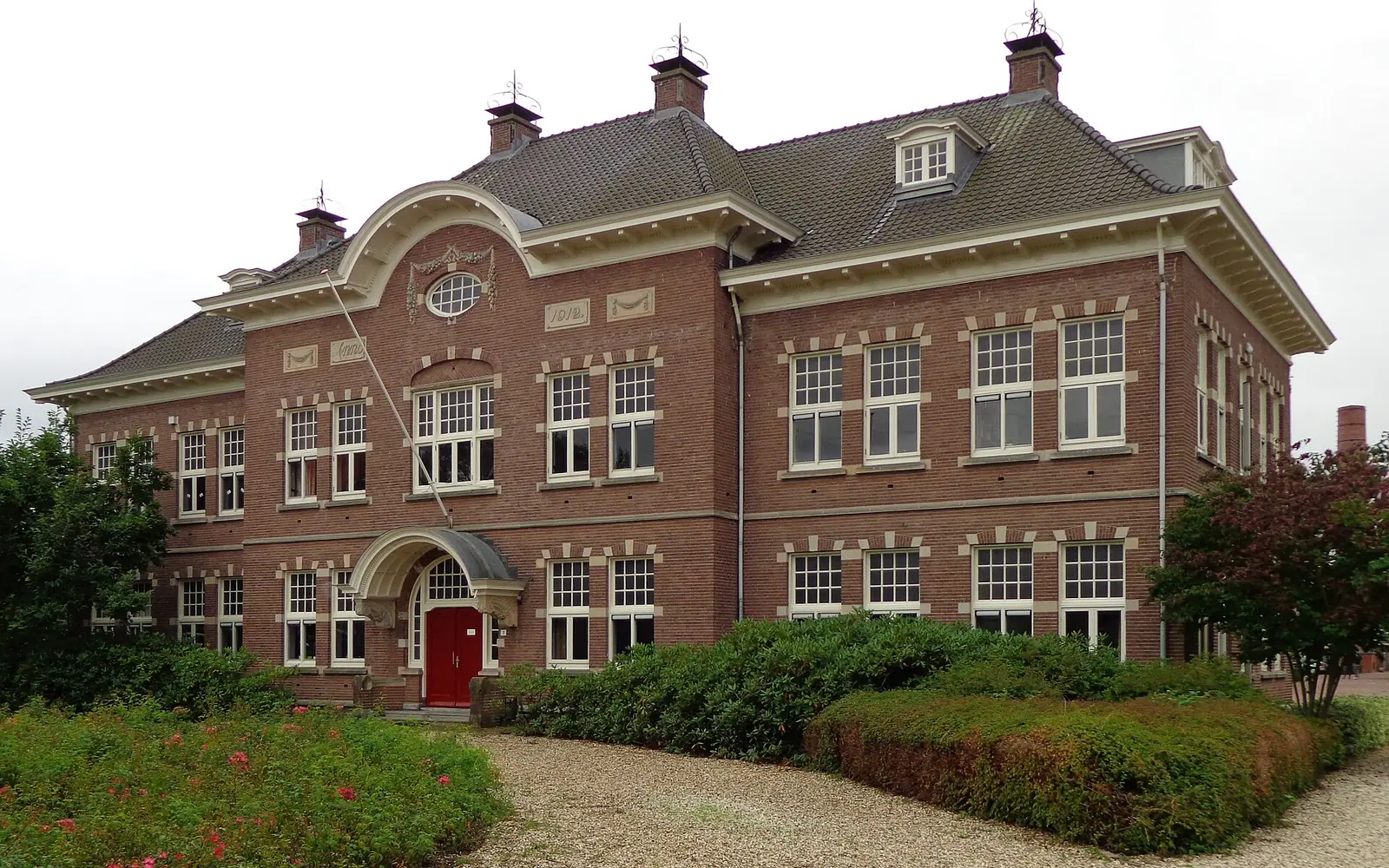
Utrecht University's residential liberal arts and sciences college: one English BA/BSc you shape from…
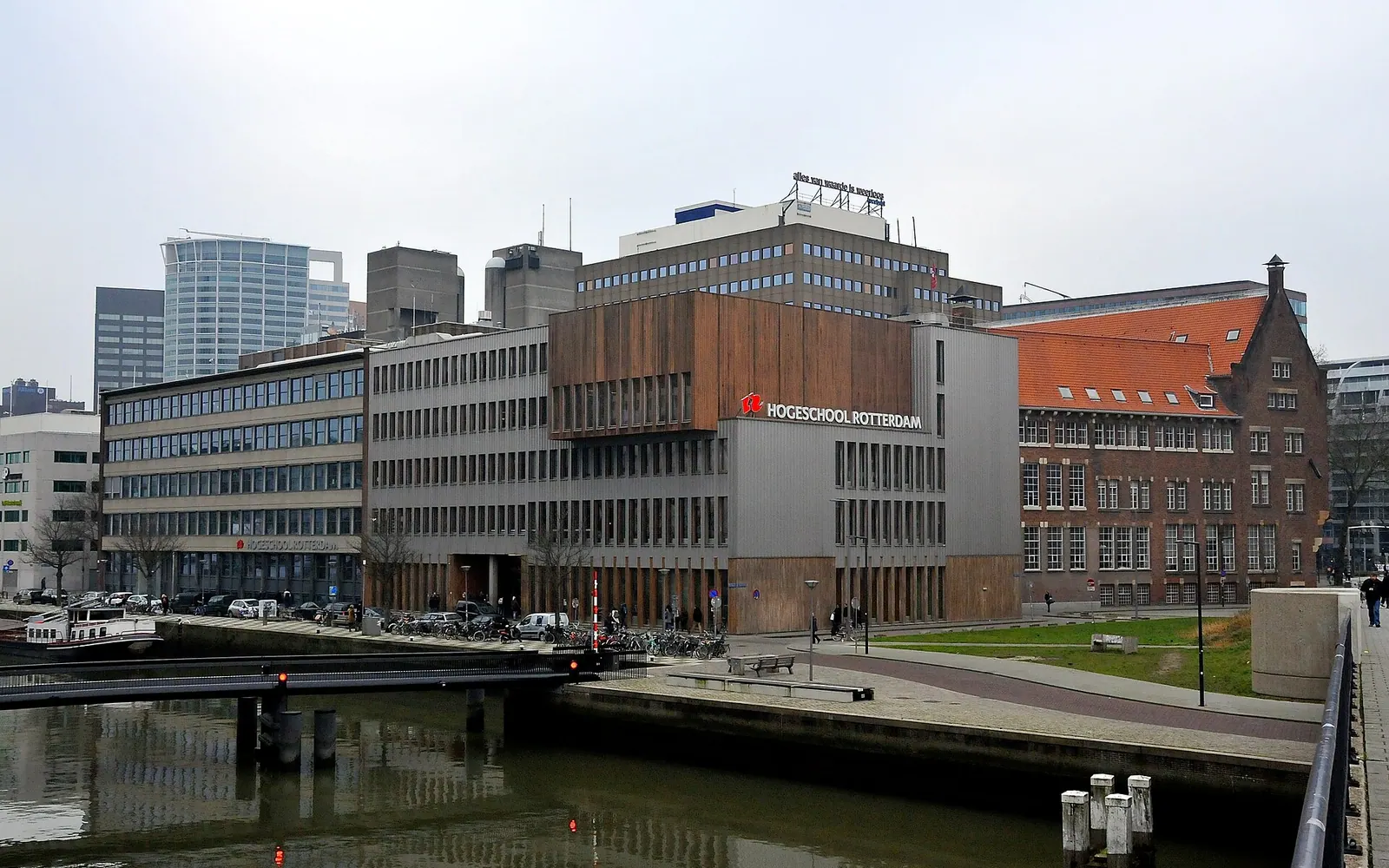
Rotterdam hogeschool with three English bachelor's: International Business (3-year fast track for IB holders)…
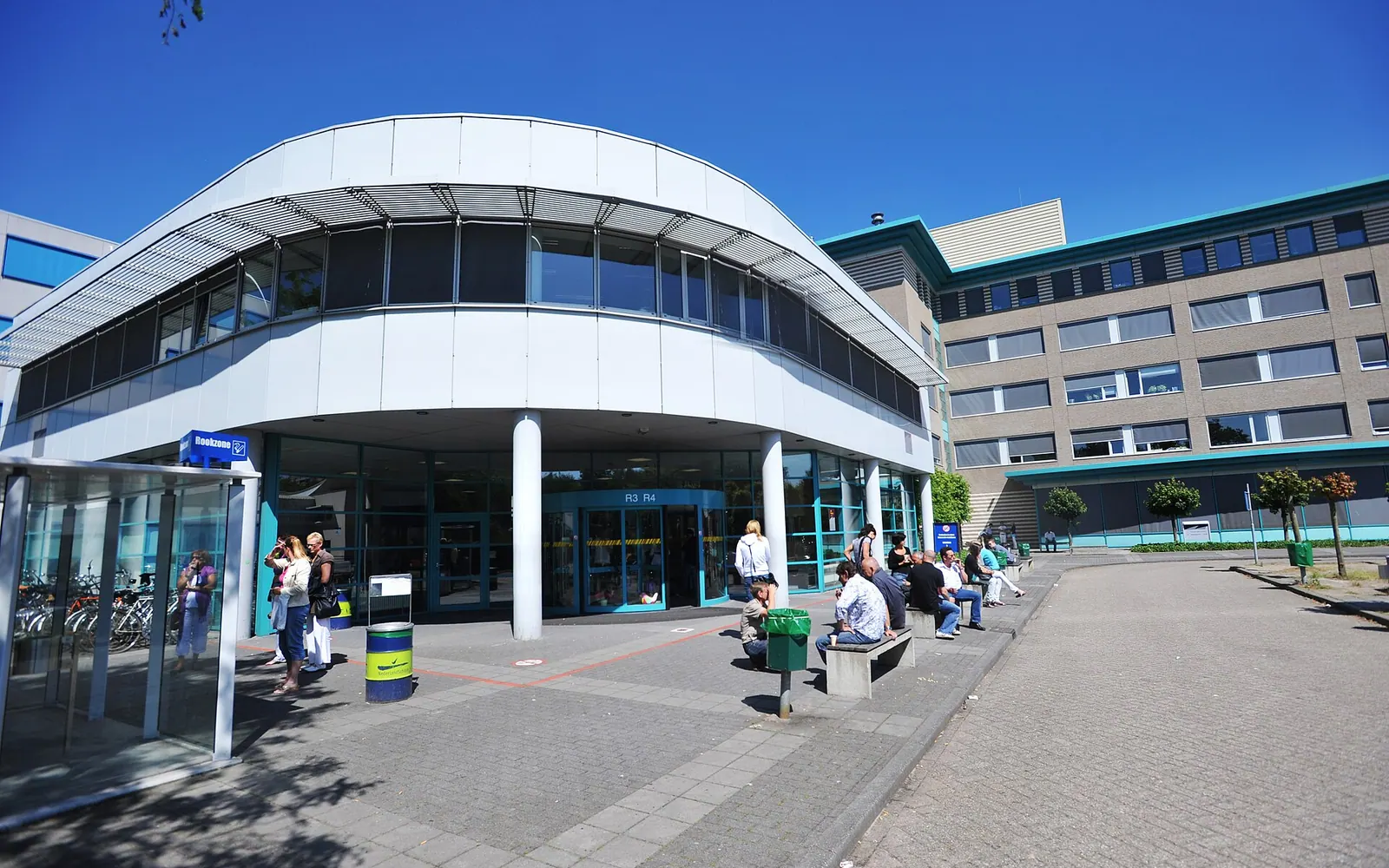
Hands-on university of applied sciences in Eindhoven, Tilburg and Venlo: small classes, company projects…
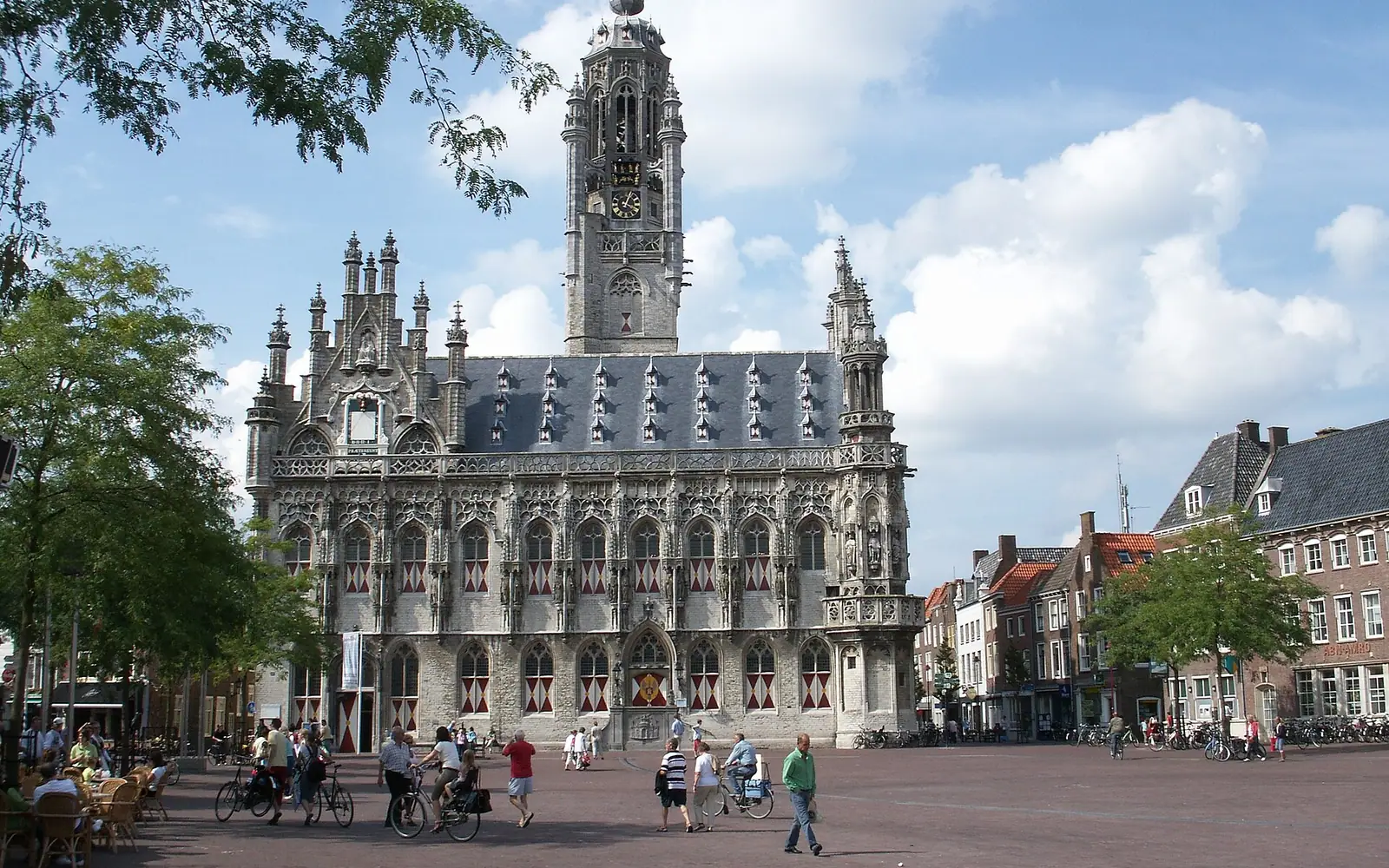
Utrecht University's residential liberal arts college in Middelburg, Zeeland: one English BA/BSc you shape…
This browser cannot draw the globe. Every place is in the list below.
The Netherlands is a common choice for IB students in Denmark: hundreds of bachelor's degrees taught entirely in English, three-year programmes, a statutory tuition fee of 2,694 euro for EU students in 2026/27, and a teaching style built on seminars…
The Netherlands is a common choice for IB students in Denmark: hundreds of bachelor's degrees taught entirely in English, three-year programmes, a statutory tuition fee of 2,694 euro for EU students in 2026/27, and a teaching style built on seminars, group work and reading you are expected to do without being chased. Two things have changed. Parliament is working on a law that pushes bachelor's teaching back towards Dutch, and universities have already started cutting or capping English tracks. And the room shortage is genuinely severe - the national student housing monitor published in 2025 estimated a shortage of about 21,500 student rooms in the 19 largest student cities.
Statutory tuition of 2,694 euro for the 2026/27 year applies to you as an EU citizen, at every publicly funded university and hogeschool.
The Internationalisation in Balance bill (Wet internationalisering in balans, bill 36555) would require bachelor's programmes to be taught mainly in Dutch and force universities to justify every foreign-language programme.
3 observations from people who have watched students go through this — observations, not rules.
The Netherlands divides higher education in two, and the division matters more than almost anything else a student will read about the country.
The Netherlands divides higher education in two, and the division matters more than almost anything else a student will read about the country. Research universities (universiteit, WO) and universities of applied sciences (hogeschool, HBO) are parallel systems with different entry qualifications, different lengths, and different purposes — not a ranking. An IB Diploma opens both. Most English-language advice describes only the first.
The WO route. A three-year bachelor followed by a one- or two-year master, academic in emphasis and taught by researchers. This is what an IB Diploma is compared to in Dutch terms, and what nearly all English-language guidance is describing.
The HBO route. Four years rather than three, including a substantial placement and often a second one, and built around doing the work rather than studying the discipline. Strong in engineering, business, hotel and event management, design, health and teaching. An IB Diploma is more than sufficient for entry, and Dutch students reach it from HAVO — one level below the VWO an IB compares to.
Habitually described as the lesser option, which misreads it. It is the more vocational option, and for a student who wants to be employable in the subject rather than continue to a master, it is frequently the better one.
Small selective honours colleges attached to research universities — Amsterdam, Utrecht, Leiden, Maastricht and others. Broad liberal-arts first year narrowing later, taught in English, usually residential, and closer to a US liberal-arts college than anything else in Europe. They select on more than grades and they charge more than the statutory fee.
Often a strong fit for an IB student, precisely because the breadth-then-depth structure resembles the Diploma.
Art, design, music, dance and theatre, admitting on portfolio or audition. Grades are secondary and the entry process runs on a different calendar and different terms from everything else here.
Not covered in detail on this site; these schools do not appear in the ordinary programme listings.
24 points and the award of the full IB Diploma is the floor used across Dutch higher education; individual programmes and numerus fixus selection routinely demand far more.
Yes
24 points and the award of the full IB Diploma is the floor used across Dutch higher education; individual programmes and numerus fixus selection routinely demand far more. Nuffic does not publish a national minimum score.
Nuffic compares the full IB Diploma to a Dutch VWO diploma, which is the qualification that gives access to a research university (universiteit) bachelor's. Programmes that require specific school subjects - maths and physics for engineering, maths for economics and econometrics - normally want those subjects at Higher Level, and each university publishes its own HL/SL list. Check the programme page, not a general page.
There is no national IB-to-Dutch points table. Dutch programmes are either open access (you meet the diploma and subject requirements and you are in) or numerus fixus (the university runs its own selection and sets its own weighting of your grades). Ask the individual programme how it scores IB grades.
How Netherlands reads an IB Diploma.
These are the pages this section was written from. None has been signed off by a person yet, so confirm anything consequential at the source.
Through Studielink
From autumn 2026, use the Study in NL programme finder to check whether each programme you want is still taught in English for 2027 entry and whether it has a numerus fixus.
Create a Studielink account. With a Dutch address you log in with DigiD; without one you create an account by uploading a scan or photo of your passport or EU identity card, which Studielink verifies automatically. Then add your programme choices.
Apply by 15 January 2027 for any numerus fixus programme, and by 1 May 2027 for open-access programmes.
Complete the university's own application in its student portal: motivation letter, CV, predicted IB grades, transcript, proof of English, sometimes a test or interview.
For open-access programmes, take part in the matching or study check activity - at many universities this is compulsory even though the advice is non-binding.
Numerus fixus results land on 15 April; accept your place within two weeks or it goes to the next person on the list.
Send your final IB transcript as soon as results are released on 6 July 2027 — and ask your IB coordinator to put each university on your transcript list before 5 July, because from that date you request transcripts yourself through rrs.ibo.org at $19 each instead of free through the school. Then enrol, pay the tuition fee, and register with the municipality once you have an address.
Two worlds. Open access: meet the diploma, subject and English requirements and you are admitted, with no competition on grades. Numerus fixus: the programme sets a number of places and runs decentrale selectie, scoring you on grades, motivation, tests, interviews or a written assignment - each programme designs its own procedure and publishes it. Medicine is numerus fixus everywhere and is the hardest route in the country.
First portfolio round closes (Creative Media & Game Technologies): by 27 November 2026.
Via Maastricht University
Applications for 2027-2028 open on 1 October. University College Maastricht reviews them on a rolling basis from then until its deadline.
Published with its year by the University of Amsterdam: "You can submit your enrolment application for the academic year 2027-2028 in Studielink from 1 October 2026 till 15 January 2027." Studielink's information site info.studielink.nl states the 15 January and 1 May deadlines without saying when applications open, so the opening date is taken from the university's page.
Priority Via Breda University of Applied Sciences programme with selection
Later applications are considered after these.
One of four rounds, not a deadline. BUas says decisions on interview invitations follow within two weeks of each round and that an earlier round secures a place sooner. The year is taken from the regulation's stated academic year and is provisional for that reason.
Your own plan Via Netherlands
Not published by anyone — a date worth setting yourself.
Not an official deadline. With a Dutch address you log in with DigiD, which the government says takes about five days. Without one you upload a scan or photo of your passport or EU identity card and Studielink verifies it automatically. Either way, do it well before 15 January.
Priority Via Breda University of Applied Sciences programme with selection
Later applications are considered after these.
Falls on the same day as the national numerus fixus deadline and is not the same thing: this round is one of four and missing it does not close the programme.
Hard deadline Via Maastricht University
After this the door closes.
The national numerus fixus date. Maastricht's published table gives 15 January 2026 for the 2026-2027 round; the 2027 date is inherited from the national rule and is provisional until Maastricht republishes. Studielink and all MyApplication admission tasks must both be complete.
Absolute, and published to the minute: Studielink's own guidance is "until 23:59 on 15 January", and the University of Amsterdam states the 2027 date: "from 1 October 2026 till 15 January 2027". You may apply to at most two numerus fixus programmes in one academic year. Medicine, Dentistry, Dental Hygiene and Physiotherapy allow only one application per programme, so you cannot apply for Medicine at two universities. Selection then runs between 15 January and 15 April; what happens on 15 April, and what you then have to do, are entries of their own.
Hard deadline Via Netherlands
After this the door closes.
Two numerus fixus programmes at most; medicine, dentistry, dental hygiene and physiotherapy allow one application per programme, so not medicine at two universities. Missing this does not cost you the year, but it does cost you every selective programme in it.
Applies to: applicants from outside the EU, EEA and Switzerland
Hard deadline Via Maastricht University
After this the door closes.
Studielink application and every admission task in Maastricht's own MyApplication portal, both by this date.
Priority Via Breda University of Applied Sciences programme with selection
Later applications are considered after these.
Applies to: EU, EEA and Swiss citizens
Hard deadline Via Maastricht University
After this the door closes.
Neither 15 January nor 1 May. UCM is selective without being numerus fixus and sets its own date.
Applies to: applicants from outside the EU, EEA and Switzerland
Hard deadline Via Maastricht University
After this the door closes.
Hard deadline Via Netherlands
After this the door closes.
TU Delft's own date for anyone applying with a non-Dutch diploma, the IB included: register in Studielink by 1 April, a month before the national 1 May. Its numerus fixus programmes close on 15 January. Published as "1 april" with no year.
Via Maastricht University
Also the date on which an applicant is told they failed the International Classroom requirement and are not in the ranking at all.
Published as "Applicants in the selection procedure will receive a ranking number via Studielink on 15 April". Nothing is required of you on the day itself — but this is the day the two-week clock starts for anyone offered a place, so it is the day to start watching Studielink rather than the day to relax. A ranking number above the number of places is not a refusal: places freed by students who do not accept are offered down the list, so ranking 101 of 100 places can still become an offer.
Via Netherlands
Selection runs between 15 January and 15 April and every applicant receives a ranking number through Studielink. Indicative: Nuffic’s date, not the government’s.
Hard deadline Via Netherlands
After this the door closes.
Twente: "Make sure to complete your registration before 30 April at 23:59 CET", a day before the national 1 May. The page still gives the 2026 intake's date (30 April 2026); the 2027 one is taken to be the same day.
Hard deadline Via Breda University of Applied Sciences programme with selection
After this the door closes.
BUas states: "The official deadline to make an enrolment application in Studielink for bachelor programmes with selection is 1 May." This is BUas's own rule and it is later than the 15 January the national page sets for numerus fixus. BUas does not say which national rule this follows; treat 1 May as the outer limit and apply far earlier, because every BUas programme here fills by rounds.
Applies to: EU, EEA and Swiss citizens
Hard deadline Via Maastricht University
After this the door closes.
Maastricht’s own deadline for the whole application, Studielink and MyApplication tasks included. The programme is not capped, and the date matches the national 1 May.
Applies to: applicants from outside the EU, EEA and Switzerland
Hard deadline Via Maastricht University
After this the door closes.
Only if Maastricht tells you your mathematics falls short: a syllabus for its mathematics sufficiency check. EU/EEA and Swiss applicants: 1 June.
Equal consideration Via Netherlands
Applications in by this date are guaranteed to be considered. Later ones may still be read, at the institution’s discretion, against whatever places remain.
Apply by 1 May and you are entitled to admission to a non-selective programme you qualify for. The government says a first application after 1 May may be refused - the programme can still take you, but does not have to. Some institutions set earlier dates of their own, and theirs is the one that binds.
Studielink closes at 23:59 on 1 May. The government’s rule is what makes it an equal-consideration date: apply by 1 May and you are entitled to admission to a programme you qualify for ("Aanmelding tot en met 1 mei betekent ook recht op toelating"); a first application after 1 May "kan door de opleiding geweigerd worden" - the programme may still take you, but it does not have to. Some programmes close earlier for capacity or matching reasons, and the programme’s own date is the one that binds.
Hard deadline Via Breda University of Applied Sciences programme with selection
After this the door closes.
Includes a personal video message for applicants with a non-Dutch diploma. Registering in Studielink alone is not an application.
Hard deadline Via Breda University of Applied Sciences programme with selection
After this the door closes.
The last round for Creative Media & Game Technologies and Applied Data Science & AI, and the assessment deadline for Creative Business. Interviews for the final round run to the end of May.
Applies to: EU, EEA and Swiss citizens
Hard deadline Via Maastricht University
After this the door closes.
Only if Maastricht tells you your mathematics falls short: a syllabus for its mathematics sufficiency check. A shortfall is a process rather than a refusal, and it must be cleared before the first year starts. Non-EU/EEA applicants: 1 May.
Via Breda University of Applied Sciences programme with selection
BUas: "The prospective student will be notified by June 19th regarding their selection for the degree program." That is before the IB releases results on about 6 July.
Via Breda University of Applied Sciences programme with selection
BUas: "At the latest on 1 July, we will inform applicants that have been placed on the waiting list whether or not they have been selected for the programme."
Via Netherlands
Both Dutch deadlines fall well before this. How a conditional place pending results is handled is set by each institution; ask yours.
Hard deadline Via Maastricht University
After this the door closes.
Including the certified copy of your diploma — which is why IB results arriving in early July is workable here: the diploma is an enrolment task, not an admission task.
Hard deadline
After this the door closes.
The deadline is two weeks from your own offer, not a day in the calendar. Published as "If you are offered a place, you have to accept this place via Studielink within two weeks", and Studielink is explicit that a place not accepted in time "will be assigned to another student automatically". If your offer arrives with the ranking numbers on 15 April, that puts you at the end of April; if it arrives later, because someone above you declined, your fortnight starts then. This is the most expensive thing on the Dutch page to miss and the only one with no date you can set in advance, so the practical answer is to check Studielink from 15 April onwards rather than to wait for an email.
Extensive by European standards, but contracting. Study in NL lists the current English-taught offer across all publicly funded institutions; the number of English-taught bachelor's is falling as universities respond to the internationalisation bill, so any count published today may not…
Extensive by European standards, but contracting. Study in NL lists the current English-taught offer across all publicly funded institutions; the number of English-taught bachelor's is falling as universities respond to the internationalisation bill, so any count published today may not hold for 2027 entry.
Universities set their own English requirements. IB English A or English B at Higher Level is commonly accepted as proof, and many programmes waive a test for anyone who completed a fully English-taught secondary education such as the IB Diploma - but this is decided per programme, not nationally. Otherwise the usual bars are IELTS 6.0-6.5 or TOEFL iBT 80-90. Confirm on the programme page before you rely on a waiver.
Not for English-taught programmes
2,694 EUR per year (statutory tuition fee, wettelijk collegegeld)
2,694 EUR per year (statutory tuition fee, wettelijk collegegeld) (2026/27)
Institutional fee set by each university; Nuffic gives a range of roughly 9,000-20,000 EUR per year for a bachelor's (2026/27)
None for EU/EEA applicants via Studielink. Nuffic notes that some institutions charge non-EEA applicants an application or handling fee of about 75-100 EUR.
1,000-1,500 EUR per month. Nuffic's breakdown (Nibud data, 2024): rent 561, groceries 244, leisure and sport 239, Dutch basic health insurance 133 if you work, transport 67, books and materials 41. Rent alone ranges from about 450 to 1,000 depending on the city. (2024 figures published by Nuffic)
As an EU citizen you do not need a visa or residence permit.
As an EU citizen you do not need a visa or residence permit. What you do need is a Dutch address and a BSN (citizen service number): register with the gemeente (municipality) of the town you live in shortly after arrival, bringing your passport, your birth certificate and proof of your address. Without a BSN you cannot open most bank accounts, take out insurance or be paid legally. Registration requires a registered address, which is one more reason the housing problem is not just about comfort.
EU, EEA and Swiss students can work alongside their studies without restrictions - no work permit and no maximum hours (Study in NL / Nuffic, https://www.studyinnl.org/finances/scholarship-and-funding-for-eu-students). Non-EU students need their employer to hold a work permit and are limited to seasonal summer work or a small number of hours per week; check the IND rules before accepting a job.
This is the hardest part of studying in the Netherlands and you should plan around it, not hope. The Landelijke Monitor Studentenhuisvesting 2025 (Kences and the Ministry of Housing) estimated a shortage of about 21,500 student rooms in the 19 largest student cities for 2024-25, only slightly down from 22,800 a year earlier. Nuffic describes a 'severe housing shortage' and says there is not enough student accommodation for everyone. Nuffic budgets rent at about 561 EUR a month (Nibud, 2024), more in Amsterdam and Utrecht, less in Enschede, Groningen, Maastricht and Tilburg. Start the search the moment you apply, not when you are admitted. Ask your university's housing office first - some institutions reserve a block of rooms for first-year internationals and those open on a fixed date, often in spring. Use DUWO, Kamernet, Pararius and the university's own listings. Nuffic warns never to sign a contract for a room you have not seen (ask for a video tour) and never to pay brokerage fees, which are not required by law.
Bring your blue European Health Insurance Card from the country where you are insured. If you only study, the EHIC plus that coverage is normally enough. The moment you take a paid job or a paid internship in the Netherlands, Dutch law requires you to take out Dutch basic health insurance (basisverzekering) - Nuffic budgets about 133 EUR a month for it. If you are on Dutch basic insurance and on a low income you can usually claim zorgtoeslag (healthcare allowance) from the tax office, which refunds part of the premium. Register with a local GP (huisarts) early; in student cities the good practices fill up.
If you hold Dutch citizenship, you do not register a right of residence or prove your fee status, and the Netherlands' own student grants and loans are open to you on their ordinary terms; check them, because some depend on where you have lived.
Your IB is still a foreign qualification here, so the IB entry rules still apply to you.