
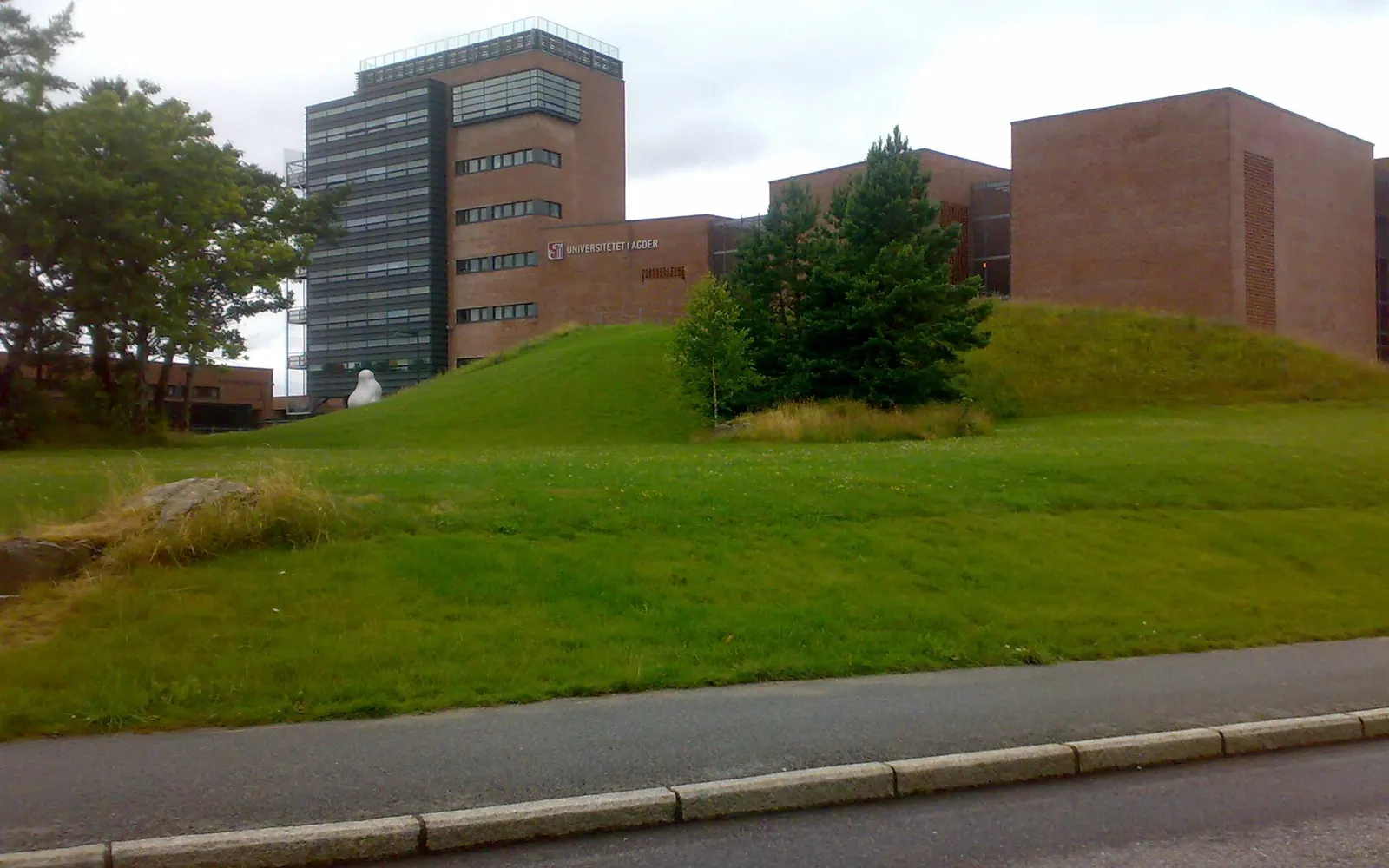
UiA — University of Agder
Public university on Norway’s south coast; five English bachelor’s, from esports in Grimstad to…
Kristiansand5 programmes
Nordics · May 2027 IB session · Autumn 2027 entry
Free, close to Denmark — and almost entirely in Norwegian
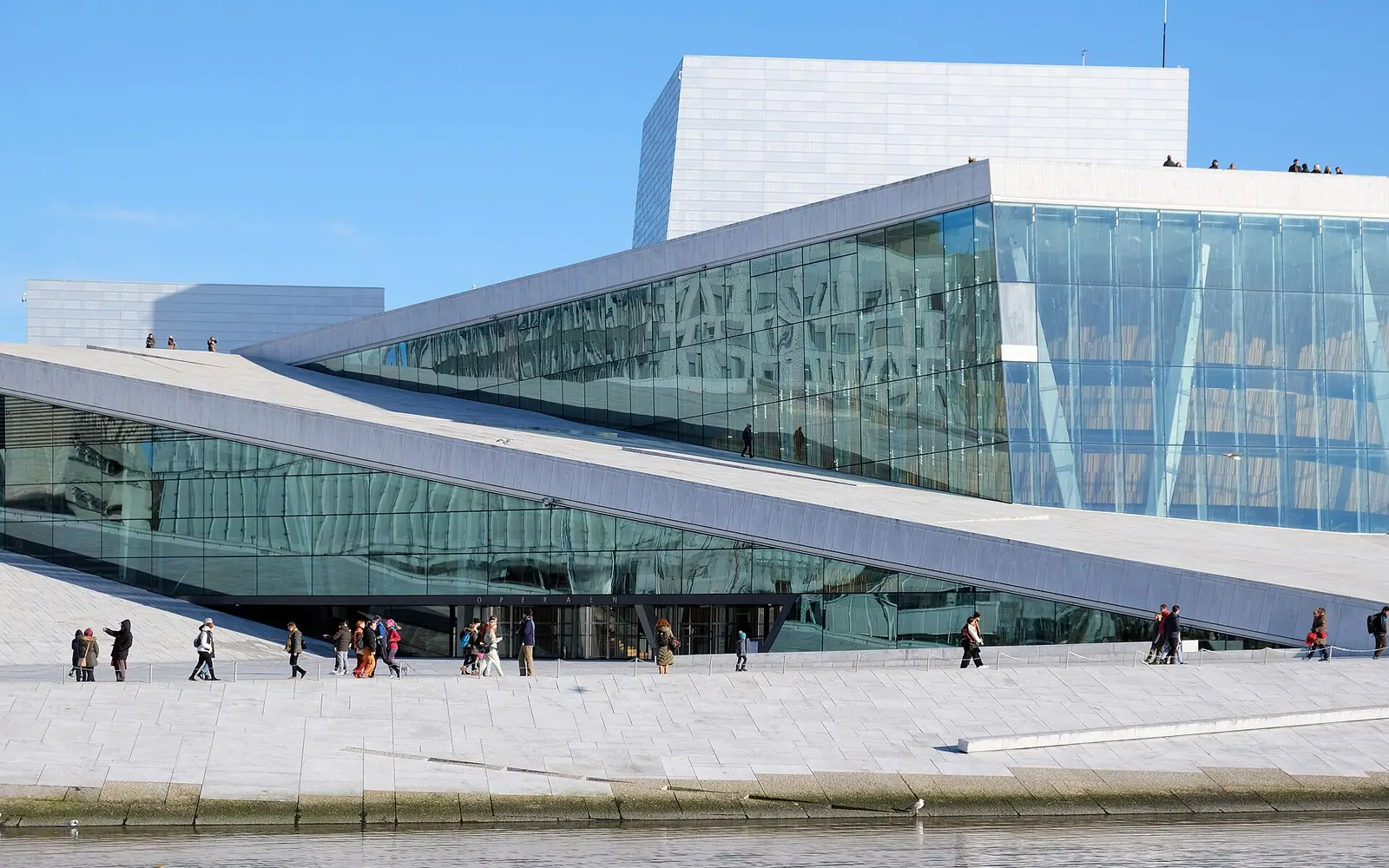
Oslo Opera House
9 institutions
Public university on Norway’s south coast; five English bachelor’s, from esports in Grimstad to…
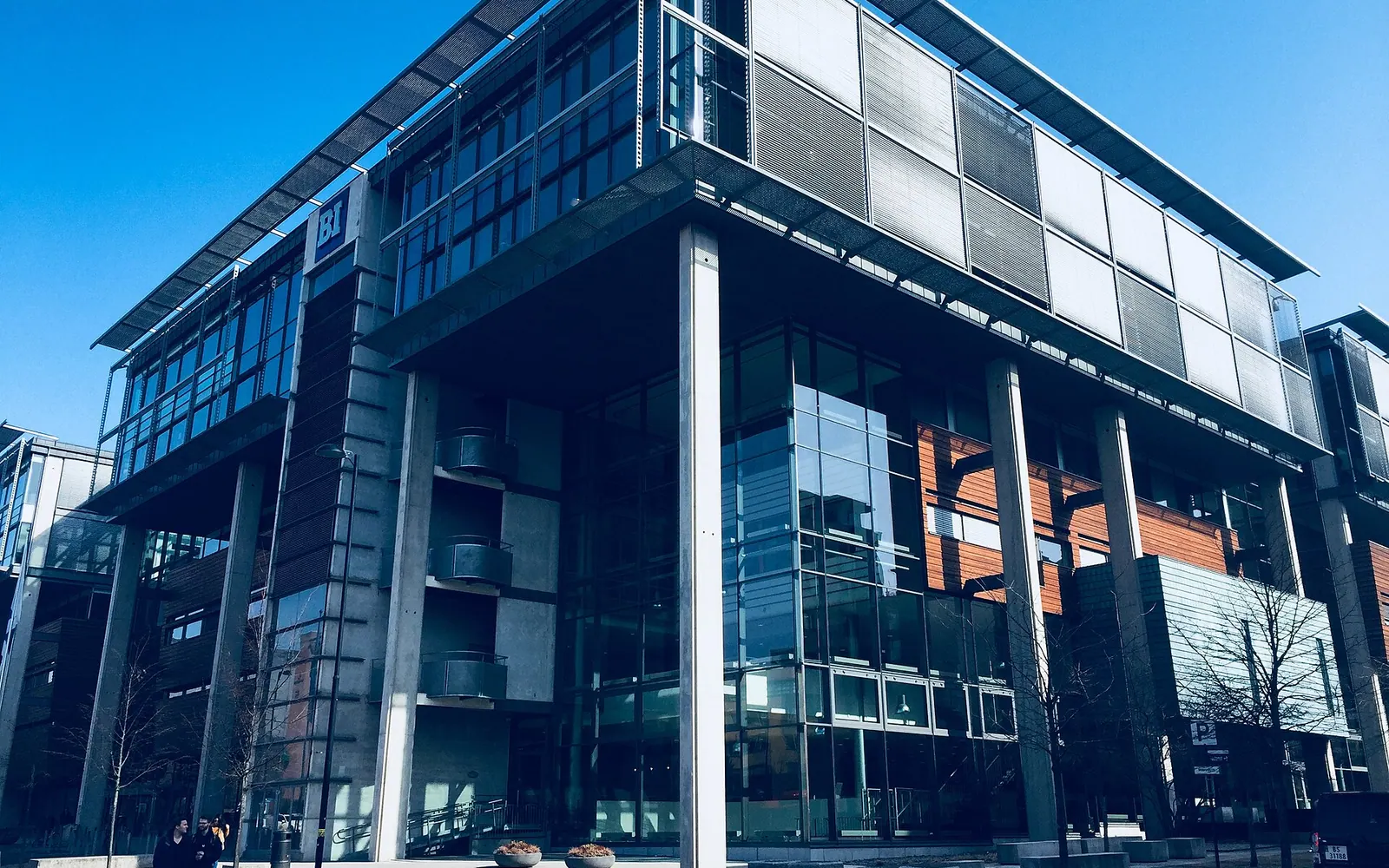
Private business school in Oslo; three English bachelor's in business, data science and digital…
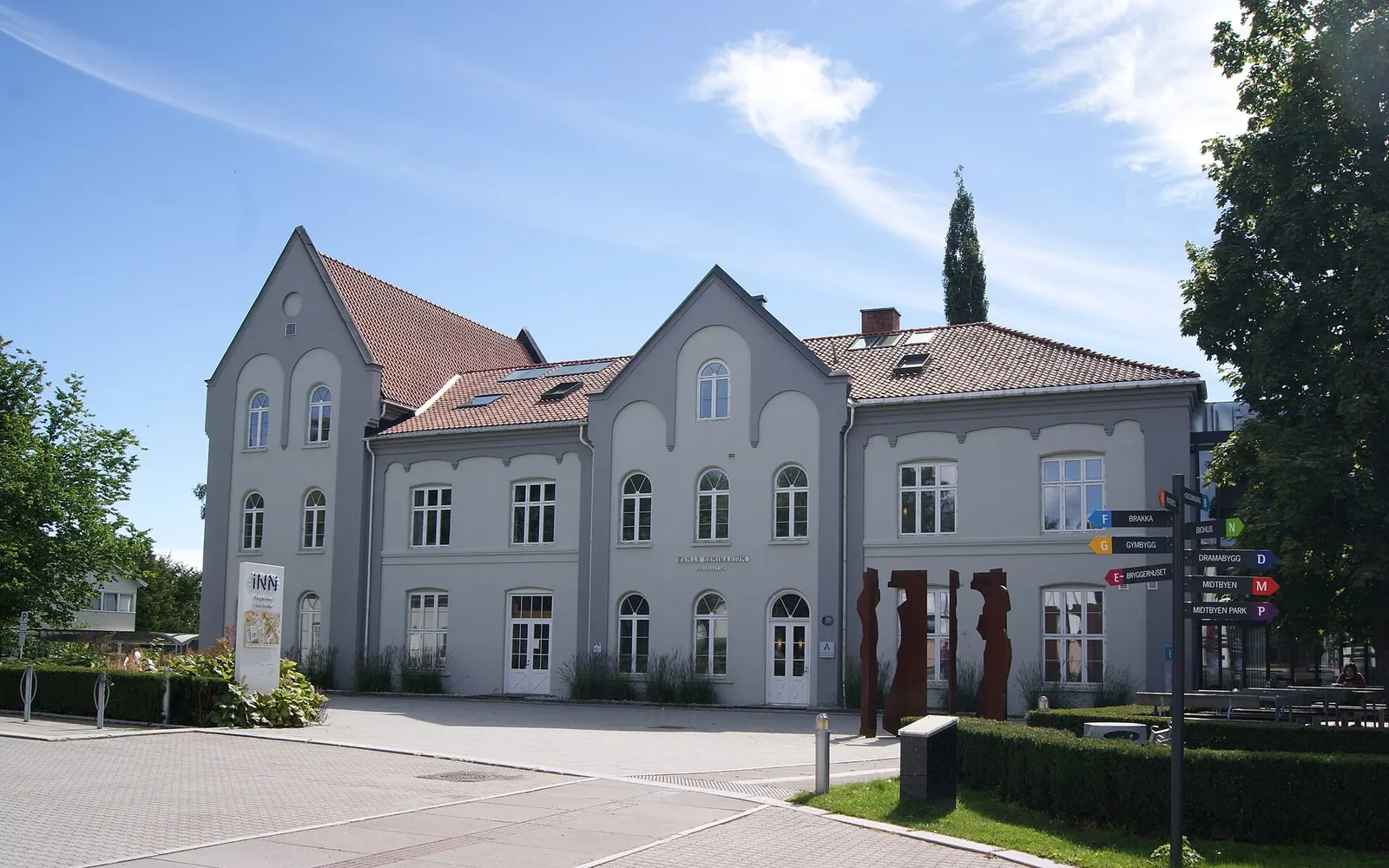
University with campuses across inland Norway; its Game School in Hamar teaches two English…
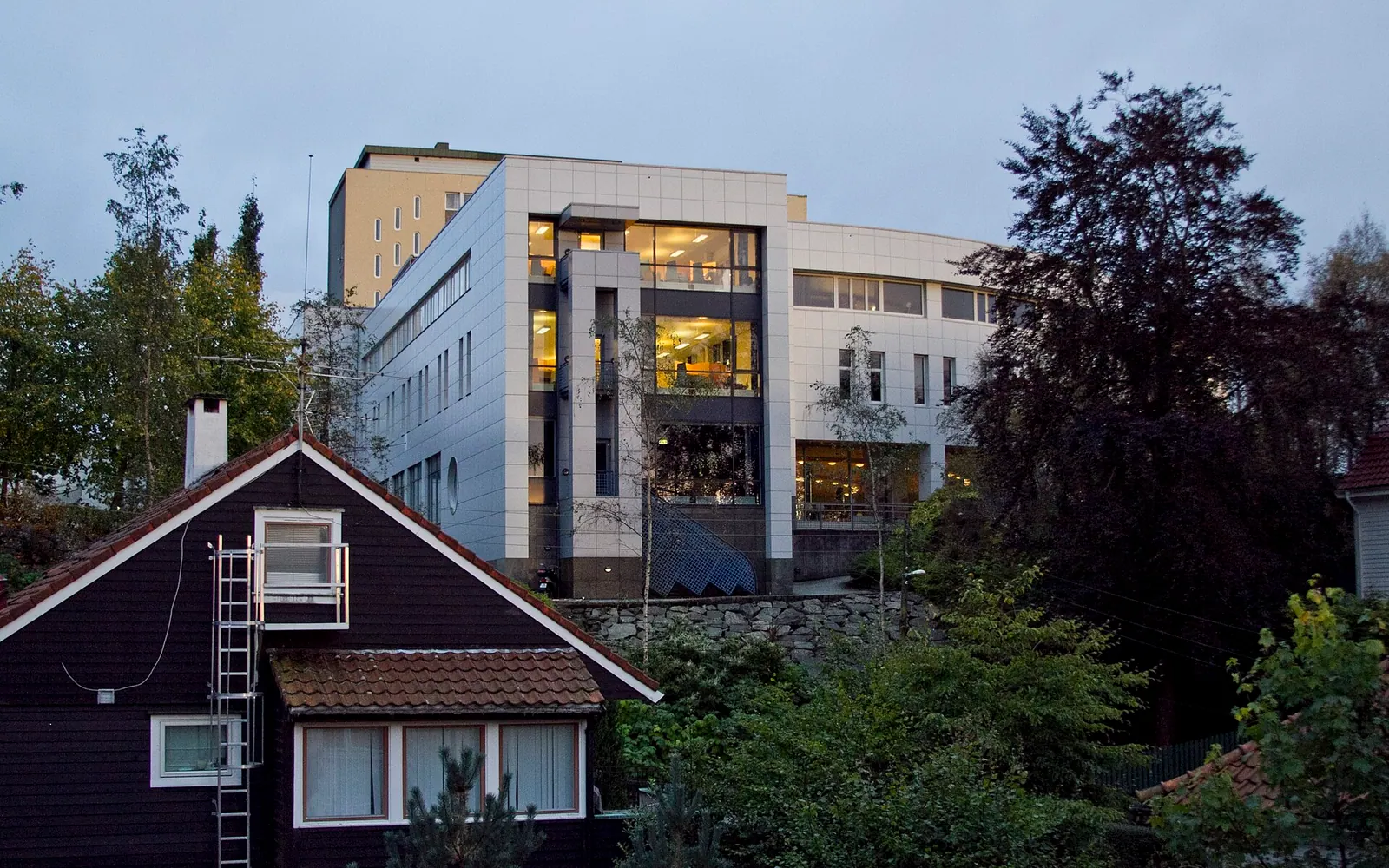
Public business school in Bergen; one English bachelor's, in business, economics and data science…
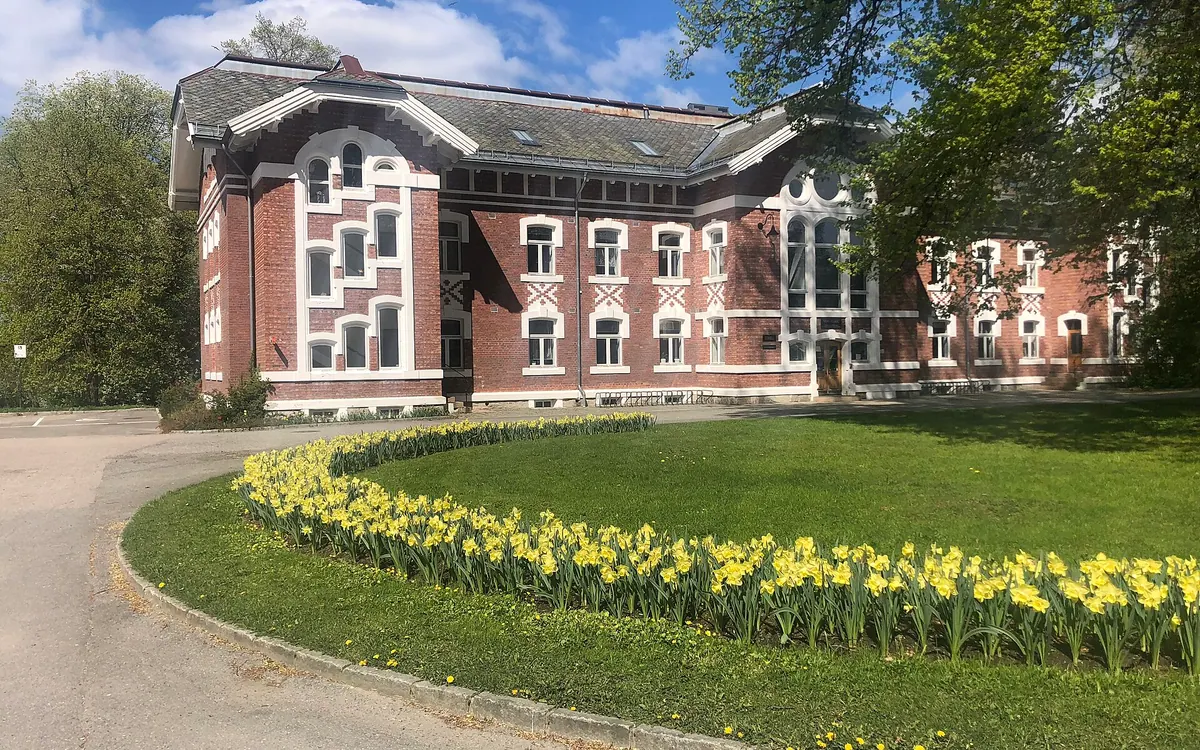
Life-sciences university in Ås, near Oslo; one English bachelor’s, in environment and development studies…
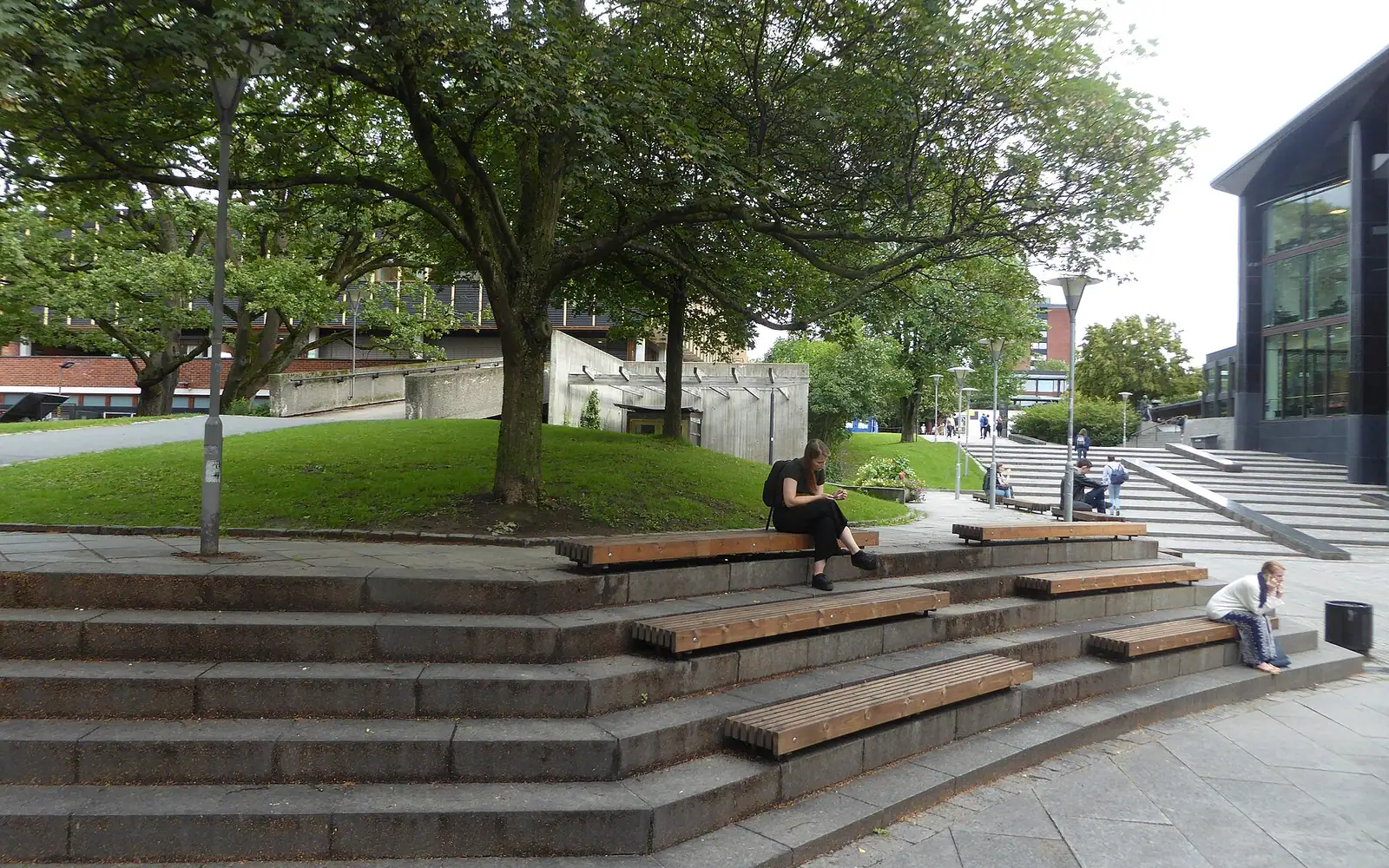
Norway's capital-city research university; one English bachelor's, Technology Systems: Science and Engineering, taught at…
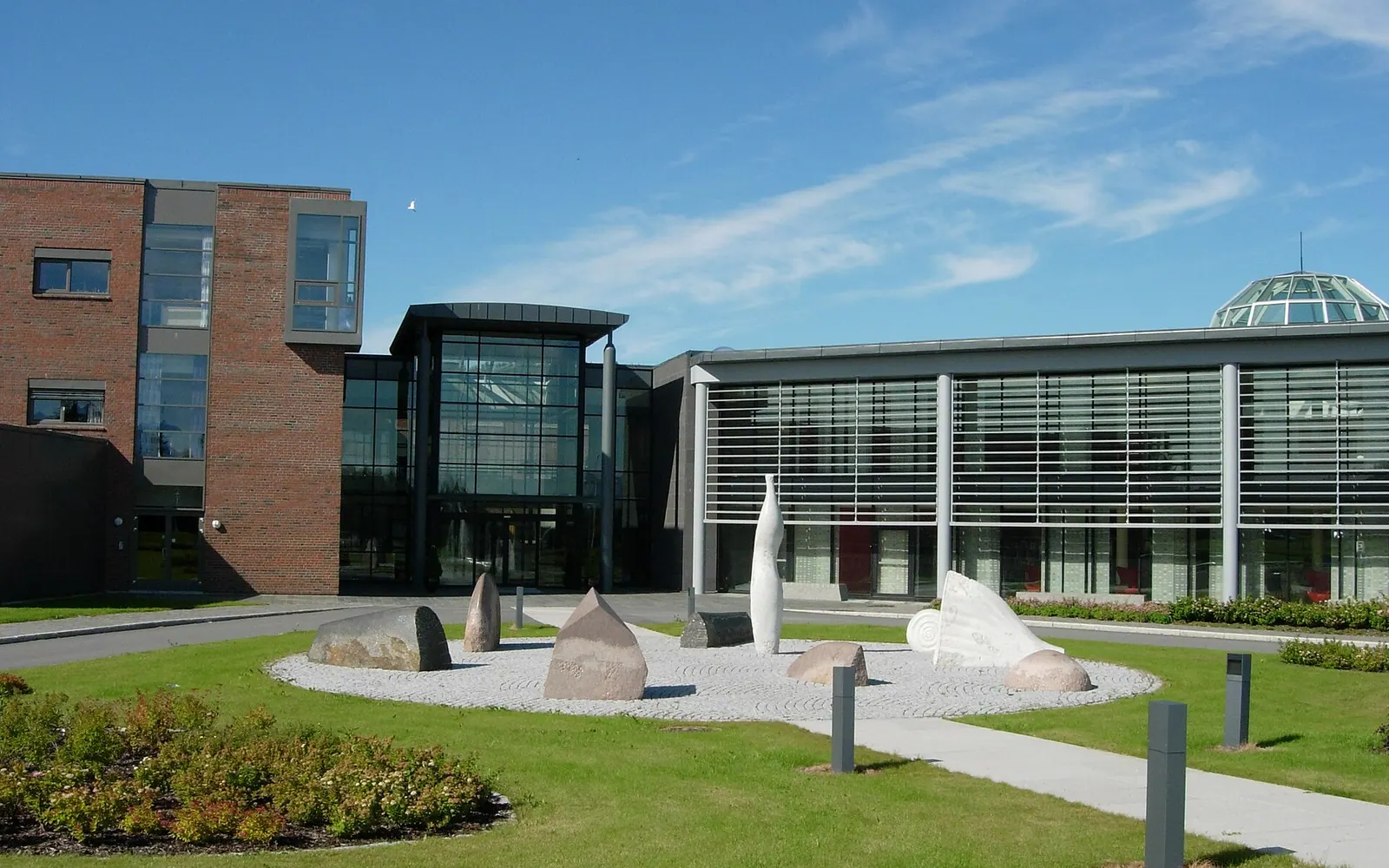
University across northern and central Norway; six English bachelor’s: biology and a vet track…
Oslo’s national arts academy; its one bachelor’s open in English is Classical Ballet, run…

Stavanger's university on Norway's west coast; its one English bachelor's is Dance, taught at…
This browser cannot draw the globe. Every place is in the list below.
Norway charges EU/EEA students no tuition, and your IB converts generously onto the Norwegian scale.
The catch is language: NTNU, UiT and several other big universities teach every bachelor's degree in Norwegian, and only about fifteen bachelor's programmes nationally are in English. But Samordna opptak counts Danish A at grade 3 or better as documented Norwegian, so if you take Danish A (or Norwegian or Swedish A) you can apply to the whole free Norwegian-taught system through one application with ten ranked choices, closing 15 April.
No tuition at public institutions for EU/EEA citizens — you pay only a semester fee of roughly NOK 850–1,000.
NTNU, UiT and HVL state plainly that they offer no English-taught bachelor's degrees.
2 observations from people who have watched students go through this — observations, not rules.
Norway merged most of its colleges into its universities over the last decade, so the sector looks flatter than the Danish or Dutch one: a smaller number of large, multi-campus universities, alongside specialist institutions and a set of private providers…
Norway merged most of its colleges into its universities over the last decade, so the sector looks flatter than the Danish or Dutch one: a smaller number of large, multi-campus universities, alongside specialist institutions and a set of private providers that matter more here than the word "private" suggests elsewhere.
Large, often spread across several campuses after the mergers, covering most subjects. Three-year bachelor, two-year master. Teaching is overwhelmingly in Norwegian at bachelor level.
The remaining university colleges, more applied and more regional, strong in nursing, teaching, engineering and business. Fewer than there were, because most merged into universities.
Single-field institutions with university status — the business school BI, the sport sciences school, the music academy, the veterinary and architecture schools. They are easy to miss if you only look at the universities.
BI Norwegian Business School is the most likely English-taught bachelor route into Norway, and it is private and charges tuition.
Short vocational higher education, half a year to two years, tied closely to a trade or an industry. Applied for through its own route rather than the main portal.
Taught in Norwegian. A real tier of Norwegian post-secondary education, but not a realistic route from an IB.
No minimum point score for a full IB Diploma holder — holding the Diploma is itself the education requirement.
Yes
No minimum point score for a full IB Diploma holder — holding the Diploma is itself the education requirement. A DP Course Results / IB Certificate needs at least 20 points including TOK/EE points, passed TOK and Extended Essay, completed CAS, and grade 3 or better in all subjects, with 3 SL + 3 HL or 2 SL + 4 HL.
Grade 3 or better is required in each subject used to meet a specific requirement. Mathematical Studies SL and Maths AI SL cover S1+S2. Maths AA SL, AA HL and AI HL all cover R1+R2. Physics SL covers Fysikk 1 and Physics HL covers Fysikk 1+2; the same SL/HL pattern applies to Chemistry, Biology, Computer Science, Economics and Design Technology.
Total points (the 45-point scale, including TOK/EE bonus points) converts to Norwegian karakterpoeng: 43–45 = 60.0, 42 = 59.3, 41 = 58.6, 40 = 57.1, 38 = 54.3, 35 = 50.0, 32 = 45.7, 30 = 42.9, 28 = 40.0, 24 = 34.3, 20 = 26.0. The table is set by the Ministry of Education (Kunnskapsdepartementet). Up to 4 language and science points are added on top for qualifying subjects at grade 3 or better.
How Norway reads an IB Diploma.
These are the pages this section was written from. None has been signed off by a person yet, so confirm anything consequential at the source.
Decide early whether you are applying in English or in Norwegian — they are two different systems with different deadlines, and you can use both.
For English-taught programmes, apply directly to each institution through its Søknadsweb portal. Check each deadline individually; they range from 1 December 2026 to 15 April 2027.
For Norwegian-taught programmes, register on Samordna opptak from 1 February 2027 and list up to ten choices in order of preference. A lower choice is dropped automatically once a higher one is offered.
Ask your IB coordinator to fill in the IB's Request for Results Service in spring 2027, naming the institutions that handle your application, so they can read your results electronically — the 1 July documentation deadline falls before results day.
Upload your IB diploma and transcript. No translation is needed for documents in English or a Scandinavian language.
If you are a Nordic citizen, you do not register with the police. Other EU/EEA citizens staying more than three months register with the police within three months of arriving. If you will stay more than six months, report your move to Norway to the Tax Administration (Skatteetaten) to get a national identity number.
Two quotas: a first-time-certificate quota competing on skolepoeng, and an ordinary quota competing on konkurransepoeng (which adds age points and up to two supplementary points). For autumn 2027 the procedural reforms bite — særskilt vurdering is abolished, ties are broken by lottery, and institutions may introduce their own ranking entrance tests — but age points, the current supplementary-point regime and the 50% first-time quota all survive. The bigger changes, including the removal of age points entirely, land in 2028.
Agder: by 15 December 2026.
Hard deadline
After this the door closes.
UiO's own admission page for applicants who cannot document Norwegian proficiency. UiO states "You must submit all documents before the application deadline, or your application will not be considered", so a May 2027 IB candidate cannot document the Diploma in time: this route suits a student who already holds it. The financing documentation the page demands does not apply to Norwegian, Nordic and EU/EEA citizens.
Hard deadline
After this the door closes.
Published as "1 December, the year before you plan to start" — but only for applicants "from outside the Nordic countries" who "cannot document proficiency in Norwegian". If you take Danish, Norwegian or Swedish A and reach grade 3 or better, you document Norwegian and apply through Samordna opptak by 15 April instead, where NMBU requires Norwegian B2 even though the programme is taught in English. Without one of those, this 1 December route is the one.
Hard deadline
After this the door closes.
Published as "Application deadline for all applicants to music performance programmes" on 15 December, with no year; this site assumes the 2027 intake. Two of UiA's four English-taught bachelor's are music performance degrees, so for them the deadline is December, not 1 March.
Via Norway
The course catalogue for the year is published the same day.
Published as "Opent for søking" on 1 February, when the study overview for the round is also released. Nothing can be submitted through Samordna opptak before this day, and the same 1 February opening applies to the University of Agder's and Nord's own English-taught application webs.
Hard deadline
After this the door closes.
NHH publishes "1 January – 15 February 2027: Submit application, test results, and diploma." If you are eligible for a conditional offer, official predicted grades are due by 15 February 2027 and the final diploma can be uploaded later, until 6 July 2027. Decisions for the EU/EEA/Swiss round come in May. Non-EU/EEA/Swiss applicants apply 1–15 November 2026.
Hard deadline
After this the door closes.
UiA's date, published as "Application deadline for EU/EEA applicants" with no year, so this site assumes the 2027 intake. It covers Academic Esports and English; the two music performance degrees close earlier, on 15 December (their own entry). UiA's application web opens 1 February, and results for EU/EEA applicants come on 1 June and 10 July.
Hard deadline Via Norway
After this the door closes.
Last day to apply or to add further choices. Completed education must be documented the same day.
Published as "15. april kl. 23.59 er siste frist for å søkje". Up to ten ranked choices. The round opens on 1 February, which has its own entry. Documentation for a regular applicant is due the same day, with the exception for spring-semester results that pushes the upload to 1 July.
Hard deadline
After this the door closes.
Published as the window "1 February - 15 April" with no year, so this site assumes the 2027 intake. The application itself is due on this date; the educational documentation has a later deadline of its own, which is the next entry. Nord publishes results to EU/EEA applicants at the beginning of July. The dates are on Nord's central admission page, not on the programme pages.
Hard deadline Via Norway
After this the door closes.
Five days before IB results are published. Samordna opptak's instruction for an IB student graduating this year: you will not be able to upload the diploma in time, so give the institutions electronic access through the IB's Request for Results Service, filled in with your coordinator.
Falls before IB results are released on 6 July. Samordna opptak's answer for a student graduating this year: you will not be able to upload your diploma by 1 July, so fill in the IB's "Request for Results Service" with your IB coordinator, naming the institutions that handle your application, and they read your results electronically. This is also the omprioriteringsfrist, the last day on which you can reorder your ranked choices.
Hard deadline Via Norway
After this the door closes.
An offer on a higher choice removes every lower one permanently, with no wait-list. The order on this date is the order that decides your year.
Hard deadline
After this the door closes.
Nord's general rule is that EU/EEA applicants document by 15 April, but applicants who finish secondary school in the spring — which every May-session IB candidate does — have until 1 July to upload their educational documentation. Published without a year, so this site assumes the 2027 intake. It falls on the same day as the Samordna opptak documentation deadline and, like that one, before IB results are released, so the same Request for Results arrangement applies.
Via Norway
After the Norwegian documentation deadline. The institutions read your results through the IB's Request for Results Service, which you arrange with your coordinator in advance.
The main admission result. Applications for vacant places (ledige studieplassar) open the same day. What you do next has its own entry and its own deadline, four days later.
Hard deadline
After this the door closes.
Published as "Siste frist for å svare", at 23:59. Put it in a calendar the day you apply, not the day you are offered a place.
Very limited — roughly fifteen programmes nationally. HK-dir lists 361 English-taught programmes across all levels, but these are overwhelmingly master's.
Very limited — roughly fifteen programmes nationally. HK-dir lists 361 English-taught programmes across all levels, but these are overwhelmingly master's.
IB English (A or B) at grade 3 or better satisfies the national requirement, as does English being your language of instruction. The national floor for test-takers is IELTS 5.0 or TOEFL iBT 60, but individual programmes set higher bars.
Not for English-taught programmes
None at public institutions. BI Norwegian Business School is private and charges NOK 106,400 per year even to EU/EEA students.
None at public institutions. BI Norwegian Business School is private and charges NOK 106,400 per year even to EU/EEA students. (2026/27)
Mandatory but no longer required to be cost-covering since 1 August 2026. Several institutions cut fees sharply: Nord and UiS now NOK 60,000–85,000, INN NOK 68,000, USN NOK 50,000–90,000. NTNU, UiO, UiB and HVL did not cut. UiO's 2027/28 rates are NOK 218,000 for science and technology and NOK 186,000 for humanities and social science. (2026/27 and 2027/28)
None for EU/EEA applicants.
NOK 15,488 per month (about €1,320), or NOK 170,368 per year (2026/27)
No residence permit is needed. If you are a Nordic citizen, you do not register with the police either; other EU/EEA citizens staying more than three months register with the police within three months of arriving.
No residence permit is needed. If you are a Nordic citizen, you do not register with the police either; other EU/EEA citizens staying more than three months register with the police within three months of arriving. If you will stay more than six months, report your move to Norway to the Tax Administration (Skatteetaten); once it is approved you receive a national identity number.
No restriction for EU/EEA students. Non-EU students on a first-time permit may work 20 hours a week during term and full-time in holidays.
Run by the Samskipnad (student welfare organisation) in each city — SiO in Oslo — and funded by the semester fee. Applications are accepted year-round and offers go out continuously. Oslo, Bergen and Trondheim all have shortages at the August intake, and Oslo's private market is the main reason Norway is expensive despite free tuition. Apply the day your offer arrives.
Bring your EHIC. It covers medically necessary care from public providers on the same terms as a tourist. Once you are registered as resident with a national identity number you get care on the same basis as Norwegians, including a fastlege (assigned GP). Helsenorge recommends private insurance on top, particularly for repatriation. Taking a job generally makes you a member of folketrygden — check with NAV.
If you hold Norwegian citizenship, Lånekassen is yours — for everyone else it is realistically closed — and the registration steps for other EU/EEA citizens are not about you.
Your IB is still a foreign qualification, so the IB entry rules on this page still apply.