
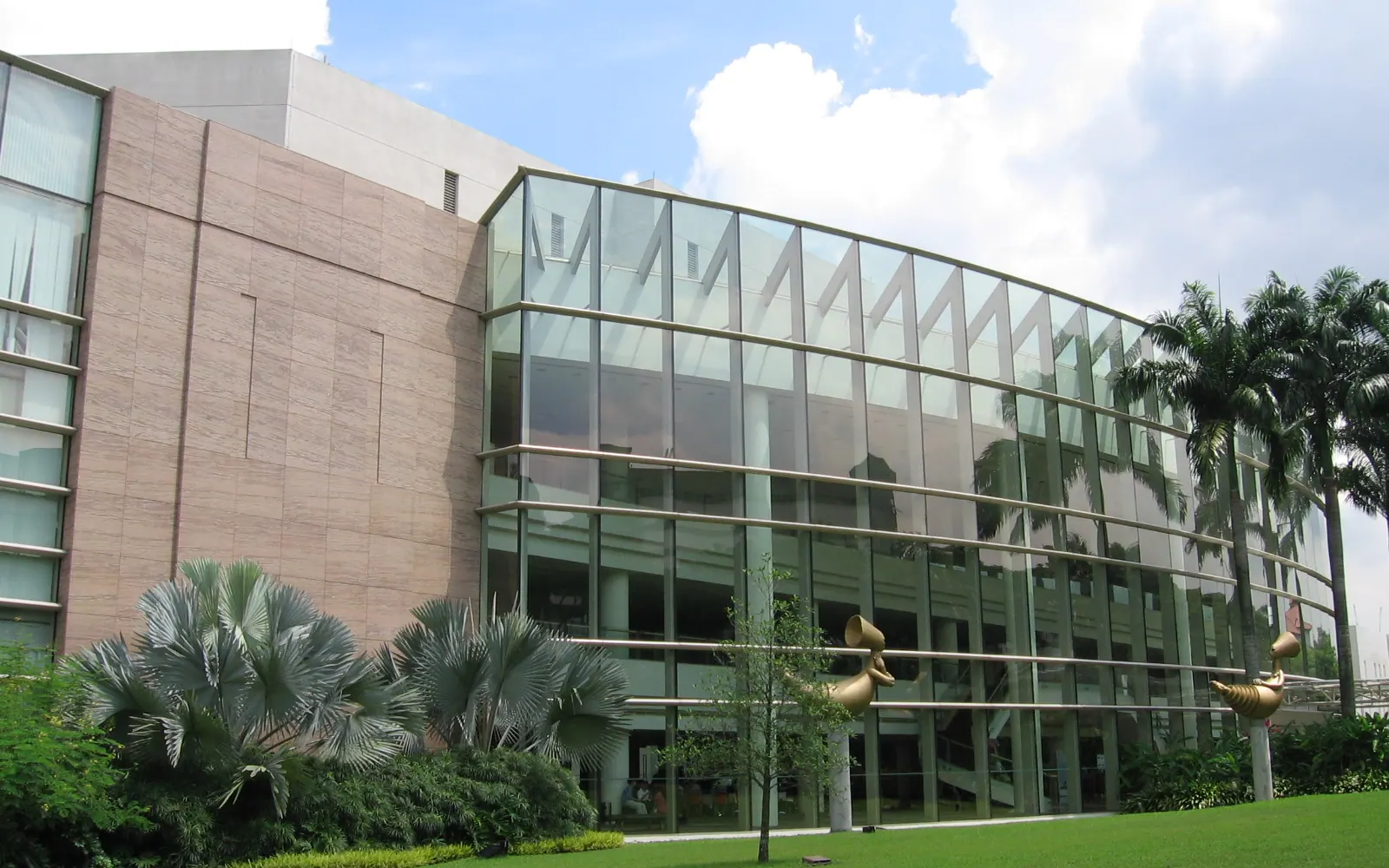
NUS — National University of Singapore
Singapore's Kent Ridge university with 60 majors, 54 second majors and over 80 minors…
Singapore (Kent Ridge)Nearly all in English
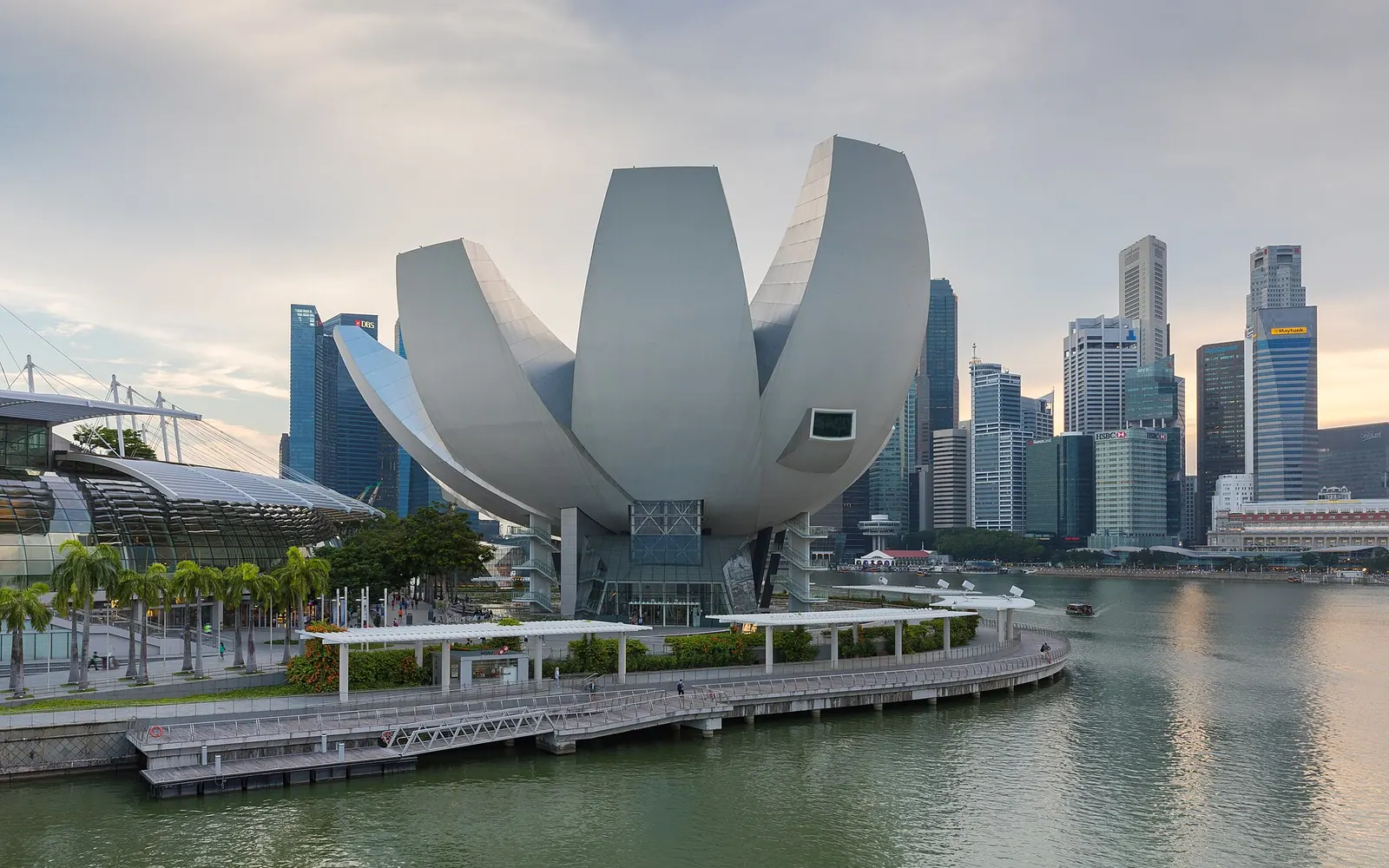
Southeast Asia · May 2027 IB session · Autumn 2027 entry
Everything in English — and a subsidy that comes with a three-year contract
Marina Bay, Singapore
13 institutions
6 universities
6 institutions · apply to each directly
NUS, NTU, SMU, SUTD, SIT and SUSS — the group NUS names in its own words. Publicly funded, degree-awarding, one August intake, and the only place an international student meets the MOE Tuition Grant and its three-year bond. Six separate applications, one shared acceptance.
NUS's IB Diploma window runs 16 December 2026 to 17 February 2027; NTU's runs 15 October 2026 to 19 March 2027 with documents by 22 March. SUTD and SIT publish their 2026 cycle only. SMU shows only its 2026 cycle; SUSS opens for its July 2027 intake in November 2026. Actual IB results are due at NTU within three days of release in July 2027.
SourceRoughly SGD 21,400–21,800 a year at NTU with the grant against SGD 36,350–40,600 without, fixed at the year-of-entry rate. The grant is elected on the application form and paid for with a contractual obligation to work in a Singapore entity for three years after graduation, signed with two jointly liable sureties.
Source
Singapore's Kent Ridge university with 60 majors, 54 second majors and over 80 minors…
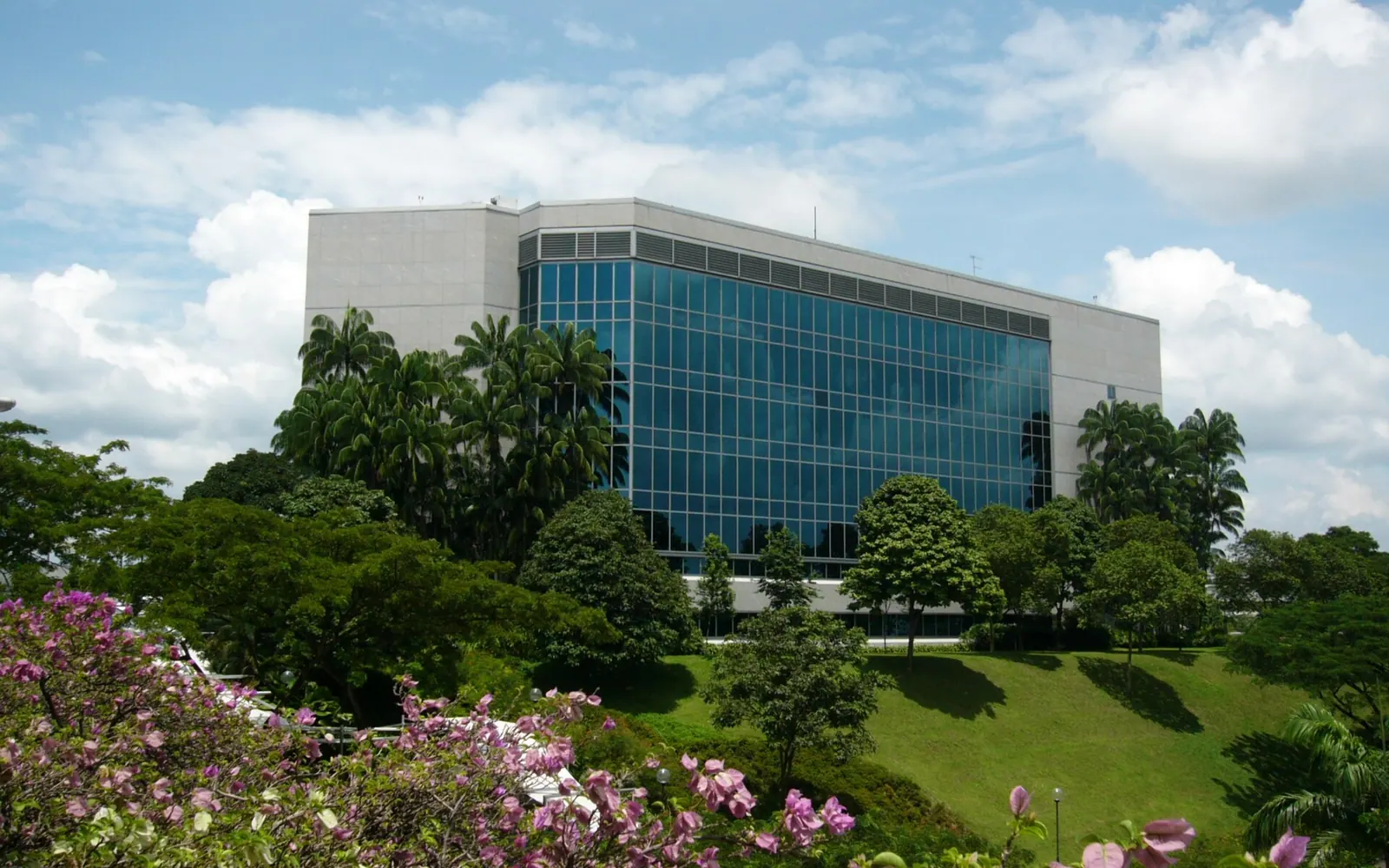
Singapore university with colleges of Engineering, Business, Science, Humanities and a medical school; one…
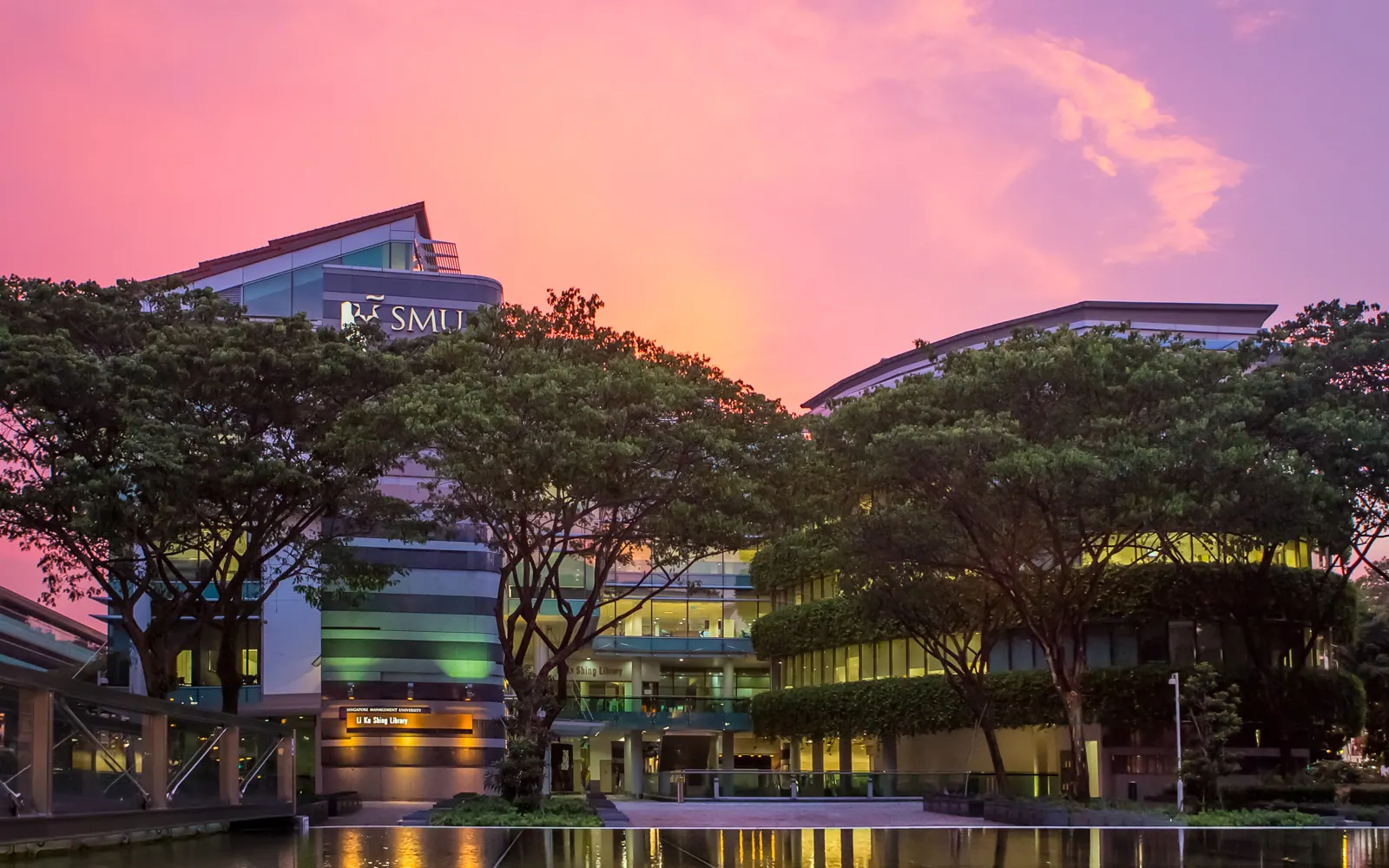
City-centre Singapore university founded in 2000 with seven schools, seminar classes of up to…
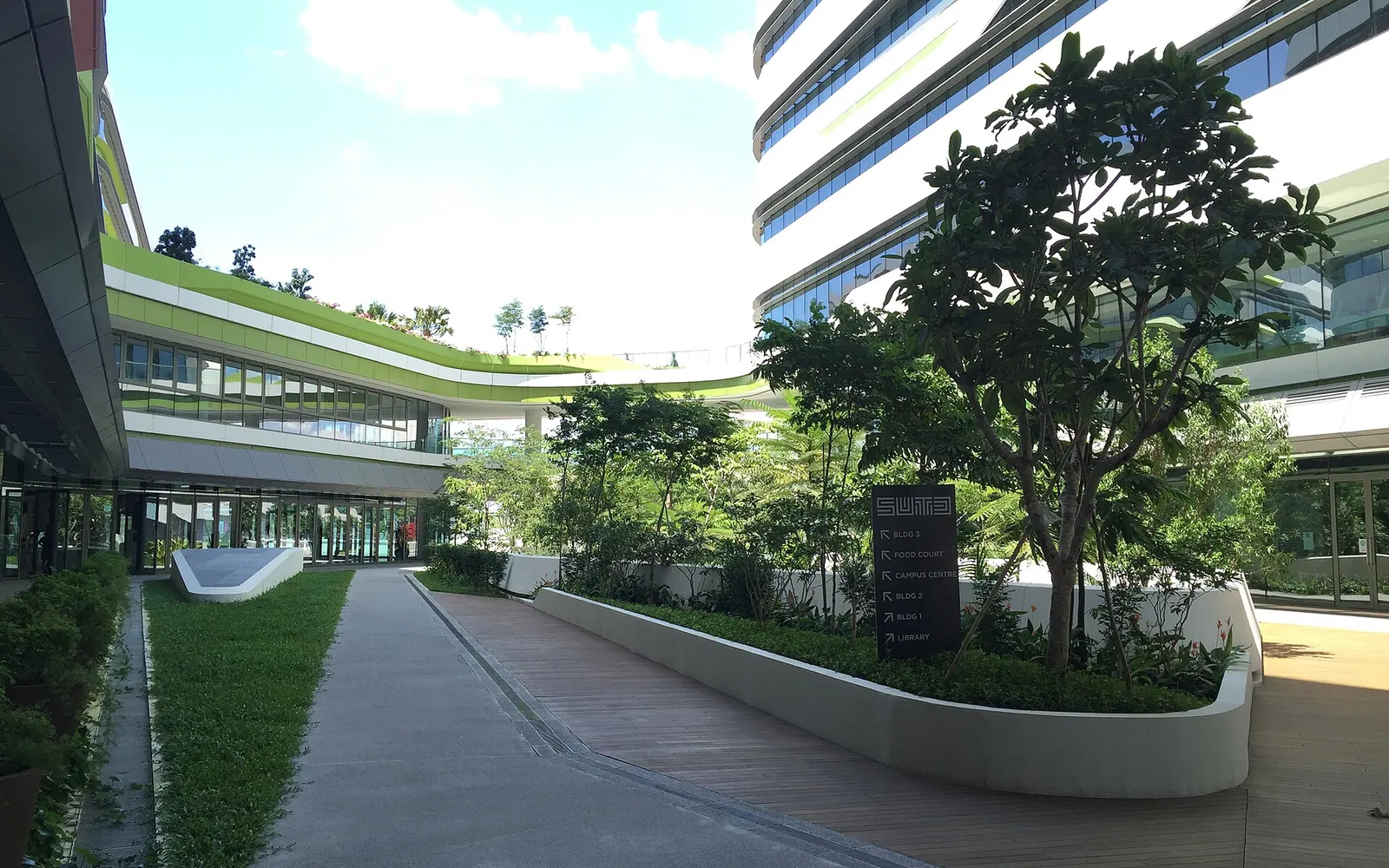
Singapore design, AI and engineering university with five degrees of eight terms; the first…
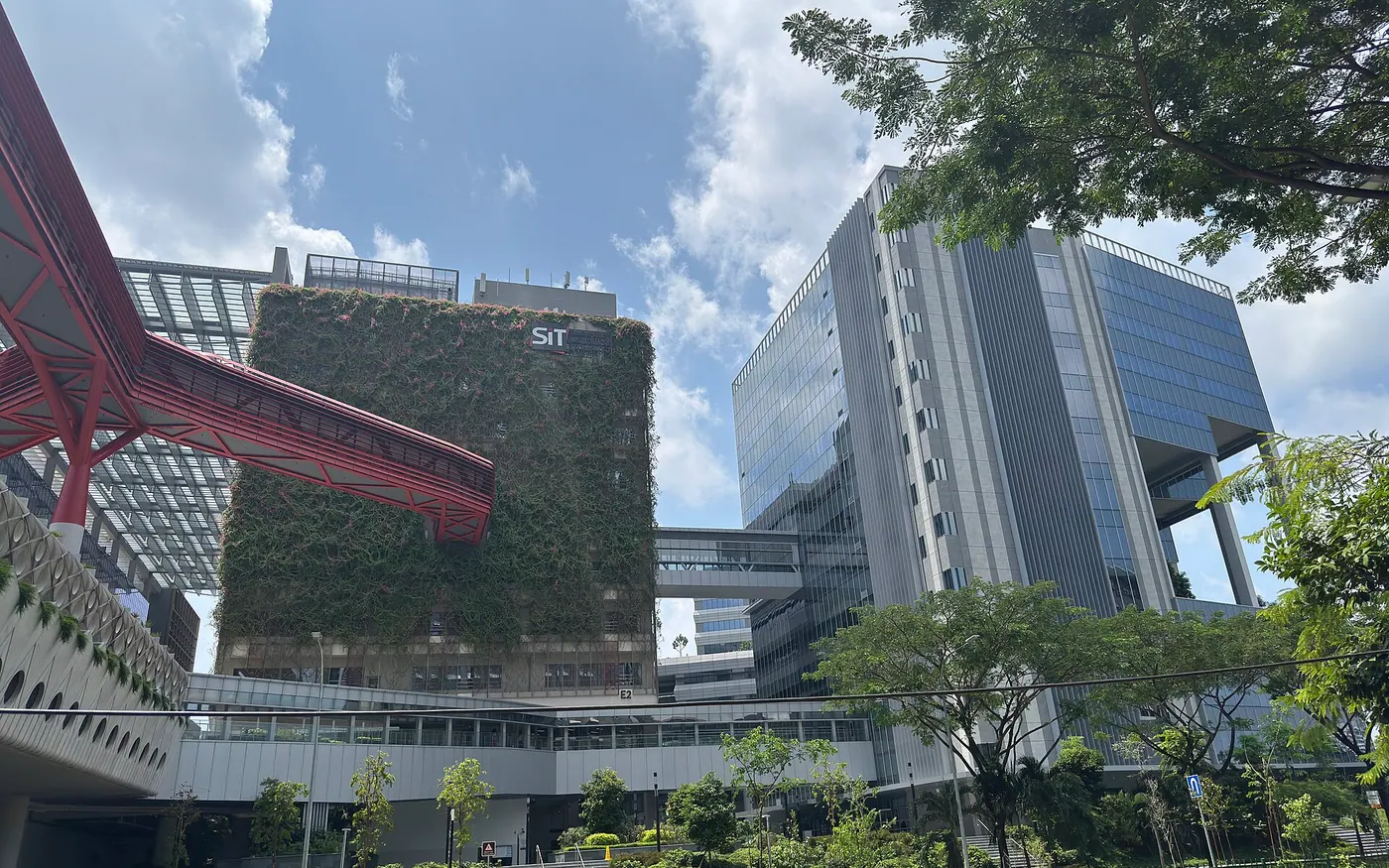
Applied-learning university in Punggol with about 40 degrees, many with an 8 to 12…
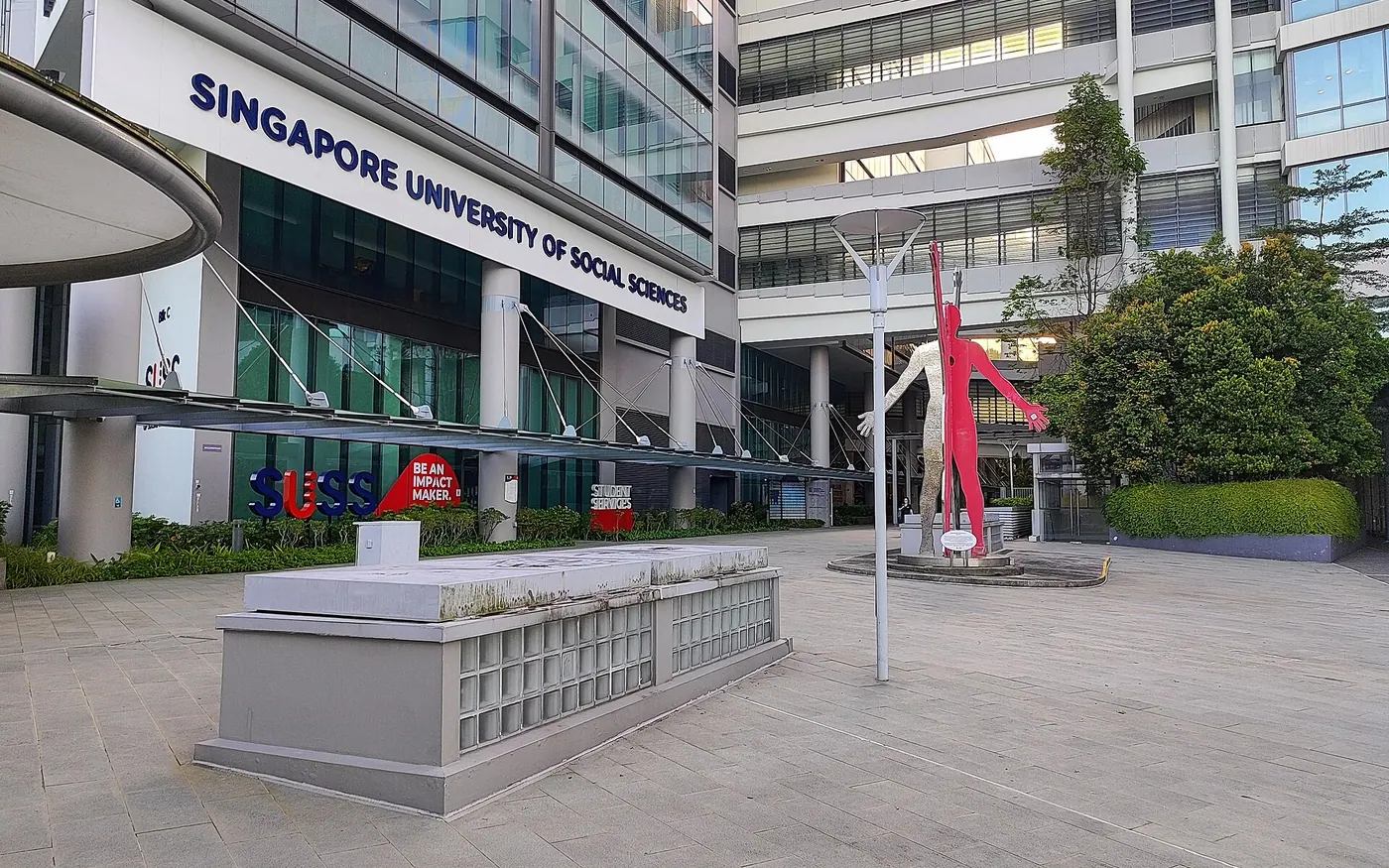
Singapore university for applied social sciences with eleven full-time degrees open to international students…
2 universities
2 institutions · apply to each directly
LASALLE College of the Arts and the Nanyang Academy of Fine Arts, whose degrees are now validated, conferred and awarded by the University of the Arts Singapore. Portfolio and audition entry, one August intake, and a calendar that runs months ahead of the universities.
LASALLE opens on 1 October 2026 and asks you to apply by 1 November 2026 for an August 2027 start, with outcomes by 23 December 2026 — before NUS has even opened. Music closes 28 February 2027. NAFA has published nothing for 2027.
SourceNot established for an international student. The University of the Arts Singapore names Singapore Citizens and Permanent Residents as eligible for the Tuition Grant on selected bachelor's programmes, says nothing about anyone else, and refers the question back to LASALLE and NAFA. Ask before assuming either way — the answer determines whether you would be bonded.
Source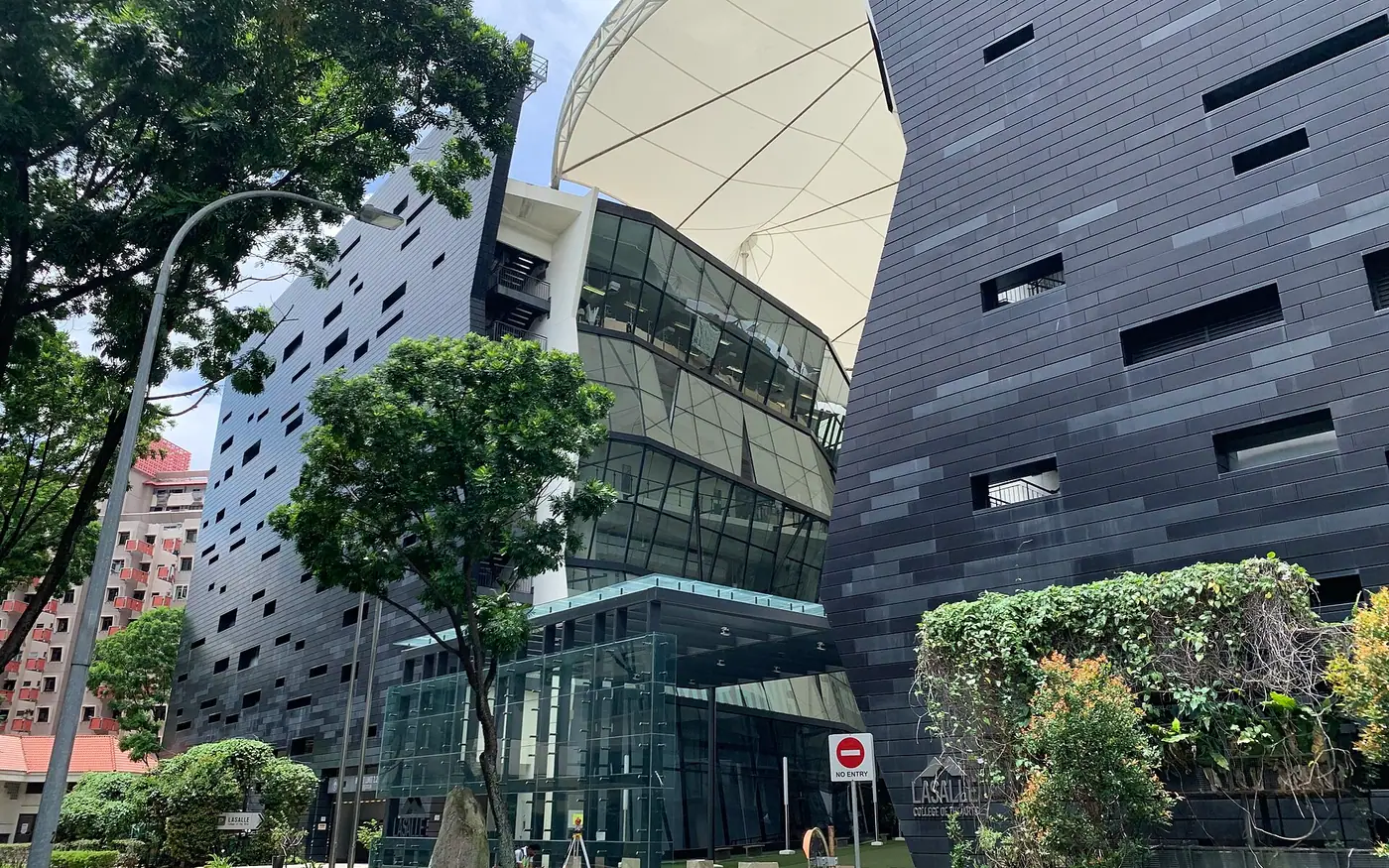
Singapore arts college with sixteen three-year BA (Hons) degrees in art, design, film, music…
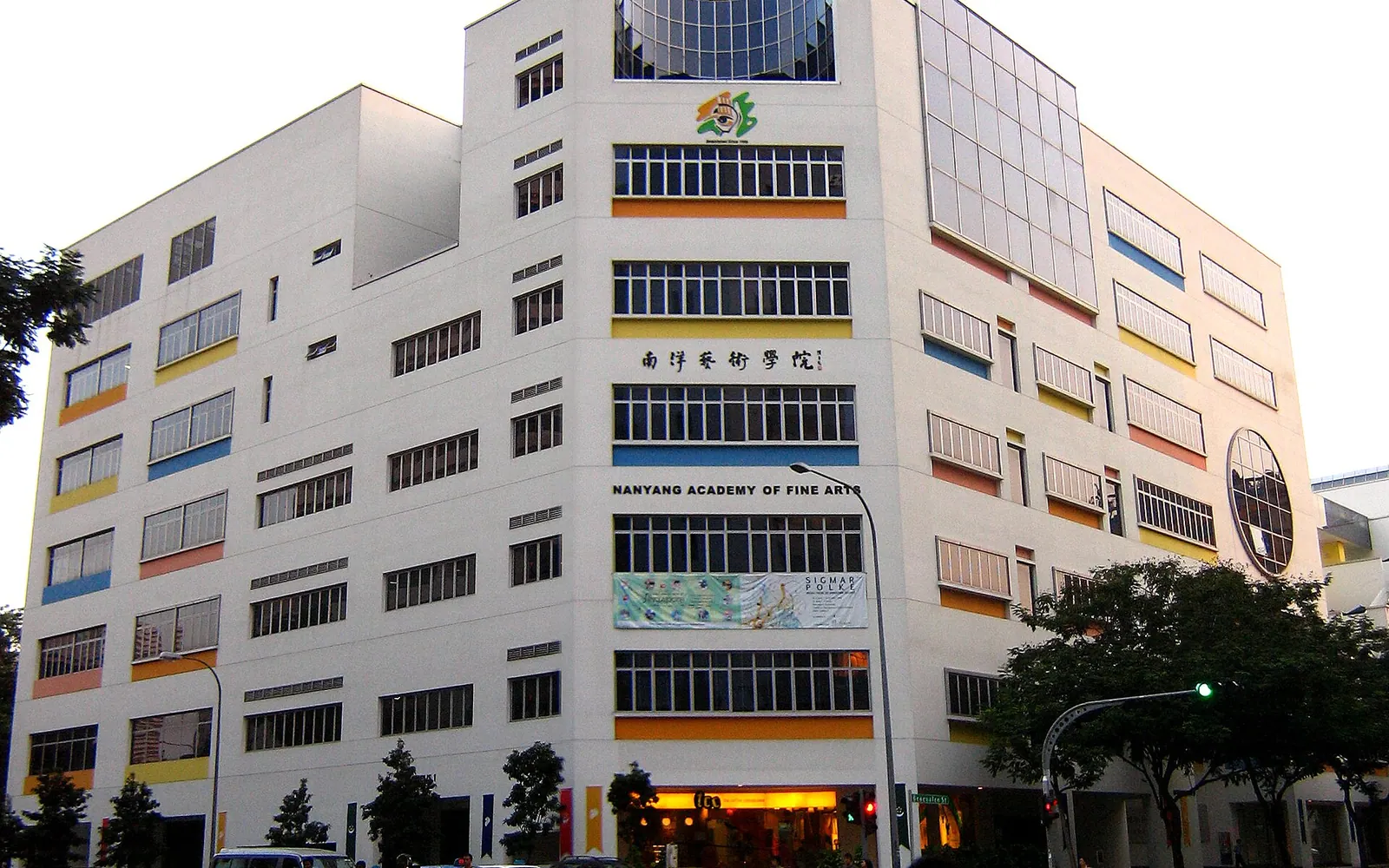
Singapore arts academy with six English-taught honours degrees in design, fine art, performance and…
5 universities
5 institutions · apply to each directly
James Cook University Singapore, Curtin Singapore, DigiPen Singapore, ESSEC Asia-Pacific and SIM Global Education. Registered Private Education Institutions awarding an Australian, American, French or British degree rather than a Singaporean one, usually on trimesters with several intakes a year, and outside the MOE Tuition Grant.
None published for 2027 by any of the five on the pages consulted. The trimester structure means several starts a year rather than one August cliff, which softens the consequence — but that is a fact about the structure, not a date.
SourceNot established, and the MOE Tuition Grant is not expected to apply because none of these is an Autonomous University — which also means no bond, no sureties and no service obligation. Confirm both with the institution.
SourceSingapore campus of an Australian university: two-year degrees in business, commerce, psychology and IT…
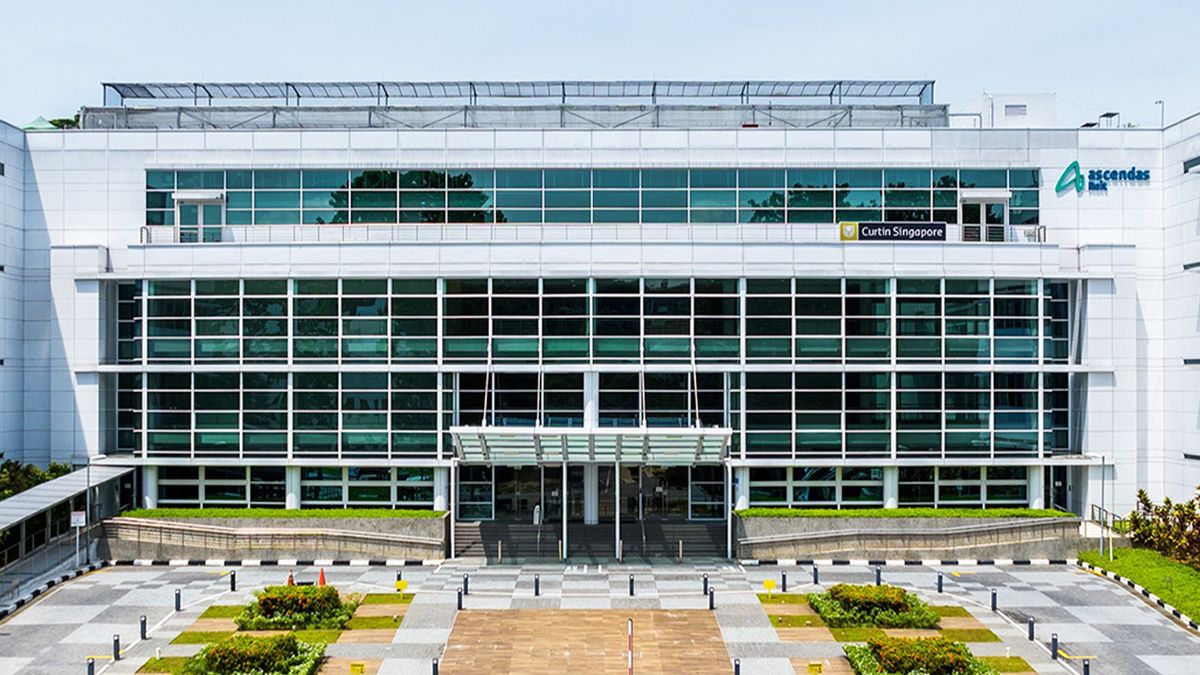
Singapore campus of Curtin University (Australia) with two-year Commerce, Computing and Information Technology degrees…

Singapore campus of the games-technology institute, run with SIT: three four-year degrees in game…
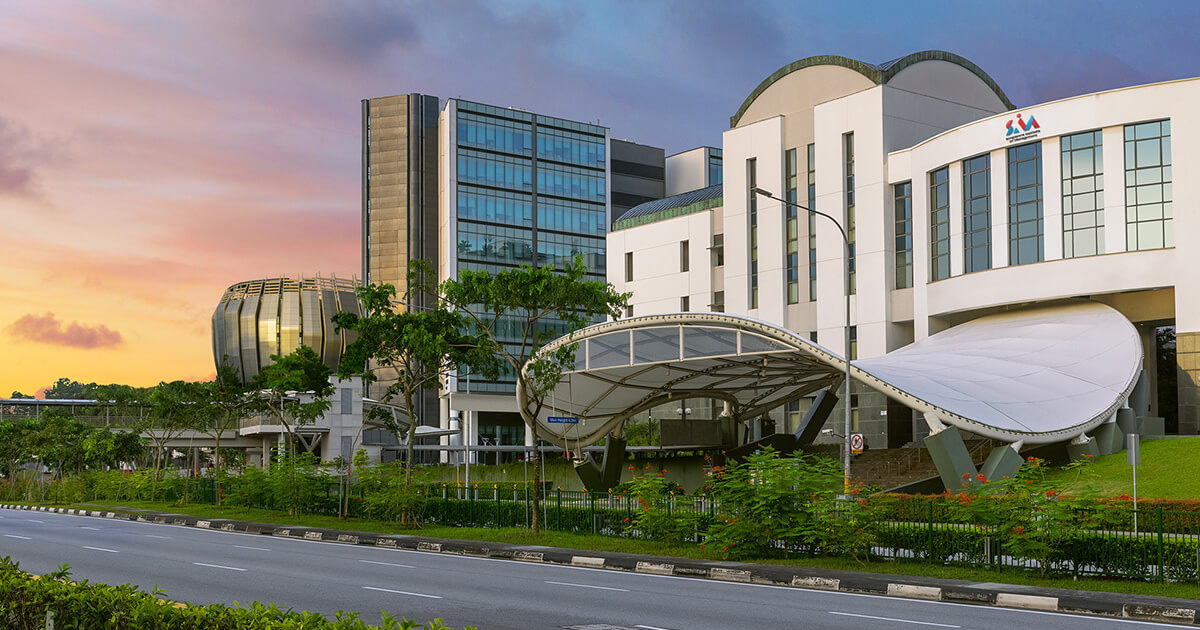
Singapore school delivering partner universities’ degrees (Buffalo, Stirling, London, RMIT, Wollongong); many are top-ups…
The Singapore campus of a French business school: the four-year English-track Global BBA can…
This browser cannot draw the globe. Every place is in the list below.
Singapore runs entirely in English and reads the IB directly.
The headline price is not the price: international students can take the MOE Tuition Grant, which brings tuition at NUS and NTU down to about SGD 21,400–22,200 a year, in exchange for a contract, guaranteed by two sureties, to work for a Singapore entity for three years after graduating. You choose it by ticking a box on the application form. NUS closes 17 February 2027 and NTU 19 March 2027; LASALLE's arts window closes as early as 1 November 2026.
Every degree is taught in English, and NUS and NTU are large research universities with international reputations.
The Tuition Grant service obligation is a contract and it should be read as one.
Singapore's post-secondary system divides three ways, and the division decides the calendar, the money and the degree.
Singapore's post-secondary system divides three ways, and the division decides the calendar, the money and the degree. Six Autonomous Universities — NUS, NTU, SMU, SUTD, SIT and SUSS, named as a group by the universities themselves — are publicly funded, carry the MOE Tuition Grant and settle their offers through one shared Joint Acceptance Portal. The two arts institutions, LASALLE and NAFA, now award their degrees through the University of the Arts Singapore and admit on portfolio and audition months earlier. Everything else is a registered Private Education Institution, including the Australian, American and French branch campuses, which award the parent's degree on a trimester calendar. Below all of this sits a route rarely mentioned to foreigners: the five polytechnics and the Institute of Technical Education, which are where most Singaporeans actually go.
NUS, NTU, SMU, SUTD, SIT and SUSS. Government-funded, degree-awarding in their own right, and the only institutions where the MOE Tuition Grant and its three-year service obligation apply to an international student. You apply to each separately — six forms, six fees, six deadlines from November to March — and then accept one offer through a single Joint Acceptance Portal that lists all of them.
The group is not a ranking. SIT is an applied university whose intake is overwhelmingly domestic polytechnic graduates, SUSS is built around part-time and flexible study, and SUTD is tiny and design-led. Only NUS, NTU and SMU are what a European would picture.
LASALLE College of the Arts and the Nanyang Academy of Fine Arts, allied since 2024 into the University of the Arts Singapore, which now validates, confers and awards their degrees — LASALLE's were previously awarded by Goldsmiths, University of London. Entry is on portfolio and audition, with one intake each August and a deadline that falls the previous November, months ahead of the universities.
Whether an international student here can take the MOE Tuition Grant is not established. UAS names Singapore Citizens and Permanent Residents as eligible and says nothing about anyone else.
Registered private providers, including the branch campuses — James Cook University Singapore, Curtin Singapore, DigiPen Singapore, ESSEC Asia-Pacific — and SIM Global Education, which delivers partner universities' degrees without awarding its own. The degree is Australian, American, British or French rather than Singaporean, the structure is usually trimesters with several intakes a year, and the MOE Tuition Grant does not reach here.
Singapore registers these institutions for a fixed term rather than chartering them, and the registration number and expiry date are published on their own pages. A registration expiring inside the length of your degree is a fair question to ask.
Five polytechnics — Singapore, Ngee Ann, Temasek, Nanyang and Republic — awarding three-year applied diplomas that are the ordinary post-secondary destination for a large share of Singaporeans, and a recognised route onward into the Autonomous Universities with advanced standing. This is Singapore's answer to the Danish erhvervsakademi and it is rarely described to a foreign applicant.
Not covered here. Whether an IB Diploma holder from abroad can enrol, what it costs and whether the Tuition Grant applies are all open questions. The route is large, and it explains why SIT's admissions calendar is built around polytechnic results rather than IB ones.
The ITE, awarding Nitec and Higher Nitec vocational qualifications below diploma level, feeding into the polytechnics and into work. It appears on this page because LASALLE's Early Admission Exercise names final-year Nitec and Higher Nitec students alongside IB Year 4 students, which is the kind of detail that shows where the system's ladders actually are.
Not covered here.
Yes, an IB Diploma is accepted.
Yes
Programme-specific HL requirements apply — engineering and computing normally want HL Mathematics, medicine wants HL Chemistry and Biology. Check each programme's own requirements.
No published conversion table. IB points are read directly against a programme's indicative profile.
How Singapore reads an IB Diploma.
These are the pages this section was written from. None has been signed off by a person yet, so confirm anything consequential at the source.
Apply directly to each university.
Work out which of the three Singapores you are applying to. The six Autonomous Universities, the two arts institutions under the University of the Arts Singapore, and the private institutions and foreign branch campuses run on different calendars, different rules and different money.
If the arts are in play, act first. LASALLE opens on 1 October 2026, two weeks before NTU, and asks you to apply by 1 November 2026, six weeks before NUS opens.
Decide about the MOE Tuition Grant with your family before you fill in any application form, because you elect it on the form itself. Taking it cuts tuition by roughly a third to almost half and commits you to three years of full-time work for a Singapore entity after graduation, guaranteed by two sureties who are jointly liable if you do not serve it.
Apply to each autonomous university separately, with predicted grades, transcript, personal statement and references, and a separate fee each time. NUS closes 17 February 2027; NTU closes 19 March 2027.
Check the programme is open to a May-session IB candidate. NTU excludes Medicine, Renaissance Engineering, and Arts and Science (Academic Discipline & Education) outright.
Authorise the IB organisation to send your transcript directly to the university. NTU requires this before July 2027 and will not release an outcome without it.
Expect an interview, portfolio or written test for the selective routes — SUTD and SIT interview as a matter of course, and NUS Law, medicine and the scholars’ programmes all add assessment.
Keep the first fortnight of July 2027 clear. NTU wants your actual results within three days of release.
Accept one offer through the Joint Acceptance Portal. The windows for 2027 are not yet announced.
Apply for a Student’s Pass through ICA’s SOLAR system once the university sponsors you, then register and sign the Tuition Grant Agreement in Singapore in the autumn — it needs a Singpass, which needs the Student’s Pass first.
Apply for campus accommodation the day your offer arrives. It is allocated separately and is the only realistic first-year option.
Academic, with assessment layered on. NUS and NTU are large and selective and decide largely on grades; SMU is specialised in business, law, economics, social science and computing; SUTD assesses holistically on academics, traits and a portfolio with an interview for selected candidates, and says its approach is significantly different from most universities; SIT interviews every shortlisted applicant. LASALLE and NAFA decide on portfolio and audition, and their deadlines fall months before everyone else’s.
ESSEC Asia-Pacific: by 28 October 2026.
Via Singapore Autonomous University for August 2027
Priority Via LASALLE or NAFA for August 2027
Later applications are considered after these.
LASALLE says further application windows may open if programme seats remain available. Treat it as the real deadline anyway — a later window is a possibility, not an entitlement, and it competes for whatever is left.
The earliest deadline on this page by a wide margin, and easy to miss. LASALLE opens on 1 October 2026 and asks you to apply by 1 November 2026, with outcomes announced by 23 December 2026 — eight months before IB results. LASALLE adds two hedges of its own: "the timeline provided serves as a general guide. Actual outcome release dates may vary", and that future application windows may open if programme seats remain available. So this is a window rather than the only chance, but it is the one that gets first pick of the seats, and the outcome dates are softer than the application ones. Music runs on its own later date and has its own entry below.
Hard deadline Via Singapore Autonomous University for August 2027
After this the door closes.
NUS runs the IB Diploma as its own applicant group with its own window. A student looking under "international qualifications" is in the right place by coincidence this year — the two windows happen to coincide for AY2027/2028 — and should still apply under the IB Diploma group.
NUS runs the IB Diploma as its own applicant group with its own window, separate from the one for other international qualifications — although for AY2027/2028 both happen to run 16 December 2026 to 17 February 2027. It closes a month before NTU's. NUS says most applicants hear by the third week of May, and that IB applicants taking the May 2027 examination will hear by the third week of July 2027. On 23 September 2026 every AY2027/2028 window on NUS's page, including this one, was marked "[Closed]", three months before it is due to open; the status is probably left over from the previous cycle. NUS says to "check the information regularly below for the latest updates, as the details are subject to change." If you still see "[Closed]" in December 2026, write to the NUS Office of Admissions rather than assume you have missed it. One thing this page does settle for an IB candidate: the three-day final-results rule it imposes applies to Advanced Placement, Gaokao, HKDSE, Indian Standard 12 and STPM candidates and the IB is not on that list, so NUS, unlike NTU, sets no three-day turnaround on you.
Via LASALLE or NAFA for August 2027
An offer in December, against IB results the following July. What LASALLE conditions that offer on is not established here.
Priority Via LASALLE or NAFA for August 2027
Later applications are considered after these.
Music runs four months behind everything else at LASALLE. MA Art Therapy closes 31 January 2027.
Music runs four months behind the rest of LASALLE: both the BA (Hons) and the Diploma close on 28 February 2027, against 1 November 2026 for everything else. Outcomes are announced by 20 April 2027 for the BA (Hons) and 2 April 2027 for the Diploma, and shortlisted BA (Hons) applicants are invited to interview from February 2027 — so the interview invitations go out before the application even closes. LASALLE's MA Art Therapy closes on 31 January 2027, which is published on the same page and is mentioned here only so that it is not mistaken for an undergraduate date: it is a master's programme and is not open to a school leaver.
Hard deadline Via Singapore Autonomous University for August 2027
After this the door closes.
Programme choices, application fee, criminal records declaration, scholarship application and Art, Design and Media portfolio materials are all due on this date too. NTU states that an incomplete application after the deadline will not be considered.
NTU's own table for IB Diploma holders: online application 15 October 2026 to 19 March 2027, with programme choices, the application fee, the criminal records declaration and any scholarship application all due by 19 March 2027, supporting documents by 22 March 2027, and Art, Design and Media portfolio materials by 19 March 2027. Offers are released between March and May 2027. It opens two months before NUS. Application fee SGD 25 for international applicants.
Hard deadline Via Singapore Autonomous University for August 2027
After this the door closes.
Three days after the application itself. NTU states that an incomplete application after the deadline will not be considered. A fourth NTU date sits a further four days out and has its own entry below: the photograph and appraisal form on 26 March 2027.
Hard deadline
After this the door closes.
A week after the application closes and four days after the supporting documents, and the last of NTU's four staggered deadlines. It is easy to miss because by 26 March 2027 a student believes the application is finished. The appraisal form is completed by somebody at your school, not by you, so it has to be requested in February.
Hard deadline Via Singapore Autonomous University for August 2027
After this the door closes.
NTU says this is mandatory and must be done before July 2027; 30 June is the last day that satisfies "before July". Without it NTU cannot release an application outcome at all. It is arranged through the IB organisation, not through NTU, and it is the step most likely to be left until it is too late.
Via LASALLE or NAFA for August 2027
Eight months after LASALLE's main deadline. The arts route is decided on predicted grades and on a portfolio or audition, and the diploma is close to an afterthought in it.
Via Singapore Autonomous University for August 2027
Via Singapore private institution or foreign branch campus, 2027
These institutions mostly run trimesters with several intakes a year rather than one August start, so results landing in July are less of a cliff here than at an autonomous university. That is a statement about the structure and not about any deadline, because none is published.
NTU takes your application on predicted grades and then requires the actual results within three days of release, in the middle of the Danish summer holiday. NUS is gentler and tells IB applicants sitting the May 2027 session that they will hear by the third week of July, and its own three-day rule names Advanced Placement, Gaokao, HKDSE, Indian Standard 12 and STPM and does not name the IB. LASALLE, by contrast, closed the previous November and never sees your results before it decides. The date is the IB's usual results day and is not yet confirmed by the IB for 2027.
Hard deadline Via Singapore Autonomous University for August 2027
After this the door closes.
Within three days of the results release, by NTU's rule. The date here is 6 July plus three days. Plan the first fortnight of July 2027 around it.
NTU does not publish a calendar date. It says actual IB results must be submitted within three days of the results release in July 2027, and the IB releases on 6 July 2027, so 9 July 2027 is arithmetic on those two facts rather than a date NTU has printed. It is a very tight deadline and it lands in the Danish summer holiday. NTU also makes it mandatory to grant it direct access to your official transcripts through the IBO before July 2027, which is a separate action you take months earlier.
Via Singapore Autonomous University for August 2027
NUS says IB applicants sitting the May 2027 examination will hear by the third week of July 2027. The exact day is an estimate of "third week".
Hard deadline Via Singapore Autonomous University for August 2027
After this the door closes.
Not yet announced for AY2027/2028; NUS shows two windows both marked "To be Confirmed". Every offer you hold across the six Autonomous Universities is settled here, once.
Hard deadline Via Singapore Autonomous University for August 2027
After this the door closes.
Not yet announced for the 2027 intake; NTU's 2026 window runs 19 September to 18 October 2026. This happens after term starts, in Singapore, and needs a Singpass, which needs a Student's Pass first. A student who does not complete it pays the full unsubsidised fee.
Hard deadline
After this the door closes.
Not published yet. On 24 September 2026 SMU's IB Diploma page still showed only the AY2026-27 cycle: applications 17 November 2025 to 19 March 2026, teacher-provided predicted scores by 31 March 2026, interviews and decisions March to May, and acceptance by 25 May 2026 for first-window offers. Those are last cycle's dates; 2027's may differ. IB Diploma holders do not need SAT, IELTS or TOEFL.
Hard deadline
After this the door closes.
SUTD's admissions page currently shows the 2026 window only: Singapore-Cambridge GCE A-Level from the day of release of A-Level results to 19 March 2026, and all other qualifications — which is where an IB Diploma sits — 2 January to 2 March 2026. That international window is two months long against NTU's five, and it closes seventeen days before SUTD's own domestic one. The 2027 equivalent is not published yet.
Hard deadline
After this the door closes.
SIT publishes its cycle one year at a time and currently shows 2026: online applications 8 January to 19 March 2026, interviews from mid-February to mid-May, outcomes mid-April to mid-May, acceptance 25 May 2026 and an appeal window 26 May to 2 June 2026. Every SIT applicant is interviewed. The 2027 dates are not published.
Hard deadline
After this the door closes.
SUSS says applications for the July 2027 intake open in November 2026. The closing date is not out yet.
Hard deadline
After this the door closes.
NAFA's admissions guide on the site is the AY2026/27 one and nothing for 2027 is published yet. The University of the Arts Singapore, which now validates, confers and awards both NAFA's and LASALLE's degree programmes, says applications for the August 2026 intake are open and will close once all programme seats are filled, and that there is one intake commencing in August each year — so the shape of the 2027 cycle is a single August intake that closes when the seats go, not on a date.
Hard deadline
After this the door closes.
There is no separate date because there is no separate application: NTU states that international students who want the Tuition Grant must indicate they are opting for it in their online admission application form. Elect it at the moment you apply, or pay the unsubsidised fee. This is the point at which the three-year service obligation is chosen, months before anything is signed and long before anyone explains it to you.
Hard deadline
After this the door closes.
A second decision point, after the offer. NTU set 17 July 2026 as the date by which a 2026 entrant had to say whether they accepted their place with or without the Tuition Grant. The 2027 equivalent is not published yet — but note where in the year it falls: eleven days after IB results, in the middle of the Danish summer.
Hard deadline
After this the door closes.
The third and last point, and it happens after term has started. NTU's 2026 window for online signing on the TG&S Portal runs 19 September to 18 October 2026, with registration opening in September of the admitted year and requiring a Singpass, which itself needs a Student's Pass first. Two sureties must sign as well. MOE states that a student who does not complete the registration and signing will be charged the full unsubsidised fees. The 2027 window is not published.
Hard deadline
After this the door closes.
The one genuinely shared step in Singapore admissions, and an easy one to overlook. You apply to each autonomous university separately, and then accept through a single Joint Acceptance Portal that lists every offer you hold across them. NUS shows two acceptance windows for AY2027/2028, both marked "To be Confirmed". SIT's 2026 equivalent was 25 May 2026, for context.
Not confirmed here; check JCU Singapore's application pages. It runs a trimester structure with several intakes a year rather than a single August one, so a missed date is less costly here than at an autonomous university.
Not established. Curtin Singapore's admission page publishes its Private Education Institution registration — number 200804822R, valid 20 May 2026 to 19 May 2032 — and no application deadline. Curtin Singapore teaches on a trimester structure.
Not established. DigiPen Singapore's admissions page showed no application deadline on 23 September 2026. Its degrees are awarded by DigiPen in the United States, so the academic calendar that governs is Redmond's rather than Singapore's.
SIM delivers partner universities' degrees and each partner runs its own intakes, so there is no one SIM date. Check the dates for the specific partner degree.
Not listed here. The ESSEC Global BBA is admitted to through ESSEC in France, not through the Singapore campus, so its deadlines belong to the French admissions cycle; read them on the France page.
All of them. English is the medium of instruction across the entire Singapore higher education system.
All of them. English is the medium of instruction across the entire Singapore higher education system.
NUS requires English to be one of your IB subjects; SMU does not ask IB Diploma holders for IELTS, TOEFL or SAT; NTU's IB page sets no separate English test. Check the others with each university.
Not for English-taught programmes
Singapore does not differentiate by EU status — the categories are Singapore Citizen, Singapore Permanent Resident and International Student.
Singapore does not differentiate by EU status — the categories are Singapore Citizen, Singapore Permanent Resident and International Student. As a European applicant you are an International Student.
NTU, for students accepted in 2026, with the tuition fee fixed at the 2026 rate for the whole degree: International Student with the MOE Tuition Grant roughly SGD 21,400–21,800 per year; International Student without the grant SGD 36,350 (non-lab) to SGD 40,600 (lab-based) per year, inclusive of 9% GST. Medicine, non-subsidised only, SGD 91,250 per year for non-ASEAN internationals. Renaissance Engineering, non-subsidised only, SGD 32,000. NUS, for students admitted in AY2026/2027 (fixed for the cohort): international students with the Tuition Grant SGD 21,400 a year in computing, engineering and humanities and sciences, SGD 22,200 in business, SGD 30,450 in law; without the grant SGD 33,400–39,700 (SGD 44,450 law), inclusive of GST. AY2027/2028 fees are published in February to April 2027. SMU and SUTD figures are not given here. (AY2026/27 entrants, fixed for the degree duration (NTU and NUS))
Per university: NTU SGD 25 for international applicants. Check the others with each university.
EU citizenship gives no advantage. Once you accept an offer, the university sponsors your Student's Pass application through ICA's SOLAR system, which must be completed before you travel.
EU citizenship gives no advantage. Once you accept an offer, the university sponsors your Student's Pass application through ICA's SOLAR system, which must be completed before you travel. On arrival you complete formalities at ICA and receive the pass. Many European citizens, Danes included, do not need a visa to enter Singapore as a visitor (check ICA's list for your nationality), but you cannot study on a visitor pass.
Full-time students on a Student's Pass at the institutions MOM lists (NUS and NTU among them) may work up to 16 hours a week in term without a work pass, and without a limit during vacations. Once the Student's Pass expires, a work pass is needed. Work is not a realistic way to close a funding gap in Singapore.
Campus accommodation — halls of residence at NUS and NTU, the residential colleges, and SUTD's housing — is the only sensible first-year option and is allocated separately from the admission. It is not guaranteed for all four years at every university, and some allocate by a points system based on participation in campus activities. The private market in Singapore is expensive and usually means a room in a shared HDB flat. Apply for housing the day your offer arrives.
International students are normally required to be covered by the university's own medical insurance scheme, charged as a compulsory fee alongside tuition. Singapore's healthcare is not free at the point of use, and your EHIC does not apply. Check what the university scheme actually covers — it is usually hospitalisation rather than routine care.