Wageningen University & Research · Netherlands
Earth System Sciences
How soil, water and atmosphere interact, from groundwater flow to atmospheric turbulence, learned through fieldwork, lab work, simulations and data analysis, applied to floods, drought and climate.
- Where
- WageningenNetherlands
- Degree
- BSc
- Length
- 3 years
- Taught in
- English
- Starts
- Autumn 2027
- Apply by
- Not published yet2026: 15 June (EU/EEA, in Studielink)
- Admission
- Open to all who qualify
- EU/EEA fee
- €2,7712027/28 statutory fee
More facts
- Degree
- BSc
- Length
- 3 years
- Taught in
- English
- Starts
- Autumn 2027
Deadlines
Not published yet2026: 15 June (EU/EEA, in Studielink)
-
1 December 2026*
Create your Studielink accountYour own planDetails
Not an official deadline. With a Dutch address you log in with DigiD, which the government says takes about five days. Without one you upload a scan or photo of your passport or EU identity card and Studielink verifies it automatically. Either way, do it well before 15 January.
Source -
1 May 2027, 23:59*
Last day to keep your right to a place (programmes without selection)Equal considerationDetails
Apply by 1 May and you are entitled to admission to a non-selective programme you qualify for. The government says a first application after 1 May may be refused - the programme can still take you, but does not have to. Some institutions set earlier dates of their own, and theirs is the one that binds.
Studielink closes at 23:59 on 1 May. The government’s rule is what makes it an equal-consideration date: apply by 1 May and you are entitled to admission to a programme you qualify for ("Aanmelding tot en met 1 mei betekent ook recht op toelating"); a first application after 1 May "kan door de opleiding geweigerd worden" - the programme may still take you, but it does not have to. Some programmes close earlier for capacity or matching reasons, and the programme’s own date is the one that binds.
Source -
6 July 2027*
IB results releasedDetails
Both Dutch deadlines fall well before this. How a conditional place pending results is handled is set by each institution; ask yours.
Source
* Last year’s date, not yet confirmed.
What it is
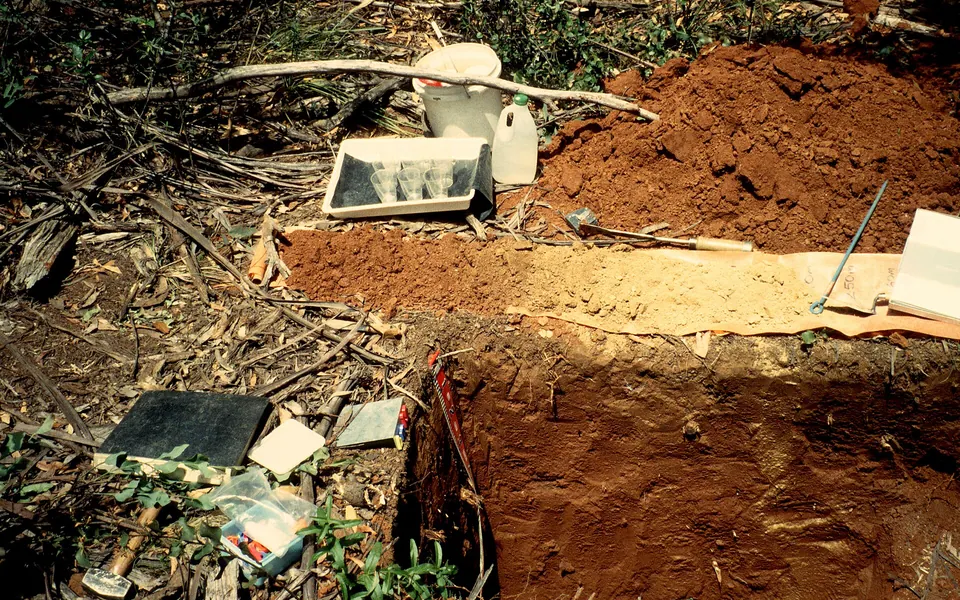
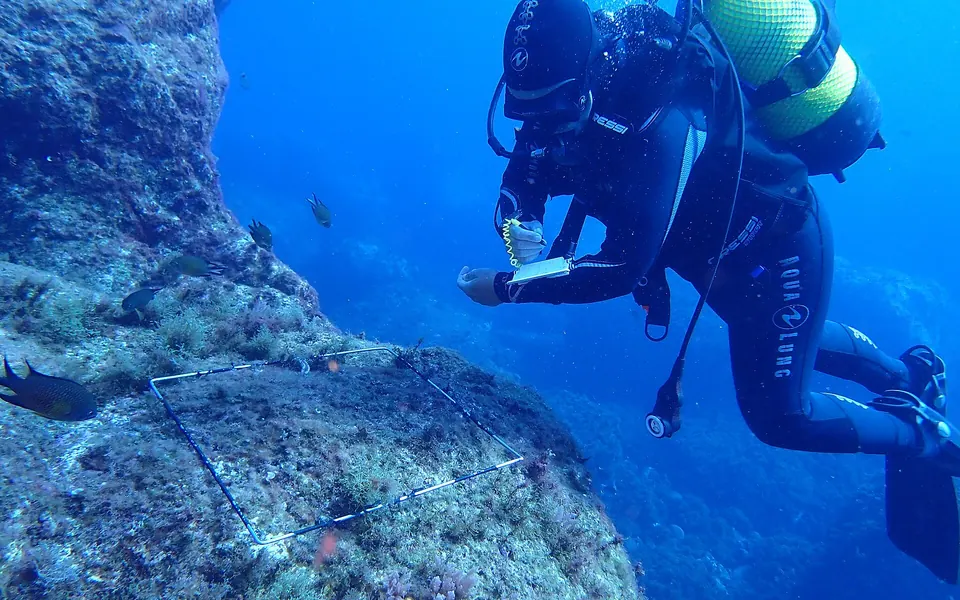
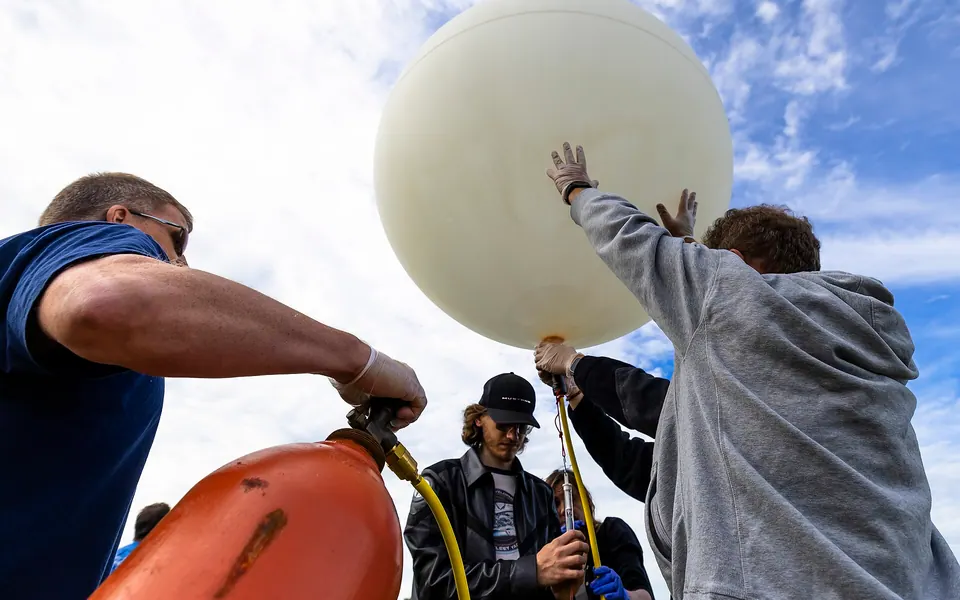
Year one covers the core theories of the Earth system, from processes underground to the atmosphere, with fieldwork and lab experience. Year two turns to landscape formation, water quality, weather and climate, and environmental and climate modelling, with field excursions. Teaching mixes lectures, practicals, outdoor measurements, lab experiments, data analysis and computer simulation. In year three you take a minor in the Netherlands or abroad, such as Disaster and Risk Resilience, then deepen one domain, soil, water or atmosphere, or all three, in an individual research project. Graduates work as climate researchers, water managers and environmental advisors, for example at KNMI or Deltares.
What you need
- Maths AA (SL or HL) or AI HL
- Chemistry (SL or HL)One of the named sciences must be HL.
- Physics (SL or HL)One of the named sciences must be HL.
Requirements in full
Every IB applicant at Wageningen University & Research
Full IB Diploma. Strictest: Maths AI HL or AA SL/HL plus Chemistry and Physics, one at HL (2026 list). IB taught only in English, English A at 5, or English B HL 6/SL 7 covers English.
How places are decided
- No cap: meet the subject requirements and you are admitted. Apply early and send your marks so WUR can list any missing subjects. 2026 criteria; 2027 not yet published.
Sources (3)
- Earth System Sciences at WUR — checked 2026-09-30
- Entry requirements
- IB applicants at WUR