
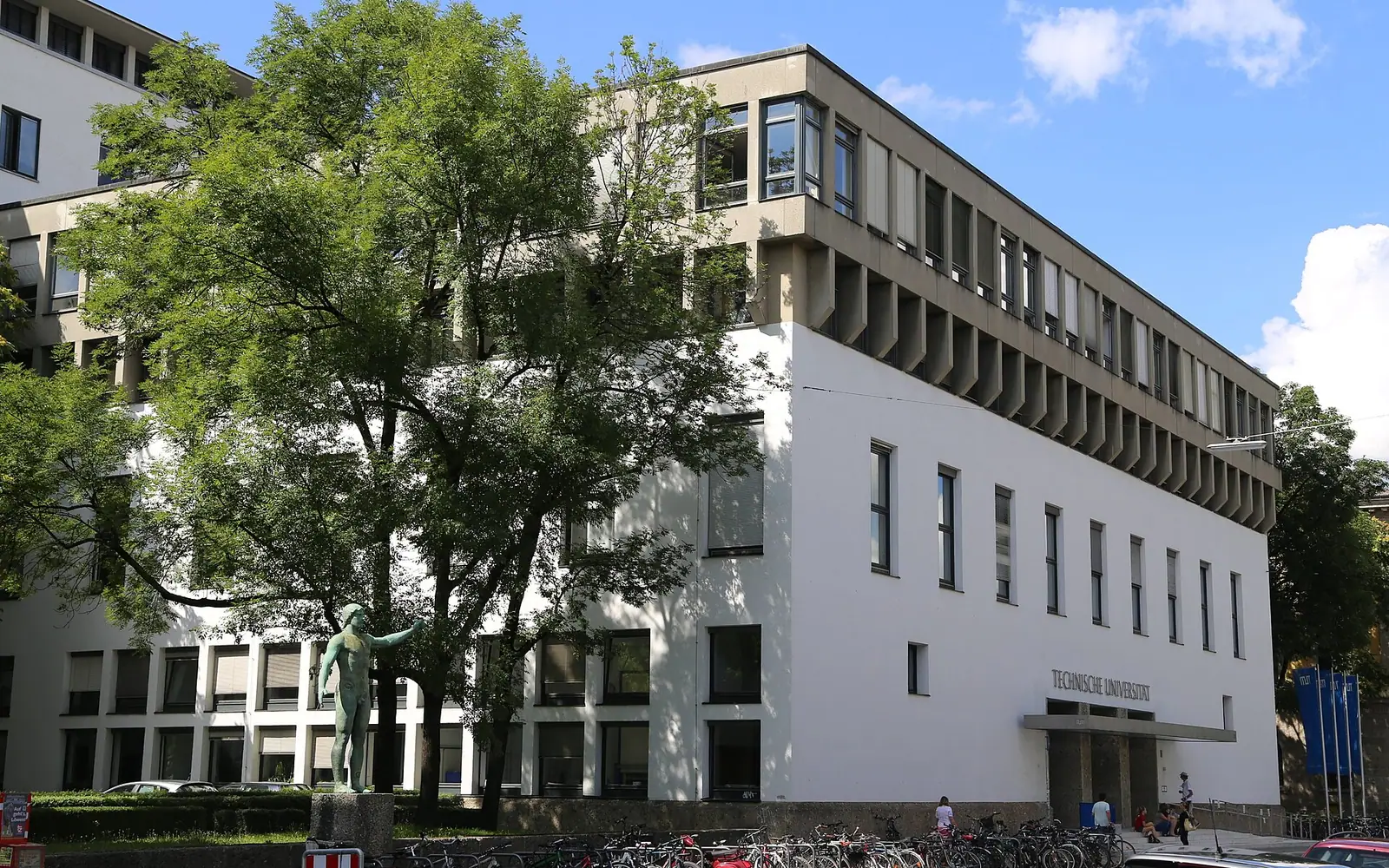
TUM — Technical University of Munich
Technical university of about 52,000 students, 45% international; eight English bachelor's in Munich, Garching…
Munich8 programmes
Central Europe · May 2027 IB session · Autumn 2027 entry
No tuition, but your IB subject choice decides everything
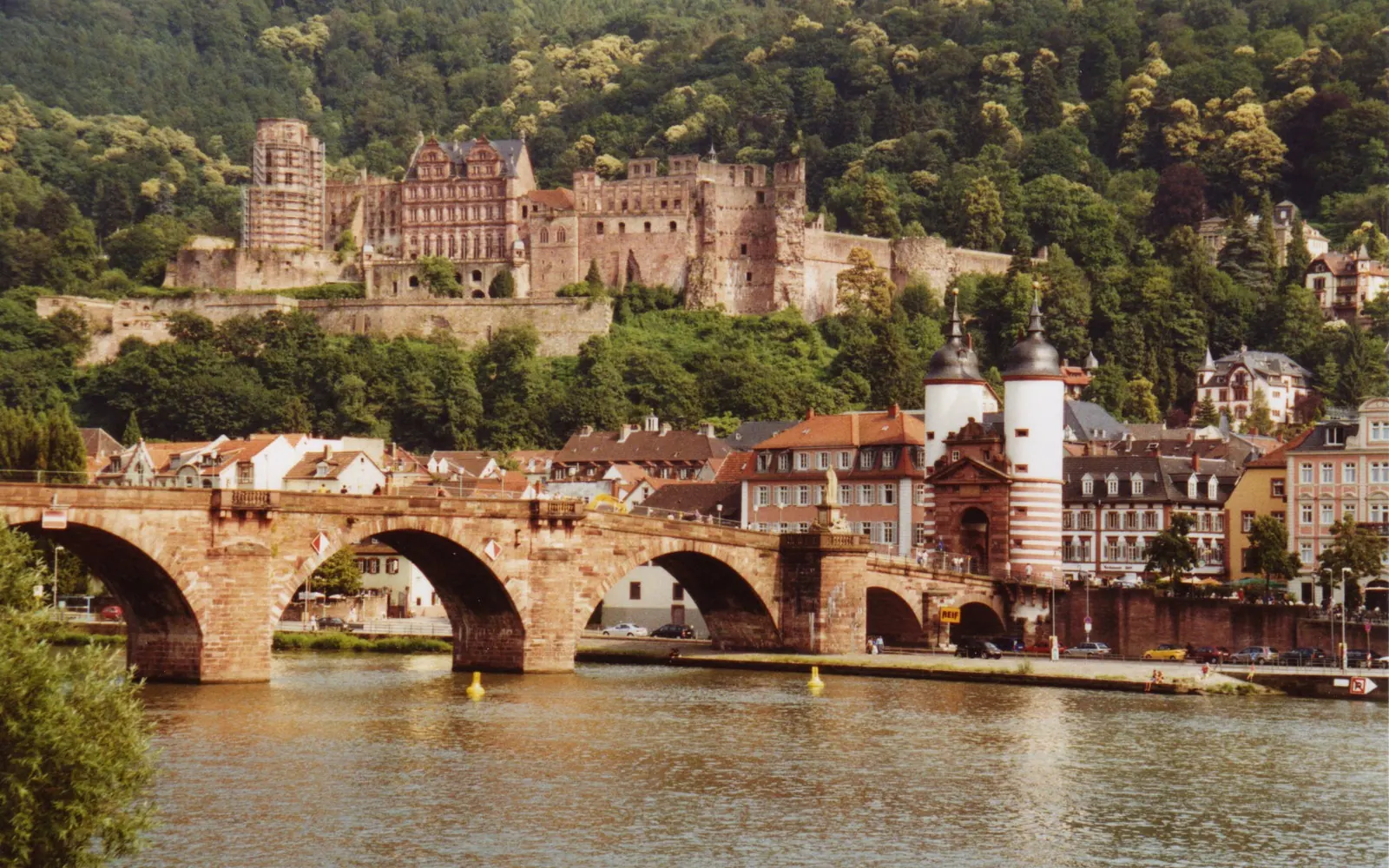
Heidelberg's Old Bridge and Neckar
9 institutions
Technical university of about 52,000 students, 45% international; eight English bachelor's in Munich, Garching…

The University of Freiburg's English-taught college: one four-year Liberal Arts and Sciences bachelor, about…
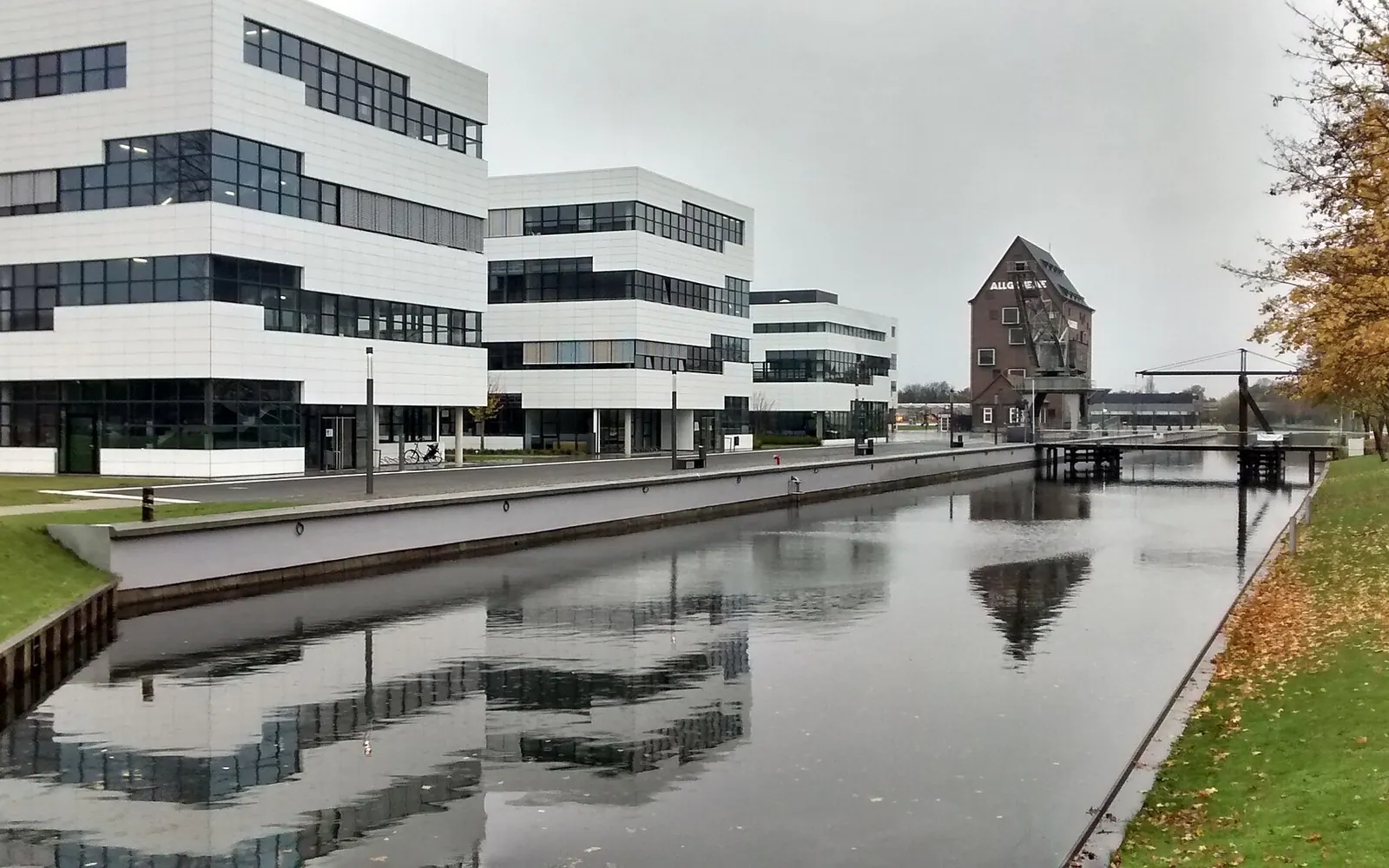
Young public university (founded 2009) on the Dutch border, in Kleve and Kamp-Lintfort; 16…
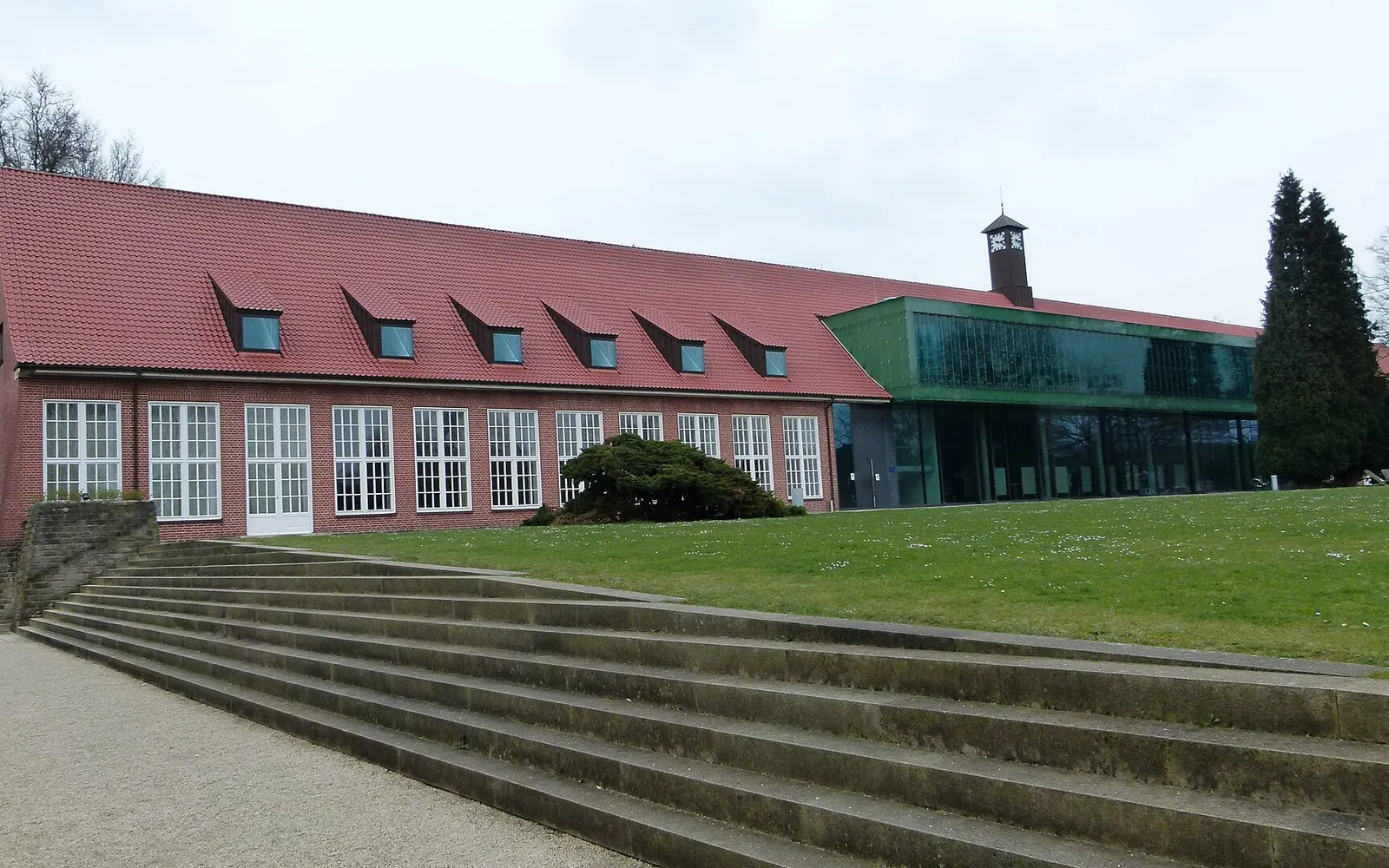
Private English-taught university in Bremen, formerly Jacobs University, with an international student body living…
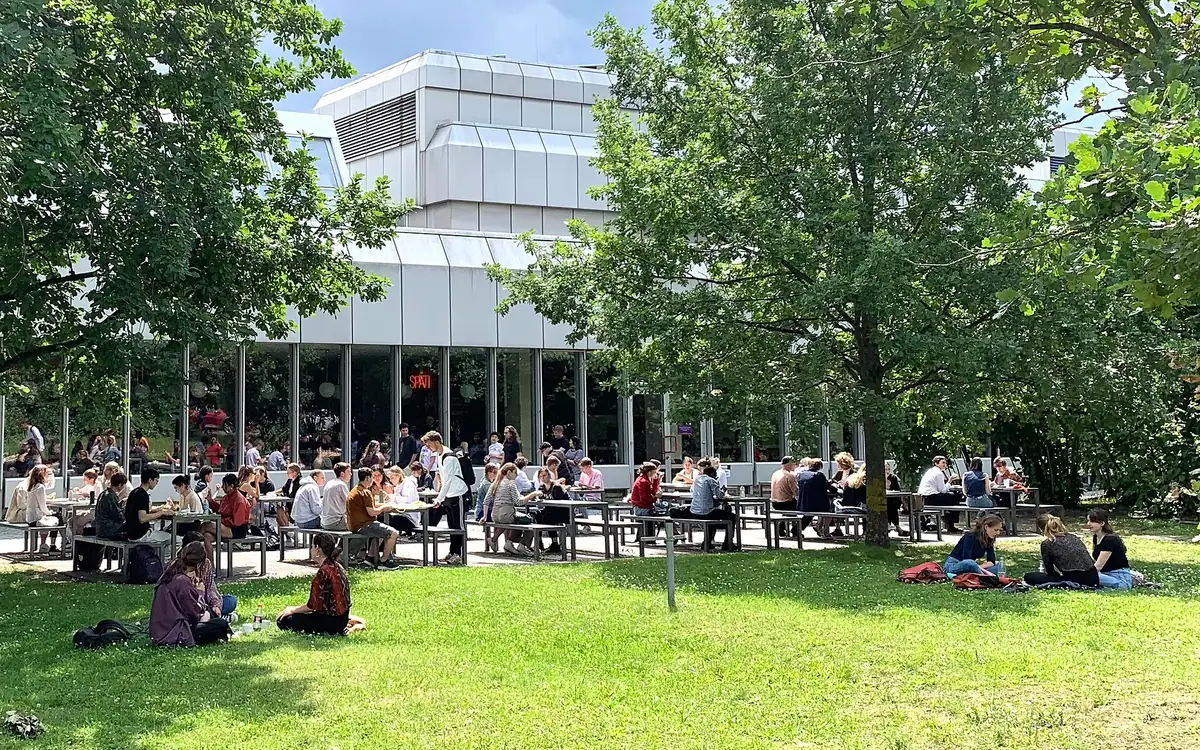
Large research university founded in 1948 in south-west Berlin; its one English-taught bachelor's is…
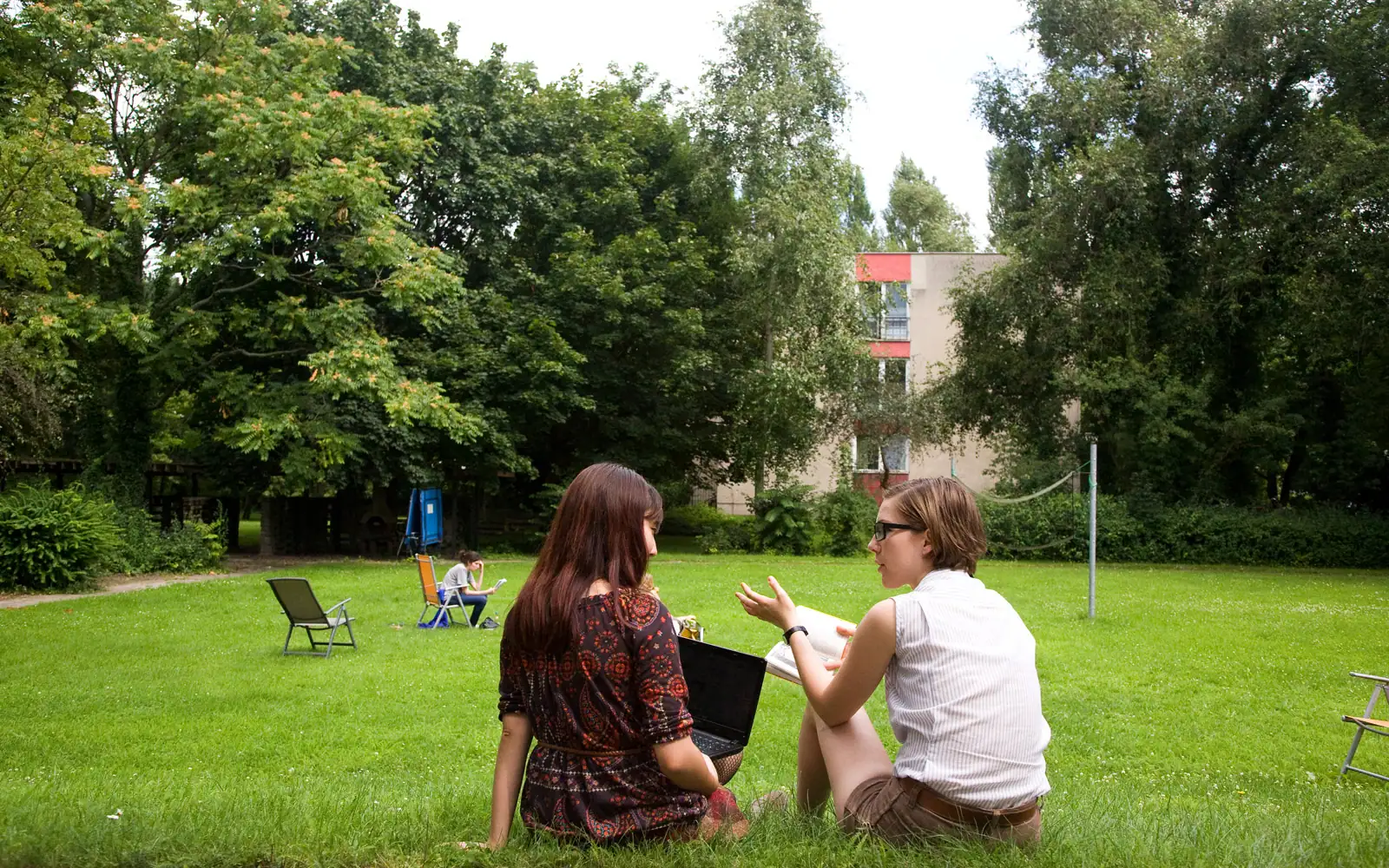
Small English-taught liberal arts college in Berlin: about 300 students from 71 countries, classes…
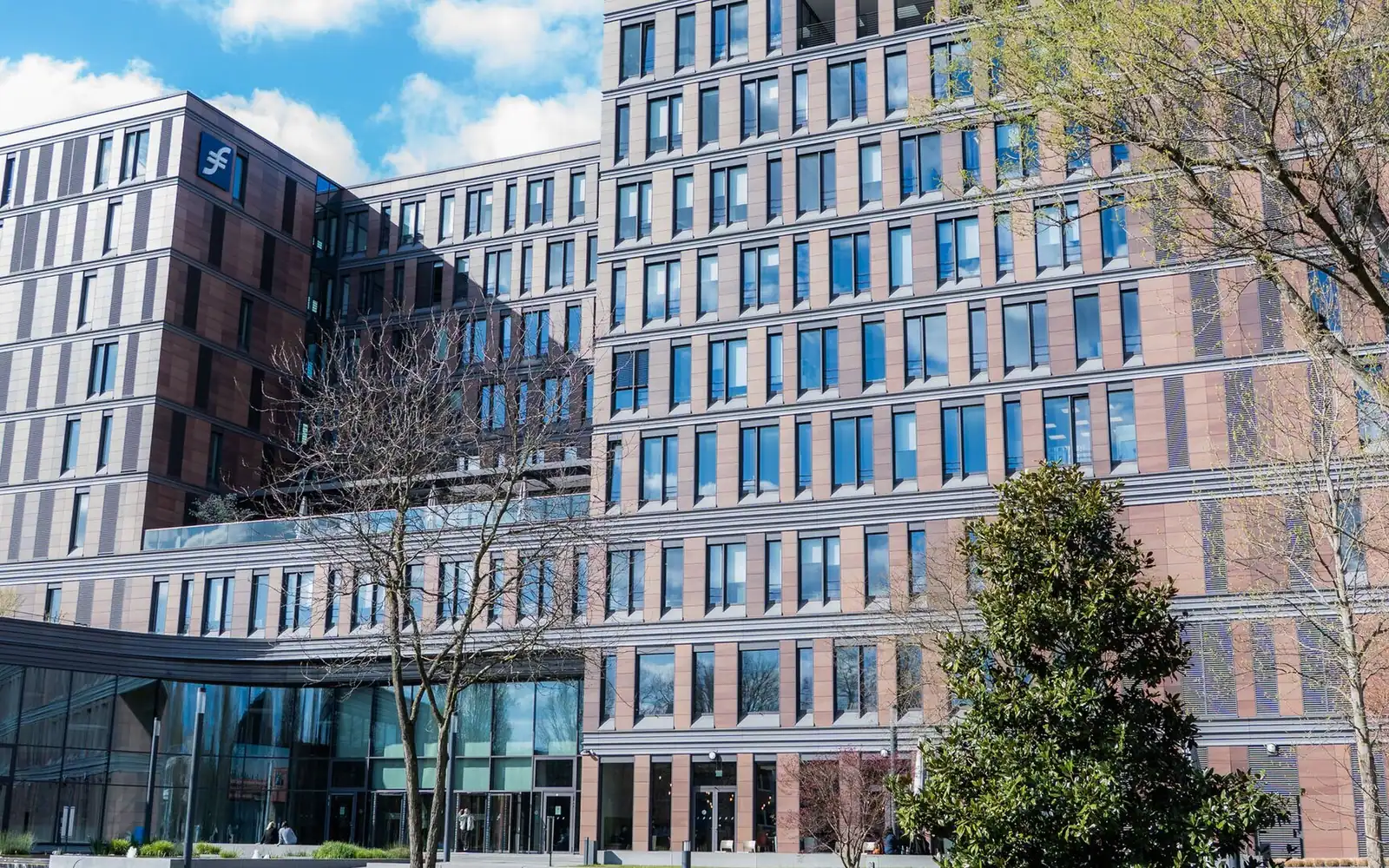
Private finance and business school on a Frankfurt city campus; four English-taught BSc degrees…
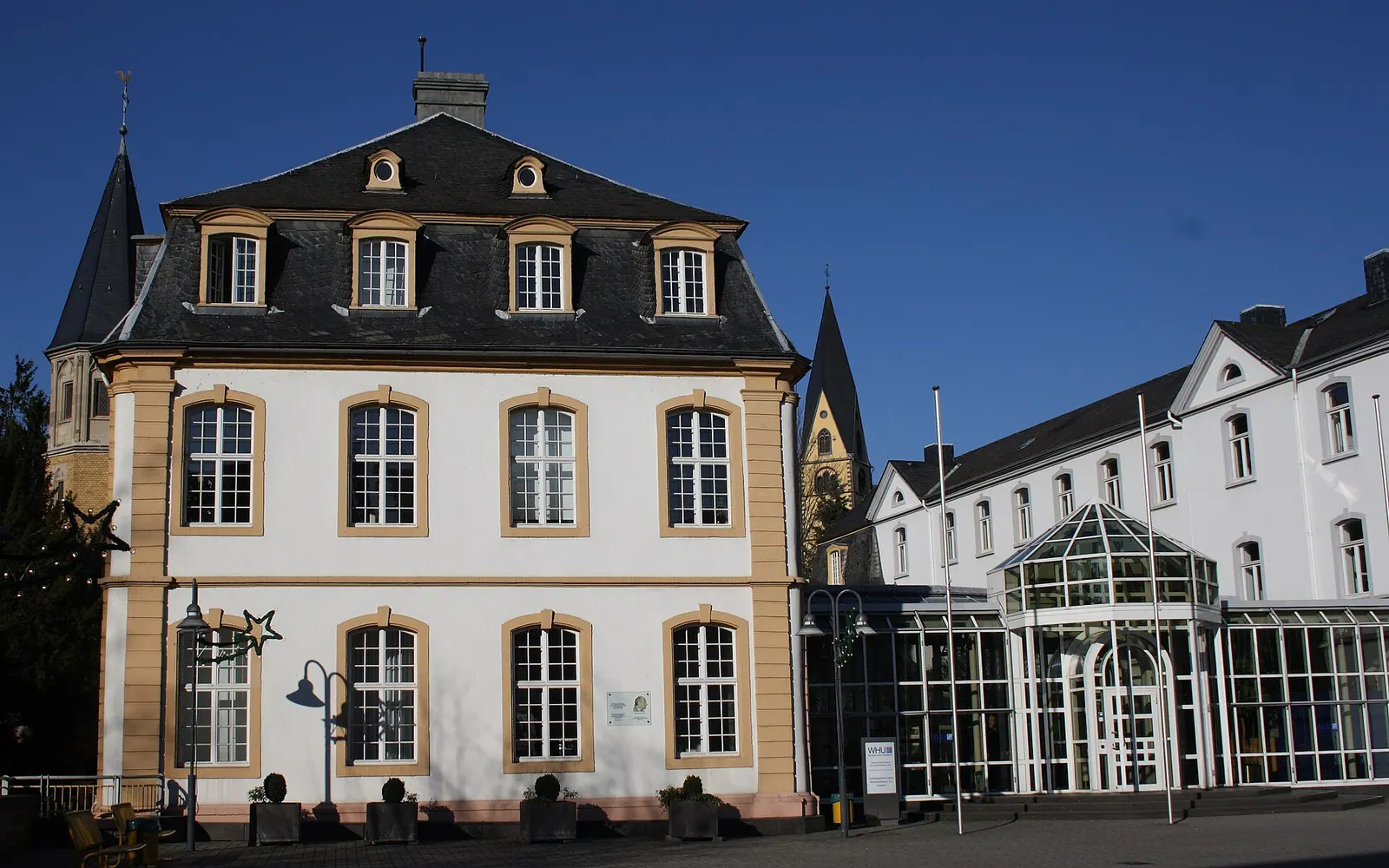
Private business school in the small Rhine town of Vallendar, near Koblenz; one 3-year…
Public university in Lüneburg, 30 minutes from Hamburg: a shared first semester, then a…
This browser cannot draw the globe. Every place is in the list below.
In Germany one written rule, the KMK agreement, decides whether your IB Diploma counts at all, and it is about which six subjects you took, not how many points you scored.
Get the combination right and public universities cost you a semester contribution of roughly 70-430 EUR and nothing else. Get it wrong and you are limited to certain fields or shut out entirely. Most bachelor's degrees are still taught in German; English-taught bachelor's exist but are a minority, concentrated in universities of applied sciences and private business schools.
No tuition fees at public universities for EU/EEA students - you pay only a semester contribution, usually including a public transport pass.
The KMK subject-combination rule is absolute. If your six IB subjects do not match it, no amount of points will fix it.
2 observations from people who have watched students go through this — observations, not rules.
Germany splits its institutions by purpose rather than by prestige, and the split is sharper than in most systems.
Germany splits its institutions by purpose rather than by prestige, and the split is sharper than in most systems. A Universität researches and awards doctorates; a Hochschule für angewandte Wissenschaften teaches a profession and traditionally does not. Alongside them sit the dual universities, where study alternates with paid work at a company that selects you, and the art and music academies, which admit on audition. Most of this is invisible from outside Germany, where "German university" usually means the first category only.
The research universities, including the Technische Universitäten. Academic in emphasis, strong in theory, with a three-year Bachelor followed by a two-year Master that most students treat as part of the same course rather than as optional.
Often abbreviated HAW, and previously Fachhochschule. Professionally focused, with smaller groups, compulsory placements and teaching staff who have worked in the field. Many of their degrees are in engineering and business.
Neither a lesser university nor a polytechnic nor a college. The German distinction is about research remit and professional orientation, not about standing.
Study alternating with paid work at a partner company, typically in three-month blocks, ending in a Bachelor and usually a job. You apply to the company first and the place follows from that, so the employer is the real selector and the timetable runs a year ahead of ordinary admissions.
Almost always taught in German, and almost never mentioned to international students. Worth knowing it exists.
Fine art, design, music and drama, admitting on portfolio or audition on their own calendars, often earlier than everything else. Grades are close to irrelevant beside the work.
Not covered in detail on this site.
A preparatory year ending in the Feststellungsprüfung, for applicants whose school qualification does not give direct access. A full IB Diploma meeting the KMK subject rule does give direct access, so this is normally not needed — which is exactly why it is worth knowing about if the subject rule is not met.
Taught in German. It is the route that exists when the KMK rule has not been satisfied.
24 points (a full IB Diploma). Each of the six required subjects must be graded at least 4.
Yes
24 points (a full IB Diploma). Each of the six required subjects must be graded at least 4. If exactly one subject is a 3, it can be compensated by a grade of at least 5 in another subject at the same or a higher level, provided the total is at least 24 points.
KMK agreement of 10.03.1986 in the version of 15.06.2023, section 1. Among your six IB subjects there must be: (1) two languages at level A or B, of which at least one is a continued foreign language taken as Language A or Language B HL; (2) a natural science (Biology, Chemistry or Physics); (3) Mathematics (Analysis and Approaches or Applications and Interpretation); (4) a social science (History, Geography, Economics, Psychology, Philosophy, Social Anthropology, Business and Management or Global Politics). The sixth subject may be another of those, or: Visual Arts, Music, Theatre, Film, Literature and Performance, a further modern foreign language, Latin, Classical Greek, General Chemistry, Applied Chemistry, Environmental Systems and Societies, Computer Science, Design Technology, World Religions, Sports Exercise and Health Science, or Digital Society. From the May 2025 session onwards, at least one of your three Higher Level subjects must be a language, Mathematics or a natural science (section 1b). All six subjects must have been taken across the full two years of the Diploma Programme.
The KMK sets one formula for the whole country: N = 1 + 3 x (Pmax - P) / (Pmax - Pmin), where P is your IB total including bonus points, Pmax = 42 and Pmin = 24. Any total from 42 to 45 points is set equal to the top German grade 1.0. Worked examples from that formula: 42+ points = 1.0; 40 = 1.3; 38 = 1.6 (the KMK keeps one decimal and does not round); 36 = 2.0; 34 = 2.3; 30 = 3.0; 24 = 4.0.
How Germany reads an IB Diploma.
These are the pages this section was written from. None has been signed off by a person yet, so confirm anything consequential at the source.
Apply directly to each university.
From autumn 2026, check each programme you like against the KMK subject rule above - do this before anything else, because it cannot be fixed later.
Check on anabin (anabin.kmk.org) or with the university whether your Diploma is treated as a general or subject-restricted entrance qualification.
Find out for each university whether it takes applications directly or through uni-assist, and whether the programme is taught in German or English.
If German is required, get the certificate (DSH, TestDaF or equivalent) organised in good time - this is usually the thing that makes people miss a year.
Open your uni-assist or university account in spring 2027, upload school documents and predicted grades, and pay the handling fee.
For medicine, dentistry, veterinary medicine or pharmacy, register on hochschulstart.de and submit by the July deadline.
Send the final IB Diploma as soon as it arrives in early July 2027, then enrol and pay the semester contribution before the semester starts in October.
Many programmes are open admission (zulassungsfrei): meet the requirements and you are in. Others carry a local Numerus Clausus, where places are ranked by your converted German grade. Medicine, dentistry, veterinary medicine and pharmacy are restricted nationwide and allocated centrally through hochschulstart.de. Applicants with a foreign leaving certificate are often handled in a separate quota with its own place count, which can work either for or against you.
Bard College Berlin: by 1 November 2026.
Your own plan Via Germany
Not published by anyone — a date worth setting yourself.
Not a deadline anyone sets, and the most important date on this page. The rule governs which six subjects you take, so it has to be checked while those are still changeable. Nothing later can repair it.
Your own plan Via Germany
Not published by anyone — a date worth setting yourself.
Foreign qualifications are normally checked by uni-assist before a university will consider the application. uni-assist says a result usually takes 4 to 6 weeks and asks you to apply at least 8 weeks before the deadline. Starting late is a common and avoidable way to miss an institutional deadline.
Published as "27.04.2026 - Start der Bewerbungsphase (09:00 Uhr)" for Wintersemester 2026/27, with a time as well as a day. The same date governs locally restricted courses: an application filed earlier through a university's own portal becomes visible in the hochschulstart portal only from that morning. hochschulstart.de carries only two tables, Wintersemester 2026/27 and an archive of Sommersemester 2026, and no Wintersemester 2027/28 dates exist anywhere on the site. Judging by this cycle the winter table appears in spring, so recheck from about March 2027.
Hard deadline Via Germany
After this the door closes.
This deadline applies if your school-leaving certificate predates 16 January of the application year, which for an IB candidate means you took a gap year. Straight from the Diploma, this is not your deadline.
Published as "31.05.2026 - Ende der Bewerbungsphase (Ausschlussfrist) fuer Alt-Abiturient*innen", qualified "mit einem HZB-Zeugnis vor 16.01.2026". If you take a gap year and apply with your 2027 diploma for 2028 entry, you become an Altabiturient and the deadline moves forward by six weeks. An Ausschlussfrist cannot be extended, and hochschulstart says so explicitly - not even where the applicant is blameless. hochschulstart.de carries only two tables, Wintersemester 2026/27 and an archive of Sommersemester 2026, and no Wintersemester 2027/28 dates exist anywhere on the site. Judging by this cycle the winter table appears in spring, so recheck from about March 2027.
Hard deadline
After this the door closes.
Published as "15.06.2026 - Fristende: Nachreichen von Unterlagen (Ausschlussfrist) durch Alt-Abiturient*innen". The online application is not the whole application: hochschulstart also needs the signed form and supporting documents on paper. Evidence you only obtain after this day may still be sent up to 20 July, provided the online application arrived by 31 May. Since January 2025 German post typically takes three to four working days and the risk of late arrival is yours. hochschulstart.de carries only two tables, Wintersemester 2026/27 and an archive of Sommersemester 2026, and no Wintersemester 2027/28 dates exist anywhere on the site. Judging by this cycle the winter table appears in spring, so recheck from about March 2027.
Via Germany
Early July, which is what places an IB candidate in the later medicine group rather than the earlier one.
Hard deadline Via Germany
After this the door closes.
The deadline for a student applying straight from the May 2027 session. Roughly a week after results, so the paperwork has to be ready before they arrive.
Published as "15.07.2026 - Ende der Bewerbungsphase (Ausschlussfrist) fuer Neu-Abiturient*innen", qualified "mit einem HZB-Zeugnis nach 15.01.2026". Your IB results arrive 6 July 2027, so you fall in the Neuabiturient group and this is the deadline that matters. Which group you are in turns on the date printed on the certificate, not on when you apply. hochschulstart.de carries only two tables, Wintersemester 2026/27 and an archive of Sommersemester 2026, and no Wintersemester 2027/28 dates exist anywhere on the site. Judging by this cycle the winter table appears in spring, so recheck from about March 2027.
uni-assist publishes this only as a hedge: "The application deadline is often July 15th if the course starts in the winter semester", under a heading saying the deadlines listed "apply for many, but not all, university courses in Germany". No year is attached, and it is not stated as a bachelor's rule. The German version of the same page goes further than the English one - "Immer mehr Hochschulen setzen aber fruehere Fristen", more and more universities are setting earlier deadlines - so treat 15 July as a fading default rather than a deadline. uni-assist's own rule is that its deadline is whatever deadline the university set. Always take the date from the programme page.
Published as "16.07.2026 - Start der Koordinierungsphase". From this day universities may make admission offers for locally restricted courses, subject to their releasing their ranking lists. An offer is not a place: hochschulstart issues a Zulassungsbescheid only after you accept an offer or after the coordination rules convert one automatically, which is what the priority deadline four days later is for. hochschulstart.de carries only two tables, Wintersemester 2026/27 and an archive of Sommersemester 2026, and no Wintersemester 2027/28 dates exist anywhere on the site. Judging by this cycle the winter table appears in spring, so recheck from about March 2027.
Hard deadline
After this the door closes.
Published as "20.07.2026 - Fristende: Nachreichen von Unterlagen (Ausschlussfrist) durch Neu-Abiturient*innen". This is the one an IB candidate is most likely to be caught by: results on 6 July, online application by 15 July, and then paper documents physically in hochschulstart's hands five days later. It is an Ausschlussfrist, so it cannot be extended, and German post is quoted at three to four working days. hochschulstart.de carries only two tables, Wintersemester 2026/27 and an archive of Sommersemester 2026, and no Wintersemester 2027/28 dates exist anywhere on the site. Judging by this cycle the winter table appears in spring, so recheck from about March 2027.
Hard deadline
After this the door closes.
The hidden deadline in the German system. Published as "22.07.2026 - Stichtag, bevor die Koordinierungsregeln greifen". Until this day you set the priority order of your applications yourself. From the next day - "23.07.2026 - Beginn der Anwendung der Koordinierungsregeln" - the system converts your highest-ranked offer into an admission automatically and deletes every lower-ranked one. Leaving your list in the wrong order therefore does not lose you a place; it loses you the place you wanted. hochschulstart.de carries only two tables, Wintersemester 2026/27 and an archive of Sommersemester 2026, and no Wintersemester 2027/28 dates exist anywhere on the site. Judging by this cycle the winter table appears in spring, so recheck from about March 2027.
Published as "24.08.2026 - Ende der Koordinierungsphase". The portal is locked for the two days before it - "22.08.2026 - Beginn der Portalsperre (ab 00:00 Uhr)" to "24.08.2026 - Abschluss der Portalsperre (24:00 Uhr)" - so you cannot change anything over that weekend. Remaining admission and deferral decisions are published the following day. hochschulstart.de carries only two tables, Wintersemester 2026/27 and an archive of Sommersemester 2026, and no Wintersemester 2027/28 dates exist anywhere on the site. Judging by this cycle the winter table appears in spring, so recheck from about March 2027.
Hard deadline
After this the door closes.
Published as "25.08.2026 - Beginn der Anmeldephase Koordiniertes Nachruecken" to "27.08.2026 - Ende der Anmeldephase Koordiniertes Nachruecken". Three days, and you have to opt in: if you have no place after the coordination phase, this is the only route left, and missing the registration window closes it whatever places later fall free. hochschulstart.de carries only two tables, Wintersemester 2026/27 and an archive of Sommersemester 2026, and no Wintersemester 2027/28 dates exist anywhere on the site. Judging by this cycle the winter table appears in spring, so recheck from about March 2027.
Published as "30.09.2026 - Ende des Koordinierten Nachrueckens", the end of the whole allocation procedure. Decisions go out twice a week through September, on Monday and Thursday afternoons. hochschulstart.de carries only two tables, Wintersemester 2026/27 and an archive of Sommersemester 2026, and no Wintersemester 2027/28 dates exist anywhere on the site. Judging by this cycle the winter table appears in spring, so recheck from about March 2027.
Your own plan
Not published by anyone — a date worth setting yourself.
A lead time, not a date anyone publishes, which is why it carries no day. uni-assist states that you "will usually receive your evaluation result in 4 to 6 weeks", counted from the day it receives your online form, and that applications are evaluated in order of arrival. Its regional table - keyed to where your certificates were issued, not where you live - puts "Western Europe and Latin America: 3-4 weeks", the slowest band on the list, which is the one a Danish IB diploma falls into. The VPD section itself gives no processing figure at all and says only to apply as early as possible. uni-assist's own recommendation is to apply "at least 8 weeks before the deadline expires" so that it can tell you in time if a document is missing. With IB results on 6 July and a 15 July university deadline, that is impossible to do on results - so start the uni-assist file in spring 2027 with predicted grades and school documents.
Nothing for Wintersemester 2027/28 is published. The Termine page carries the 2026/27 table and an archive of Sommersemester 2026, and the only forward-looking date on the whole site is on its homepage: "Die Bewerbungsphase fuer das Sommersemester 2027 startet am 26.10.2026 um 09:00 Uhr" - a February 2027 start, which is not your intake. Every DoSV date on this page is the 2026/27 day carried forward and marked provisional. The structure has been stable across cycles, so the shape is safe to plan against even though the days are not yet fixed; the 2027/28 table should appear around March or April 2027.
A real but limited option. Most public universities teach bachelor's in German; English-taught bachelor's cluster at universities of applied sciences (such as Rhine-Waal), a few public programmes (University College Freiburg's Liberal Arts and Sciences) and private institutions.
A real but limited option. Most public universities teach bachelor's in German; English-taught bachelor's cluster at universities of applied sciences (such as Rhine-Waal), a few public programmes (University College Freiburg's Liberal Arts and Sciences) and private institutions. Search the DAAD International Programmes database and filter for Bachelor + English.
For English-taught programmes, IB English A (Literature or Language and Literature) is normally accepted; English B HL is often accepted too but is decided programme by programme. Otherwise IELTS or TOEFL. The exact requirement is set per programme - check each programme page.
Yes, for most programmes
No tuition at public universities. You pay a semester contribution (Semesterbeitrag) of roughly 70-430 EUR per semester, which usually includes a local or regional transport ticket.
No tuition at public universities. You pay a semester contribution (Semesterbeitrag) of roughly 70-430 EUR per semester, which usually includes a local or regional transport ticket. Example: University of Hamburg charged 402 EUR for winter semester 2026/27. (2026/27)
Free at most public universities, with two exceptions. Baden-Wurttemberg charges non-EU/EEA students 1,500 EUR per semester, plus the normal semester contribution. TUM in Munich has charged non-EU students who started from winter semester 2024/25 onwards usually 2,000 or 3,000 EUR per semester for a bachelor's. Students with a German school-leaving qualification are exempt from both. (2026/27)
uni-assist charges 75 EUR for the first programme and 30 EUR for each further one in the same semester, the same for a standard application and a VPD; some universities pay it for their applicants. Private universities set their own - WHU, for example, charges 75 EUR until 31 March 2027 with its published voucher code, and 150 EUR from 1 April.
About 876 EUR per month on average (2023 social survey), with 900-1,200 EUR realistic depending on the city. Non-EU students must show 992 EUR per month in a blocked account for a student visa. (2023 survey figure, visa figure from 1 January 2025)
EU citizens do not need a visa or residence permit.
EU citizens do not need a visa or residence permit. You register your address (Anmeldung) at the local Buergeramt or Einwohnermeldeamt shortly after moving in, which gets you a tax ID and is needed to open a bank account and enrol. Non-EU students apply for a national student visa at the German embassy before travelling and then convert it into a residence permit at the local Auslaenderbehoerde.
As an EU/EEA citizen you have full access to the German labour market with no permit and no hour limit - you are only limited by tax and social-insurance thresholds for student jobs. Non-EU students on a residence permit under section 16b of the Residence Act may work 140 full days or 280 half days per calendar year, or alternatively up to 20 hours a week during the lecture period, a rule in force since 1 March 2024. Source: https://www.gesetze-im-internet.de/aufenthg_2004/__16b.html
Student halls are run by the regional Studierendenwerk and are the cheapest option, but demand far exceeds supply in Munich, Frankfurt, Cologne, Hamburg, Berlin and Stuttgart. Apply to the Studierendenwerk as soon as you have an offer, and search shared flats (WG) in parallel on wg-gesucht.de. In the big cities expect a hunt of several weeks and be ready to start the semester in temporary accommodation.
Health insurance is compulsory and you cannot enrol without proof of it. As an EU/EEA student with an EHIC you can usually apply to a German statutory insurer for an exemption (Befreiung), which they confirm electronically to the university - do this before enrolment day. If you take a job in Germany or your EHIC does not cover you, you join German statutory student insurance instead, which in 2026 costs about 137-161 EUR a month: 87.38 EUR plus the insurer's own additional contribution, plus 30.78 EUR long-term care insurance (35.91 EUR if you are 23 or over and childless). Confirm the current rate with the insurer.
If you hold German citizenship, the parts of this page written for other EU/EEA citizens are not about you, and BAföG is your own system.
One rule is yours alone: German citizens who did not take German in the IB must prove German before enrolling. Your IB is still a foreign qualification, so the IB entry rules on this page still apply.