
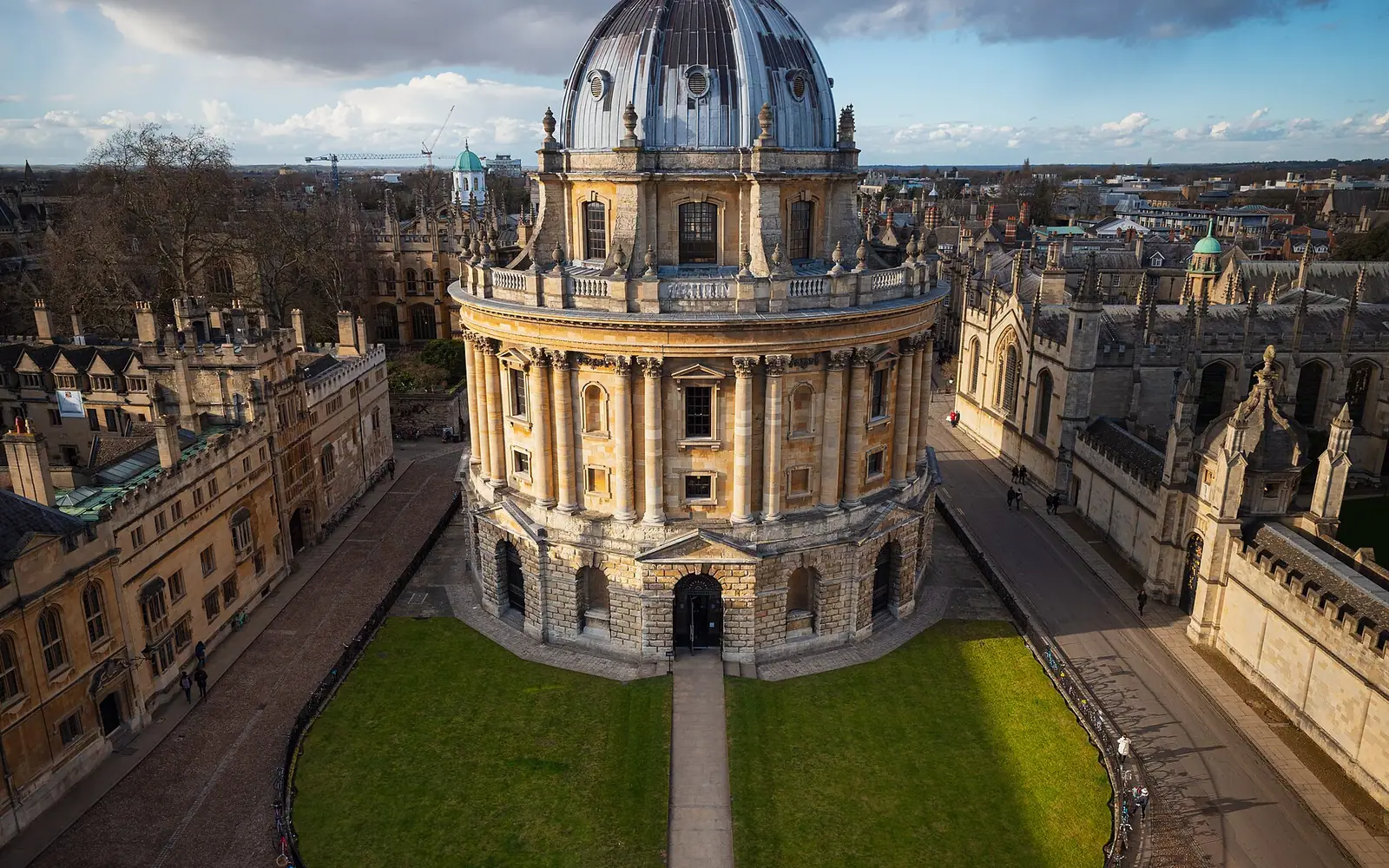
Oxford — University of Oxford
52 undergraduate courses taught in small college tutorials; you study one subject in depth…
OxfordNearly all in English
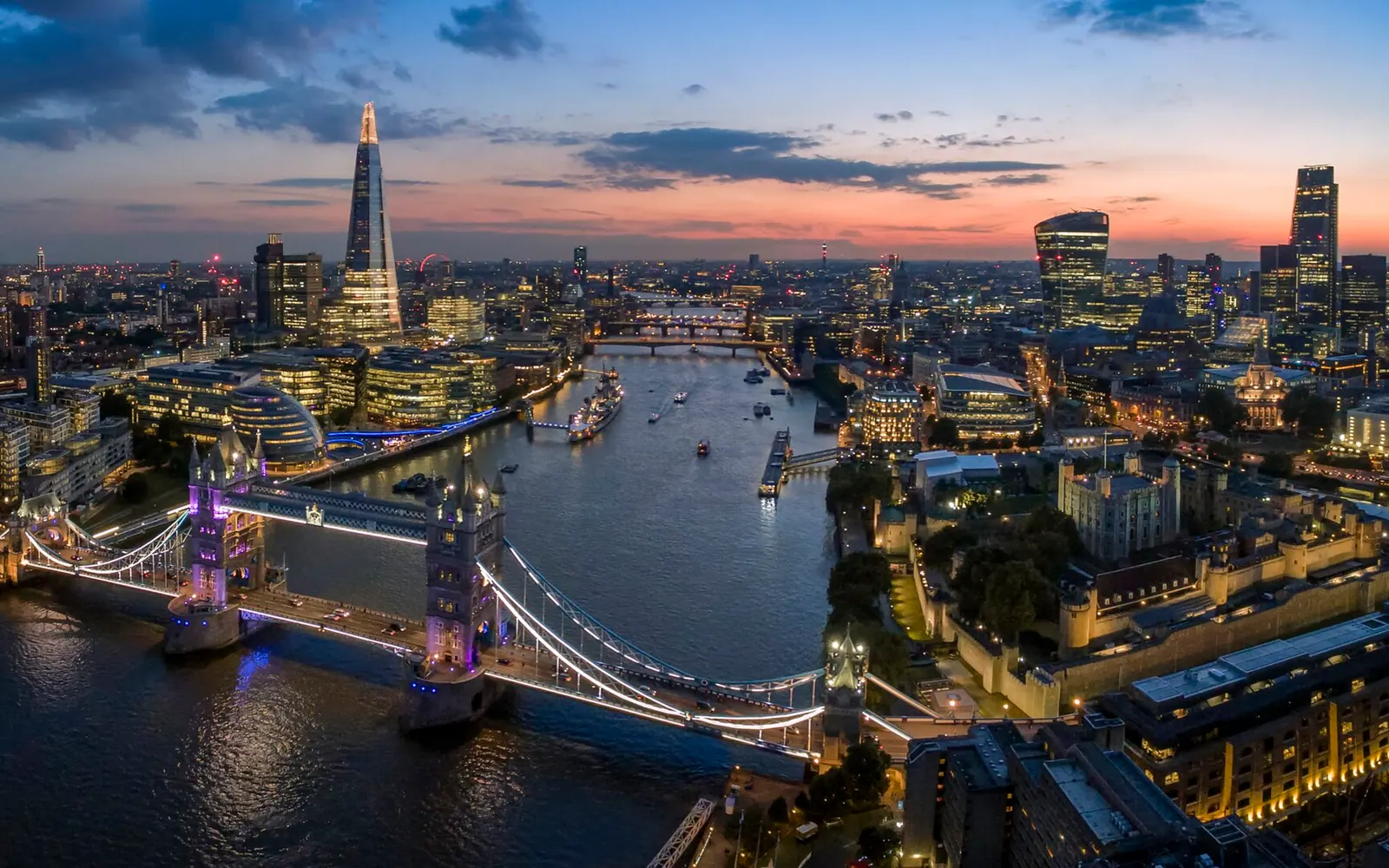
British Isles · May 2027 IB session · Autumn 2027 entry
Offers in IB points before your results, and overseas fees since Brexit
Tower Bridge and the Thames
22 institutions
52 undergraduate courses taught in small college tutorials; you study one subject in depth…
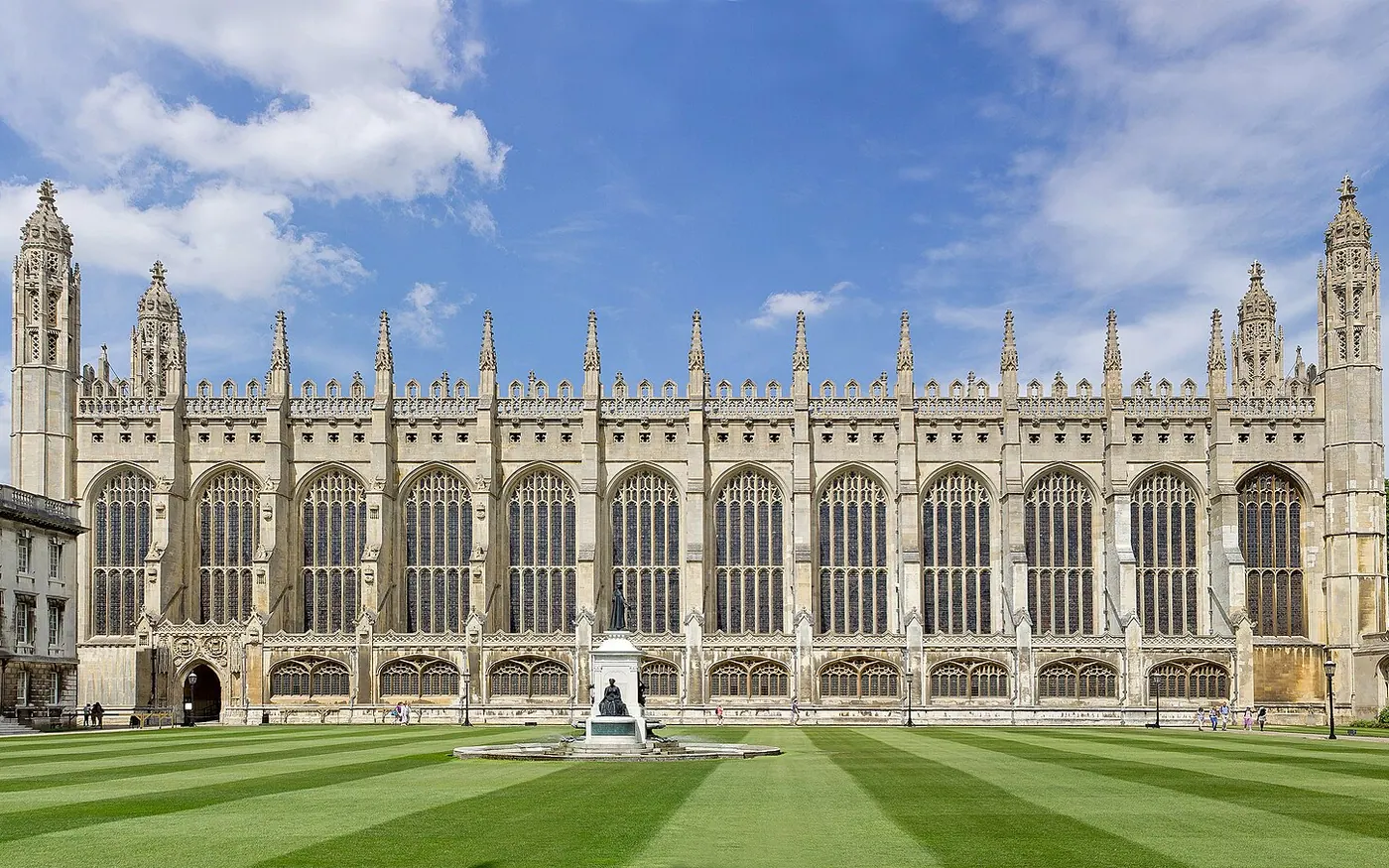
Over 30 broad courses (Triposes) taught in small college supervisions; you apply through a…
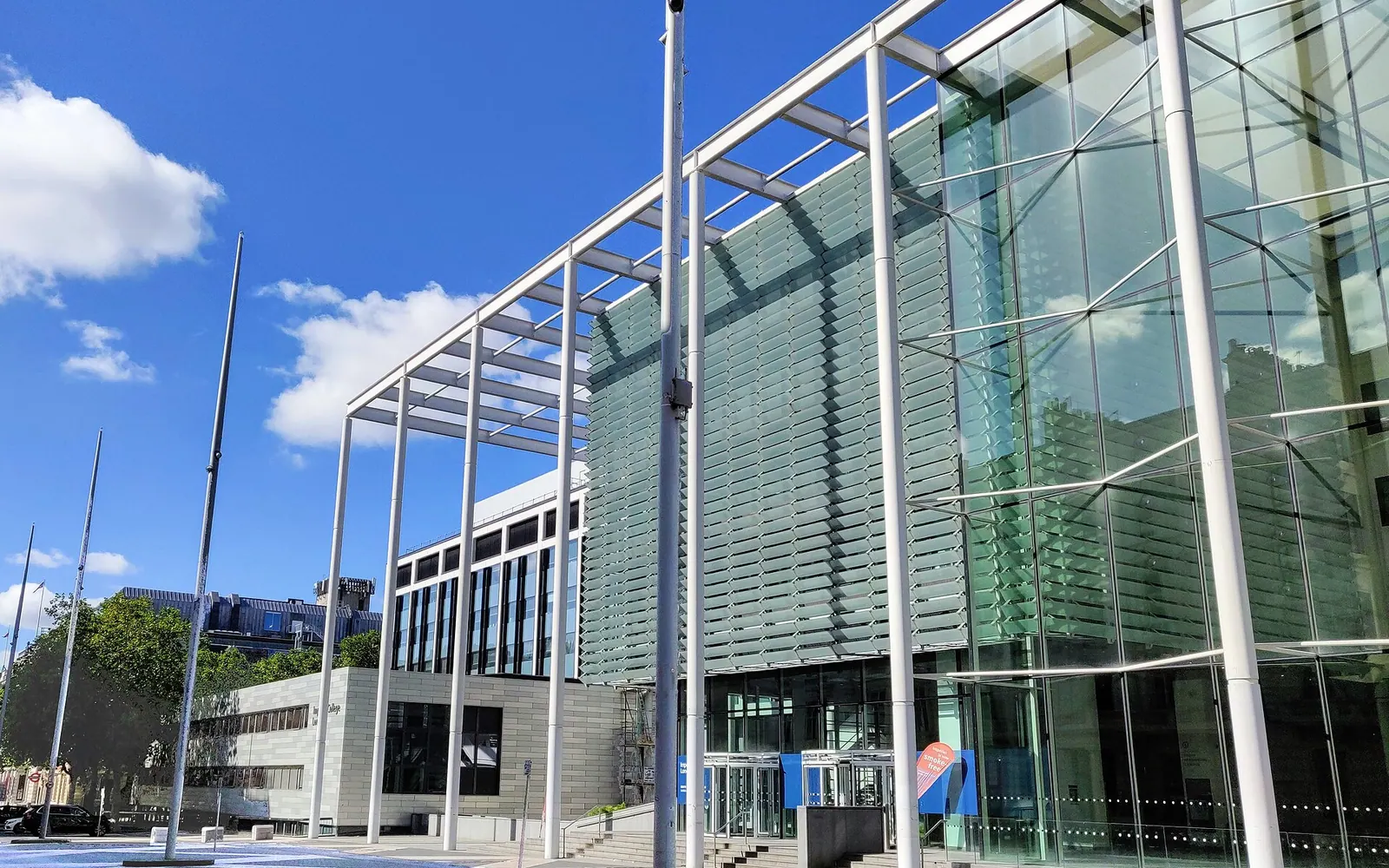
Science, engineering, medicine and business in South Kensington, London; 73 undergraduate courses, many needing…
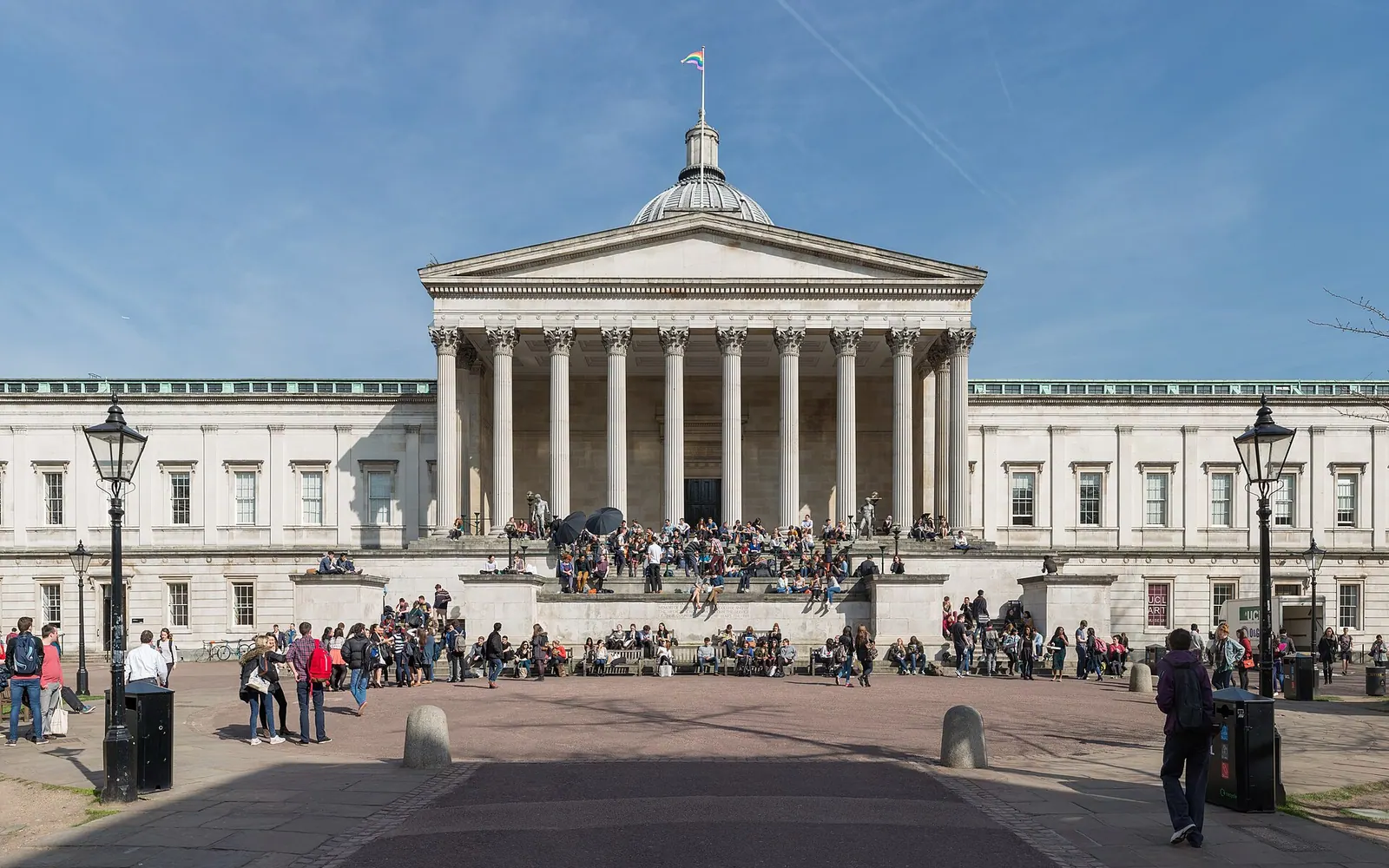
About 440 undergraduate courses in Bloomsbury, central London, from Medicine to Arts and Sciences…

Social sciences in central London: over 40 degrees in economics, politics, law, finance and…
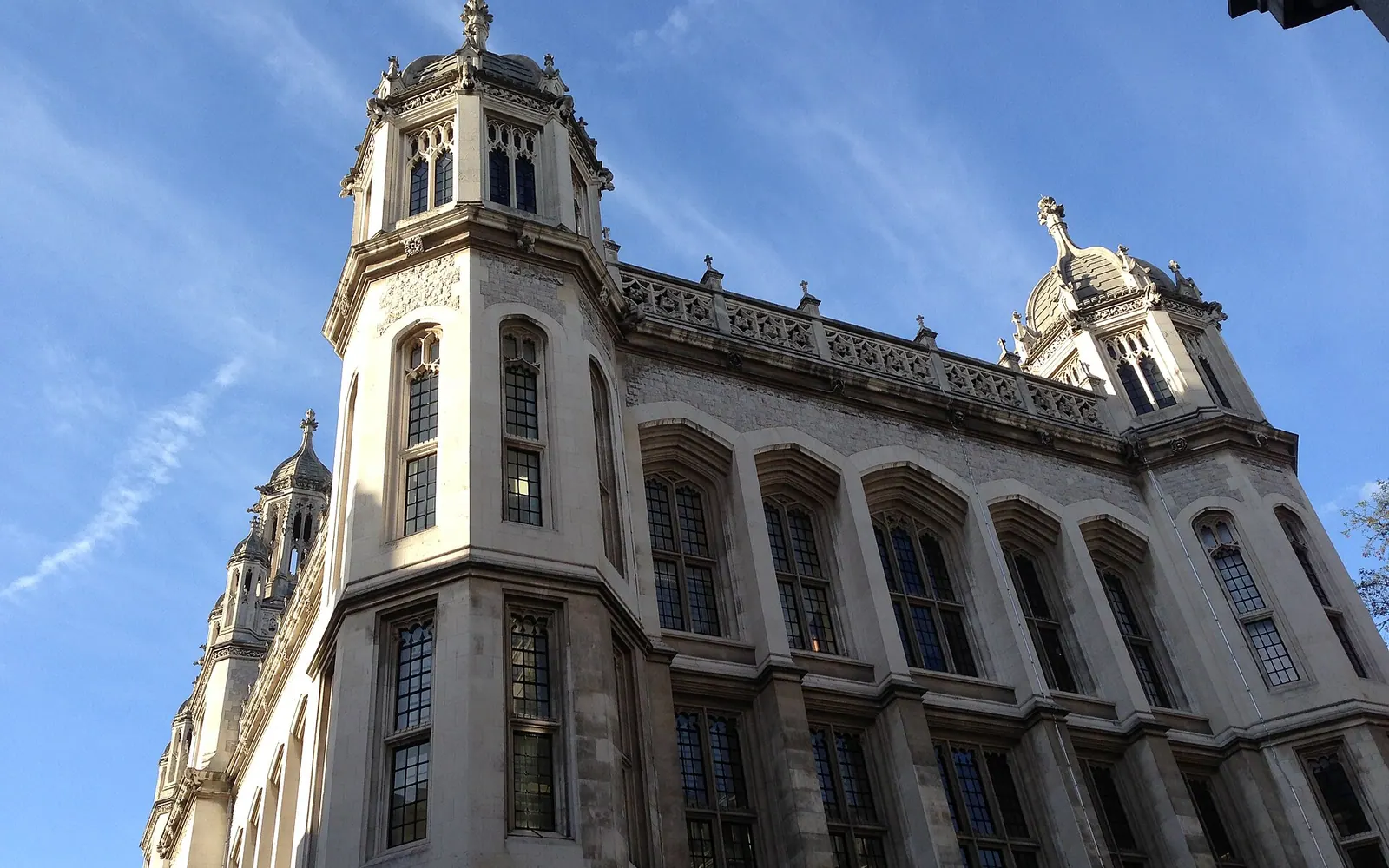
A large central London university with strengths in health, law and War Studies; IB…
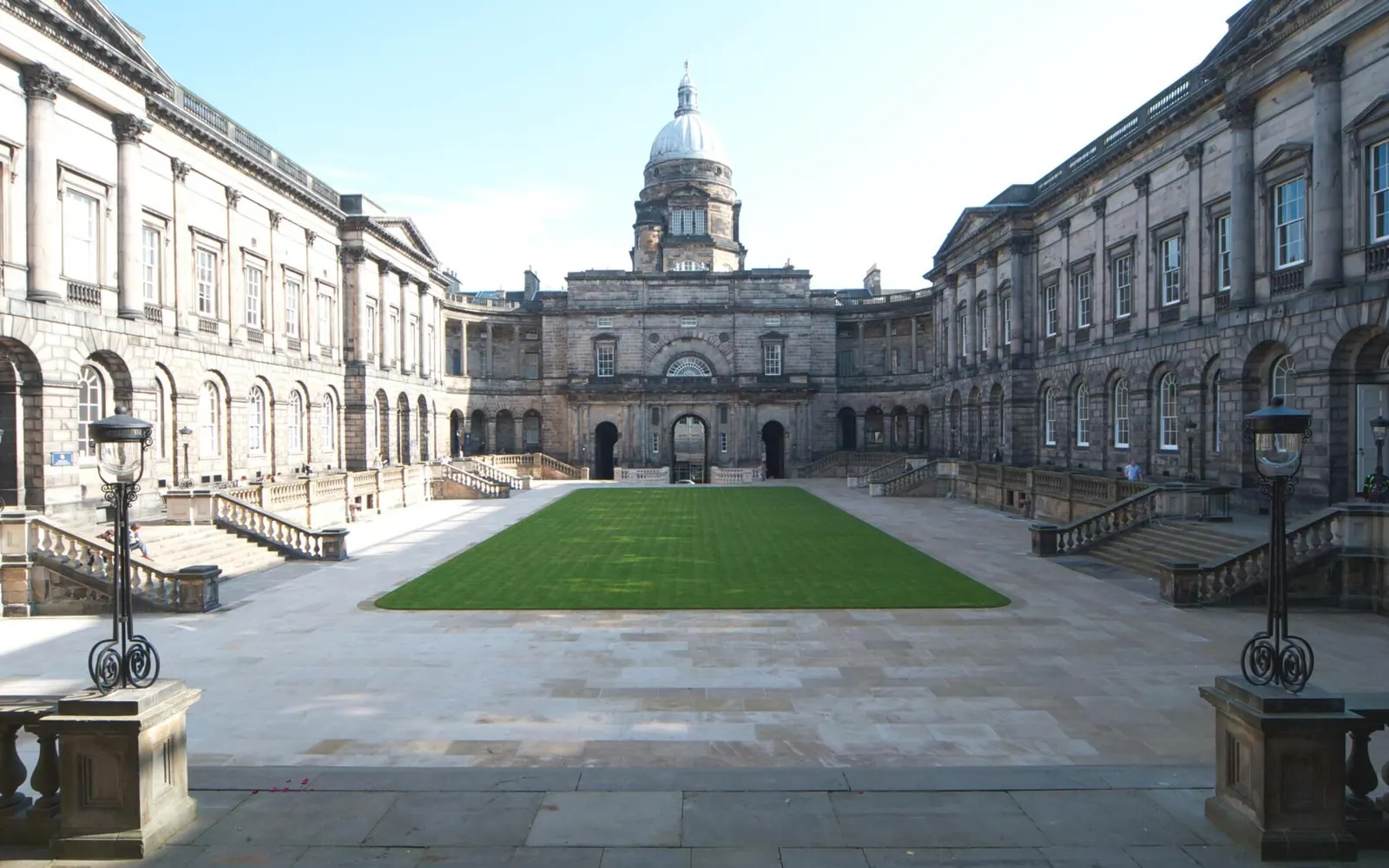
Scotland's capital and about 330 undergraduate degrees; most take four years, with a range…
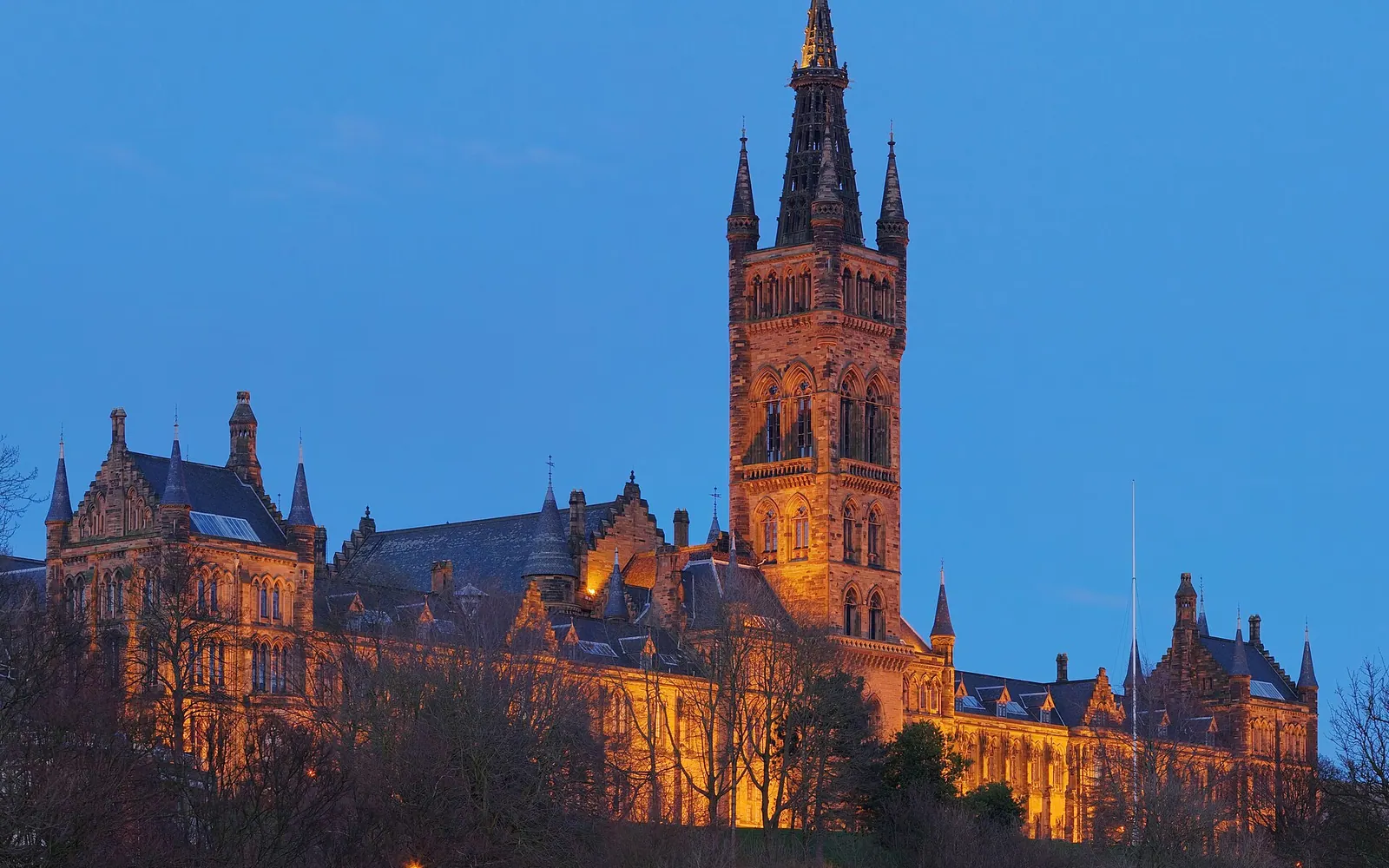
A large university in the city of Glasgow, Scotland; honours degrees take four years…
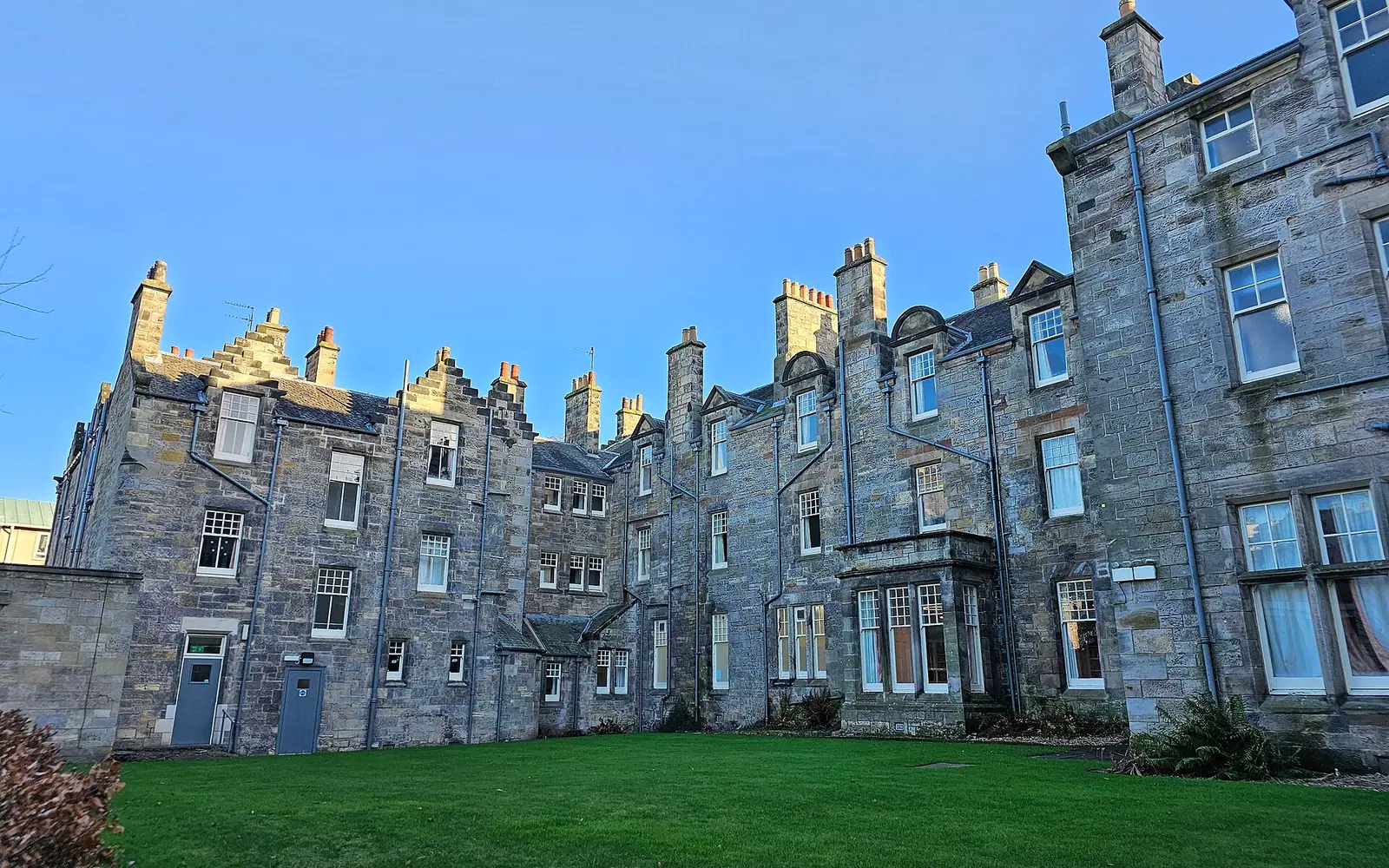
About 150 degrees in the Scottish town of St Andrews, most over four years…
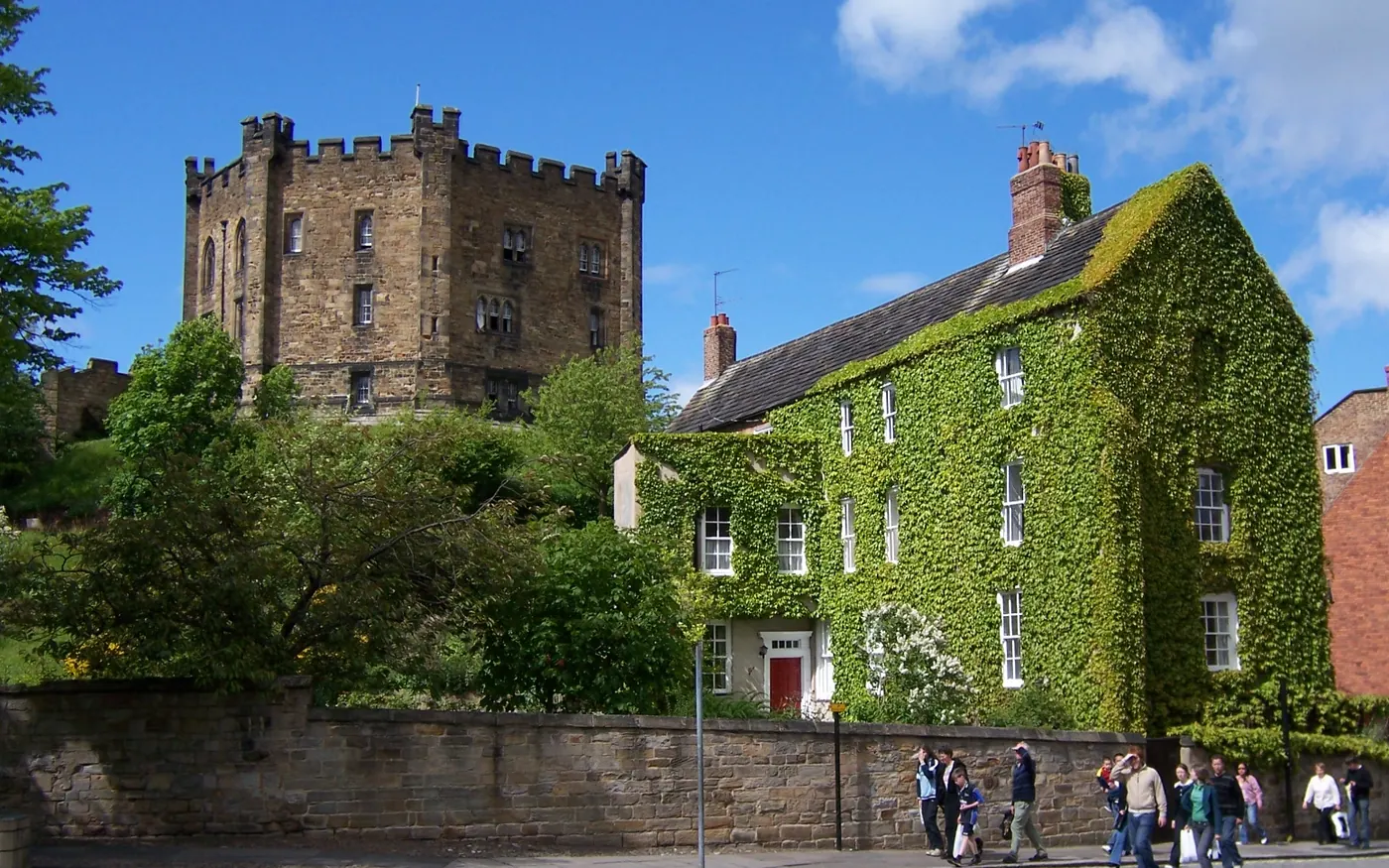
A collegiate university in a small historic city in north-east England; about 170 undergraduate…
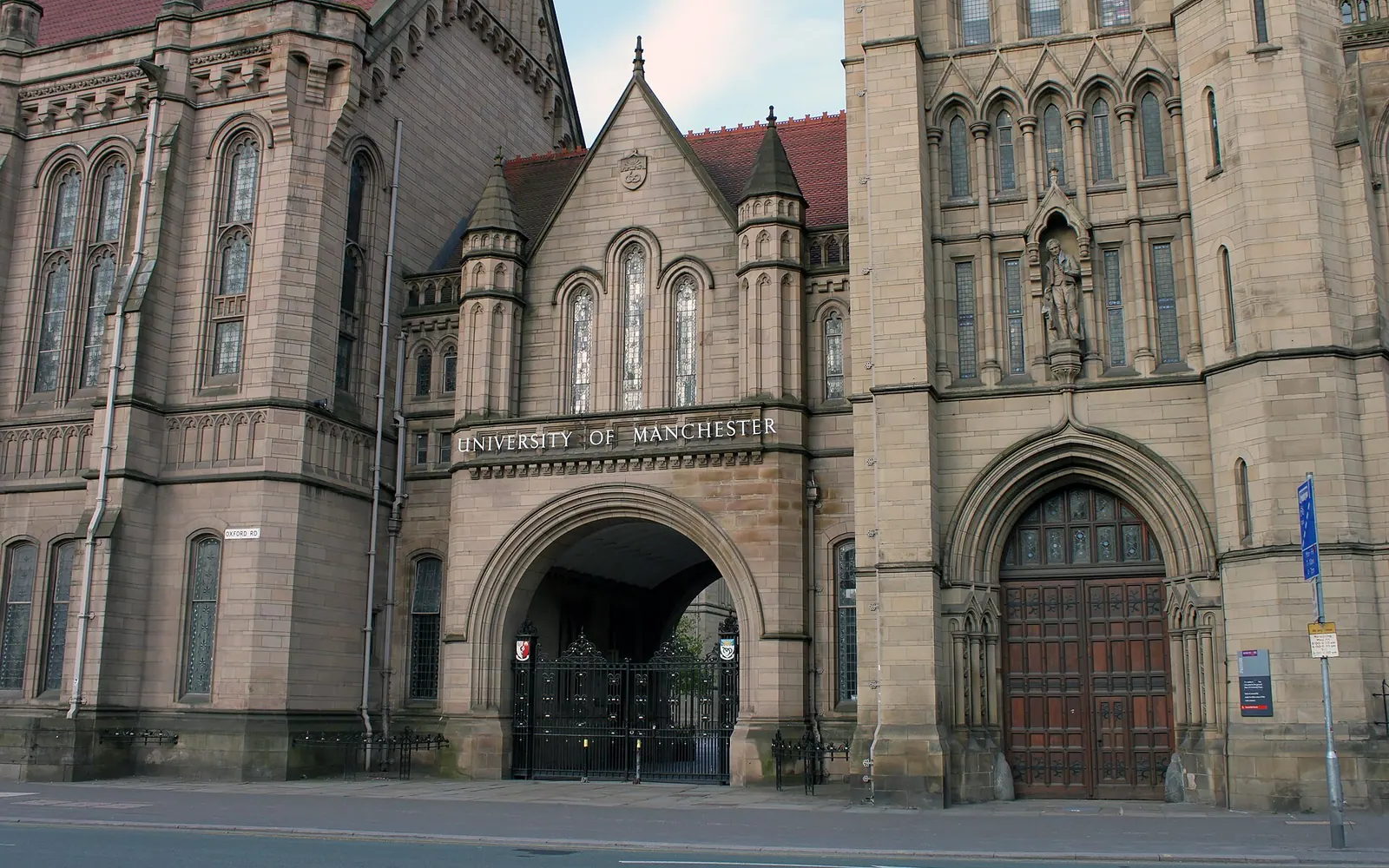
A large research university in Manchester, north-west England; about 300 undergraduate courses for 2027…
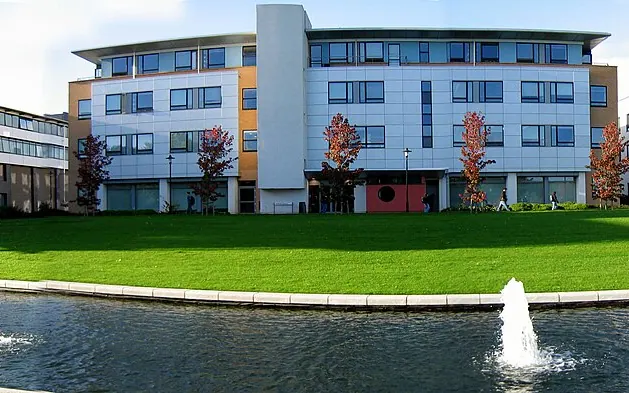
A campus university on the edge of Coventry with about 200 courses; IB offers…
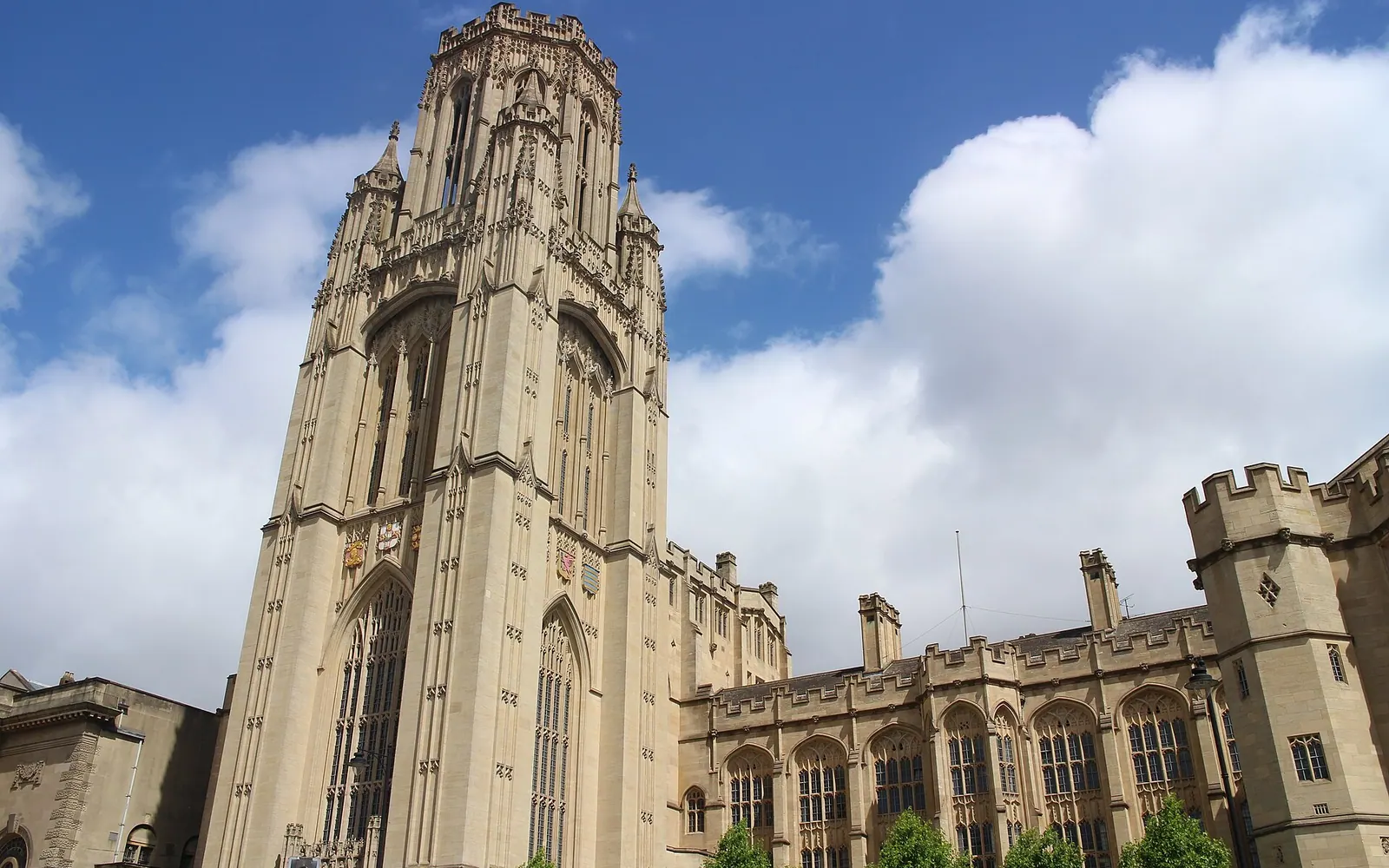
A research university in Bristol, south-west England; most courses ask 32–40 IB points, and…
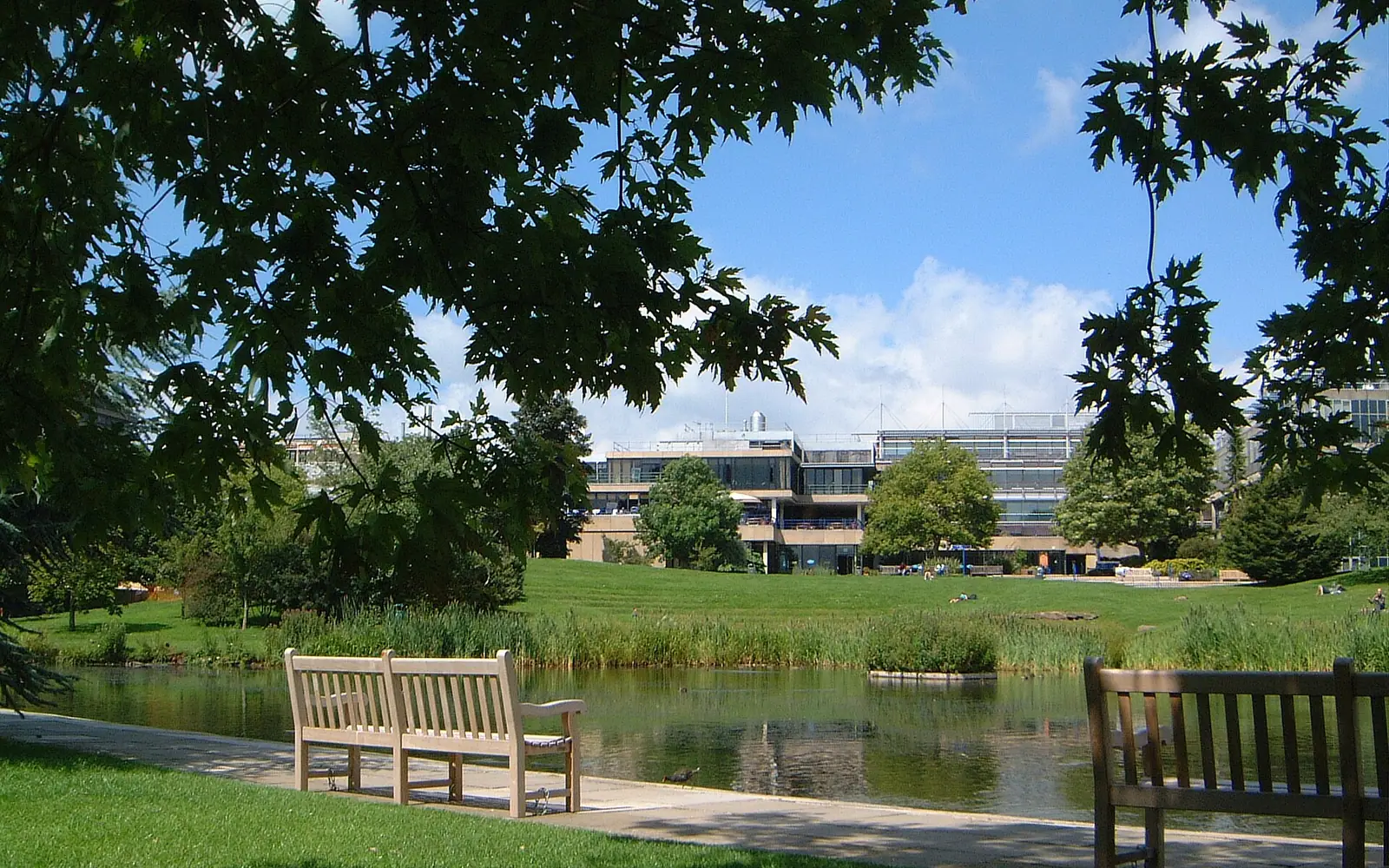
A campus university in Bath, south-west England, with over 190 degrees, many with an…
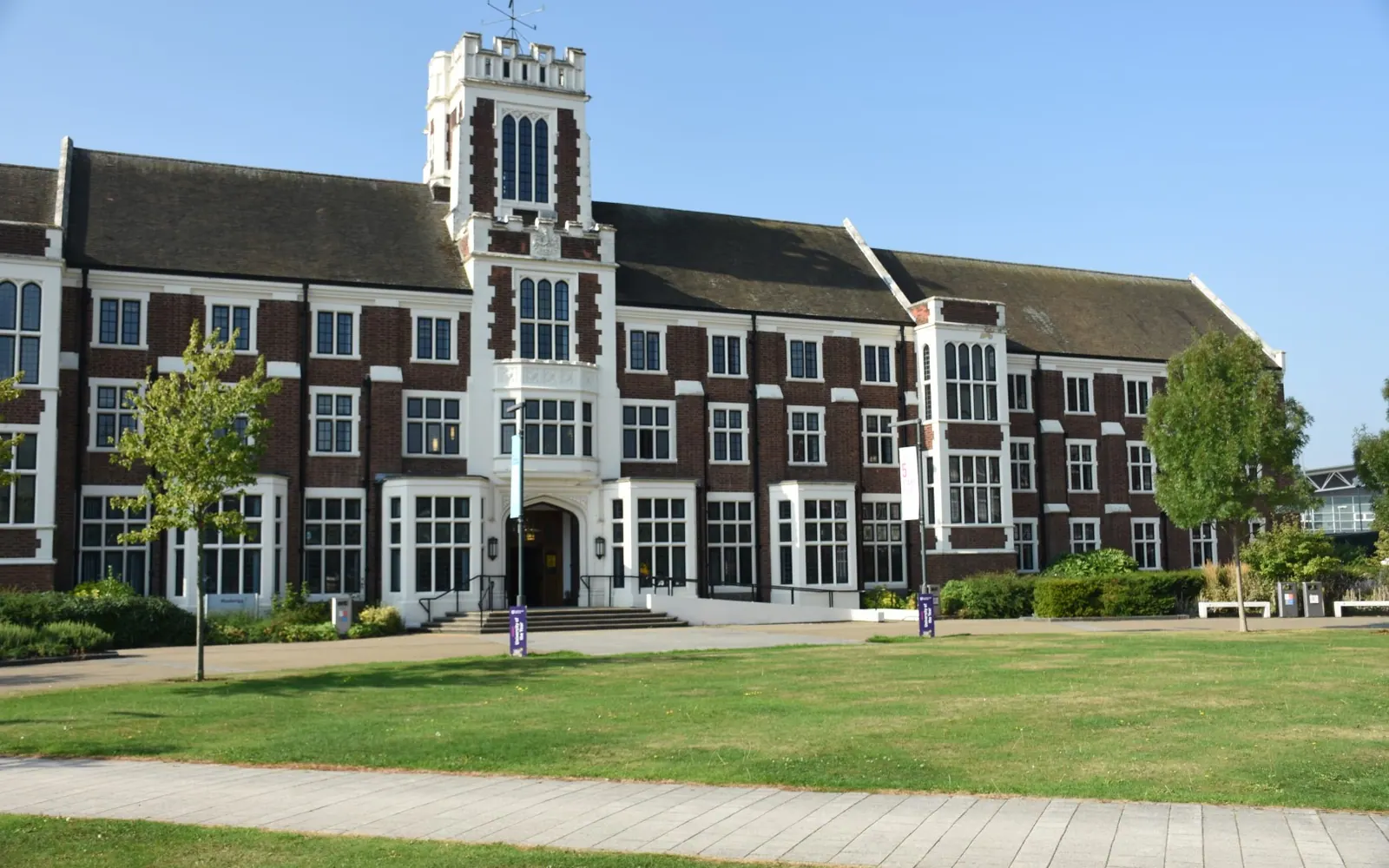
A campus university in the Midlands town of Loughborough, with courses from sport science…
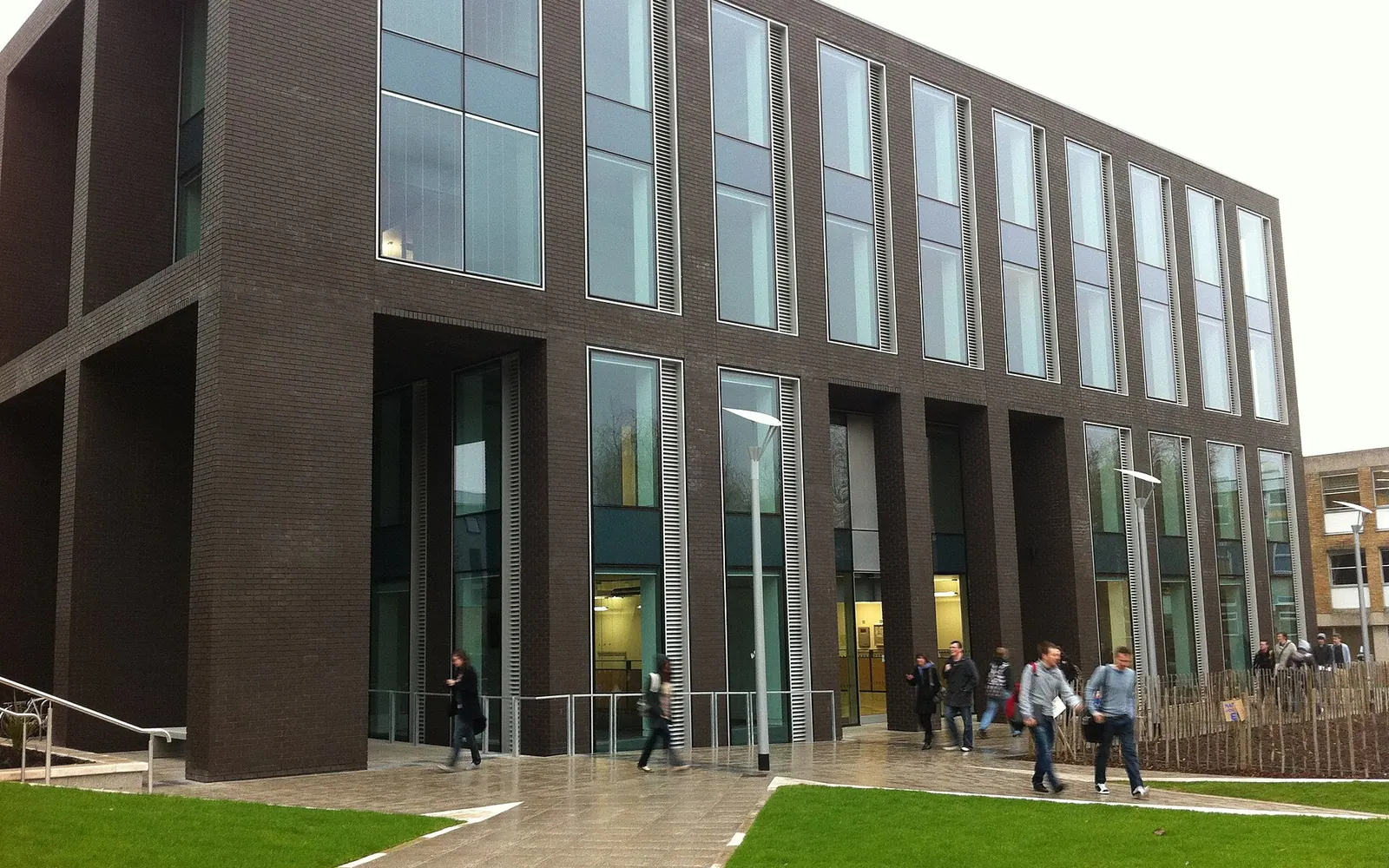
A collegiate campus university in north-west England where each student joins a college; IB…
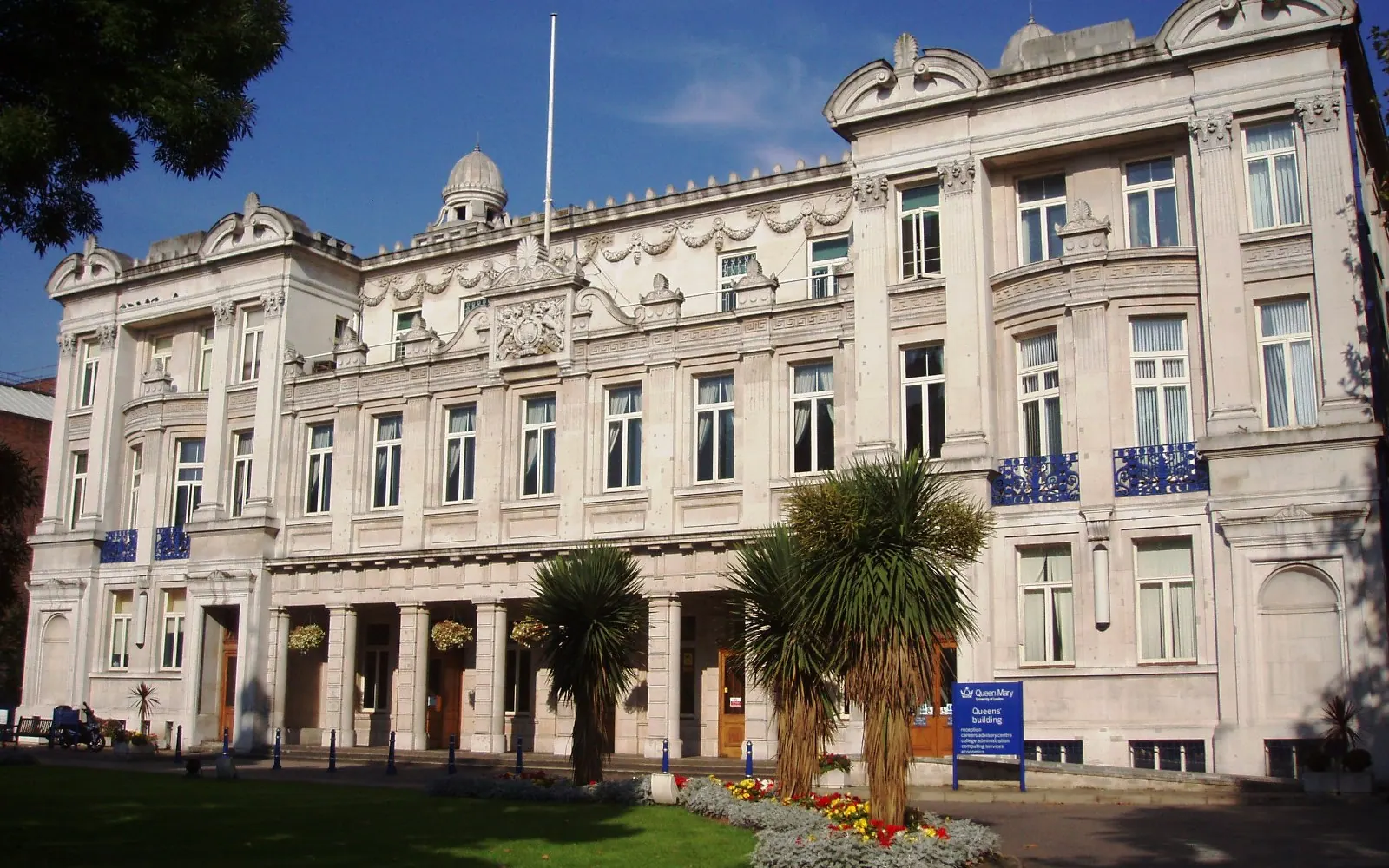
A large east London university with subjects from economics and law to medicine and…
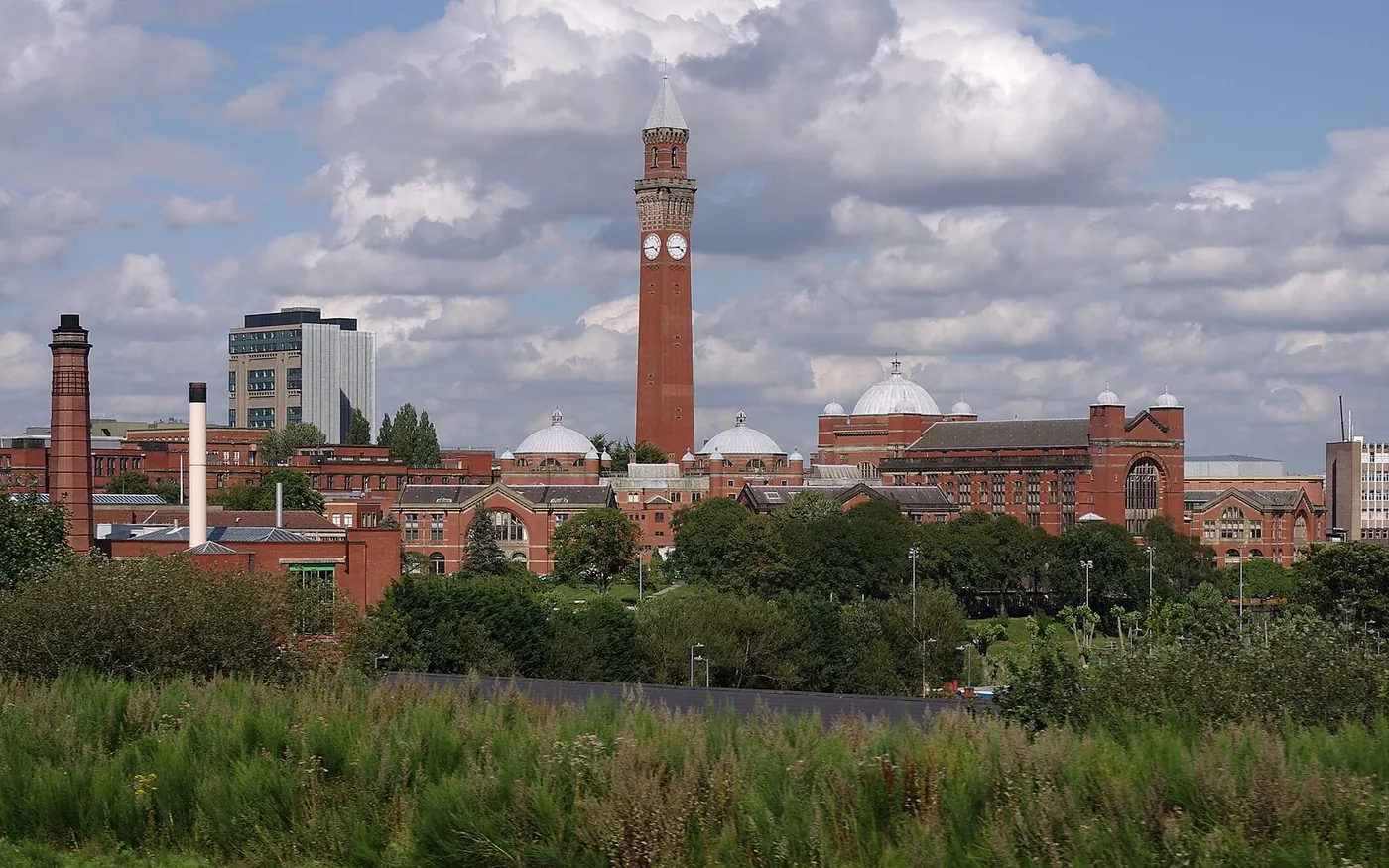
A green campus university at Edgbaston, near central Birmingham; IB offers are set mainly…
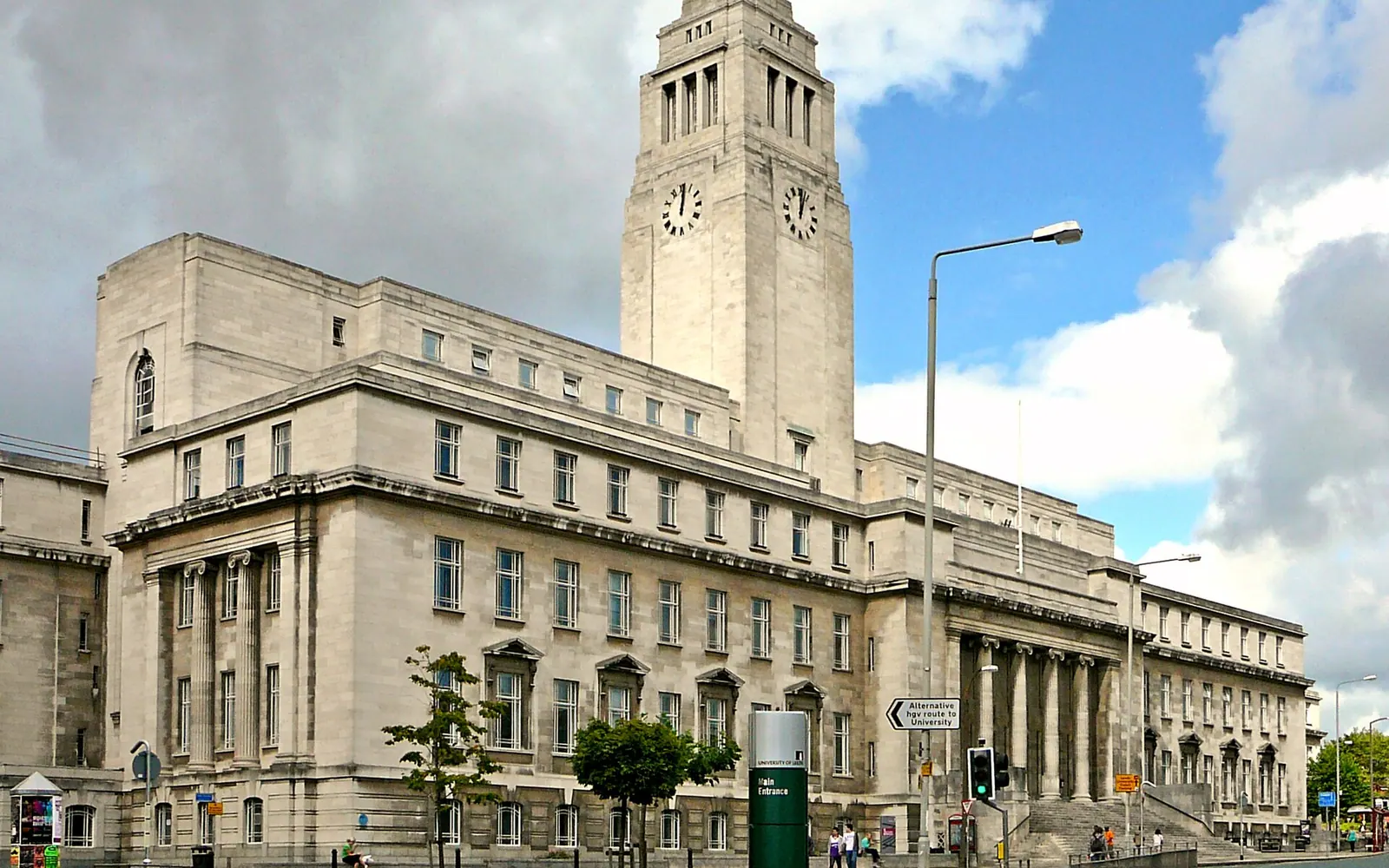
A research university in the city of Leeds, northern England; offers start at 31…
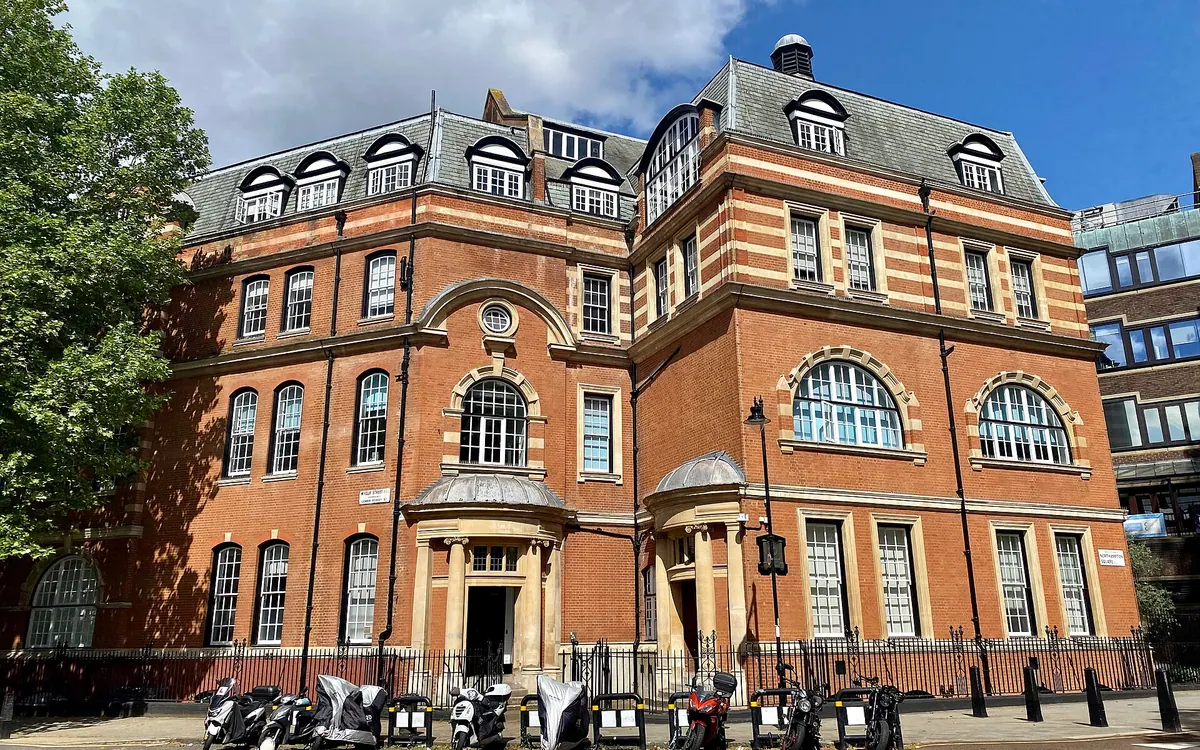
About 80 bachelor’s degrees on two London campuses: Clerkenwell for subjects such as journalism…
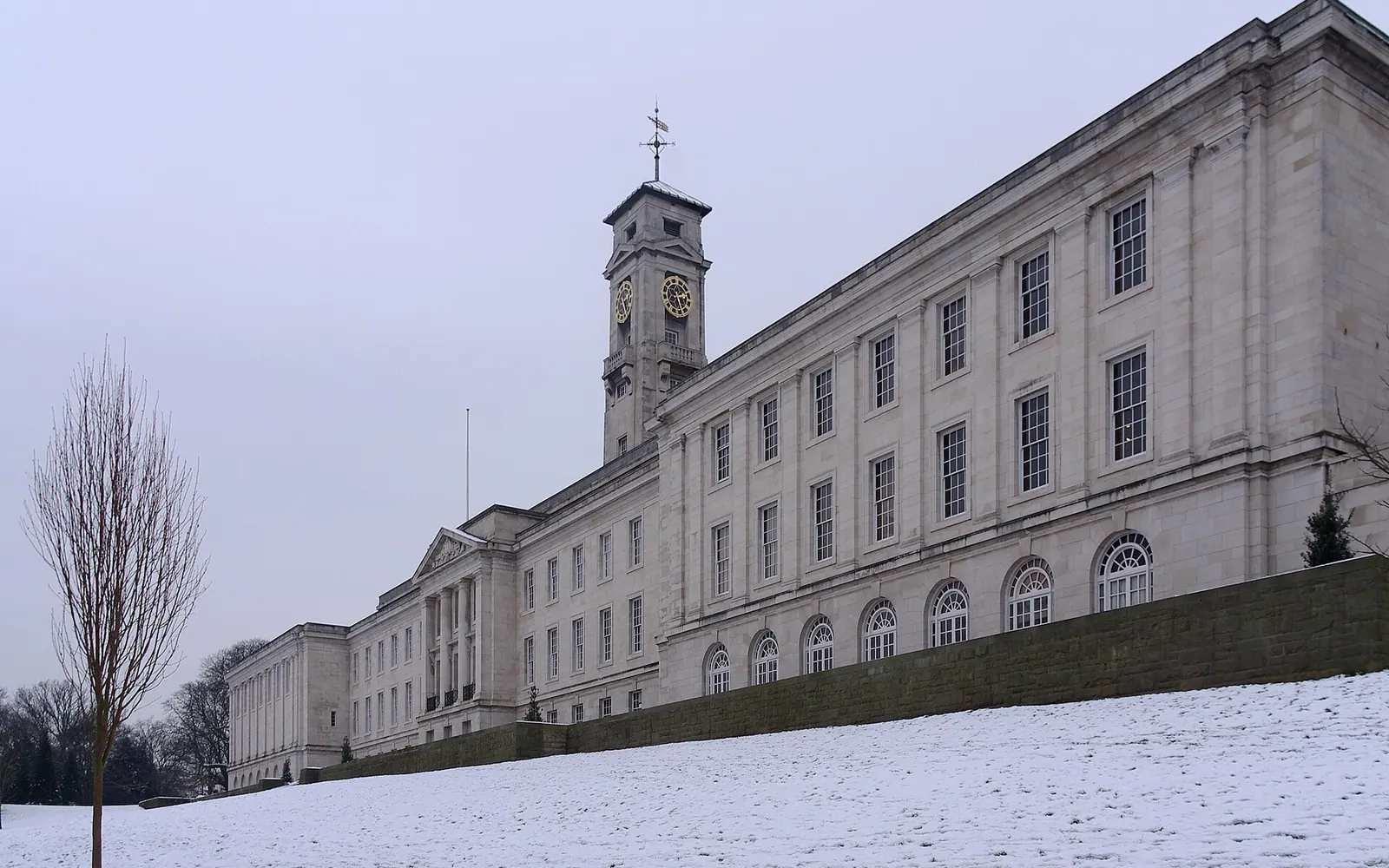
A large campus university at University Park, Nottingham, with about 400 courses and campuses…
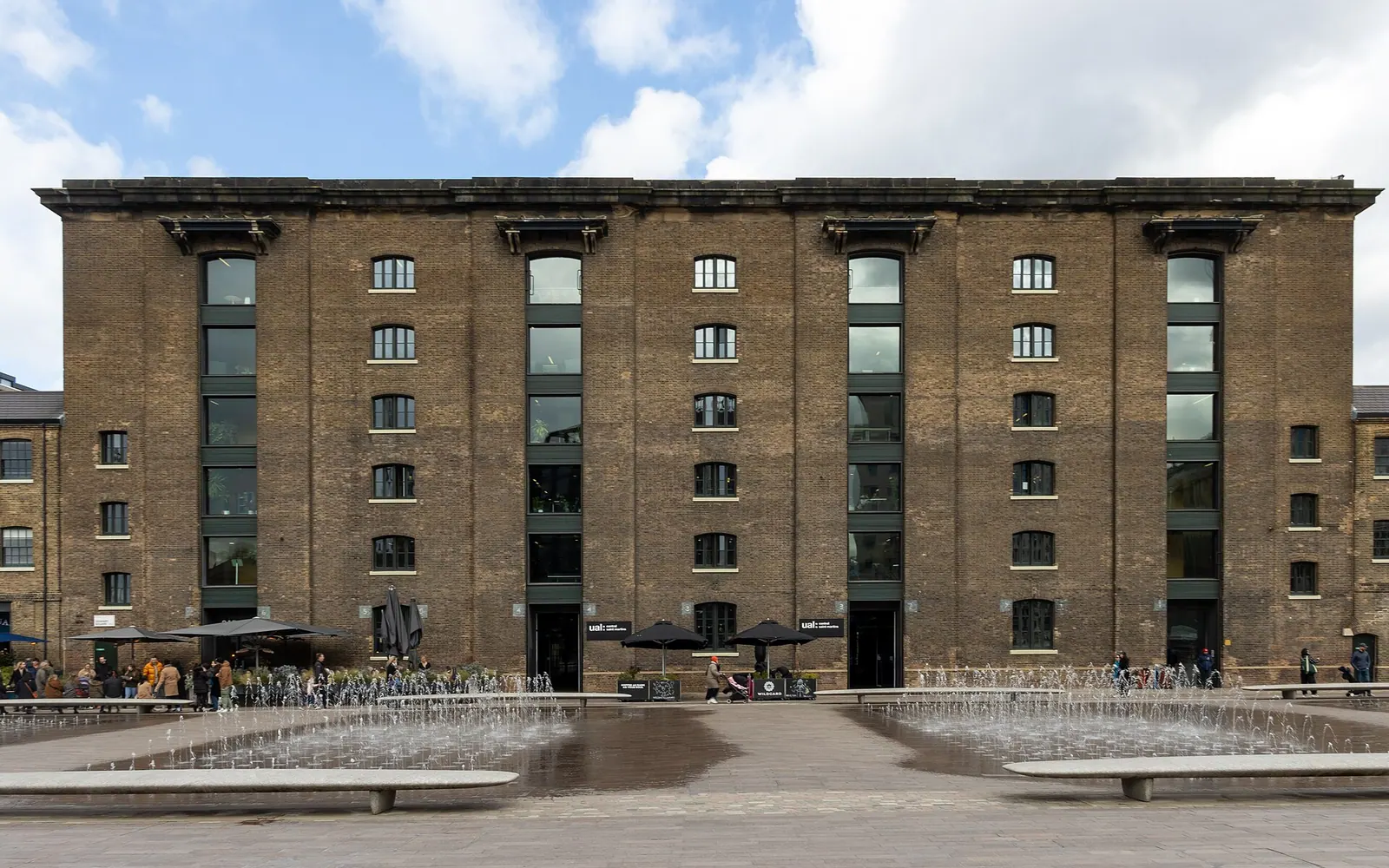
Art, design, fashion and media across London colleges such as Central Saint Martins; most…
This browser cannot draw the globe. Every place is in the list below.
The UK runs one central application system, UCAS, for almost every undergraduate course in the country.
You pick five courses, write one personal statement for all of them, and universities make conditional offers in IB points, usually something like '36 points overall including HL 6,6,5'. Since Brexit you are treated as an international student: you pay overseas tuition, you need a Student visa, and you cannot borrow from the UK student loan system. The money is the problem.
One application covers up to five courses across the whole country
Most EU students pay international tuition (in England, Irish citizens and settled-status holders can be exceptions).
2 observations from people who have watched students go through this — observations, not rules.
Almost every UK undergraduate course, at almost every institution, is applied for through one portal — which makes the sector look more uniform than it is.
Almost every UK undergraduate course, at almost every institution, is applied for through one portal — which makes the sector look more uniform than it is. Underneath sit universities of very different ages and purposes, specialist conservatoires and art schools, further education colleges teaching degrees under a university’s validation, and degree apprenticeships that are jobs first. And the UK is four education systems, not one: Scotland’s degrees are four years and its fee and qualification rules are its own.
Three-year bachelor degrees in England, Wales and Northern Ireland, four in Scotland, and specialised from the first term — you apply to read a subject rather than to a college in general. That suits a student who already knows, and suits a student who does not rather less than the Scottish or Dutch alternatives.
A separate system inside the same portal. Four-year honours degrees with a broader first two years, closer to a liberal-arts structure, and distinct fee and funding rules. For a student who wants to keep options open a while longer, this is the UK route to look at.
Music, dance and drama, with their own application route (UCAS Conservatoires) and their own calendar. Admission is by audition, and grades matter far less than the audition does.
Applied for separately from the main UCAS scheme. Not covered in detail on this site.
A paid job with a degree attached, funded by the employer, with no tuition fee to the apprentice. Applied for through the employer rather than UCAS, on the employer’s timetable.
Almost always restricted to UK residents, so rarely open to an applicant from Denmark.
No national minimum. Offers are set course by course; the competitive research universities typically ask 34-39 points overall.
Yes
No national minimum. Offers are set course by course; the competitive research universities typically ask 34-39 points overall.
Offers are expressed as a total plus three Higher Level grades. The University of Glasgow states its Economics requirement as '36 (6,6,5)' plus 'HL English or Humanities and HL Mathematics (Analysis & Approaches)'. LSE publishes a range of '37 points overall (with three Higher level subjects at grades 6 6 6) to 39 points overall (with three Higher level subjects at grades 7 6 6)'. Named HL subjects are common, and quantitative courses increasingly require HL Mathematics: Analysis and Approaches specifically.
The UCAS Tariff scores each IB component separately; there is no single Tariff figure for the Diploma as a whole. IBO Certificate in Higher Level: H7 = 56, H6 = 48, H5 = 32, H4 = 24, H3 = 12, H2 and H1 = 0. IBO Certificate in Standard Level: S7 = 28, S6 = 24, S5 = 16, S4 = 12, S3 = 6, S2 and S1 = 0. IBO Certificate in Extended Essay and IBO Certificate in Theory of Knowledge each: A = 12, B = 10, C = 8, D = 6, E = 4. CAS carries no Tariff points because it is not accredited.
How United Kingdom reads an IB Diploma.
These are the pages this section was written from. None has been signed off by a person yet, so confirm anything consequential at the source.
Through UCAS
From May 2026 you create one UCAS account and fill in one application. You choose up to five courses; for medicine, dentistry and veterinary you may only choose four in that subject.
You write a personal statement. From 2026 entry UCAS changed it from one long essay to three separate questions, and the same statement goes to all five courses.
A teacher at your school writes one academic reference. Ask early - references take time.
Register separately for any admissions test your course needs (UCAT, LNAT, ESAT, TMUA or TARA). These registrations close in September, before the UCAS deadline.
Submit by 15 October 2026 if you are applying to Oxford, Cambridge, medicine, dentistry or veterinary; otherwise by 13 January 2027.
Universities reply with conditional offers stated in IB points and HL grades. Some courses interview between December and March.
You reply with one firm choice and one insurance choice, then your IB results in July are matched against the conditions automatically.
Every course is selective and sets its own conditions - there is no open access. Selection is on predicted grades, the personal statement, the reference, and for some courses an admissions test and interview. Oxford and Cambridge interview most shortlisted applicants in December. The UCAS application fee for the 2027 cycle is GBP 34.50 for up to five choices (it was GBP 28.95 for 2026 entry).
Oxford, Cambridge, medicine, dentistry and veterinary medicine/science: by 15 October 2026.
Via UK
You can register and start writing. Nothing reaches a university yet.
You can start filling in the application from this date.
Published on UCAT's test dates page as "20 May 2026 (14:00 UK Time)". You create the account first; test booking opens a month later.
Published on UCAT's test dates page as "23 June 2026 (14:00 UK Time)". The 2026 cycle is the one that feeds 2027 entry — UCAT's own home page says registration instructions for UCAT 2027 will be published later, and that cycle belongs to 2028 entry. Booking deadline and testing window are separate entries.
Hard deadline
After this the door closes.
Published on UCAT's test dates page as a window beginning "13 July 2026" and ending "24 September 2026", which the page labels the "Last test day". Your sitting must fall inside this window, and the window closes eight days after the booking deadline, so a late booking leaves almost no choice of slot. Context, not a milestone: UCAT publishes results to universities in "Early November" with no day given — you get your own score on the day you test.
Hard deadline
After this the door closes.
Published as "Test booking opens for October 2026" on 20 July 2026 3pm BST, closing 28 September 2026 6pm BST. The time is the closing time. Accounts for 2027 entry opened on 1 June 2026. Oxford and Cambridge applicants must use this October sitting apart from a few exceptions. Used for 2027 entry by Cambridge, Imperial, Oxford and UCL (ESAT); those four and LSE, Warwick and Durham (TMUA); and Oxford and UCL (TARA), per the test pages on esat-tmua.ac.uk.
Published as "LNAT registration begins" on 1 August 2026. You cannot book a slot before this. Oxford and Cambridge applicants have only six weeks from here to register and book.
Via UK
A reference from the school is required before anything can be sent, so the school’s internal deadline is earlier than every date on this page.
Nothing is sent to universities before this date.
Published as "LNAT testing begins" on 1 September 2026. The first day a booked slot can actually be sat; the sitting deadlines that follow differ by university.
Hard deadline
After this the door closes.
Published as "Register and book by 15 September 2026". Registration opening and the start of testing are separate entries.
Hard deadline
After this the door closes.
Published on UCAT's test dates page as "16 September 2026 (15:00 UK Time)". Miss it and you cannot apply to UCAT medical schools this cycle; UCAT's home page states the consortium makes no exceptions. The last day you can actually sit the test is 24 September 2026, which is its own entry.
Published as "tests 12-16 October 2026". Oxford and Cambridge applicants must use this October sitting apart from a few exceptions. Used for 2027 entry by Cambridge, Imperial, Oxford and UCL (ESAT); those four and LSE, Warwick and Durham (TMUA); and Oxford and UCL (TARA), per the test pages on esat-tmua.ac.uk.
Hard deadline Via UK
After this the door closes.
Thirteen months before the course starts. UCAS says it is unusual for these universities to consider a late application. Admissions tests for these courses register earlier still, and the registration deadline is not the test date.
UCAS’s deadline for these courses, three months before everyone else’s. UCAS says it is unusual for these universities to consider a late application, so treat 18:00 UK time on 15 October as the end. Admissions test registration closes even earlier.
Hard deadline
After this the door closes.
Published as "sit by 15 October 2026". Registration and booking close a month earlier, on 15 September 2026.
Hard deadline
After this the door closes.
Published as test booking from 26 October 2026 3pm GMT to 21 December 2026 6pm GMT (registration reopens 5 October 2026). The time is the closing time. Not available for Oxford or Cambridge applicants. Other universities let you pick a sitting. Used for 2027 entry by Cambridge, Imperial, Oxford and UCL (ESAT); those four and LSE, Warwick and Durham (TMUA); and Oxford and UCL (TARA), per the test pages on esat-tmua.ac.uk.
Hard deadline
After this the door closes.
Published as "KCL, LSE and UCL: sit by 31 December 2026". LNAT universities listed are Cambridge, Oxford, King's College London, LSE, UCL, Bristol, Durham and SUSS (Singapore).
Published as "tests 4-8 January 2027". Not available for Oxford or Cambridge applicants. Used for 2027 entry by Cambridge, Imperial, Oxford and UCL (ESAT); those four and LSE, Warwick and Durham (TMUA); and Oxford and UCL (TARA), per the test pages on esat-tmua.ac.uk.
Equal consideration Via UK
Applications in by this date are guaranteed to be considered. Later ones may still be read, at the institution’s discretion, against whatever places remain.
The 13th for 2027 entry, where 2026 entry used the 14th. The date moves between cycles, so a figure remembered from a sibling’s year is worth re-checking.
Every application that arrives by this time must be given equal consideration. Applications after it are only looked at if places remain.
Hard deadline
After this the door closes.
Published as "Bristol and Durham: register, book and sit by 13 January 2027". LNAT universities listed are Cambridge, Oxford, King's College London, LSE, UCL, Bristol, Durham and SUSS (Singapore).
Hard deadline
After this the door closes.
Published as "All others: register by 20 January 2027". LNAT universities listed are Cambridge, Oxford, King's College London, LSE, UCL, Bristol, Durham and SUSS (Singapore).
Hard deadline
After this the door closes.
Published as "All others: ... sit by 25 January 2027". Registration for these universities closes on 20 January 2027. LNAT universities listed are Cambridge, Oxford, King's College London, LSE, UCL, Bristol, Durham and SUSS (Singapore).
Via UK
For anyone who used all five choices and holds no offer: one further choice at a time.
For applicants holding no offers.
Priority
Later applications are considered after these.
UCAS: "Applications received by this deadline will be sent to universities and colleges." Apply after it and your application goes into Clearing, where you can only apply for courses that still have places. The last day to apply at all is 23 September 2027.
Rolling Via UK
Considered as they arrive, until places run out.
For applicants holding no offer, or whose results missed their conditions. Runs on vacancies, so it rewards moving quickly.
IB results come out 6 July, so Clearing is already open when you get them.
Via UK
The point of the conditional offer. Universities confirm or release places against results that have only just arrived, which is what the whole UK calendar is built around.
Hard deadline
After this the door closes.
The LNAT dates page runs a separate late route for international applicants who send the UCAS form by 30 June 2027: book the test slot by 25 July 2027 and sit it by 31 July 2027. As an international applicant this is the only LNAT window still open after the January deadlines have passed, so it is worth knowing it exists — but it depends on the law course still having places.
Hard deadline
After this the door closes.
The last sitting date on the whole LNAT calendar for this cycle. Booking for it closes on 25 July 2027, which is its own entry.
Hard deadline Via UK
After this the door closes.
After this the cycle is closed.
Last date to apply at all for autumn 2027.
Everything. All undergraduate teaching is in English.
Everything. All undergraduate teaching is in English.
UK universities generally accept IB English A at a specified grade, and often IB English B HL, as proof of English. Exact accepted grades vary by university; check each course page. A Student visa also requires English at the level set out in the immigration rules, which your university confirms on your CAS.
Not for English-taught programmes
Most EU students pay the international rate. In England, settled or pre-settled status, or (for autumn 2027, the last intake) being Irish or a UK national long resident in the EEA, can mean Home fees.
Most EU students pay the international rate. In England, settled or pre-settled status, or (for autumn 2027, the last intake) being Irish or a UK national long resident in the EEA, can mean Home fees. Scotland sets its own rules. (2026/27 and 2027/28)
University of Glasgow 2027/28: Arts and Social Sciences GBP 28,275; Science, Engineering, Nursing and Medical/Veterinary/Life Sciences GBP 33,708; Veterinary Medicine and Surgery GBP 38,670 (Medicine MBChB and Dentistry BDS listed as TBC). Glasgow 2026/27 for comparison: Arts and Social Sciences GBP 27,720; Science and Engineering GBP 33,210; Medicine MBChB GBP 62,730; Dentistry BDS GBP 58,500. Across the sector a realistic 2026/27 planning range for an IB student from Denmark paying international fees is roughly GBP 22,000-40,000 (about €25,600-46,500) a year for a normal degree, and GBP 45,000-70,000 (about €52,300-81,400) a year for clinical medicine, at the ECB rate of 24 September 2026. (2027/28 (Glasgow) and 2026/27 (Glasgow, sector range))
UCAS application fee: GBP 34.50 for up to five choices in the 2027 cycle (GBP 28.95 for 2026 entry).
University of Edinburgh estimates GBP 1,546 per month for a single undergraduate living in Edinburgh. London is higher; the Home Office assumes GBP 1,529 per month in London and GBP 1,171 outside London for visa purposes. (2026/27)
Irish citizens need no visa (Common Travel Area).
Irish citizens need no visa (Common Travel Area). Everyone else needs a Student visa; EU citizenship gives no shortcut since Brexit. You can apply from outside the UK up to 6 months before your course starts; the fee is GBP 558 and you also pay the Immigration Health Surcharge of GBP 776 for each year of your course. You need a Confirmation of Acceptance for Studies (CAS) from your university and you must show money for living costs: GBP 1,529 per month for up to 9 months in London, or GBP 1,171 per month outside London, held in your account for 28 consecutive days ending no more than 31 days before you apply. At degree level you can normally stay up to 5 years.
On a Student visa for a full-time degree at a university, you can work up to 20 hours a week in term time and full time in the holidays (Immigration Rules, Appendix Student, ST 26.1). Your exact limit is printed on your visa.
Almost all UK universities guarantee a place in university accommodation to first-year international students who apply by the stated deadline, which is usually in the summer once you have firmly accepted an offer. This is much easier than the Netherlands or Denmark. Apply the moment your firm choice is confirmed.
You pay the Immigration Health Surcharge of GBP 776 (about €900) per year as part of the visa application. That gives you access to the NHS on the same basis as a UK resident for the length of your visa. Register with a local GP when you arrive. An EHIC or the Danish yellow card does not replace this.