
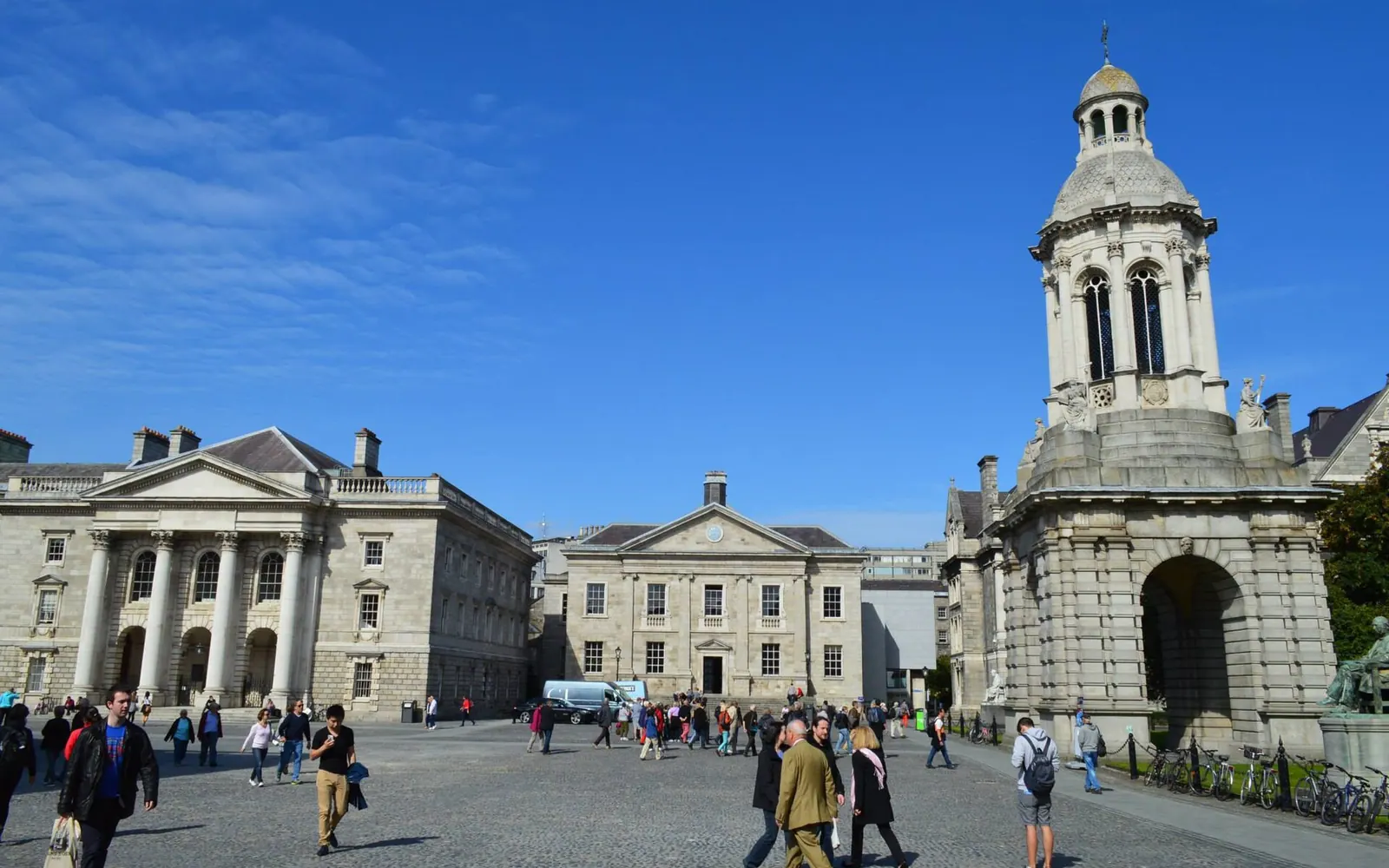
TCD — Trinity College Dublin
Dublin city-centre university founded in 1592; 121 undergraduate courses through CAO; its entry rule…
DublinNearly all in English
British Isles · May 2027 IB session · Autumn 2027 entry
English-speaking, EU, and your IB score becomes a number
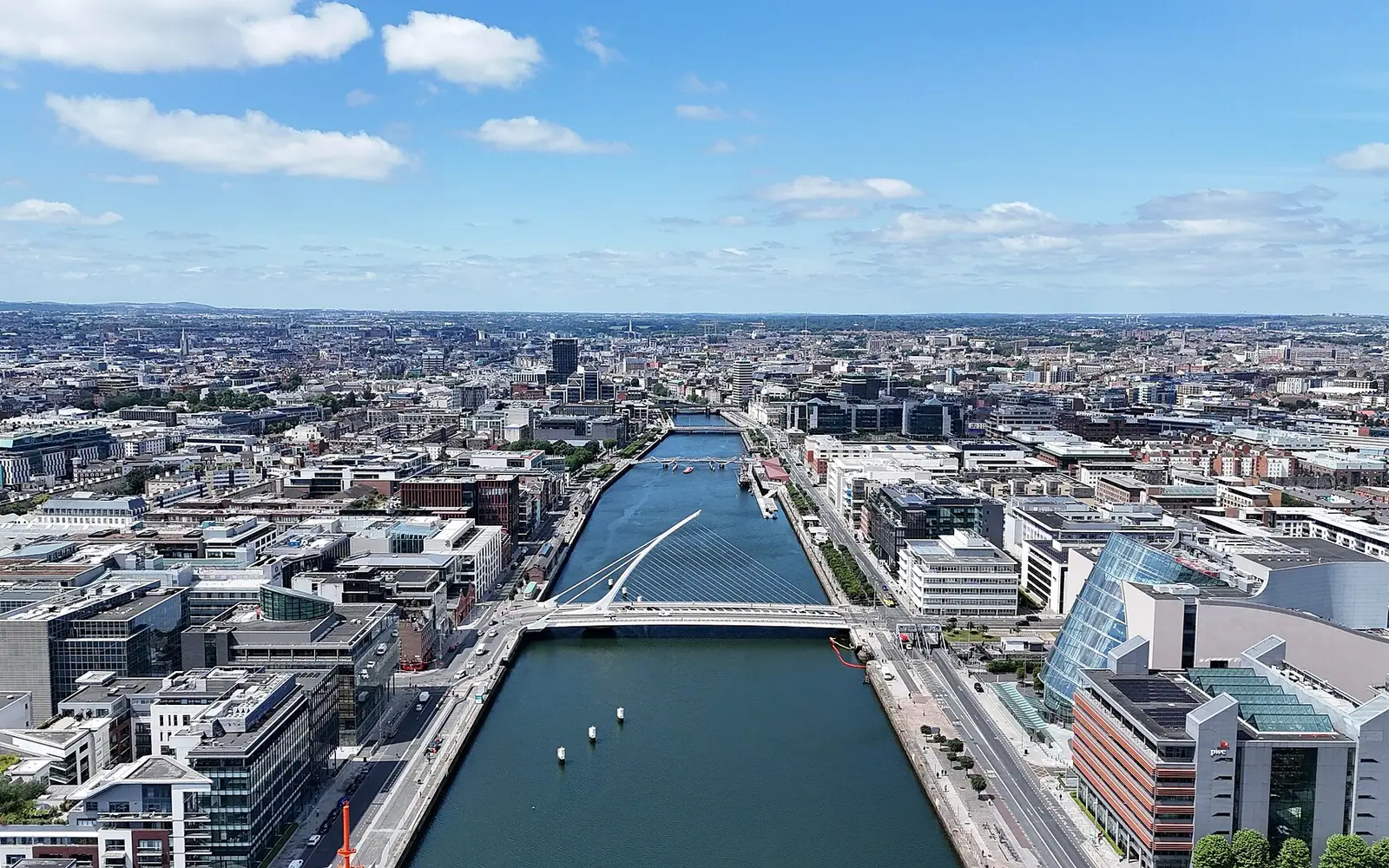
Dublin and the Liffey
14 institutions
Dublin city-centre university founded in 1592; 121 undergraduate courses through CAO; its entry rule…
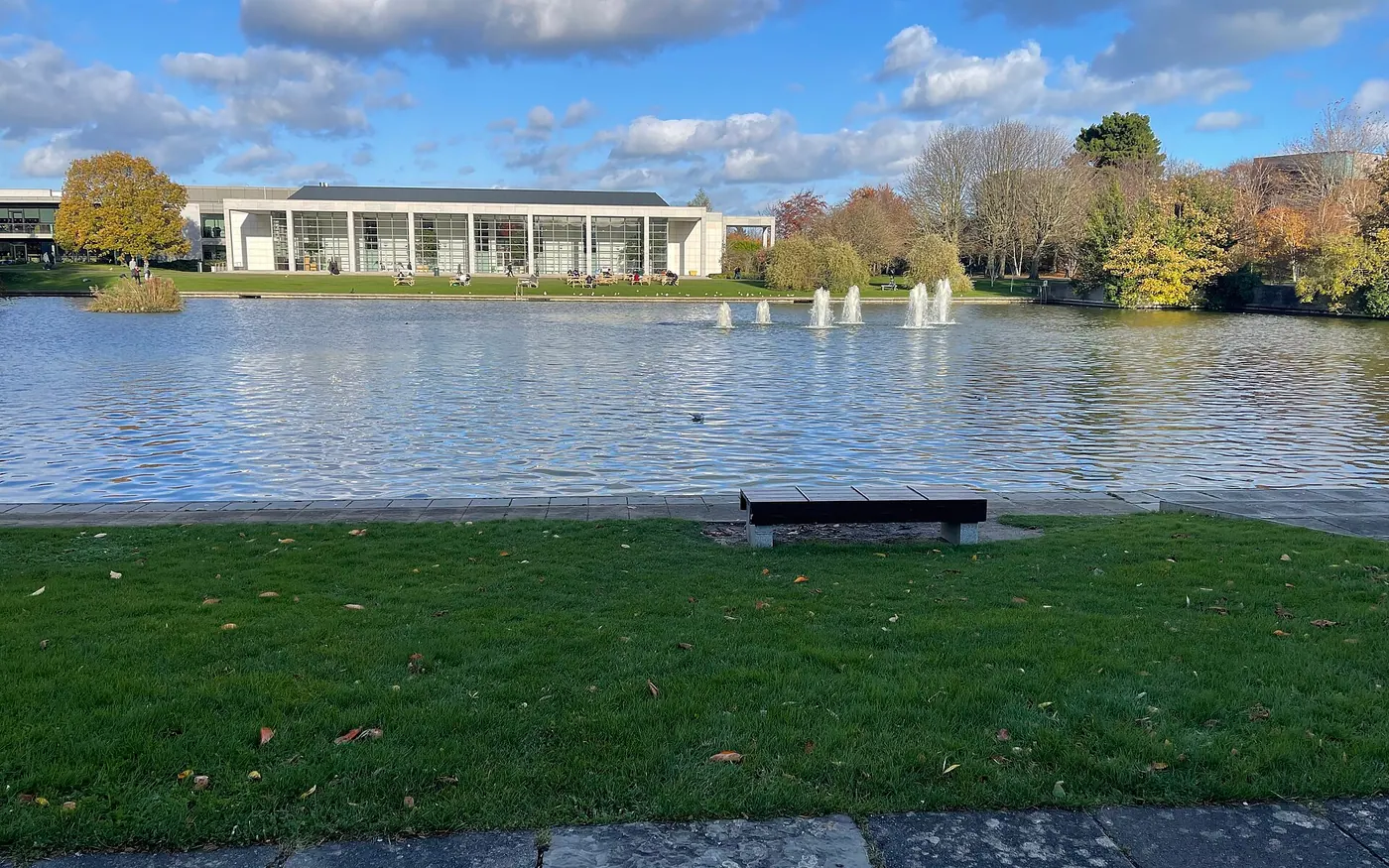
Big suburban campus at Belfield in south Dublin: over 130 undergraduate courses, from Commerce…
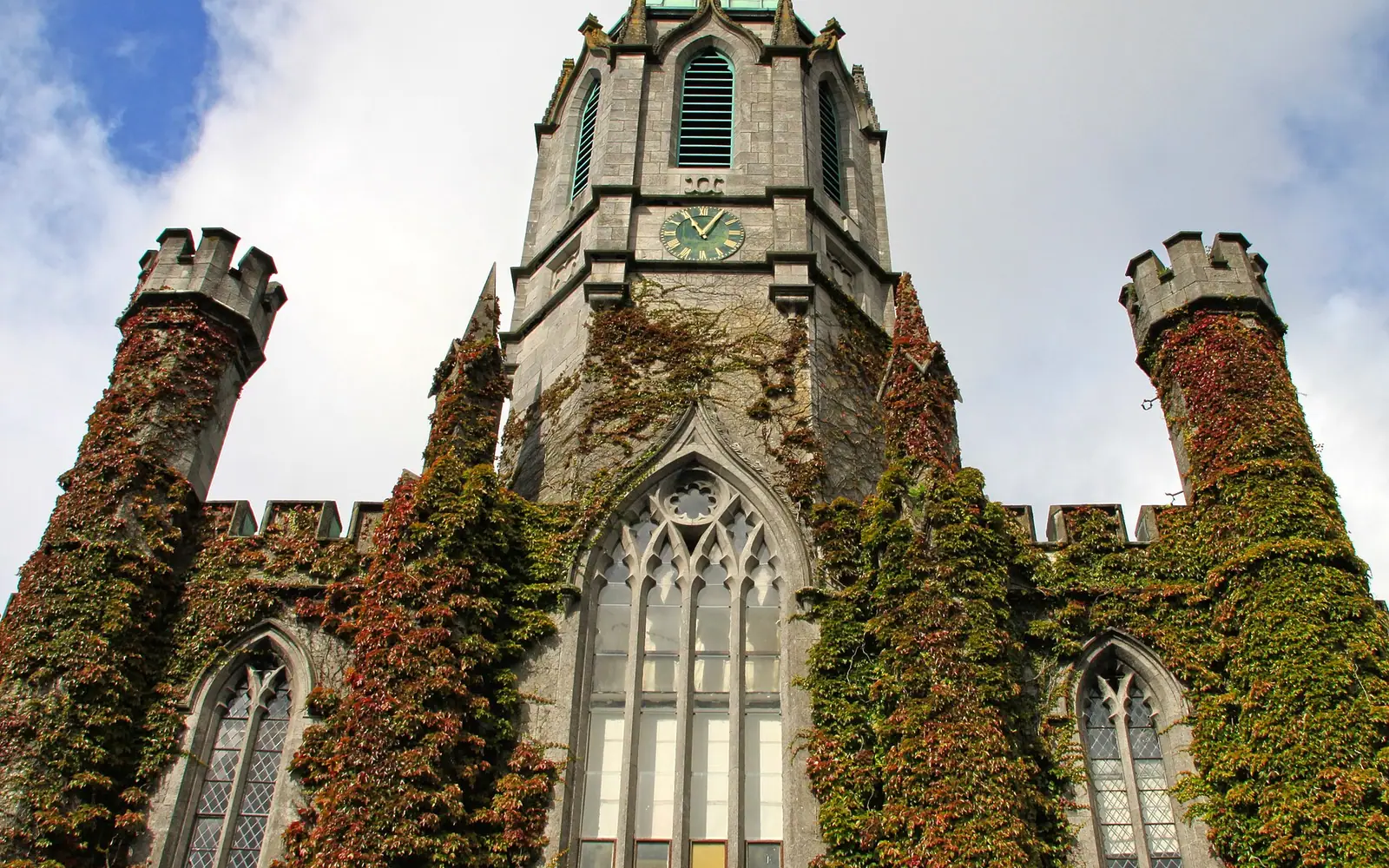
West-coast university in Galway city since 1845; 50+ degree courses through CAO, and Arts…
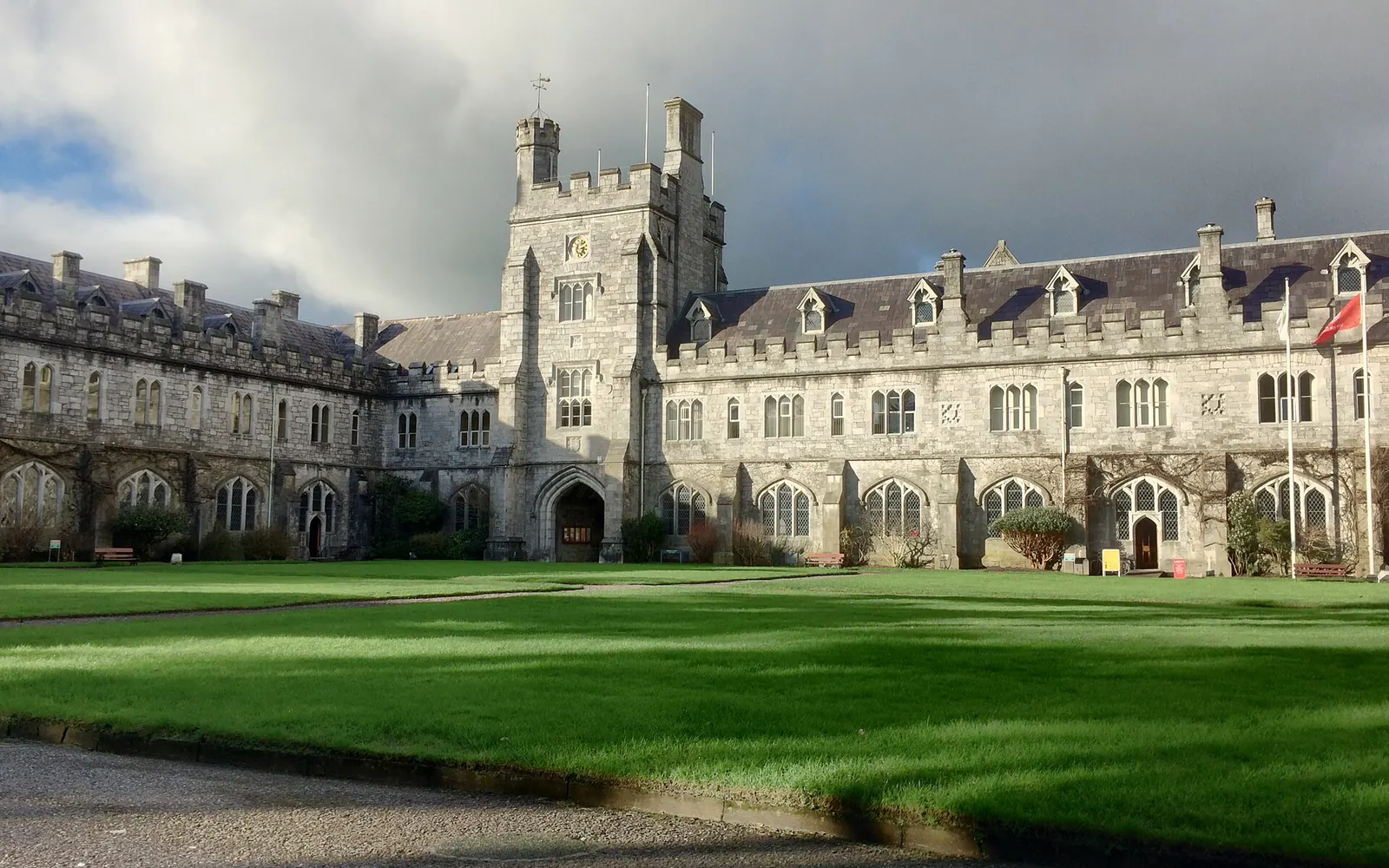
Cork's university, from Arts and Commerce to Food Science and Medicine; you apply through…
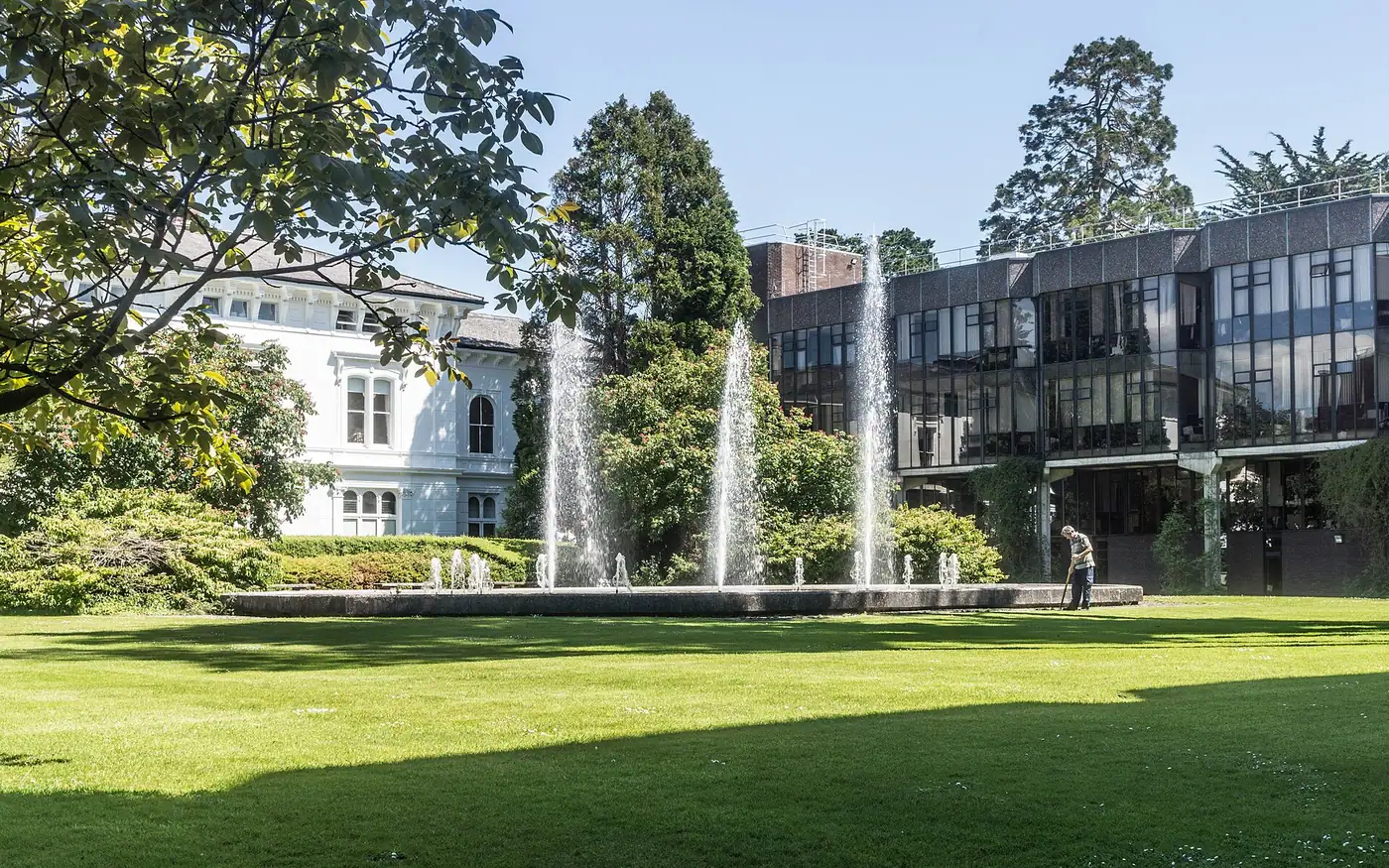
Campus university in Limerick with over 70 undergraduate courses, from Engineering and Sport Sciences…
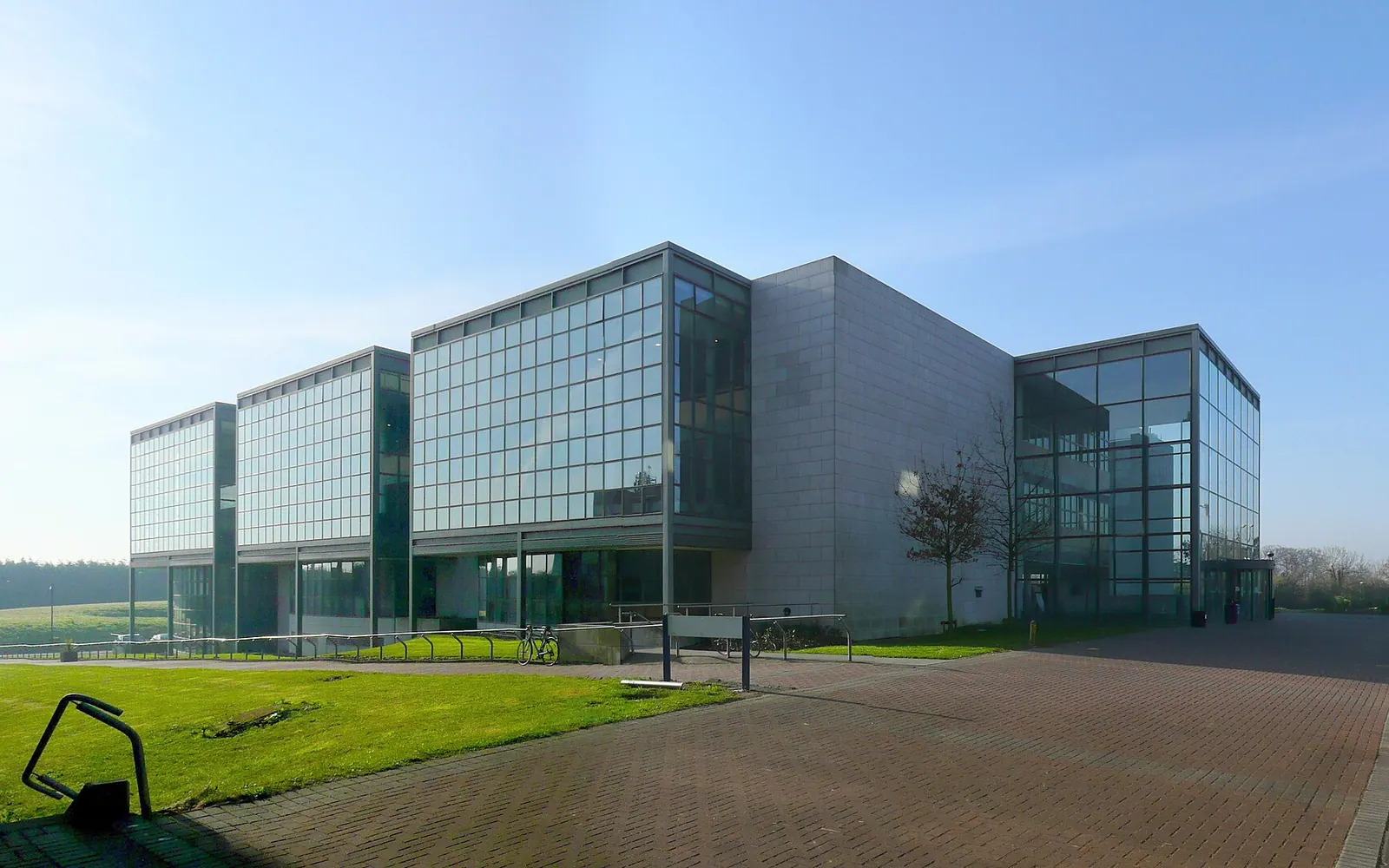
Dublin 9 university with about 85 undergraduate courses, from Computing, Data Science and Engineering…

Campus university in the town of Maynooth, west of Dublin; broad Arts and Science…
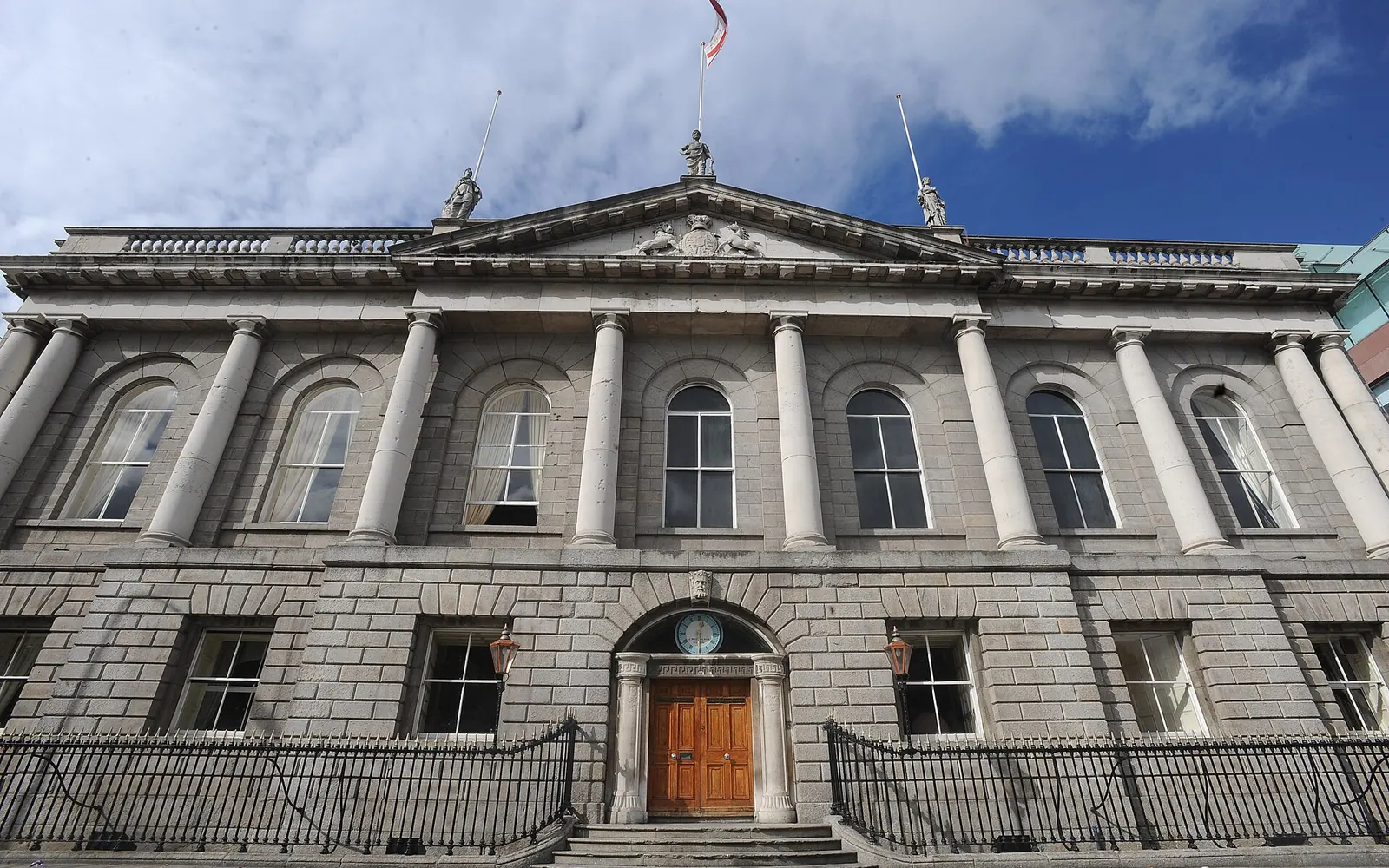
Health-sciences university in Dublin with five school-leaver degrees: Medicine, Dentistry, Pharmacy, Physiotherapy and Advanced…
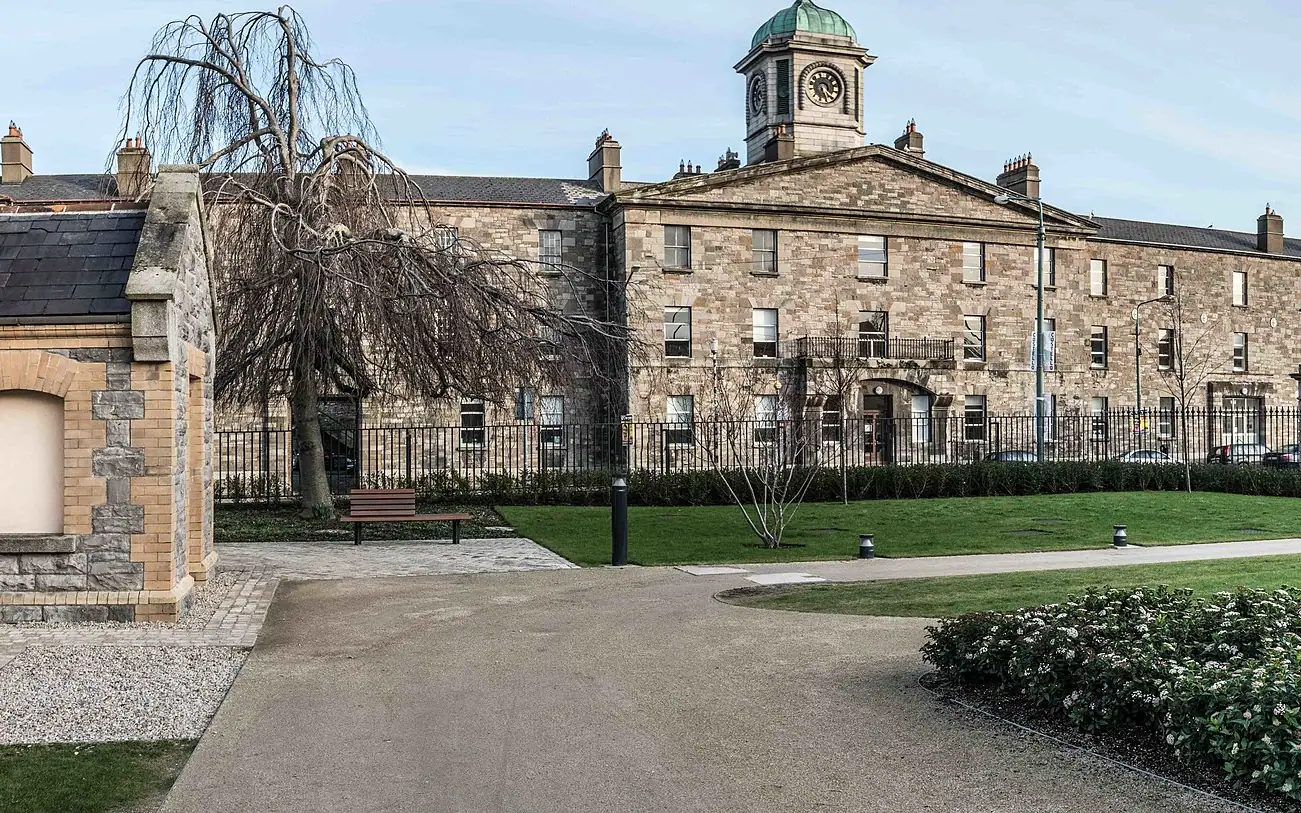
Dublin's technological university: about 100 honours degrees through CAO, from Architecture and Engineering to…
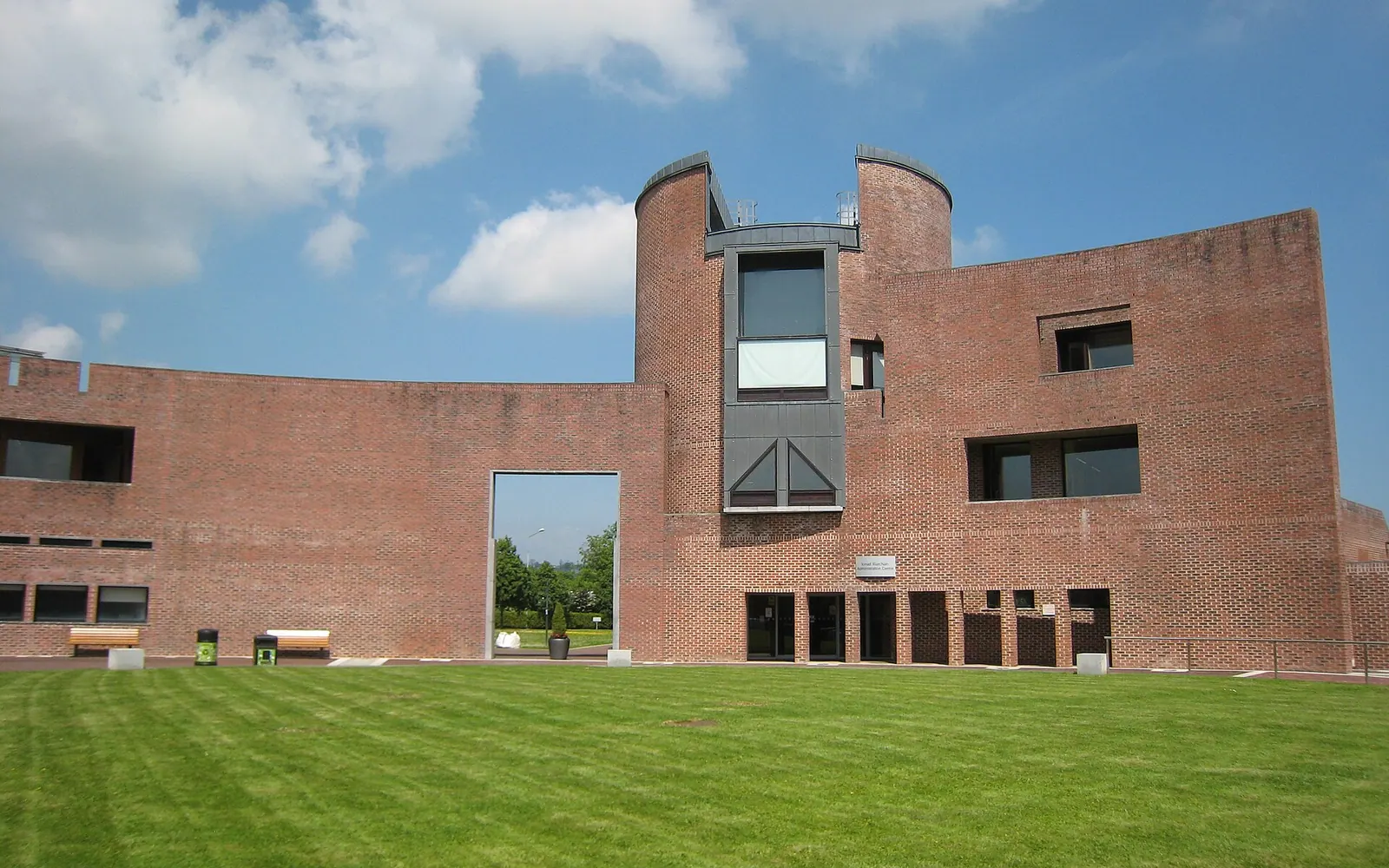
Technological university in Cork and Kerry: about 70 honours degrees via CAO, from Engineering…
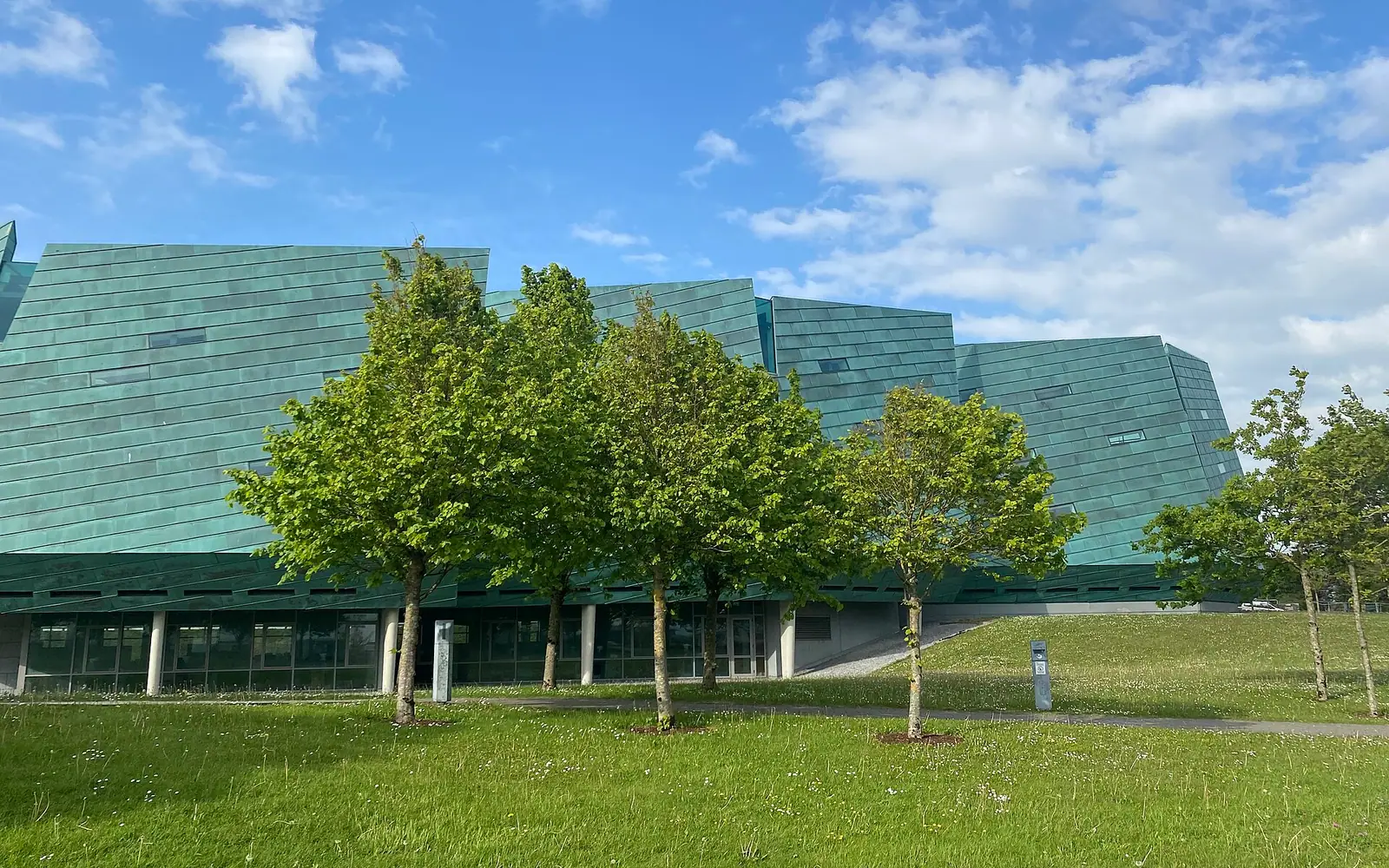
Technological university on campuses from Galway and Mayo to Sligo and Donegal: about 140…

Technological university across Waterford, Carlow and Wexford: about 85 honours degrees via CAO, from…
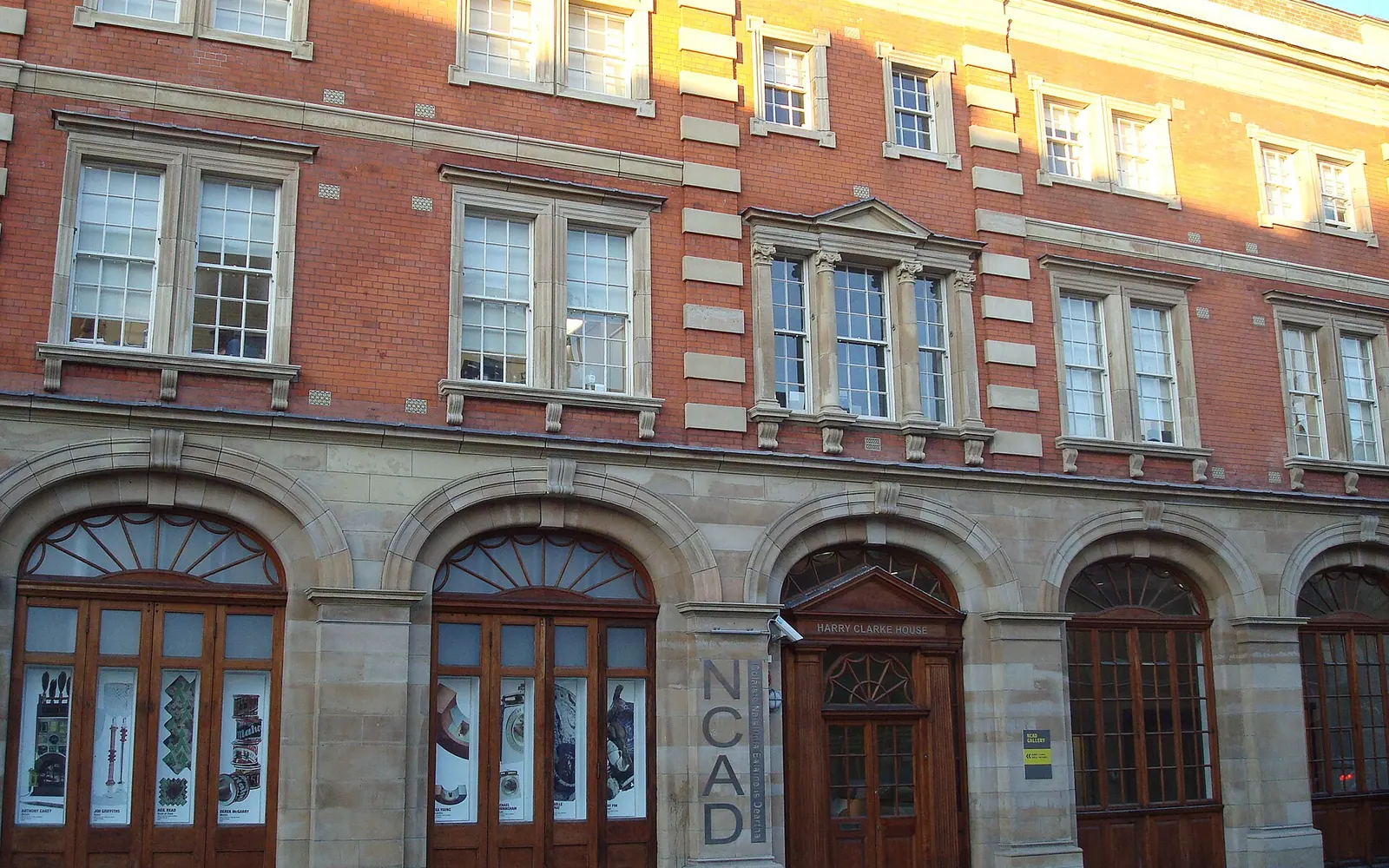
Dublin's art and design college: ten CAO entry routes into BA degrees in design…
Institute of technology in Dundalk, between Dublin and Belfast: about 40 honours degrees via…
This browser cannot draw the globe. Every place is in the list below.
Ireland is English-speaking and inside the EU, and it converts your overall IB score into CAO points on a published table, and courses are filled strictly by points.
As an EU citizen who has lived in the EEA you normally pay no tuition at all under the Free Fees Initiative - only the student contribution, which fell to 2,500 EUR from 2026/27. The catch is that you apply through one central office, CAO, with a closing date of 1 February, and that Irish student accommodation is expensive and scarce.
Everything is taught in English, so there is no language barrier and no language test to plan for.
CAO closes at 17:00 on 1 February - months before you sit your exams, and you are applying on predicted performance with no idea of the year's points.
2 observations from people who have watched students go through this — observations, not rules.
Ireland reorganised its sector recently and the vocabulary has not caught up: most of the institutes of technology have merged into Technological Universities, so guidance written a few years ago describes institutions that no longer exist under those names.
Ireland reorganised its sector recently and the vocabulary has not caught up: most of the institutes of technology have merged into Technological Universities, so guidance written a few years ago describes institutions that no longer exist under those names. Underneath that, the structure is a familiar one — universities, technological universities, specialist colleges and further education, with the last of these far more useful to an international applicant than it first appears.
The traditional universities — Trinity, UCD, UCC, Galway, Maynooth, DCU, Limerick. Level 8 honours bachelor degrees of three or four years depending on the subject, decided on CAO points.
Formed by merging the institutes of technology, and now awarding degrees up to doctoral level. More applied and more regional, strong in engineering, computing, business and the health professions, and usually with lower points requirements for comparable subjects.
If you are reading guidance that mentions an "Institute of Technology", it is probably describing one of these under its old name.
One or two years of vocational study at a further education college, with its own qualifications — and, importantly, reserved places on degree courses for students who complete one. A recognised second route into a degree for anyone who did not get the points first time.
Applied for directly rather than through CAO. Not covered in detail on this site, but worth knowing it exists.
Art, design, music and drama at institutions such as NCAD and the Royal Irish Academy of Music, admitting on portfolio or audition alongside points.
Not covered in detail on this site.
24 points and the award of the full IB Diploma.
Yes
24 points and the award of the full IB Diploma. For a Level 8 honours bachelor's degree the minimum is 24 overall including 3 subjects at grade 5 at Higher Level and 3 subjects at grade 4 at Standard Level (the '3 H5' matriculation route), or 24 overall with the Diploma awarded where only '2 H5' is required. Level 7/6 courses require 24 overall and the award of the Diploma.
The CAO's agreed table compares IB subject grades to Irish Leaving Certificate grades for meeting subject requirements. Higher Level: IB 7 = H1, 6 = H2, 6 = H3, 5 = H4, 5 = H5, 4 = H6, 3 = H7. Standard Level: IB 7 = O1, 6 = O2, 6 = O3, 5 = O4, 5 = O5, 4 = O6. Where a course asks for O6, a grade 4 at Standard Level is the pass mark. This table is used ONLY for meeting subject requirements, never for calculating points.
Points are awarded on your overall IB score from a single sitting. IB 45 = 600; 44 = 600; 43 = 594; 42 = 577; 41 = 565; 40 = 553; 39 = 541; 38 = 520; 37 = 508; 36 = 497; 35 = 481; 34 = 466; 33 = 453; 32 = 442; 31 = 430; 30 = 412; 29 = 400; 28 = 389; 27 = 379; 26 = 368; 25 = 359; 24 = 350. The CAO notes these are sample grades and the steps between them are not even, because they are based on statistical comparison with the Leaving Certificate.
How Ireland reads an IB Diploma.
These are the pages this section was written from. None has been signed off by a person yet, so confirm anything consequential at the source.
From 5 November 2026, register on cao.ie and start your application; pay by 20 January 2027 to get the 35 EUR discounted fee rather than 50 EUR.
List up to ten Level 8 (honours bachelor’s) courses and up to ten Level 7/6 courses, strictly in the order you actually want them - Irish offers follow your preference order exactly.
Include any restricted-entry course (medicine, some art and design, some performance courses) before the 1 February closing date, or add it for 10 EUR through the amend-course-choices facility before 1 March; after that it cannot be added at all.
If you are applying for undergraduate medicine, register for HPAT with ACER, not with CAO, and work to ACER’s mid-January closing date rather than the later one on CAO’s timetable.
Ask your IB coordinator to list the Central Applications Office among the institutions permitted to see your results, and give CAO your IB candidate number, so your results reach CAO automatically in July 2027.
Use the free Change of Mind window from 5 May to 1 July 2027 to settle your final order of preference - it closes before your IB results arrive.
Results are released in early July; CAO converts your overall IB score to points on its own published scale and matches you against the cut-off for each course in your order of preference.
If your results do not reach CAO by 1 August they may miss Round One, so check your CAO account rather than assuming.
Accept your Round One offer online by the reply date on the offer email - roughly six days - and apply for accommodation immediately.
Almost everything is decided by points. CAO ranks all applicants for each course and the cut-off is simply the points of the last person offered a place, which is why the requirement is only known after the fact. An IB Diploma is converted on CAO’s own published scale, which is not linear: 45 points is 600, 40 is 553, 36 is 497, 30 is 412 and 24 - the minimum for the award of the diploma and the floor for a Level 8 course - is 350. A further 25 points are added for a grade 4 or better in Higher Level Mathematics. The score must come from a single sitting. Exceptions to points-only selection: undergraduate medicine combines points with the HPAT test; some art, design, architecture, music and drama courses require a portfolio, audition or interview; and a small number of courses run interviews. Those are the "restricted" courses you must list by 1 February, or add by 1 March for 10 EUR.
Normal closing date - the one that matters: by 1 February 2027.
Via Ireland
Published twice: the last line of the CAO Timetable of Events reads "5th November 2026 - CAO application facility opens for 2027 applications", and the CAO Handbook 2027 gives "CAO online application facility opens on 5 November at 12:00 noon". Nothing can be submitted before midday.
Via Ireland
Applying after this costs more. Not a barrier, and a needless cost.
The discounted online fee ends at 17:00 (CAO Handbook 2027, Timetable of Events and Table 1.1). Missing it costs 15 EUR, not your place: you can still apply at the normal 50 EUR until 1 February. The fee ladder is in Table 1.1 of the CAO Handbook 2027 and is the part most often got wrong: early online (discounted) 35 EUR by 20 January, normal online 50 EUR by 1 February, late online 65 EUR by 1 May, Change of Mind nil. Amending your course choices between 5 February and 1 March costs a further 10 EUR. Application fees are non-refundable and CAO states that no extension to any closing date is allowed.
Hard deadline Via Ireland
After this the door closes.
The last day to apply at the normal fee, and the last day to apply at all for restricted courses such as medicine. A late window, 5 March to 1 May at €65, takes other courses only, and an institution may refuse a late application.
CAO publishes this as "1st February (17:00) - Normal closing date for applications". Confirmed for 2027 entry by the CAO Handbook 2027 (Timetable of Events and Table 1.1); on 24 September 2026 the Timetable of Events web page still showed the 2026 cycle. The fee at this point is 50 EUR. Restricted-entry courses - those with a test, interview, portfolio or audition, including undergraduate medicine - must be on your course choices list by now, with one narrow escape: the handbook allows them to be "added to your application using the facility to amend course choices (for a fee of 10) before 1 March at 5pm". They cannot be introduced during the free Change of Mind window in May and June, except where a restricted course shares the exact same assessment procedures as one you already listed. The CAO Handbook also advises applying online before this date and time if you need to sit HPAT or GAMSAT.
Hard deadline
After this the door closes.
CAO publishes this as "1st March (17:00) - Closing date for amending course choices". Confirmed for 2027 entry by the CAO Handbook 2027 (Timetable of Events and Table 1.1); on 24 September 2026 the Timetable of Events web page still showed the 2026 cycle. After this time no restricted-entry course can be added to your application for the rest of the cycle: the free Change of Mind window that opens in May cannot introduce them, and a late application cannot include them either. If undergraduate medicine, or an art, design, architecture, music or drama course with a portfolio or audition, is not on your list by now, it is not available to you this year.
Hard deadline
After this the door closes.
CAO publishes this as two lines, "5th March (12:00) - Late application facility opens" and "1st May (17:00) - Closing date for late applications"; the time shown here is the closing one, because that is the one that costs something. Confirmed for 2027 entry by the CAO Handbook 2027 (Timetable of Events and Table 1.1); on 24 September 2026 the Timetable of Events web page still showed the 2026 cycle. The fee is 65 EUR. Restricted-entry courses cannot be applied for at all in this window, and the handbook warns that individual institutions may refuse late applications outright: "mature applicants, and those presenting qualifications other than recently taken EU school-leaving examinations, should check the relevant HEI website before making a late application". An IB Diploma completed the same summer is a recently taken EU school-leaving examination, but the institution decides, not CAO.
Via Ireland
Free, and it lets you rewrite the list entirely — which is why the 1 February deadline is less frightening than it looks. CAO Handbook 2027 gives 5 May at 12:00 as the "expected date".
CAO publishes this as "5th May (12:00) - Online Change of Mind facility becomes available (Free)". The CAO Handbook 2027 gives this day and time but marks it "(expected date)", so treat it as provisional. You may use it as many times as you like to introduce, remove or reorder courses, but each Change of Mind "cancels and supersedes all previous course choices in any category in which changes are made", so the list you leave behind is the list that is read. Restricted-entry courses cannot be introduced here.
Hard deadline Via Ireland
After this the door closes.
The last chance to change what you are applying for, five days before IB results. The list you hold on this date is the list that is scored.
CAO publishes this as "1st July (17:00) - Change of Mind closes". Confirmed for 2027 entry by the CAO Handbook 2027 (Timetable of Events and Table 1.1); on 24 September 2026 the Timetable of Events web page still showed the 2026 cycle. This is the date the whole Irish system turns on, because offers follow your stated order of preference exactly and this is the last moment you can change it. It closes a few days before IB results are released in early July, so the order you submit is an order you choose without knowing your score. Decide it against your predicted grades and against last year’s points for each course, not against a result you do not have yet.
Applies to: IB Diploma candidates
The IB’s cut-off: before 5 July your coordinator sends your results to up to six institutions free of charge; after 5 July you request them yourself through rrs.ibo.org at $19 each, with processing quoted at up to 14 working days and longer in the July–September peak. The IB does not say what happens on 5 July itself, so have it done by 4 July 2027. CAO needs it: the CAO Handbook 2027 says "If you are an IB candidate for May 2027: Ask your school's IB Coordinator to add "Central Applications Office (CAO)" to the list of institutions allowed to access your results", and asks for your IB candidate number so the results can be matched. If it is not done, CAO never receives your results and you are not considered, whatever your score. CAO counts as one of the six, exactly as UCAS does in the IB’s own example, and a late request can turn into a missed 1 August Round One cut-off rather than just a fee. Ask the coordinator before study leave begins, in writing, and ask them to confirm CAO is on the list.
Via Ireland
After Change of Mind has closed. An IB applicant straight from school competes in Round One, with Irish school leavers.
Applies to: IB Diploma candidates
Equal consideration
Applications in by this date are guaranteed to be considered. Later ones may still be read, at the institution’s discretion, against whatever places remain.
The CAO entry-requirements booklet for EU/EFTA/UK applicants says: "Results should arrive with CAO no later than 1 August. We cannot guarantee that results received after that will be processed in time for inclusion in Round 1. Inclusion in later rounds is subject to availability of places." The general rule behind it is "documents should be with CAO 12 days before the relevant offer round". Published as "1 August" with no year, in a booklet dated November 2025 for 2026 entry; this site assumes the 2027 intake. If your coordinator has listed CAO as an institution permitted to see your results this happens by itself when results are released in early July; if not, you must upload or post them, with an English translation where the document is not in English, and with your CAO number on every page. Missing it does not end the application - it moves you out of Round One and into whatever places are left. The CAO Handbook 2027 states the general rule for this cycle: results "must arrive in CAO a minimum of 12 days before the relevant offer round".
Via Ireland
Late August. The CAO Handbook 2027 lists Round One as "(TBC)"; in 2026 it was 26 August at 14:00. It follows the Irish Leaving Certificate results. Later rounds fill courses that remain open.
Applies to: applicants to undergraduate medicine only
Hard deadline
After this the door closes.
No date is given here, because the two official publishers disagree and the cheaper reading costs a medicine place. CAO’s Timetable of Events lists, against "HPAT Test - Undergraduate Entry to Medicine", a "Registration Window: 5th November - 1st February". ACER, which actually runs the test and takes the registration, says on its own registration page: "Your online registration and payment must be completed by: 5:15pm GMT 16 January 2026", with "Late registrations will be accepted up to 5.15pm GMT 26 January 2026" for an additional fee, and an exceptional late registration available only to applicants who have already applied to CAO. Both pages were live on 23 September 2026. A student who trusts CAO’s page has already missed ACER’s standard closing date by a fortnight and its late date by a week. Neither publisher had put up 2027 dates by 23 September 2026, which is why the state here is "not yet announced" rather than a date. What to do instead: register with ACER, not CAO, and treat mid-January 2027 as the real deadline; the 2026 standard registration fee was 164 EUR. Your HPAT result reaches CAO automatically - the CAO Handbook says "Current year HPAT results will be obtained directly from ACER" - so the registration is the only thing you have to do yourself.
Applies to: applicants to undergraduate medicine only
The same disagreement as the registration date, on the same two pages. CAO’s Timetable of Events gives "Test sitting: 13th February - 16th February". ACER says "The HPAT - Ireland test window will run across a number of days from 13-22 February 2026". A student who blocks out only CAO’s four days may be sitting the test on a day they have given away. On 23 September 2026 neither page had published a 2027 window, so there is no date to give yet. What to do instead: take the sitting date from the confirmation ACER sends you at registration, and keep the second half of February 2027 clear until you have it.
Not yet announced: the CAO Handbook 2027 lists Round One as "(TBC)" and its timetable says "Round One offers (date to be confirmed)"; the round dates move each year with the Irish Leaving Certificate results they wait for. For 2026 entry the published dates were Round A on 6 July at 10:00, Round 0 on 6 August at 10:00, Leaving Certificate results on 21 August, and Round One on 26 August at 14:00, with Rounds 2 to 5 through September. Round One is the one that matters to you: the CAO Handbook says "Applicants applying on the basis of school leaving examination results/grades, regardless of the year completed, will compete for an offer in Round One". Round A is for deferred, mature and Access applicants and those needing visa time, and Round Zero for graduate-entry medicine and QQI quota applicants - an IB candidate applying straight from school is in neither, so an empty inbox in July and early August means nothing has gone wrong. The booklet is blunt about why: "EU applicants are considered in competition with Irish school leavers. Consequently, offers cannot issue until the 2026 Irish school leaving results are known."
Hard deadline
After this the door closes.
The least visible date in the Irish system and the one that actually loses places. An offer is not a place until you accept it online: "If you receive an offer and you choose to accept this offer, you must do so online by the reply date indicated on the Offer email." For 2026 entry the gap was six days - Round One offers at 14:00 on 26 August, "Round 1 acceptances closing date" at 15:00 on 1 September - and the other rounds were tighter still, two or three days each. The 2027 dates were not published as of 23 September 2026, so no date is recorded; expect late August or early September and expect under a week. Two things worth knowing before the email arrives: you may accept only one offer per round, from either the Level 8 or the Level 7/6 list, and accepting a lower preference does not remove you from consideration for the higher preferences you listed above it in later rounds.
Not getting an offer in Round One is not the end of the cycle. For 2026 entry CAO ran Rounds 2 to 5 on 7, 15, 22 and 29 September, each with its own acceptance date two days later, and the "Offer Season Ends" line fell on 1 October. An Available Places facility, for courses still unfilled, opened the day after Round One and is free to existing applicants. The 2027 dates were not published as of 23 September 2026.
All of them. Ireland teaches its degree programmes in English; Irish (Gaeilge) is required only for a handful of courses such as primary teaching and Irish-language programmes.
All of them. Ireland teaches its degree programmes in English; Irish (Gaeilge) is required only for a handful of courses such as primary teaching and Irish-language programmes.
For IB students the CAO document sets the minimum directly: English A grade 3 at HL or 4 at SL; English B grade 4 at HL or 6 at SL (4 at either level if you are presenting the IB through English); Literature and Performance 3 at HL or 4 at SL with supporting documentation. Individual institutions and courses may set a higher bar, and applicants whose school-leaving examinations are more than two years old must supply additional proof of English.
Not for English-taught programmes
0 EUR tuition under the Free Fees Initiative for eligible EU/EEA/Swiss/UK students on a first undergraduate degree, plus a student contribution charge of 2,500 EUR per year.
0 EUR tuition under the Free Fees Initiative for eligible EU/EEA/Swiss/UK students on a first undergraduate degree, plus a student contribution charge of 2,500 EUR per year. Institutions also charge a small compulsory student levy, typically between 80 and 250 EUR. (2026/27 (2,500 EUR is the maximum student contribution after the permanent 500 EUR cut in Budget 2026; the 2027/28 figure had not been announced on 2026-09-24))
Set by each institution. Trinity College Dublin, 2026/27, year 1: 22,580 EUR for arts, humanities and business courses and 29,570 EUR for science courses, with some health-science courses higher. (2026/27 (Trinity College Dublin))
35 EUR online by 20 January 2027 (17:00), 50 EUR by the normal closing date of 1 February 2027 (17:00), 65 EUR for a late application by 1 May 2027 (17:00). Change of Mind is free; amending course choices between 5 February and 1 March costs 10 EUR. Fees are non-refundable (CAO Handbook 2027, Table 1.1).
Trinity College Dublin estimates 19,937-29,050 EUR for an undergraduate academic year in Dublin, including accommodation (an annual figure; TCD gives no monthly one). Galway, Cork and Limerick are cheaper. (Estimate on the TCD page, last updated July 2026)
Nothing to arrange in advance as an EU citizen: you can enter with your EU/EEA passport or national ID card and stay to study with no visa or residence permit.
Nothing to arrange in advance as an EU citizen: you can enter with your EU/EEA passport or national ID card and stay to study with no visa or residence permit. Once you arrive, get a PPS number (Personal Public Service number) from the Department of Social Protection - you need it for a job, a bank account and most public services - and open an Irish bank account. Non-EU students need a visa or preclearance before travelling and must register with immigration and pay the residence permit fee.
As an EU/EEA citizen you have the right to work in Ireland with no permit and no hour limit. Non-EU students on Stamp 2 may work up to 20 hours a week in term time and 40 hours a week in June to September and from 15 December to 15 January, and must register their immigration permission each year and hold private health insurance.
Treat this as the main financial risk of studying in Ireland. Dublin in particular has a long-running shortage of rental housing, and purpose-built student accommodation is priced well above a normal shared room. Apply for university-owned accommodation the same day you accept your offer - most Irish universities allocate first-year rooms quickly and several run a lottery when demand exceeds supply. If you miss campus housing, the realistic options are a shared house through Daft.ie, a room in a private student residence, or 'digs' (a room in a family home, often Monday to Friday only), which is common in Dublin and much cheaper. Cork, Galway, Limerick and Maynooth are all easier and cheaper than Dublin. No official national rent figure is quoted here.
Bring your European Health Insurance Card from the country where you are insured; it covers medically necessary public treatment during your stay. EU students are not required to buy private health insurance. Note that Ireland charges for GP visits unless you qualify for a medical card or GP visit card, so budget for that, and most universities run a low-cost student health service on campus. Non-EU students must hold private health insurance as a condition of their immigration permission.
If you hold Irish citizenship, you do not register a right of residence or prove your fee status, and Ireland's own student grants and loans are open to you on their ordinary terms; check them, because some depend on where you have lived.
Your IB is still a foreign qualification here, so the IB entry rules still apply to you.