
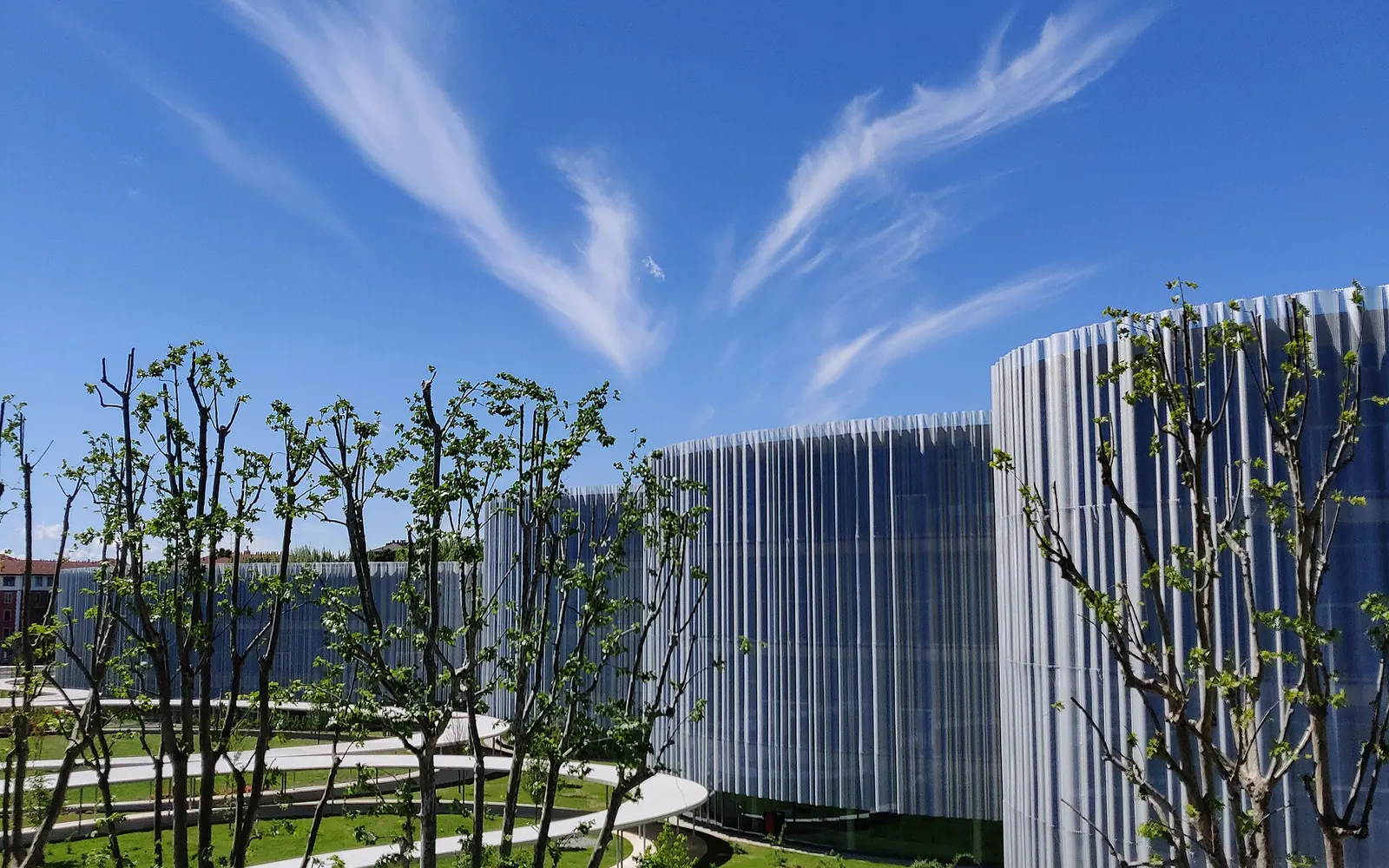
Bocconi University
Private Milan university for economics, management, finance, politics, AI and law; ten English bachelor's…
Milan9 programmes
Southern Europe · May 2027 IB session · Autumn 2027 entry
Public tuition set by family income, so it can be almost free
Rome from above
13 institutions
Private Milan university for economics, management, finance, politics, AI and law; ten English bachelor's…
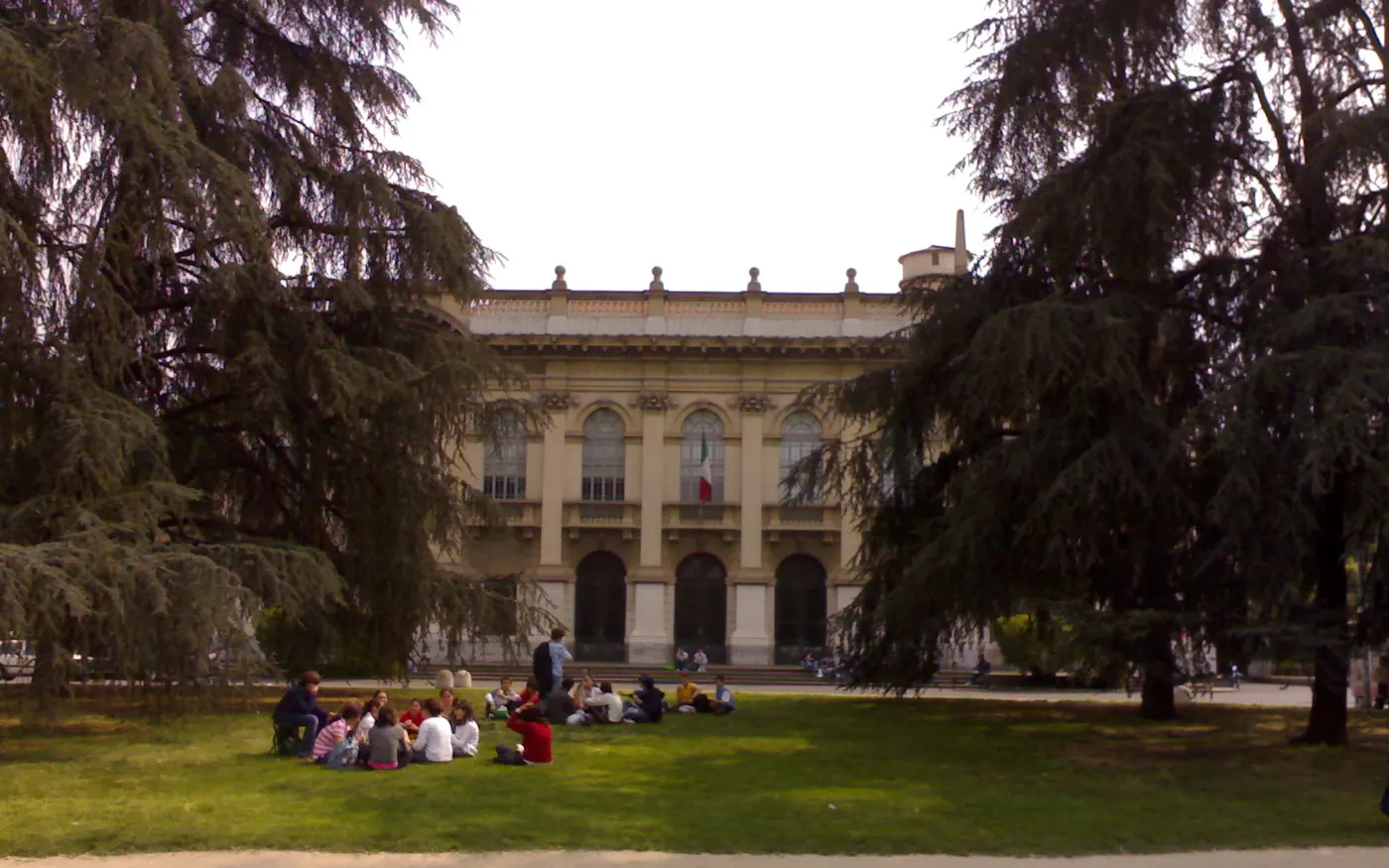
Milan's technical university for engineering, architecture and design; six English bachelor's across Milan, Lecco…
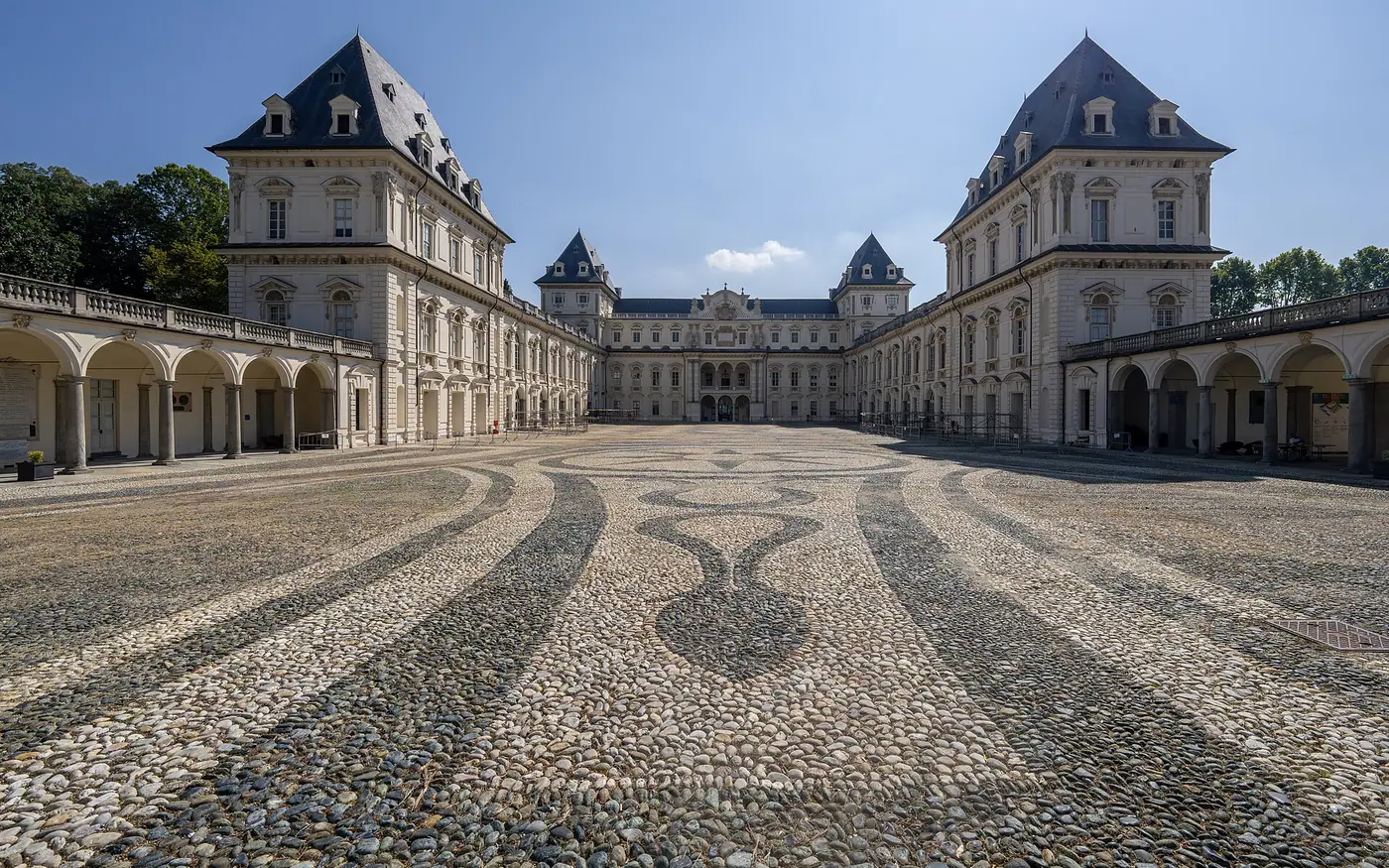
Turin's technical university; six engineering and architecture bachelor's taught fully in English, entered by…
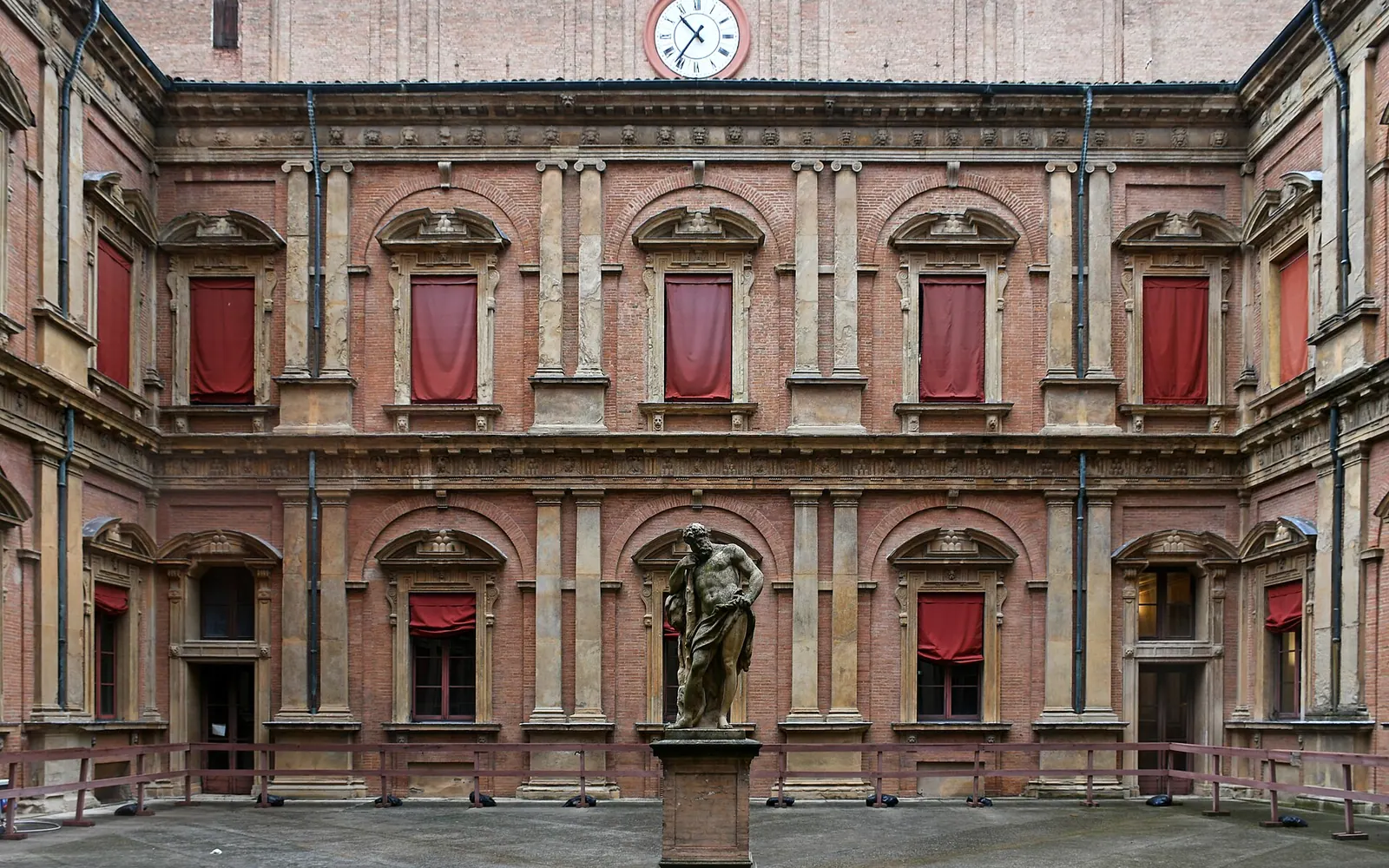
Public university in Bologna, Forlì, Rimini and Ravenna; eleven English degrees, most ranked on…
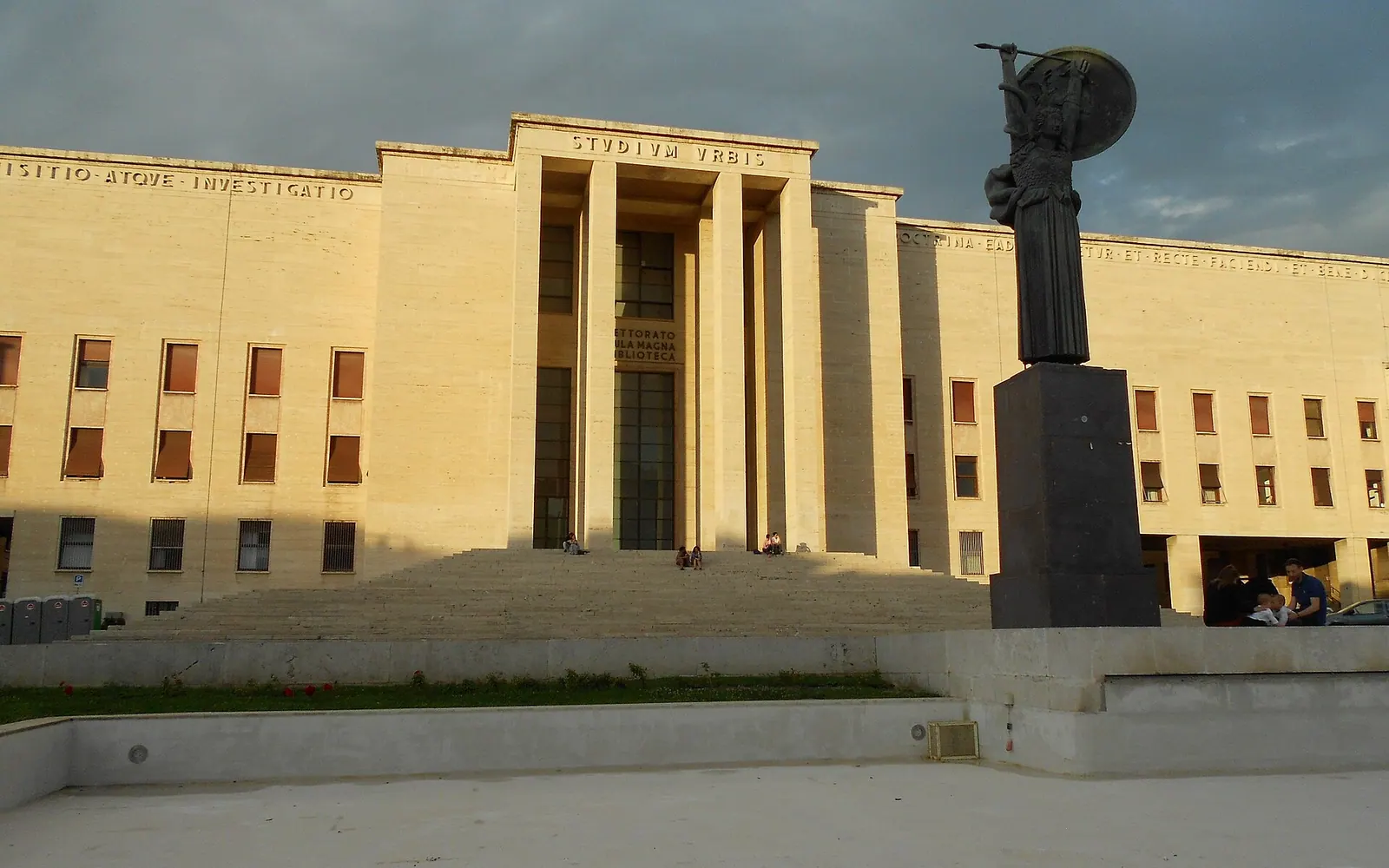
Rome's large public university; eight English bachelor's from AI to Classics plus English-taught Medicine…
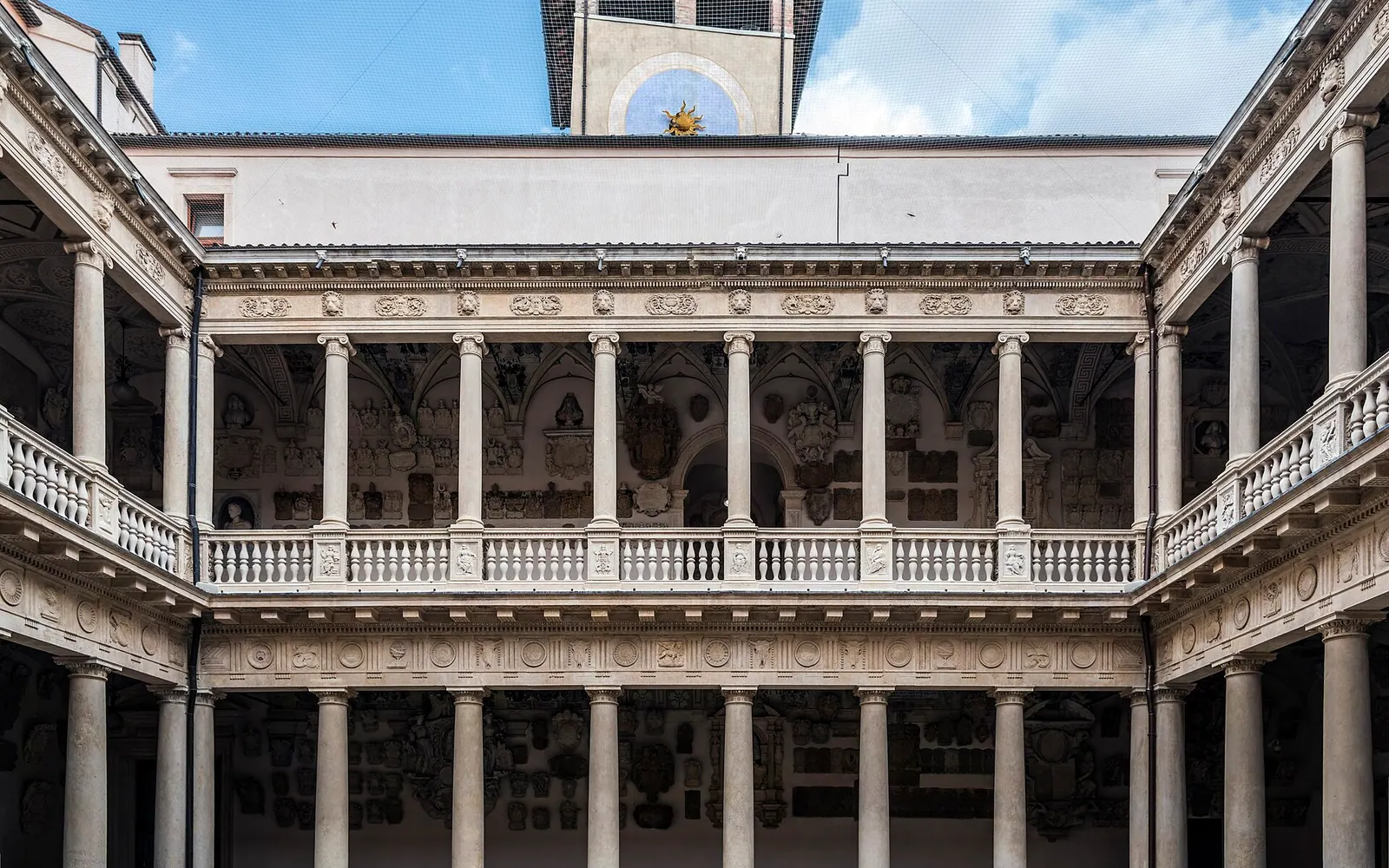
Public university in Padua, near Venice; seven English bachelor's, all with capped places and…
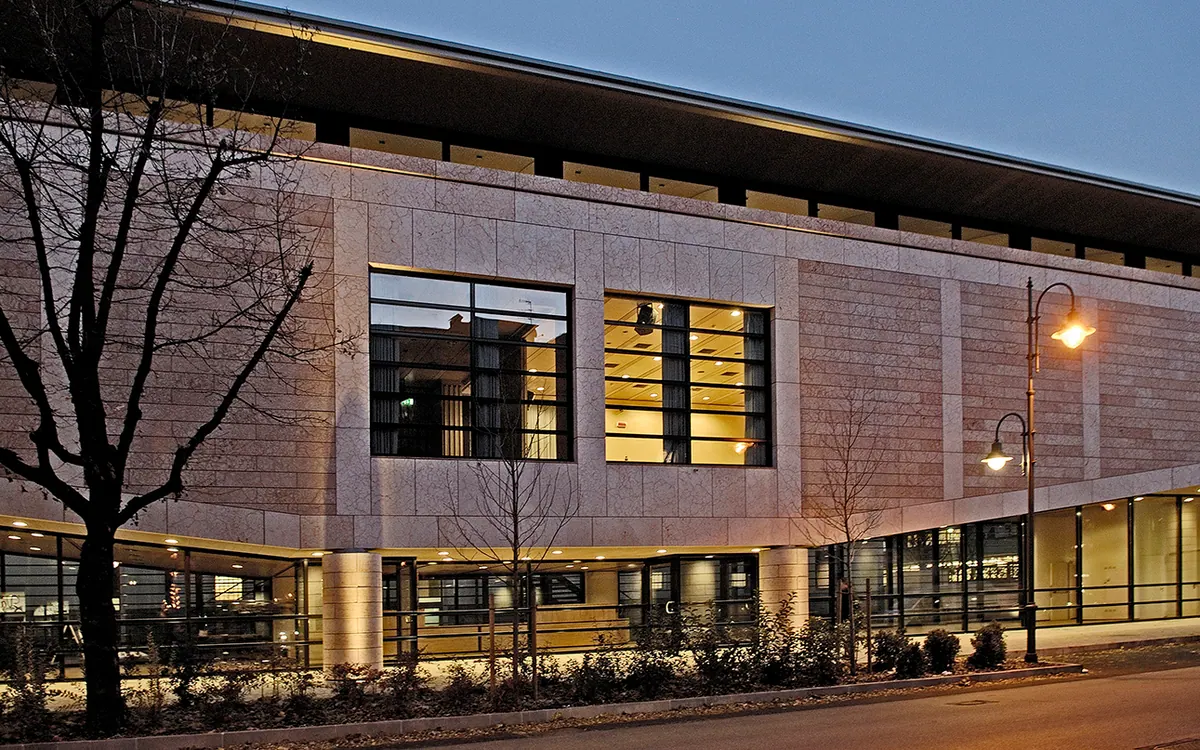
Public university in Trento, in the Alps; one law degree taught in English plus…
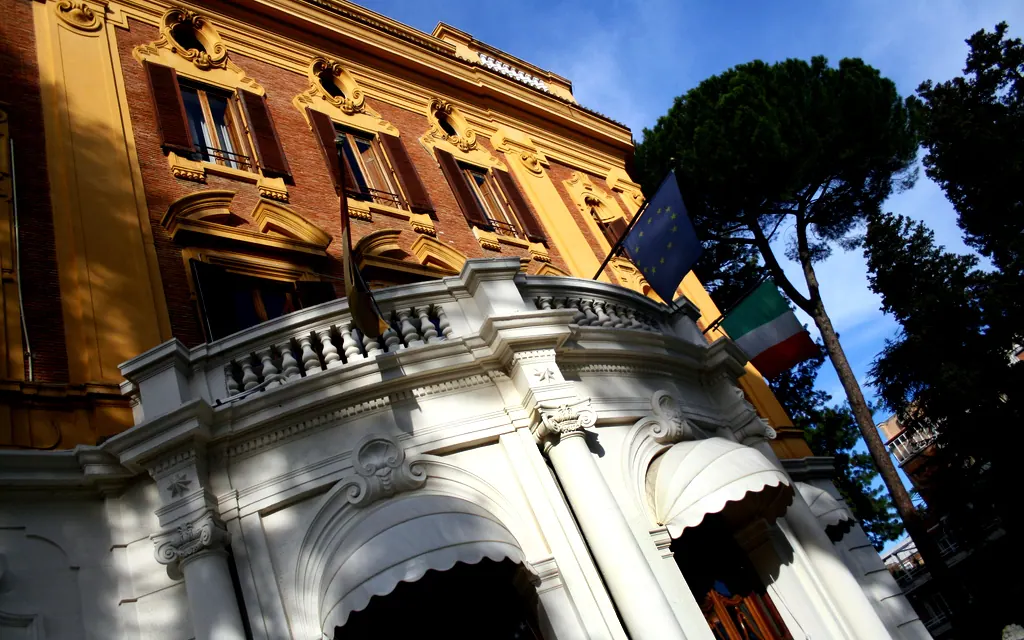
Private university in Rome for business, economics, law and politics; five English bachelor's, with…
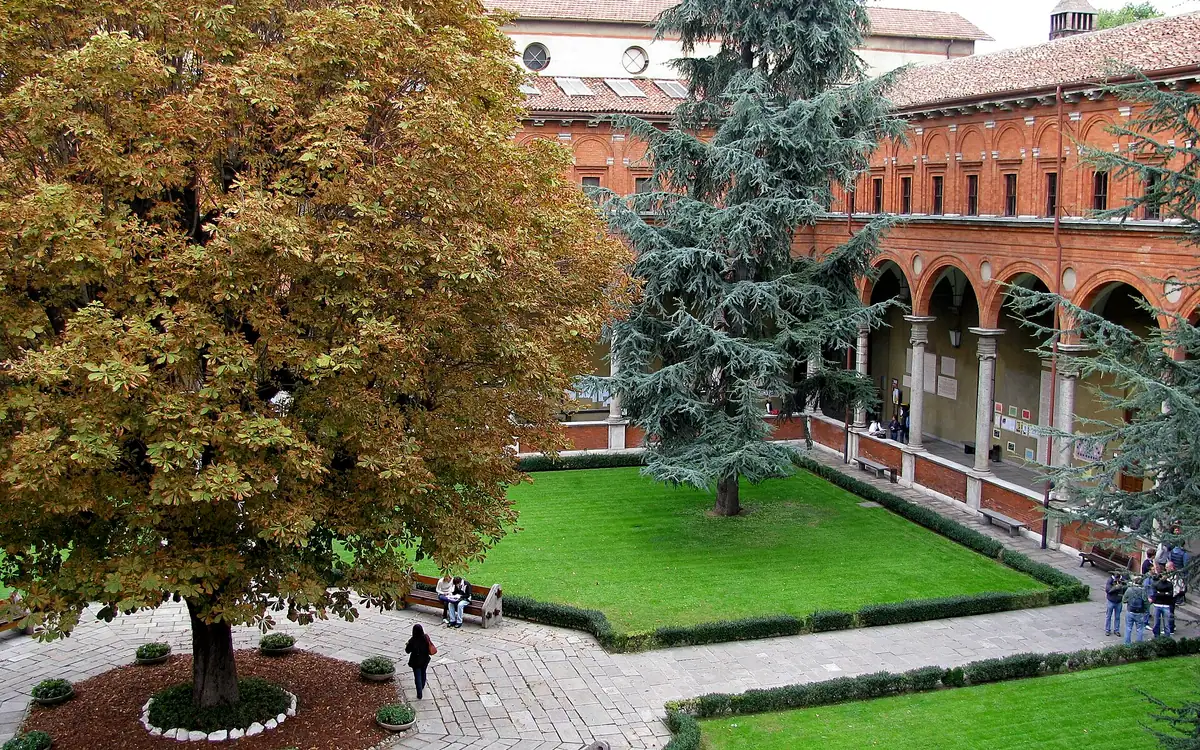
Private university with campuses in Milan, Rome, Brescia and Piacenza; nine English bachelor's plus…
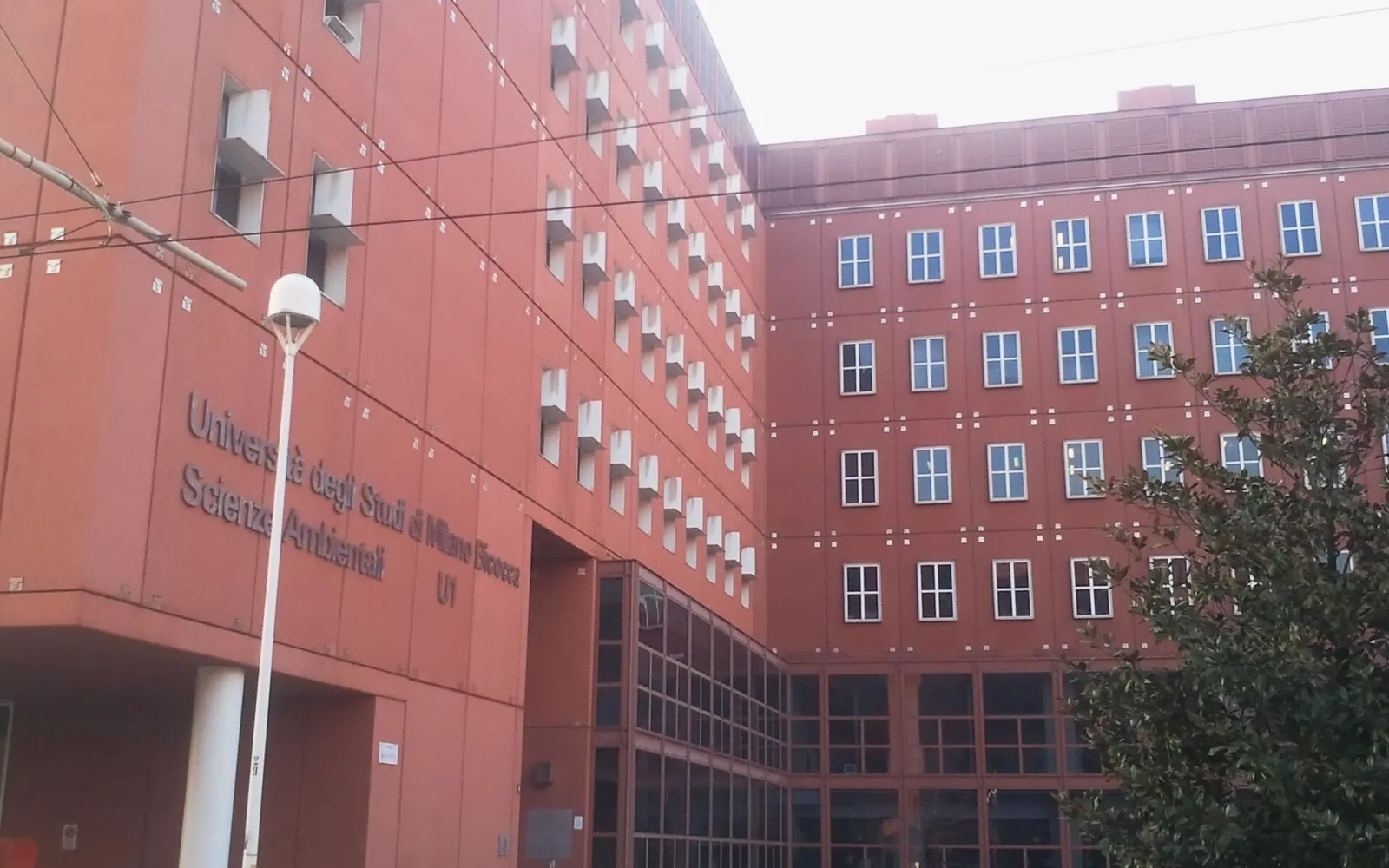
Public university in northern Milan; two English bachelor's, in sustainability economics and applied physics…
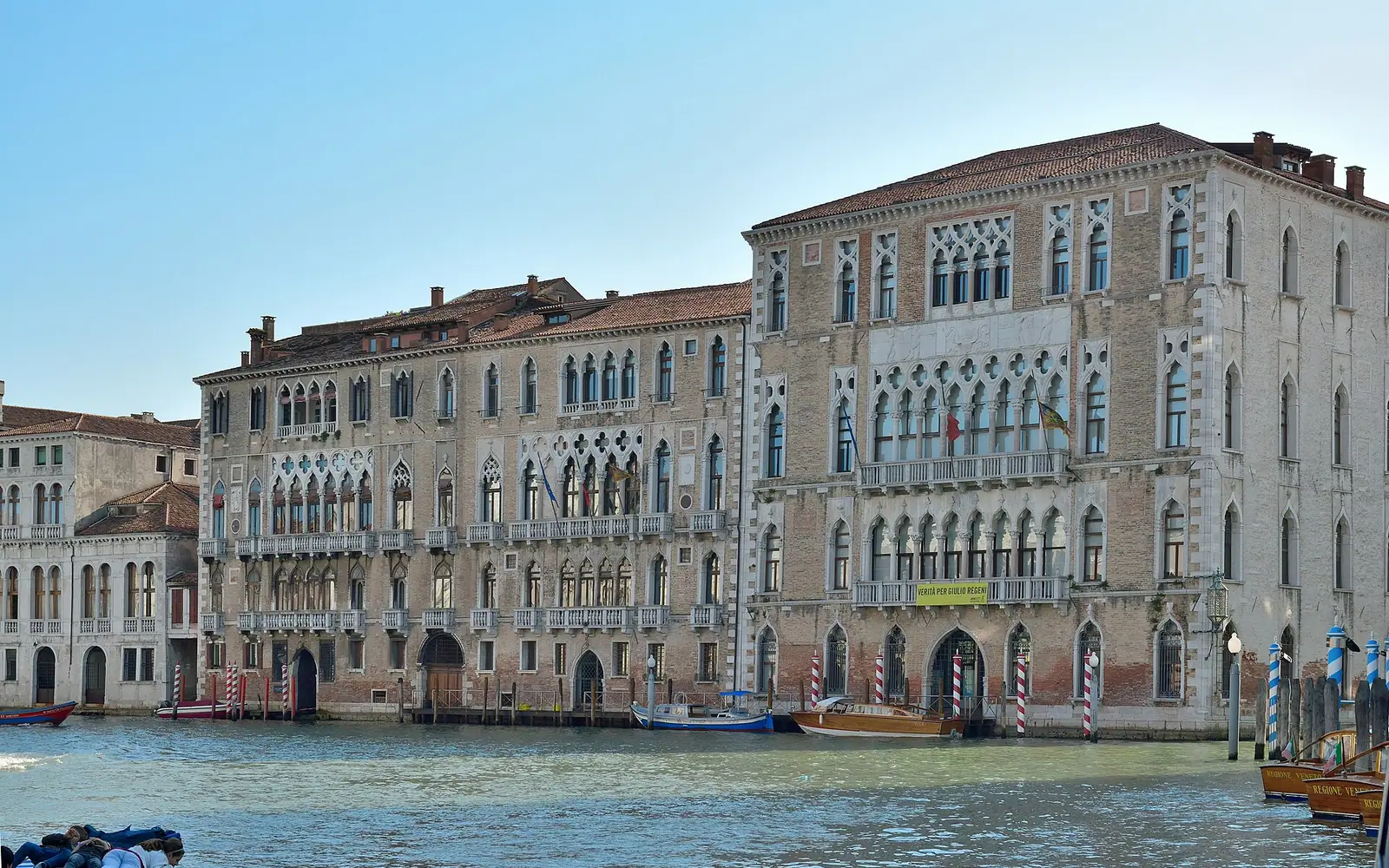
Public university in Venice; eight English bachelor's in business, economics, computing, tourism and humanities…
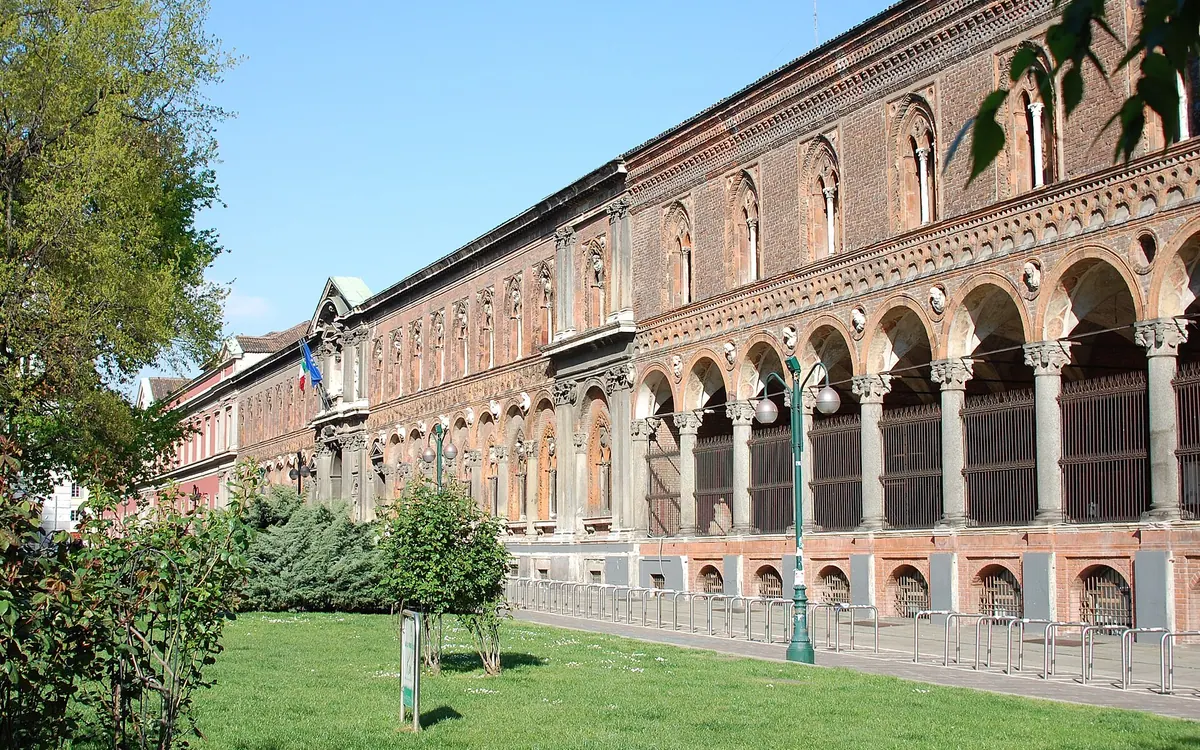
Milan's large public university (La Statale); one English bachelor's in international politics, law and…
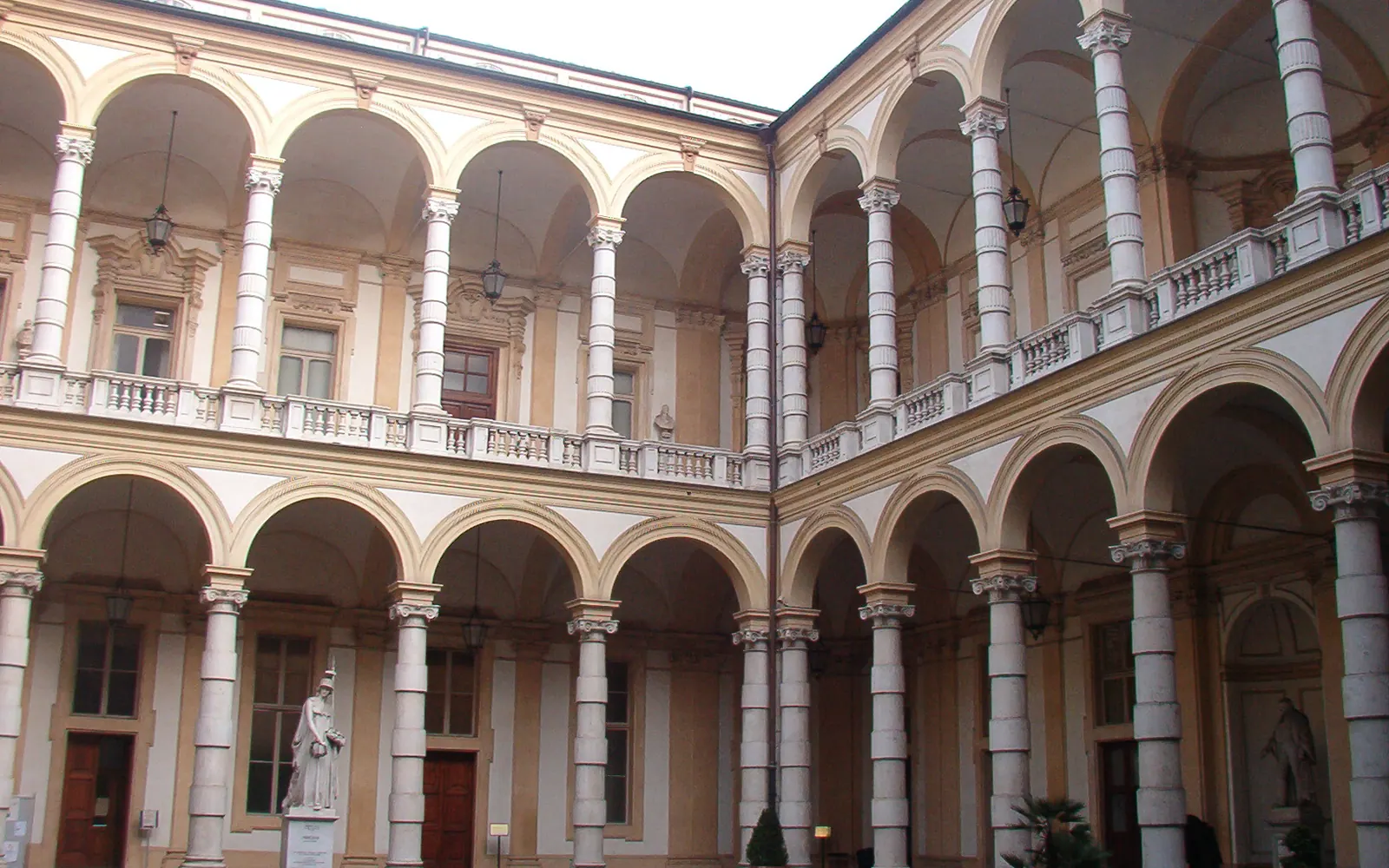
Large public university in Turin; three English bachelor's in business, economics with data science…
This browser cannot draw the globe. Every place is in the list below.
Italy has no single national application system for EU students.
You apply to each university on its own portal, and for many degrees you also sit an online entrance test called a TOLC. The big surprise is money: public universities charge you according to your family's income, not a flat fee, so a family on a normal income often pays a few hundred to a couple of thousand euros a year. English-taught bachelor's degrees exist but are a minority, concentrated in economics, engineering, design and international relations.
Public university fees are income-based (ISEE), so the bill can be €0 to a few hundred euros for lower-income families
Getting the income-based fee as a foreign family means obtaining an ISEE parificato through an Italian CAF office, with your family's income documents legalised and translated — start this months early
Most degrees are at an università, state-run (statale) or private (non statale); the Politecnici are universities specialising in engineering, architecture and design.
Most degrees are at an università, state-run (statale) or private (non statale); the Politecnici are universities specialising in engineering, architecture and design. Alongside them sit AFAM institutions for art, music and dance, schools for language mediators (SSML), and ITS Academy — two-year higher technical courses run with industry, applied to directly.
Bologna, Padua, Sapienza, Milan, Turin, Trento and the Politecnici of Milan and Turin. Three-year laurea; fees by family income; many courses open-access, others ranked on an entrance test.
Bocconi and Luiss among others. Own selection on school record, a test and sometimes an interview, early rounds, flat fees much higher than the state universities.
Conservatori, Accademie di Belle Arti and similar, awarding a Diploma accademico di primo livello. Admission by audition or portfolio.
Not covered here.
Two-year higher technical courses designed with employers, in fields such as mechatronics, ICT and tourism. The route Italians rarely mention to foreigners.
Applied to directly at each ITS. Not covered here.
Accredited schools teaching translation and interpreting at bachelor level.
Not covered here.
Full IB Diploma. No national minimum points figure is confirmed here; individual universities and programmes set their own bar.
Yes
Full IB Diploma. No national minimum points figure is confirmed here; individual universities and programmes set their own bar.
A national IB-to-Italian conversion is not confirmed here. Where a degree has limited places, applicants are ranked by their entrance-test score (TOLC or IMAT), not by IB points.
How Italy reads an IB Diploma.
These are the pages this section was written from. None has been signed off by a person yet, so confirm anything consequential at the source.
Apply directly to each university.
Pick the exact degree programme, not just the university — language of instruction, entrance test and deadline are all set at programme level.
Check whether the programme needs a TOLC (engineering: TOLC-I; economics: TOLC-E; English-taught versions exist) or a university-specific test, and book a sitting early, because you can only take the same TOLC once a calendar month.
Apply on the university's own portal in its admission round, using predicted IB grades where the round closes before July.
Authorise the IB to release your final results to the university through MyIB, or send a copy of the Diploma. Many universities waive the Dichiarazione di Valore for IB holders, but some (San Raffaele, for one) still want the Diploma apostilled in Switzerland — check your university's list.
If you want the income-based fee, apply for an ISEE parificato through an affiliated Italian CAF office, with your family's income and property documents (from wherever they are earned or held) legalised and translated into Italian.
Enrol and pay the first instalment, then confirm your ISEE in time for the second instalment (typically due in spring).
Register your residence with the local comune once you have been in Italy more than three months.
Three different worlds. Open-access degrees admit everyone who passes a non-selective placement test. Numero programmato degrees (national or local) rank applicants by entrance-test score. Private universities such as Bocconi and Luiss run their own selective rounds on school record, test and sometimes interview.
Bocconi: by 26 January 2027.
Hard deadline
After this the door closes.
Published on Bocconi's 2027-28 admissions page as "2 - 29 September 2026 (3:00pm Italian time)", with results in mid November 2026. The time given is the closing time. Bocconi runs only two sessions for 2027-28, Early and Winter — the page states "There are two selection sessions available for the admission to the 2027-28 AY: Early and Winter", so unlike earlier years there is no spring round to fall back on.
Hard deadline
After this the door closes.
Bocconi's 2027-28 admissions page publishes the Early Session test cut-off as "until 24 September 2026" and warns that "the web testing platform will be closed a few days before each application deadline". You must already hold a score — Bocconi online test, SAT, LSAT or ACT — before you can apply, so this falls five days before the application deadline it feeds.
Hard deadline
After this the door closes.
Published as "25 November 2026 - 26 January 2027 (3:00pm Italian time)", with results in mid March 2027. The time given is the closing time. This is the last Bocconi round for 2027-28 entry: there is no spring session.
Hard deadline
After this the door closes.
Published as the Winter Session final test date, "21 January 2027", five days before that session's application deadline.
Applies to: EU, EEA and Swiss citizens
Hard deadline Via n Italian university
After this the door closes.
The example of how early the selective universities close. Bocconi has no spring round for 2027-28 entry. You need a test score first: the last Bocconi online test date for this session is 21 January 2027.
Applies to: EU, EEA and Swiss citizens
Via n Italian university
Selective rounds decide on predicted grades well before this; open-access degrees may still be taking applications.
Set in the MUR/MAECI circular "Procedure per l'ingresso, il soggiorno, l'immatricolazione degli studenti internazionali", which is explicitly valid for two years: "VALIDE PER GLI ANNI ACCADEMICI 2026-2027 e 2027-2028". Its wording is "Per l'anno accademico 2027/2028 [...] il termine ultimo per la presentazione delle domande di visto è fissato al 31 ottobre 2027"; the 2026/27 equivalent in the same paragraph is "entro e non oltre il 30 novembre 2026". Note what the date actually is: it is the last day to lodge the visa application at the consulate, and the Universitaly pre-enrolment has to be submitted and validated by the university before that — the circular adds that institutions may set their own earlier dates, "Tali date potranno essere anche antecedenti a quella del 30 novembre 2026 e del 31 ottobre 2027". The visa procedure does not apply to EU/EEA or Swiss citizens: the circular lists among those the visa procedures do not apply to "i cittadini appartenenti ai Paesi dell'Unione Europea, nonché a quelli provenienti da Norvegia, Islanda, Lichtenstein e alla Confederazione Elvetica, alla Repubblica di San Marino e alla Santa Sede".
Applies to: EU, EEA and Swiss citizens
Via n Italian university
No national portal and no national date for an EU applicant. Each university, and often each programme, publishes its own round on its own site. Selective private universities close months before IB exams; open-access degrees often take applications into the summer.
Applies to: EU, EEA and Swiss citizens
Your own plan Via n Italian university
Not published by anyone — a date worth setting yourself.
Offered monthly from February to November, one sitting of each type per month, €35. The university's own notice says which sittings count. Sit it early so there is time to retake.
There is no national deadline for EU students, and the MUR circular says so directly: "I termini previsti per le procedure relative alle preiscrizioni ai corsi di studio, ad eccezione di quelli a numero programmato, sono definiti da ogni singola Istituzione della formazione superiore e pubblicati nei rispettivi siti". The selective private and technical universities close much earlier than an IB student expects — Bocconi's first round for 2027/28 closes on 29 September 2026 and has its own entries here. Open-access degrees often accept applications into September of the entry year. Politecnico di Milano had not published its 2027/28 bando for Laurea programmes on 23 September 2026; its most recent call is for 2026/27. Check each university's own admissions page.
The date is set by a ministerial decree published each year, which also fixes the seat numbers and the registration window — Padova states the rule as "The number of places available, the date of the admission test, the content and the procedures for selection are set forth annually by Ministerial Decree". The shape of the rule, from the most recent decree: for 2026/27 entry the decree was D.M. n. 1005 of 6 August 2026, and Bologna's official notice board records that "the International Medical Admission Test (IMAT) will take place on 29 September 2026", citing the MUR notice of 3 July 2026. So the decree lands in early August and the test follows about seven weeks later, at the end of September — after IB results, unlike almost everything else on this page. The 2027 decree had not been issued on 23 September 2026, so no 2027 date exists yet. The 2026 registration window on Universitaly, reported elsewhere as 26 August to 9 September 2026, is not on any official source this page links to, so treat it as unconfirmed.
CISIA publishes the frequency rule as "Puoi sostenere un TOLC dello stesso tipo ogni mese. Fatto il TOLC, dal giorno dopo puoi prenotarne un altro per il mese successivo", and the season as "Puoi fare il TOLC da febbraio a novembre, entro le scadenze indicate nel bando o avviso di ammissione del corso di laurea che ti interessa" — so the sittings run February to November and each university's own bando sets the last one that counts for its round. There is no single TOLC date to put in a calendar; book early rather than after IB results.
A meaningful but still minority offer, concentrated in economics and management, engineering, design, international relations and English-taught Medicine.
A meaningful but still minority offer, concentrated in economics and management, engineering, design, international relations and English-taught Medicine. No official national count is given here.
Universities typically accept IB English A or English B at an agreed grade in place of IELTS/TOEFL, but the accepted grade varies by university, so check each university's page.
Not for English-taught programmes
Public universities: income-based. Politecnico di Milano 2026/27 charges a first instalment of €880.04 plus a second instalment of €0–€3,003, giving a maximum all-inclusive contribution of about €3,943 a year; students with an ISEE up to €22,000 pay about €157 for…
Public universities: income-based. Politecnico di Milano 2026/27 charges a first instalment of €880.04 plus a second instalment of €0–€3,003, giving a maximum all-inclusive contribution of about €3,943 a year; students with an ISEE up to €22,000 pay about €157 for the second instalment, and an ISEE below €27,740 reduces the first instalment too. Private universities are flat-rate: Bocconi is €17,000 a year for 2026-27; its 2027-28 amount had not been set on 24 September 2026. Bocconi also cuts that fee by 100%, 80%, 60%, 40% or 20% on need, through one "Bocconi4Access to Education" application. (2026/27)
The same income-based scale applies at public universities if an ISEE parificato is filed; without one you are placed in the top bracket and pay the maximum (about €3,943 a year at Politecnico di Milano for 2026/27). Bocconi's fees page gives one figure, €17,000, with no EU/non-EU split. (2026/27)
Varies by university. A TOLC sitting costs €35. Check each university's own fee.
As an EU/EEA citizen you enter on your passport or national ID card.
As an EU/EEA citizen you enter on your passport or national ID card. If you stay longer than three months you register as an EU resident (iscrizione anagrafica) at the comune where you live, showing enrolment, health cover and evidence of sufficient means. You will also want a codice fiscale (tax code) almost immediately — banks, phone contracts, rental agreements and the university all ask for it.
EU/EEA citizens have full labour-market access in Italy with no permit and no hour limit. Non-EU students on a study visa are limited to part-time work (commonly cited as 20 hours a week / 1,040 hours a year); check the current limit on the permit.
University-owned student housing exists but is limited and usually allocated through the regional right-to-study body on the same means test as the grant. Most students rent a room in a shared flat found through Facebook groups, university noticeboards or agencies. Milan is genuinely expensive and competitive; Bologna, Padova, Torino and Trento are easier. Start looking in June or July for a September start.
Bring your European Health Insurance Card for the first months. Students staying long-term usually register voluntarily with the Servizio Sanitario Nazionale for an annual fee, which gives you a family doctor and full access; check the current annual amount with the local health authority.
If you hold Italian citizenship, you do not register a right of residence or prove your fee status, and Italy's own student grants and loans are open to you on their ordinary terms; check them, because some depend on where you have lived.
Your IB is still a foreign qualification here, so the IB entry rules still apply to you.