
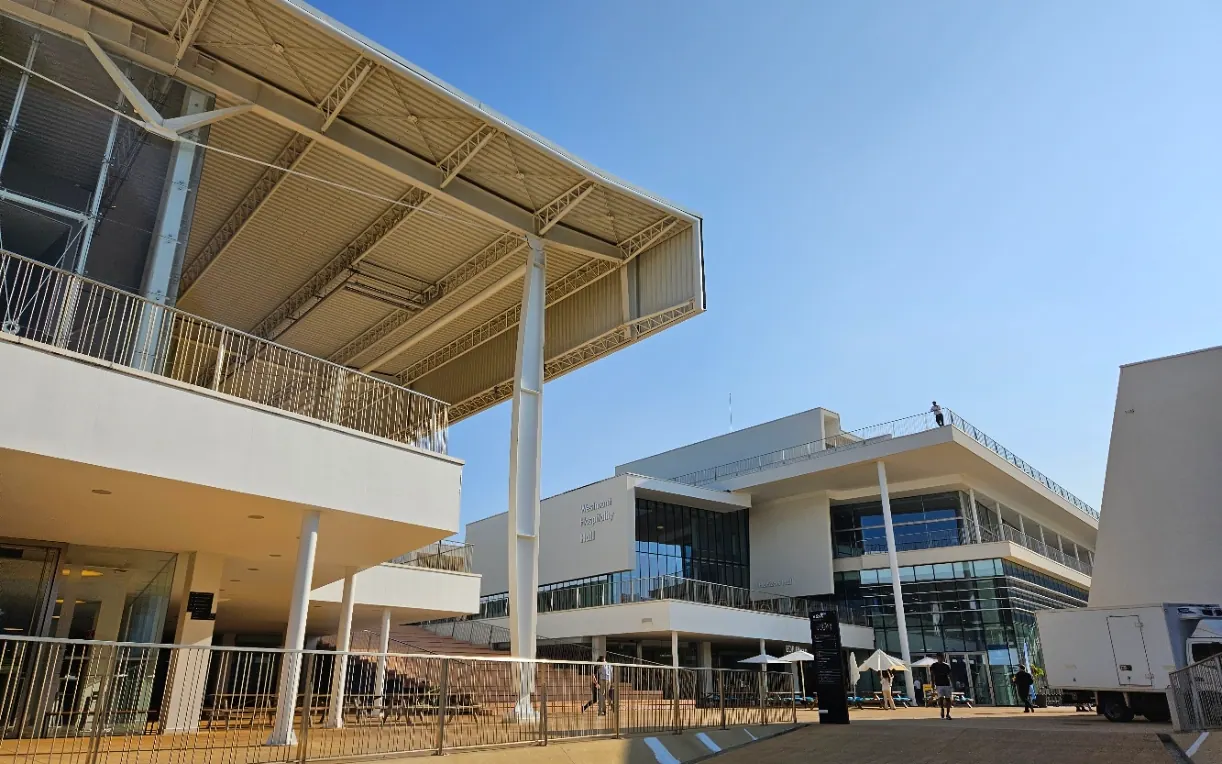
Nova SBE — Nova School of Business and Economics
NOVA's business and economics school on the coast at Carcavelos, near Lisbon; three bachelor's…
Carcavelos (Lisbon)3 programmes
Southern Europe · May 2027 IB session · Autumn 2027 entry
Cheap for EU students, but the EU route is the Portuguese one
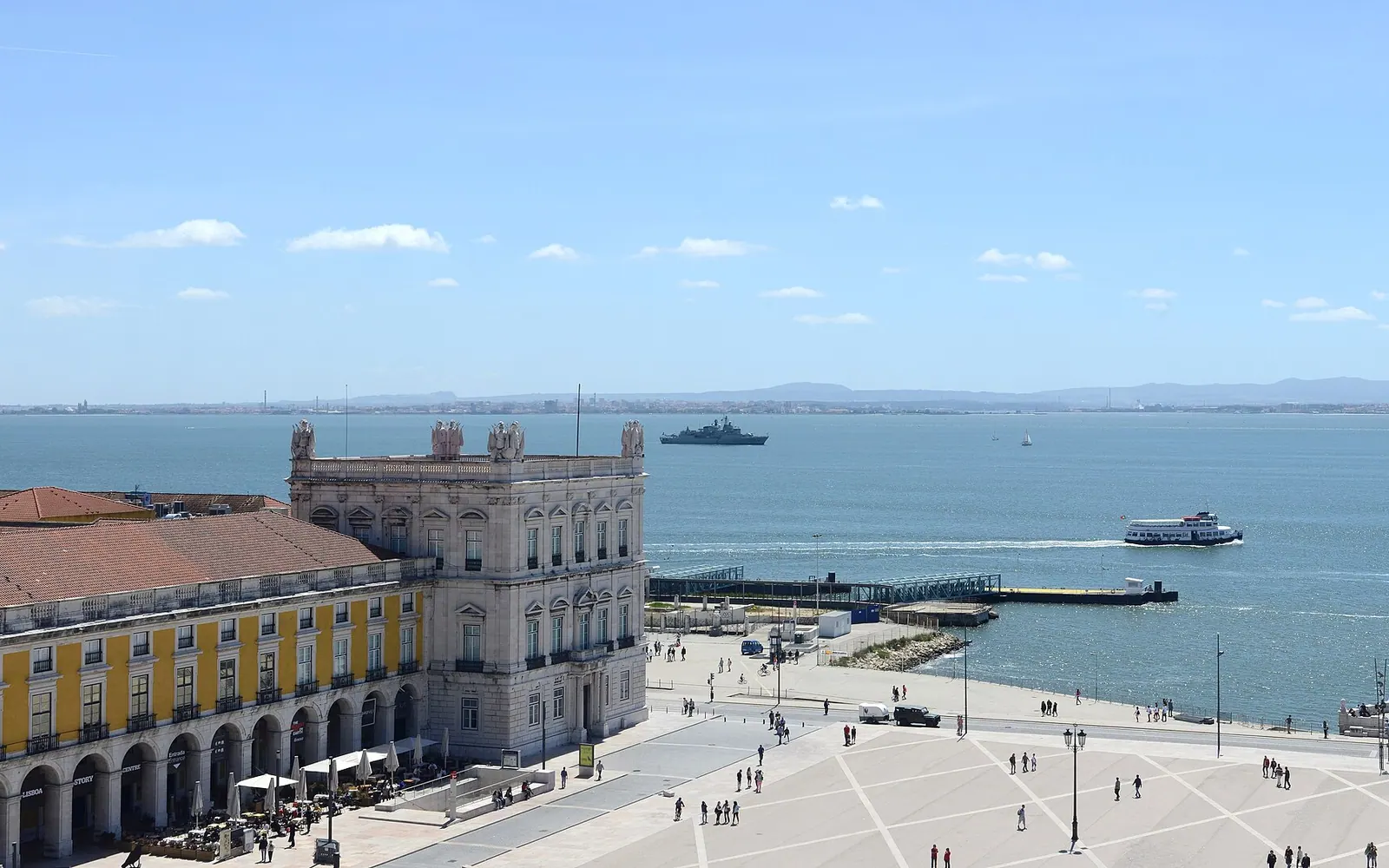
Praça do Comércio, Lisbon
9 institutions
7 universities
7 institutions · apply via the national contest
An EU applicant reaches every public institution through the Concurso Nacional de Acesso run by DGES, in July and August, at the capped fee.
2026 precedent: candidates substituting foreign exams applied 20–29 July, others to 6 August; results 23 August. The 2027 calendar is not yet published.
Source
NOVA's business and economics school on the coast at Carcavelos, near Lisbon; three bachelor's…
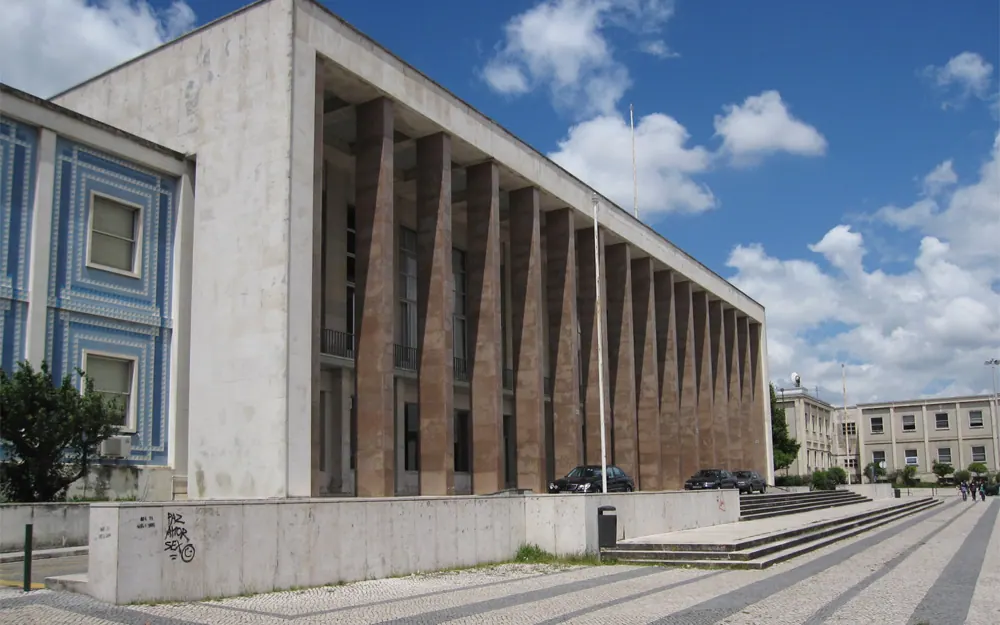
Public university in Lisbon; besides Técnico's GENI (own page), its English bachelor's are four…
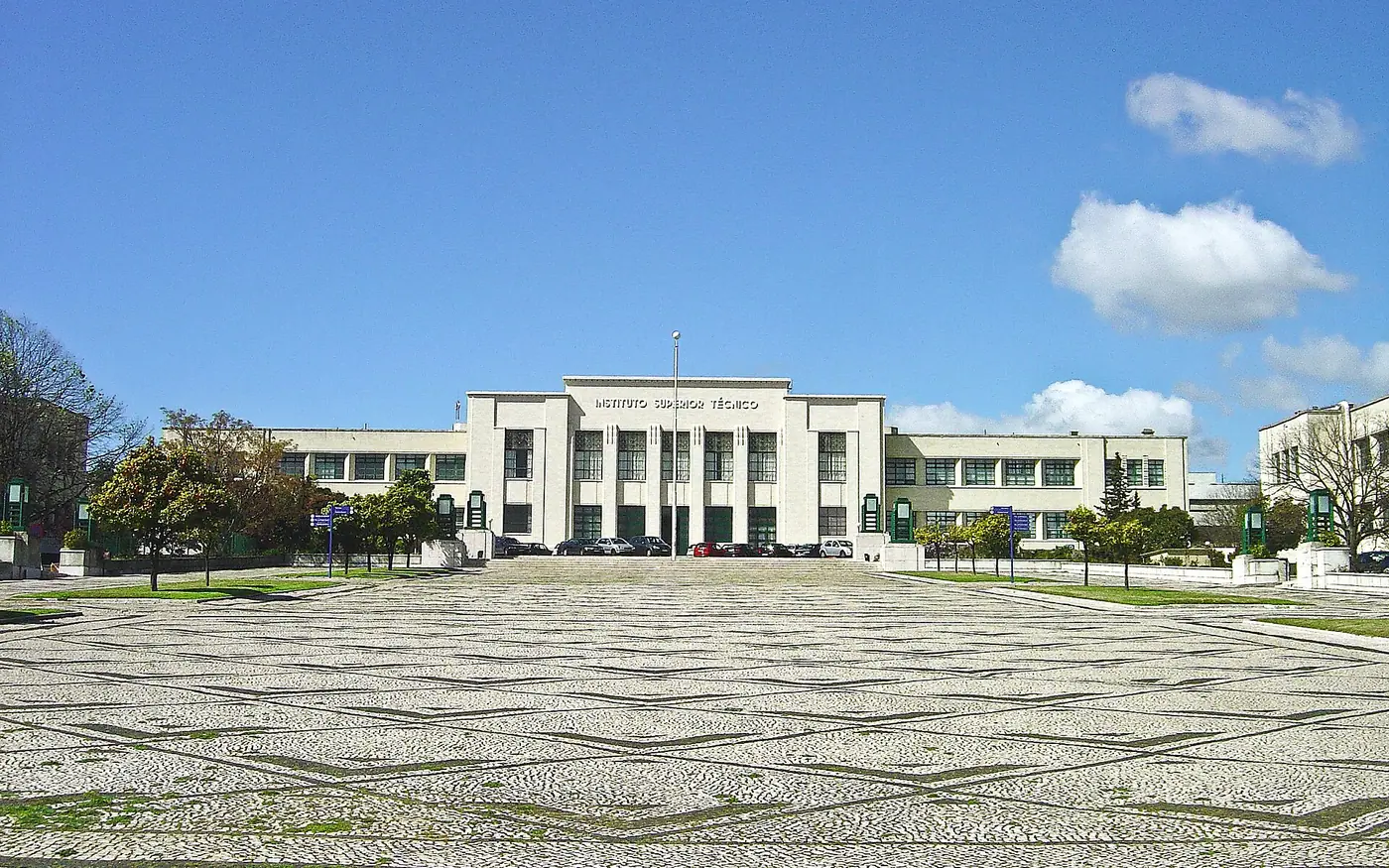
ULisboa's engineering school; of its 18 bachelor's, one is taught in English: a flexible…
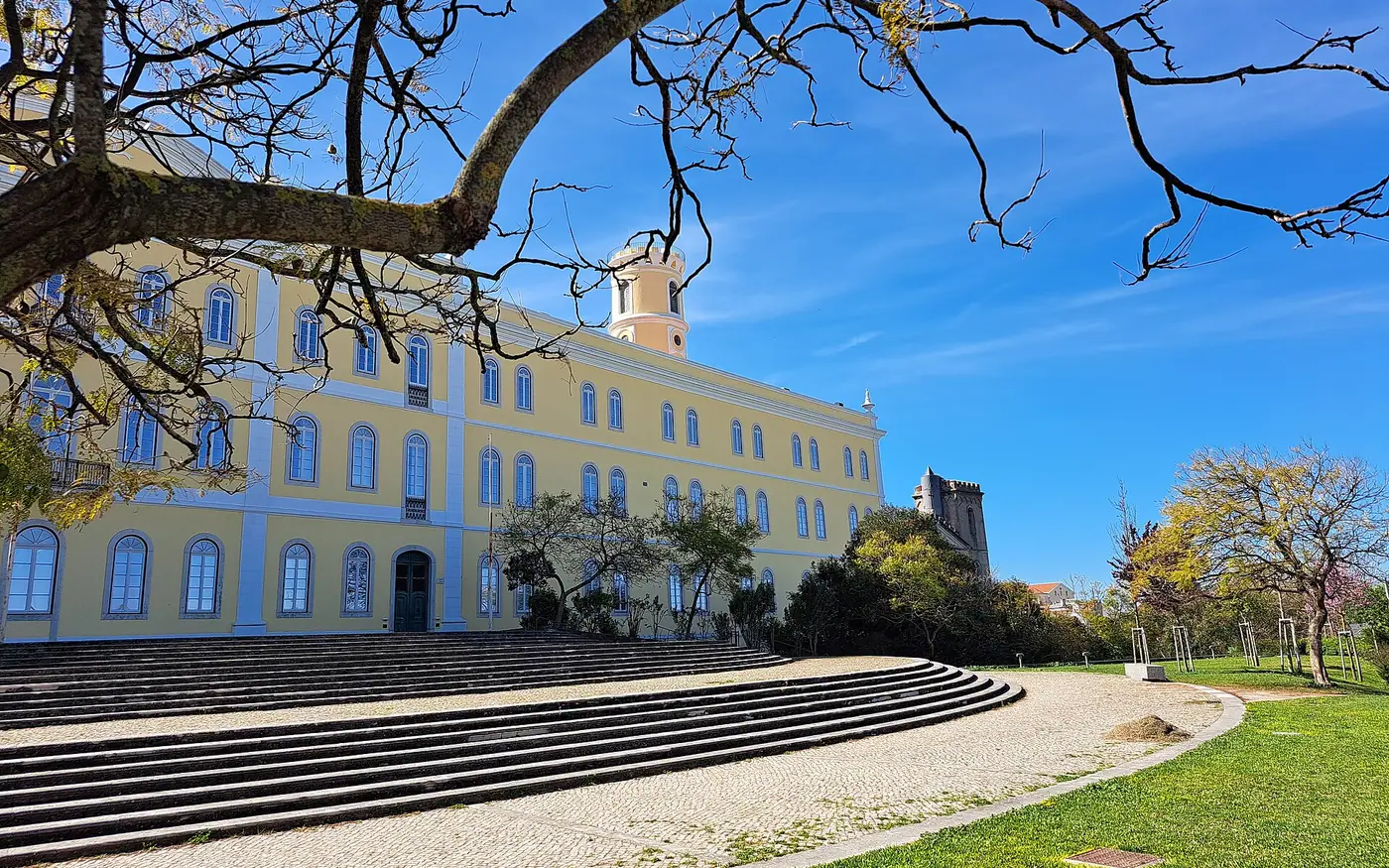
Public university in Lisbon; beyond Nova SBE, four bachelor's in English: three data degrees…
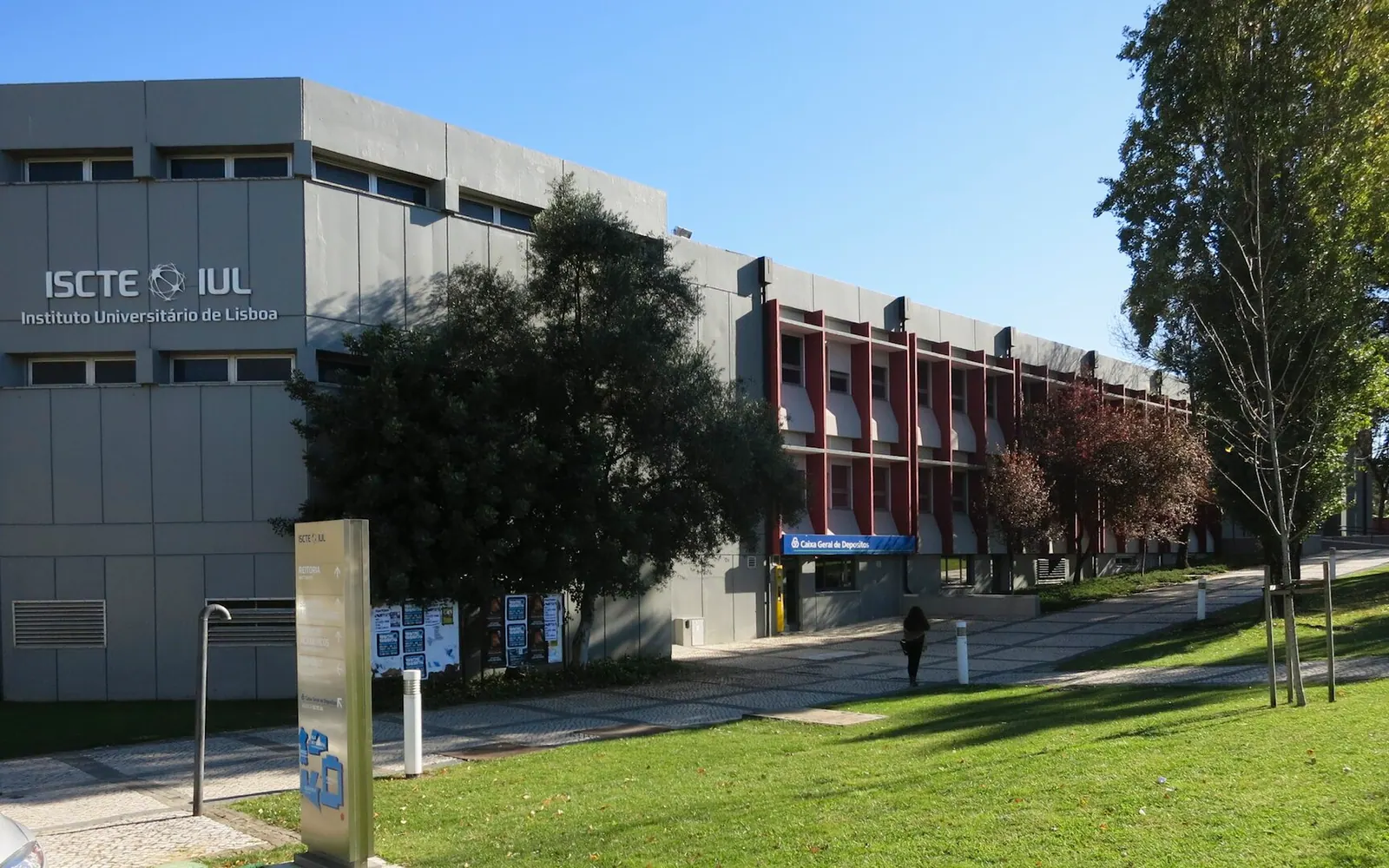
Public university in central Lisbon; International Studies is taught in English and Management has…
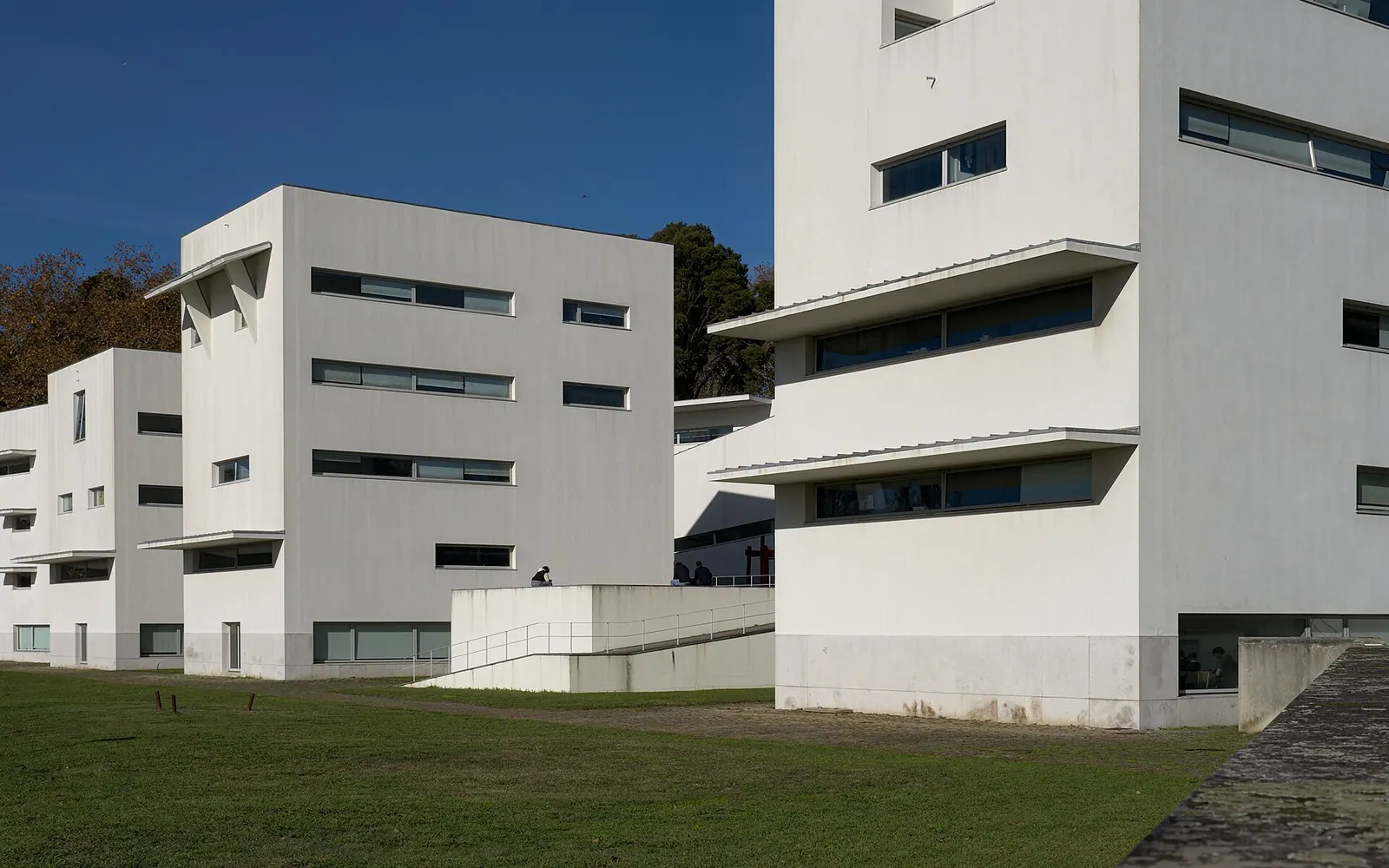
Public university in Porto; its School of Economics and Management (FEP) teaches Economics and…
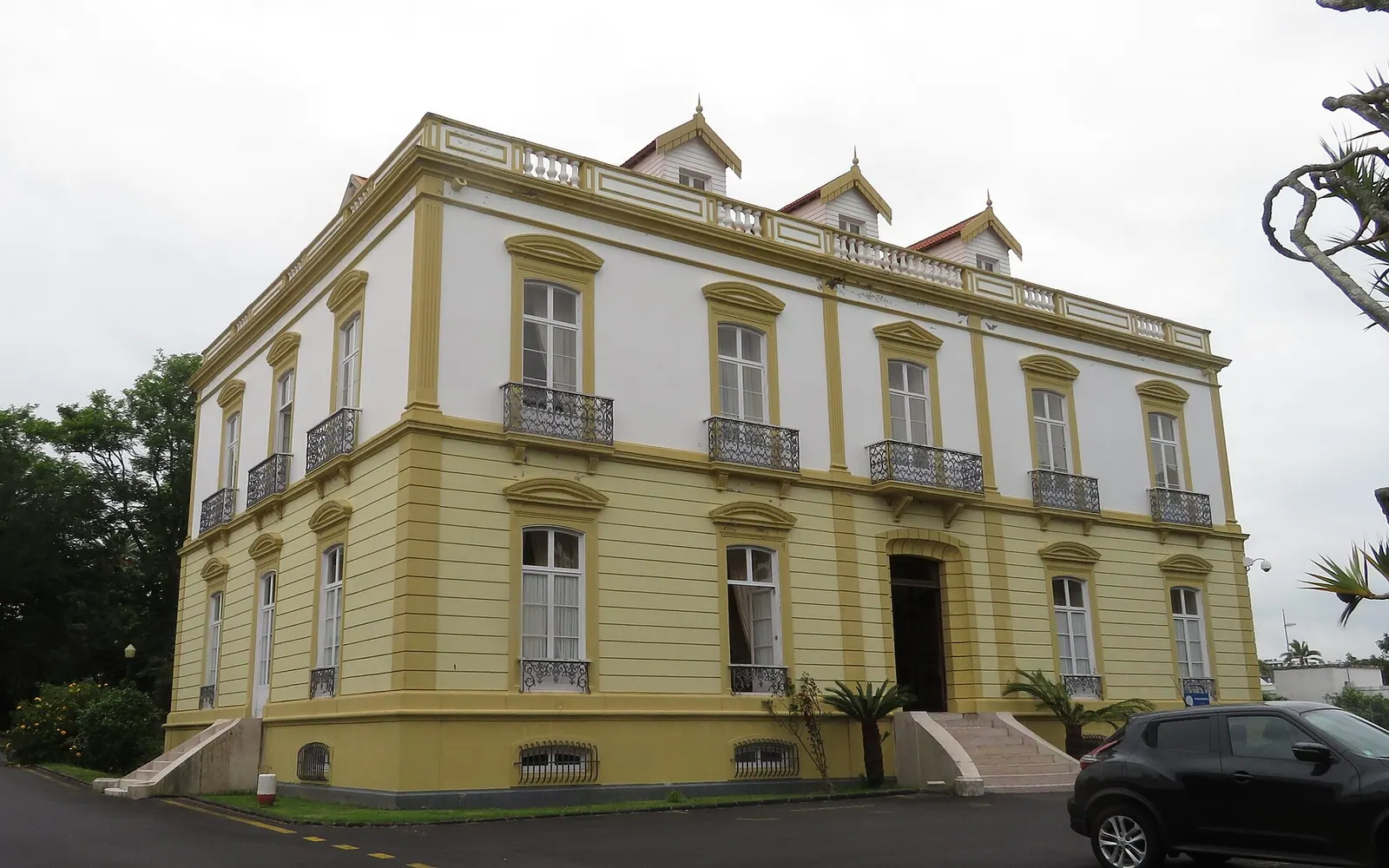
Public island university in the Azores; Ocean Sciences is fully taught in English across…
2 universities
2 institutions · apply to each directly
A private university outside the national contest. Applies directly, in English for its international bachelors, on predicted grades, to any nationality.
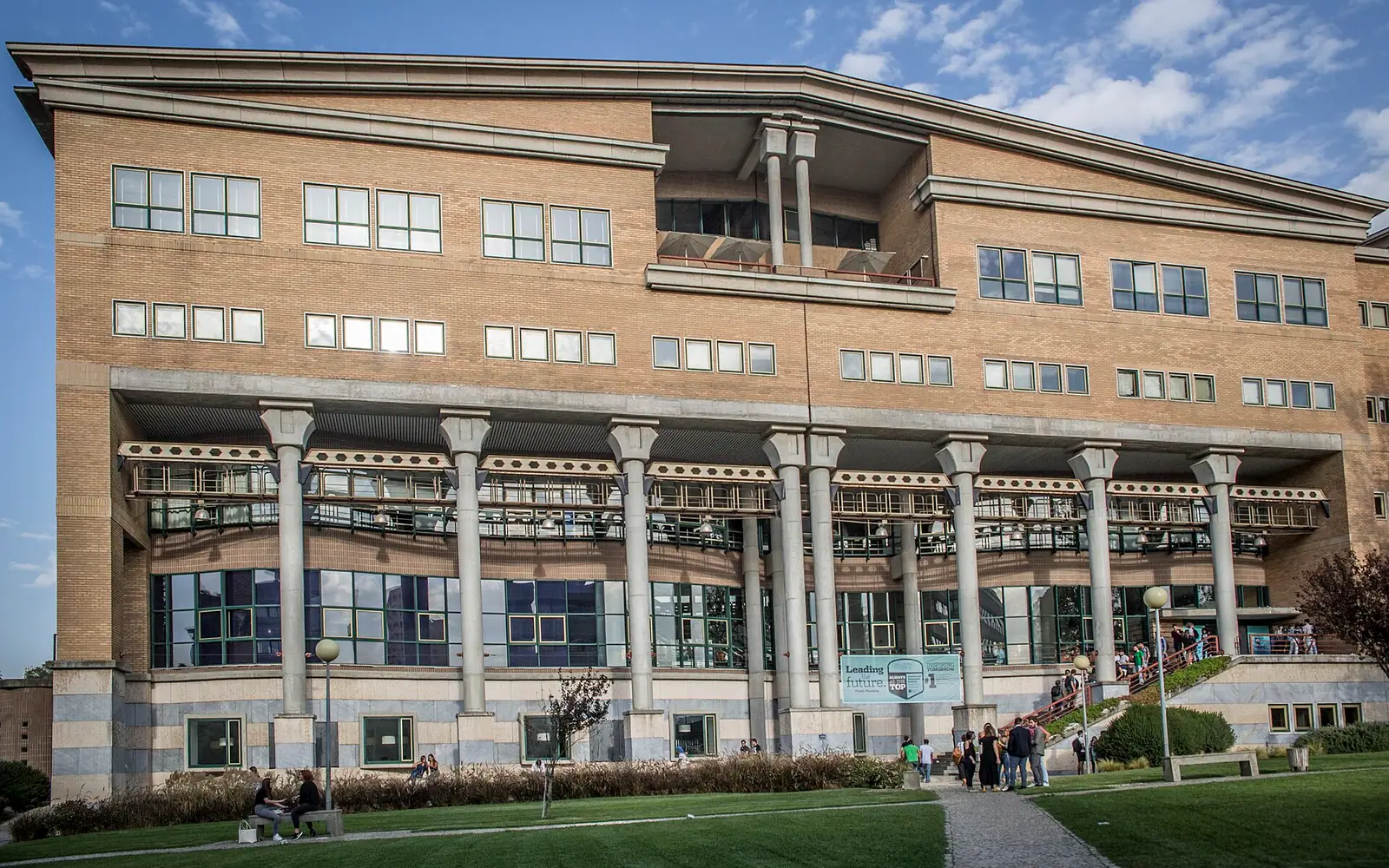
Private business school of the Catholic University in Lisbon; three bachelor's taught fully in…
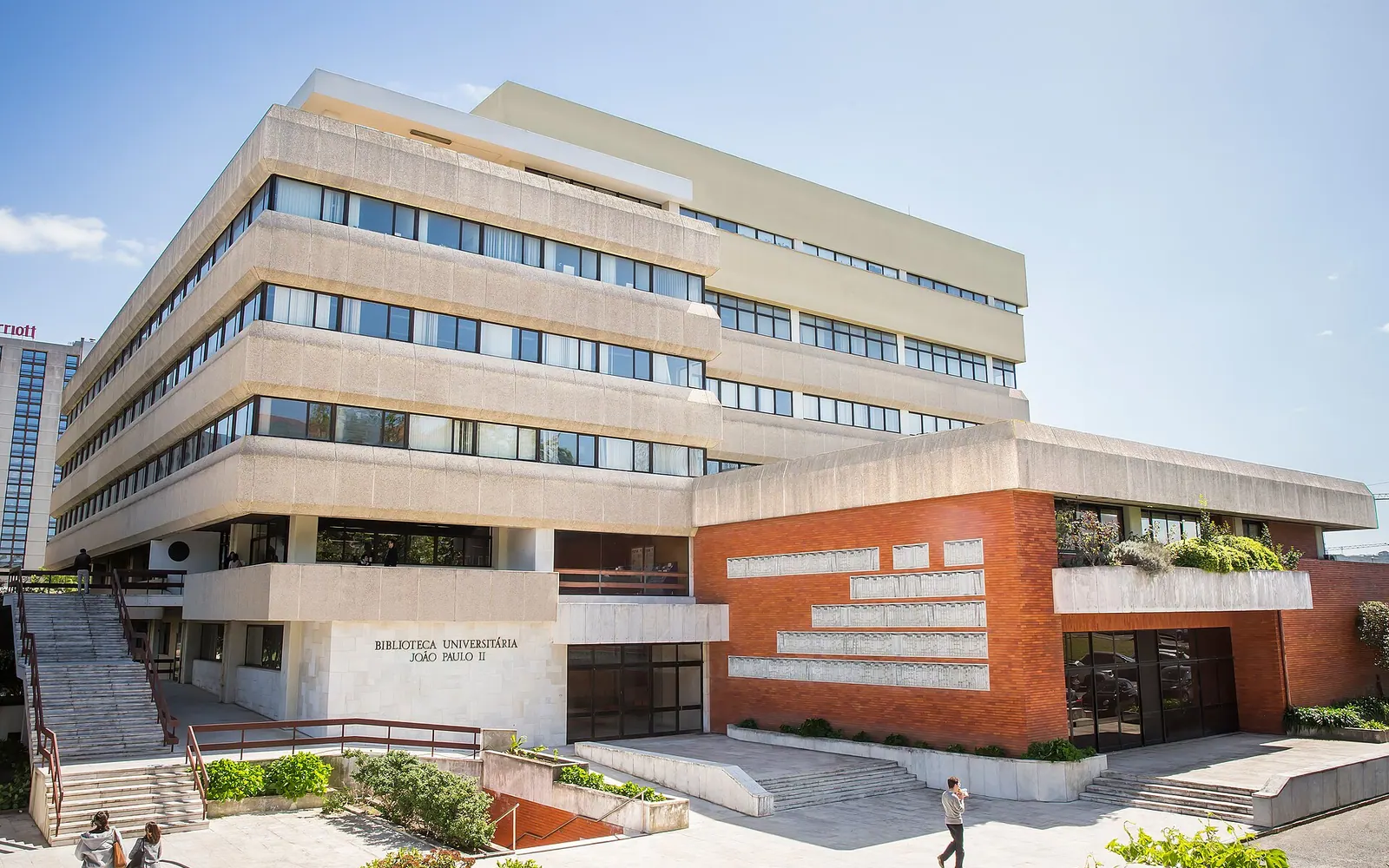
Private Catholic university on campuses in Lisbon, Porto, Braga and Viseu; English degrees in…
This browser cannot draw the globe. Every place is in the list below.
Portugal has two completely separate front doors, and an EU/EEA student must use the national one.
Non-EU students use the Estatuto do Estudante Internacional, apply straight to a university, and pay somewhere between €3,500 and €16,500 a year. EU/EEA citizens are legally excluded from that route and must go through the Concurso Nacional de Acesso, the same national contest Portuguese school-leavers use. The payoff is the price: the capped public tuition (propina) was €697 for 2025/26. The catch is that the national contest is built around Portuguese school exams and mostly leads to Portuguese-taught degrees.
Public tuition is capped: €697 a year for a licenciatura in 2025/26, and EU students pay exactly that
As an EU citizen you cannot use the Estatuto do Estudante Internacional — it explicitly excludes EU/EEA nationals, so the easy English-language route is closed to you
A binary system: ensino universitário at universities and ensino politécnico at polytechnic institutes, each public or private.
A binary system: ensino universitário at universities and ensino politécnico at polytechnic institutes, each public or private. Public places are filled through the national contest; private institutions admit directly. Polytechnics also run the CTeSP, a two-year professional course outside the contest.
Lisbon, Porto, Coimbra, Minho, Aveiro, NOVA and others. Three-year licenciatura; public places allocated by the national contest.
More applied licenciaturas in engineering, business, health and the arts, also through the national contest for public places.
None is listed on this page; not covered here.
Universidade Católica Portuguesa and others, admitting directly on their own terms and fees. Where most English-taught bachelors open to an EU applicant are.
Two years, 120 ECTS, with a work placement, mostly at polytechnics. Not a degree; applied to directly at the institution.
Not covered here.
Yes, an IB Diploma is accepted.
Yes
Not defined nationally. For the national contest what matters is whether your IB subject exams can be accepted as homologous substitutes for specific provas de ingresso. Private institutions such as Católica set their own IB rules. Nova SBE's 36 points (Mathematics HL at 6 or better) for Economics and Management, and 34 for Ocean Studies, are the rules of its international route, which is closed to EU citizens.
For the Concurso Nacional de Acesso, foreign final exam grades are converted onto the Portuguese 0–200 scale using formulas published by DGES, with separate formulas for numerical and alphabetic grading systems.
How Portugal reads an IB Diploma.
These are the pages this section was written from. None has been signed off by a person yet, so confirm anything consequential at the source.
Confirm early that you are treated as an EU candidate, not an international student — Decreto-Lei n.º 36/2014 excludes EU/EEA nationals from the international-student statute.
Apply to a Portuguese secondary school or the Direção-Geral da Educação for a certificate of equivalence for your IB Diploma, with apostilled and translated documents. Start this a year ahead.
Check which provas de ingresso your target degree requires, and whether the CNAES list published by 31 May recognises an IB exam as homologous. If not, you must sit the Portuguese national exams.
Register with DGES and submit the national contest application in the first phase, using the earlier priority deadline if you are substituting foreign exams.
Rank your choices — the national contest lets you list several degree-and-institution pairs in order of preference.
Wait for the placement list, then enrol within the short window that follows (typically three or four days).
If you miss out, use the second or third phase, or apply directly to a private institution such as Católica Lisbon.
The national contest is a pure ranking exercise. Each degree has a fixed number of places and a cut-off (nota do último colocado) driven by demand. Your rank comes from your converted secondary grade plus your provas de ingresso results on the 0–200 scale, weighted as the institution specifies. Private institutions and the international contest run their own selection instead.
EU citizens cannot use this route: U.Porto runs it for applicants "who do not have Portuguese nationality or the nationality of another member state of the European Union". U.Porto offered 712 places across this contest for 2026/27.
Published as "From April 14 to June 16, 2026, until 5.00 pm Lisbon time"; the time is the closing time. EU/EEA citizens cannot use this route. The page states that international student status does not apply to nationals of an EU Member State or of a state signatory to the EEA Agreement, so an EU applicant to Nova SBE goes through the Concurso Nacional de Acesso instead. The spring intake is a separate entry.
Hard deadline
After this the door closes.
This is the deadline that applies to an IB candidate, and it is a week earlier than the one everybody else sees. DGES's Portuguese calendar page names the group as "candidatos com pedido de substituição de provas de ingresso por exames estrangeiros" and gives them 20 a 29 de julho, against 20 de julho a 06 de agosto for the rest. If you are asking a Portuguese university to accept IB subjects in place of the Portuguese provas de ingresso — which is the normal route for an IB candidate — you are in this group. The 2026 calendar was approved by Despacho n.º 9359-A/2026 of 23 July 2026; the 2027 calendar will be approved by its own despacho and is not published yet.
Hard deadline
After this the door closes.
Published as "20 de julho a 06 de agosto". Do not plan against this date if you are substituting provas de ingresso with foreign exams — that group closes on 29 July and has its own entry. The 2026 calendar was approved by Despacho n.º 9359-A/2026 of 23 July 2026. The 2027 calendar will be published separately — re-check it.
Hard deadline
After this the door closes.
Published in Portuguese as "Matrícula: 24 a 27 de agosto". Four days from the placement list to being enrolled, which is why a fallback and a place to live matter before the result arrives.
Hard deadline
After this the door closes.
DGES publishes the places left for this phase while the window is open (on 1 September in 2026); you do not have to do anything then. The date you act on is the closing date.
Hard deadline
Hard deadline
After this the door closes.
A three-day window. The places for the third phase are announced the day before it opens (9 October in 2026). DGES must decide any complaints about its results by 16 November 2026; that deadline binds DGES, not you.
Hard deadline
After this the door closes.
It opens on the day the results appear and closes two days later.
Published as "From November 10 to December 4, 2026, until 5.00 pm Lisbon time"; the time is the closing time. Same eligibility rule: international student status does not apply to EU or EEA nationals, so EU/EEA citizens cannot use this route. It falls in this window and is easy to mistake for an EU-open one.
Applies to: EU, EEA and Swiss citizens
Via the national contest
Published by this date each year. Until then you cannot be sure which IB subjects will count for your degree.
The deadline the whole substitution route depends on, and it is a publication date rather than something you do. DGES states it in Portuguese as "A CNAES divulga, anualmente, até 31 maio do ano da candidatura, uma deliberação com a lista dos exames finais estrangeiros homólogos" — the list is republished by 31 May of the year you apply in, so until then you cannot be certain which IB subjects will be accepted in place of which provas de ingresso. It lands under two months before the 29 July substitution deadline.
Via Universidade Católica Portuguesa
Final results confirm the conditional offer.
Applies to: EU, EEA and Swiss citizens
Via the national contest
Before the national contest opens, so you apply with real results.
Hard deadline Via Universidade Católica Portuguesa
After this the door closes.
Open to any nationality; EU citizens can apply in every round. Offers are conditional on final grades. For the 2026 intake Católica Lisbon ran four rounds from 3 December 2025 to 3 June 2026 plus an extra round to 3 July, and wanted the English certificate by 3 July and final grades by 17 July. The 2027 rounds were not yet published on 24 September 2026.
Applies to: EU, EEA and Swiss citizens
Your own plan Via the national contest
Not published by anyone — a date worth setting yourself.
Issued by a Portuguese secondary school or the Direção-Geral da Educação, with the final grade on the 0–200 scale. Documents need an apostille and a Portuguese translation. Start early.
Applies to: EU, EEA and Swiss citizens
Hard deadline Via the national contest
After this the door closes.
In 2026 this group applied 20–29 July, a week before the 6 August date other candidates had. The 2027 calendar is set by its own despacho, usually in July.
Applies to: EU, EEA and Swiss citizens
Via the national contest
23 August in 2026, with only four days to enrol after it. Second and third phases follow into October.
Small. English-taught bachelor's degrees exist mainly in business and economics (Nova SBE, Católica Lisbon) with a scattering elsewhere.
Small. English-taught bachelor's degrees exist mainly in business and economics (Nova SBE, Católica Lisbon) with a scattering elsewhere. No official national count is given here.
Set by each institution. Nova SBE and Católica accept standard English evidence; check the exact IB English grade each accepts.
Yes, for most programmes
€697 a year (maximum propina for CTeSP, licenciatura and integrated master's), payable in at least seven monthly instalments.
€697 a year (maximum propina for CTeSP, licenciatura and integrated master's), payable in at least seven monthly instalments. Institutions may not exceed the previous year's cap. Small extras apply — Nova SBE adds €36.50 for administration and insurance. (2025/26)
Set by each institution under the Estatuto do Estudante Internacional. The University of Porto publishes a range of €3,500 to €16,500 a year (2026/27 call); Nova SBE charges €7,500 a year, a figure it labels as valid for 2025/26. Católica Lisbon, which is private, charges non-EU students €858 a month over ten months (2026-27). (2026/27)
Nova SBE charges €70 for the international bachelor application plus a €750 enrolment fee that is deducted from tuition. Católica Lisbon charges €180 (€100 early-bird in its first three rounds), then €450 on a conditional offer and €470 on enrolment (2026-27, non-refundable). No application fee for the national contest is confirmed here.
Travel on your EU/EEA passport or national ID card.
Travel on your EU/EEA passport or national ID card. For stays over three months, EU citizens register at the local câmara municipal and receive a Certificado de Registo de Cidadão da União Europeia. You will also need a NIF (tax number) from the Finanças office almost immediately — rental contracts, bank accounts and phone contracts all require it.
EU/EEA citizens have full labour-market access in Portugal with no permit. Non-EU students on a study residence permit may work part-time; check the current hour limit on the permit.
Public universities have limited residências with means-tested places; most students rent rooms in shared flats. Lisbon rents have risen sharply and are the main practical obstacle to studying there. Porto is cheaper, and Braga, Coimbra, Aveiro and Faro are cheaper again. Because the national contest only places you in late August, look for housing before you know your result, and be ready to move quickly.
Bring a European Health Insurance Card for short stays. Once you register as a resident and have a NIF you can register with a local health centre (centro de saúde) under the Serviço Nacional de Saúde and be assigned a family doctor.
If you hold Portuguese citizenship, you do not register a right of residence or prove your fee status, and Portugal's own student grants and loans are open to you on their ordinary terms; check them, because some depend on where you have lived.
Your IB is still a foreign qualification here, so the IB entry rules still apply to you.