Universidad Carlos III de Madrid · Spain
Biomedical Engineering
Engineering for medicine: new medical technologies, instrumentation and imaging, tissue engineering and regenerative medicine.
- Where
- LeganésSpain
- Degree
- Bachelor in Biomedical Engineering
- Length
- 4 years
- Taught in
- English
- Starts
- Autumn 2027
- Apply by
- Not published yet2026: pre-enrolment 5–26 June; foreign systems to 6 July
- Last cut-off
- 12.740 of 142026 · 80 places
- EU/EEA fee
- €1,240.8060 ECTS, 2026/27
More facts
- Degree
- Bachelor in Biomedical Engineering
- Length
- 4 years
- Taught in
- English
- Starts
- Autumn 2027
Deadlines
Not published yet2026: pre-enrolment 5–26 June; foreign systems to 6 July
What it is
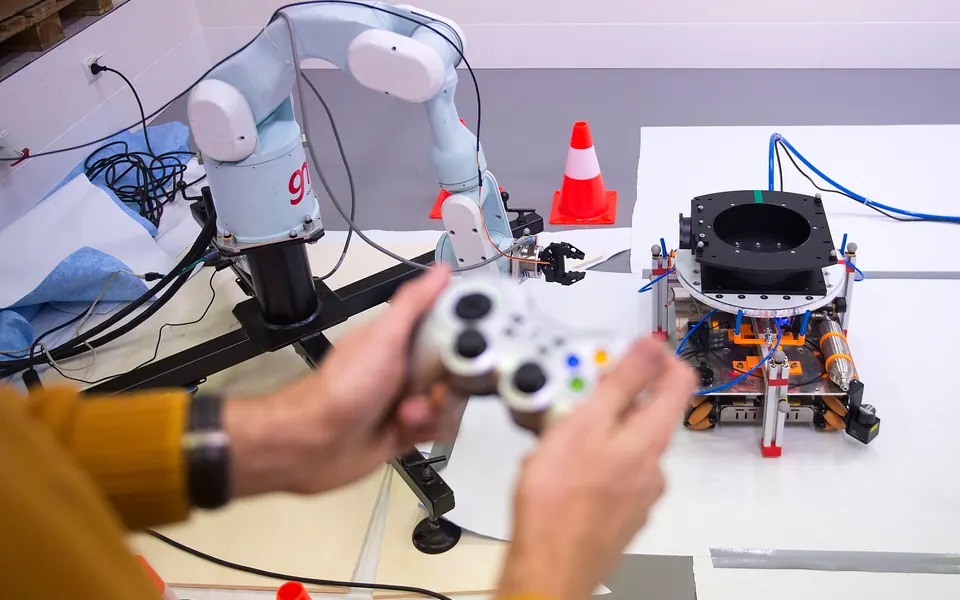
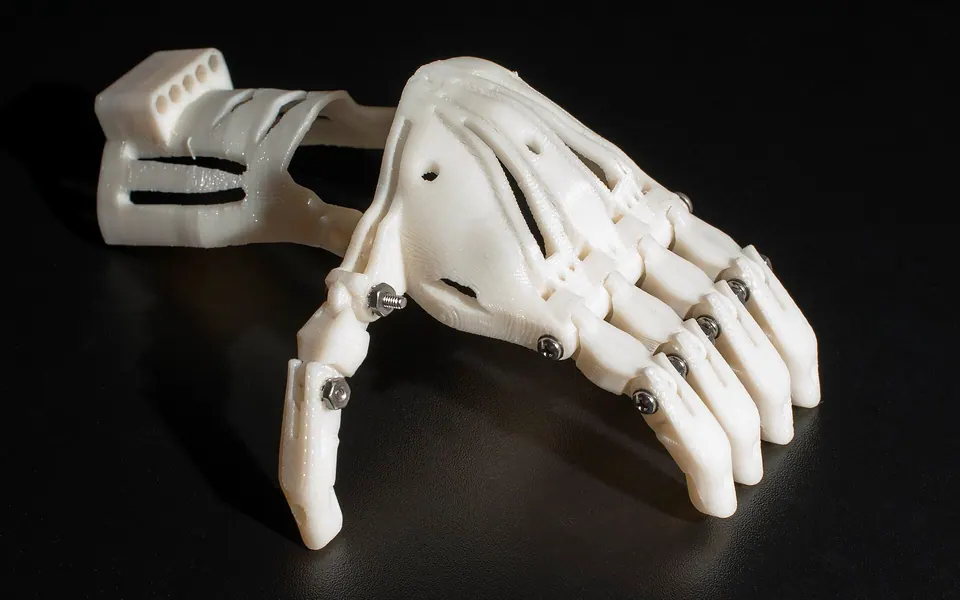
The first year covers mathematics, physics, chemistry, biology and programming with an introduction to bioengineering, followed by biochemistry, electronics, statistics, control engineering and fluid mechanics in biomedicine, and later medical instrumentation, physiology, robotics, tissue engineering, biomaterials and medical image processing. Strong laboratory work, internships in hospitals, companies and research centres, and a bachelor thesis feature, and you can concentrate on tissue engineering, biomedical imaging, or instrumentation and medical devices. Graduates work in pharmaceutical and biotech firms, hospitals, consulting and research on medical devices, diagnostics and new therapies.
What you need
- IB via UNEDasiss: your IB becomes a grade out of 10, and two weighted subjects (IB grades on the credential or PCE tests) add up to 4. Prove B2 English during year 1.
Requirements in full
How places are decided
- Ranked on your admission grade out of 14: the UNEDasiss grade (out of 10) plus up to 4 points from two weighted subjects. 2026 cut-off shown.
The last cut-off
Sources (3)
- Bachelor in Biomedical Engineering at UC3M — checked 2026-09-26
- Entry requirements
- Cut-off, 2026
Other degrees at UC3M