The Hague University of Applied Sciences · Netherlands
Electrical and Electronic Engineering
Microchips, sustainable energy and intelligent hardware in a three-year Delft programme, with project work alongside semiconductor companies such as ASML.
- Where
- DelftNetherlands
- Degree
- BSc
- Length
- 3 years
- Taught in
- English
- Starts
- Autumn 2027
- Apply by
- Not published yet2026: 31 July (EU/EEA)
- Admission
- Open to all who qualify
- EU/EEA fee
- €2,7712027/28 statutory fee
More facts
- Degree
- BSc
- Length
- 3 years
- Taught in
- English
- Starts
- Autumn 2027
Deadlines
Not published yet2026: 31 July (EU/EEA)
-
1 December 2026*
Create your Studielink accountYour own planDetails
Not an official deadline. With a Dutch address you log in with DigiD, which the government says takes about five days. Without one you upload a scan or photo of your passport or EU identity card and Studielink verifies it automatically. Either way, do it well before 15 January.
Source -
1 May 2027, 23:59*
Last day to keep your right to a place (programmes without selection)Equal considerationDetails
Apply by 1 May and you are entitled to admission to a non-selective programme you qualify for. The government says a first application after 1 May may be refused - the programme can still take you, but does not have to. Some institutions set earlier dates of their own, and theirs is the one that binds.
Studielink closes at 23:59 on 1 May. The government’s rule is what makes it an equal-consideration date: apply by 1 May and you are entitled to admission to a programme you qualify for ("Aanmelding tot en met 1 mei betekent ook recht op toelating"); a first application after 1 May "kan door de opleiding geweigerd worden" - the programme may still take you, but it does not have to. Some programmes close earlier for capacity or matching reasons, and the programme’s own date is the one that binds.
Source -
6 July 2027*
IB results releasedDetails
Both Dutch deadlines fall well before this. How a conditional place pending results is handled is set by each institution; ask yours.
Source
* Last year’s date, not yet confirmed.
What it is
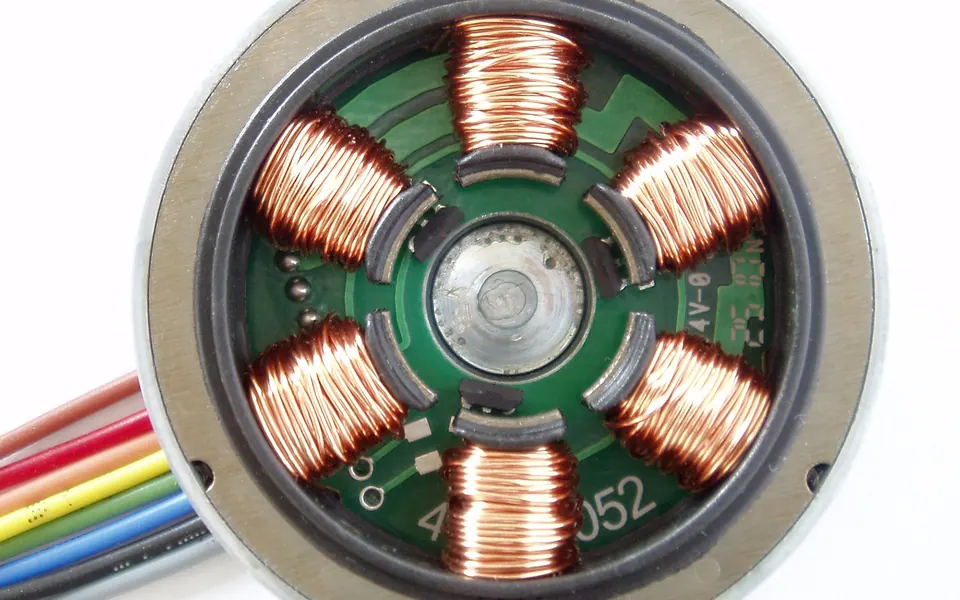
Year one covers digital systems, electricity, magnetism, energy, drive systems and programming, alongside mathematics and physics. In year two you go deeper into embedded systems, energy technology and electronics through semester-long projects such as offshore wind turbine designs. Teaching mixes lectures, practicals in small groups and project teams of two to six students working on fictional cases or real company assignments. In year three you choose an internship or a minor in robotics, entrepreneurship or energy transition, then finish with a six-month graduation project at a company. Typical jobs include embedded systems, electronics design, control and test engineering.
What you need
- Any IB MathsThe maths exam must be passed.
Requirements in full
Every IB applicant at THUAS
A full IB Diploma (24+ points, 3 HL subjects with 12+ points between them, TOK passed) opens both the 4-year and the 3-year programmes. English at HL exempts you from an English test.
How places are decided
- No cap: meet the entry requirements and you are admitted. 2027 deadlines not yet published; in 2026 EU/EEA applicants could apply until late July.
Sources (2)
- Electrical and Electronic Engineering at THUAS — checked 2026-09-30
- IB applicants at THUAS